Bodhicaryāvatāra · Verse 3.1


Sources:    

Sanskrit §No information about the source used.

अपायदुःखविश्रामं सर्वसत्त्वैः कृतं शुभम्। अनुमोदे प्रमोदेन सुखं तिष्ठन्तु दुःखिताः॥

 
Chanted Verse
Recitation by Professor Kashinath Nyaupane
1

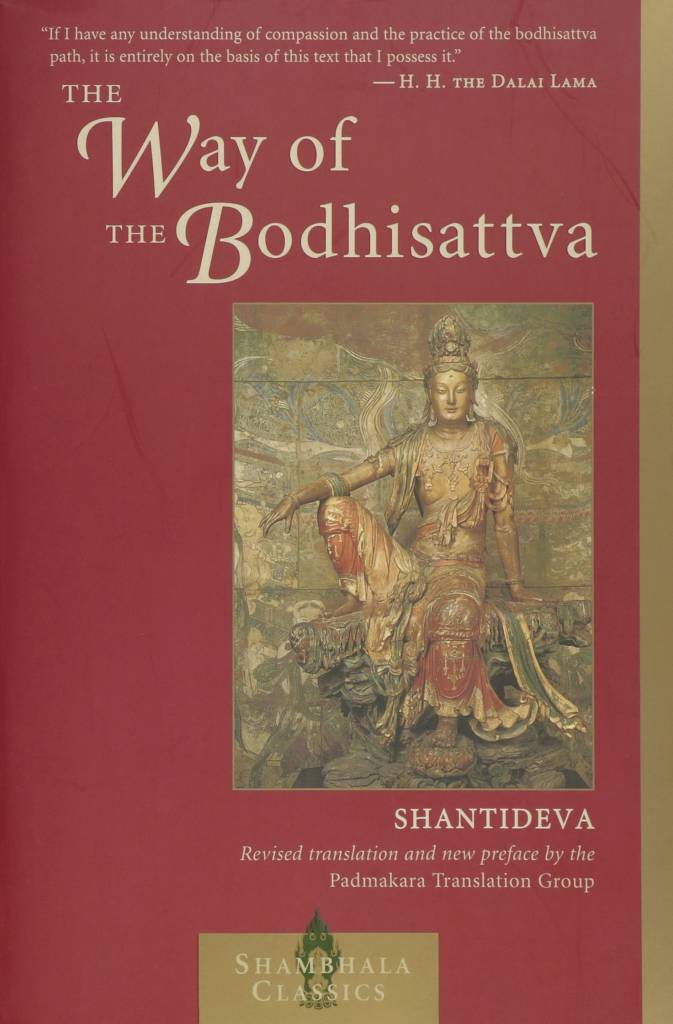
With delight I rejoice that all living beings acquire the merit that quells the pains of the evil destinies. May all suffering beings reach happiness![p.403]How to Be a Bodhisattva: Introduction to the Practice of the Bodhisattva Path (The Bodhicaryāvatāra)
Gómez, Luis O., trans. "How to Be a Bodhisattva: Introduction to the Practice of the Bodhisattva Path (The Bodhicaryāvatāra)." In Norton Anthology of World Religions: Buddhism, edited by Donald S. Lopez Jr., 395–441. New York: Norton, 2017.

Standard Tibetan §Padmakara used the 1990 edition printed by si khron mi rigs dpe skrun khang: Byang chub sems dpa'i spyod pa la 'jug pa rtsa ba dang 'grel pa (1990). Also found in Derge Tengyur D3871, dbu ma, vol. 105, la 1b1–40a7.

༈ སེམས་ཅན་ཀུན་གྱི་ངན་སོང་གི །

སྡུག་བསྔལ་ངལ་བསོའི་དགེ་བ་དང་། ། སྡུག་བསྔལ་ཅན་དག་བདེར་གནས་ལ། །

དགའ་བས་རྗེས་སུ་ཡི་རང་ངོ་། །

 
Chanted Verse
Recitation by Lopen Karma Phuntsho
1

With joy I celebrate the virtue that relieves all beings

From the sorrows of the states of loss,45According to the Buddhist teachings, the experience of beings in saṃsāra falls into six broad categories, states, or realms. Birth in these worlds is the fruit of past karma or action. There are three unfortunate states (the states of loss referred to in this verse) in which suffering predominates over every other experience: that of animals, hungry ghosts, and beings in the hells. There are three fortunate realms where suffering is mitigated by temporary pleasures, namely, the heavens of the gods, the realms of the asuras or demigods, and the human condition. The misery of beings in the lower realms is compounded by the fact that their ability to create the positive energy necessary to propel them into higher existences is very weak, while negativity abounds. Exulting in the happy states enjoyed

By those who yet are suffering.46Shāntideva rejoices in the condition of beings in the higher saṃsāric realms of human beings, asuras (demigods), and gods. In all these states, the experience of happiness and pleasure is possible even though they are never beyond the possibility of suffering.

Standard Tibetan §Padmakara used the 1990 edition printed by si khron mi rigs dpe skrun khang: Byang chub sems dpa'i spyod pa la 'jug pa rtsa ba dang 'grel pa (1990). Also found in Derge Tengyur D3871, dbu ma, vol. 105, la 1b1–40a7. - Other translations

Je me réjouis

Du bien qui soulage la souffrance De tous les êtres des destinées inférieures

Et du bonheur actuel des êtres « douloureux ».

Con alegría celebro

los estados de felicidad de aquellos que todavía sufren44Shantideva se alegra de la felicidad que experimentan los seres en los reinos superiores del samsara: seres humanos, asuras (semidioses) y dioses. En estos estados, es posible tener experiencias de felicidad y placer aunque no están más allá de la posibilidad de experimentar el sufrimiento. y los actos virtuosos que mitigan el sufrimiento

de los reinos desdichados de todos los seres45Según las enseñanzas budistas, las experiencias de los seres en el samsara pueden clasificarse en seis estados o reinos. Nacer en estos reinos es el resultado de un karma o acción anterior. Hay tres estados desafortunados (los estados desdichados mencionados en esta estrofa) en los cuales el sufrimiento predomina sobre todas las demás experiencias: los animales, los espíritus ávidos y los seres de los infiernos. El sufrimiento de los seres en estos reinos inferiores está asociado a que su habilidad para crear la energía positiva necesaria para propulsarse hacia existencias superiores es muy débil, mientras que la negatividad es abundante. Hay tres reinos afortunados donde el sufrimiento está mitigado por placeres temporales: los cielos de los dioses, el reino de los asuras o semidioses y el de los seres humanos. Aunque en estos reinos afortunados pueden disfrutarse estados o experiencias de felicidad y placer, todavía no están más allá del sufrimiento..

La Práctica del Bodisatva-front.jpg
Padmakara Spain 2008

In the virtues that give respite from the sufferings

Of the lower realms of all sentient beings, And in the abiding in happiness of them that suffer,

I rejoice with pleasure.

I gladly rejoice in virtue,

Which gives all sentient beings rest From the suffering of the lower realms

And places those who suffer in happiness.

shift + scroll / swipe
Dūnhuáng §This version is extracted from the book Bodhisattvacaryāvatāra: Entering the Way of the Bodhisattvas (2022, Khenpo Gawang and Wiener), a translation of an edition of the text created from three Dūnhuáng manuscripts. A description and sample pages of these can be found on the Early Tibet Blog. Scans of the actual manuscripts themselves can be found at http://idp.bl.uk

སེམས་ཅན་ཀུན་གྱི་ངན་སོང་གི །

སྡུག་བསྔལ་ངལ་བསོའི་དགེ་བ་དང༌། ། བྱང་ཆུབ་རྒྱུར་འགྱུར་དགེ་བསགས་པ། །

དེ་ལ་རྗེས་སུ་ཡི་རང་ངོ༌། །

alt verse 2.66 tm data
This version differs from it's counterparts.

I rejoice in the virtue that eases the suffering

Of all sentient beings of the lower realms, And in the accumulation of virtue

That becomes the cause of enlightenment.

Tsadra Critical Edition §This text was created by comparing four versions of the text from Derge, Cone, Narthang, and Peking Tengyurs from BDRC scans, along with Dunhuang manuscripts IOL Tib J 628, 629, and 630. When Tibetan readings were problematic, the Sanskrit texts from GRETIL and LTB (Oslo) were consulted.

སེམས་ཅན་ཀུན་གྱི་ངན་སོང་གི །

སྡུག་བསྔལ་ངལ་སོའི་དགེ་བ་དང་། ། སྡུག་བསྔལ་ཅན་དག་བདེར་གནས་ལ། །

དགའ་བས་རྗེས་སུ་ཡི་རང་ངོ་། །28ཏུན་ཧོང་ཀ་༴ ‘སྡུག་བསྔལ་ཅན་དག་བདེར་གནས་ལ། །དགའ་བས་རྗེས་སུ་ཡི་རང་ངོ་། །’ མེད།

[edit]
Sazang Mati (1294 - 1376)
A Commentary on Shantideva's Engaging in the Conduct of the Bodhisattvas (citation)Gyaltsen, Lama Kalsang, and Ani Kunga Chodron, trans. A Commentary on Shantideva's Engaging in the Conduct of the Bodhisattvas Written by Sazang Mati Panchen: Known as An Extremely Clear Illumination of the Meaning of the Text. Walden, NY: Tsechen Kunchab Ling, 2019. Bilingual Edition

(ལྔ་པ་)རྗེས་སུ་ཡི་རང་བའི་ཡན་ལག་ལ་གཉིས་ལས།

5. Rejoicing 1

Thus having explained both offering and confession, the fifth branch of the seven-fold prayer is that of rejoicing. This has two sections:

1. Rejoicing in virtues associated with merit,

2. Rejoicing in virtues associated with liberation.
1

(དང་པོ)བསོད་ནམས་ཆ་མཐུན་གྱི་དགེ་བ་ལ་རྗེས་སུ་ཡི་རང་བ་ནི།

1. Rejoicing in virtues associated with merit 1.1

༈ སེམས་ཅན་ཀུན་གྱི་ངན་སོང་གི །

སྡུག་བསྔལ་ངལ་བསོའི་དགེ་བ་དང་། ། སྡུག་བསྔལ་ཅན་དག་བདེར་གནས་ལ། །

དགའ་བས་རྗེས་སུ་ཡི་རང་ངོ་། །

!_sems can kun gyi ngan song gi_/

sdug bsngal ngal bso'i dge ba dang /_/ sdug bsngal can dag bder gnas la/_/

dga' bas rjes su yi rang ngo /_/

I gladly rejoice in virtue,

Which gives all sentient beings rest From the suffering of the lower realms

And places those who suffer in happiness.

སེམས་ཅན་འཁོར་བར་གནས་པ་ཀུན་གྱི་ཁྱད་པར་ངན་སོང་གསུམ་པོ་དག་གི༵་སྡུག་བསྔལ་མྱོང་བས་ངལ་ཞིང་དུབ་པ་རྣམས་གནས་སྐབས་མཐོ་རིས་སུ་ཅུང་ཟད་ཅིག་ངལ་སོས་པའི་བདེ་བ་ཐོབ་པའི་རྒྱུ་འཇིག་རྟེན་པའི་དགེ་བ་སྤྱོད་པ་ད༵ང་སྡུག་བསྔལ་ཅན་དེ་དག་རྒྱུ་དགེ་བ་ཟག་པ་དང་བཅས་པའི་མཐུས་འབྲས་བུ་མངོན་པར་མཐོ་བ་ལྷ་དང་མིའི་བདེ་བ་ཕུན་སུམ་ཚོགས་པ་ལ་གནས་པ་ལ༵་ཡང་ཕྲག་དོག་སྤངས་ཏེ་དགའ་ཞིང་མགུ་བས་རྗེས་སུ་ཡི་རང་ངོ༵༌། །

When sentient beings who dwell in samsara, particularly those in the three lower realms who are exhausted and weary of suffering, find a little temporary relief in a higher birth, the cause of attaining that happiness is the performance of worldly virtue. The cause of the happiness of those suffering beings is contaminated virtue, and as a result they take higher rebirth in the realm of humans and gods. With happiness and delight, rejoice for them without jealousy.
Gyaltsap Je (1364 - 1432)
The Entrance for the Children of the Conquerors (citation)Stracke, Fedor, trans. The Entrance for the Children of the Conquerors: A Commentary on the Introduction to the Actions of Bodhisattvas. By Gyaltsab Rinpoche. N.p.: Happy Monks Publication, 2016. https://happymonkspublication.org/product/bodhisattvacharyavatara-chapter-1-10-commentary/. Bilingual Edition

གཉིས་པ་དགེ་བ་ལ་རྗེས་སུ་ཡི་རང་བ་སོགས་མཐུན་རྐྱེན་ཚོགས་གསོག་པ་སྔོན་དུ་བཏང་སྟེ་བྱང་ཆུབ་ཀྱི་སེམས་གཟུང་བ་དངོས་ལ་གཉིས།[p.151]Spyod 'jug rtsa 'grel (Mtsho sngon mi rigs dpe skrun khang 2001)
Śāntideva, and Rgyal tshab rje dar ma rin chen. Spyod 'jug rtsa 'grel and Byang chub sems dpa'i spyod pa la 'jug pa'i rnam bshad rgyal sras 'jug ngogs. Xining: Mtsho sngon mi rigs dpe skrun khang, 2001

Actually Taking the Mind of Enlightenment after Having Build up the Conducive Condition of Merits Through Rejoicing and so forth 1

དང་པོ་ལ་གསུམ།

Explaining the Text of the Chapter 1.1

དང་པོ་ལ་ལྔ།

Preparation 1.1.1

དང་པོ་ལ་གསུམ།

Rejoicing in Virtue 1.1.1.1

དང་པོ་ནི།

Rejoicing in the Virtues That Are the Causes of Higher Status, and in Their Effects 1.1.1.1.1

༈ སེམས་ཅན་ཀུན་གྱི་ངན་སོང་གི །

སྡུག་བསྔལ་ངལ་བསོའི་དགེ་བ་དང་། ། སྡུག་བསྔལ་ཅན་དག་བདེར་གནས་ལ། །

དགའ་བས་རྗེས་སུ་ཡི་རང་ངོ་། །

!_sems can kun gyi ngan song gi_/

sdug bsngal ngal bso'i dge ba dang /_/ sdug bsngal can dag bder gnas la/_/

dga' bas rjes su yi rang ngo /_/

In the virtues that give respite from the sufferings

Of the lower realms of all sentient beings, And in the abiding in happiness of them that suffer,

I rejoice with pleasure.

འཁོར་བར་གནས་པའི་སེམས་ཅན་ཀུན་གྱི་ངན་སོང་གི་སྡུག་བསྔལ་ངལ་གསོ་ཞིང་མངོན་མཐོ་ཁྱད་པར་ཅན་འཐོབ་པར་བྱེད་པའི་རྒྱུའི་དགེ་བ་དང་། དེའི་འབྲས་བུ་སྡུག་བསྔལ་ཅན་དག་མངོན་མཐོའི་བདེ་བར་གནས་པ་ལ་བསམ་པ་དགའ་བས་

I rejoice in the causal virtues that give respite from the sufferings of the lower realms, of all sentient beings abiding in cyclic existence, and which cause them to attain special higher status. I also rejoice in the result, i.e., the abiding of these suffering sentient beings in the happiness of higher status.

དེ་ལྟ་བུ་ཡོད་པ་ཨ་རེ་ལེགས་སྙམ་དུ་རྗེས་སུ་ཡི་རང་ངོ༌། །

Reflecting on these with pleasure, I rejoice in their existence.
Minyak Kunzang Sönam (1823 - 1905)
The Great Hūṃ (citation)Duckworth, Douglas, trans. The Great Hūṃ: A Commentary on Śāntideva's Way of the Bodhisattva. By Minyak Kunzang Sönam. New York, NY: Wisdom Publications, 2025. Bilingual Edition

དང་པོ་ལ་གསུམ།

The text of the chapter 3.1

སྦྱོར་བ་སྔོན་འགྲོའི་ཆོས།

The preparation of preliminary practices 3.1.1

དང་པོ་ལ་བཞི།

Gathering the cooperating conditions for generating the spirit of awakening in your continuum 3.1.1.1

དང་པོ་ནི།

Rejoicing 3.1.1.1.1

Here is rejoicing in the causes and effects of virtues that bring higher states:

སེམས་ཅན་ཀུན་གྱི་ངན་སོང་གི །

སྡུག་བསྔལ་ངལ་བསོའི་དགེ་བ་དང་། ། སྡུག་བསྔལ་ཅན་དག་བདེར་གནས་ལ། །

དགའ་བས་རྗེས་སུ་ཡི་རང་ངོ་། །

With delight I rejoice

in the virtues of all sentient beings that relieve suffering in the lower realms;

I rejoice in the happiness of those who suffer. (3.1)

དེ་ལ། མངོན་མཐོ་རྒྱུ་འབྲས་ཀྱི་དགེ་བ་ལ་ཡི་རང་བ་ནི།

སྲིད་པར་འཁྱམས་པའི་སེམས་ཅན་ཀུན་གྱི་ནང་ནས་ངན་སོང་གསུམ་པོ་དག་གི་གནས་རྣམས་སུ་སྡུག་བསྔལ་ཡུན་རིང་བར་མྱོང་བས་ལུས་སེམས་ངལ་ཞིང་དུབ་པར་གྱུར་པ་རྣམས་རེ་ཞིག་དུས་ཅུང་ཟད་ཙམ་དུ་ངལ་གསོ་བའི་མངོན་མཐོའི་རྟེན་ཁྱད་པར་ཅན་འཐོབ་བྱེད་ཀྱི་རྒྱུར་གྱུར་པ་འཇིག་རྟེན་པའི་བསོད་ནམས་ཆ་མཐུན་གྱི་དགེ་བ་དང༌། དེའི་འབྲས་བུ་ངན་སོང་གི་སྡུག་བསྔལ་ཅན་དག་དེ་ལས་ཐར་ནས། གནས་སྐབས་མངོན་མཐོ་ལྷ་མིའི་བདེ་བར་ལོངས་སྤྱོད་ཅིང་གནས་པ་ལ་བསམ་པ་ཕྲག་དོག་སྤངས་ནས་ཨ་རེ་ལེགས་སྙམ་དུ་ཡིད་བདེ་དང་མཚུངས་ལྡན་གྱི་དང་བའི་དད་པ་སྐྱེད་ཅིང་དགའ་ཞིང་མགུ་བས་རྗེས་སུ་ཡི་རང་ངོ༌། །འདིར་སེམས་རབ་ཏུ་དང་བས་དགའ་བ་དང་ལུས་འདར་ཞིང་མཆི་མ་འབྱུང་ལ་སྤུ་ཟིང་བྱེད་པ་དང་ངག་གིས་ལེགས་པར་བྱས་སོ་བཟང་པོ་ཞིག་བྱས་སོ་ཞེས་སྒོ་གསུམ་ཀ་ནས་ཡི་རང་བྱ་[p.100]Byang chub sems dpa'i spyod pa la 'jug pa'i 'grel bshad rgyal sras rgya mtsho'i yon tan rin po che mi zad 'jo ba'i bum bzang
Mi nyag kun bzang bsod nams (མི་ཉག་ཀུན་བཟང་བསོད་ནམས་). byang chub sems dpa'i spyod pa la 'jug pa'i 'grel bshad rgyal sras rgya mtsho'i yon tan rin po che mi zad 'jo ba'i bum bzang [བྱང་ཆུབ་སེམས་དཔའི་སྤྱོད་པ་ལ་འཇུག་པའི་འགྲེལ་བཤད་རྒྱལ་སྲས་རྒྱ་མཚོའི་ཡོན་ཏན་རིན་པོ་ཆེ་མི་ཟད་འཇོ་བའི་བུམ་བཟང།]. [Excellent Vase That Spills Forth an Ocean of the Inexhaustible and Precious Qualities of the Victor's Heirs: An Explanation of the "Way of the Bodhisattva."].
བར་འགྲེལ་ཆེན་སོགས་ལས་བཤད་དོ། །

Among all the sentient beings wandering in existence, those in the three lower realms experience suffering for a long time. Consequently, their minds[p.156]The Great Hum
Duckworth, Douglas, trans. The Great Hūṃ: A Commentary on Śāntideva's Way of the Bodhisattva. By Minyak Kunzang Sönam. New York, NY: Wisdom Publications, 2025.
and bodies are exhausted and downtrodden. Virtues in accord with mundane merit are causes for attaining a distinctive support in the higher realms that gives temporary relief. The [96] effects of these virtues are freedom from the suffering in the lower realms and remaining in the higher realms of the gods and humans, enjoying happiness for a while. I rejoice, respectfully and joyfully, in these virtues and cultivate an inspired faith with an associated joy, along with the thought, without jealousy, that this is wonderful. Here it is described in the great commentary and other texts that there is rejoicing in body, speech, and mind: the mind is inspired with joy; the body trembles and is moved to tears with hairs standing on end; and these words are expressed in speech, “This is good. This is wonderful!”311See Prajñākaramati, Commentary on the Way of the Bodhisattva, 69a.
Kunzang Palden (1862 - 1943)
The Nectar of Manjushri's Speech (citation)Blankleder, Helena, and Wulstan Fletcher (Padmakara Translation Group), trans. The Nectar of Manjushri's Speech: A Detailed Commentary on Shantideva's Way of the Bodhisattva. By Kunzang Pelden. Boston: Shambhala Publications, 2007. Bilingual Edition

གསུམ་པ། བྱང་སེམས་ཡོངས་སུ་བཟུང་བའི་ལེའུ།

Chapter 3 Taking Hold of Bodhichitta

དང་པོ་སྦྱོར་བ་སྔོན་དུ་འགྲོ་བའི་ཆོས་ལ།

Preparatory Practice 1

དང་པོ་ལ་ཚོགས་བསགས་པ་

The Accumulation of Merit 1.1.

ཡན་ལག་བརྒྱད་ལས། སྔ་མ་བཞི་ལེའུ་གཉིས་པའི་སྐབས་བཤད་ཟིན། འདིར་བཤད་པར་བྱ་བ། རྗེས་སུ་ཡི་རང་བའི་ཡན་ལག །ཆོས་འཁོར་བསྐོར་བར་བསྐུལ་བའི་ཡན་ལག །མྱ་ངན་ལས་མི་འདའ་བར་གསོལ་བ་

The explanation of the accumulation of merit has eight sections or “branches.” Four of these have already been dealt with in chapter 2.100The first four branches are the acts of veneration, refuge, offerings, and confession of negative actions. In the present chapter, we will consider the remaining four, which are rejoicing in virtue, the request that the Teachers should turn the wheel of the Dharma, the prayer that the Teachers might not pass into nirvana, and the dedication of one’s roots of virtue for the sake of others.

དང་པོ་༼རྗེས་སུ་ཡི་རང་བའི་ཡན་ལག་༽ནི།

Rejoicing in Virtue 1.1.1.

སྐྱེས་བུ་ཆུང་འབྲིང་ཆེན་པོའི་དགེ་བ་གསུམ་ལས། སྐྱེས་བུ་ཆུང་ངུའི་དགེ་བ་བསོད་ནམས་ཆ་མཐུན་ལ་རྒྱུ་འབྲས་གཉིས་ལས།

Positive actions may be distinguished according to the threefold classification of beings: those of lesser, medium, and great capacity. “Virtue tending to happiness,” which belongs to beings of lesser scope, may be considered in terms of its causal and resultant aspects, both of which are a matter for rejoicing.

༈ སེམས་ཅན་ཀུན་གྱི་ངན་སོང་གི །

སྡུག་བསྔལ་ངལ་བསོའི་དགེ་བ་དང་། ། སྡུག་བསྔལ་ཅན་དག་བདེར་གནས་ལ། །

དགའ་བས་རྗེས་སུ་ཡི་རང་ངོ་། །

!_sems can kun gyi ngan song gi_/

sdug bsngal ngal bso'i dge ba dang /_/ sdug bsngal can dag bder gnas la/_/

dga' bas rjes su yi rang ngo /_/

རྒྱུ་ལ་ཡི་རང་བ་ནི། འཁོར་བའི་སེམས་ཅན་གང་སུ་ཡང་རུང་བ་ཀུན་གྱི་དམྱལ་བ་སོགས་ངན་སོང་གི་སྡུག་བསྔལ་མྱོང་ཞིང་ངལ་བས་གདུང་བ་ལས་རེ་ཞིག་མཐོ་རིས་སུ་ངལ་བསོའི་ཏེ་བསོ་བའི་ལྷ་མིའི་བདེ་བའི་འབྲས་བུ་འཐོབ་པའི་རྒྱུ་བསམ་པ་ངེས་འབྱུང་དང་བྱང་སེམས། ཉམས་ལེན་བདག་མེད་ཀྱིས་མ་ཟིན་པའི་དགེ་བཅུ་ལ་སོགས་པའི་དགེ་བ་བསྒྲུབ་པ་དང༌། འབྲས་བུ་ལ་ཡི་རང་བ་ནི་ངན་སོང་གསུམ་ལ་ལྟོས་ན་ལྷ་མི་རྣམས་གནས་སྐབས་བདེ་ཡང་ཁྱབ་པ་འདུ་བྱེད་ཀྱི་སྡུག་བསྔལ་སྡུག་བསྔལ་གྱི་སྡུག་བསྔལ། འགྱུར་བའི་སྡུག་བསྔལ་སྟེ་གསུམ་ཅི་རིགས་པ་དང་ལྡན་པས་སྡུག་བསྔལ་ཅན་དག་མངོན་མཐོ་ལྷ་མིའི་གནས་སུ་གཟུགས་དང་ལང་ཚོ་ཐོབ་དང་མངའ་ཐང༌། སྙན་པ་དང་གྲགས་པ་ནོར་དང་ལོངས་སྤྱོད་སོགས་ཕུན་སུམ་ཚོགས་པའི་བདེར་སྟེ་བདེ་བར་གནས་པ་རང་རང་གི་སྔོན་གྱི་དགེ་བའི་འབྲས་བུ་ལ་སྤྱོད་པ་རྣམས་ལ་ཕྲག་དོག་དང་འགྲན་སེམས་ལ་སོགས་པ་མེད་པར་སྙིང་ནས་དགའ་བས་རྗེས་སུ་ཡི་རང་ངོ༌། །

With joy I celebrate the virtue that relieves all beings

From the sorrows of the states of loss,45According to the Buddhist teachings, the experience of beings in saṃsāra falls into six broad categories, states, or realms. Birth in these worlds is the fruit of past karma or action. There are three unfortunate states (the states of loss referred to in this verse) in which suffering predominates over every other experience: that of animals, hungry ghosts, and beings in the hells. There are three fortunate realms where suffering is mitigated by temporary pleasures, namely, the heavens of the gods, the realms of the asuras or demigods, and the human condition. The misery of beings in the lower realms is compounded by the fact that their ability to create the positive energy necessary to propel them into higher existences is very weak, while negativity abounds. Exulting in the happy states enjoyed

By those who yet are suffering.46Shāntideva rejoices in the condition of beings in the higher saṃsāric realms of human beings, asuras (demigods), and gods. In all these states, the experience of happiness and pleasure is possible even though they are never beyond the possibility of suffering.

From the causal point of view, Shantideva joyfully celebrates the practice of virtue—the ten positive actions and so on—that is not associated with the determination to leave samsara, nor with bodhichitta, nor with the practice of egolessness. It is this kind of virtue that releases samsaric beings from the suffering and torments of hell and the[p.120]The Nectar of Manjushri's Speech
Blankleder, Helena, and Wulstan Fletcher (Padmakara Translation Group), trans. The Nectar of Manjushri's Speech: A Detailed Commentary on Shantideva's Way of the Bodhisattva. By Kunzang Pelden. Boston: Shambhala Publications, 2010.
other evil destinies, and places them, for a time at least, in the bliss of the higher states. Shantideva rejoices also in the result of such virtue. For the situation of gods and human beings is happy by comparison with the three lower realms. And yet it too is marred by the three kinds of suffering: the suffering of pain itself, the suffering of change, and all-pervading suffering in the making. And so, with joy in his heart, Shantideva takes pleasure, untainted by jealous rivalry, at the happiness enjoyed by beings while they are in the divine and human realms, where—even though suffering is a constant liability for them—they reap the fruits of their positive actions accomplished in the past and have the enjoyment of physical beauty, youth, power, renown, wealth, and every perfect pleasure.


[edit]
[edit]