2.65

From Bodhicitta

Bodhicaryāvatāra · Verse 2.65


Sources:    

Sanskrit §No information about the source used.

अत्ययमत्ययत्वेन प्रतिगृह्णन्तु नायकाः। न भद्रकमिदं नाथा न कर्तव्यं पुनर्मया॥

 
Chanted Verse
Recitation by Professor Kashinath Nyaupane
66

Let the guides recognize my faults as faults. It was not noble conduct, protectors. I will not repeat this conduct.

Standard Tibetan §Padmakara used the 1990 edition printed by si khron mi rigs dpe skrun khang: Byang chub sems dpa'i spyod pa la 'jug pa rtsa ba dang 'grel pa (1990). Also found in Derge Tengyur D3871, dbu ma, vol. 105, la 1b1–40a7.

འདྲེན་པ་རྣམས་ཀྱིས་བདག་གི་སྡིག །

ནོངས་པ་ལགས་པར་གཟུང་དུ་གསོལ། ། འདི་ནི་བཟང་པོ་མ་ལགས་པས། །

སླན་ཆད་བདག་ནི་ཡོང་མི་བགྱིད། །

 
Chanted Verse
Recitation by Lopen Karma Phuntsho
65

I pray you, guides and guardians of the world,

To take me as I am, a sinful man. And all these actions, evil as they are,

I promise I will never do again.[p.47]The Way of the Bodhisattva (2006)
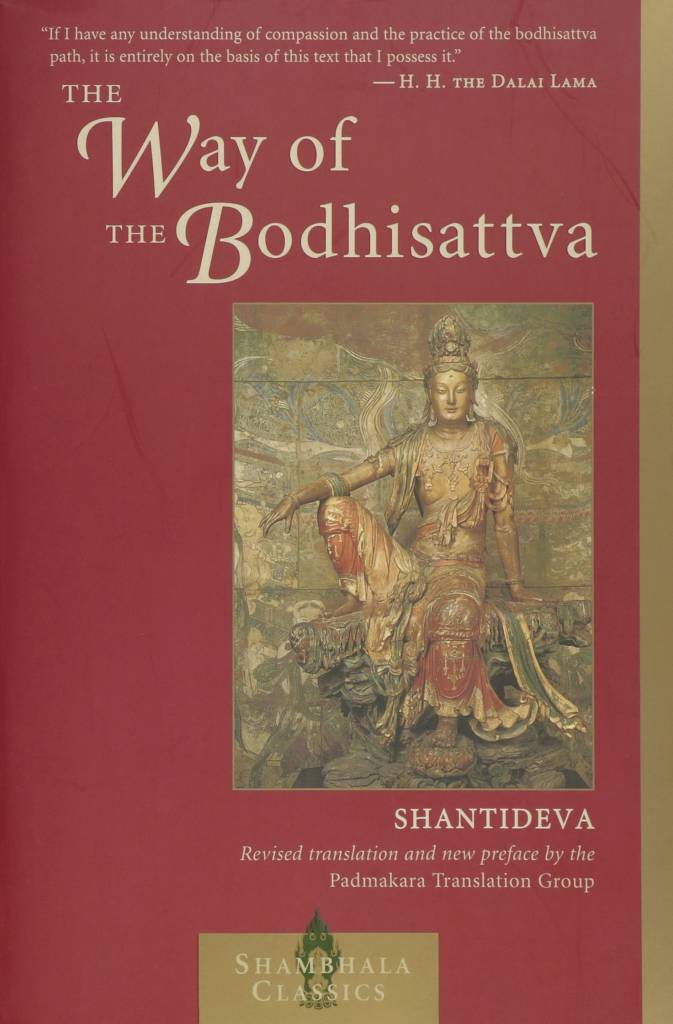
Blankleder, Helena, and Wulstan Fletcher (Padmakara Translation Group), trans. The Way of the Bodhisattva: A Translation of the Bodhicharyāvatāra. By Śāntideva. Rev. ed. Shambhala Classics. Boston: Shambhala Publications, 2006.

Standard Tibetan §Padmakara used the 1990 edition printed by si khron mi rigs dpe skrun khang: Byang chub sems dpa'i spyod pa la 'jug pa rtsa ba dang 'grel pa (1990). Also found in Derge Tengyur D3871, dbu ma, vol. 105, la 1b1–40a7. - Other translations

Ô guides, je vous supplie

De considérer mes méfaits tels qu’ils sont. Puisqu’ils sont nuisibles,

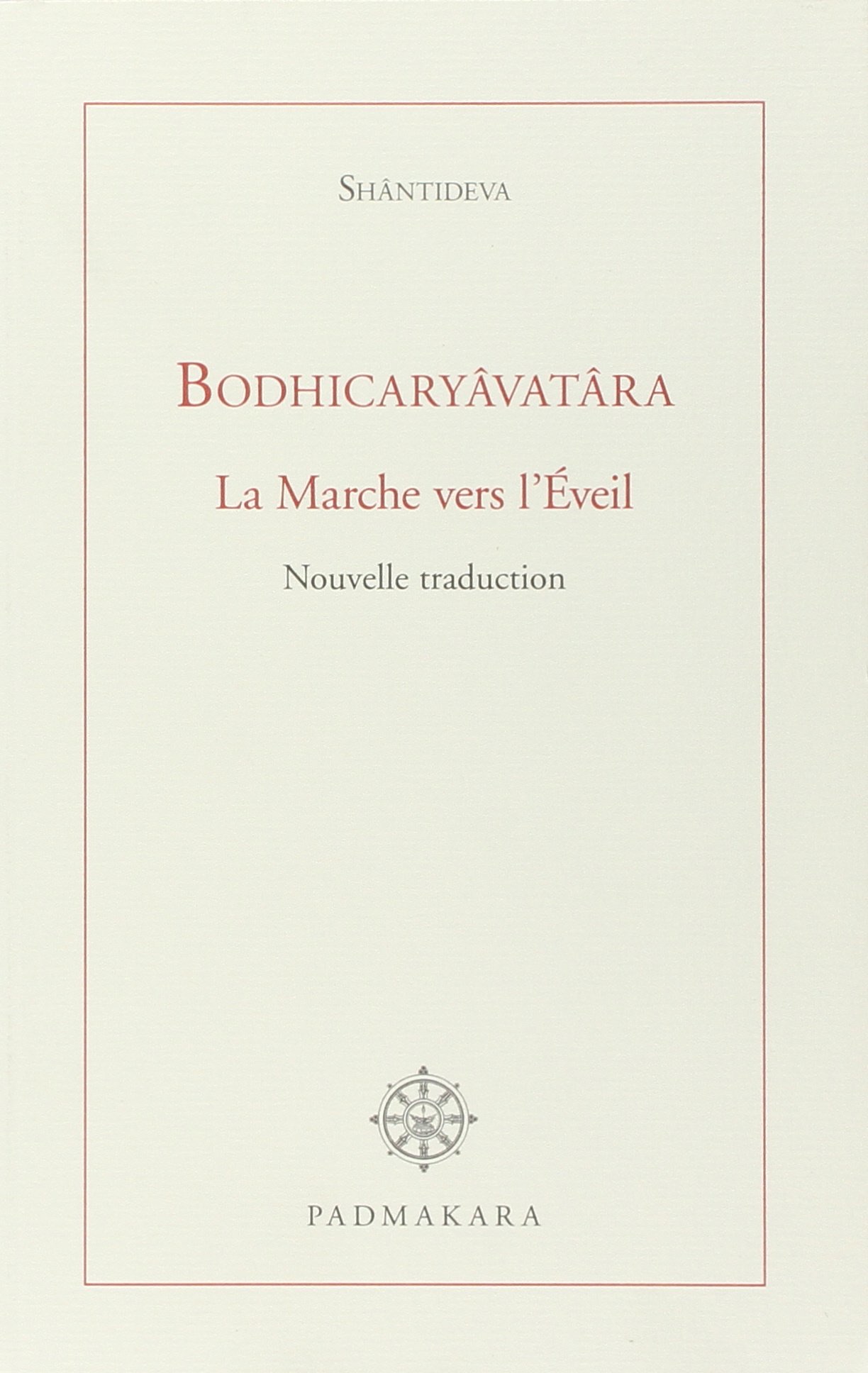
Plus jamais je ne les commettrai.[p.57]La Marche vers l'Éveil (2007)

A vosotros, guías del mundo os pido

que aceptéis a este pecador. Todas esas acciones, puesto que son dañinas,

prometo que desde ahora no las haré nunca de nuevo.[p.68]La Práctica del Bodisatva
Hervás, María Jesús (Padmakara Translation Group, Spain), trans. La Práctica del Bodisatva: Una Traducción del Bodicharyavatara de Shantideva. Translated from the 2006 English translation of Helena Blankleder and Wulstan Fletcher. Novelda, Alicante, Spain: Ediciones Dharma, 2008.

La Práctica del Bodisatva-front.jpg
Padmakara Spain 2008

I request the guides to accept my

Negativities as mistakes. Since they are not wholesome

I shall not do them again.

I beseech you to accept

My confession of sinful wrongs. As these acts are not noble,

I shall never commit them again.

shift + scroll / swipe
Dūnhuáng §This version is extracted from the book Bodhisattvacaryāvatāra: Entering the Way of the Bodhisattvas (2022, Khenpo Gawang and Wiener), a translation of an edition of the text created from three Dūnhuáng manuscripts. A description and sample pages of these can be found on the Early Tibet Blog. Scans of the actual manuscripts themselves can be found at http://idp.bl.uk

འདྲེན་པ་རྣམས་ཀྱིས་བདག་གི་སྡིག །

ནོངས་པ་ལགས་པར་གཟུང་དུ་གསོལ། ། འདི་ནི་བཟང་པོ་མ་ལགས་པས། །

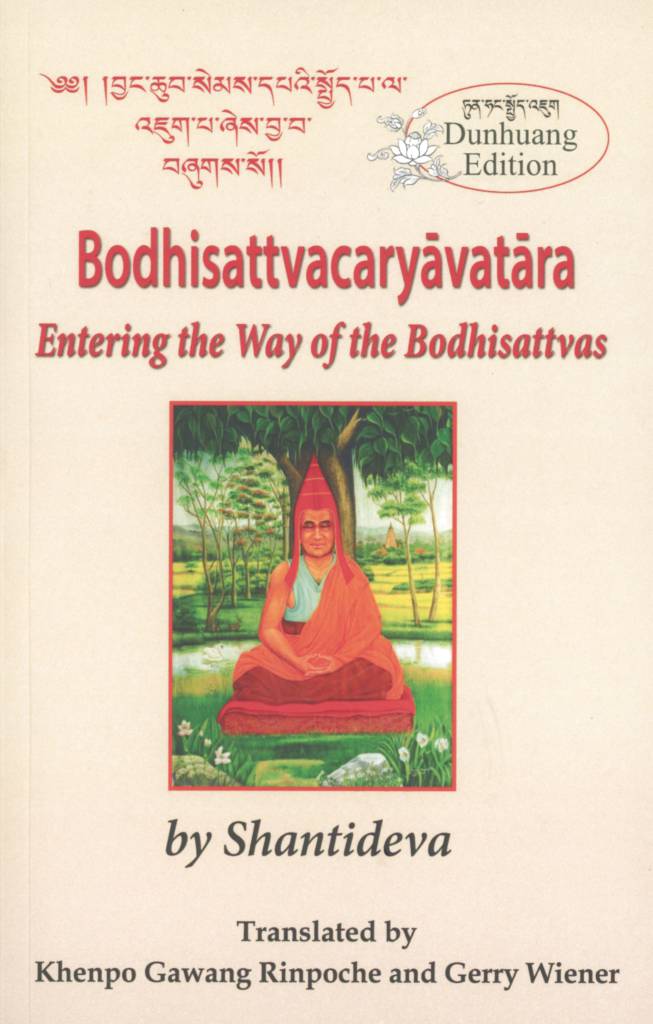
སླན་ཆད་བདག་ནི་ཡོང་མི་བགྱིད། །[p.47]Entering the Way of the Bodhisattvas (2022, Khenpo Gawang and Wiener)
Gawang, Khenpo, and Gerry Wiener, trans. Bodhisattvacaryāvatāra: Entering the Way of the Bodhisattvas by Shantideva - Dunhuang Edition. Memphis, TN: Jeweled Lotus Publishing, 2022.

alt verse 2.65 tm data

Leaders,

Please acknowledge my unwholesome deeds as faults. Since they are not good,

From now on, I will not perform them again.[p.48]Entering the Way of the Bodhisattvas (2022, Khenpo Gawang and Wiener)
Gawang, Khenpo, and Gerry Wiener, trans. Bodhisattvacaryāvatāra: Entering the Way of the Bodhisattvas by Shantideva - Dunhuang Edition. Memphis, TN: Jeweled Lotus Publishing, 2022.

Tsadra Critical Edition §This text was created by comparing four versions of the text from Derge, Cone, Narthang, and Peking Tengyurs from BDRC scans, along with Dunhuang manuscripts IOL Tib J 628, 629, and 630. When Tibetan readings were problematic, the Sanskrit texts from GRETIL and LTB (Oslo) were consulted.

འདྲེན་པ་རྣམས་ཀྱིས་བདག་གི་སྡིག །

ནོངས་པ་ལགས་པར་གཟུང་དུ་གསོལ། ། འདི་ནི་བཟང་པོ་མ་ལགས་པས། །

སླན་ཆད་བདག་ནི་ཡོང་མི་བགྱིད། །

[edit]
Sazang Mati (1294 - 1376)
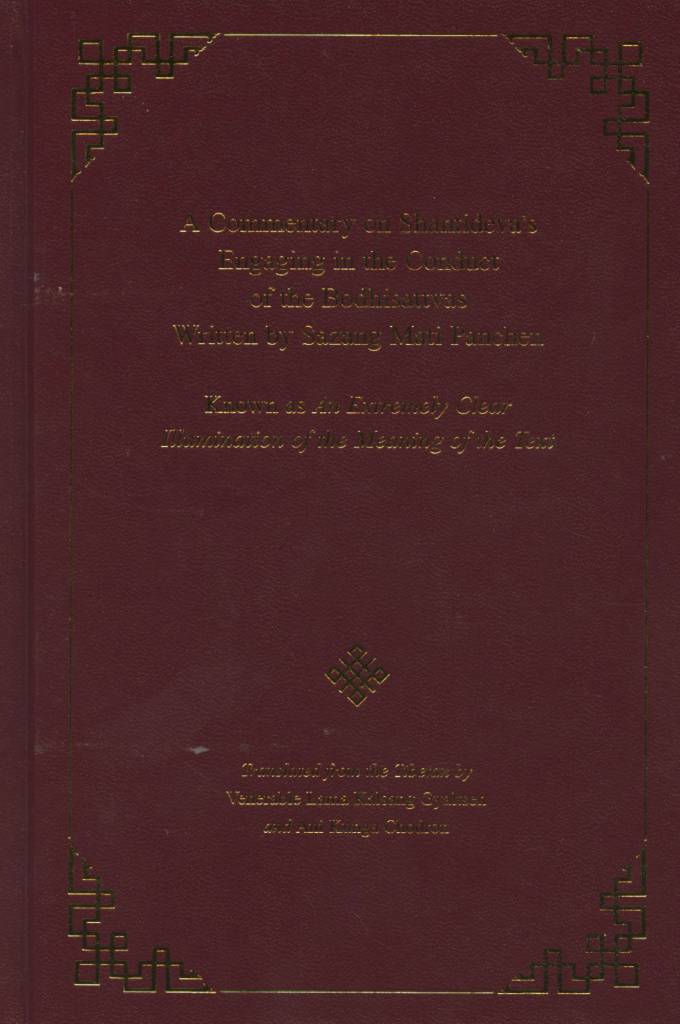
A Commentary on Shantideva's Engaging in the Conduct of the Bodhisattvas (citation)Gyaltsen, Lama Kalsang, and Ani Kunga Chodron, trans. A Commentary on Shantideva's Engaging in the Conduct of the Bodhisattvas Written by Sazang Mati Panchen: Known as An Extremely Clear Illumination of the Meaning of the Text. Walden, NY: Tsechen Kunchab Ling, 2019. Bilingual Edition

(བཞི་པ་)སྡོམ་པའི་སྟོབས་ནི།

4. Power of restoration for the future 1.1.4.2.2.4

འདྲེན་པ་རྣམས་ཀྱིས་བདག་གི་སྡིག །

ནོངས་པ་ལགས་པར་གཟུང་དུ་གསོལ། ། འདི་ནི་བཟང་པོ་མ་ལགས་པས། །

སླན་ཆད་བདག་ནི་ཡོང་མི་བགྱིད། །

dren pa rnams kyis bdag gi sdig_/

nongs pa lags par gzung du gsol/_/ 'di ni bzang po ma lags pas/_/

slan chad bdag ni yong mi bgyid/_/

I beseech you to accept

My confession of sinful wrongs. As these acts are not noble,

I shall never commit them again.

འཇིག་རྟེན་གྱི་འདྲེན་པ་སངས་རྒྱས་དང་བྱང་ཆུབ་སེམས་དཔའ་རྣམས་ཀྱིས་བདག་གི་སྡི༵ག་པ་ཁ་ན་མ་ཐོ་བ་བགྱིས་པ་རྣམས་ནོངས་ཤིང་ཉེས་པ་ལགས་པར་བཟུང་ཞིང་མཁྱེན་པར་མཛད་དུ་གསོ༵ལ། མི་དགེ་བ་སྤྱོད་པ་འདི་ནི་རྣམ་པར་སྨིན་པ་མི་བཟད་པ་སྐྱེད་ཅིང་དམ་པ་རྣམས་ཀྱིས་སྨད་པར་བྱ་བ་ཡིན་གྱི་སྤྱོད་པ་བཟང་པོ་མ་ལགས་པ༵ས་དུས་འདི་ནས་བརྩམས་ཏེ་སླན་ཆད་བྱང་ཆུབ་ཀྱི་བར་དུ་བདག་ནི་ཤེས་བཞིན་དུ་སྲོག་ལ་བབ་ཀྱང་ཡོང་ཡེ་མི་བགྱི༵ད་ཅིང་སྡོམ་ལགས་སོ་ཞེས་པའོ། །

O, Buddhas and Bodhisattvas, rescuers of the world, whatever naturally unwholesome and other non-virtuous deeds that I have committed, I now regret and know to be wrong. I beseech you to take and accept them. These unwholesome actions will produce unbearable results. They are not right conduct and are scorned by the noble ones. Therefore, from this time onward, until I reach the state of enlightenment, I will not knowingly indulge in them again, even at the cost of my life. I make a commitment to stop them.

དེ་ལྟ་ན་ནི་དམ་པའི་ཆོས་ལ་བསླབ་པར་འགྱུར་ཏེ། ཡུམ་ལས།

Such actions train oneself in the holy Dharma. The Mother of Perfection Sutra states:

སེམས་འདི་བཟང་བ་མིན་སྙམ་དྲན་པ་སྐྱེད་བྱེད་ཅིང༌། །

སོ་སོར་འཆགས་པར་བྱེད་ཅིང་ཕྱིས་ཀྱང་སྡོམ་བྱེད་ལ། །

དགའ་བར་མི་བྱེད་དེ་ནི་སངས་རྒྱས་ཆོས་འདིར་སློབ། །

Thinking that one's mind is ignoble, generate mindfulness.
Confess each individually, and vow to perform them no more.
Delighting in not indulging in them
Is training in the Buddha 's Dharma.

ཅེས་གསུངས་པ་ལྟར་རོ། །བྱང་ཆུབ་སེམས་དཔའི་སྤྱོད་པ་ལ་འཇུག་པ་ལ༵ས་མཆོད་པ་འབུལ་བ་ལ་སོགས་པ་ཡོད་ཀྱང་སྡིག་པ་བཤགས་པ་གཙོ་བོར་སྟོན་པ་ཞེས་བྱ་བ་སྟེ་ལེའུ་གཉིས་པའི་རྣམ་པར་བཤད་པའོ༵།། །།

This completes the explanation of the second chapter of Engaging in the Conduct of the Bodhisattvas, which although there are other topics such as making offerings, etc., primarily treats the confession of negative deeds.
Gyaltsap Je (1364 - 1432)
The Entrance for the Children of the Conquerors (citation)Stracke, Fedor, trans. The Entrance for the Children of the Conquerors: A Commentary on the Introduction to the Actions of Bodhisattvas. By Gyaltsab Rinpoche. N.p.: Happy Monks Publication, 2016. https://happymonkspublication.org/product/bodhisattvacharyavatara-chapter-1-10-commentary/. Bilingual Edition

གསུམ་པ་ནི།

Making a Promise to Refrain from the Negativity after Having Requested Attention 1.1.1.1.4.2.4.3

འདྲེན་པ་རྣམས་ཀྱིས་བདག་གི་སྡིག །

ནོངས་པ་ལགས་པར་གཟུང་དུ་གསོལ། ། འདི་ནི་བཟང་པོ་མ་ལགས་པས། །

སླན་ཆད་བདག་ནི་ཡོང་མི་བགྱིད། །
dren pa rnams kyis bdag gi sdig_/

nongs pa lags par gzung du gsol/_/ 'di ni bzang po ma lags pas/_/

slan chad bdag ni yong mi bgyid/_/

I request the guides to accept my

Negativities as mistakes. Since they are not wholesome

I shall not do them again.

རྒྱུ་མཚན་དེ་བས་ན་འདྲེན་པ་རྣམས་ཀྱིས་བདག་གིས་སྡིག་པ་བྱས་པ་ནོངས་པ་ལགས་པས་ནོངས་པ་ལགས་པར་གཟུང་དུ་གསོལ་སྡིག་པ་བྱས་པ་འདི་ནི་བྱ་བ་བཟང་བོ་མ་ལགས་པས་སླན་ཆད་བདག་ནི་སྲོག་ལ་[p.150]Spyod 'jug rtsa 'grel (Mtsho sngon mi rigs dpe skrun khang 2001)
Śāntideva, and Rgyal tshab rje dar ma rin chen. Spyod 'jug rtsa 'grel and Byang chub sems dpa'i spyod pa la 'jug pa'i rnam bshad rgyal sras 'jug ngogs. Xining: Mtsho sngon mi rigs dpe skrun khang, 2001
བབ་ཀྱང་ཡོང་ཡེ་མི་བགྱིད་དོ། །

Oh guides, for these reasons, please accept my negativities as mistakes. Since these negativities are not wholesome I promise not to do them again, even at the cost of my life.

ཞེས་པ་ནི་དེང་ཕྱིན་ཆད་རྒྱུན་གཅོད་ཅིང་སྡོམ་པར་བགྱིད་པའོ། །

Make the promise in this way, not to do the negativity henceforth, even at the cost of one’s life.

གསུང་རབ་དགོངས་འགྲེལ་དང་བཅས་པ་རྣམས་ནས་སྡིག་པ་སྦྱོང་བའི་སྒོ་མང་དུ་གསུངས་ཀྱང་གཉེན་པོ་ཡོངས་སུ་རྫོགས་པ་ནི་སྟོབས་བཞི་ཚང་བའི་བཤགས་པ་འདིས་བཤགས་པ་ཡིན་ལ། དེས་མྱོང་ངེས་ཀྱི་སྡིག་པ་ཡང་འདག་པར་རྟོག་གེ་འབར་བ་དང་། བརྒྱད་སྟོང་འགྲེལ་ཆེན་སོགས་ལས་གསུངས་སོ། །

Although there are many doors for purification explained in the teachings and treatises, to purify by way of the complete four powers is the way to purify. That this purifies also the karma definitely to be experienced is explained in the Togke Barwa and The Great Commentary to the Eight-thousand Verse Sutra.

རང་ཅག་ལས་འབྲས་ཀྱི་རྣམ་དབྱེ་ལ་མི་མཁས་ཤིང་། ཅུང་ཟད་ཤེས་ཀྱང་འདོར་ལེན་ཚུལ་བཞིན་དུ་མི་བྱེད་པ་ལ་ཉི་མ་རེ་རེ་ཞིང་སྡིག་པའི་སྒོ་དུ་མ་འབྱུང་བས་རྒྱུན་དུ་སྟོབས་བཞིའི་བཤགས་པའི་ལམ་དུ་འཇུག་པར་བྱ་ཞིང༌།

We, who do not know the instances of karmic cause and effect well, and who, although knowing a little, do not practice what has to be abandoned and what has to be practiced accordingly, should confess on a daily basis uninterruptedly by way of the four powers.

ཁྱད་པར་དུ་བྱང་ཆུབ་ཀྱི་སེམས་སྐྱེ་བའི་གེགས་སྦྱོང་བ་ལ་དམིགས་ནས་འབད་པར་བྱའོ། །

Especially one should practice by focusing on purifying the obstacles to the generation of bodhicitta.
Minyak Kunzang Sönam (1823 - 1905)
The Great Hūṃ (citation)Duckworth, Douglas, trans. The Great Hūṃ: A Commentary on Śāntideva's Way of the Bodhisattva. By Minyak Kunzang Sönam. New York, NY: Wisdom Publications, 2025. Bilingual Edition

བཞི་པ་སོར་ཆུད་པའི་སྟོབས་ནི།

The power of resolve 2.1.4.2.4

འདྲེན་པ་རྣམས་ཀྱིས་བདག་གི་སྡིག །

ནོངས་པ་ལགས་པར་གཟུང་དུ་གསོལ། ། འདི་ནི་བཟང་པོ་མ་ལགས་པས། །

སླན་ཆད་བདག་ནི་ཡོང་མི་བགྱིད། །
Please accept my evil deeds—

these mistakes—O guides! I know that these are wrong

and will not do them again. (2.65)

འདྲེན་པ་རྒྱལ་བ་སྲས་བཅས་རྣམས་ཀྱི་བདག་གི་རྒྱུད་ལ་བཅས་རང་གི་ཁ་ན་མ་ཐོ་བའི་སྡིག་པ་གང་ཡོད་པ་དེ་རྣམས་ནོངས་པའམ་ཉེས་པ་ལགས་པས་ན་དེ་ཉིད་ནོངས་ཤིང་ཉེས་པ་དེ་ཉིད་ལེགས་པར་བཟུང་ཞིང་མཁྱེན་པར་མཛད་དུ་གསོལ་ཞེས་སམ། ཡང་ན་དམན་པ་བདག་ནོངས་པའམ་ཉེས་པ་ཅན་ཉིད་ལགས་པར་བཟུང་ཞེས་སྦྱར། འདི་ནི་འཆབ་སེམས་མེད་པར་ཉེས་པ་ལ་ཉེས་པར་མཐོང་ནས་འགྱོད་པས་བཤག་པ་ལ་དེ་ལྟར་དགོངས་པར་མཛོད་ཅིག་ཅེས་གསོལ་བ་ཡིན་ནོ། །

To the guides—the victors and their heirs—I acknowledge the mistakes and faults of any and all of the negative deeds in my continuum, the reprehensible actions that are natural and those of going against the vows; please accept these mistakes and faults and think of me! Alternatively it can be explained like this: I acknowledge that I, a lowly one, have made mistakes and have faults that are not good; please accept me. [94] This is a supplication[p.151]The Great Hum
Duckworth, Douglas, trans. The Great Hūṃ: A Commentary on Śāntideva's Way of the Bodhisattva. By Minyak Kunzang Sönam. New York, NY: Wisdom Publications, 2025.
to think of me, the one making the confession, who with remorse sees mistakes as mistakes without concealing them.

དེ་ལྟ་བུའི་སྡིག་ལྟུང་འདི་ནི་རྣམ་སྨིན་མི་བཟད་པ་དང་བཅས་པས་ན་འཕགས་མིན་གྱི་ལས་དམ་པས་སྨད་པར་བྱ་བའི་བྱ་བ་ཐ་ཆད་ཡིན་གྱི་བྱ་བ་བཟང་པོ་མ་ལགས་པས་ན་དེང་ནས་བཟུང་སྟེ་སླན་ཆད་བདག་གིས་ནི་ཤེས་ཤིང་མཐོང་བཞིན་དུ་སྲོག་ལ་བབས་ཀྱང་ཡོང་ཡེའམ་རྣམ་ཀུན་ཏུ་མི་བགྱིད་པར་རྒྱུན་གཅོད་ཅིང་ལེགས་པར་སྡོམ་པར་བྱེད་དོ་ཞེས་ཉེས་པ་ལས་ལྡོག་པར་དམ་འཆའ་བའོ། །འདི་ལ་སྡོམ་པའི་སྟོབས་དང་ཉེས་པ་ལས་ལྡོག་པའི་སྟོབས་ཞེས་ཀྱང་བྱའོ། །བཤགས་ཡུལ་སྡོམ་ལྡན་ལྟ་བུའི་གང་ཟག་གི་དྲུང་དུ་བཤགས་ཚེ་མཐོང་སྡོམ་འདྲི་བའི་ཚུལ་ཡང་ཚིགས་བཅད་འདིས་བསྟན་ཏོ། །

Evil deeds and downfalls like these come with horrible maturations, so they are not behaviors of sublime beings. They are disgraceful to the sacred ones and are crude actions that are not good. So from today forward I will acknowledge this and see this. I will never do them again, even at the cost of my life. I will stop them and restrain myself; I commit now to turning away these misdeeds. This is the power of resolve and is also called the power of turning away from misdeeds. This stanza shows how there are questions about acknowledgment and restraint when making a confession in the presence of someone who holds vows.

དེ་ལ་སྦྱང་བྱ་སྡིག་པའི་ཁྱད་པར་དང་སྦྱོང་ཚུལ་གྱི་ཁྱད་པར་སྔར་བཤད་ཟིན་ལ། སྦྱོང་བྱེད་གཉེན་པོའི་ཁྱད་པར་ནི། གོང་དུ་བཤད་པ་ལྟར་སྟོབས་བཞི་ཚང་བའི་སྒོ་ནས་བཤགས་དགོས་ཏེ། ཆོས་བཞི་བསྟན་པའི་མདོ་ལས།

The qualities of the evil deeds to be purified and the way to purify them have already been described. For the qualities of the antidote that purifies them, as described above, confession must be done by means of all four powers. The Sūtra Teaching the Four Dharmas says:

བྱམས་པ་བྱང་ཆུབ་སེམས་དཔའ་སེམས་དཔའ་ཆེན་པོ་ཆོས་བཞི་དང་ལྡན་ན་སྡིག་པ་བྱས་ཤིང་བསགས་པ་ཟིལ་གྱིས་གནོན་པར་འགྱུར་རོ། །བཞི་གང་ཞེ་ན།[p.98]Byang chub sems dpa'i spyod pa la 'jug pa'i 'grel bshad rgyal sras rgya mtsho'i yon tan rin po che mi zad 'jo ba'i bum bzang
Mi nyag kun bzang bsod nams (མི་ཉག་ཀུན་བཟང་བསོད་ནམས་). byang chub sems dpa'i spyod pa la 'jug pa'i 'grel bshad rgyal sras rgya mtsho'i yon tan rin po che mi zad 'jo ba'i bum bzang [བྱང་ཆུབ་སེམས་དཔའི་སྤྱོད་པ་ལ་འཇུག་པའི་འགྲེལ་བཤད་རྒྱལ་སྲས་རྒྱ་མཚོའི་ཡོན་ཏན་རིན་པོ་ཆེ་མི་ཟད་འཇོ་བའི་བུམ་བཟང།]. [Excellent Vase That Spills Forth an Ocean of the Inexhaustible and Precious Qualities of the Victor's Heirs: An Explanation of the "Way of the Bodhisattva."].
འདི་ལྟ་སྟེ། རྣམ་པར་སུན་འབྱིན་པ་ཀུན་ཏུ་སྤྱོད་པ་དང༌། གཉེན་པོ་ཀུན་ཏུ་སྤྱོད་པ་དང༌། སོར་ཆུད་པར་བྱེད་པའི་སྟོབས་དང༌། རྟེན་གྱི་སྟོབས་སོ། །དེ་ལ་རྣམ་པར་སུན་འབྱིན་པ་ཀུན་ཏུ་སྤྱོད་པ་ནི་མི་དགེ་བའི་ལས་སྤྱད་ན་དེ་ལ་འགྱོད་པ་མང་བ་ཡིན་ནོ། །དེ་ལ་གཉེན་པོ་ཀུན་ཏུ་སྤྱོད་པ་ནི་མི་དགེ་བའི་ལས་བྱས་ནས་ཀྱང་དགེ་བའི་ལས་ལ་ཤིན་ཏུ་བརྩོན་པའོ། །དེ་ལ་སོར་ཆུད་པར་བྱེད་པའི་སྟོབས་ནི་སྡོམ་པ་ཡང་དག་པར་བླངས་པས་མི་བྱེད་པའི་སྡོམ་པ་ཐོབ་པའོ། །དེ་ལ་རྟེན་གྱི་སྟོབས་ནི་སངས་རྒྱས་དང་ཆོས་དང་དགེ་འདུན་ལ་སྐྱབས་སུ་འགྲོ་བ་དང་བྱང་ཆུབ་ཀྱི་སེམས་མི་གཏོང་བ་སྟེ། དེ་སྟོབས་དེ་དང་ལྡན་པ་ལ་བརྟེན་པས་སྡིག་པས་ཟིལ་གྱིས་གནོན་པར་མི་ནུས་སོ་ཞེས་གསུངས་སོ། །

Maitreya, when a great bodhisattva possesses the four factors, the negative deeds they have performed and have amassed are overcome. What are these four? They are as follows: the action of remorse, the action of the antidote, the action of resolve, and the action of support. The action of remorse is to have a lot of regret for the unvirtuous actions that have been committed. The action of the antidote is, having done unvirtuous things, to strive hard to do virtuous things. The power of resolve is to take a vow and thereby have a commitment to not doing these things. The power of support is to take refuge in the Buddha, the Dharma, and the spiritual community, and not to relinquish the spirit of awakening. When possessing these, evil deeds cannot overcome.304Sūtra Teaching the Four Dharmas (Caturdharmanirdeśasūtra, H. 250), 90a–b.

དེ་དག་དང་ལྡན་ན་སྡིག་པ་བྱས་ཤིང་བསགས་པ་ཟིལ་གྱིས་གནོན་པར་གསུངས་པའི་བྱས་ཤིང་བསགས་པའི་ལས་ནི་མྱོང་ངེས་ཀྱི་ལས་ཡིན་པས་དེའང་ཟིལ་གྱིས་གནོན་ནུས་ན་མྱོང་བར་མ་ངེས་པ་ལྟ་ཅི་སྨོས། དེ་དག་གི་ངོས་འཛིན་ཅུང་ཟད་འོག་ཏུའང་འཆད་དོ། །

It says that when possessing these, negative actions that have been committed and amassed will be overcome, but since actions committed and amassed are what is determined to be experienced, given that these too are overcome, it is needless to mention about what is not determined to be experienced. These will be identified and explained a bit more below.

དེ་ལྟར་སྡིག་པ་སྦྱངས་པས་འདག་ཚུལ་གྱི་ཁྱད་པར་ནི། གསེར་འོད་དམ་པ་ལས།

The quality of purification after cleansing negativity is described in the Golden Light Sūtra:[p.152]The Great Hum
Duckworth, Douglas, trans. The Great Hūṃ: A Commentary on Śāntideva's Way of the Bodhisattva. By Minyak Kunzang Sönam. New York, NY: Wisdom Publications, 2025.

གང་གིས་བསྐལ་བ་སྟོང་རྣམས་སུ། །

སྡིག་པ་ཤིན་ཏུ་མི་བཟད་བགྱིས། ། ལན་ཅིག་རབ་ཏུ་བཤགས་པ་ཡིས། །

དེ་དག་ཐམས་ཅད་འབྱུང་བར་འགྱུར། །ཞེས་དང༌།

Whoever does horrible, negative deeds
over thousands of eons
removes them all
through a single confession.305Golden Light Sūtra, 416b. Cited in Śāntideva, Anthology of Training, 91a; English trans. in Goodman, The Training Anthology of Śāntideva, 159.

བྱམས་པའི་སེང་གེའི་སྒྲ་བསྟན་པ་ལས་ཀྱང་།

Also, the Lion’s Roar of Maitreya says:

མི་ཤེས་པས་ནི་གང་བྱས་པའི། །

སྡིག་པའི་ལས་ནི་བཤགས་པར་གྱིས། ། མཁས་པས་ཉེས་པ་བཤགས་ན་ནི། །

ལས་དང་ལྷན་ཅིག་མི་གནས་སོ། །

Confess any negative deeds
that you have done without knowing.
When the wise confess misdeeds
those actions do not remain with them.306Lion’s Roar of Maitreya Sūtra (Maitreyasiṃhanādasūtra, H. 67), 216b.

ཞེས་དང༌། ལས་རྣམ་འབྱེད་ལས།

Distinguishing Karma says:

ཤིན་ཏུ་མི་བཟད་ལས་རྣམས་བྱས་པ་ནི། །

བདག་ལ་རྣམ་པར་སྨོད་པས་བསྲབས་པར་འགྱུར། ། རབ་ཏུ་བཤགས་དང་སྡོམ་པར་བྱེད་པ་ཡིས། །

དེ་དག་ཤིན་ཏུ་རྩད་ནས་བཏོན་པ་བཞིན། །

Horrendous deeds
are diminished by self-rebuke;
by completely confessing them and through restraint,
they are completely [95] uprooted.307A close parallel of this passage is found in Distinguishing Karma (Karmavibhaṅga, H. 344), 464b.

ཞེས་སྟོབས་བཞི་ཚང་མ་རྩད་ནས་འདག་པར་གསུངས་པ་ལྟར་རོ། །དེ་ལྟར་ཉོན་མོངས་པའི་ཀུན་ནས་བསླངས་པའི་ལས་འགྱོད་བཤགས་ཚུལ་བཞིན་དུ་བྱ་ཞིང་ཁོང་ཁྲོ་སོགས་ཉོན་མོངས་དང་དེ་དག་གིས་བསྐྱེད་པའི་སྡིག་ལྟུང་ལ་སྡོམ་སེམས་བརྟན་པ་བསྟེན་པ་འདི་ནི་དམ་པའི་ཆོས་ཀྱི་ཉམས་ལེན་ཁྱད་པར་ཅན་ལ་སློབ་པ་སྟེ། སྡུད་པར།

In this way, it says that they are purified and uprooted by the complete four powers. Thus training in the distinctive practice of the sacred Dharma is: to have remorse for actions motivated by afflictions, to confess them properly, and to rely upon a stable mind that is restrained against afflictions like hatred—as well as against evil deeds and downfalls that are motivated by those afflictions. The Verse Summary of the Perfection of Wisdom says:

སེམས་འདི་བཟང་བ་མིན་སྙམ་དྲན་པ་སྐྱེད་བྱེད་ཅིང་། །

སོ་སོར་འཆགས་པར་བྱེད་ཅིང་ཕྱིས་ཀྱང་སྡོམ་བྱེད་ལ། །

དགའ་བར་མི་བྱེད་དེ་ནི་སངས་རྒྱས་ཆོས་འདིར་སློབ། །ཅེས་གསུངས།

Cultivating the thought that these attitudes are not good,
confessing each one of them, vowing not to do them again, and
not delighting in them—these are training in the Buddha’s Dharma.308Verse Summary of the Perfection of Wisdom, 207b.

བློ་གྲོས་མི་ཟད་པའི་མདོ་ལས་བདག་གཞན་གྱི་སྡིག་པ་བཤགས་པ་ནི་བསོད་ནམས་ཀྱི་ཚོགས་སུ་བརྗོད་པས་འདི་ཉིད་བསོད་ནམས་གསོག་པའི་ཐབས་ཀྱང་ཡིན་ལ། དེའི་རྒྱུ་མཚན་གྱིས་བསླབ་བཏུས་སུ་བསོད་ནམས་སྤེལ་བའི་སྐབས་བསྟན་པ་ཡིན་ལ། འདུལ་བ་ལུང་ལས་ཀྱང་།

The Akṣayamati Sūtra says that the confession of one’s own and others’ evils is expressed as the accumulation of merit, but it is also a method for accumulating merit. For this reason, the Anthology of Training teaches this in the context of developing merit.309See Śāntideva, Anthology of Training, 159b; English trans. in Goodman, The Training Anthology of Śāntideva, 274. The Foundations of Vinaya also says:

འདི་[p.99]Byang chub sems dpa'i spyod pa la 'jug pa'i 'grel bshad rgyal sras rgya mtsho'i yon tan rin po che mi zad 'jo ba'i bum bzang
Mi nyag kun bzang bsod nams (མི་ཉག་ཀུན་བཟང་བསོད་ནམས་). byang chub sems dpa'i spyod pa la 'jug pa'i 'grel bshad rgyal sras rgya mtsho'i yon tan rin po che mi zad 'jo ba'i bum bzang [བྱང་ཆུབ་སེམས་དཔའི་སྤྱོད་པ་ལ་འཇུག་པའི་འགྲེལ་བཤད་རྒྱལ་སྲས་རྒྱ་མཚོའི་ཡོན་ཏན་རིན་པོ་ཆེ་མི་ཟད་འཇོ་བའི་བུམ་བཟང།]. [Excellent Vase That Spills Forth an Ocean of the Inexhaustible and Precious Qualities of the Victor's Heirs: An Explanation of the "Way of the Bodhisattva."].
ལྟར་ཉེས་པ་ཤེས་ཤིང་ཉེས་པ་མཐོང་ལ་དེ་མཐོང་ནས་ཀྱང་བཤགས་ནས་ཕྱིས་སྡོམ་པར་བྱེད་ན་ཁྱོད་ཀྱི་དགེ་བའི་ཆོས་རྣམས་མི་ཉམས་ཤིང་འཕེལ་བ་ཉིད་དུ་འདོད་པར་བྱའོ། །ཞེས་སོ། །

When this is known as a fault and seen as a fault—[p.153]The Great Hum
Duckworth, Douglas, trans. The Great Hūṃ: A Commentary on Śāntideva's Way of the Bodhisattva. By Minyak Kunzang Sönam. New York, NY: Wisdom Publications, 2025.
seeing it, confessing it, and vowing not to do it again, it is held that your virtuous qualities do not decrease, but increase.310Foundations of Vinaya, 4:412b–413a.

Kunzang Palden (1862 - 1943)
The Nectar of Manjushri's Speech (citation)Blankleder, Helena, and Wulstan Fletcher (Padmakara Translation Group), trans. The Nectar of Manjushri's Speech: A Detailed Commentary on Shantideva's Way of the Bodhisattva. By Kunzang Pelden. Boston: Shambhala Publications, 2007. Bilingual Edition

འདྲེན་པ་རྣམས་ཀྱིས་བདག་གི་སྡིག །

ནོངས་པ་ལགས་པར་གཟུང་དུ་གསོལ། ། འདི་ནི་བཟང་པོ་མ་ལགས་པས། །

སླན་ཆད་བདག་ནི་ཡོང་མི་བགྱིད། །

dren pa rnams kyis bdag gi sdig_/

nongs pa lags par gzung du gsol/_/ 'di ni bzang po ma lags pas/_/

slan chad bdag ni yong mi bgyid/_/

འདྲེན་པ་རྒྱལ་བ་སྲས་བཅས་རྣམས་ཀྱིས་བདག་གི་སྡིག་པ་བྱས་པས་ནོངས་ཤིང་ཉེས་པ་ཅན་ཡིན་པ་ལ་ཡིན་པའམ་ལགས་པར་བཟུང་དུ་གསོལ་བའམ་ཞུ་བ་ཡིན་ཏེ། བཤགས་ཡུལ་ཀྱིས་ཉེས་པ་འདྲི་བ་ལྟར་རང་གིས་ཉེས་པ་ཁས་བླངས་ནས་ཞུ་བ་ཡིན་གསུངས།

I pray you, guides and guardians of the world,

To take me as I am, a sinful man. And all these actions, evil as they are,

I promise I will never do again.[p.47]The Way of the Bodhisattva (2006)
Blankleder, Helena, and Wulstan Fletcher (Padmakara Translation Group), trans. The Way of the Bodhisattva: A Translation of the Bodhicharyāvatāra. By Śāntideva. Rev. ed. Shambhala Classics. Boston: Shambhala Publications, 2006.

Shantideva concludes therefore by praying to the guides and guardians of the world, imploring them to accept him as he is, a sinful man. It has been said that we should acknowledge and declare our faults as though the Buddhas and Bodhisattvas were questioning us about them.

བཞི་པ་སོར་ཆུད་པའི་སྟོབས་ནི།

The Strength of Amendment 4.2.4.

སྡིག་པ་མི་དགེ་བ་སྤྱོད་པ་ངན་པ་འདི་ནི་སྣང་ནས་མུན་པའི་ལམ་དུ་འགྲོ་ཞིང་རྣམ་སྨིན་ཤིན་ཏུ་མི་བཟད་པ་བསྐྱེད་ཅིང་དམ་པ་རྣམས་ཀྱིས་སྨད་པར་བྱ་བ་ཡིན་གྱི་སྤྱོད་པ་བཟང་པོ་མ་ལགས་པས་དུས་དེ་རིང་ནས་བཟུང་སྟེ་སླན་ཆད་བདག་གིས་ནི་སྲོག་ལ་བབ་ཀྱང་ཡོང་ཡེ་མི་བགྱིད་ཅིང་སྡོམ་ལགས་སོ་ཞེས་བརྗོད་པས་བཤགས་ཡུལ་[p.287]Byang chub sems dpa'i spyod pa la 'jug pa rtsa ba dang 'grel pa(1990)
རྒྱལ་བ་སྲས་བཅས་ཀྱི་སྐུ་ལས་འོད་ཟེར་སྣ་ཚོགས་པ་བྱུང་བས་རང་གཞན་སེམས་ཅན་ཐམས་ཅད་ཀྱི་ཉེས་ལྟུང་སྡིག་སྒྲིབ་ཐམས་ཅད་མུན་ཁུང་དུ་ཉི་མ་ཤར་བ་ལྟར་སངས་ཀྱིས་དག་པར་བསམ་མོ། །

To engage in evil action is like passing from light into darkness. It produces effects that are difficult to bear. For holy beings, such unwholesome conduct is an object of derision. Therefore, from now on, we must promise never to repeat such actions even at the cost of our lives. And when pronouncing such a resolution, we should consider that rays of many-colored light stream from the bodies of the Buddhas and Bodhisattvas and cleanse and purify our every fault and downfall—every negativity and obscuration of ourselves and other beings—like the sun rising in the midst of darkness.

དེ་ཡང་ཆོས་ཀྱི་རྒྱལ་མཚན་བསྒྲེང་བར་བྱེད་པ་དང༌། བདུད་ཀྱི་རྒྱལ་མཚན་བསྙིལ་བར་བྱེད་པ་ནི་གང་ཟག་གཉིས་ཏེ། ཉེས་པ་མི་འབྱུང་བ་དང༌། བྱུང་ཡང་བཤགས་པས་དག་པར་བྱེད་པའོ། །བཤགས་ན་འདགས་བར་སྡིག་པའི་ཡོན་ཏན་ཏེ། བཤེས་སྤྲིང་ལས།

There are two kinds of people: those who hoist aloft the victory banner of the Dharma and those by whom the banner of the demons is brought low. The former never commit any faults, whereas the latter commit them but then purify themselves with confession. The fact that negativities can be purified by confession is their (one) positive aspect. As it is said in the Suhrillekha:

གང་ཞིག་སྔོན་ཆད་བག་མེད་གྱུར་པ་ཡང༌། །

ཕྱི་ནས་བག་དང་ལྡན་པར་གྱུར་པ་ནི། ། ཟླ་བ་སྤྲིན་བྲལ་ལྟ་བུར་རྣམ་མཛེས་ཏེ། །

དགའ་བོ་སོར་ཕྲེང་མཐོང་ལྡན་བདེ་བྱེད་བཞིན། །

Those who once behaved with negligence,
But later on assume a careful mien,
Are handsome like the clear unclouded moon,
Like Nanda and Angulimala, Ajatashatru and Udayana.


[edit]
[edit]