2.31

From Bodhicitta

Bodhicaryāvatāra · Verse 2.31


Sources:    

Sanskrit §No information about the source used.

अनेकदोषदुष्टेन मया पापेन नायकाः। यत्कृतं दारुणं पापं तत्सर्वं देशयाम्यहम्॥

 
Chanted Verse
Recitation by Professor Kashinath Nyaupane
31

every grave sin that I, a sinner corrupted by various vices, have committed—all I confess now, O guides!

Standard Tibetan §Padmakara used the 1990 edition printed by si khron mi rigs dpe skrun khang: Byang chub sems dpa'i spyod pa la 'jug pa rtsa ba dang 'grel pa (1990). Also found in Derge Tengyur D3871, dbu ma, vol. 105, la 1b1–40a7.

ཉེས་པ་དུ་མས་སྐྱོན་ཆགས་པའི། །

སྡིག་ཅན་བདག་གིས་སྡིག་པ་གང་། ། ཤིན་ཏུ་མི་བཟད་བགྱིས་པ་དེ། །

ཐམས་ཅད་འདྲེན་པ་རྣམས་ལ་བཤགས། །

 
Chanted Verse
Recitation by Lopen Karma Phuntsho
31

“All the evil I, a sinner, have committed,

All the wicked deeds that cling to me, The frightful things that I contrived

I openly declare to you, the teachers of the world.

Standard Tibetan §Padmakara used the 1990 edition printed by si khron mi rigs dpe skrun khang: Byang chub sems dpa'i spyod pa la 'jug pa rtsa ba dang 'grel pa (1990). Also found in Derge Tengyur D3871, dbu ma, vol. 105, la 1b1–40a7. - Other translations

»Pécheur qu’entachent de nombreux vices,

J’ai commis de nombreux méfaits Proprement insupportables : de toutes ces choses,

Ô guides, je me confesse à vous.

todo el mal tan atroz

que ha cometido este pecador, corrompido por innumerables faltas,

a vosotros, los guías, os lo confiesa.

La Práctica del Bodisatva-front.jpg
Padmakara Spain 2008

I, this sinner, afflicted with various faults

Of different negativities, whatever frightful Negativities I created,

I confess to those that guide all.

I, the sinner, who am defective

With many faidts, Confess to all the Protectors

Whatever unbearable sins I committed.

shift + scroll / swipe
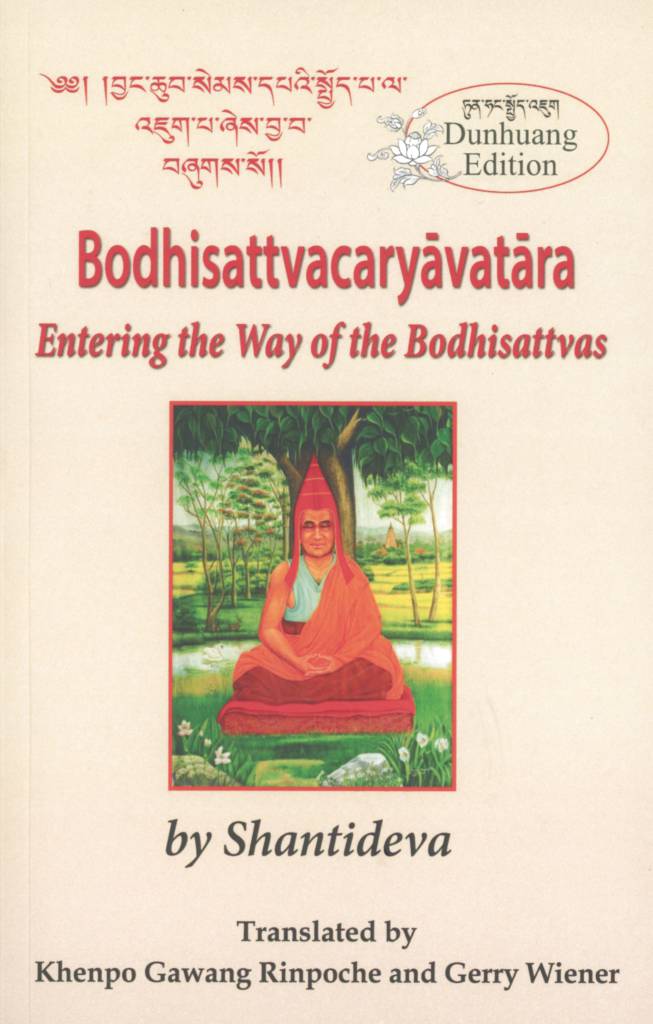
Dūnhuáng §This version is extracted from the book Bodhisattvacaryāvatāra: Entering the Way of the Bodhisattvas (2022, Khenpo Gawang and Wiener), a translation of an edition of the text created from three Dūnhuáng manuscripts. A description and sample pages of these can be found on the Early Tibet Blog. Scans of the actual manuscripts themselves can be found at http://idp.bl.uk

ཉེས་པ་དུ་མའི་སྐྱོན་ཆགས་པའི། །

སྡིག་ཅན་བདག་གིས་སྡིག་པ་གང༌། ། ཤིན་དུ་མི་བཟད་བགྱིས་པ་དེ། །

ཐམས་ཆད་འདྲེན་པ་རྣམས་ལ་འཆགས། །

alt verse 2.31 tm data

I am a wrongdoer

Who possesses a problematic variety of unwholesome actions. Whatever unwholesome deeds I have performed, All those exceedingly intolerable actions —

I confess to those that guide.

Tsadra Critical Edition §This text was created by comparing four versions of the text from Derge, Cone, Narthang, and Peking Tengyurs from BDRC scans, along with Dunhuang manuscripts IOL Tib J 628, 629, and 630. When Tibetan readings were problematic, the Sanskrit texts from GRETIL and LTB (Oslo) were consulted.

ཉེས་པ་དུ་མས་སྐྱོན་ཆགས་པའི། །

སྡིག་ཅན་བདག་གིས་སྡིག་པ་གང་། ། ཤིན་ཏུ་མི་བཟད་བགྱིས་པ་དེ། །

ཐམས་ཅད་འདྲེན་པ་རྣམས་ལ་བཤགས། །

[edit]
Sazang Mati (1294 - 1376)
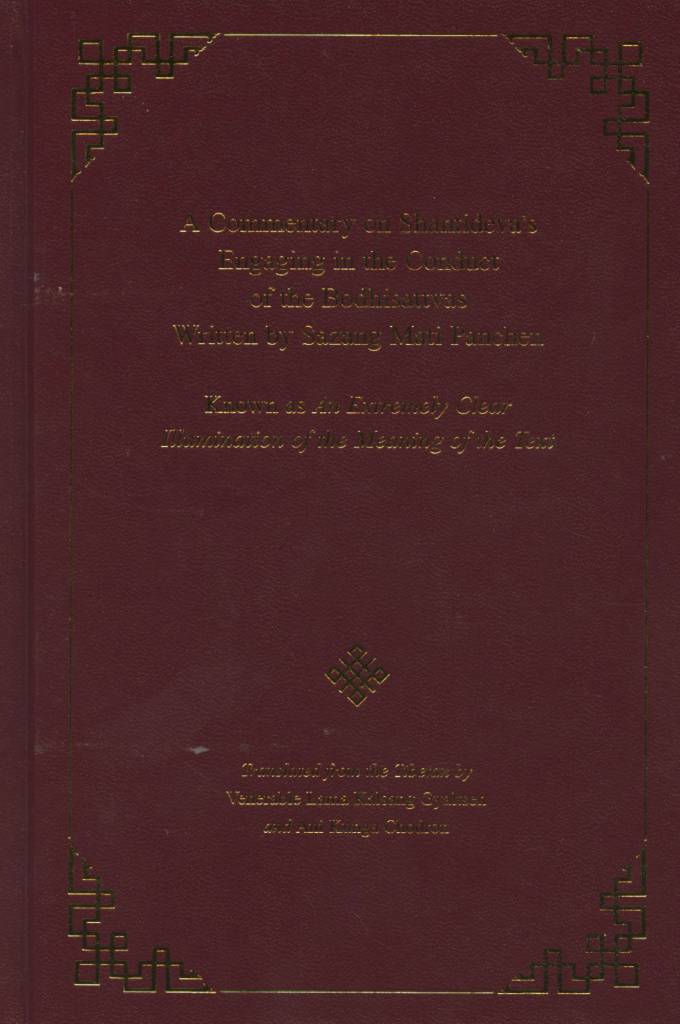
A Commentary on Shantideva's Engaging in the Conduct of the Bodhisattvas (citation)Gyaltsen, Lama Kalsang, and Ani Kunga Chodron, trans. A Commentary on Shantideva's Engaging in the Conduct of the Bodhisattvas Written by Sazang Mati Panchen: Known as An Extremely Clear Illumination of the Meaning of the Text. Walden, NY: Tsechen Kunchab Ling, 2019. Bilingual Edition

ཉེས་པ་དུ་མས་སྐྱོན་ཆགས་པའི། །

སྡིག་ཅན་བདག་གིས་སྡིག་པ་གང་། ། ཤིན་ཏུ་མི་བཟད་བགྱིས་པ་དེ། །

ཐམས་ཅད་འདྲེན་པ་རྣམས་ལ་བཤགས། །

nyes pa du mas skyon chags pa'i/_/

sdig can bdag gis sdig pa gang /_/ shin tu mi bzad bgyis pa de/_/

thams cad 'dren pa rnams la bshags/_/

I, the sinner, who am defective

With many faidts, Confess to all the Protectors

Whatever unbearable sins I committed.

སྡུག་བསྔལ་སྐྱེད་པ་ད༵ང་ཐར་པ་ལ་སྒྲིབ་པ་ལ་སོགས་པ་ཉེས་པ་དུ་མའི་སྐྱོན་ཆགས་ཤིང་གནས་པའི༵་སྡིག་པ་དང་ལྡན་པ་བདག་གིས་སྡིག་པ་ག༵ང་ཤིན་ཏུ་ལྕི་ཞིང་མི་བཟད་པ་བགྱིས་པ་དེ༵་ཐམས་ཅད་འཇིག་རྟེན་གྱི་འདྲེན་པ་རྣམས་ལ་སོ་སོར་མཐོལ་ཞིང་བཤ༵གས་སོ་ཞེས་པའོ། །

These and all other faults were wrong and sinful. Thus openly express whatever unbearable and extremely heavy sins one committed and confess each of them in the presence of the Rescuers of the World.[p.86]A Commentary on Shantideva's Engaging in the Conduct of the Bodhisattvas
Gyaltsen, Lama Kalsang, and Ani Kunga Chodron, trans. A Commentary on Shantideva's Engaging in the Conduct of the Bodhisattvas Written by Sazang Mati Panchen: Known as An Extremely Clear Illumination of the Meaning of the Text. Walden, NY: Tsechen Kunchab Ling, 2019. First edition published by The Yeshe Dorje Foundation in 2006.
Gyaltsap Je (1364 - 1432)
The Entrance for the Children of the Conquerors (citation)Stracke, Fedor, trans. The Entrance for the Children of the Conquerors: A Commentary on the Introduction to the Actions of Bodhisattvas. By Gyaltsab Rinpoche. N.p.: Happy Monks Publication, 2016. https://happymonkspublication.org/product/bodhisattvacharyavatara-chapter-1-10-commentary/. Bilingual Edition

བཞི་བ་ནི།

Confessing with Regret Generated by Contemplating the Undesired Results of Non-virtue 1.1.1.1.4.2.1.1.4

ཉེས་པ་དུ་མས་སྐྱོན་ཆགས་པའི། །

སྡིག་ཅན་བདག་གིས་སྡིག་པ་གང་། ། ཤིན་ཏུ་མི་བཟད་བགྱིས་པ་དེ། །

ཐམས་ཅད་འདྲེན་པ་རྣམས་ལ་བཤགས། །
nyes pa du mas skyon chags pa'i/_/

sdig can bdag gis sdig pa gang /_/ shin tu mi bzad bgyis pa de/_/

thams cad 'dren pa rnams la bshags/_/

I, this sinner, afflicted with various faults

Of different negativities, whatever frightful Negativities I created,

I confess to those that guide all.

དམྱལ་བ་ལ་སོགས་པའི་འབྲས་བུ་འབྱིན་པའི་རྒྱུ་ཆགས་སོགས་ཉེས་པ་དུ་མའི་སྐྱོན་ཆགས་པའི་སྡིག་ཅན་བདག་གིས་སྲོག་གཅོད་སོགས་སྡིག་པ་གང་སྡུག་བསྔལ་ཆེན་པོ་བསྐྱེད་པས་ཤིན་ཏུ་མི་བཟད་པ་བགྱིས་པ་དེ་ཐམས་ཅད་འདྲེན་པ་རྣམས་ལ་བཤགས་སོ། །

I, this sinner, who is afflicted with the many faults of attachment and the like, the causes that produce the results of the hell realms and so forth, have created many heavy negative karmas of killing and so forth. Whatever frightful negativity I created I confess to the ones that guide all.
Minyak Kunzang Sönam (1823 - 1905)
The Great Hūṃ (citation)Duckworth, Douglas, trans. The Great Hūṃ: A Commentary on Śāntideva's Way of the Bodhisattva. By Minyak Kunzang Sönam. New York, NY: Wisdom Publications, 2025. Bilingual Edition

ཡུལ་མཆོག་ལ་བརྟེན་པའི་སྡིག་པ་ལྕི་བ་བྱེ་བྲག་ཏུ་བཤགས་པ་ནི།

Next is a specific confession of severe negative deeds done in relation to supreme domains:

ཉེས་པ་དུ་མས་སྐྱོན་ཆགས་པའི། །

སྡིག་ཅན་བདག་གིས་སྡིག་པ་གང་། ། ཤིན་ཏུ་མི་བཟད་བགྱིས་པ་དེ། །

ཐམས་ཅད་འདྲེན་པ་རྣམས་ལ་བཤགས། །
All of the terrible, negative actions that I,

an evildoer continually engrossed in many faults, have done,

I confess to the Guides.(2.31)

རྨོངས་པ་བདག་གིས་ཡུལ་བླ་ན་མེད་པའི་ཡོན་ཏན་གྱི་ཞིང་ཁྱད་པར་ཅན་དཀོན་མཆོག་གསུམ་དང་ནི། ཕན་འདོགས་པའི་ཞིང་ཕ་དང་མའམ་བཀའ་དྲིན་གྱི་ཞིང་བླ་མ་སྟེ་མཁན་སློབ་གཞན་གང་ཡང་རུང་བ་དག་ལའང་དམིགས་ཏེ། རྒྱུ་ཉོན་མོངས་དུག་གསུམ་གྱིས་ཀུན་ནས་བསླངས་པའི་སྒོ་ནས་སྦྱོར་བ་སྡིག་པ་འབྱུང་བའི་གནས་ལུས་དང་ངག་དང་ཡིད་ཀྱིས་གནོད་པའི་ལས་སམ་ནོངས་པའི་ལས་བགྱིས་པ་གང་ལགས་པ་དེ་ནི་རྣམ་སྨིན་མི་བཟད་པ་རྒྱ་ཆེ་བ་འབྱིན་པའི་བྱེད་ལས་དང་ལྡན་པའི་ཕྱིར་སྤྱིར་འཁོར་བའི་སྡུག་བསྔལ་དང་ཁྱད་པར་ངན་སོང་གི་སྡུག་བསྔལ་གྱི་རྒྱུ་བྱེད་ཅིང་མཐོ་རིས་དང་ཐར་བའི་ལམ་གྱི་གེགས་བྱེད་པ་སོགས་ཀྱི་ཆ་ནས་ཉེས་པ་དུ་མའི་སྐྱོན་ཆགས་པ་ཞེས་སམ།

Confused, I have done harmful negative actions with body, speech, and mind. These actions were motivated and caused by the afflictions, the three poisons, and were directed toward the Three Jewels, which is the special field of unexcelled qualities; toward my parents, who are the field of benefits; and [77] toward the field of kindness, my teachers as well as other masters and preceptors. All of these harmful and mistaken acts I have done function to bring about extensive, horrible maturations. That is, they cause suffering in cyclic existence in general and suffering in the lower realms in particular. Also, they obstruct the path to the higher realms and liberation. Thus I have been continually engrossed in many faults.

ཡང་ན་དམྱལ་སོགས་ཀྱི་སྡུག་བསྔལ་སྐྱེད་བྱེད་ཀྱི་རྒྱུ་ཆགས་སོགས་ཉོན་མོངས་པའི་ཉེས་པ་དུ་མའི་སྐྱོན་ཆགས་པའི་སྡིག་པ་ཅན་བདག་གིས་སྡིག་པ་མི་དགེ་བའི་ལས་གང་ཤིན་ཏུ་ལྕི་ཞིང་མནར་མེད་སོགས་ཀྱི་སྡུག་བསྔལ་དྲག་ལ་ཡུན་རིང་བསྐྱེད་པས་ཤིན་ཏུ་མི་བཟད་པ་བགྱིས་པ་དེ་ཐམས་ཅད། བཤགས་ཡུལ་ངན་སོང་དང་འཁོར་བ་ནས་མཐོ་རིས་དང་ཐར་བའི་གནས་སུ་འདྲེན་པའི་འདྲེན་པ་ཐུགས་རྗེ་ཅན་རྣམས་ཀྱི་སྤྱན་སྔར་སོ་སོར་མཐོལ་ཞིང་བཤགས་པར་བགྱིའོ་ཞེས་པའོ། །འདི་དག་ནི་གསེར་འོད་ལས།

Alternatively, I apologize for and confess every treacherous thing I have done—things that will bring about harsh and severe suffering for a long time in such realms as the hell of Utter Torment—all of these negative and vicious deeds that I, an evil one continually engrossed in many faults of the afflictions, have done that perpetuate the problems that bring about horrific suffering in the hells and other realms. I confess them in the presence of the witnesses of confession, the compassionate ones who are guides who lead[p.123]The Great Hum
Duckworth, Douglas, trans. The Great Hūṃ: A Commentary on Śāntideva's Way of the Bodhisattva. By Minyak Kunzang Sönam. New York, NY: Wisdom Publications, 2025.
from the lower realms and cyclic existence to the higher realms and liberation. These lines are expressed in the Golden Light Sūtra:

བདག་གི་སྔོན་ཆད་སྡིག་པའི་ལས། །

ཤིན་ཏུ་མི་བཟད་གང་བགྱིས་པ། ། སྟོབས་བཅུའི་སྤྱན་སྔར་བདག་མཆིས་ཏེ། །

དེ་དག་ཐམས་ཅད་བཤགས་པར་བགྱི། །

All the negative deeds I have done in the past,
every terrible thing I did,
I confess them all
in the presence of those with the ten powers.254Golden Light Sūtra (Suvarṇaprabhāsūtra, H. 515), 249a.

ཞེས་དང༌།

And,

ལུས་ཀྱིས་བགྱིས་དང་ངག་གིས་སྨྲས། །

ཡིད་ཀྱིས་རྣམ་པར་བསམས་པ་དང་། ། ལས་རྣམས་བཅུ་བོ་བགྱིས་པ་དག །

དེ་དག་ཐམས་ཅད་བདག་འཆགས་སོ། །

That which I did with my body and speech,
and that which I thought with my mind,
all of the ten kinds of actions I did—
I confess them all.255Golden Light Sūtra, 251a.

ཞེས་སོགས་གསུངས་པ་ལྟར་ཡིན་ལ། ཤིན་ཏུ་མི་བཟད་ཅེས་པ་དག་གི་དོན་ནི། དེ་ཉིད་ལས།

The meaning of terrible is stated in this text as well:

བདག་གི་སྡིག་པའི་ལས་གང་དག ། མི་འདོད་འབྲས་བུ་ཐོབ་བགྱིད་པ། །

A negative action I have done that
brings about an unwanted effect.256Golden Light Sūtra, 251b.

ཞེས་པ་ལྟར་ངན་སོང་གི་སྡུག་བསྔལ་སོགས་མི་འདོད་པའི་འབྲས་བུ་སྟེར་བར་བྱེད་པའི་རྒྱུ་མཚན་གྱིས་ཡིན་ལ། དེའི་ཚུལ་ཡང་ཚོམས་ལས།

It is so called because it produces an effect that is unwanted, such as suffering in the lower realms. This is stated in the Collection of Aphorisms:

བྱིས་པ་ཤེས་རབ་ཆུང་ངུ་དག །

བདག་ལ་དགྲ་བཞིན་བྱེད་པ་ཡིས། ། གང་ཞིག་འབྲས་བུ་ཚ་འགྱུར་བའི། །

སྡིག་ཅན་ལས་ནི་སྤྱོད་པར་བྱེད། །ཅེས་དང༌།

Immature beings with small minds
treat themselves like an enemy;
destructive people do things
with disastrous results ...

ལྕགས་ལས་གཡའ་ནི་ལངས་གྱུར་པ། །

ལངས་པ་དེས་ནི་དེ་ཉིད་ཟ། ། དེ་བཞིན་མ་བརྟགས་བྱས་པ་ཡི། །

རང་གི་ལས་ཀྱིས་ངན་འགྲོར་འགྲོ། །

When rust forms on iron
the formed rust consumes the iron.
Likewise actions done without thinking
lead to the lower realms.257Collection of Aphorisms 9.12–19, 334b.

ཞེས་དང་། དྲན་པ་ཉེར་བཞག་ལས་ཀྱང་།

The Close Application of Mindfulness also says:

འཇིག་རྟེན་འདི་དང་ཕ་རོལ་གྱི། །

འཇིག་[p.80]Byang chub sems dpa'i spyod pa la 'jug pa'i 'grel bshad rgyal sras rgya mtsho'i yon tan rin po che mi zad 'jo ba'i bum bzang
Mi nyag kun bzang bsod nams (མི་ཉག་ཀུན་བཟང་བསོད་ནམས་). byang chub sems dpa'i spyod pa la 'jug pa'i 'grel bshad rgyal sras rgya mtsho'i yon tan rin po che mi zad 'jo ba'i bum bzang [བྱང་ཆུབ་སེམས་དཔའི་སྤྱོད་པ་ལ་འཇུག་པའི་འགྲེལ་བཤད་རྒྱལ་སྲས་རྒྱ་མཚོའི་ཡོན་ཏན་རིན་པོ་ཆེ་མི་ཟད་འཇོ་བའི་བུམ་བཟང།]. [Excellent Vase That Spills Forth an Ocean of the Inexhaustible and Precious Qualities of the Victor's Heirs: An Explanation of the "Way of the Bodhisattva."].
རྟེན་དེ་བཞིན་འབྲང་བའི་དགྲ། ། དགྲ་ཡི་ནང་ན་དགྲ་དང་པོ། ། ངན་སོང་ཐམས་ཅད་རྣམ་སྟོན་པ། ། དུག་དང་མེ་དང་མཚོན་ལྟ་བུ། ། རང་གི་བྱས་པ་ངན་པ་ཡིན། ། ཁྱོད་ཀྱི་ལས་ནི་བྱས་པ་དག །

ཁྱོད་ནི་རྗེས་སུ་སྤྱོད་པ་ཡིན། །

This world and the next world are
like an enemy following you.[p.124]The Great Hum
Duckworth, Douglas, trans. The Great Hūṃ: A Commentary on Śāntideva's Way of the Bodhisattva. By Minyak Kunzang Sönam. New York, NY: Wisdom Publications, 2025.

The first enemy among enemies
shows all the lower realms—
like poison, fire, and weapons—
it is your negative actions.
The actions you have done
follow you.258Close Application of Mindfulness of the True Dharma (Saddharmasmṛtyupasthāna,
H. 289), 372b.

ཞེས་གསུངས་པ་ལྟར་རོ། །དེ་ལྟར་སྡིག་པ་བཤགས་ཚུལ་སྤྱི་དང་བྱེ་བྲག་ཏུ་བསྟན་པའི་སྐབས་འདིར། སྦྱང་བྱ་སྡིག་པའི་ཁྱད་པར་ལ། དུས་འཁོར་བ་ཐོག་མེད་ནས་ད་ལྟའི་བར་དུ། རྒྱུ་མ་རིག་པ་གཙོ་བོར་གྱུར་པའི་དུག་གསུམ་སོགས་ཉོན་མོངས་པ་གང་རུང་གིས་ཀུན་ནས་བསླངས་ཏེ། ཡུལ་མཆོག་གསུམ་དང་བླ་མ་ཕ་མ་སོགས་ལ་དམིགས་ནས། གཞི་ལུས་ངག་ཡིད་གསུམ་གྱི་སྒོ་ནས་ངོ་བོ་མི་དགེ་བ་བཅུ་སོགས་བཅས་རང་གིས་བསྡུས་པའི་སྡིག་པ་དང་ལྟུང་བ། སྦྱོར་བ་དངོས་སུ་རང་གིས་བྱས་པ་གཞན་ལ་བསྐུལ་ནས་བྱེད་དུ་བཅུག་པ་རང་གཞན་གྱིས་བྱས་པ་ལ་རྗེས་སུ་ཡི་རང་གསུམ་གྱིས་བསྡུས་པ། བྱེད་ལས་འཁོར་བ་དང་ངན་སོང་དུ་འཕེན་ཅིང་མཐོ་རིས་དང་ཐར་བ་ལ་གེགས་བྱེད་པ་སོགས་ཀྱི་ཁྱད་པར་དང་ལྡན་པའོ། །

Thus, in a general way of confessing evil, and in this specific context here, the distinctive qualities of evil deeds to be relinquished are as follows: the time is from beginningless time until now; the cause is that which was motivated by the afflictions, such as the three poisons, and mainly ignorance; the domains are the Three Jewels, teachers, and parents toward which they were directed; the foundation is that which was done through the body, speech, and mind; the essence is the evil deeds and downfalls, such as the ten vicious actions comprised within the natural and vowed reprehensible acts; the endeavor is comprised within three—what you have done yourself, what you have encouraged others to do, and what you and others [78] did that you have rejoiced in; the function is the perpetuation of cyclic existence and the lower realms, and the obstruction of liberation and the higher realms. These are the distinctive qualities of evil deeds.

སྤྱོད་ཚུལ་གྱི་ཁྱད་པར་ནི། བླ་མ་མཆོག་གསུམ་གྱི་སྤྱན་སྔར་ཕྱག་མཆོད་བྱས་ནས། བསམ་པ་ཐག་པས་ཞེས་པ་ལྟར་སྔར་བྱས་ཀྱི་སྡིག་ལྟུང་ལ་འགྱོད་སེམས་དྲག་པོ་དང་ཕྱིས་འབྱུང་རྒྱུན་གཅོད་པའི་སྡོམ་སེམས་བརྟན་པོ་དང་བཅས་པས་ལེགས་པར་བཤགས་ཏེ་ཅིས་ཀྱང་དག་གོ་སྙམ་དུ་ཡིད་ཆེས་སྐྱེད་པའོ། །

The distinctive way to practice the confession is to prostrate and make offerings in the presence of a precious teacher and “resolutely” (2.29d), as the text says, to confess previous negative deeds and downfalls fully with intense remorse, with a mind firm in the commitment to sever the continuity of evil deeds. Thus gain confidence by thinking that they have been completely purified.
Kunzang Palden (1862 - 1943)
The Nectar of Manjushri's Speech (citation)Blankleder, Helena, and Wulstan Fletcher (Padmakara Translation Group), trans. The Nectar of Manjushri's Speech: A Detailed Commentary on Shantideva's Way of the Bodhisattva. By Kunzang Pelden. Boston: Shambhala Publications, 2007. Bilingual Edition

ཉེས་པ་དུ་མས་སྐྱོན་ཆགས་པའི། །

སྡིག་ཅན་བདག་གིས་སྡིག་པ་གང་། ། ཤིན་ཏུ་མི་བཟད་བགྱིས་པ་དེ། །

ཐམས་ཅད་འདྲེན་པ་རྣམས་ལ་བཤགས། །

nyes pa du mas skyon chags pa'i/_/

sdig can bdag gis sdig pa gang /_/ shin tu mi bzad bgyis pa de/_/

thams cad 'dren pa rnams la bshags/_/

དེ་ལྟར་སྒོ་གསུམ་ཉེས་པ་དུ་མས་སྐྱོན་སེམས་རྒྱུད་ལ་ལྕགས་ལ་གཡའ་ལྟར་ཆགས་ཤིང་གནས་པའི་སྡིག་ཅན་ནམ་སྡིག་རྒན་པོ་བདག་གིས་སྡིག་པ་གང་ཤིན་ཏུ༵་ཉེས་པ་ཆེ་ཞིང་མི་བཟད་པ་དམྱལ་བ་ལ་སོགས་པར་སྐྱེ་བའི་ལས་ངན་བགྱིས་པ་དེ་ཐམས་ཅད་འདྲེན་པ་སངས་རྒྱས་སྲས་དང་བཅས་པ་རྣམས་ལ་སོ་སོར་མཐོལ་ཞིང་བཤགས་སོ། །དེ་ཡང་མྱུར་དུ་བཤགས་དགོས་པའི་རྒྱུ་མཚན་ནམ་འཆི་ཆ་མེད་འཆི་རྐྱེན་ངེས་པ་མེད་པས་དུས་དེ་རིང་ཉིད་དུ་མི་འཆི་བའི་ངེས་པ་མེད་ལ། ཤི་ན་འཆི་ཁ་གནད་གཅོད་ཀྱི་སྡུག་བསྔལ། ཤི་ནས་བར་དོའི་སྡུག་བསྔལ་ཕྱི་མ་ངན་སོང་གི་སྡུག་བསྔལ་ཐམས་ཅད་རྒྱུ་སྡིག་པ་མི་དགེ་བ་ལས་བྱུང་བས་ན་རང་གིས་སྔར་བྱས་ཀྱི་སྡིག་པ་ལ་འགྱོད་སེམས་དང༌།

“All the evil I, a sinner, have committed,

All the wicked deeds that cling to me, The frightful things that I contrived

I openly declare to you, the teachers of the world.

In the presence of his teachers, the Buddhas and Bodhisattvas, Shantideva goes on to confess openly and one by one all the evil deeds that he, the old sinner that he is, has committed in thought, word, and deed, and which cling to his mind as rust sticks to iron—unbearably grievous faults, the karmic fruit of which is to be reborn in hell. Why is it necessary to confess our faults swiftly? It is because we have no idea of when we shall die. The circumstances of death are uncertain and there is no surety that we will not die today. And the suffering experienced at the moment of death when life is severed, the suffering that occurs after death in the bardo, and the sufferings of the lower realms in the existence to follow, are all the results of negative action.


[edit]
[edit]