Bodhicaryāvatāra · Verse 1.8


Sources:    

Sanskrit §No information about the source used.

भवदुःखशतानि तर्तुकामै-

रपि सत्त्वव्यसनानि हर्तुकामैः। बहुसौख्यशतानि भोक्तुकामै-

र्न विमोच्यं हि सदैव बोधिचित्तम्॥

 
Chanted Verse
Recitation by Professor Kashinath Nyaupane
8

Whether you seek to cross beyond the hundreds of pains of existence, or to free living beings from their torments, or to enjoy superabundant happiness in heaven, you should never abandon this thought of awakening.

Standard Tibetan §Padmakara used the 1990 edition printed by si khron mi rigs dpe skrun khang: Byang chub sems dpa'i spyod pa la 'jug pa rtsa ba dang 'grel pa (1990). Also found in Derge Tengyur D3871, dbu ma, vol. 105, la 1b1–40a7.

སྲིད་པའི་སྡུག་བསྔལ་བརྒྱ་ཕྲག་གཞོམ་འདོད་ཅིང་། །

སེམས་ཅན་མི་བདེ་བསལ་བར་འདོད་པ་དང་། ། བདེ་མང་བརྒྱ་ཕྲག་སྤྱོད་པར་འདོད་པས་ཀྱང་། །

བྱང་ཆུབ་སེམས་ཉིད་རྟག་ཏུ་གཏང་མི་བྱ། །

 
Chanted Verse
Recitation by Lopen Karma Phuntsho
8

Those who wish to crush the many sorrows of existence,

Who wish to quell the pain of living beings, Who wish to have experience of a myriad joys

Should never turn away from bodhichitta.

Standard Tibetan §Padmakara used the 1990 edition printed by si khron mi rigs dpe skrun khang: Byang chub sems dpa'i spyod pa la 'jug pa rtsa ba dang 'grel pa (1990). Also found in Derge Tengyur D3871, dbu ma, vol. 105, la 1b1–40a7. - Other translations

Ceux qui veulent en finir avec les souffrances de l’existence,

Ceux qui veulent dissiper le malheur des êtres, Ceux qui veulent jouir de multiples bonheurs

Ne devraient jamais renoncer à l’esprit d’Éveil.

Los que desean superar las innumerables aflicciones de la existencia,

los que aspiran a eliminar el sufrimiento de los seres y los que quieren disfrutar de inmensa dicha

no deben jamás abandonar la bodichita.

La Práctica del Bodisatva-front.jpg
Padmakara Spain 2008

Those wishing to eliminate the hundredfold sufferings of existence,

Wishing to clear the unhappiness of sentient beings and Wanting to enjoy many a hundredfold happinesses

Should never give up the mind of enlightenment.

Those wishing to conquer the hundreds of sufferings of existence,

Those wishing to dispel the unhappiness of sentient beings. And those wishing to experience hundreds of joys.

Should never forsake this enlightenment thought.

shift + scroll / swipe
Dūnhuáng §This version is extracted from the book Bodhisattvacaryāvatāra: Entering the Way of the Bodhisattvas (2022, Khenpo Gawang and Wiener), a translation of an edition of the text created from three Dūnhuáng manuscripts. A description and sample pages of these can be found on the Early Tibet Blog. Scans of the actual manuscripts themselves can be found at http://idp.bl.uk

འཇིགས་དང་སྡུག་བསྔལ་བརྒྱ་ཕྲག་གཞོམ་འདོད་ཅིང༌། །

སེམས་ཅན་མི་བདེ་བསལ་བར་འདོད་པ་དང༌། ། བདེ་མང་བརྒྱ་ཕྲག་སྤྱོད་པར་འདོད་པས་ཀྱང༌། །

བྱང་ཆུབ་སེམས་ཉིད་རྟག་ཏུ་གཏང་མི་བྱ། །[p.7]Entering the Way of the Bodhisattvas (2022, Khenpo Gawang and Wiener)
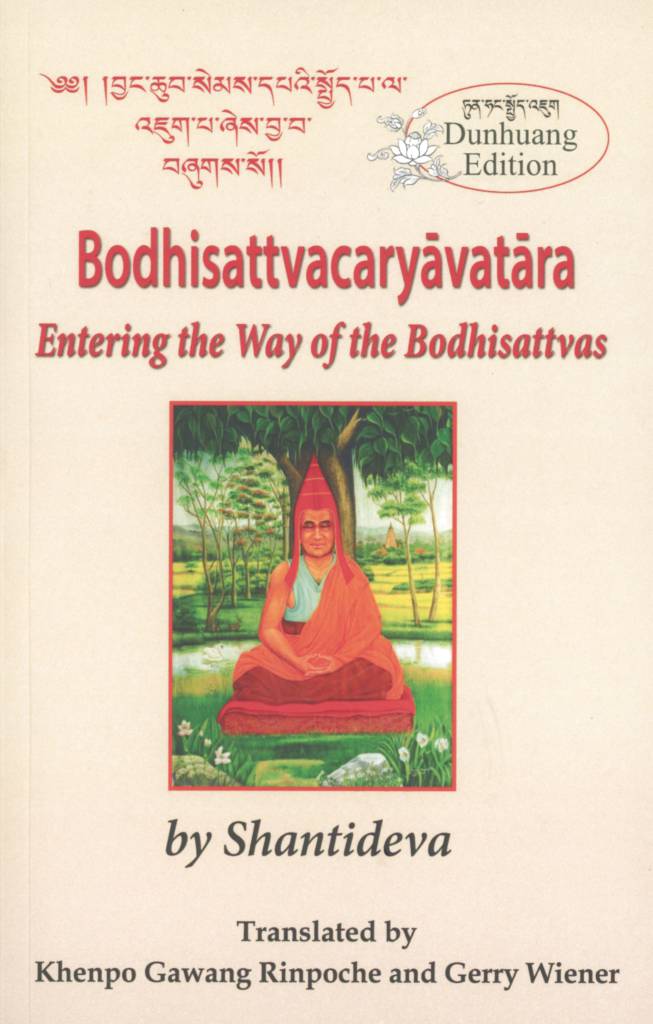
Gawang, Khenpo, and Gerry Wiener, trans. Bodhisattvacaryāvatāra: Entering the Way of the Bodhisattvas by Shantideva - Dunhuang Edition. Memphis, TN: Jeweled Lotus Publishing, 2022.

alt verse 1.5 tm data
This version differs from it's counterparts.

Those who desire to eradicate all the hundreds

Of fears and sufferings, Those who desire to remove the unhappiness of sentient beings, And also those who desire to enjoy the many hundreds Of types of happiness

Should never relinquish bodhichitta.[p.8]Entering the Way of the Bodhisattvas (2022, Khenpo Gawang and Wiener)
Gawang, Khenpo, and Gerry Wiener, trans. Bodhisattvacaryāvatāra: Entering the Way of the Bodhisattvas by Shantideva - Dunhuang Edition. Memphis, TN: Jeweled Lotus Publishing, 2022.

Tsadra Critical Edition §This text was created by comparing four versions of the text from Derge, Cone, Narthang, and Peking Tengyurs from BDRC scans, along with Dunhuang manuscripts IOL Tib J 628, 629, and 630. When Tibetan readings were problematic, the Sanskrit texts from GRETIL and LTB (Oslo) were consulted.

སྲིད་པའི་4ཏུན་ཧོང་ཀ་༴ ‘འཇིགས་དང་’སྡུག་བསྔལ་བརྒྱ་ཕྲག་གཞོམ་འདོད་ཅིང་། །

སེམས་ཅན་མི་བདེ་བསལ་བར་འདོད་པ་དང་། ། བདེ་མང་བརྒྱ་ཕྲག་སྤྱོད་པར་འདོད་པས་ཀྱང་། །

བྱང་ཆུབ་སེམས་ཉིད་རྟག་ཏུ་གཏང་མི་བྱ། །

[edit]
Sazang Mati (1294 - 1376)
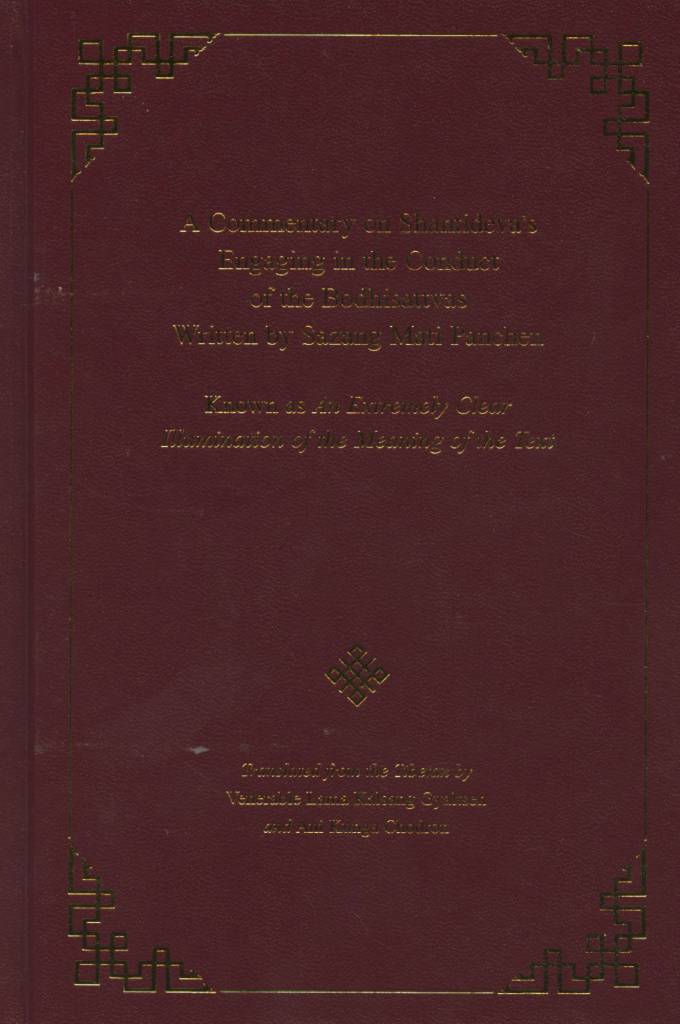
A Commentary on Shantideva's Engaging in the Conduct of the Bodhisattvas (citation)Gyaltsen, Lama Kalsang, and Ani Kunga Chodron, trans. A Commentary on Shantideva's Engaging in the Conduct of the Bodhisattvas Written by Sazang Mati Panchen: Known as An Extremely Clear Illumination of the Meaning of the Text. Walden, NY: Tsechen Kunchab Ling, 2019. Bilingual Edition

(གསུམ་པ་)འདོད་པ་འགྲུབ་པས་བརྟན་པར་གཟུང་བ་ནི།

3. Firmly hold it because every wish will be fulfilled 1.1.1.1.3

སྲིད་པའི་སྡུག་བསྔལ་བརྒྱ་ཕྲག་གཞོམ་འདོད་ཅིང་། །

སེམས་ཅན་མི་བདེ་བསལ་བར་འདོད་པ་དང་། ། བདེ་མང་བརྒྱ་ཕྲག་སྤྱོད་པར་འདོད་པས་ཀྱང་། །

བྱང་ཆུབ་སེམས་ཉིད་རྟག་ཏུ་གཏང་མི་བྱ། །

srid pa'i sdug bsngal brgya phrag gzhom 'dod cing /_/

sems can mi bde bsal bar 'dod pa dang /_/ bde mang brgya phrag spyod par 'dod pas kyang /_/

byang chub sems nyid rtag tu gtang mi bya/_/

Those wishing to conquer the hundreds of sufferings of existence,

Those wishing to dispel the unhappiness of sentient beings. And those wishing to experience hundreds of joys.

Should never forsake this enlightenment thought.

ཤེས་ལྡན་གང་ཞིག་སྲིད་པ་འཁོར་བར་དམྱལ་བ་ལ་སོགས་པའི་སྡུག་བསྔལ་བརྒྱ་ཕྲག་མང་པོ་གཞོམ་པར་འདོད་ཅི༵ང་དེའི་ཐབས་ལ་འཇུག་པ་དང༌། སེམས་ཅན་ཐམས་ཅད་ཀྱི་མི་བདེ་བ་སྐྱེ་རྒ་ན་འཆི་ལ་སོགས་པའི་ཕོངས་པ་འཐའ་དག་བསལ་བར་འདོད་པ་ད༵ང་རང་གཞན་ཐམས་ཅད་ཀྱིས་གནས་[p.-65]རབ་གསལ་སྣང་བ་
སྐབས་དང་མཐར་ཐུག་གི་བདེ་བ་མང་པོ་བརྒྱ་ཕྲག་དུ་མ་ལ་ལོངས་སྤྱོད་པར་འདོད་པས་ཀྱ༵ང་དེ་དག་ངེས་པར་འགྲུབ་པའི་ཐབས་བྱང་ཆུབ་ཀྱི་སེམས་འདི་ཉིད་རྟག་པར་དུས་ཐམས་ཅད་དུ་གཏང་བར་མི་བྱ་སྟེ༵་གཟུང་བར་བྱའོ། །

Wise ones wish to eliminate hundreds of samsaric sufferings such as falling into hell and the like, and they engage in the methods of doing so. They also wish to dispel various types of unhappiness for all sentient beings, such as the difficult experiences of birth, old age, and death. Also, they wish to experience hundreds of temporary and permanent types of joy for themselves and other beings. The certain method of accomplishing these things is to never forsake any aspect of enlightenment thought, and to hold it firmly.[p.57]A Commentary on Shantideva's Engaging in the Conduct of the Bodhisattvas
Gyaltsen, Lama Kalsang, and Ani Kunga Chodron, trans. A Commentary on Shantideva's Engaging in the Conduct of the Bodhisattvas Written by Sazang Mati Panchen: Known as An Extremely Clear Illumination of the Meaning of the Text. Walden, NY: Tsechen Kunchab Ling, 2019. First edition published by The Yeshe Dorje Foundation in 2006.
Gyaltsap Je (1364 - 1432)
The Entrance for the Children of the Conquerors (citation)Stracke, Fedor, trans. The Entrance for the Children of the Conquerors: A Commentary on the Introduction to the Actions of Bodhisattvas. By Gyaltsab Rinpoche. N.p.: Happy Monks Publication, 2016. https://happymonkspublication.org/product/bodhisattvacharyavatara-chapter-1-10-commentary/. Bilingual Edition

གསུམ་པ་ནི།

It Can Accomplish One’s Wishes 1.2.2.2.1.2.1.1.3

སྲིད་པའི་སྡུག་བསྔལ་བརྒྱ་ཕྲག་གཞོམ་འདོད་ཅིང་། །

སེམས་ཅན་མི་བདེ་བསལ་བར་འདོད་པ་དང་། ། བདེ་མང་བརྒྱ་ཕྲག་སྤྱོད་པར་འདོད་པས་ཀྱང་། །

བྱང་ཆུབ་སེམས་ཉིད་རྟག་ཏུ་གཏང་མི་བྱ། །
srid pa'i sdug bsngal brgya phrag gzhom 'dod cing /_/

sems can mi bde bsal bar 'dod pa dang /_/ bde mang brgya phrag spyod par 'dod pas kyang /_/

byang chub sems nyid rtag tu gtang mi bya/_/

Those wishing to eliminate the hundredfold sufferings of existence,

Wishing to clear the unhappiness of sentient beings and Wanting to enjoy many a hundredfold happinesses

Should never give up the mind of enlightenment.

རང་གཞན་ཀུན་ལ་ཕན་པའི་ཐབས་མཆོག་ཡིན་པས་སེམས་དེ་ཉིད་བསྒོམ་པར་རིགས་ཏེ།

It is appropriate to meditate on bodhicitta since it is the supreme method for accomplishing the purpose of self and others.

སྐྱེས་བུ་འབྲིང་གི་བསམ་པ་སྦྱངས་པས་རང་རྒྱུད་ཀྱི་སྲིད་པའི་སྡུག་བསྔལ་བརྒྱ་ཕྲག་གཞོམ་འདོད་ཅིང་སྐྱེས་བུ་ཆེན་པོའི་བསམ་པ་སྦྱངས་པས་སེམས་ཅན་ཐམས་ཅད་ཀྱི་མི་བདེ་བ་བསལ་བར་འདོད་པ་དང་།

Having trained in the motivation of the medium capable being one wishes to destroy the hundredfold sufferings of existence in one’s continuum, and having trained in the motivation of the great capable being one wishes to clear the unhappiness of all sentient beings.

མངོན་མཐོ་དང་ངེས་ལེགས་ཀྱི་བདེ་མང་བརྒྱ་ཕྲག་སྤྱོད་པར་འདོད་པས་ཀྱང་ཐབས་མཆོག་ཏུ་གྱུར་པ་གཞན་མེད་པས་བྱང་ཆུབ་ཀྱི་སེམས་ཉིད་བསྐྱེད་པར་བྱ་ཞིང་དུས་རྟག་ཏུ་བཏང་བ་སྟེ་ཉམས་པར་མི་བྱའོ། །

Regardless of whether one wishes to enjoy the hundredfold happiness of higher status or definite goodness, there is no better method. One should generate bodhicitta alone, and never give it up or let it degenerate.
Minyak Kunzang Sönam (1823 - 1905)
The Great Hūṃ (citation)Duckworth, Douglas, trans. The Great Hūṃ: A Commentary on Śāntideva's Way of the Bodhisattva. By Minyak Kunzang Sönam. New York, NY: Wisdom Publications, 2025. Bilingual Edition

སྲིད་པའི་སྡུག་བསྔལ་བརྒྱ་ཕྲག་གཞོམ་འདོད་ཅིང་། །

སེམས་ཅན་མི་བདེ་བསལ་བར་འདོད་པ་དང་། ། བདེ་མང་བརྒྱ་ཕྲག་སྤྱོད་པར་འདོད་པས་ཀྱང་། །

བྱང་ཆུབ་སེམས་ཉིད་རྟག་ཏུ་གཏང་མི་བྱ། །
Those who wish to destroy the hundredfold sufferings in existence,

who wish to dispel all the unhappiness of sentient beings, and who wish to enjoy a hundredfold happiness as well,

should never give up this spirit of awakening. (1.8)

གཞན་ཡང་བྱང་ཆུབ་ཀྱི་སེམས་ནི་རང་གཞན་ཀུན་ལ་ཕན་པའི་ཐབས་མཆོག་ཡིན་ཏེ། སྐྱེས་བུ་འབྲིང་དང་ཐུན་མོང་བའི་ལམ་ལ་བློ་སྦྱངས་པའི་སྒོ་ནས་རང་ཉིད་ཀྱིས་མྱོང་བར་འགྱུར་བའི་སྐྱེ་རྒ་སོགས་དང་དམྱལ་བ་ལ་སོགས་པའི་སྲིད་པའི་སྡུག་བསྔལ་བརྒྱ་ཕྲག་མང་པོ་སྟེ་དཔག་ཏུ་མེད་པ་གཞོམ་པར་འདོད་ཅིང༌། སྐྱེས་བུ་ཆུང་ངུ་དང་ཐུན་མོང་བའི་བསམ་པ་སྦྱངས་པའི་སྒོ་ནས་ལྷ་མིའི་བདེ་བ་སོགས་མངོན་མཐོའི་བདེ་བ་མང་པོ་བརྒྱ་ཕྲག་ལ་[p.33]Byang chub sems dpa'i spyod pa la 'jug pa'i 'grel bshad rgyal sras rgya mtsho'i yon tan rin po che mi zad 'jo ba'i bum bzang
Mi nyag kun bzang bsod nams (མི་ཉག་ཀུན་བཟང་བསོད་ནམས་). byang chub sems dpa'i spyod pa la 'jug pa'i 'grel bshad rgyal sras rgya mtsho'i yon tan rin po che mi zad 'jo ba'i bum bzang [བྱང་ཆུབ་སེམས་དཔའི་སྤྱོད་པ་ལ་འཇུག་པའི་འགྲེལ་བཤད་རྒྱལ་སྲས་རྒྱ་མཚོའི་ཡོན་ཏན་རིན་པོ་ཆེ་མི་ཟད་འཇོ་བའི་བུམ་བཟང།]. [Excellent Vase That Spills Forth an Ocean of the Inexhaustible and Precious Qualities of the Victor's Heirs: An Explanation of the "Way of the Bodhisattva."].
ལོངས་སྤྱོད་པར་འདོད་པས་ཀྱང་ཞེས་སམ།

The spirit of awakening is the supreme method for benefiting everyone, oneself and others. It is for those who wish to destroy the limitless, hundredfold kinds of sufferings in existence that one experiences—such as the hells, birth and aging, and so on—through training the mind in the path shared with middling beings. It is for those who wish to remove the unhappiness and anguish of birth, aging, sickness, and death in other sentient beings—as well[p.62]The Great Hum
Duckworth, Douglas, trans. The Great Hūṃ: A Commentary on Śāntideva's Way of the Bodhisattva. By Minyak Kunzang Sönam. New York, NY: Wisdom Publications, 2025.
as to dispel all their sufferings in the hells and so on—through training in the attitude of great beings. It is for those who wish to enjoy the hundredfold kinds of happiness in the higher states, such as the bliss of the gods and humans, through training in an attitude shared with lesser beings as well.

ཡང་ན་རང་གཞན་ཐམས་ཅད་ཀྱིས་ཀྱང་གནས་སྐབས་ལྷ་མིའི་བདེ་བ་དང་མཐར་ཐུག་ངེས་ལེགས་མཆོག་གི་བདེ་བ་ལྟ་བུའི་བདེ་མང་བརྒྱ་ཕྲག་དུ་མ་ལ་སྤྱོད་པར་འདོད་པས་ཀྱང་འདོད་པའི་དོན་དེ་དག་འགྲུབ་པར་ངེས་པའི་ཐབས་མཆོག་ཏུ་གྱུར་པའི་བྱང་ཆུབ་ཀྱི་སེམས་འདི་ཉིད་རྟག་པར་དུས་ཀུན་ཏུ་གཏང་བའམ་འདོར་བར་མི་བྱ་བར་སེམས་དེ་བསྐྱེད་ཅིང་མི་ཉམས་པའི་སྒོ་ནས་གཟུང་བར་བྱའོ་ཞེས་གདམས་པའོ། །ཀྱང་ཞེས་པས་རང་གི་སྡུག་བསྔལ་དང་གཞན་གྱི་མི་བདེ་བ་སེལ་བར་མ་ཟད་རང་གཞན་ལ་བདེ་བ་བརྒྱ་ཕྲག་མང་པོའང་སྒྲུབ་པར་བྱེད་ཅེས་སྡུད་པའོ། །སྐྱེས་བུ་ཆུང་འབྲིང་ཐུན་མོང་བའི་བསྒྲུབ་བྱའི་དོན་དེ་བྱང་ཆུབ་ཀྱི་སེམས་མེད་ན་མི་འབྱུང་བ་མིན་མོད་ཀྱང་སེམས་དེ་ཡོད་ན་དེ་དག་སྒྲུབ་ཤིན་ཏུ་སླ་ཕྱིར་དེ་སྐད་གསུངས་སོ། །

Alternatively, this can be understood as advice not to let the cultivation of the spirit of awakening dissipate, never to give it up or let it go, but to uphold it, for this spirit of awakening is the supreme method for definitely accomplishing the desired objectives of everyone, oneself and others. These include the desires to enjoy the hundredfold kinds of happiness, like the bliss of the gods and humans that are temporary, as well as the consummate happiness that is supreme—definite goodness. The words as well indicate that it not only eliminates the suffering and unhappiness of oneself and others, but that it accomplishes the hundredfold kinds of happiness for oneself and others as well. It is said that, even though the objectives that are shared with the lesser and middling beings do not need the spirit of awakening to occur, it is stated here in this way because they come very easily when this spirit of awakening is present.

དེ་ལྟར་རང་གཞན་གྱི་གནས་སྐབས་དང་མཐར་ཐུག་གི་དོན་གང་བསྒྲུབ་པར་འདོད་ཀྱང་བྱང་ཆུབ་ཏུ་སེམས་བསྐྱེད་པ་དེ་ཉིད་ནམ་ཡང་མི་གཏང་བར་གཟུངས་དགོས་པའང་། མདོ་ལས། དགེ་སློང་རྣམས་སྲོག་གི་ཕྱིར་ཡང་བྱུང་ཆུབ་ཀྱི་སེམས་གཏང་བར་མི་བྱའོ། །ཞེས་སོ། །

Thus for whatever goals you wish to accomplish—be they temporal or consummate, for yourself or others—you should uphold, without ever relinquishing, the cultivation of the spirit of supreme awakening. A sūtra says, “Monks, you should not relinquish the spirit of awakening, even at the cost of your life.”139This is cited in Vibhūticandra, Clarifying Distinctions, 199a; a passage that is closely paralleled with this appears in the Showing the Great Miracle Sūtra (Mahāprātihāryanirdeśasūtra, H. 66), 136b.
Kunzang Palden (1862 - 1943)
The Nectar of Manjushri's Speech (citation)Blankleder, Helena, and Wulstan Fletcher (Padmakara Translation Group), trans. The Nectar of Manjushri's Speech: A Detailed Commentary on Shantideva's Way of the Bodhisattva. By Kunzang Pelden. Boston: Shambhala Publications, 2007. Bilingual Edition

སྲིད་པའི་སྡུག་བསྔལ་བརྒྱ་ཕྲག་གཞོམ་འདོད་ཅིང་། །

སེམས་ཅན་མི་བདེ་བསལ་བར་འདོད་པ་དང་། ། བདེ་མང་བརྒྱ་ཕྲག་སྤྱོད་པར་འདོད་པས་ཀྱང་། །

བྱང་ཆུབ་སེམས་ཉིད་རྟག་ཏུ་གཏང་མི་བྱ། །

srid pa'i sdug bsngal brgya phrag gzhom 'dod cing /_/

sems can mi bde bsal bar 'dod pa dang /_/ bde mang brgya phrag spyod par 'dod pas kyang /_/

byang chub sems nyid rtag tu gtang mi bya/_/

དེས་ན་རང་གི་སྲིད་པའི་སྡུག་བསྔལ་སྐྱེ་རྒ་ན་འཆི་ལ་སོགས་པ་བརྒྱ་ཕྲག་མང་པོ་གཞོམ་པར་འདོད་ཅིང་ཐབས་ལ་འཇུག་པ་དང༌། གཞན་སེམས་ཅན་རྣམས་ཀྱི་འདི་དང་ཕྱི་མའི་མི་བདེ་བ་ཐམས་ཅད་བསལ་བར་འདོད་པ་དང༌། རང་གཞན་ཐམས་ཅད་ཀྱིས་གནས་སྐབས་དང་མཐར་ཐུག་གི་བདེ་བ་མང་པོ་བརྒྱ་ཕྲག་དུ་མར་སྤྱོད་པར་[p.179]Byang chub sems dpa'i spyod pa la 'jug pa rtsa ba dang 'grel pa (1990)
Slob dpon zhi ba lha and Mkhan po kun dpal. Byang chub sems dpa'i spyod pa la 'jug pa rtsa ba dang 'grel pa. Khreng tu'u: Si khron mi rigs dpe skrun khang, 1990. Buda by BDRC Logo.jpg
འདོད་པས་ཀྱང་གང་འདོད་འགྲུབ་པའི་ཐབས་བྱང་ཆུབ་ཀྱི་སེམས་འདི་ཉིད་དུས་རྟག་ཏུ་གཏང་བར་མི་བྱ་སྟེ་རང་རྒྱུད་ལ་བཟུང་བར་བྱའོ། །

Those who wish to crush the many sorrows of existence,

Who wish to quell the pain of living beings, Who wish to have experience of a myriad joys

Should never turn away from bodhichitta.

Consequently, for those who wish and strive to halt the many ills of their own existence (the sufferings of birth, sickness, aging, and death), and for those who wish to clear away the sorrows of other beings in this and future lives—in short, for those who wish that, both now and ultimately, the myriad kinds of bliss be enjoyed by everyone, themselves and others—bodhichitta is the method to adopt. It must be seized by the mind and never relinquished.


[edit]
[edit]