- Buddha-Nature
- Compassion
- Defining Bodhicitta
- Emptiness
- Equalizing & Exchanging Self and Others
- Equanimity
- History of Bodhicitta Teachings
- How to Develop Bodhicitta
- Interdependent Origination
- Lineage of the Profound View
- Lineage of the Vast Conduct
- Mahāyāna
- Mind Training
- Non-Self
- Seven-Point Instructions of Cause and Effect
- The Bodhisattva Ideal
- The Bodhisattva Path
- The Bodhisattva Vow
- The Bodhisattva's Goal
- The Four Immeasurables
- The Six Perfections
- The Three Higher Trainings
- The Two Accumulations
- The Two Truths
- Tonglen: The Practice of Sending and Receiving
- Types of Bodhicitta
Bodhicitta, the mind of enlightenment or awakening (byang chub kyi sems), is an altruistic intention, suffused with compassion, that aspires to free all beings from suffering and is motivated by the determination to work toward the attainment of complete enlightenment in order help others reach that same state.
The Bodhicitta to Be Defined
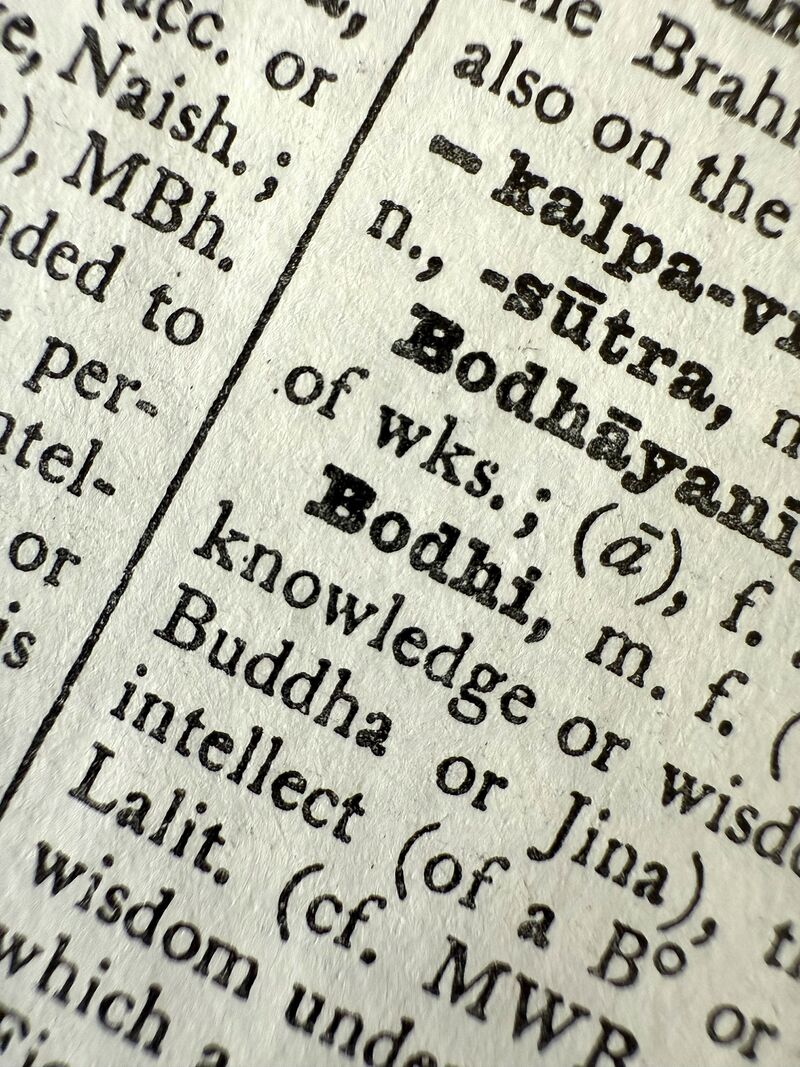
Bodhicitta, as we have seen, is the mind or thought of awakening or enlightenment. Bodhi is a Sanskrit term which refers to awakening or knowledge. In the specific Buddhist context, it refers to the state of enlightenment, which is attained through the cultivation of wisdom. There are three levels of bodhi, or enlightenment:
- The enlightenment of the hearers (śrāvaka, ཉན་ཐོས་), who are disciples of the Buddha seeking individual liberation.
- The enlightenment of the solitary realizers (pratyekabuddha, རང་སངས་རྒྱས་), who seek individual liberation on their own in eras when there is no buddha.
- The enlightenment of the Buddha. This enlightenment is often called the perfect, complete enlightenment (samyaksaṃbuddha, ཡང་དག་པར་རྫོགས་པའི་སངས་རྒྱས་).
The term bodhi in bodhicitta generally refers to the third type—that is, the perfect, complete enlightenment of the Buddha. Citta refers to the mind or thought encompassing the inner world of thoughts, emotions, and impulses. In the most common translations, bodhicitta is rendered as the mind of enlightenment or thought of awakening.
However, the term bodhicitta has many different meanings. Dorji Wangchuk, in his book The Resolve to Become a Buddha: A Study on the Bodhicitta Concept in Indo-Tibetan Buddhism, presents five different uses of the word bodhicitta.[1]
- 1. Ethico-spiritual bodhicitta. In the most common usage, bodhicitta refers to the altruistic resolve to become a buddha for the benefit of all beings. It is the compassionate and volitional core of the Mahāyāna path, encompassing both the aspirational and engaging aspects.
- 2. Gnoseological bodhicitta. Bodhicitta can refer to the knowledge or meditative insight that experiences the ultimate truth. It is the pristine wisdom realizing the true nature of things.
- 3. Ontological bodhicitta. The term bodhicitta, in its deepest sense, is also used to refer to the ultimate reality or nature of being that an enlightened insight apprehends.
- 4. Psycho-physiological bodhicitta. In the context of the tantric or Vajrayāna form of Buddhism, the term is used to refer to male semen and blood, often presented as the white and red bodhicitta, which is associated with the great bliss of enlightenment.
- 5. Semeiological bodhicitta. Bodhicitta can also denote visual, vocal, or other symbols that express one or more of the four preceding types of bodhicitta. Such symbols include the full moon, jewel, vajra, diadem, syllables, light balls, and deities such as Vajrasattva.
Bodhicitta, as it is used on this website, refers primarily to the first two types, with the third type being marginally covered in the context of the ultimate reality that a bodhisattva must realize. This website does not discuss the last two types.
What Dorji Wangchuk calls "ethico-spiritual bodhicitta" corresponds to what is known in the classical texts as relative or conventional bodhicitta (saṁvṛti bodhicitta, ཀུན་རྫོབ་བྱང་ཆུབ་ཀྱི་སེམས་), and what he calls "gnoseological bodhicitta" corresponds to what is called ultimate or absolute bodhicitta (paramārtha bodhicitta, དོན་དམ་བྱང་ཆུབ་ཀྱི་སེམས་). They are also known respectively as the generation of the relative mind (saṁvṛticittotpāda, ཀུན་རྫོབ་སེམས་བསྐྱེད་) and the generation of the ultimate mind (paramārthacittotpāda, དོན་དམ་སེམས་བསྐྱེད་) because "generation of the mind" (cittotpāda, སེམས་བསྐྱེད་) is a synonym of bodhicitta. The following sections discuss the definitions (lakṣaṇa, མཚན་ཉིད་) or the essential characteristics of these two types of bodhicitta.
Defining Relative Bodhicitta
Relative bodhicitta generally refers to the wish to take all sentient beings out of the cycle of suffering to the perfect enlightenment of the Buddha or the desire to attain the state of perfect enlightenment of the Buddha for the sake of all sentient beings. In this respect, it is not just any type of kindness and benevolence. It has as its scope of benefit the entire world of sentient beings, and it aims to attain for them not some ordinary state of happiness but the highest form of enduring happiness and peace in the state of the Buddha. The most articulate and commonly cited definition of relative bodhicitta comes from Maitreya's Ornament of Direct Realization. Defining bodhicitta in the first chapter of this work, Maitreya writes:
Cittotpāda is the wish to attain the perfect full enlightenment for the sake of others.[2]
Bodhicitta, according to this definition, is composed of two features representing wisdom and compassion. Compassion aims at sentient beings and feels their suffering, while wisdom aims at the state of perfect enlightenment and recognizes it as a viable and lasting freedom from suffering. Almost all descriptions of relative bodhicitta subsequent to Maitreya's work follow this definition. In his Ornament of Mahāyāna Sūtras, Maitreya further describes bodhicitta as having two features:
Bodhicitta is a bodhisattva intention, a mental factor with two features.[3]
The two features are often identified as the two mental factors that accompany bodhicitta. They are compassion (karuṇa, སྙིང་རྗེ་) focused on sentient beings and the wish or aspiration (chanda, འདུན་པ་) aimed at perfect enlightenment as a goal. Explaining Maitreya's definition, Asaṅga, who is said to have received the teachings from Maitreya, states in his Stages of the Bodhisattva that bodhicitta has two aims.
Therefore, the cultivation of the mind [of enlightenment] aims at enlightenment and also at the welfare of sentient beings.[4]
Notes
- ↑ See Dorji Wangchuk, The Resolve to Become a Buddha: A Study of the Bodhicitta Concept in Indo-Tibetan Buddhism (Tokyo: The International Institute for Buddhist Studies, 2007), 196.
- ↑ སེམས་བསྐྱེད་པ་ནི་གཞན་དོན་ཕྱིར། །ཡང་དག་རྫོགས་པའི་བྱང་ཆུབ་འདོད། ། Maitreya, Abhisamayālaṃkāra (Shes rab kyi pha rol tu phyin pa'i man ngag gi bstan bcos mngon par rtogs pa'i rgyan gyi tshigs su bcad pa), in Derge Tengyur D3786, vol. 80, sher phyin, ka, fol. 2b, http://purl.bdrc.io/resource/MW23703_3786.
- ↑ བྱང་ཆུབ་སེམས་དཔའི་སེམས་པ་སྟེ། །དོན་གཉིས་ལྡན་པའི་སེམས་འབྱུང་བ། ། Maitreya, Mahāyānasūtrālaṃkāra (Theg pa chen po mdo sde rgyan), in Derge Tengyur D4020, vol. 123, sems tsam, phi, fol. 4b, see ལྔ་པ། སེམས་བསྐྱེད་པའི་ལེའུ། (Chapter 5: Generating the Awakening Mind), http://purl.bdrc.io/resource/MW23703_4020.
- ↑ དེ་ལྟ་བས་ན་སེམས་བསྐྱེད་པ་དེ་ནི་བྱང་ཆུབ་ལ་དམིགས་པ་དང་། སེམས་ཅན་གྱི་དོན་ལ་དམིགས་པ་ཡིན་ནོ། ། Maitreya, Bodhisattvabhūmi (Byang chub sems dpa'i sa), in Derge Tengyur D4037, vol. 129, sems tsam, wi, fol. 7b, http://purl.bdrc.io/resource/MW23703_4037.
