No edit summary |
No edit summary |
||
| Line 112: | Line 112: | ||
|id=_89uYa3YMH0 | |id=_89uYa3YMH0 | ||
|caption=Thubten Chodron: <em>Cultivating Bodhicitta in the Chinese Tradition</em> | |caption=Thubten Chodron: <em>Cultivating Bodhicitta in the Chinese Tradition</em> | ||
}}</div> | |||
<div class="col-md-6">{{YouTube | |||
|id=u22oOgIaKck | |||
|caption=David Mitchie: <em>What Is Bodhicitta</em> | |||
}}</div> | }}</div> | ||
</div> | </div> | ||
}} | }} | ||
Revision as of 18:25, 13 January 2026
- Buddha-Nature
- Compassion
- Defining Bodhicitta
- Emptiness
- Equalizing & Exchanging Self and Others
- Equanimity
- History of Bodhicitta Teachings
- How to Develop Bodhicitta
- Interdependent Origination
- Lineage of the Profound View
- Lineage of the Vast Conduct
- Mahāyāna
- Mind Training
- Non-Self
- Seven-Point Instructions of Cause and Effect
- The Bodhisattva Ideal
- The Bodhisattva Path
- The Bodhisattva Vow
- The Bodhisattva's Goal
- The Four Immeasurables
- The Six Perfections
- The Three Higher Trainings
- The Two Accumulations
- The Two Truths
- Tonglen: The Practice of Sending and Receiving
- Types of Bodhicitta
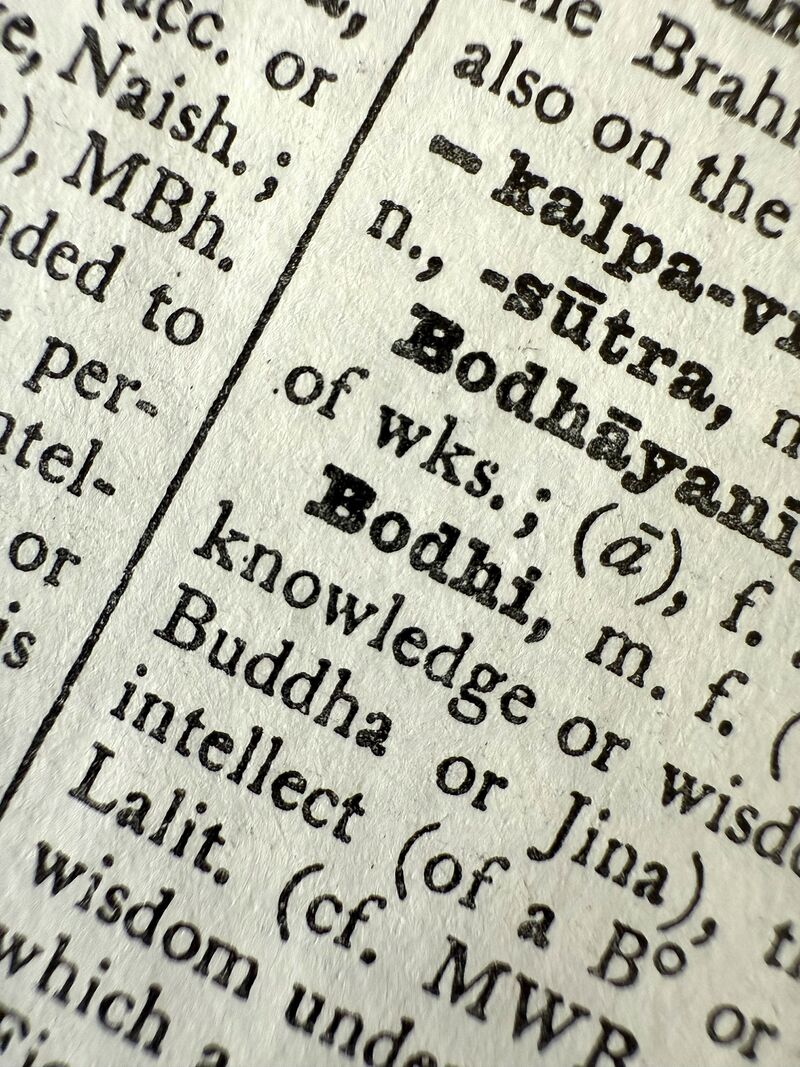
Bodhicitta, the mind of enlightenment or awakening (byang chub kyi sems), is an altruistic intention, suffused with compassion, that aspires to free all beings from suffering and is motivated by the determination to work toward the attainment of complete enlightenment in order help others reach that same state.
Bodhicitta is defined in the Great Tibetan Dictionary[1] as "a special type of cognitive faculty of the mind that arises from an intention that has as its focus a longing to attain complete enlightenment for the sake of others and functions as the main pillar of the path of the Great Vehicle."[2] Therefore, it is this mental attitude that provides the impetus for the bodhisattva path.
bodhisattva
In terms of scope, it is the motivation of bodhicitta that distinguishes a bodhisattva from a śrāvaka. Though both groups are intent upon liberation, the śrāvaka focuses on freeing themself, while the bodhisattva's goal is to eventually free all beings. This difference in the scope of their respective motivations affects not only the nature of the path through which they work toward liberation, but where those different paths culminate. For the śrāvaka, their path leads to the cessation of emotional defilements and the suffering associated with them. Thereby they become an arhat and achieve nirvāṇa.
śrāvaka
On the other hand, since the bodhisattva's intention is to remain in saṃsāra until all beings are free of suffering, they eschew the peace of nirvāṇa in order to continue to benefit beings no matter how long this may take. And, since sentient beings are considered to be limitless, so are the activities of the bodhisattva and the time frame in which their labors unfold. Nevertheless, theoretically, their path does come to an end, as it is said to culminate in the complete enlightenment of buddhahood. Though the length of time the bodhisattva spends upon this path is not counted in lifetimes, but rather in eons, with three incalculable eons as the most common estimation. Yet, therein lies the value of bodhicitta in that the bodhisattva is, thereby, undaunted by the enormity of the task at hand. In the Bodhicaryāvatāra Śāntideva expresses this sentiment, stating,
And now as long as space endures, As long as there are beings to be found, May I continue likewise to remain To drive away the sorrows of the world.
Page(s) 171
Blankleder, Helena, and Wulstan Fletcher (Padmakara Translation Group), trans. The Way of the Bodhisattva: A Translation of the Bodhicharyāvatāra. By Śāntideva. Rev. ed. Shambhala Classics. Boston: Shambhala Publications, 2006.
In his expansive study of the concept of bodhicitta, Professor Dorji Wangchuk states,
And,
In his The Jewel Lamp: A Praise of Bodhicitta Khunu Lama describes the importance of bodhicitta to the bodhisattva path, stating,
of the bodhisattvas, the Victor's children,
at the very outset strive to produce
bodhicitta since it is the foundation of that practice. Verse 101
and a bodhisattva is born from bodhicitta,
intelligent persons understand
the greatness of supreme bodhicitta. Verse 102
Furthermore, the Great Tibetan Dictionary definition goes one to say that, "if one were to divide [bodhicitta], then there are two, the mind of aspiration and mind of application[3]. The locus classicus for this division of bodhicitta is found in the Bodhicaryāvatāra where Śāntideva describes these two in the following verses,
Bodhichitta, the awakened mind, Is known in brief to have two aspects: First, aspiring, bodhichitta in intention; Then active bodhichitta, practical engagement.
Page(s) 33
Blankleder, Helena, and Wulstan Fletcher (Padmakara Translation Group), trans. The Way of the Bodhisattva: A Translation of the Bodhicharyāvatāra. By Śāntideva. Rev. ed. Shambhala Classics. Boston: Shambhala Publications, 2006.
བྱང་ཆུབ་སེམས་དེ་མདོར་བསྡུས་ན། །
རྣམ་པ་གཉིས་སུ་ཤེས་བྱ་སྟེ། ། བྱང་ཆུབ་སྨོན་པའི་སེམས་དང་ནི། །
བྱང་ཆུབ་འཇུག་པ་ཉིད་ཡིན་ནོ། །byang chub sems de mdor bsdus na/_/
rnam pa gnyis su shes bya ste/_/ byang chub smon pa'i sems dang ni/_/
byang chub 'jug pa nyid yin no/_/As corresponding to the wish to go And then to setting out, The wise should understand respectively The difference that divides these two.
Page(s) 33
Blankleder, Helena, and Wulstan Fletcher (Padmakara Translation Group), trans. The Way of the Bodhisattva: A Translation of the Bodhicharyāvatāra. By Śāntideva. Rev. ed. Shambhala Classics. Boston: Shambhala Publications, 2006.
འགྲོ་བར་འདོད་དང་འགྲོ་བ་ཡི། །
བྱེ་བྲག་ཇི་ལྟར་ཤེས་པ་ལྟར། ། དེ་བཞིན་མཁས་པས་འདི་གཉིས་ཀྱི། །
བྱེ་བྲག་རིམ་བཞིན་ཤེས་པར་བྱ། །gro bar 'dod dang 'gro ba yi/_/
bye brag ji ltar shes pa ltar/_/ de bzhin mkhas pas 'di gnyis kyi/_/
bye brag rim bzhin shes par bya/_/Though the above two are some of the most commonly referenced, there are, in fact, many types of bodhicitta based on various schema for categorizing them. To read more about these, see the Divisions of Bodhicitta.
Notes
- ↑ Tsik Dzö Chenmo" (ཚིག་མཛོད་ཆེན་མོ། tshig mdzod chen mo)
- ↑ དམིགས་པ་གཞན་དོན་ལ་དམིགས་ནས་རྣམ་པ་རྫོགས་བྱང་ཐོབ་འདོད་ཀྱི་འདུན་པ་ལས་བྱུང་ཞིང་ཐེག་ཆེན་ལམ་གྱི་གཞུང་ཤིང་དུ་གྱུར་པའི་ཡིད་ཀྱི་རྣམ་རིག་ཁྱད་པར་ཅན་ (dmigs pa gzhan don la dmigs nas rnam pa rdzogs byang thob 'dod kyi 'dun pa las byung zhing theg chen lam gyi gzhung shing du gyur pa'i yid kyi rnam rig khyad par can)- ཚིག་མཛོད་ཆེན་མོ། (Tshig mdzod chen mo), 1869.
- ↑ de la dbye na smon sems dang 'jug sems gnyis- Tshig mdzod chen mo, 1869.
