Study: Difference between revisions

From Bodhicitta
No edit summary
No edit summary
Line 108: Line 108:
|text=
|text=
<div class="row mt-3">
{{TileLong
{{TileLongTall
|wrapper-classes=col-md-12 mb-3 mb-md-4  
|wrapper-classes=col-md-12 mb-3 mb-md-4  
|image=YOUR-THANGKA-IMAGE-FILENAME.jpg
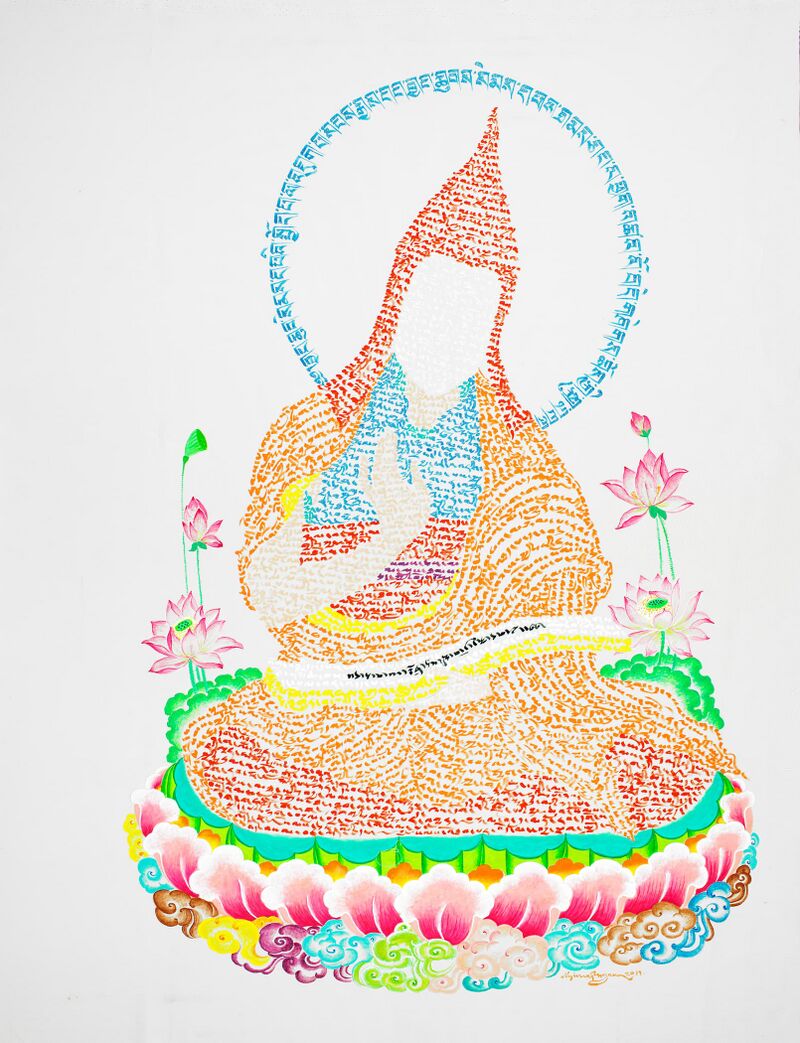
|image=Shantideva high res brighter.jpg
|header=''Bodhicaryāvatāra'' (བྱང་ཆུབ་སེམས་དཔའི་སྤྱོད་པ་ལ་འཇུག་པ།)
|header=''Bodhicaryāvatāra'' (བྱང་ཆུབ་སེམས་དཔའི་སྤྱོད་པ་ལ་འཇུག་པ།)
|header-line-height=line16
|header-line-height=line16
Line 116: Line 116:
|label=Text
|label=Text
|page=Bodhicaryāvatāra
|page=Bodhicaryāvatāra
|image-style=object-fit: contain; height: 200px; background-color: #f5f5f0;
}}{{TileLongTall
}}{{TileLong
|wrapper-classes=col-md-12 mb-3 mb-md-4  
|wrapper-classes=col-md-12 mb-3 mb-md-4  
|image=YOUR-IMAGE-2.jpg
|image=YOUR-IMAGE-2.jpg
Line 125: Line 124:
|label=Text
|label=Text
|page=Śikṣāsamuccaya
|page=Śikṣāsamuccaya
|image-style=object-fit: contain; height: 200px; background-color: #f5f5f0;
}}{{TileLongTall
}}{{TileLong
|wrapper-classes=col-md-12 mb-3 mb-md-4  
|wrapper-classes=col-md-12 mb-3 mb-md-4  
|image=YOUR-IMAGE-3.jpg
|image=YOUR-IMAGE-3.jpg
Line 134: Line 132:
|label=Text
|label=Text
|page=Bodhisattvabhūmi
|page=Bodhisattvabhūmi
|image-style=object-fit: contain; height: 200px; background-color: #f5f5f0;
}}{{TileLongTall
}}{{TileLong
|wrapper-classes=col-md-12 mb-3 mb-md-4  
|wrapper-classes=col-md-12 mb-3 mb-md-4  
|image=YOUR-IMAGE-4.jpg
|image=YOUR-IMAGE-4.jpg
Line 143: Line 140:
|label=Text
|label=Text
|page=Bodhicittavivaraṇa
|page=Bodhicittavivaraṇa
|image-style=object-fit: contain; height: 200px; background-color: #f5f5f0;
}}{{TileLongTall
}}{{TileLong
|wrapper-classes=col-md-12 mb-3 mb-md-4  
|wrapper-classes=col-md-12 mb-3 mb-md-4  
|image=YOUR-IMAGE-5.jpg
|image=YOUR-IMAGE-5.jpg
Line 152: Line 148:
|label=Text
|label=Text
|page=Bhāvanākrama
|page=Bhāvanākrama
|image-style=object-fit: contain; height: 200px; background-color: #f5f5f0;
}}{{TileLongTall
}}{{TileLong
|wrapper-classes=col-md-12 mb-3 mb-md-4  
|wrapper-classes=col-md-12 mb-3 mb-md-4  
|image=YOUR-IMAGE-6.jpg
|image=YOUR-IMAGE-6.jpg
Line 161: Line 156:
|label=Text
|label=Text
|page=Bodhipathapradīpa
|page=Bodhipathapradīpa
|image-style=object-fit: contain; height: 200px; background-color: #f5f5f0;
}}{{TileLongTall
}}{{TileLong
|wrapper-classes=col-md-12 mb-3 mb-md-4  
|wrapper-classes=col-md-12 mb-3 mb-md-4  
|image=YOUR-IMAGE-7.jpg
|image=YOUR-IMAGE-7.jpg
Line 170: Line 164:
|label=Text
|label=Text
|page=Seven Points of Mind Training
|page=Seven Points of Mind Training
|image-style=object-fit: contain; height: 200px; background-color: #f5f5f0;
}}{{TileLongTall
}}{{TileLong
|wrapper-classes=col-md-12 mb-3 mb-md-4  
|wrapper-classes=col-md-12 mb-3 mb-md-4  
|image=YOUR-IMAGE-8.jpg
|image=YOUR-IMAGE-8.jpg
Line 179: Line 172:
|label=Text
|label=Text
|page=Thirty-Seven Practices of a Bodhisattva
|page=Thirty-Seven Practices of a Bodhisattva
|image-style=object-fit: contain; height: 200px; background-color: #f5f5f0;
}}
}}
</div>
</div>

Revision as of 14:59, 2 December 2025


Study
Detailed discussions and research on bodhicitta and Śāntideva's works


Study the Core Texts

This curated selection represents essential texts for understanding the concept of bodhicitta within the Indian and Tibetan Buddhist traditions. The resource serves as both a scholarly repository and pedagogical tool, with planned expansions scheduled for 2026 to include additional critical texts and research materials. This comprehensive resource presents extensive scholarship on Śāntideva's Bodhisattvacaryāvatāra and the Śikṣāsamuccaya, featuring both contemporary research and classical texts in multiple languages. The collection prioritizes the Bodhisattvacaryāvatāra as the primary focus, with substantial coverage of the Śikṣāsamuccaya and supplementary materials on related works.

 
One of the most famous Buddhist texts of all time. Written by the ancient Indian Buddhist scholar and adept Śāntideva.
Text
 
Śāntideva's only other major known text, A Compendium of Training, is like a companion to the Bodhicaryāvatāra and deals extensively with the motivation and practice of the bodhisattva.
Text
 
Bodhisattvabhūmi (རྣལ་འབྱོར་སྤྱོད་པའི་ས་ལས་བྱང་ཆུབ་སེམས་དཔའི་ས།)
Ārya Asaṅga’s Bodhisattvabhūmi, or The Stages of a Bodhisattva, is the Mahāyāna tradition’s most comprehensive manual on the practice and training of bodhisattvas.
Text
 
Bodhicittavivaraṇa (བྱང་ཆུབ་སེམས་ཀྱི་འགྲེལ་པ་ཞེས་བྱ་བ།)
A compendium of Mahāyāna theory and practice, intended for bodhisattvas, both monastic and lay, organized around the theme of bodhicitta. Traditionally ascribed to the great Nāgārjuna.
Text
 
Bhāvanākrama (བསྒོམ་པའི་རིམ་པ།)
Kamalaśīla's Stages of Meditation focuses on wisdom (prajñā) and sets forth the process of cultivating bodhicitta and then developing śamatha and vipaśyanā and progressing through the bodhisattva stages to buddhahood.
Text
 
Atiśa Dīpaṃkara's The Lamp for the Path to Enlightenment, emphasizing a gradual approach to training the bodhisattva, became a prototype for the genre of Tibetan religious literature known as lamrim, or stages of the path.
Text
 
Seven Points of Mind Training (བློ་སྦྱོངས་དོན་བདུན་མ།)
Consisting of concise teachings and meditation practices, the Blo sbyong don bdun ma gained widespread influence throughout Tibet, inspiring commentaries from scholars across various Buddhist traditions.
Text
 
Thirty-Seven Practices of a Bodhisattva (རྒྱལ་སྲས་ལག་ལེན་སོ་བདུན་མ།)
Tokme Zangpo's Thirty-Seven Practices of a Bodhisattva, written during a fourteenth-century retreat, transforms complex Mahāyāna philosophy into accessible instructions for handling life's challenges. Essential reading for all bodhisattva's-to-be.
Text
 
Bodhicaryāvatāra (བྱང་ཆུབ་སེམས་དཔའི་སྤྱོད་པ་ལ་འཇུག་པ།)
One of the most famous Buddhist texts of all time. Written by the ancient Indian Buddhist scholar and adept Śāntideva.
Text
 
Śikṣāsamuccaya (བསླབ་པ་ཀུན་ལས་བཏུས་པ།)
Śāntideva's only other major known text, A Compendium of Training, is like a companion to the Bodhicaryāvatāra and deals extensively with the motivation and practice of the bodhisattva.
Text
 
Bodhisattvabhūmi (རྣལ་འབྱོར་སྤྱོད་པའི་ས་ལས་བྱང་ཆུབ་སེམས་དཔའི་ས།)
Ārya Asaṅga's Bodhisattvabhūmi, or The Stages of a Bodhisattva, is the Mahāyāna tradition's most comprehensive manual on the practice and training of bodhisattvas.
Text
 
Bodhicittavivaraṇa (བྱང་ཆུབ་སེམས་ཀྱི་འགྲེལ་པ་ཞེས་བྱ་བ།)
A compendium of Mahāyāna theory and practice, intended for bodhisattvas, both monastic and lay, organized around the theme of bodhicitta. Traditionally ascribed to the great Nāgārjuna.
Text
 
Bhāvanākrama (བསྒོམ་པའི་རིམ་པ།)
Kamalaśīla's Stages of Meditation focuses on wisdom (prajñā) and sets forth the process of cultivating bodhicitta and then developing śamatha and vipaśyanā and progressing through the bodhisattva stages to buddhahood.
Text
 
Bodhipathapradīpa (བྱང་ཆུབ་ལམ་གྱི་སྒྲོན་མ།)
Atiśa Dīpaṃkara's The Lamp for the Path to Enlightenment, emphasizing a gradual approach to training the bodhisattva, became a prototype for the genre of Tibetan religious literature known as lamrim, or stages of the path.
Text
 
Seven Points of Mind Training (བློ་སྦྱོངས་དོན་བདུན་མ།)
Consisting of concise teachings and meditation practices, the Blo sbyong don bdun ma gained widespread influence throughout Tibet, inspiring commentaries from scholars across various Buddhist traditions.
Text
 
Thirty-Seven Practices of a Bodhisattva (རྒྱལ་སྲས་ལག་ལེན་སོ་བདུན་མ།)
Tokme Zangpo's Thirty-Seven Practices of a Bodhisattva, written during a fourteenth-century retreat, transforms complex Mahāyāna philosophy into accessible instructions for handling life's challenges. Essential reading for all bodhisattva's-to-be.
Text


The Library

Dive into the ultimate in bodhicitta resources—an unprecedented digital collection spanning ancient sūtras to modern scholarship. Find everything from classical commentaries to cutting-edge research, all connected through detailed cross-references that reveal surprising links across traditions and time periods. Browse author profiles featuring the scholars and masters who've shaped our understanding of bodhicitta. Whether you're a practitioner, researcher, or simply curious, this is your gateway to centuries of wisdom on the mind of awakening—all in one place for the first time.
Visit the Library

More Resources

Immerse yourself in the world of bodhicitta! Explore the most extensive bibliography ever compiled on the topic, navigate complex concepts with our comprehensive glossary of key terms, trace the rich interpretive tradition through an interactive timeline of Bodhicaryāvatāra commentaries spanning over a millennium, and discover connections you never knew existed with our powerful advanced search tool. These resources will illuminate your journey into the heart of the bodhisattva path in exciting new ways!
 
Bibliography
The most complete bibliography of academic and traditional sources on bodhicitta.
Resource
 
Glossary: Key Terms related to bodhicitta and Śāntideva's works
Discover the meaning of key terms used in bodhicitta-related texts and commentaries.
Resource
 
Advanced Search
Search for topics, titles, authors, and more.
Resource
 
Timeline
The commentaries of the Bodhicaryāvatāra
Over the centuries
The Other Doorways
Discover
Begin here. Discover the basics of bodhicitta, its meaning and purpose, and learn about the main concepts of the Mahayana path. Get to know the people and texts on this website, and find key resources for beginners.
step through
Explore
The understanding and practice of bodhicitta depends on the knowledge of the stories, key concepts, texts, and people associated with it. Explore bodhicitta, the desire to seek the ultimate happiness for all sentient beings.
step through
Practice
What use is a powerful medicine if one does not take it to cure the illness? say Buddhist masters. Learn how to put bodhicitta into practice in order to bring the highest good—perfect enlightenment—to all sentient beings.
step through