Aṣṭasāhasrikāprajñāpāramitā

From Bodhicitta
< Texts(Redirected from Texts/RKTSK 12)
Texts/Aṣṭasāhasrikāprajñāpāramitā

🤓 Admin Zone 🛠️ hidden to non-admins
अष्टसाहस्रिकाप्रज्ञापारमिता
Aṣṭasāhasrikāprajñāpāramitā
འཕགས་པ་ཤེས་རབ་ཀྱི་ཕ་རོལ་ཏུ་ཕྱིན་པ་བརྒྱད་སྟོང་པ།
'phags pa shes rab kyi pha rol tu phyin pa brgyad stong pa
The Perfection of Wisdom in Eight Thousand Lines (84000)
Text


Please note that many items in our library are simply pages that represent a detailed library catalog entry and citation of someone else's work, presentation, or performance. Read our General Disclaimer for more information.

Description

The Perfection of Wisdom in Eight Thousand Lines, like other sūtras on the Perfection of Wisdom, deals with the topic of emptiness and the understanding of the ultimate truth or the way things are. Modern scholars date the sūtra roughly to the 2nd and 1st century BC and consider it to be the earliest sūtra on which other Perfection of Wisdom sūtras are based. Its adherents claim the sūtra to be a part of the words of the Buddha. It is believed to have been taken to the subterranean world and brought back to the human world by Nāgārjuna. It is sometimes known as the Condensed Mother (ཡུམ་བསྡུས་པ་), the term Mother referring to the Perfection of Wisdom which gives rise to all buddhas and bodhisattvas. It is said to be the condensed version of the long version in one hundred thousand lines and the middle version in twenty-five thousand lines. Having spread across Asia and beyond and having been translated into many languages, it is one of the most common books to be found in the Buddhist Himalayas. The sūtra takes the form of a series of dialogues between the Buddha Śākyamuni, Subhūti, Śāriputra, and others, such as Indra, the king of gods, and a goddess of the Ganges. In the final chapters, the sūtra contains the inspirational narratives of Sadāprarudita and his quest for the teachings on the Perfection of Wisdom from the Bodhisattva Dharmodgata. The sūtra is also one of the earliest Mahāyāna sources proclaiming the luminous nature of the mind.
Quoted in the aligned translations
Reference
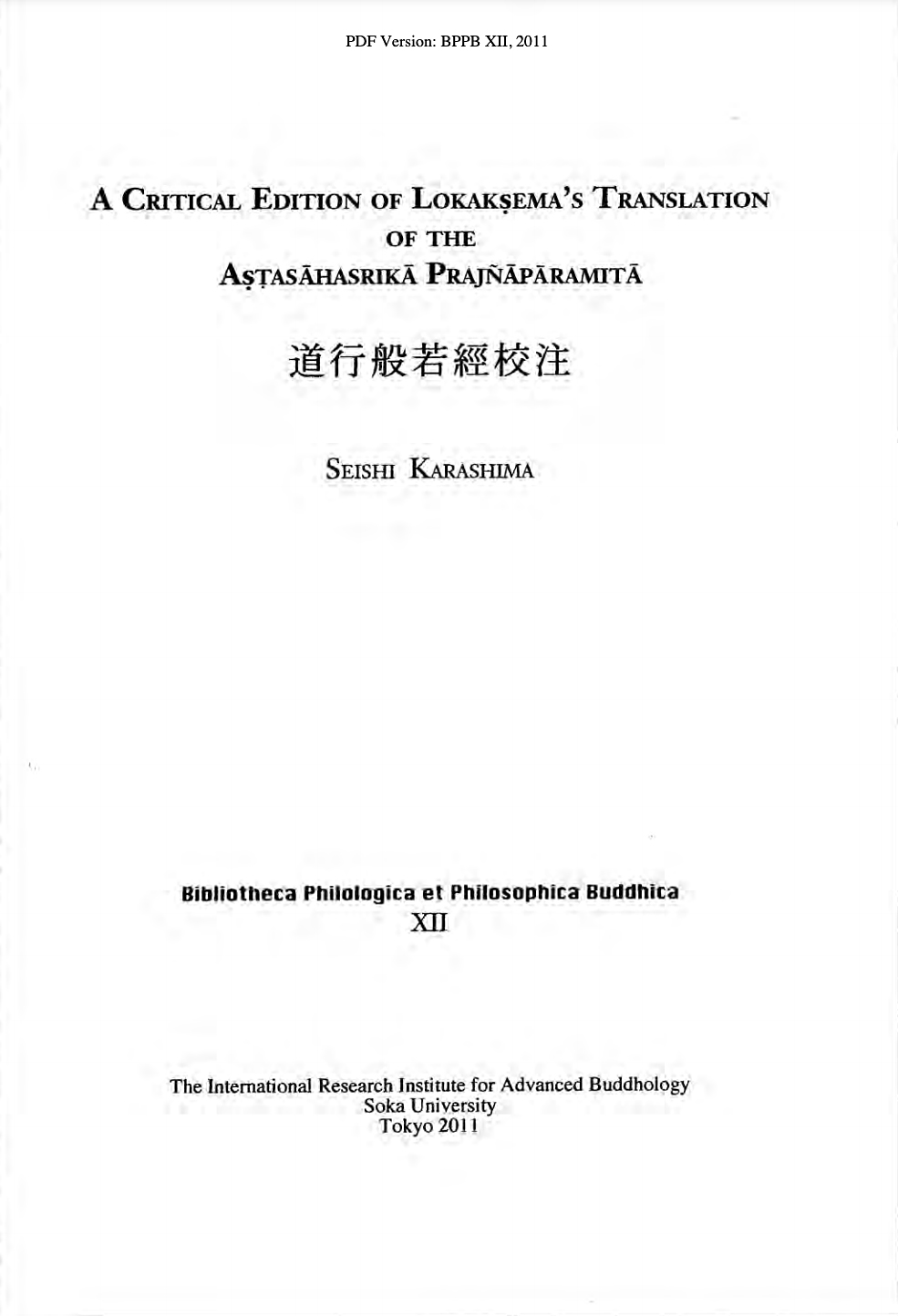
Aṣṭasāhasrikāprajñāpāramitā [अष्टसाहस्रिकाप्रज्ञापारमिता]. 'phags pa shes rab kyi pha rol tu phyin pa brgyad stong pa [འཕགས་པ་ཤེས་རབ་ཀྱི་ཕ་རོལ་ཏུ་ཕྱིན་པ་བརྒྱད་སྟོང་པ།]. [The Perfection of Wisdom in Eight Thousand Lines (84000)]. Translated by Śākyasena, Jñānasiddhi, Dharmatāśīla, Xuanzang, Dānapāla, Kumārajīva, Dharmapriya, Chu Fo-nien, Chih-ch'ien, Lokakṣema. Kangyur, RKTSK 12 http://www.rkts.org/cat.php?id=12&typ=1.
Interconnections
All 70Books 46Articles 4Classical Works 14Multimedia 2Dissertations 4
6 Recensions
Haribhadra RigpaWiki.jpeg
Books1932–1935About this item
This is a critical Sanskrit edition of the Abhisamayālaṃkārāloka Prajñāpāramitā-vyākhyā by Haribhadra, together with the Aṣṭasāhasrikāprajñāpāramitā. Edited by Unrai Wogihara.
Chandra Lokesh Wikipedia.jpg
Books1981About this item
A critical Sanskrit edition of the Aṣṭasāhasrikāprajñāpāramitā, edited by Lokesh Chandra. Reproduced by Lokesh Chandra from the collection of Prof. Raghu Vira. Published by Sharada Rani, 1981.
7 Full translations
Astasahasrika Prajnaparamita Conze 1958-front.jpg
Books1958About this item
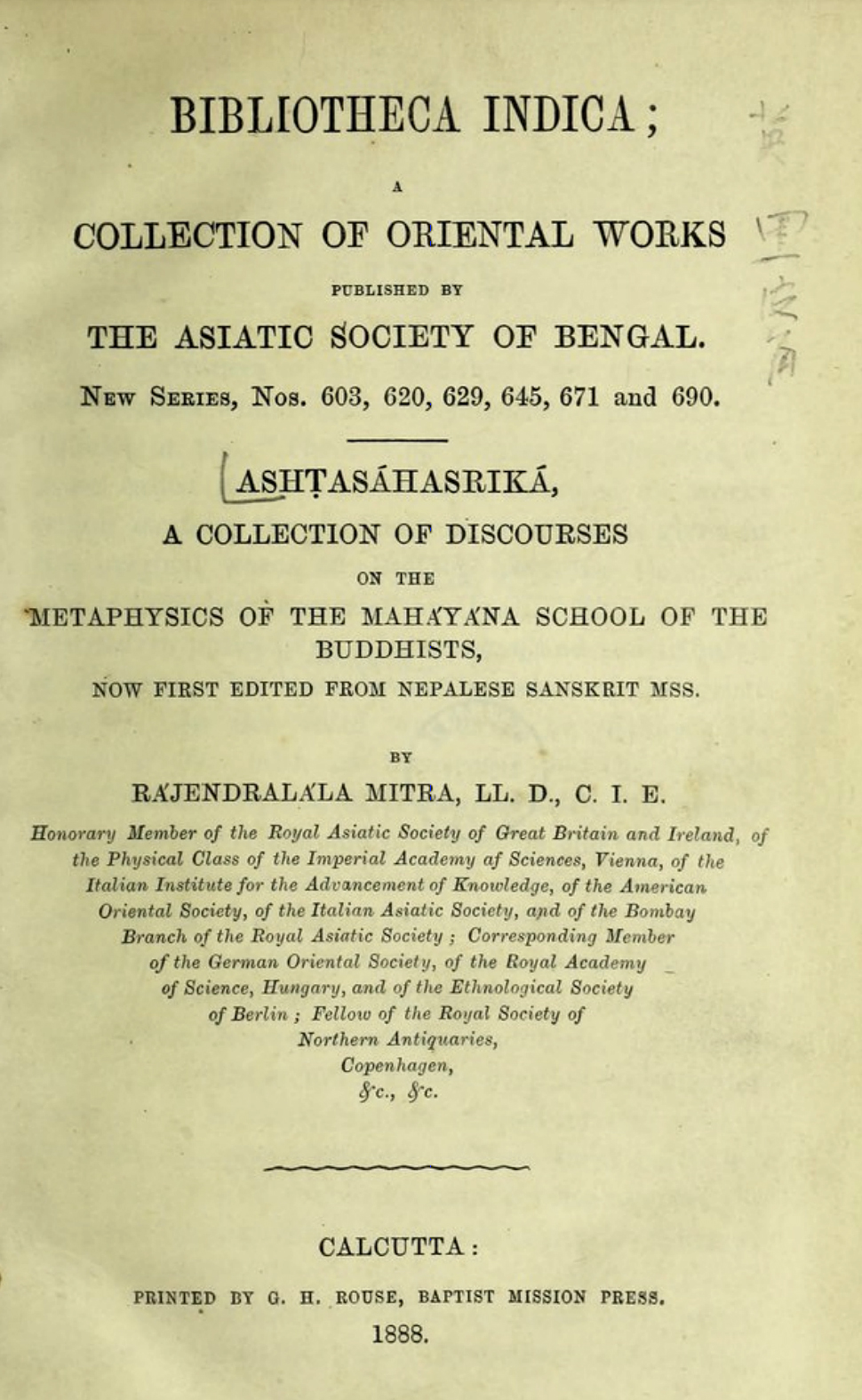
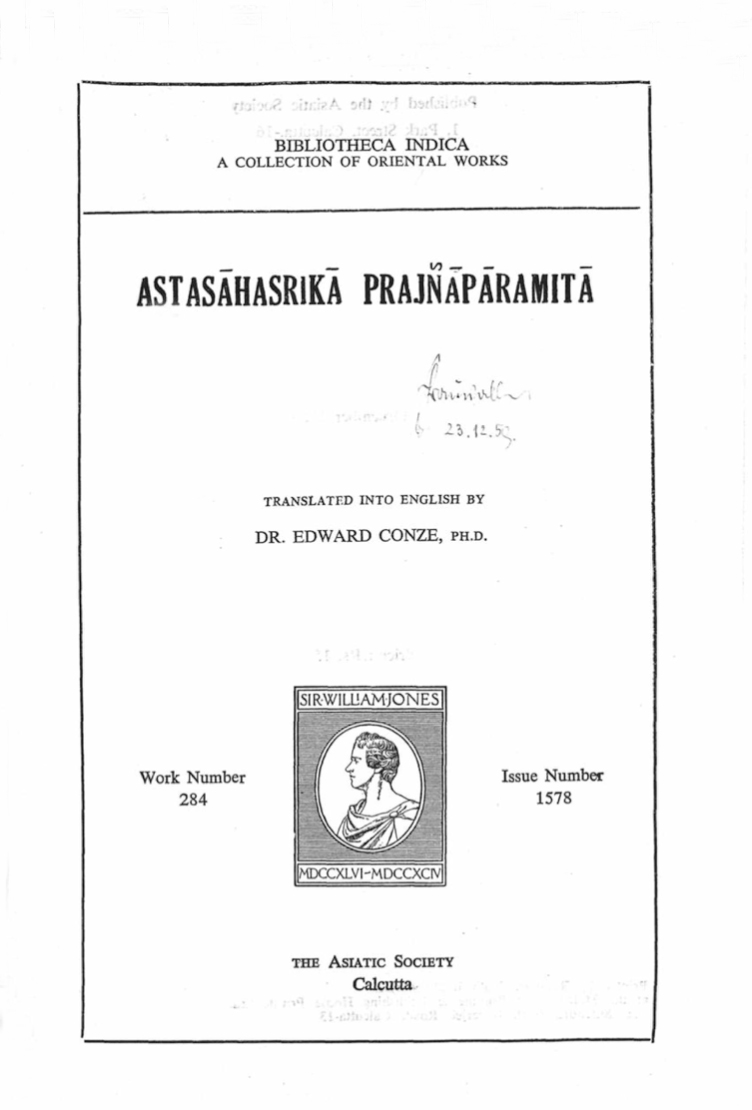
A literal, word by word translation of the Prajñāparamitā is tiresome to read, and practically unintelligible to any one who does not have the sanskrit original before him. If ever there was a case where the letter kills the spirit, it is here. The Sūtra itself was meant to be memorised, the translation is meant to be read. Lengthy repetitions, stereotyped phrases, and the piling up of synonyms were of great assistance to memory, but they irritate and distract the modern reader, and obscure from him the meaning of the text. This translation aims at bringing out the meaning of the Sūtra, often with the aid of Haribhadra's commentary, and it keeps as close to the text as is compatible with intelligibility. The reproduction of the literary conventions and of the stylistic peculiarities of Buddhist sanskrit diction was not one of my aims. It would be of little, or no, value to scholars, and it bewilders the general reader. To facilitate reference to the sanskrit original I have added in brackets the pages of Mitra's edition. (Conze, preface)
The Perfection of Wisdom in Eight Thousand Lines & Its Verse Summary-front.jpg
Books1973About this item
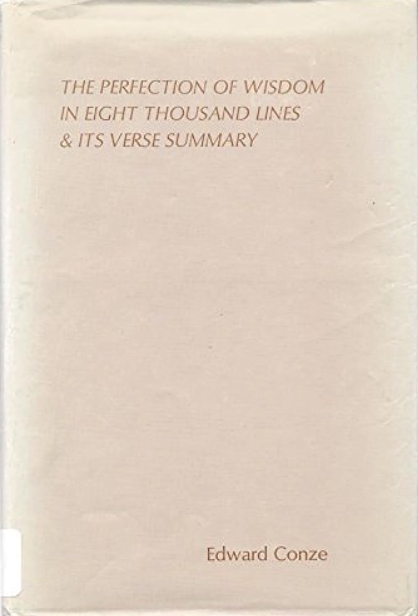
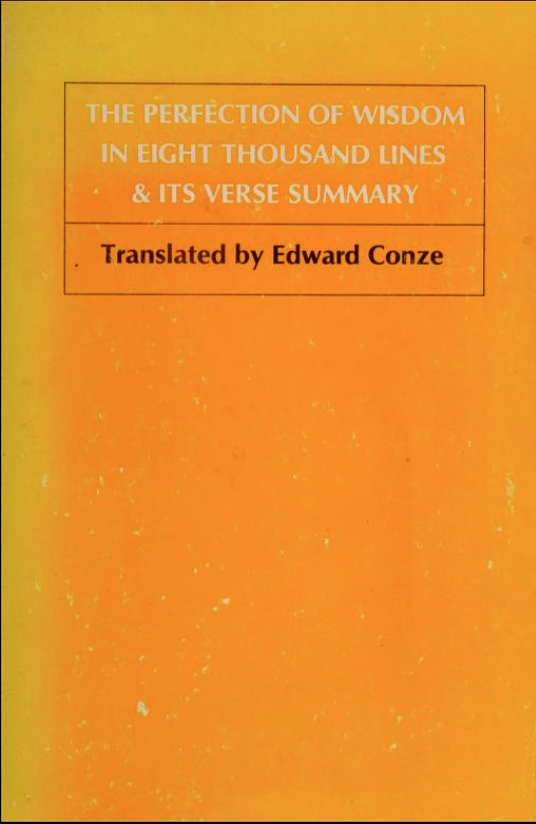
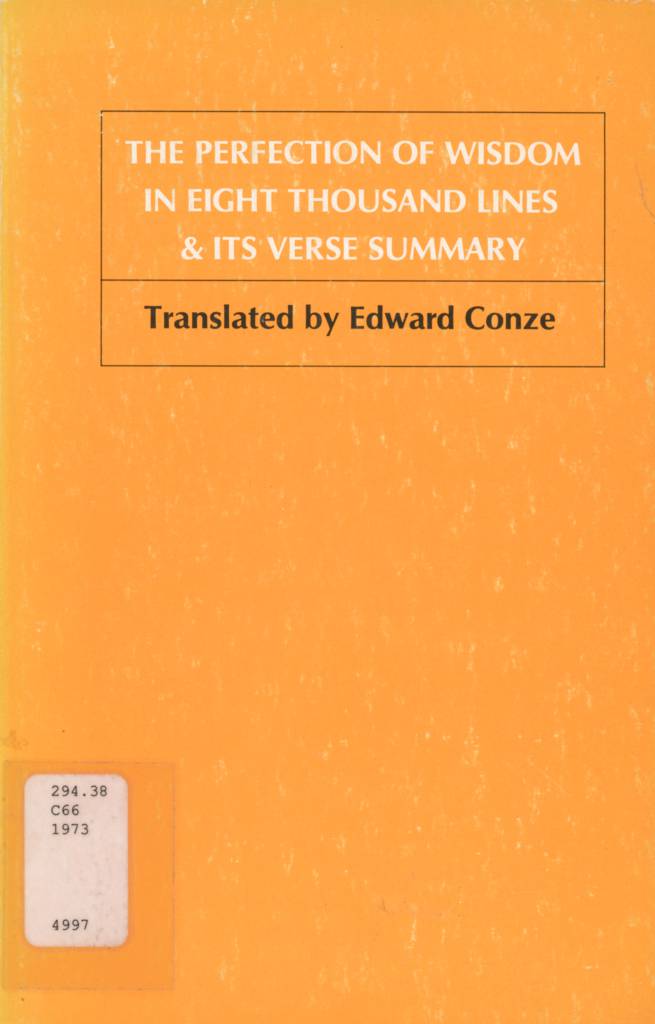
After the Torah, the Koran and the Gospels, the Indian literature of the Perfection of Wisdom has had the greatest impact on the religious consciousness of mankind. Its composition extended for over seven hundred years, and here we offer the reader the first two works which were composed in South India between 100 B.C. and A.D. 100. These documents are not only indispensable to those who wish to understand the mentality of the East, they still carry a potent spiritual message; and those who desire to diminish their personal worries y the disciplined contemplation of spiritual; thought could make no better choice. (Source Accessed June 25, 2021)
The Perfection of Wisdom Conze 1975-front.jpg
Books1975About this item
After the Torah, the Koran and the Gospels, the Indian literature of the Perfection of Wisdom has had the greatest impact on the religious consciousness of mankind. Its composition extended for over seven hundred years, and here we offer the reader the first two works which were composed in South India between 100 B.C. and A.D. 100. These documents are not only indispensable to those who wish to understand the mentality of the East, they still carry a potent spiritual message; and those who desire to diminish their personal worries y the disciplined contemplation of spiritual; thought could make no better choice. (Source Accessed June 25, 2021)
The Perfection of Wisdom in Eight Thousand Lines and Its Verse Summary South Asia Books-front.jpg
Books1994About this item
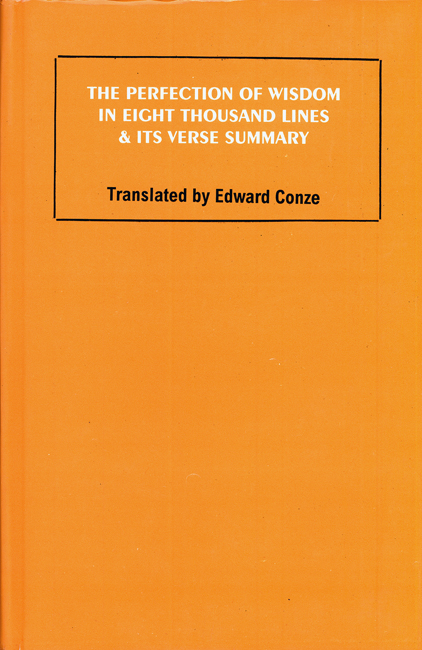
A translation of the Perfection of Wisdom in 8000 Lines in two versions, in verse in the Prajñāpāramitāsañcayagāthā and in prose in the Aṣṭasāhasrikāprajñāpāramitā.
The Perfection of Wisdom in Eight Thousand Lines Sri Satguru Publications-front.jpg
Books1994About this item
A translation of the Perfection of Wisdom in 8000 Lines in two versions, in verse in the Prajñāpāramitāsañcayagāthā and in prose in the Aṣṭasāhasrikāprajñāpāramitā.
Conze-1983-Perfection of Wisdom-front.jpg
Books1983About this item
A translation of the Perfection of Wisdom in 8000 Lines in two versions, in verse in the Prajñāpāramitāsañcayagāthā and in prose in the Aṣṭasāhasrikāprajñāpāramitā.
6 Classical commentaries
Sutra portrait.jpg
Classical WorksAbout this item
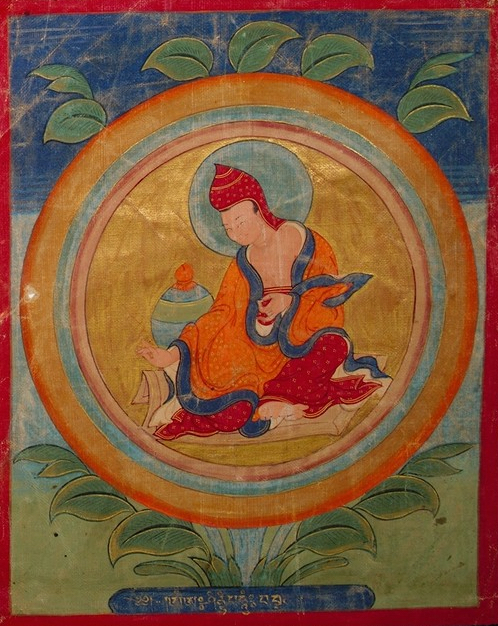
The Bhagavatyāmnāyānusāriṇīnāmavyākhyā (Tib. Bcom ldan 'das ma'i man ngag gi rjes su 'brang ba zhes bya ba'i rnam par bshad pa) is a detailed commentary (rnam par bshad pa) on the Aṣṭasāhasrikāprajñāpāramitāsūtra, composed by Jagaddalanivāsin (Tib. Dza gat+ta tA lar gnas pa) and translated into Tibetan by the paṇḍita Alaṅkadeva together with the Tibetan translator Tengpa Lotsāwa Tsultrim Jungne (Tib. Bod kyi lo tsā ba dge slong tshul khrims 'byung gnas). Its full colophon title reads Bcom ldan 'das ma 'phags pa shes rab kyi pha rol tu phyin pa brgyad stong pa'i rnam par bshad pa man ngag gi rjes su 'brang ba zhes bya ba. It is classified within the Prajñāpāramitā commentarial section (mdo 'grel, sher phyin) of the Tengyur, corresponding to Toh. no. 3811, and survives in multiple recensions.
Shantipa.jpg
Classical WorksAbout this item
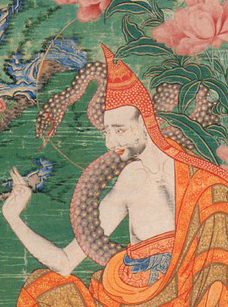
The Āryāṣṭasāhasrikāprajñāpāramitāpañjikāsārottamā (Skt.; also known in its Sanskrit critical edition as Sāratamā; Tib. 'Phags pa shes rab kyi pha rol tu phyin pa brgyad stong pa'i dka' 'grel snying po mchog) is a pañjikā-commentary on the Aṣṭasāhasrikāprajñāpāramitāsūtra by Ācārya Ratnākaraśānti (late 10th–mid-11th century), the eastern-gate scholar (dvāra-paṇḍita) of Vikramaśīla Monastery, who bore the epithet kalikālasarvajña ("the Omniscient One of the Degenerate Age") and is counted among the eighty-four mahāsiddhas. Its Tibetan translation, credited to Subhūtiśānti and Śākya blo gros, is preserved in the Derge Tengyur (D 3803) and the Peking Tengyur (P 5200, vol. 92). A Sanskrit critical edition, titled Sāratamā, was published as Sāratamā: A Pañjikā on the Aṣṭasāhasrikā Prajñāpāramitā Sūtra by Ācārya Ratnākaraśānti, edited by Padmanabh S. Jaini, in the Tibetan Sanskrit Works Series (no. XVIII), by the Kashi Prasad Jayaswal Research Institute, Patna, in 1979.
Haribhadra RigpaWiki.jpeg
Classical WorksAbout this item
The Āryāṣṭasāhasrikāprajñāpāramitāvyākhyānābhisamayālaṃkārāloka (Tib. Shes rab kyi pha rol tu phyin pa brgyad stong pa'i bshad pa/ mngon par rtogs pa'i rgyan gyi snang ba, "Illumination of the Ornament of Realization"), also known as the Abhisamayālaṃkārālokā, is a commentary by Haribhadra (Tib. Seng ge bzang po; late 8th century), an Indian paṇḍita active under the Pāla emperor Dharmapāla. It works by taking Maitreya's Abhisamayālaṃkāra—traditionally read as an outline of the Prajñāpāramitā sūtras' structure—and showing where each of its categories is being taught within the actual text of the Aṣṭasāhasrikāprajñāpāramitāsūtra, making it at once a commentary on the sūtra and one of the traditional twenty-one Indian commentaries on the Abhisamayālaṃkāra. It is distinct from Haribhadra's other, better-known work in that same set of 21, the Sphuṭārthā ("Clear Meaning"), which instead explains the Abhisamayālaṃkāra,'s verses directly, without correlating them to any one sūtra's wording. This commentary was translated into Tibetan by Rinchen Zangpo, with a subsequent revision involving Atiśa Dīpaṃkaraśrījñāna and a further translation by Ngok Loden Sherab.
Abhayakaragupta2 HAR.jpg
Classical WorksAbout this item
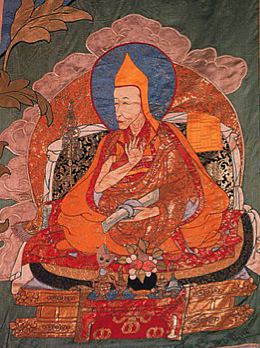
The Āryāṣṭasāhasrikāprajñāpāramitāvṛttimarmakaumudīnāma (Skt.; commonly known as the Marmakaumudī, "Moonlight of Points"; Tib. 'Phags pa shes rab kyi pha rol tu phyin pa brgyad stong pa'i 'grel pa gnad kyi zla ba'i 'od) is a running commentary (vṛtti) on the Aṣṭasāhasrikāprajñāpāramitāsūtra by Abhayākaragupta (d. c. 1125), a Bengali scholar who taught at the monasteries of Vikramaśīla and Odantapurī and studied under Ratnākaraśānti. It is preserved in the Prajñāpāramitā section of the Derge Tengyur (Toh 3805; RKTST 3150). Its Tibetan translation is credited to the translator Shes rab dpal ba. Abhayākaragupta was a prolific author on both sūtra and tantra, best known for his Munimatālaṃkāra and the Vajrāvalī, a comprehensive synthesis of tantric ritual, and is said to have collaborated with Tibetan translators on more than 130 texts.
1 Modern commentaries
The Perfection of Wisdom in First Bloom-front.jpg
Books2025About this item
In this work we have a rare perspective on the early history of Mahayana Buddhism and the Perfection of Wisdom (Prajnaparamita), as far as this is still accessible in surviving texts. Bhikkhu Analayo critically analyzes early Perfection of Wisdom literature based on the earliest extant versions of the Astasahasrika Prajnaparamita, or the Perfection of Wisdom in Eight Thousand Lines, one in Chinese and the other in Gandhari—one of the oldest surviving Mahayana manuscripts discovered to date. In reading this text from the viewpoint of early Buddhist literature, the author shows that what has generally been considered a sharp rupture in the formation of the Mahayana turns out to be more of a gradual evolution. Analayo sifts through the layers of history and unveils new perspectives on the ideas and figures in early Perfection of Wisdom and Mahayana literature, covering such topics as the rhetoric of emptiness and the emerging bodhisattva ideal, as well as the status of women and the practice of self-immolation. In doing so, Analayo reveals fresh insights into the gradual development that informs the emergence of early Perfection of Wisdom literature. This is a rare opportunity to peer through a window at the beginnings of Mahayana thought—before the traditions had coalesced into the familiar forms we see today. (Source: Wisdom Publications)
1 Partial translations
The Perfection of Wisdom Jamieson-front.jpg
Books2000About this item
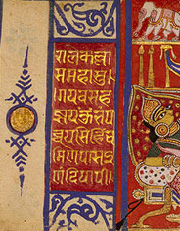
This important text is illustrated with extraordinary images taken from the earliest surviving Indian and Nepalese illustrated manuscripts of The Perfection of Wisdom.
11 Scholarship
Articles.jpeg
Articles1968About this item
No abstract given. Here is the first relevant paragraph:

From ancient times, the origin of "tathāgata", which has been usually translated as 如 來 (one who comes thus), is not unknown. This has been used as the title of Buddha, chiefly in Buddhism from the start.
      Now, I will consider the meaning of "tathāgata" in the Abhisamayālaṃkārālokā Prajñāpāramitā-vyākhyā of Haribhadra (ed. by Wogihara) (W.). This includes the Aṣṭasāhasrikā-Prajñāpāramitā-sūtra (As.), Maitreya's Abhisamayālaṃkāraśāstra-kārikā (A.) which is a summary of the Pañcaviṃśatisāhasrikā-Prajñāpāramitā-sūtra (P.), and Haribhadra's commentary which is based on the P. and the As. Accordingly at first, I point out sentences of "tathāgata", which I think as the etymological explanations, and then survey the character of it. (Mano, "'Tathāgata' in Haribhadra's Commentary," 22)
A Structuralist Examination of the Origins of the Mara Mytheme and Its Function in the Narrative of the Daoxing Bore Jing, the Earliest Complete Recension of the Astasahasrika-prajna-paramita-sutra-front.jpg
Dissertations2014About this item
By comparing the instances of the Māra mytheme in the narratives of the prajñā-pāramitā-sūtras with those found in non-Mahayana texts, this thesis explores how this vitally important persona, one central to the narrative account of the bodhisattva quest for awakening, developed from earlier mythic prototypes. Pali sources identify a number of alternative identities for Māra the most significant of which being Namuci, an asura who took control over the mind of Indra. Using linguistic ideas originally developed by Saussure, the storylines of the Māra and Namuci myths can be reduced to a simple, common narrative statement or syntagm. Adopting this approach demonstrates how apparently new narratives can be derived through the application of paradigmatic changes within that syntagm. Furthermore, drawing upon the findings of historical linguistics, it was possible to interpolate potential Proto-Indian-European origins for the Māra mytheme. Rather than supporting the traditionally accepted view of Māra as an allegory for death, this enabled the signification of the actual name Māra to be seen as pointing towards a 'grinding-away' or oppression of the mind. This was achieved by relating the Māra of Buddhist mythology with the mare-hag common to a number of IndoEuropean folklores. Support for this argument is also found in Pali narratives which depict Māra entering the thoughts of others engaged in meditation during the night in order to induce feelings of fear and uncertainty. Finally, based upon these findings, it was possible to scrutinize the narrative and nested tales of the Aṣṭasāhasrikā-prajñā-pāramitā-sūtra in its earliest recension, the Dàoxíng Bōrě Jīng, and identify how the original Māra myth underwent structured, paradigmatic modifications that reflect a bodhisattva's progress towards final awakening.
Haribhadra RigpaWiki.jpeg
Books1932–1935About this item
This is a critical Sanskrit edition of the Abhisamayālaṃkārāloka Prajñāpāramitā-vyākhyā by Haribhadra, together with the Aṣṭasāhasrikāprajñāpāramitā. Edited by Unrai Wogihara.
An Analysis of the Astasahasrikaprajnaparamitasutra from the Chinese Translations-front.jpg
Dissertations1968About this item
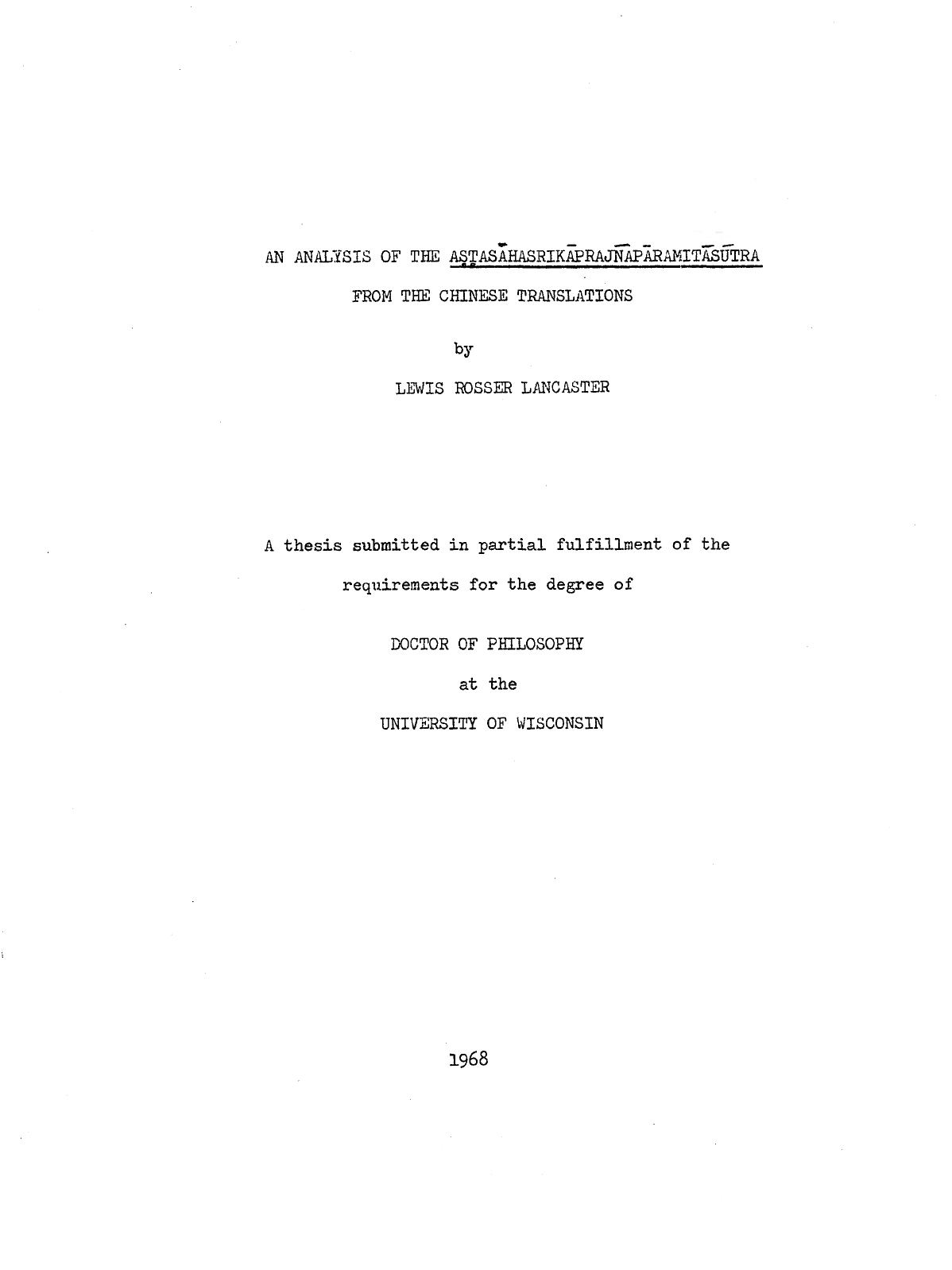
An examination of T. 224 in comparison with the Pāla Dynasty Sanskrit text indicates that there was a significant growth of the Aṣṭa from the text of the second century translation by Lokakṣema up to its final redaction. Because of the immense popularity of the Praiñāpāramitā literature in China, the Aṣṭa was translated seven times, 'providing a record of growth and changes over a period of eight centuries (i.e., 179-985 A.D.). By comparing each of these translations with the Sanskrit and the other Chinese texts, some ideas can be formulated regarding the layers and dates of the textual expansion. (Lancaster, introduction, 1)
Chandra Lokesh Wikipedia.jpg
Books1981About this item
A critical Sanskrit edition of the Aṣṭasāhasrikāprajñāpāramitā, edited by Lokesh Chandra. Reproduced by Lokesh Chandra from the collection of Prof. Raghu Vira. Published by Sharada Rani, 1981.
Prajñāpāramitā and Related Systems-front.jpeg
Books1977About this item
In this volume scholars from around the world honor Dr. Edward Conze, one of the most important figures in Buddhist Studies in this century. His contribution has been mainly centered around the family of texts known as the Prajnaparamita. These articles deal with this literature and the systems of thought related to it.
The Prajñāpāramitā Literature-front.jpg
Books2000About this item
The literature of Prajñāpāramitā is vast, deep, and vital to an understanding of the Mahayana. It has so far been neglected by the European scholars. With the aim of facilitating the study, the author has set out a certain amount of information about it. Thus this handbook [was created] for the use of scholars [to record] the very limited knowledge acquired during the last century. (Adapted from Source Nov 28, 2023)
1 Interviews
Canti John 84000.jpg
MultimediaAbout this item
The Prajñāpāramitā—the body of teachings the Buddha gave on Vulture's Peak on the nature of reality—is vast, repetitive, and famously difficult to pin down. It gave rise to the Heart Sutra, the Diamond Sutra, and centuries of philosophical debate across Asia. It also took one of India's greatest scholars nine years of solitary retreat just to begin to understand.

In this conversation, John Canti, senior editor at 84000 and one of the editors of the newly published Prajñāpāramitā in Eight Thousand Lines, speaks with 84000's Public Engagement Strategist Mariana Restrepo, tracing the sweep of this literature: where it came from, why it exists in so many versions, and what those waves of repetition are actually doing to the reader. He also speaks to something more personal, how years of working closely with this text have quietly shifted his own understanding, and what he hopes anyone encountering it for the first time might find there.

The translation is now freely available: https://84000.co/translation/toh12
2 Related
Kawa Paltsek-Mandala-reduced.jpg
Classical WorksAbout this item
Rattnaguṇasaṃcayagāthā. (T. Yon tan rin po che sdud pa tshigs su bcad pa; C. Fomu baodezang bore boluomi jing; J. Butsumo hōtokuzō hannya haramitsukyō; K. Pulmo podǒkchang panya paramil kyǒng 佛母寶德藏般若波羅蜜經. In Sanskrit, "Verses on the Collection of Precious Qualities," the longer title is Prajñāpāramitāratnaguṇasaṃcayagāthā, or "Verses on the Collection of the Precious Qualities of the Perfection of Wisdom." The Ratnaguṇasaṃcayagāthā epitomizes the early Mahāyāna in its emphasis on the emptiness (śūnyatā) of the aggregates (skandha) and its praise of the path of the bodhisattva over that of the arhat. The text is considered to be of particular importance in the history of the Mahāyāna because many of its verses, particularly those that appear early in the text, may represent some of the earliest expressions of Mahāyāna philosophy and may date as far back as 100 BCE. Another indication of the text’s antiquity is that it was translated into Chinese as early as the second century CE. The only extant Sanskrit version is that edited in the eighth century by Haribhadra to conform to the structure of the Abhisamayālaṃkāra, making the precise order of the original verses difficult to determine. Many Mahāyāna sūtras are composed of alternating verse and prose. The verses of the Ratnaguṇasaṃcayagāthā are written in an ancient meter, suggesting to some that they constitute part of an original sūtra, with the Aṣṭasāhasrikāprajñāpāramitā ("Perfection of Wisdom in Eight Thousand Lines") supplying the prose section. However, because the verses that appear in the Ratnaguṇasaṃcayagāthā are not in all cases identical to those in the Aṣṭasāhasrikā, the Ratnaguṇasaṃcayagāthā may have originally been a separate work. It appears as the verse recapitulations in the Chinese translation of the Aṣṭasāhasrikā and as the eighty-fourth chapter of the Aṣṭadaśasāhasrikāprajñāpāramitā ("Perfection of Wisdom in Eighteen Thousand Lines") in its Tibetan translation. (Source: "Ratnaguṇasaṃcayagāthā." In The Princeton Dictionary of Buddhism, 702. Princeton University Press, 2014. http://www.jstor.org/stable/j.ctt46n41q.27.)
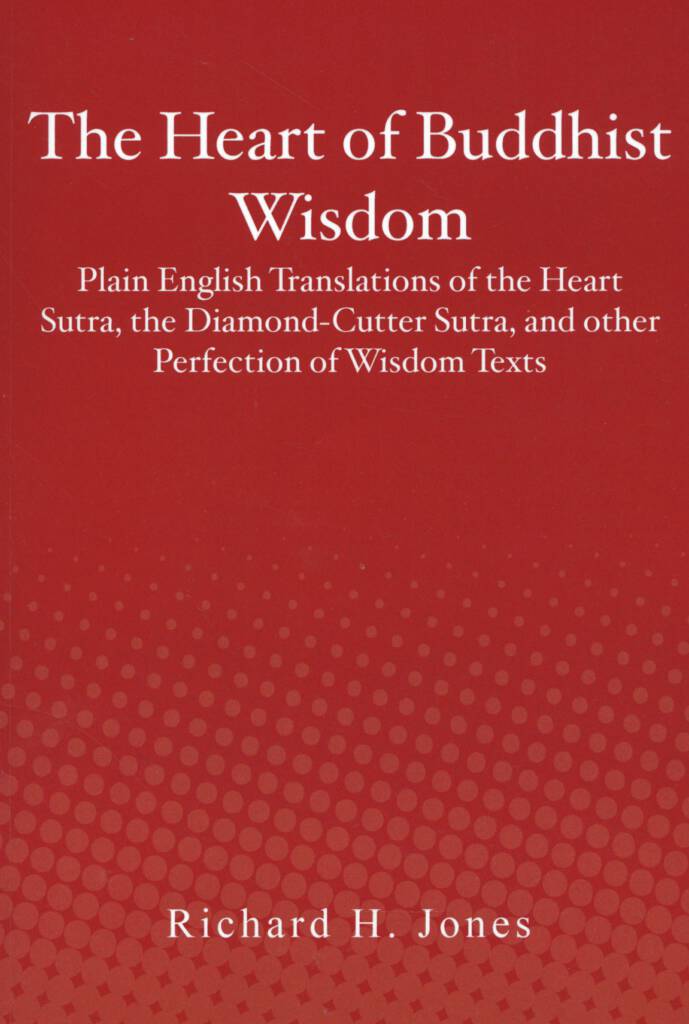
The Heart of Buddhist Wisdom (Jones 2012)-front.jpg
Books2012About this item
This book consists of revised selections from the 1975 edition of Edward Conze's The Large Sutra on Perfect Wisdom and his 1973 edition of The Perfection of Wisdom.
34 A topic of
Articles.jpeg
Articles1968About this item
No abstract given. Here is the first relevant paragraph:

From ancient times, the origin of "tathāgata", which has been usually translated as 如 來 (one who comes thus), is not unknown. This has been used as the title of Buddha, chiefly in Buddhism from the start.
      Now, I will consider the meaning of "tathāgata" in the Abhisamayālaṃkārālokā Prajñāpāramitā-vyākhyā of Haribhadra (ed. by Wogihara) (W.). This includes the Aṣṭasāhasrikā-Prajñāpāramitā-sūtra (As.), Maitreya's Abhisamayālaṃkāraśāstra-kārikā (A.) which is a summary of the Pañcaviṃśatisāhasrikā-Prajñāpāramitā-sūtra (P.), and Haribhadra's commentary which is based on the P. and the As. Accordingly at first, I point out sentences of "tathāgata", which I think as the etymological explanations, and then survey the character of it. (Mano, "'Tathāgata' in Haribhadra's Commentary," 22)
A Structuralist Examination of the Origins of the Mara Mytheme and Its Function in the Narrative of the Daoxing Bore Jing, the Earliest Complete Recension of the Astasahasrika-prajna-paramita-sutra-front.jpg
Dissertations2014About this item
By comparing the instances of the Māra mytheme in the narratives of the prajñā-pāramitā-sūtras with those found in non-Mahayana texts, this thesis explores how this vitally important persona, one central to the narrative account of the bodhisattva quest for awakening, developed from earlier mythic prototypes. Pali sources identify a number of alternative identities for Māra the most significant of which being Namuci, an asura who took control over the mind of Indra. Using linguistic ideas originally developed by Saussure, the storylines of the Māra and Namuci myths can be reduced to a simple, common narrative statement or syntagm. Adopting this approach demonstrates how apparently new narratives can be derived through the application of paradigmatic changes within that syntagm. Furthermore, drawing upon the findings of historical linguistics, it was possible to interpolate potential Proto-Indian-European origins for the Māra mytheme. Rather than supporting the traditionally accepted view of Māra as an allegory for death, this enabled the signification of the actual name Māra to be seen as pointing towards a 'grinding-away' or oppression of the mind. This was achieved by relating the Māra of Buddhist mythology with the mare-hag common to a number of IndoEuropean folklores. Support for this argument is also found in Pali narratives which depict Māra entering the thoughts of others engaged in meditation during the night in order to induce feelings of fear and uncertainty. Finally, based upon these findings, it was possible to scrutinize the narrative and nested tales of the Aṣṭasāhasrikā-prajñā-pāramitā-sūtra in its earliest recension, the Dàoxíng Bōrě Jīng, and identify how the original Māra myth underwent structured, paradigmatic modifications that reflect a bodhisattva's progress towards final awakening.
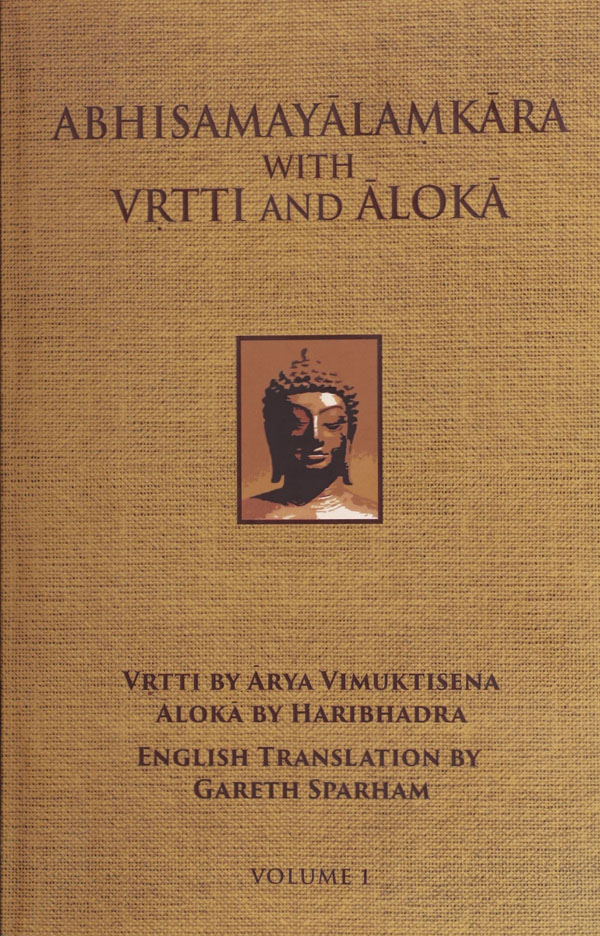
Abhisamayalamkara with Vrtti and Aloka Vol. 1-front.jpg
Books2006About this item
Maitreya's Abhisamayālaṃkāra is the most widely studied book in Tibet, where it was brought from India many centuries ago. It is used in all the monasteries to teach the path to Buddhahood, in accordance with the Perfection of Wisdom Sutras. It teaches this in outline form, so it requires a commentary to be understood. The oldest extant commentary is Arya Vimuktisena's Vṛtti. Haribhadra, the most influential Indian commentator, drew upon this to write his Ālokā. Virtually all of the many famous Tibetan teachers who wrote their own commentaries on the Abhisamayālaṃkāra relied on Haribhadra as their primary source. This is the first of four volumes. (Source Accessed July 26, 2026)
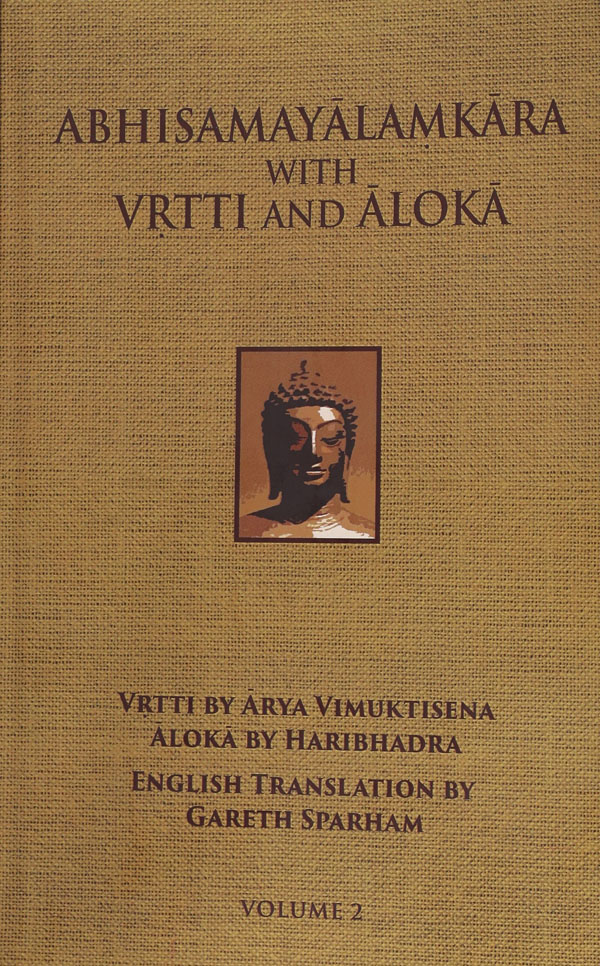
Abhisamayalamkara with Vrtti and Aloka Vol. 2-front.jpg
Books2008About this item
This second of four volumes includes translations of chapters two ("Knowledge of Paths") and three ("All knowledge") of Maitreya's Ornament for the Clear Realizations as explained in Arya Vimuktisena's Commentary and Haribhadra's Light. The Ornament is a very brief, but nonetheless insightful, explanation of the Perfection of Wisdom Sūtra, mainly of the version in Twenty-five Thousand Lines. According to Haribhadra, it is also a self-conscious explanation of the Eight Thousand. (Sparham, translator's introduction, ix)
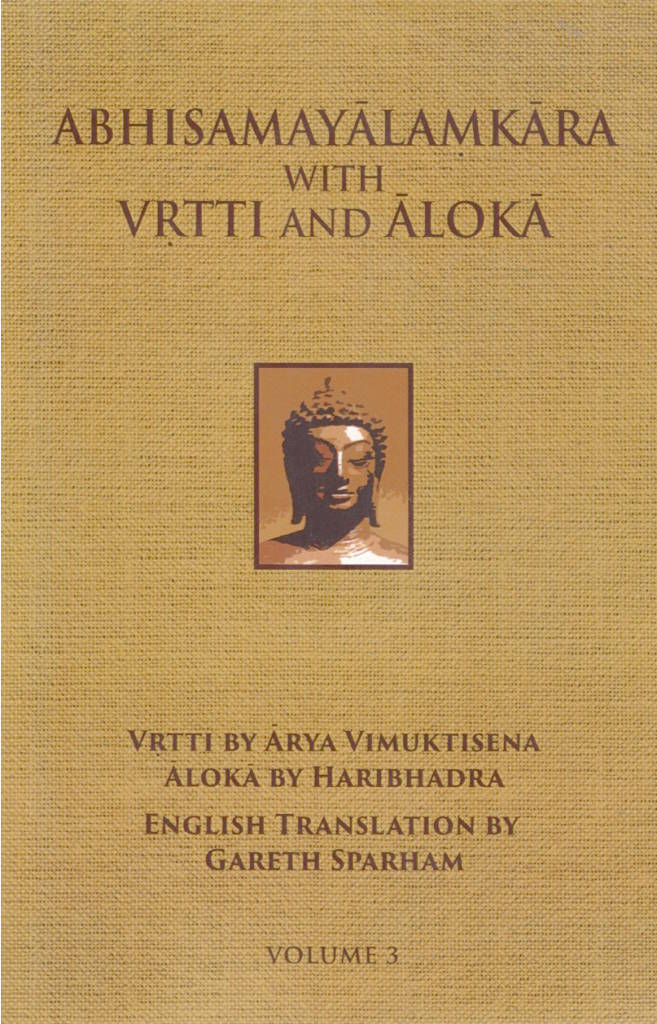
Abhisamayalamkara with Vrtti and Aloka Vol. 3-front.jpg
Books2009About this item
This is the third of four volumes of translations of Maitreya's Ornament for the Clear Realizations as explained in Ārya Vimuktisena's Commentary and Haribhadra's Light. The Ornament is a brief explanation of the Perfection of Wisdom Sūtra in Twenty-five Thousand Lines, and, according to Haribhadra, the version in Eight Thousand Lines as well. (Sparham, translator's introduction, ix)
Abhisamayalamkara with Vrtti and Aloka Volume 4-front.jpg
Books2012About this item
This is the last of four volumes completing the translation of Maitreya's Ornament for the Clear Realizations as explained in Arya Vimuktisena's Commentary and Haribhadra's Light. The Ornament is a brief explanation of the Perfection of Wisdom Sūtra in Twenty-five Thousand Lines (the Large Sutra), and, according to Haribhadra, the version in Eight Thousand Lines as well. (Sparham, translator's introduction, xiii)
Haribhadra RigpaWiki.jpeg
Books1932–1935About this item
This is a critical Sanskrit edition of the Abhisamayālaṃkārāloka Prajñāpāramitā-vyākhyā by Haribhadra, together with the Aṣṭasāhasrikāprajñāpāramitā. Edited by Unrai Wogihara.
An Analysis of the Astasahasrikaprajnaparamitasutra from the Chinese Translations-front.jpg
Dissertations1968About this item
An examination of T. 224 in comparison with the Pāla Dynasty Sanskrit text indicates that there was a significant growth of the Aṣṭa from the text of the second century translation by Lokakṣema up to its final redaction. Because of the immense popularity of the Praiñāpāramitā literature in China, the Aṣṭa was translated seven times, 'providing a record of growth and changes over a period of eight centuries (i.e., 179-985 A.D.). By comparing each of these translations with the Sanskrit and the other Chinese texts, some ideas can be formulated regarding the layers and dates of the textual expansion. (Lancaster, introduction, 1)
Chandra Lokesh Wikipedia.jpg
Books1981About this item
A critical Sanskrit edition of the Aṣṭasāhasrikāprajñāpāramitā, edited by Lokesh Chandra. Reproduced by Lokesh Chandra from the collection of Prof. Raghu Vira. Published by Sharada Rani, 1981.
Astasahasrika Prajnaparamita Conze 1958-front.jpg
Books1958About this item
A literal, word by word translation of the Prajñāparamitā is tiresome to read, and practically unintelligible to any one who does not have the sanskrit original before him. If ever there was a case where the letter kills the spirit, it is here. The Sūtra itself was meant to be memorised, the translation is meant to be read. Lengthy repetitions, stereotyped phrases, and the piling up of synonyms were of great assistance to memory, but they irritate and distract the modern reader, and obscure from him the meaning of the text. This translation aims at bringing out the meaning of the Sūtra, often with the aid of Haribhadra's commentary, and it keeps as close to the text as is compatible with intelligibility. The reproduction of the literary conventions and of the stylistic peculiarities of Buddhist sanskrit diction was not one of my aims. It would be of little, or no, value to scholars, and it bewilders the general reader. To facilitate reference to the sanskrit original I have added in brackets the pages of Mitra's edition. (Conze, preface)
Sutra portrait.jpg
Classical WorksAbout this item
The Bhagavatyāmnāyānusāriṇīnāmavyākhyā (Tib. Bcom ldan 'das ma'i man ngag gi rjes su 'brang ba zhes bya ba'i rnam par bshad pa) is a detailed commentary (rnam par bshad pa) on the Aṣṭasāhasrikāprajñāpāramitāsūtra, composed by Jagaddalanivāsin (Tib. Dza gat+ta tA lar gnas pa) and translated into Tibetan by the paṇḍita Alaṅkadeva together with the Tibetan translator Tengpa Lotsāwa Tsultrim Jungne (Tib. Bod kyi lo tsā ba dge slong tshul khrims 'byung gnas). Its full colophon title reads Bcom ldan 'das ma 'phags pa shes rab kyi pha rol tu phyin pa brgyad stong pa'i rnam par bshad pa man ngag gi rjes su 'brang ba zhes bya ba. It is classified within the Prajñāpāramitā commentarial section (mdo 'grel, sher phyin) of the Tengyur, corresponding to Toh. no. 3811, and survives in multiple recensions.
Prajñāpāramitā and Related Systems-front.jpeg
Books1977About this item
In this volume scholars from around the world honor Dr. Edward Conze, one of the most important figures in Buddhist Studies in this century. His contribution has been mainly centered around the family of texts known as the Prajnaparamita. These articles deal with this literature and the systems of thought related to it.
Ruegg-David-Seyfort-WisdomPubs.jpg
Articles1997About this item
No abstract given. Here are the first relevant paragraphs:

In the course of his monumental work on the Prajñāpāramitā Sūtras E. Conze has written: 'It is quite a problem how the Dharma-element which is common to all can be regarded as the source of a variety of "lineages" [gotra]'.[1] It has been the endeavour of the present writer in a series of publications starting in 1968 to shed light on this very fundamental and interesting question. An article in the Festschrift dedicated to the late E. Frauwallner was devoted to the interconnexion between the single, unique and undifferentiated dharmadhātu, the naturally existent spiritual element or germ (prakṛtisthaṃ gotram) and the variously conditioned psycho-spiritual categories (gotra)[2] recognized by the Buddhist texts as explained by Ārya Vimuktisena (ca. 500 ?) and his successor Bhadanta Vimuktisena in their commentaries on the Abhisamayālaṃkāra (i. 37-39), which they correlate with the topics of the Pañcaviṃśatisāhasrikā Prajñāpāramitā.[3] And shortly afterwards there followed a more detailed study of this question as it relates to the notion of the tathāgatagarbha or buddha-nature in La théorie du tathāgatagarbha et du gotra: Études sur ta sotériologie et la gnoséologie du bouddhisme (Paris, 1969) and Le traité du tathāgatagarbha de Bu ston Rin chen grub (Paris, 1973). In the last publications Haribhadra's commentaries on the Prajñāpāramitā were discussed, and the importance of the doctrine of the One Vehicle (ekayāna), was taken up at some length not only from the point of view of soteriology but also from that of gnoseology
      Between the two Vimuktisenas and Haribhadra (fl. c. 750-800) on the one side and the Tibetan exegetes on the other there lived a number of important Indian commentators whose work could be only briefly touched on in the Théorie. Amongst the most important of these later Indian masters of the Prajñāpāramitā are Dharmamitra and Abhayākaragupta, both of whom have been reckoned by Buddhist doxographers as being, for certain systematic reasons, close to the Svātantrika-Mādhyamika school, and Ratnākaraśānti (first half of the 11th century), a Vijñānavādin (of the Alīkākāravāda branch) who appears to have undertaken a harmonization of the Vijñānavāda and the Madhyamaka in the manner of the synthesizing movements especially characteristic of later Buddhist thought in India.
      One of Ratnākaraśānti's main works on the Prajñāpāramitā—the Sārottamā (or Sāratamā ?), a Pañjikā on the Aṣṭasāhasrikā, which until recently was known only by its Tibetan version in the Bstan 'gyur—has now been recovered in an incomplete Sanskrit manuscript. Since the promised publication of this text is awaited with keenest interest by students of this literature, his work must be left for another occasion.[4] The present paper will therefore consider the discussions by Dharmamitra and Abhayākaragupta of the relation between the gotra, the dharmadhātu, the ekayāna, and the tathāgatagarbha. (Ruegg, "The Gotra, Ekayāna and Tathāgatagarbha Theories of the Prajñāpāramitā," 283–284)
Notes
  1. E. Conze, The Large Sūtra on Perfect Wisdom (London 1961), p. 105 note 2. References hereunder to the folios of Tibetan translations of Indian texts contained in the Bstan 'gyur relate to the Peking edition as reproduced in the Japanese reprint published by the Tibetan Tripiṭaka Research Institute (Tokyo and Kyoto). Prints of other editions of the Bstan 'gyur were unfortunately unavailable during the writing of the present paper.
  2. On the meanings of the term gotra, and in particular on the two meanings '(spiritual) element, germ, capacity' and '(spiritual) lineage, class, category' which might be described respectively as the intensional and extensional meanings of the word when the gotra as germ determines the classification of persons possessing it in a gotra as category, see the present writer's article in BSOAS 39 (1976) p. 341sq.
  3. "Ārya and Bhadanta Vimuktisena on the gotra-theory of the Prajñāpāramitā," Beitriige zur Geistesgeschichte Indiens (Festschrift fur Erich Frauwallner), WZKSO 12-13 (1968/1969), pp. 303–317.
    4. Ratnākaraśānti's other work on the subject, a commentary on the AA entitled Śuddhimatī, (or: Śuddhamatī) will be referred to below.
The Heart of Buddhist Wisdom (Jones 2012)-front.jpg
Books2012About this item
This book consists of revised selections from the 1975 edition of Edward Conze's The Large Sutra on Perfect Wisdom and his 1973 edition of The Perfection of Wisdom.
Forgues-Gregory-Darthmouth-2026.png
Articles2025About this item
Bodhicitta, the "mind of awakening," constitutes the foundational principle of Mahāyāna Buddhism. This essay traces the concept's historical and doctrinal genesis from its pre-Mahāyāna antecedents to its full articulation in the Indian and Tibetan traditions. It explores the main scriptural and scholastic sources in India, the two great Indian lineages of practice—the "Profound View" of Nāgārjuna and the "Vast Conduct" of Asaṅga—and the pivotal role of Atiśa Dīpaṃkara Śrījñāna in transmitting and systematizing these teachings in Tibet. The article further details how Atiśa's Kadam school and its core mind training (lojong) teachings influenced the subsequent development of bodhicitta cultivation in the Nyingma, Kagyu, Sakya, and Geluk schools. Bodhicitta is not a static concept but a dynamic, multifaceted principle that functions as the soteriological core of the Mahāyāna path, embodying the indivisible union of universal compassion and the profound wisdom that realizes emptiness.
The Perfection of Wisdom in Eight Thousand Lines & Its Verse Summary-front.jpg
Books1973About this item
After the Torah, the Koran and the Gospels, the Indian literature of the Perfection of Wisdom has had the greatest impact on the religious consciousness of mankind. Its composition extended for over seven hundred years, and here we offer the reader the first two works which were composed in South India between 100 B.C. and A.D. 100. These documents are not only indispensable to those who wish to understand the mentality of the East, they still carry a potent spiritual message; and those who desire to diminish their personal worries y the disciplined contemplation of spiritual; thought could make no better choice. (Source Accessed June 25, 2021)
The Perfection of Wisdom Conze 1975-front.jpg
Books1975About this item
After the Torah, the Koran and the Gospels, the Indian literature of the Perfection of Wisdom has had the greatest impact on the religious consciousness of mankind. Its composition extended for over seven hundred years, and here we offer the reader the first two works which were composed in South India between 100 B.C. and A.D. 100. These documents are not only indispensable to those who wish to understand the mentality of the East, they still carry a potent spiritual message; and those who desire to diminish their personal worries y the disciplined contemplation of spiritual; thought could make no better choice. (Source Accessed June 25, 2021)
The Perfection of Wisdom Jamieson-front.jpg
Books2000About this item
This important text is illustrated with extraordinary images taken from the earliest surviving Indian and Nepalese illustrated manuscripts of The Perfection of Wisdom.
The Perfection of Wisdom in Eight Thousand Lines and Its Verse Summary South Asia Books-front.jpg
Books1994About this item
A translation of the Perfection of Wisdom in 8000 Lines in two versions, in verse in the Prajñāpāramitāsañcayagāthā and in prose in the Aṣṭasāhasrikāprajñāpāramitā.
The Perfection of Wisdom in Eight Thousand Lines Sri Satguru Publications-front.jpg
Books1994About this item
A translation of the Perfection of Wisdom in 8000 Lines in two versions, in verse in the Prajñāpāramitāsañcayagāthā and in prose in the Aṣṭasāhasrikāprajñāpāramitā.
Conze-1983-Perfection of Wisdom-front.jpg
Books1983About this item
A translation of the Perfection of Wisdom in 8000 Lines in two versions, in verse in the Prajñāpāramitāsañcayagāthā and in prose in the Aṣṭasāhasrikāprajñāpāramitā.
The Perfection of Wisdom in First Bloom-front.jpg
Books2025About this item
In this work we have a rare perspective on the early history of Mahayana Buddhism and the Perfection of Wisdom (Prajnaparamita), as far as this is still accessible in surviving texts. Bhikkhu Analayo critically analyzes early Perfection of Wisdom literature based on the earliest extant versions of the Astasahasrika Prajnaparamita, or the Perfection of Wisdom in Eight Thousand Lines, one in Chinese and the other in Gandhari—one of the oldest surviving Mahayana manuscripts discovered to date. In reading this text from the viewpoint of early Buddhist literature, the author shows that what has generally been considered a sharp rupture in the formation of the Mahayana turns out to be more of a gradual evolution. Analayo sifts through the layers of history and unveils new perspectives on the ideas and figures in early Perfection of Wisdom and Mahayana literature, covering such topics as the rhetoric of emptiness and the emerging bodhisattva ideal, as well as the status of women and the practice of self-immolation. In doing so, Analayo reveals fresh insights into the gradual development that informs the emergence of early Perfection of Wisdom literature. This is a rare opportunity to peer through a window at the beginnings of Mahayana thought—before the traditions had coalesced into the familiar forms we see today. (Source: Wisdom Publications)
The Prajñāpāramitā Literature-front.jpg
Books2000About this item
The literature of Prajñāpāramitā is vast, deep, and vital to an understanding of the Mahayana. It has so far been neglected by the European scholars. With the aim of facilitating the study, the author has set out a certain amount of information about it. Thus this handbook [was created] for the use of scholars [to record] the very limited knowledge acquired during the last century. (Adapted from Source Nov 28, 2023)
Canti John 84000.jpg
MultimediaAbout this item
The Prajñāpāramitā—the body of teachings the Buddha gave on Vulture's Peak on the nature of reality—is vast, repetitive, and famously difficult to pin down. It gave rise to the Heart Sutra, the Diamond Sutra, and centuries of philosophical debate across Asia. It also took one of India's greatest scholars nine years of solitary retreat just to begin to understand.

In this conversation, John Canti, senior editor at 84000 and one of the editors of the newly published Prajñāpāramitā in Eight Thousand Lines, speaks with 84000's Public Engagement Strategist Mariana Restrepo, tracing the sweep of this literature: where it came from, why it exists in so many versions, and what those waves of repetition are actually doing to the reader. He also speaks to something more personal, how years of working closely with this text have quietly shifted his own understanding, and what he hopes anyone encountering it for the first time might find there.

The translation is now freely available: https://84000.co/translation/toh12
Shantipa.jpg
Classical WorksAbout this item
The Āryāṣṭasāhasrikāprajñāpāramitāpañjikāsārottamā (Skt.; also known in its Sanskrit critical edition as Sāratamā; Tib. 'Phags pa shes rab kyi pha rol tu phyin pa brgyad stong pa'i dka' 'grel snying po mchog) is a pañjikā-commentary on the Aṣṭasāhasrikāprajñāpāramitāsūtra by Ācārya Ratnākaraśānti (late 10th–mid-11th century), the eastern-gate scholar (dvāra-paṇḍita) of Vikramaśīla Monastery, who bore the epithet kalikālasarvajña ("the Omniscient One of the Degenerate Age") and is counted among the eighty-four mahāsiddhas. Its Tibetan translation, credited to Subhūtiśānti and Śākya blo gros, is preserved in the Derge Tengyur (D 3803) and the Peking Tengyur (P 5200, vol. 92). A Sanskrit critical edition, titled Sāratamā, was published as Sāratamā: A Pañjikā on the Aṣṭasāhasrikā Prajñāpāramitā Sūtra by Ācārya Ratnākaraśānti, edited by Padmanabh S. Jaini, in the Tibetan Sanskrit Works Series (no. XVIII), by the Kashi Prasad Jayaswal Research Institute, Patna, in 1979.
Haribhadra RigpaWiki.jpeg
Classical WorksAbout this item
The Āryāṣṭasāhasrikāprajñāpāramitāvyākhyānābhisamayālaṃkārāloka (Tib. Shes rab kyi pha rol tu phyin pa brgyad stong pa'i bshad pa/ mngon par rtogs pa'i rgyan gyi snang ba, "Illumination of the Ornament of Realization"), also known as the Abhisamayālaṃkārālokā, is a commentary by Haribhadra (Tib. Seng ge bzang po; late 8th century), an Indian paṇḍita active under the Pāla emperor Dharmapāla. It works by taking Maitreya's Abhisamayālaṃkāra—traditionally read as an outline of the Prajñāpāramitā sūtras' structure—and showing where each of its categories is being taught within the actual text of the Aṣṭasāhasrikāprajñāpāramitāsūtra, making it at once a commentary on the sūtra and one of the traditional twenty-one Indian commentaries on the Abhisamayālaṃkāra. It is distinct from Haribhadra's other, better-known work in that same set of 21, the Sphuṭārthā ("Clear Meaning"), which instead explains the Abhisamayālaṃkāra,'s verses directly, without correlating them to any one sūtra's wording. This commentary was translated into Tibetan by Rinchen Zangpo, with a subsequent revision involving Atiśa Dīpaṃkaraśrījñāna and a further translation by Ngok Loden Sherab.
Abhayakaragupta2 HAR.jpg

Classical WorksAbout this item
The Āryāṣṭasāhasrikāprajñāpāramitāvṛttimarmakaumudīnāma (Skt.; commonly known as the Marmakaumudī, "Moonlight of Points"; Tib. 'Phags pa shes rab kyi pha rol tu phyin pa brgyad stong pa'i 'grel pa gnad kyi zla ba'i 'od) is a running commentary (vṛtti) on the Aṣṭasāhasrikāprajñāpāramitāsūtra by Abhayākaragupta (d. c. 1125), a Bengali scholar who taught at the monasteries of Vikramaśīla and Odantapurī and studied under Ratnākaraśānti. It is preserved in the Prajñāpāramitā section of the Derge Tengyur (Toh 3805; RKTST 3150). Its Tibetan translation is credited to the translator Shes rab dpal ba. Abhayākaragupta was a prolific author on both sūtra and tantra, best known for his Munimatālaṃkāra and the Vajrāvalī, a comprehensive synthesis of tantric ritual, and is said to have collaborated with Tibetan translators on more than 130 texts.