8.99

From Bodhicitta

Bodhicaryāvatāra · Verse 8.99


Sources:    

Sanskrit §No information about the source used.

यदि तस्यैव यद्दुःखं रक्ष्यं तस्यैव तन्मतम्। पाददुःखं न हस्तस्य कस्मात्तत्तेन रक्ष्यते॥

 
Chanted Verse
Recitation by Professor Kashinath Nyaupane
99

If you think that only one’s own suffering should be avoided, then given that the foot’s pains are not the hand’s, how come the latter protects the former?

Standard Tibetan §Padmakara used the 1990 edition printed by si khron mi rigs dpe skrun khang: Byang chub sems dpa'i spyod pa la 'jug pa rtsa ba dang 'grel pa (1990). Also found in Derge Tengyur D3871, dbu ma, vol. 105, la 1b1–40a7.

གང་ཚེ་གང་གི་སྡུག་བསྔལ་གང་། །

དེ་ནི་དེ་ཉིད་ཀྱིས་བསྲུང་ན། ། རྐང་པའི་སྡུག་བསྔལ་ལག་པས་མིན། །

ཅི་ཕྱིར་དེས་ནི་དེ་བསྲུང་བྱ། །

 
Chanted Verse
Recitation by Lopen Karma Phuntsho
99

“It’s for the sufferers themselves,” you’ll say,

“To shield themselves from injuries that come!” The pain felt in my foot is not my hand’s,

So why, in fact, should one protect the other?

Standard Tibetan §Padmakara used the 1990 edition printed by si khron mi rigs dpe skrun khang: Byang chub sems dpa'i spyod pa la 'jug pa rtsa ba dang 'grel pa (1990). Also found in Derge Tengyur D3871, dbu ma, vol. 105, la 1b1–40a7. - Other translations

Il revient à celui qui souffre

De se protéger contre la souffrance. La douleur du pied n’étant pas celle de la main,

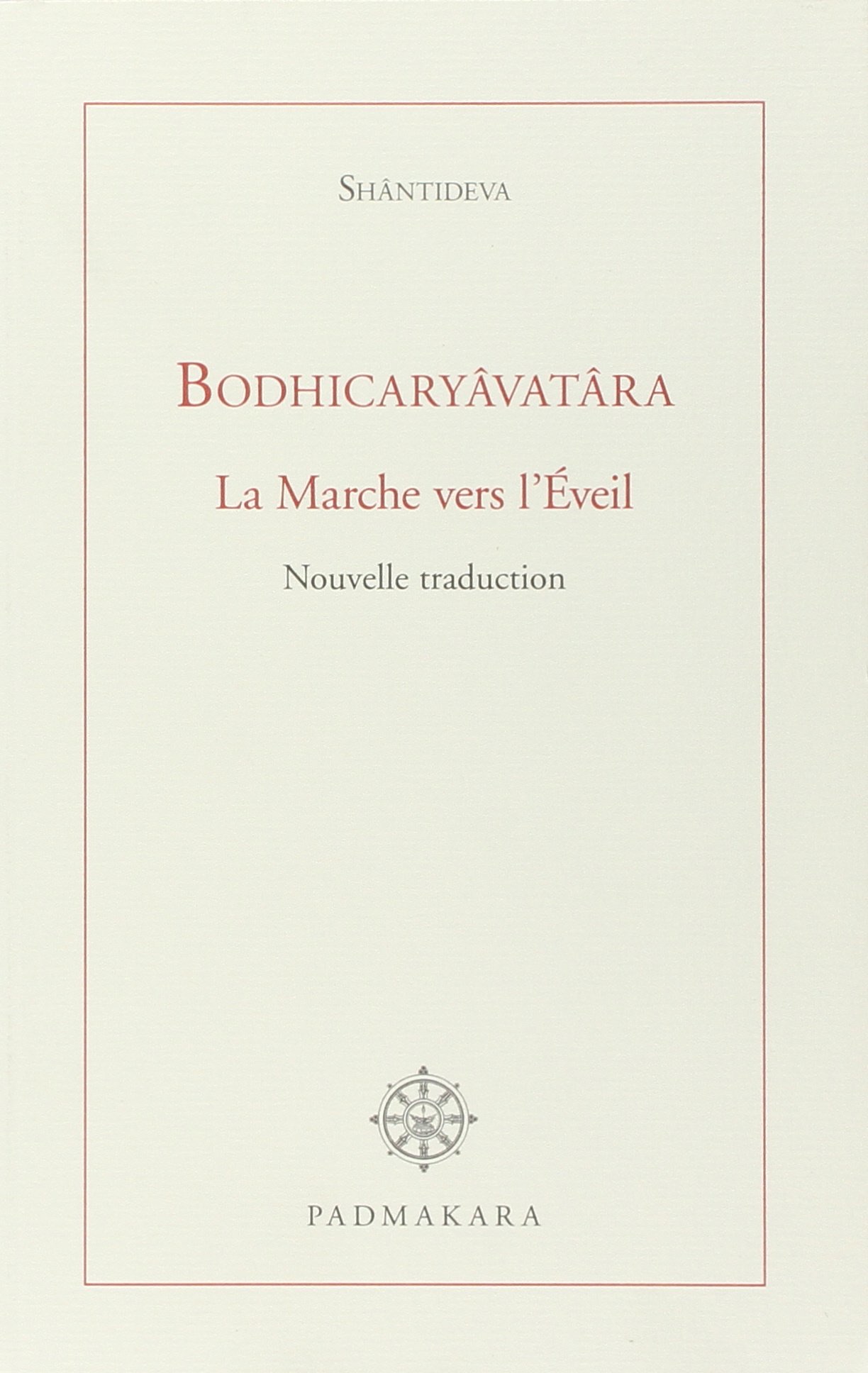
Pourquoi celle-ci protégerait-elle celui-là ?[p.150]La Marche vers l'Éveil (2007)

Quizá creas que cuando surge un sufrimiento,

el que sufre es el que ha de protegerse. El dolor del pie no es el de la mano,

entonces, ¿por qué ésta ha de proteger a aquél?

La Práctica del Bodisatva-front.jpg
Padmakara Spain 2008

When something is suffering

And one protects another, The suffering of the foot is not that of the hand

Why should it protect it?

If others must protect themselves

From their own suffering, Then as the hand does not experience the suffering of the leg,

Why does it protect it?

shift + scroll / swipe
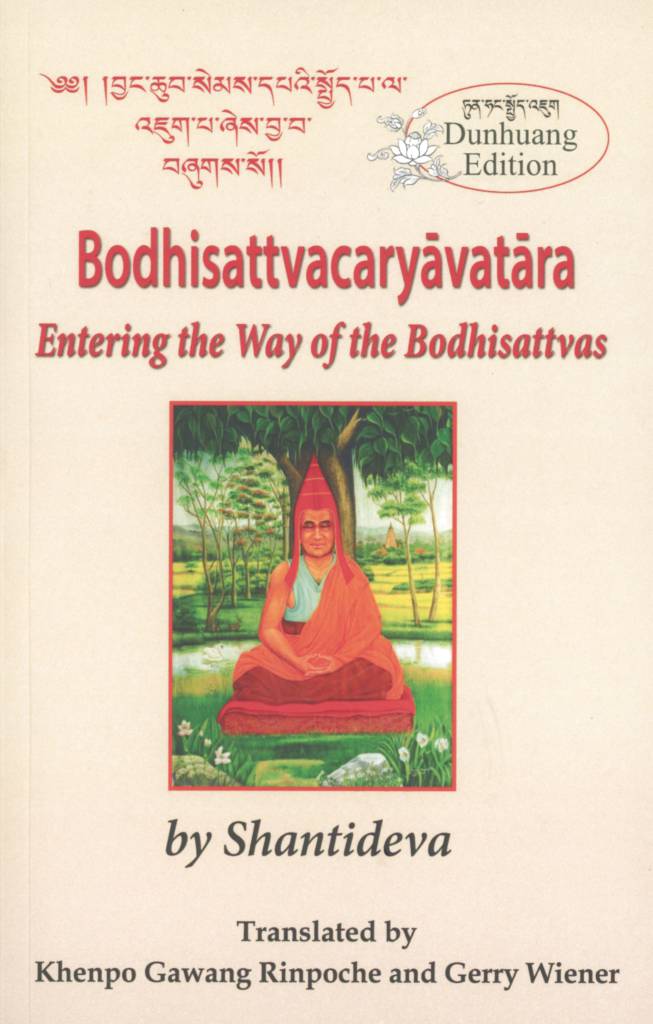
Dūnhuáng §This version is extracted from the book Bodhisattvacaryāvatāra: Entering the Way of the Bodhisattvas (2022, Khenpo Gawang and Wiener), a translation of an edition of the text created from three Dūnhuáng manuscripts. A description and sample pages of these can be found on the Early Tibet Blog. Scans of the actual manuscripts themselves can be found at http://idp.bl.uk

གང་ཚེ་གང་གི་སྡུག་བསྔལ་གང་། །

དེ་ནི་དེ་ཉིད་ཀྱིས་བསྲུང་ན། ། རྐང་པའི་སྡུག་བསྔལ་ལག་པར་མིན། །

ཅི་ཕྱིར་དེ་ནི་དེས་བསྲུང་བྱ། །

alt verse 6.42 tm data
This version differs from it's counterparts.

If at the time of an individual’s suffering,

An individual only has to protect themself, Then why does a hand protect a suffering foot

When the suffering of the foot is not the hand’s?

Tsadra Critical Edition §This text was created by comparing four versions of the text from Derge, Cone, Narthang, and Peking Tengyurs from BDRC scans, along with Dunhuang manuscripts IOL Tib J 628, 629, and 630. When Tibetan readings were problematic, the Sanskrit texts from GRETIL and LTB (Oslo) were consulted.

གང་ཚེ་གང་གི་སྡུག་བསྔལ་གང་། །

དེ་ནི་དེ་ཉིད་ཀྱིས་བསྲུངས་ན། ། རྐང་པའི་སྡུག་བསྔལ་ལག་པས་མིན། །

ཅི་ཕྱིར་དེས་ནི་དེ་བསྲུང་བྱ། །

[edit]
Sazang Mati (1294 - 1376)
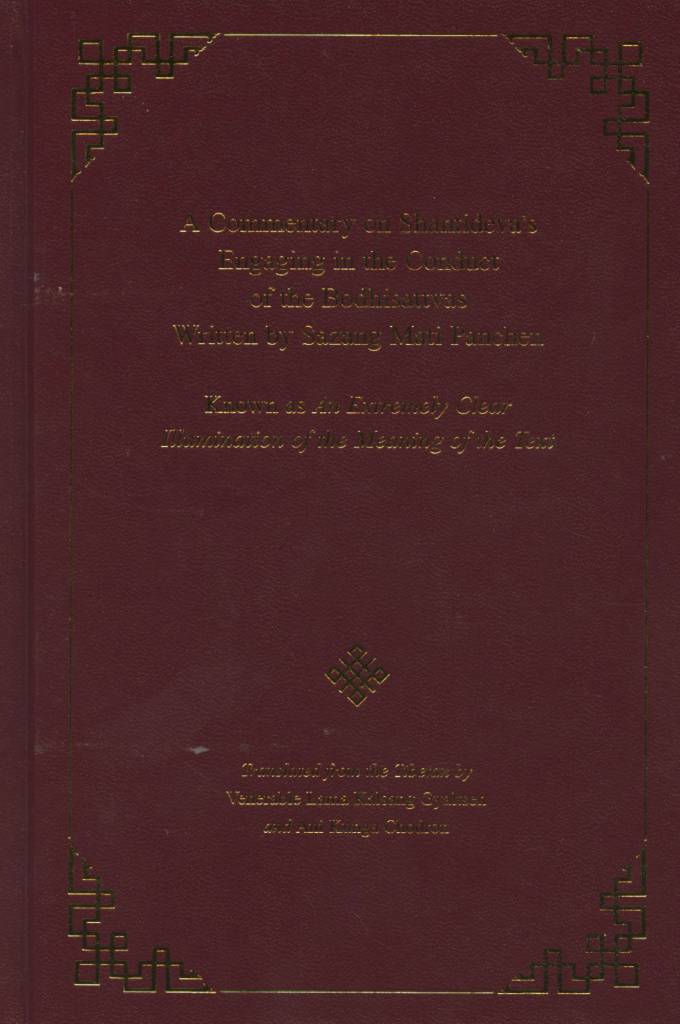
A Commentary on Shantideva's Engaging in the Conduct of the Bodhisattvas (citation)Gyaltsen, Lama Kalsang, and Ani Kunga Chodron, trans. A Commentary on Shantideva's Engaging in the Conduct of the Bodhisattvas Written by Sazang Mati Panchen: Known as An Extremely Clear Illumination of the Meaning of the Text. Walden, NY: Tsechen Kunchab Ling, 2019. Bilingual Edition

གང་ཚེ་གང་གི་སྡུག་བསྔལ་གང་། །

དེ་ནི་དེ་ཉིད་ཀྱིས་བསྲུང་ན། ། རྐང་པའི་སྡུག་བསྔལ་ལག་པས་མིན། །

ཅི་ཕྱིར་དེས་ནི་དེ་བསྲུང་བྱ། །

gang tshe gang gi sdug bsngal gang /_/

de ni de nyid kyis bsrung na/_/ rkang pa'i sdug bsngal lag pas min/_/

ci phyir des ni de bsrung bya/_/

If others must protect themselves

From their own suffering, Then as the hand does not experience the suffering of the leg,

Why does it protect it?

ཡང་གང་གི་ཚེ་མྱོང་བ་པོ་གང་གི་སྡུག་བསྔལ་ག༵ང་ཡིན་པ་དེ་ནི་མྱོང་པ་པོ་དེ་ཉིད་ཀྱིས་སྲུང་གི་དེ་ལས་གཞན་གྱིས་མི་བསྲུང་བ་ཡིན་ན༵་རྐང་བའི་སྡུག་བསྔལ་ཡང་དེ་ལས་གཞན་ལག་པས་མྱོང་བ་མི༵ན་པས། རྒྱུ་མཚན་ཅིའི་ཕྱིར་རྐང་པའི་སྡུག་བསྔལ་དེ་ནི་ལག་པ་དེས་བསྲུང་བར་བྱ༵་སྟེ། བསྲུང་བྱ་མིན་པར་ཧ་ཅང་ཐལ་བར་འགྱུར་རོ། །

One may think, “It is only necessary to protect the one who suffers, and unnecessary to protect others.” In that case, it would follow that as a pain in the leg is not experienced anywhere other than in the leg, i.e. not in the hand or other part of the body, for what reason would the hand protect the leg? The implication is that it should not be protected, but this is outrageous.
Gyaltsap Je (1364 - 1432)
The Entrance for the Children of the Conquerors (citation)Stracke, Fedor, trans. The Entrance for the Children of the Conquerors: A Commentary on the Introduction to the Actions of Bodhisattvas. By Gyaltsab Rinpoche. N.p.: Happy Monks Publication, 2016. https://happymonkspublication.org/product/bodhisattvacharyavatara-chapter-1-10-commentary/. Bilingual Edition

གཉིས་པ་ནི།

Clearing Away Obstructions 1.1.3.1.2.2.2.1.2.2

གང་ཚེ་གང་གི་སྡུག་བསྔལ་གང་། །

དེ་ནི་དེ་ཉིད་ཀྱིས་བསྲུང་ན། ། རྐང་པའི་སྡུག་བསྔལ་ལག་པས་མིན། །

ཅི་ཕྱིར་དེས་ནི་དེ་བསྲུང་བྱ། །
gang tshe gang gi sdug bsngal gang /_/

de ni de nyid kyis bsrung na/_/ rkang pa'i sdug bsngal lag pas min/_/

ci phyir des ni de bsrung bya/_/

When something is suffering

And one protects another, The suffering of the foot is not that of the hand

Why should it protect it?

གཞན་ཡང་གང་གི་ཚེ་ཆ་གང་གི་སྡུག་བསྔལ་གང་ཡིན་པ་དེ་ནི་ལུས་ཀྱི་ཆ་དེ་ཉིད་ཀྱིས་བསྲུང་ཞིང་སེལ་དགོས་ན། ཚེར་མ་ཟུག་པ་ལྟ་བུའི་རྐང་བའི་སྡུག་བསྔལ་ལག་པའི་མིན་པས་ཅིའི་ཕྱིར་ལག་པ་དེས་ནི་རྐང་བའི་སྡུག་བསྔལ་དེ་བསྲུང་བར་བྱ་བ་མི་རིགས་པར་ཐལ་ལོ། །

Further, when one part of the body needs to eliminate the suffering of another body part and protect that body part, since the suffering of a foot pained by a thorn is not the suffering of the hand, why should the hand eliminate this suffering of the foot? It would follow that it is unsuitable.

གལ་ཏེ་འབྲེལ་མེད་ཀྱི་སྡུག་བསྔལ་ཅིག་ཤོས་ཀྱིས་སེལ་བ་རིགས་པ་མིན་ཡང་། འདིར་བདག་ཏུ་འཛིན་པ་གོམས་པ་ལས་སྐྱེ་བ་སྔ་ཕྱི་དང་སྔ་དྲོ་ཕྱི་དྲོ་ལ་སོགས་པའི་ལུས་རྣམས་གང་ཟག་གཅིག་ལོ་དེའི་བདག་གི་བར་འཛིན་པ་གོམས་པ་ལས་གཅིག་གི་སྡུག་བསྔལ་ཅིག་ཤོས་ཀྱིས་སེལ་བ་ལ་འཇུག་ཅེ་ན།

Argument: Even though it is inappropriate for one to eliminate unrelated suffering, here it is appropriate for one to eliminate the sufferings of the other because the bodies of earlier and later lives, and earlier and later moments of this body are all held by one person as mine due to familiarization.

རང་དབང་བའི་བདག་དང་གཞན་དུ་འཛིན་པ་མི་རིགས་པ་གང་ཡིན་པ་དེ་ཡང་ཅི་ནུས་པར་ནི་སྤང་བར་བྱ་བ་ཉིད་ཡིན་ཏེ། གང་ཟག་གི་བདག་ཏུ་འཛིན་པ་ཞེན་ཡུལ་ལ་འཁྲུལ་ཞིང་དེས་ཕུང་ཁྲོལ་ཐམས་ཅད་བསྐྱེད་པའི་ཕྱིར་རོ། །

Answer: What can that unsuitably held as independent self and other accomplish? They are suitable to be abandoned because the grasping at the self of person is mistaken and generates all faults.
Minyak Kunzang Sönam (1823 - 1905)
The Great Hūṃ (citation)Duckworth, Douglas, trans. The Great Hūṃ: A Commentary on Śāntideva's Way of the Bodhisattva. By Minyak Kunzang Sönam. New York, NY: Wisdom Publications, 2025. Bilingual Edition

མཚུངས་པར་བསྲུང་མི་རིགས་པ་དགག་པ་ནི།

Next it refutes the idea that it is unreasonable to protect others equally:

གང་ཚེ་གང་གི་སྡུག་བསྔལ་གང་། །

དེ་ནི་དེ་ཉིད་ཀྱིས་བསྲུང་ན། ། རྐང་པའི་སྡུག་བསྔལ་ལག་པས་མིན། །

ཅི་ཕྱིར་དེས་ནི་དེ་བསྲུང་བྱ། །
If one protects

just against one’s own suffering, then given that the suffering of the foot is not the hand’s,

why does one protect the other? (8.99)

གལ་ཏེ་གཞན་གྱི་སྡུག་བསྔལ་དང་རང་གི་སྡུག་བསྔལ་གཉིས་སྡུག་བསྔལ་ཡིན་པ་ཙམ་ཁྱད་པར་མེད་མོད། འོན་ཀྱང་གཞན་ཕ་རོལ་པོ་དེ་ལ་སྡུག་བསྔལ་[p.530]Byang chub sems dpa'i spyod pa la 'jug pa'i 'grel bshad rgyal sras rgya mtsho'i yon tan rin po che mi zad 'jo ba'i bum bzang
Mi nyag kun bzang bsod nams (མི་ཉག་ཀུན་བཟང་བསོད་ནམས་). byang chub sems dpa'i spyod pa la 'jug pa'i 'grel bshad rgyal sras rgya mtsho'i yon tan rin po che mi zad 'jo ba'i bum bzang [བྱང་ཆུབ་སེམས་དཔའི་སྤྱོད་པ་ལ་འཇུག་པའི་འགྲེལ་བཤད་རྒྱལ་སྲས་རྒྱ་མཚོའི་ཡོན་ཏན་རིན་པོ་ཆེ་མི་ཟད་འཇོ་བའི་བུམ་བཟང།]. [Excellent Vase That Spills Forth an Ocean of the Inexhaustible and Precious Qualities of the Victor's Heirs: An Explanation of the "Way of the Bodhisattva."].
བྱུང་བས་ད་ལྟ་བད་ག་ལ་དངོས་སུ་མི་གནོད་པའི་ཕྱིར་དེ་འདྲའི་སྡུག་བསྔལ་དེ་མི་བསྲུང་ངོ་སྙམ་པའམ་དེ་སེལ་བའི་དོན་དུ་མི་འབད་དོ་སྙམ་ན། ཤིན་ཏུ་མི་རིགས་ཏེ། དེ་ལྟ་ན་ཕྱི་མ་མ་འོངས་པ་ཡི་དུས་སུ་བདག་ངན་སོང་དུ་སྐྱེ་བའི་སྡུག་བསྔལ་ཡང་ད་ལྟ་བདག་ལ་ཅུང་ཟད་ཀྱང་གནོད་པར་མི་བྱེད་པའི་ཕྱིར་ན་དེ་ཅིས་བསྲུང་སྟེ་བསྲུང་མི་རིགས་པར་ཐལ་ལ། དེ་ལྟ་ན་དེ་སྤོང་བའི་དོན་དུ་ད་ལྟ་སྡིག་སྤོང་དགེ་སྒྲུབ་བྱེད་པའང་མི་རིགས་པར་ཐལ་བར་འགྱུར་རོ། །དེ་བཞིན་དུ་མ་འོངས་པ་རྒས་པའི་དུས་སུ་ཕོངས་པའི་སྡུག་བསྔལ་འབྱུང་བར་དོགས་ནས་ད་ལྟ་ནོར་གསོག་པའང་མི་རིགས་པར་འགྱུར་ཏེ་རྒས་པའི་སྡུག་བསྔལ་གྱི་གཞོན་པ་ལ་ཅིའང་མི་གནོད་པའི་ཕྱིར། གཞན་ཡང་སང་ཉིན་སྡུག་བསྔལ་འོང་བར་དོགས་ནས་དེ་རིང་དེ་སྤོང་ཐབས་བྱེད་པ་དངཕྱི་དྲོའི་དུས་སྡུག་བསྔལ་བར་དོགས་ནས་སྔ་དྲོའི་དུས་དེ་སྤོང་ཐབས་བྱེད་པ་དག་ཀྱང་མི་རིགས་པར་ཐལ་ཏེ་དེ་དག་གིས་དེ་རིང་དང་སྔ་དྲོའི་དུས་སུ་མི་གནོད་པས་སོ། །

You might think, “It may be that there is no difference in merely the fact that my suffering and the suffering of others is suffering. Nevertheless, when suffering comes to others, it does not directly harm me now. Therefore I do not protect them from this kind of suffering, nor do I strive to eliminate it.” This is not reasonable at all. If it were, then why do I protect myself from future suffering, like taking birth in a lower realm, that does not harm me now in the least bit? It would absurdly follow that it would be unreasonable to do so. Thus it would also follow that it would not make sense to reject negative actions and accomplish virtue now in order to avoid this. Likewise it would also not make sense to save money now out of a concern for a[p.761]The Great Hum
Duckworth, Douglas, trans. The Great Hūṃ: A Commentary on Śāntideva's Way of the Bodhisattva. By Minyak Kunzang Sönam. New York, NY: Wisdom Publications, 2025.
future suffering, being destitute, when one is old because this is the suffering of an elderly person; it does no harm to the young person. Furthermore out of a concern for tomorrow’s suffering, it would follow that it would not make sense to try to avoid that today; also, it would not make sense to try to do something in the morning out of a concern for avoiding suffering in the afternoon! This is because there would be no harm done today or in the morning, respectively.

དེ་མི་མཚུངས་ཏེ། གཞན་གྱི་སྡུག་བསྔལ་གྱིས་དུས་ནམ་གྱི་ཚེའང་བདག་ལ་མི་གནོད་པས་དེ་བསྲུང་མི་དགོས་ལ། རང་གིས་མ་འོངས་པ་ན་མྱོང་འགྱུར་གྱི་སྡུག་བསྔལ་གྱིས་ད་ལྟ་བདག་ལ་དངོས་སུ་མི་གནོད་ཀྱང་ཕྱིམའི་དུས་སུ་བདག་ཉིད་ཀྱིས་མྱོང་དགོས་པས་ན་མ་འོངས་པའི་སྡུག་བསྔལ་དེ་དག་བསྲུང་བའི་ཐབས་ལ་ད་ལྟ་ནས་བརྩོན་རིགས་སོ་སྙམ་ན། མི་རིགས་ཏེ། ད་ལྟའི་དུས་ཀྱི་བདག་གམ་གང་ཟག་གིས་མ་འོངས་པའི་དུས་སུ་སྡུག་བསྔལ་དེ་དག་ནི་མྱོང་བར་འགྱུར་རོ་སྙམ་པའི་རྣམ་པར་རྟོག་པ་དེ་ནི་ཕྱིན་ཅི་ལོག་གི་རྟོག་པ་སྟེ། འདི་ལྟར་ད་ལྟ་འཇིག་རྟེན་འདི་ནས་ཤི་སྟེ་འཕོ་བའི་གང་ཟག་དེའང་ཕྱི་མའི་གང་ཟག་དེ་ལས་གཞན་ཉིད་ཡིན་ལ་སྐྱེ་བ་ཕྱི་མའི་འཇིག་རྟེན་དུ་སྐྱེས་པའི་གང་ཟག་དེ་ཡང་ནི་སྔ་མའི་གང་ཟག་དེ་ལ་གཞན་ཉིད་ཡིན་གྱི་སྔ་ཕྱིའི་གང་ཟག་དེ་གཉིས་གཅིག་ཏུ་མི་རིགས་ལ།

You might respond, “These are not the same. Another’s suffering will never come to harm me so I need not protect them from it. Yet the suffering that I experience in the future may not directly harm me now but I will have to experience it at a later time. Therefore it makes sense to make efforts now to protect from future suffering.” This is not reasonable because the conception “The present self or person is the one who will experience the future suffering” is a distorted conception. Thus the person who dies and leaves this world now and the person in the future are different; the person who takes birth in a future world is different from the person of the past. It does not make sense that two people, in the past and future, are the same.

དེ་བཞིན་དུ་གཞོན་དུས་དང་རྒས་དུས་ཀྱི་གང་ཟག་གཉིས་ཀྱང་སོ་སོ་ཐ་དད་པ་ཡིན་ལ། དེར་མ་ཟད་དེ་རིང་དང་སང་ཉིན་གྱི་དུས་དང་སྔ་དྲོ་དང་ཕྱི་དྲོའི་དུས་ཀྱི་གང་ཟག་དག་ཀྱང་གཞན་ཡིན་པས་སྔ་མའི་དུས་ཀྱི་གང་ཟག་གིས་ཕྱི་མའི་དུས་སུ་སྡུག་བསྔལ་མྱོང་བ་འདི་རྣམ་པ་ཀུན་ཏུ་མི་རིགས་སོ་ཞེས་པའོ། །སྔ་ཕྱིའི་དུས་ཀྱི་གང་ཟག་དེ་གཉིས་གཅིག་ཏུ་མི་རིགས་པ་ནི་སྔ་མའི་གང་ཟག་གི་དུས་སུ་ཕྱི་མའི་གང་ཟག་མ་སྐྱེས་པ་དང་ཕྱི་མའི་དེའི་དུས་སུ་སྔ་མའི་དེ་འགགས་ཟིན་པའི་རྒྱུ་མཚན་གྱིས་ཡིན་ནོ། །འདིས་དུས་སྔ་ཕྱིའི་ཕུང་པོ་ལ་བརྟེན་ནས་བཏགས་པའི་གང་ཟག་སྔ་ཕྱི་གཉིས་ཀའང་སོ་སོ་ཐ་དད་ཡིན་པས་དེ་གཉིས་གཅིག་ཏུ་འཛིན་པ་ལོག་རྟོག་ཁོ་ནར་ངེར་པས་དེ་ལྟར་འཛིན་པ་མི་རིགས་པར་བསྟན་ཏོ། །

Likewise a person in their youth and a person in old age are different. Moreover a person today and a person tomorrow, and the person of this morning and this afternoon, are different. Consequently it does not make any sense for a past person to experience a future suffering. The reason why a past and future person are not the same is because (1) a future person has not been born at the time of the past person and (2) the past person has ceased at the time of the future person. Since the earlier and later persons that are designated in dependence upon the earlier and later aggregates are also different, [498] it is determined to be just a misconception to apprehend these two as one; these lines show that it is unreasonable to apprehend them in this way.

འདི་ནི་ཐ་སྙད་དུ་གང་ཟག་སྔ་ཕྱི་སོ་མོ་བ་གཞན་ཡིན་པའི་མགོ་མཚུངས་ཀྱི་རིགས་པས་སྔ་མའི་དུས་ཀྱི་གང་ཟག་གིས་ཕྱི་མའི་དུས་སུ་སྡུག་[p.531]Byang chub sems dpa'i spyod pa la 'jug pa'i 'grel bshad rgyal sras rgya mtsho'i yon tan rin po che mi zad 'jo ba'i bum bzang
Mi nyag kun bzang bsod nams (མི་ཉག་ཀུན་བཟང་བསོད་ནམས་). byang chub sems dpa'i spyod pa la 'jug pa'i 'grel bshad rgyal sras rgya mtsho'i yon tan rin po che mi zad 'jo ba'i bum bzang [བྱང་ཆུབ་སེམས་དཔའི་སྤྱོད་པ་ལ་འཇུག་པའི་འགྲེལ་བཤད་རྒྱལ་སྲས་རྒྱ་མཚོའི་ཡོན་ཏན་རིན་པོ་ཆེ་མི་ཟད་འཇོ་བའི་བུམ་བཟང།]. [Excellent Vase That Spills Forth an Ocean of the Inexhaustible and Precious Qualities of the Victor's Heirs: An Explanation of the "Way of the Bodhisattva."].
བསྔལ་མྱོང་བ་མི་རིགས་ཞེས་འགོག་པ་ཡིན་གྱི། དཔྱད་ན་དོན་དམ་པར་སྡུག་བསྔལ་མྱོང་བ་པོའི་རྟག་བདག་མ་གྲུབ་ཅེས་པ་དང་། ངའོ་ཞེས་གཟུང་བའི་ཡུལ་བདེན་པ་བ་གཅིག་ཀྱང་མེད་དོ་ཞེས་དོན་དམ་ལ་ལྟོས་ནས་འགོག་པ་གཞུང་གི་དགོངས་པ་མིན་པར་གསུངས་སོ། །

This shows that, following the same logic, a past and future person would be different conventionally. Consequently this is a refutation stating that it would then not make sense for a past person to experience suffering in the future. Yet it might be claimed that when analyzed, ultimately there is no permanent self who is an experiencer of suffering, and also that there is no single reality that is the object apprehended by “I.” Nevertheless it is said that the intent of the text here is not a refutation based on ultimate truth.1386Gyaltsab Jé says this in Gateway to the Bodhisattvas, 317.

དེ་དག་ནི་གཞན་གྱི་སྡུག་བསྔལ་གྱིས་རང་ལ་མི་གནོད་པས་དེ་སེལ་བའི་དོན་དུ་མི་འབད་དོ་སྙམ་པའི་གེགས་བསལ་བ་སྟེ། དེ་ལྟ་ན་མ་འོངས་པའི་སྡུག་བསྔལ་དེས་ཀྱང་ད་ལྟ་ཅི་ཡང་མི་གནོད་པའི་ཕྱིར་ན་ད་ལྟ་དེ་སེལ་ཐབས་བྱེད་པའང་མི་འཐད་པར་འགྱུར་ལ། དེ་ལྟ་ན་དུས་ཐ་དད་ཀྱི་སྡུག་བསྔལ་ཐམས་ཅད་བསལ་མི་རིགས་པར་འགྱུར་བས་ཧ་ཅང་ཐལ་ལོ་ཞེས་སྐྱོན་བརྗོད་པའོ། །

These lines eliminate the obstacle of thinking, “Since the suffering of another does not harm me, I will not make an effort to dispel it.” If this were[p.762]The Great Hum
Duckworth, Douglas, trans. The Great Hūṃ: A Commentary on Śāntideva's Way of the Bodhisattva. By Minyak Kunzang Sönam. New York, NY: Wisdom Publications, 2025.
the case, then since a future suffering brings no harm now, it would be unreasonable to try to dispel it now. Thereby it expresses the problem of an absurd consequence such that it would not make sense to dispel any suffering that occurs at a different time.

གཞན་ཡང་གང་གི་ཚེ་འབྱུང་འགྱུར་མ་འོངས་པའི་ལུས་ཀྱི་སྡུག་བསྔལ་བསྲུང་བའི་དོན་རེ་ཞིག་ལྟ་ཞོག ད་ལྟའི་ལུས་པོ་གཅིག་གི་ཡན་ལག་གི་ཆ་གང་གི་སྡུག་བསྔལ་གང་ཡིན་པ་དེ་ནི་ཡན་ལག་གི་ཆ་དེ་ཉིད་ཀྱིས་བསྲུང་ཞིང་སེལ་བར་བྱེད་རིགས་ཀྱི་དེ་ལས་གཞན་གྱིས་བསྲུང་ཞིང་སེལ་བ་མི་རིགས་པ་དེ་ལྟ་ཡིན་ན་རྐང་པ་ལ་ཚེར་མ་ཟུག་པ་ལྟ་བུའི་རྐང་པའི་སྡུག་བསྔལ་དེ་ཡང་ནི་དེ་ལས་གཞན་པའི་ལག་པས་མྱོང་བ་མིན་པས་ན་ཞེས་སམ་ལག་པའི་སྡུག་བསྔལ་མིན་པས་ན་རྒྱུ་མཚན་ཅིའི་ཕྱིར་ལག་པ་དེས་ནི་རྐང་པའི་སྡུག་བསྔལ་དེ་བསྲུང་བར་བྱ་སྟེ་བསྲུང་མི་རིགས་པར་ཐལ་ལོ། །ཡང་གང་གི་ཚེ་མྱོང་བ་པོ་གང་གི་སྡུག་བསྔལ་གང་ཡིན་པ་དེ་ནི་དེ་ཉིད་ཀྱིས་བསྲུང་ཞེས་སམ་གང་གི་ཚེ་ཡུལ་གང་གི་སྡུག་བསྔལ་གང་ཡིན་པ་དེ་ནི་དེ་ཉིད་ཀྱིས་བསྲུང་ཞེས་བཤད་ཀྱང་རུང་ངོ༌། །

Furthermore, putting aside the protection of the body from future suffering, let us consider the suffering of one limb in a single body right now. If it makes sense for a part of a single body to protect itself and remove suffering but not in the case of what is other than it, then why is it that when there is suffering in the foot—like when there is a splinter there—the hand protects the foot’s suffering? It would absurdly follow that it would not make sense for the hand to protect the foot because the foot’s suffering is not the hand’s suffering; it is not experienced by the hand that is other than it. Alternatively it can be explained as referring to that which experiences suffering protecting only itself or the object that suffers protecting only itself.

འདི་འང་གཞན་གྱི་སྡུག་བསྔལ་གྱིས་རང་ལ་མི་གནོད་པས་དེ་སེལ་བའི་དོན་དུ་མི་འབད་དོ་སྙམ་པའི་གེགས་བསལ་བ་སྟེ། དེ་ལྟ་ན་རྐང་པའི་སྡུག་བསྔལ་དེས་ལག་པ་ལ་ཅིའང་མི་གནོད་པས་དེ་ལག་པས་སེལ་བའང་མི་རིགས་པར་ཐལ་ལ་དེ་ལྟ་ན་ལུས་ཀྱི་ཆ་ཐ་དད་ཀྱི་སྡུག་བསྔལ་ཐམས་ཅད་ཀྱང་བསྲུང་མི་རིགས་པར་འགྱུར་ན་ཧ་ཅང་ཐལ་ལོ་ཞེས་སྐྱོན་བརྗོད་པའོ། །དེས་མཚོན་ནས་མགོ་བོ་སོགས་ལུས་ཀྱི་ཆ་གཞན་གྱི་སྡུག་བསྔལ་ལའང་སྦྱར་རོ། །

To eliminate the obstacle of thinking, “I will not strive to remove another’s suffering because it does not harm me,” it expresses the problems if this were the case with absurd consequences: it would absurdly follow that it would be unreasonable for the hand to remove the foot’s pain because that does not harm the hand at all. Also, it would absurdly follow that it would be unreasonable to protect all of the pains in different parts of the body. Illustrated in this way, it also applies to the pains in other parts of the body, like the head.

གལ་ཏེ་རྐང་པའི་སྡུག་བསྔལ་གྱིས་ལག་པ་ལ་ཅུང་ཟད་ཀྱང་མི་གནོད་པས་དེ་ལྟ་བུའི་འབྲེལ་མེད་༌གཅིག་གི་སྡུག་བསྔལ་ཅིག་ཤོས་ཀྱིས་སེལ་བ་རིགས་པ་མིན་ཡང་འདིར་བདག་ཏུ་འཛིན་པ་དང་བདག་གིར་འཛིན་པ་རིང་ནས་གོམས་པས་ཡན་ལག་ཚོགས་པའི་ལུས་འདིའི་རྐང་པའི་སྡུག་བསྔལ་དེ་ལག་པས་སེལ་བ་ལ་འཇུག་ཅིང་དེ་བཞིན་དུ་སྐྱེ་བ་སྔ་ཕྱི་དང་སྔ་དྲོ་དང་ཕྱི་དྲོ་ལ་སོགས་པའི་ལུས་ལའང་གང་ཟག་རང་གཅིག་པོ་དེའི་བདག་གིར་འཛིན་པ་གོམས་པའི་དབང་གིས་གཅིག་གི་སྡུག་བསྔལ་ཅིག་ཤོས་ཀྱིས་སེལ་བ་ལ་འཇུག་ཅེ་ན། དེ་ལྟར་བདག་འཛིན་གྱི་དབང་གིས་བདག་དང་གཞན་རང་དབང་ཅན་དུ་འཛིན་པའི་བློ་དེ་ནི་[p.532]Byang chub sems dpa'i spyod pa la 'jug pa'i 'grel bshad rgyal sras rgya mtsho'i yon tan rin po che mi zad 'jo ba'i bum bzang
Mi nyag kun bzang bsod nams (མི་ཉག་ཀུན་བཟང་བསོད་ནམས་). byang chub sems dpa'i spyod pa la 'jug pa'i 'grel bshad rgyal sras rgya mtsho'i yon tan rin po che mi zad 'jo ba'i bum bzang [བྱང་ཆུབ་སེམས་དཔའི་སྤྱོད་པ་ལ་འཇུག་པའི་འགྲེལ་བཤད་རྒྱལ་སྲས་རྒྱ་མཚོའི་ཡོན་ཏན་རིན་པོ་ཆེ་མི་ཟད་འཇོ་བའི་བུམ་བཟང།]. [Excellent Vase That Spills Forth an Ocean of the Inexhaustible and Precious Qualities of the Victor's Heirs: An Explanation of the "Way of the Bodhisattva."].
མི་རིགས་པ་ཞེན་ཡུལ་ལ་འཁྲུལ་བའི་གང་ཟག་གི་བདག་ཏུ་འཛིན་པ་སྟེ་དེ་ལྟ་བུའི་ཕྱིན་ཅི་ལོག་གི་བློ་གང་ཡིན་པ་དེ་ནི་གཉེན་པོ་བདག་མེད་རྟོགས་པའི་ཤེས་རབ་ཀྱི་སྟོབས་ཀྱིས་ཅི་ནུས་པར་ནི་སྤང་བར་བྱ་བ་ཉིད་ཡིན་ཏེ་སྲིད་པའི་སྡུག་བསྔལ་ཐམས་ཅད་ཀྱི་རྩ་བ་ཡིན་པས་སོ། །ཡང་ན་བདག་གམ་གཞན་གྱིའང་རུང་སྟེ་མི་རིགས་པ་སྡུག་བསྔལ་ལྟ་བུ་གང་ཡིན་པ་དེ་ནི་བྱེ་བྲག་མེད་པར་ཅི་ནུས་ཀྱིས་སྤང་བར་བྱ་བ་ཉིད་ཡིན་ཞེས་སྦྱར་རོ། །དེ་དག་ནི་རང་གིས་མྱོང་རྒྱུའི་སྡུག་བསྔལ་གྱིས་རང་ལ་གནོད་ལ་གཞན་གྱི་སྡུག་བསྔལ་གྱིས་རང་ལ་མི་གནོད་པས་དེ་ལྟར་གནོད་མི་གནོད་ཀྱི་ཁྱད་པར་ཡོད་པས་མཚུངས་པར་བསྲུང་མི་རིགས་སོ་སྙམ་པའི་གེགས་བསལ་བའོ། །

You might think, “The foot’s pain does not harm the hand at all, so it does not make sense for one disconnected thing to remove the suffering of something else. Yet here I have become habituated for a long time to holding the notions of ‘me’ and ‘mine,’ so the hand as a limb in the assemblage of this body takes part in removing the pain of the foot. Likewise, from habituation to apprehending as ‘mine’ a single person with a body in the morning and afternoon, and in past and future lives, one part of this body works to eliminate the suffering of [499] another part.” This mindset that apprehends an independent “self ” and “other” through the force of ego-clinging is unreasonable. It is a mistaken attitude that apprehends a personal self; it is deluded with respect to its conceived object. Since it is the root of all suffering in existence, this attitude is to be relinquished as much as possible by the power of the antidote that is the wisdom that realizes selflessness. Alternatively it can be added here that whether it is one’s own or another’s, there is no distinction with regard to what is unreasonable, like suffering; it is to[p.763]The Great Hum
Duckworth, Douglas, trans. The Great Hūṃ: A Commentary on Śāntideva's Way of the Bodhisattva. By Minyak Kunzang Sönam. New York, NY: Wisdom Publications, 2025.
be relinquished as much as possible. These lines eliminate the obstacle of thinking, “The suffering experienced by me harms me, but the suffering of others does not harm me; so it does not make sense to protect these equally because there is a difference in terms of whether or not the suffering causes harm to me.”
Kunzang Palden (1862 - 1943)
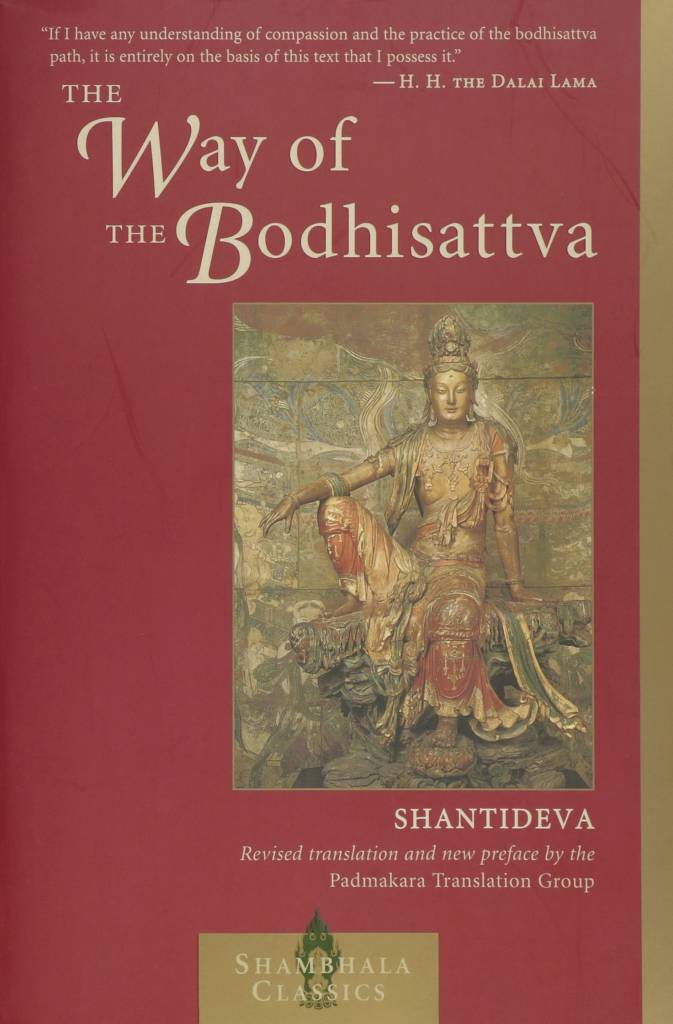
The Nectar of Manjushri's Speech (citation)Blankleder, Helena, and Wulstan Fletcher (Padmakara Translation Group), trans. The Nectar of Manjushri's Speech: A Detailed Commentary on Shantideva's Way of the Bodhisattva. By Kunzang Pelden. Boston: Shambhala Publications, 2007. Bilingual Edition

གང་ཚེ་གང་གི་སྡུག་བསྔལ་གང་། །

དེ་ནི་དེ་ཉིད་ཀྱིས་བསྲུང་ན། ། རྐང་པའི་སྡུག་བསྔལ་ལག་པས་མིན། །

ཅི་ཕྱིར་དེས་ནི་དེ་བསྲུང་བྱ། །

gang tshe gang gi sdug bsngal gang /_/

de ni de nyid kyis bsrung na/_/ rkang pa'i sdug bsngal lag pas min/_/

ci phyir des ni de bsrung bya/_/

གང་གི་ཚེ་མྱོང་བ་པོ་གང་གི་མྱོང་བྱའི་སྡུག་བསྔལ་གང་ཡིན་པ་དེ་ནི་མྱོང་བ་པོ་དེ་ཉིད་ཀྱིས་བསྲུང་དགོས་ཀྱི་དེ་ལས་གཞན་གྱིས་མི་བསྲུང་ངོ་ཞེ་ན། འོ་ན་རྐང་པ་ལ་ཚེར་མ་ཟུག་པ་ལ་སོགས་པའི་སྡུག་བསྔལ་ཡང་དེ་ལས་གཞན་ལག་པས་མྱོང་བ་མིན་པས་ན་རྒྱུ་མཚན་ཅི་ཡི་ཕྱིར་རྐང་པའི་སྡུག་བསྔལ་དེ་ནི་ལག་པ་དེས་བསྲུང་བར་བྱ་སྟེ་བྱ་མི་རིགས་སོ། །

“It’s for the sufferers themselves,” you’ll say,

“To shield themselves from injuries that come!” The pain felt in my foot is not my hand’s,

So why, in fact, should one protect the other?

An opponent might object that it is those who suffer who should protect themselves when they are injured; it is not for others to do so. But the pain the foot feels when it is pierced by a thorn is not felt by the hand. So what reason does the hand have for protecting it? It does not make sense.


[edit]
[edit]