8.98

From Bodhicitta

Bodhicaryāvatāra · Verse 8.98


Sources:    

Sanskrit §No information about the source used.

अहमेव तदापीति मिथ्येयं परिकल्पना। अन्य एव मृतो यस्मादन्य एव प्रजायते॥

 
Chanted Verse
Recitation by Professor Kashinath Nyaupane
98

You may think, "at that time it will be myself suffering,” but these are only vain imaginings, for the person who dies is not the same person who is reborn.

Standard Tibetan §Padmakara used the 1990 edition printed by si khron mi rigs dpe skrun khang: Byang chub sems dpa'i spyod pa la 'jug pa rtsa ba dang 'grel pa (1990). Also found in Derge Tengyur D3871, dbu ma, vol. 105, la 1b1–40a7.

བདག་གིས་དེ་ནི་མྱོང་སྙམ་པའི། །

རྣམ་པར་རྟོག་དེ་ལོག་པ་སྟེ། ། འདི་ལྟར་ཤི་བའང་གཞན་ཉིད་ལ། །

སྐྱེ་བ་ཡང་ནི་གཞན་ཉིད་ཡིན། །

 
Chanted Verse
Recitation by Lopen Karma Phuntsho
98

To think that “I will have to bear it”

Is in fact a false idea. For that which dies is one thing;

What is born is something else.

Standard Tibetan §Padmakara used the 1990 edition printed by si khron mi rigs dpe skrun khang: Byang chub sems dpa'i spyod pa la 'jug pa rtsa ba dang 'grel pa (1990). Also found in Derge Tengyur D3871, dbu ma, vol. 105, la 1b1–40a7. - Other translations

– Mais elles m’affecteront !

– Voilà qui est faux : Autre celui qui meurt,

Autre celui qui renaît.

Pensar que “yo experimentaré ese sufrimiento”

es una noción equivocada. Pues este que muere es uno

y ese que renace es otro distinto.

La Práctica del Bodisatva-front.jpg
Padmakara Spain 2008

The conceptual thought thinking,

‘I will experience this,’ is wrong. The dead person that takes rebirth

As another is another.

The conceptual thought, “I will experience it,"

Is a misconception. Death is other than now,

Likewise, birth is other than now.

shift + scroll / swipe
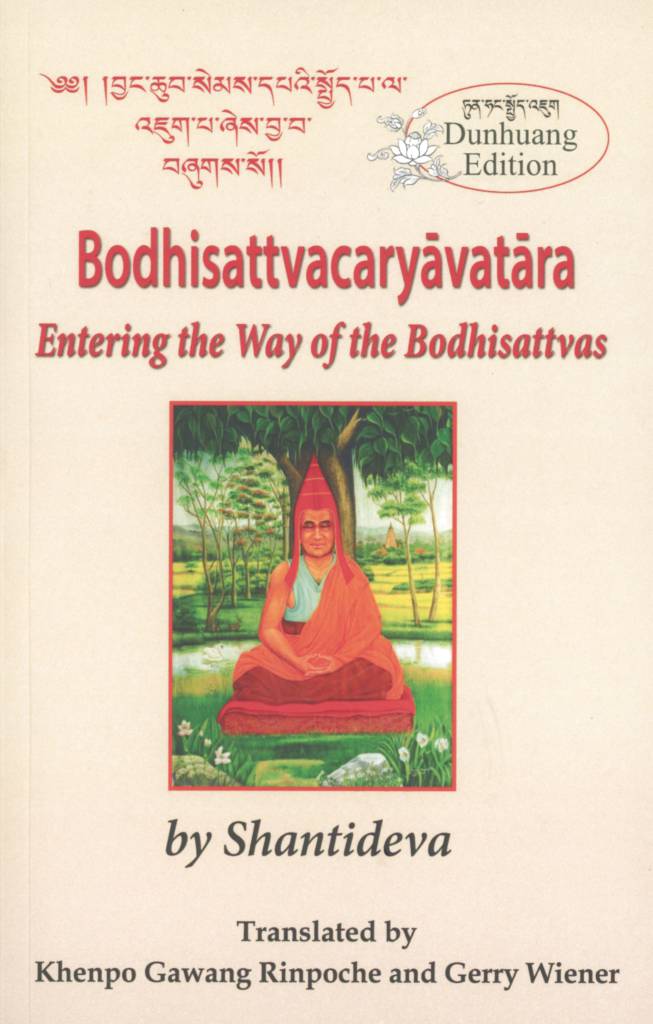
Dūnhuáng §This version is extracted from the book Bodhisattvacaryāvatāra: Entering the Way of the Bodhisattvas (2022, Khenpo Gawang and Wiener), a translation of an edition of the text created from three Dūnhuáng manuscripts. A description and sample pages of these can be found on the Early Tibet Blog. Scans of the actual manuscripts themselves can be found at http://idp.bl.uk

བདག་གིས་དེ་ནི་མྱོང་སྙམ་བའི། །

རྣམ་པར་རྟོག་དེ་ལོག་པ་སྟེ། ། འདི་ལྟར་ཤི་བའང་གཞན་ཉིད་ལ། །

སྐྱེ་བ་ཡང་ནི་གཞན་ཉིད་ཡིན། །

alt verse 6.41 tm data
This version differs from it's counterparts.

The concept that I will experience this future suffering

Is simply wrong Because when we die, a different person is dying

And, in our next life, a different person is born.

Tsadra Critical Edition §This text was created by comparing four versions of the text from Derge, Cone, Narthang, and Peking Tengyurs from BDRC scans, along with Dunhuang manuscripts IOL Tib J 628, 629, and 630. When Tibetan readings were problematic, the Sanskrit texts from GRETIL and LTB (Oslo) were consulted.

བདག་གིས་དེ་ནི་མྱོང་སྙམ་པའི། །

རྣམ་པར་རྟོག་དེ་ལོག་པ་སྟེ། ། འདི་ལྟར་ཤི་བའང་གཞན་ཉིད་ལ། །

སྐྱེ་བ་ཡང་ནི་གཞན་ཉིད་ཡིན། །

[edit]
Sazang Mati (1294 - 1376)
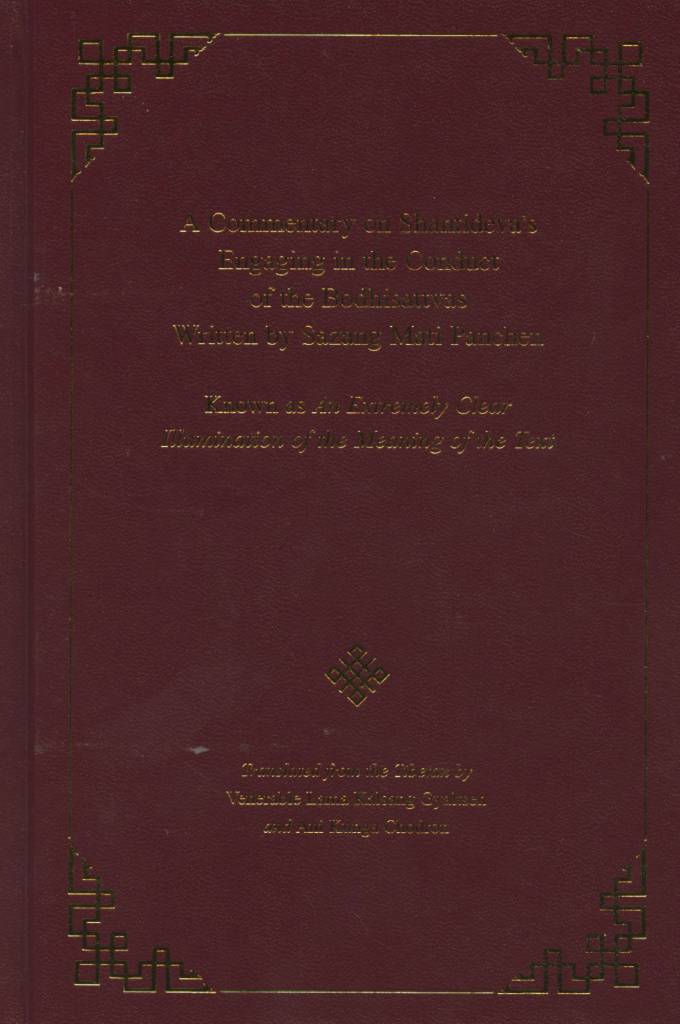
A Commentary on Shantideva's Engaging in the Conduct of the Bodhisattvas (citation)Gyaltsen, Lama Kalsang, and Ani Kunga Chodron, trans. A Commentary on Shantideva's Engaging in the Conduct of the Bodhisattvas Written by Sazang Mati Panchen: Known as An Extremely Clear Illumination of the Meaning of the Text. Walden, NY: Tsechen Kunchab Ling, 2019. Bilingual Edition

བདག་གིས་དེ་ནི་མྱོང་སྙམ་པའི། །

རྣམ་པར་རྟོག་དེ་ལོག་པ་སྟེ། ། འདི་ལྟར་ཤི་བའང་གཞན་ཉིད་ལ། །

སྐྱེ་བ་ཡང་ནི་གཞན་ཉིད་ཡིན། །

bdag gis de ni myong snyam pa'i/_/

rnam par rtog de log pa ste/_/ 'di ltar shi ba'ang gzhan nyid la/_/

skye ba yang ni gzhan nyid yin/_/

The conceptual thought, “I will experience it,"

Is a misconception. Death is other than now,

Likewise, birth is other than now.

མི་འདྲ་སྟེ་གཞན་གྱི་སྡུག་བསྔལ་གཞན་གྱིས་མི་མྱོང་ཞིང་བདག་གི་སྡུག་བསྔལ་དེ་ནི་བདག་གཅིག་པུས་རྟག་ཏུ་མྱོང་བའི་ཕྱིར་རོ་སྙམ་ན། དེ་ལྟ་བུར་འཛིན་པ༵འི་རྣམ་པར་རྟོག་པ་དེ་ནི་ཕྱིན་ཅི་ལོག་ཏུ་གྱུར་པ་སྟེ༵། དཔྱད་[p.-269]རབ་གསལ་སྣང་བ་
ན་བདག་རྟག་པ་གཅིག་པུ་མ་གྲུབ་པའི་ཕྱིར་རོ། །དེའི་རྒྱུ་མཚན་འདི་ལྟར་འདི་ནས་ཤི་བའི་ཕུང་པོའང་མ་འོངས་པ་ལ་ལྟོས་ཏེ་གཞན་ཉིད་ཡིན་ལ༵་ཕྱི་མར་སྐྱེ་བའི་ཕུང་པོ་ཡང་ནི་ད་ལྟར་པ་ལ་ལྟོས་ཏེ་གཞན་ཉིད་ཡི༵ན་པའི་ཕྱིར་རོ། །

One may think, “These are not similar because others’ suffering is experienced by others, and my own suffering is experienced by me alone.” Such conceptual thoughts are not correct because, analyzing carefully, there is no singular, permanent self to be found. The reason is that the aggregates that die are different than the aggregates that will arise in the next life. Also, the aggregates that will be born in the next life are different than the aggregates of this life. Therefore they are different entities.
Gyaltsap Je (1364 - 1432)
The Entrance for the Children of the Conquerors (citation)Stracke, Fedor, trans. The Entrance for the Children of the Conquerors: A Commentary on the Introduction to the Actions of Bodhisattvas. By Gyaltsab Rinpoche. N.p.: Happy Monks Publication, 2016. https://happymonkspublication.org/product/bodhisattvacharyavatara-chapter-1-10-commentary/. Bilingual Edition

གཉིས་པ་ནི།

Clearing Away Obstructions 1.1.3.1.2.2.2.1.2.2

བདག་གིས་དེ་ནི་མྱོང་སྙམ་པའི། །

རྣམ་པར་རྟོག་དེ་ལོག་པ་སྟེ། ། འདི་ལྟར་ཤི་བའང་གཞན་ཉིད་ལ། །

སྐྱེ་བ་ཡང་ནི་གཞན་ཉིད་ཡིན། །
bdag gis de ni myong snyam pa'i/_/

rnam par rtog de log pa ste/_/ 'di ltar shi ba'ang gzhan nyid la/_/

skye ba yang ni gzhan nyid yin/_/

The conceptual thought thinking,

‘I will experience this,’ is wrong. The dead person that takes rebirth

As another is another.

གལ་ཏེ་སེམས་ཅན་དེ་ལ་སྡུག་བསྔལ་བྱུང་བས་བདག་ལ་མི་གནོད་པའི་ཕྱིར་མི་བསྲུང་ངོ་ཞེ་ན།

Argument: I do not protect sentient beings when they experience suffering because their suffering does not harm me.

དེ་ནི་ཆེས་མི་རིགས་ཏེ་རྒས་པའི་ཚེ་སྡུག་བསྔལ་བྱུང་དོགས་ནས་གཞོན་པའི་ཚེ་ནོར་གསོག་པ་དང་། དེ་བཞིན་དུ་སང་དང་ཕྱི་དྲོ་སྡུག་བསྔལ་བྱུང་དོགས་ནས་དེ་རིང་དང་སྔ་དྲོའི་དུས་ནས་སྡུག་བསྔལ་སེལ་བའི་ཐབས་ལ་འབད་པར་མི་རིགས་པར་ཐལ། ཕྱི་མའི་དུས་ཀྱི་སྡུག་བསྔལ་མ་འོངས་པའི་སྡུག་བསྔལ་ཡང་སྔ་མའི་དུས་ཀྱི་གང་ཟག་དེ་ལ་གནོད་པར་མི་བྱེད་ན་དེ་བྱུང་དོགས་ནས་ཅིས་བསྲུང་བསྲུང་མི་རིགས་པར་ཐལ་ལོ། །

Answer: This is highly unsuitable. Otherwise, it would also be unsuitable to accumulate wealth when young out of fear of suffering in old age, or to engage in the morning or in the day in a method to avoid suffering in the afternoon or tomorrow, since the later future suffering does not harm the earlier person. Even if one fears there could be suffering, it would be inappropriate to protect oneself.

ཚེ་འདིར་བདག་གིས་ཕྱི་མའི་སྡུག་བསྔལ་གྱི་རྒྱུ་ལྡོག་པར་མ་བྱས་ན་ཕྱི་མར་བདག་གིས་སྡུག་བསྔལ་མྱོང་དགོས་པས་དེ་ལྡོག་པའི་ཐབས་ལ་འབད་པར་རིགས་སོ་ཞེ་ན། ཚེ་འདིའི་བདག་གིས་ཕྱི་མའི་དུས་སུ་སྡུག་བསྔལ་དེ་ནི་མྱོང་སྙམ་པའི་རྣམ་པར་རྟོག་པ་དེ་ཕྱིན་ཅི་ལོག་པ་སྟེ།

Argument: If one would not wonder in this life whether one could experience suffering in a later life, then one would have to experience sufferings in the later life. It is therefore appropriate to make an effort to prevent that situation.[p.30]The Entrance for the Children of the Conquerors
Stracke, Fedor, trans. The Entrance for the Children of the Conquerors: A Commentary on the Introduction to the Actions of Bodhisattvas. By Gyaltsab Rinpoche. N.p.: Happy Monks Publication, 2016. https://happymonkspublication.org/product/bodhisattvacharyavatara-chapter-1-10-commentary/.

འདི་ལྟར་ཤི་བའི་གང་ཟག་དེའང་གཞན་ཉིད་ལ་སྐྱེ་བ་ཕྱི་མའི་གང་ཟག་དེའང་ནི་གཞན་ཉིད་ཡིན་པས་དེ་གཉིས་གཅིག་ཏུ་མི་རུང་བའི་ཕྱིར་རོ། །

Answer: The conceptual thought thinking that the self of this life experiences sufferings in the later life is distorted. This would be like a dead person that takes rebirth as another person in a later life. This later person is not suitable to be the same as the earlier person.

འདི་ནི་སོ་སོ་ཐ་དད་ཡིན་པ་[p.317]Spyod 'jug rtsa 'grel (Mtsho sngon mi rigs dpe skrun khang 2001)
Śāntideva, and Rgyal tshab rje dar ma rin chen. Spyod 'jug rtsa 'grel and Byang chub sems dpa'i spyod pa la 'jug pa'i rnam bshad rgyal sras 'jug ngogs. Xining: Mtsho sngon mi rigs dpe skrun khang, 2001
གཅིག་གི་སྡུག་བསྔལ་ཅིག་ཤོས་ཀྱིས་སེལ་མི་རིགས་པ་ལ་སྐད་ཅིག་སྔ་ཕྱི་སོ་སོ་ཐ་དད་པའི་མགོ་མཚུངས་ཀྱི་རིགས་པས་འགོག་པ་ཡིན་གྱི། དོན་དམ་པ་ལ་བལྟོས་ནས་འགོག་པ་གཞུང་གི་དོན་མིན་ནོ། །

This was a refutation of the unsuitability of one to eliminate the sufferings of another with the reasoning of the similarity of the earlier and later different moments. The meaning of the text is not that it is a refutation based on the ultimate.
Minyak Kunzang Sönam (1823 - 1905)
The Great Hūṃ (citation)Duckworth, Douglas, trans. The Great Hūṃ: A Commentary on Śāntideva's Way of the Bodhisattva. By Minyak Kunzang Sönam. New York, NY: Wisdom Publications, 2025. Bilingual Edition

མཚུངས་པར་བསྲུང་མི་རིགས་པ་དགག་པ་ནི།

Next it refutes the idea that it is unreasonable to protect others equally:

བདག་གིས་དེ་ནི་མྱོང་སྙམ་པའི། །

རྣམ་པར་རྟོག་དེ་ལོག་པ་སྟེ། ། འདི་ལྟར་ཤི་བའང་གཞན་ཉིད་ལ། །

སྐྱེ་བ་ཡང་ནི་གཞན་ཉིད་ཡིན། །
The thought that “I will experience this”

is a misconception, as the one who dies is one person

and the one who is born is another. (8.98)

གལ་ཏེ་གཞན་གྱི་སྡུག་བསྔལ་དང་རང་གི་སྡུག་བསྔལ་གཉིས་སྡུག་བསྔལ་ཡིན་པ་ཙམ་ཁྱད་པར་མེད་མོད། འོན་ཀྱང་གཞན་ཕ་རོལ་པོ་དེ་ལ་སྡུག་བསྔལ་[p.530]Byang chub sems dpa'i spyod pa la 'jug pa'i 'grel bshad rgyal sras rgya mtsho'i yon tan rin po che mi zad 'jo ba'i bum bzang
Mi nyag kun bzang bsod nams (མི་ཉག་ཀུན་བཟང་བསོད་ནམས་). byang chub sems dpa'i spyod pa la 'jug pa'i 'grel bshad rgyal sras rgya mtsho'i yon tan rin po che mi zad 'jo ba'i bum bzang [བྱང་ཆུབ་སེམས་དཔའི་སྤྱོད་པ་ལ་འཇུག་པའི་འགྲེལ་བཤད་རྒྱལ་སྲས་རྒྱ་མཚོའི་ཡོན་ཏན་རིན་པོ་ཆེ་མི་ཟད་འཇོ་བའི་བུམ་བཟང།]. [Excellent Vase That Spills Forth an Ocean of the Inexhaustible and Precious Qualities of the Victor's Heirs: An Explanation of the "Way of the Bodhisattva."].
བྱུང་བས་ད་ལྟ་བད་ག་ལ་དངོས་སུ་མི་གནོད་པའི་ཕྱིར་དེ་འདྲའི་སྡུག་བསྔལ་དེ་མི་བསྲུང་ངོ་སྙམ་པའམ་དེ་སེལ་བའི་དོན་དུ་མི་འབད་དོ་སྙམ་ན། ཤིན་ཏུ་མི་རིགས་ཏེ། དེ་ལྟ་ན་ཕྱི་མ་མ་འོངས་པ་ཡི་དུས་སུ་བདག་ངན་སོང་དུ་སྐྱེ་བའི་སྡུག་བསྔལ་ཡང་ད་ལྟ་བདག་ལ་ཅུང་ཟད་ཀྱང་གནོད་པར་མི་བྱེད་པའི་ཕྱིར་ན་དེ་ཅིས་བསྲུང་སྟེ་བསྲུང་མི་རིགས་པར་ཐལ་ལ། དེ་ལྟ་ན་དེ་སྤོང་བའི་དོན་དུ་ད་ལྟ་སྡིག་སྤོང་དགེ་སྒྲུབ་བྱེད་པའང་མི་རིགས་པར་ཐལ་བར་འགྱུར་རོ། །དེ་བཞིན་དུ་མ་འོངས་པ་རྒས་པའི་དུས་སུ་ཕོངས་པའི་སྡུག་བསྔལ་འབྱུང་བར་དོགས་ནས་ད་ལྟ་ནོར་གསོག་པའང་མི་རིགས་པར་འགྱུར་ཏེ་རྒས་པའི་སྡུག་བསྔལ་གྱི་གཞོན་པ་ལ་ཅིའང་མི་གནོད་པའི་ཕྱིར། གཞན་ཡང་སང་ཉིན་སྡུག་བསྔལ་འོང་བར་དོགས་ནས་དེ་རིང་དེ་སྤོང་ཐབས་བྱེད་པ་དངཕྱི་དྲོའི་དུས་སྡུག་བསྔལ་བར་དོགས་ནས་སྔ་དྲོའི་དུས་དེ་སྤོང་ཐབས་བྱེད་པ་དག་ཀྱང་མི་རིགས་པར་ཐལ་ཏེ་དེ་དག་གིས་དེ་རིང་དང་སྔ་དྲོའི་དུས་སུ་མི་གནོད་པས་སོ། །

You might think, “It may be that there is no difference in merely the fact that my suffering and the suffering of others is suffering. Nevertheless, when suffering comes to others, it does not directly harm me now. Therefore I do not protect them from this kind of suffering, nor do I strive to eliminate it.” This is not reasonable at all. If it were, then why do I protect myself from future suffering, like taking birth in a lower realm, that does not harm me now in the least bit? It would absurdly follow that it would be unreasonable to do so. Thus it would also follow that it would not make sense to reject negative actions and accomplish virtue now in order to avoid this. Likewise it would also not make sense to save money now out of a concern for a[p.761]The Great Hum
Duckworth, Douglas, trans. The Great Hūṃ: A Commentary on Śāntideva's Way of the Bodhisattva. By Minyak Kunzang Sönam. New York, NY: Wisdom Publications, 2025.
future suffering, being destitute, when one is old because this is the suffering of an elderly person; it does no harm to the young person. Furthermore out of a concern for tomorrow’s suffering, it would follow that it would not make sense to try to avoid that today; also, it would not make sense to try to do something in the morning out of a concern for avoiding suffering in the afternoon! This is because there would be no harm done today or in the morning, respectively.

དེ་མི་མཚུངས་ཏེ། གཞན་གྱི་སྡུག་བསྔལ་གྱིས་དུས་ནམ་གྱི་ཚེའང་བདག་ལ་མི་གནོད་པས་དེ་བསྲུང་མི་དགོས་ལ། རང་གིས་མ་འོངས་པ་ན་མྱོང་འགྱུར་གྱི་སྡུག་བསྔལ་གྱིས་ད་ལྟ་བདག་ལ་དངོས་སུ་མི་གནོད་ཀྱང་ཕྱིམའི་དུས་སུ་བདག་ཉིད་ཀྱིས་མྱོང་དགོས་པས་ན་མ་འོངས་པའི་སྡུག་བསྔལ་དེ་དག་བསྲུང་བའི་ཐབས་ལ་ད་ལྟ་ནས་བརྩོན་རིགས་སོ་སྙམ་ན། མི་རིགས་ཏེ། ད་ལྟའི་དུས་ཀྱི་བདག་གམ་གང་ཟག་གིས་མ་འོངས་པའི་དུས་སུ་སྡུག་བསྔལ་དེ་དག་ནི་མྱོང་བར་འགྱུར་རོ་སྙམ་པའི་རྣམ་པར་རྟོག་པ་དེ་ནི་ཕྱིན་ཅི་ལོག་གི་རྟོག་པ་སྟེ། འདི་ལྟར་ད་ལྟ་འཇིག་རྟེན་འདི་ནས་ཤི་སྟེ་འཕོ་བའི་གང་ཟག་དེའང་ཕྱི་མའི་གང་ཟག་དེ་ལས་གཞན་ཉིད་ཡིན་ལ་སྐྱེ་བ་ཕྱི་མའི་འཇིག་རྟེན་དུ་སྐྱེས་པའི་གང་ཟག་དེ་ཡང་ནི་སྔ་མའི་གང་ཟག་དེ་ལ་གཞན་ཉིད་ཡིན་གྱི་སྔ་ཕྱིའི་གང་ཟག་དེ་གཉིས་གཅིག་ཏུ་མི་རིགས་ལ།

You might respond, “These are not the same. Another’s suffering will never come to harm me so I need not protect them from it. Yet the suffering that I experience in the future may not directly harm me now but I will have to experience it at a later time. Therefore it makes sense to make efforts now to protect from future suffering.” This is not reasonable because the conception “The present self or person is the one who will experience the future suffering” is a distorted conception. Thus the person who dies and leaves this world now and the person in the future are different; the person who takes birth in a future world is different from the person of the past. It does not make sense that two people, in the past and future, are the same.

དེ་བཞིན་དུ་གཞོན་དུས་དང་རྒས་དུས་ཀྱི་གང་ཟག་གཉིས་ཀྱང་སོ་སོ་ཐ་དད་པ་ཡིན་ལ། དེར་མ་ཟད་དེ་རིང་དང་སང་ཉིན་གྱི་དུས་དང་སྔ་དྲོ་དང་ཕྱི་དྲོའི་དུས་ཀྱི་གང་ཟག་དག་ཀྱང་གཞན་ཡིན་པས་སྔ་མའི་དུས་ཀྱི་གང་ཟག་གིས་ཕྱི་མའི་དུས་སུ་སྡུག་བསྔལ་མྱོང་བ་འདི་རྣམ་པ་ཀུན་ཏུ་མི་རིགས་སོ་ཞེས་པའོ། །སྔ་ཕྱིའི་དུས་ཀྱི་གང་ཟག་དེ་གཉིས་གཅིག་ཏུ་མི་རིགས་པ་ནི་སྔ་མའི་གང་ཟག་གི་དུས་སུ་ཕྱི་མའི་གང་ཟག་མ་སྐྱེས་པ་དང་ཕྱི་མའི་དེའི་དུས་སུ་སྔ་མའི་དེ་འགགས་ཟིན་པའི་རྒྱུ་མཚན་གྱིས་ཡིན་ནོ། །འདིས་དུས་སྔ་ཕྱིའི་ཕུང་པོ་ལ་བརྟེན་ནས་བཏགས་པའི་གང་ཟག་སྔ་ཕྱི་གཉིས་ཀའང་སོ་སོ་ཐ་དད་ཡིན་པས་དེ་གཉིས་གཅིག་ཏུ་འཛིན་པ་ལོག་རྟོག་ཁོ་ནར་ངེར་པས་དེ་ལྟར་འཛིན་པ་མི་རིགས་པར་བསྟན་ཏོ། །

Likewise a person in their youth and a person in old age are different. Moreover a person today and a person tomorrow, and the person of this morning and this afternoon, are different. Consequently it does not make any sense for a past person to experience a future suffering. The reason why a past and future person are not the same is because (1) a future person has not been born at the time of the past person and (2) the past person has ceased at the time of the future person. Since the earlier and later persons that are designated in dependence upon the earlier and later aggregates are also different, [498] it is determined to be just a misconception to apprehend these two as one; these lines show that it is unreasonable to apprehend them in this way.

འདི་ནི་ཐ་སྙད་དུ་གང་ཟག་སྔ་ཕྱི་སོ་མོ་བ་གཞན་ཡིན་པའི་མགོ་མཚུངས་ཀྱི་རིགས་པས་སྔ་མའི་དུས་ཀྱི་གང་ཟག་གིས་ཕྱི་མའི་དུས་སུ་སྡུག་[p.531]Byang chub sems dpa'i spyod pa la 'jug pa'i 'grel bshad rgyal sras rgya mtsho'i yon tan rin po che mi zad 'jo ba'i bum bzang
Mi nyag kun bzang bsod nams (མི་ཉག་ཀུན་བཟང་བསོད་ནམས་). byang chub sems dpa'i spyod pa la 'jug pa'i 'grel bshad rgyal sras rgya mtsho'i yon tan rin po che mi zad 'jo ba'i bum bzang [བྱང་ཆུབ་སེམས་དཔའི་སྤྱོད་པ་ལ་འཇུག་པའི་འགྲེལ་བཤད་རྒྱལ་སྲས་རྒྱ་མཚོའི་ཡོན་ཏན་རིན་པོ་ཆེ་མི་ཟད་འཇོ་བའི་བུམ་བཟང།]. [Excellent Vase That Spills Forth an Ocean of the Inexhaustible and Precious Qualities of the Victor's Heirs: An Explanation of the "Way of the Bodhisattva."].
བསྔལ་མྱོང་བ་མི་རིགས་ཞེས་འགོག་པ་ཡིན་གྱི། དཔྱད་ན་དོན་དམ་པར་སྡུག་བསྔལ་མྱོང་བ་པོའི་རྟག་བདག་མ་གྲུབ་ཅེས་པ་དང་། ངའོ་ཞེས་གཟུང་བའི་ཡུལ་བདེན་པ་བ་གཅིག་ཀྱང་མེད་དོ་ཞེས་དོན་དམ་ལ་ལྟོས་ནས་འགོག་པ་གཞུང་གི་དགོངས་པ་མིན་པར་གསུངས་སོ། །

This shows that, following the same logic, a past and future person would be different conventionally. Consequently this is a refutation stating that it would then not make sense for a past person to experience suffering in the future. Yet it might be claimed that when analyzed, ultimately there is no permanent self who is an experiencer of suffering, and also that there is no single reality that is the object apprehended by “I.” Nevertheless it is said that the intent of the text here is not a refutation based on ultimate truth.1386Gyaltsab Jé says this in Gateway to the Bodhisattvas, 317.

དེ་དག་ནི་གཞན་གྱི་སྡུག་བསྔལ་གྱིས་རང་ལ་མི་གནོད་པས་དེ་སེལ་བའི་དོན་དུ་མི་འབད་དོ་སྙམ་པའི་གེགས་བསལ་བ་སྟེ། དེ་ལྟ་ན་མ་འོངས་པའི་སྡུག་བསྔལ་དེས་ཀྱང་ད་ལྟ་ཅི་ཡང་མི་གནོད་པའི་ཕྱིར་ན་ད་ལྟ་དེ་སེལ་ཐབས་བྱེད་པའང་མི་འཐད་པར་འགྱུར་ལ། དེ་ལྟ་ན་དུས་ཐ་དད་ཀྱི་སྡུག་བསྔལ་ཐམས་ཅད་བསལ་མི་རིགས་པར་འགྱུར་བས་ཧ་ཅང་ཐལ་ལོ་ཞེས་སྐྱོན་བརྗོད་པའོ། །

These lines eliminate the obstacle of thinking, “Since the suffering of another does not harm me, I will not make an effort to dispel it.” If this were[p.762]The Great Hum
Duckworth, Douglas, trans. The Great Hūṃ: A Commentary on Śāntideva's Way of the Bodhisattva. By Minyak Kunzang Sönam. New York, NY: Wisdom Publications, 2025.
the case, then since a future suffering brings no harm now, it would be unreasonable to try to dispel it now. Thereby it expresses the problem of an absurd consequence such that it would not make sense to dispel any suffering that occurs at a different time.

གཞན་ཡང་གང་གི་ཚེ་འབྱུང་འགྱུར་མ་འོངས་པའི་ལུས་ཀྱི་སྡུག་བསྔལ་བསྲུང་བའི་དོན་རེ་ཞིག་ལྟ་ཞོག ད་ལྟའི་ལུས་པོ་གཅིག་གི་ཡན་ལག་གི་ཆ་གང་གི་སྡུག་བསྔལ་གང་ཡིན་པ་དེ་ནི་ཡན་ལག་གི་ཆ་དེ་ཉིད་ཀྱིས་བསྲུང་ཞིང་སེལ་བར་བྱེད་རིགས་ཀྱི་དེ་ལས་གཞན་གྱིས་བསྲུང་ཞིང་སེལ་བ་མི་རིགས་པ་དེ་ལྟ་ཡིན་ན་རྐང་པ་ལ་ཚེར་མ་ཟུག་པ་ལྟ་བུའི་རྐང་པའི་སྡུག་བསྔལ་དེ་ཡང་ནི་དེ་ལས་གཞན་པའི་ལག་པས་མྱོང་བ་མིན་པས་ན་ཞེས་སམ་ལག་པའི་སྡུག་བསྔལ་མིན་པས་ན་རྒྱུ་མཚན་ཅིའི་ཕྱིར་ལག་པ་དེས་ནི་རྐང་པའི་སྡུག་བསྔལ་དེ་བསྲུང་བར་བྱ་སྟེ་བསྲུང་མི་རིགས་པར་ཐལ་ལོ། །ཡང་གང་གི་ཚེ་མྱོང་བ་པོ་གང་གི་སྡུག་བསྔལ་གང་ཡིན་པ་དེ་ནི་དེ་ཉིད་ཀྱིས་བསྲུང་ཞེས་སམ་གང་གི་ཚེ་ཡུལ་གང་གི་སྡུག་བསྔལ་གང་ཡིན་པ་དེ་ནི་དེ་ཉིད་ཀྱིས་བསྲུང་ཞེས་བཤད་ཀྱང་རུང་ངོ༌། །

Furthermore, putting aside the protection of the body from future suffering, let us consider the suffering of one limb in a single body right now. If it makes sense for a part of a single body to protect itself and remove suffering but not in the case of what is other than it, then why is it that when there is suffering in the foot—like when there is a splinter there—the hand protects the foot’s suffering? It would absurdly follow that it would not make sense for the hand to protect the foot because the foot’s suffering is not the hand’s suffering; it is not experienced by the hand that is other than it. Alternatively it can be explained as referring to that which experiences suffering protecting only itself or the object that suffers protecting only itself.

འདི་འང་གཞན་གྱི་སྡུག་བསྔལ་གྱིས་རང་ལ་མི་གནོད་པས་དེ་སེལ་བའི་དོན་དུ་མི་འབད་དོ་སྙམ་པའི་གེགས་བསལ་བ་སྟེ། དེ་ལྟ་ན་རྐང་པའི་སྡུག་བསྔལ་དེས་ལག་པ་ལ་ཅིའང་མི་གནོད་པས་དེ་ལག་པས་སེལ་བའང་མི་རིགས་པར་ཐལ་ལ་དེ་ལྟ་ན་ལུས་ཀྱི་ཆ་ཐ་དད་ཀྱི་སྡུག་བསྔལ་ཐམས་ཅད་ཀྱང་བསྲུང་མི་རིགས་པར་འགྱུར་ན་ཧ་ཅང་ཐལ་ལོ་ཞེས་སྐྱོན་བརྗོད་པའོ། །དེས་མཚོན་ནས་མགོ་བོ་སོགས་ལུས་ཀྱི་ཆ་གཞན་གྱི་སྡུག་བསྔལ་ལའང་སྦྱར་རོ། །

To eliminate the obstacle of thinking, “I will not strive to remove another’s suffering because it does not harm me,” it expresses the problems if this were the case with absurd consequences: it would absurdly follow that it would be unreasonable for the hand to remove the foot’s pain because that does not harm the hand at all. Also, it would absurdly follow that it would be unreasonable to protect all of the pains in different parts of the body. Illustrated in this way, it also applies to the pains in other parts of the body, like the head.

གལ་ཏེ་རྐང་པའི་སྡུག་བསྔལ་གྱིས་ལག་པ་ལ་ཅུང་ཟད་ཀྱང་མི་གནོད་པས་དེ་ལྟ་བུའི་འབྲེལ་མེད་༌གཅིག་གི་སྡུག་བསྔལ་ཅིག་ཤོས་ཀྱིས་སེལ་བ་རིགས་པ་མིན་ཡང་འདིར་བདག་ཏུ་འཛིན་པ་དང་བདག་གིར་འཛིན་པ་རིང་ནས་གོམས་པས་ཡན་ལག་ཚོགས་པའི་ལུས་འདིའི་རྐང་པའི་སྡུག་བསྔལ་དེ་ལག་པས་སེལ་བ་ལ་འཇུག་ཅིང་དེ་བཞིན་དུ་སྐྱེ་བ་སྔ་ཕྱི་དང་སྔ་དྲོ་དང་ཕྱི་དྲོ་ལ་སོགས་པའི་ལུས་ལའང་གང་ཟག་རང་གཅིག་པོ་དེའི་བདག་གིར་འཛིན་པ་གོམས་པའི་དབང་གིས་གཅིག་གི་སྡུག་བསྔལ་ཅིག་ཤོས་ཀྱིས་སེལ་བ་ལ་འཇུག་ཅེ་ན། དེ་ལྟར་བདག་འཛིན་གྱི་དབང་གིས་བདག་དང་གཞན་རང་དབང་ཅན་དུ་འཛིན་པའི་བློ་དེ་ནི་[p.532]Byang chub sems dpa'i spyod pa la 'jug pa'i 'grel bshad rgyal sras rgya mtsho'i yon tan rin po che mi zad 'jo ba'i bum bzang
Mi nyag kun bzang bsod nams (མི་ཉག་ཀུན་བཟང་བསོད་ནམས་). byang chub sems dpa'i spyod pa la 'jug pa'i 'grel bshad rgyal sras rgya mtsho'i yon tan rin po che mi zad 'jo ba'i bum bzang [བྱང་ཆུབ་སེམས་དཔའི་སྤྱོད་པ་ལ་འཇུག་པའི་འགྲེལ་བཤད་རྒྱལ་སྲས་རྒྱ་མཚོའི་ཡོན་ཏན་རིན་པོ་ཆེ་མི་ཟད་འཇོ་བའི་བུམ་བཟང།]. [Excellent Vase That Spills Forth an Ocean of the Inexhaustible and Precious Qualities of the Victor's Heirs: An Explanation of the "Way of the Bodhisattva."].
མི་རིགས་པ་ཞེན་ཡུལ་ལ་འཁྲུལ་བའི་གང་ཟག་གི་བདག་ཏུ་འཛིན་པ་སྟེ་དེ་ལྟ་བུའི་ཕྱིན་ཅི་ལོག་གི་བློ་གང་ཡིན་པ་དེ་ནི་གཉེན་པོ་བདག་མེད་རྟོགས་པའི་ཤེས་རབ་ཀྱི་སྟོབས་ཀྱིས་ཅི་ནུས་པར་ནི་སྤང་བར་བྱ་བ་ཉིད་ཡིན་ཏེ་སྲིད་པའི་སྡུག་བསྔལ་ཐམས་ཅད་ཀྱི་རྩ་བ་ཡིན་པས་སོ། །ཡང་ན་བདག་གམ་གཞན་གྱིའང་རུང་སྟེ་མི་རིགས་པ་སྡུག་བསྔལ་ལྟ་བུ་གང་ཡིན་པ་དེ་ནི་བྱེ་བྲག་མེད་པར་ཅི་ནུས་ཀྱིས་སྤང་བར་བྱ་བ་ཉིད་ཡིན་ཞེས་སྦྱར་རོ། །དེ་དག་ནི་རང་གིས་མྱོང་རྒྱུའི་སྡུག་བསྔལ་གྱིས་རང་ལ་གནོད་ལ་གཞན་གྱི་སྡུག་བསྔལ་གྱིས་རང་ལ་མི་གནོད་པས་དེ་ལྟར་གནོད་མི་གནོད་ཀྱི་ཁྱད་པར་ཡོད་པས་མཚུངས་པར་བསྲུང་མི་རིགས་སོ་སྙམ་པའི་གེགས་བསལ་བའོ། །

You might think, “The foot’s pain does not harm the hand at all, so it does not make sense for one disconnected thing to remove the suffering of something else. Yet here I have become habituated for a long time to holding the notions of ‘me’ and ‘mine,’ so the hand as a limb in the assemblage of this body takes part in removing the pain of the foot. Likewise, from habituation to apprehending as ‘mine’ a single person with a body in the morning and afternoon, and in past and future lives, one part of this body works to eliminate the suffering of [499] another part.” This mindset that apprehends an independent “self ” and “other” through the force of ego-clinging is unreasonable. It is a mistaken attitude that apprehends a personal self; it is deluded with respect to its conceived object. Since it is the root of all suffering in existence, this attitude is to be relinquished as much as possible by the power of the antidote that is the wisdom that realizes selflessness. Alternatively it can be added here that whether it is one’s own or another’s, there is no distinction with regard to what is unreasonable, like suffering; it is to[p.763]The Great Hum
Duckworth, Douglas, trans. The Great Hūṃ: A Commentary on Śāntideva's Way of the Bodhisattva. By Minyak Kunzang Sönam. New York, NY: Wisdom Publications, 2025.
be relinquished as much as possible. These lines eliminate the obstacle of thinking, “The suffering experienced by me harms me, but the suffering of others does not harm me; so it does not make sense to protect these equally because there is a difference in terms of whether or not the suffering causes harm to me.”
Kunzang Palden (1862 - 1943)
The Nectar of Manjushri's Speech (citation)Blankleder, Helena, and Wulstan Fletcher (Padmakara Translation Group), trans. The Nectar of Manjushri's Speech: A Detailed Commentary on Shantideva's Way of the Bodhisattva. By Kunzang Pelden. Boston: Shambhala Publications, 2007. Bilingual Edition

བདག་གིས་དེ་ནི་མྱོང་སྙམ་པའི། །

རྣམ་པར་རྟོག་དེ་ལོག་པ་སྟེ། ། འདི་ལྟར་ཤི་བའང་གཞན་ཉིད་ལ། །

སྐྱེ་བ་ཡང་ནི་གཞན་ཉིད་ཡིན། །

bdag gis de ni myong snyam pa'i/_/

rnam par rtog de log pa ste/_/ 'di ltar shi ba'ang gzhan nyid la/_/

skye ba yang ni gzhan nyid yin/_/

དེ་ནི་སེམས་ཅན་གཞན་གྱི་སྡུག་བསྔལ་དང་མི་འདྲ་སྟེ་ད་ལྟ་དངོས་སུ་མི་གནོད་ཀྱང་བདག་གིས་མ་འོངས་པའི་སྡུག་བསྔལ་དེ་ནི་མྱོང་བར་འགྱུར་བས་བསྲུང་ངོ་སྙམ་ན། རགས་པ་ཚེ་འདི་ཕྱིའི་ཕུང་པོ་དང་ཕྲ་བ་སྐད་ཅིག་སྔ་ཕྱིའི་ཕུང་པོ་ལ་གཅིག་ཏུ་འཛིན་པའི་རྣམ་པར་རྟོག་པ་དེ་ནི་ཕྱིན་ཅི་ལོག་ཏུ་གྱུར་པ་ཁོ་ན་སྟེ།

To think that “I will have to bear it”

Is in fact a false idea. For that which dies is one thing;

What is born is something else.

But we may think that these sufferings are not the same as those of other beings. For even though such sufferings are not affecting us now, we protect ourselves nevertheless because we will experience them in the future. But to cling, on the gross level, to the aggregates of this life and the next life as constituting a single entity, and to cling also, on the subtle level, to the aggregates of one instant and the next as being the same thing is a mistaken conception, nothing more.

དེའི་རྒྱུ་མཚན་འདི་ལྟར་རགས་པ་ཚེ་འདི་ཕྱི་ལ་བསམ་ན་ཚེ་འདི་ནས་འཕོས་ཏེ་ཤི་བར་གྱུར་པ་དེའང་ཕྱི་མའི་སྐྱེ་བ་དེ་ལས་གཞན་ཉིད་ཡིན་ལ་གང་དུ་སྐྱེས་པའི་ཕྱི་མའི་སྐྱེ་བ་དེ་ཡང་ནི་ཚེ་སྔ་མ་ཤི་བ་དེ་[p.573]Byang chub sems dpa'i spyod pa la 'jug pa rtsa ba dang 'grel pa (1990)
Slob dpon zhi ba lha and Mkhan po kun dpal. Byang chub sems dpa'i spyod pa la 'jug pa rtsa ba dang 'grel pa. Khreng tu'u: Si khron mi rigs dpe skrun khang, 1990. Buda by BDRC Logo.jpg
ལས་གཞན་ཉིད་ཡིན་པའི་ཕྱིར་རོ། །དེ་ལ་ད་ལྟ་མི་ཡུལ་དུ་ཇི་ཙམ་སྡོད་པ་ནི་སྔོན་གྱི་ལས་དབང་གིས་ཡིན་པས་ལས་དེ་ནམ་ཟད་པ་ན་མིའི་རྣམ་ཤེས་སྐད་ཅིག་ཐ་མ་འགག་པ་དེའི་ཉེར་ལེན་གྱི་རྒྱུ་བྱས་ནས་དམྱལ་བ་ལ་སོགས་པ་གང་དུ་སྐྱེ་བའི་ལས་དེས་ལྷན་ཅིག་བྱེད་རྐྱེན་བྱས་ཏེ་ཕྱི་མ་དམྱལ་བ་ལ་སོགས་པ་གང་དུ་སྐྱེ་བ་ན་ཤི་བ་མིའི་ཕུང་པོ་ཡིན་པ་དང་སྐྱེ་བ་དམྱལ་བའི་ཕུང་པོ་ཡིན་པའི་ཕྱིར་དང༌། རྣམ་ཤེས་སྔ་མ་འགག་པ་མིའི་རྣམ་ཤེས་དང་ཕྱིས་སྐྱེ་བ་དམྱལ་བའི་རྣམ་ཤེས་ཡིན་པའི་ཕྱིར་ཐ་དད་པ་ཡིན་ལ། དེ་ཡང་མིའི་ལུས་དང་སེམས་འགགས་ནས་ཕྱི་མའི་ལུས་སེམས་སྐྱེས་པ་ལ་སྔ་མ་དེ་ཕྱི་མར་འཕོས་པའམ་སོང་བ་མེད་དེ། ཇི་སྐད་དུ།

When we reflect about our present and future lives in the light of such arguments, [we can see that] the entity that dies and passes out of life is not the same as that which is born in the succeeding existence. Conversely, that which takes birth in the next life, wherever that may be, is not the same thing as that which has perished in the previous existence. The length of time spent in the human world is the result of past karma. When this is exhausted as the final moment of the human consciousness ends, it creates the immediate cause [of the new life], while the karma that brings about birth in a hell realm, or whatever, constitutes the cooperative cause. Wherever people are subsequently born, whether in hell or elsewhere, they have at death a human body, whereas at birth, they will have the body of a hell being and so on. In other words, the previous consciousness now terminated is that of a human, while at the moment of the later birth, the consciousness is that of a hell being. The two are thus distinct. When the mind and body of a human come to an end, the mind and body of the following life come into being. It is not that there is a movement or transmigration of something from a former to a subsequent state. As it is said:

ཁ་ཏོན་མེ་ལོང་མར་མེ་རྒྱ། །

མེ་ཤེལ་ས་བོན་སྐྱུར་དང་སྒྲས། ། ཕུང་པོ་ཉིང་མཚམས་སྦྱོར་བ་ཡང༌། །

མི་འཕོ་བར་ཡང་མཁས་རྟོགས་བྱ། །

Like recitation, flame, and looking glass,
Or seal or lens, seed, sound, astringent taste,
The aggregates continue in their seamless course,
Yet nothing is transferred, and this the wise should know.

ཞེས་གསུངས་པ་ལྟར་མར་མེ་གཅིག་ལས་གཅིག་སྤར་བ་ན་སྔ་མ་ལ་མ་ལྟོས་པར་ཕྱི་མ་མེད་ལ་སྔ་མ་ཕྱི་མར་འཕོས་པའང་མིན་པ་བཞིན་དུ་ཤེས་པར་བྱའོ། །

When, for example, one uses a lamp to light another lamp, the later flame cannot be lit without dependence on the first; but at the same time, the first flame does not pass into the second one.

དེ་ལྟར་ན་སྔ་མ་འགག་ནས་ཕྱི་མ་སྐྱེ་བས་སྔ་ཕྱི་གཉིས་གཞན་ཡིན་ན་ལས་བྱས་པ་ཆུད་ཟ་བ་དང་མ་བྱས་པ་དང་འཕྲད་པར་འགྱུར་རོ་ཞེ་ན། མི་འགྱུར་ཏེ་རྒྱུ་རྐྱེན་རྟེན་འབྲེལ་གྱི་སྣང་བ་བསླུ་བ་མེད་པ་དཔྱད་མི་བཟོད་པས་རྟག་ཆད་ལས་འདས་པ་ལས་འབྲས་ཆུད་མི་ཟ་བ་ནང་པ་སངས་རྒྱས་པའི་ཁྱད་ཆོས་ཐམས་ཅད་མཁྱེན་པ་ཁོ་ནའི་སྤྱོད་ཡུལ་ཡིན་པས་ལས་རྒྱུ་འབྲས་འདི་ནི་རྒྱལ་བའི་བཀའ་ལ་ཡིད་ཆེས་པའི་སྒོ་ནས་རྟོགས་པར་བྱ་ཞིང༌། དེ་སྐད་དུའང༌།[p.574]Byang chub sems dpa'i spyod pa la 'jug pa rtsa ba dang 'grel pa (1990)
Slob dpon zhi ba lha and Mkhan po kun dpal. Byang chub sems dpa'i spyod pa la 'jug pa rtsa ba dang 'grel pa. Khreng tu'u: Si khron mi rigs dpe skrun khang, 1990. Buda by BDRC Logo.jpg

If the earlier entity is terminated, however, and the later one arises in such a way that the two are quite separate, it will be objected that, in that case, the effect of former actions is necessarily lost, while (in the course of the subsequent existence) karmic effects will be encountered that have not[p.288]The Nectar of Manjushri's Speech
Blankleder, Helena, and Wulstan Fletcher (Padmakara Translation Group), trans. The Nectar of Manjushri's Speech: A Detailed Commentary on Shantideva's Way of the Bodhisattva. By Kunzang Pelden. Boston: Shambhala Publications, 2010.
been accumulated. But this is not so. Phenomenal appearances—which arise ineluctably through the interdependence of causal conditions—cannot withstand analysis, they lie beyond the scope of both the eternalist and nihilist positions. The assertion that karmic effects are not lost is a special feature of the Buddhist teachings. It lies within the exclusive purview of an omniscient mind and it is thus to be accepted through reliance on the word of the Conqueror. As it is said:

གང་ལ་བརྟེན་ཏེ་གང་འབྱུང་བ། །

དེ་ནི་རེ་ཞིག་དེ་ཉིད་མིན། ། དེ་ལས་གཞན་པའང་མ་ཡིན་ཏེ། །

དེ་ཕྱིར་རྟག་མིན་ཆད་པའང་མིན། །

What arises in dependence on another
Is not at all that thing itself—
But neither is it something else:
There is no break; there is no permanence.

ཞེས་གསུངས་པ་ལྟར་ལྟོས་ཏེ་བཏགས་པ་ཙམ་ལས་གཅིག་དང་ཐ་དད་གང་དུའང་གྲུབ་པ་མེད་བཞིན་དུ་སྣང་བའི་རྣམ་ཤེས་འདི་ཉིད་བཟང་ངན་གྱི་ལས་སྣ་ཚོགས་པས་གཞན་དང་གཞན་དུ་སྣང་ན་ཡང་གསལ་རིག་གི་ཤེས་པ་ཙམ་རིགས་འདྲ་རྒྱུན་མི་འཆད་པར་འབྱུང་ཞིང་རྟག་ཆད་ལས་འདས་པའི་ཕྱིར་ལས་འབྲས་ཆུད་མི་ཟ་ཞིང་མ་བྱས་པ་དང་འཕྲད་པར་མི་འགྱུར་རོ། །

All we have are relatively imputed terms. Being neither identical nor different, earlier and later moments of consciousness appear. Consciousness manifests in different ways according to karma, whether good or bad. But in itself, it consists of moments of mere knowing, clear and cognizant, arising uninterruptedly in like kind.180rigs ’dra rgyun mi chad pa. This means that when a moment of consciousness ceases, a new one arises identical to it in nature—i.e., mere clarity and cognizance—but varying in “color” according to karmic circumstances. There is simply a continuum of interlinked moments; there is no subpositum, no underlying entity, that endures as the “experiencer” of a stream of extrinsic events. The notions of permanence or discontinuity do not apply to it. Thus the results of karma are not lost and one never encounters karmic effects that have not been accumulated.

ཕྲ་བ་སྐད་ཅིག་མའི་ཚུལ་ལ་བསམས་ན་ཕྱི་དང་ནང་གི་དངོས་པོ་ཐམས་ཅད་དུས་མཐའི་སྐད་ཅིག་མ་ཡིན་ལ། སྐད་ཅིག་སྔ་ཕྱི་དེ་དག་ཀྱང་སྔ་མ་འགགས་ཤིང་ཕྱི་མ་སྐྱེ་བས་གཞན་ཡིན་ལ། དེའང་རང་རེ་མི་ཡུལ་དུ་ཅི་ཙམ་སྡོད་པའི་ལས་ཀྱིས་རྐྱེན་བྱས་ནས་རྣམ་ཤེས་སྔ་མ་འགགས་པ་དེས་རྒྱུ་བྱས་ནས་རྣམ་ཤེས་སྐད་ཅིག་ཕྱི་མ་སྐྱེ་བར་འགྱུར་བས་རིགས་འདྲ་འབྱུང་བ་ཡིན་པས་སྐད་ཅིག་མ་རྣམས་གཞན་ཡིན་ནོ། །

If, on a more subtle level, one considers the momentary nature of phenomena, everything in the outer or inner sphere consists of point-instants. The earlier moment ceases, and the later one supervenes, so that the one is distinct from the other. Likewise, when the karma for remaining in the human state provides the circumstances and the final moment of consciousness [in that state] provides the cause, the following moment of consciousness comes to birth and arises in like kind. But the two moments are separate.


[edit]
[edit]
[edit]