8.88

From Bodhicitta

Bodhicaryāvatāra · Verse 8.88


Sources:    

Sanskrit §No information about the source used.

स्वच्छन्दचार्यनिलयः प्रतिबद्धो न कस्यचित्। यत्संतोषसुखं भुङ्क्ते तदिन्द्रस्यापि दुर्लभम्॥

 
Chanted Verse
Recitation by Professor Kashinath Nyaupane
88

Even the god Indra6King of the gods. would not be able to attain the satisfaction and happiness enjoyed by one who wanders homeless at his own pleasure, bound to no one.

Standard Tibetan §Padmakara used the 1990 edition printed by si khron mi rigs dpe skrun khang: Byang chub sems dpa'i spyod pa la 'jug pa rtsa ba dang 'grel pa (1990). Also found in Derge Tengyur D3871, dbu ma, vol. 105, la 1b1–40a7.

རང་དབང་སྤྱོད་ཅིང་ཆགས་མེད་ལ། །

གང་དང་ཡང་ནི་འབྲེལ་མེད་པར། ། ཆོག་ཤེས་བདེ་སྤྱད་གང་ཡིན་པ། །

དབང་པོས་ཀྱང་ནི་དེ་རྙེད་དཀའ། །

 
Chanted Verse
Recitation by Lopen Karma Phuntsho
88

To have such liberty unmarred by craving,

Loosed from every bond and tie— A life of such contentment and such pleasure,

Even Indra would be pressed to find![p.122]The Way of the Bodhisattva (2006)
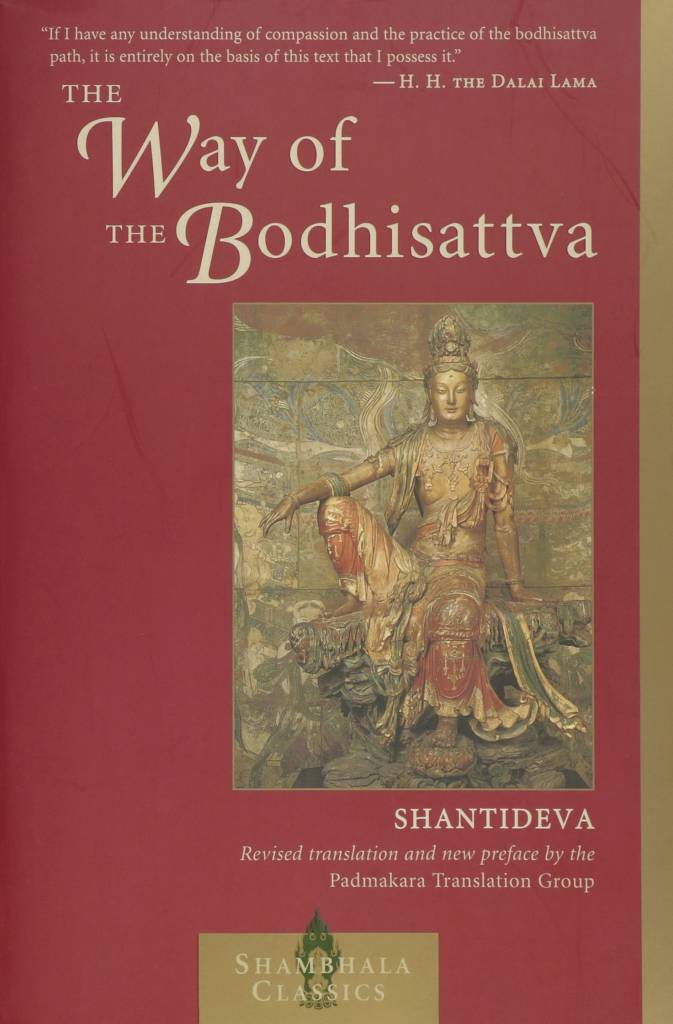
Blankleder, Helena, and Wulstan Fletcher (Padmakara Translation Group), trans. The Way of the Bodhisattva: A Translation of the Bodhicharyāvatāra. By Śāntideva. Rev. ed. Shambhala Classics. Boston: Shambhala Publications, 2006.

Standard Tibetan §Padmakara used the 1990 edition printed by si khron mi rigs dpe skrun khang: Byang chub sems dpa'i spyod pa la 'jug pa rtsa ba dang 'grel pa (1990). Also found in Derge Tengyur D3871, dbu ma, vol. 105, la 1b1–40a7. - Other translations

Être libre, sans le moindre attachement

Et sans aucun lien avec quoi que ce soit, Voilà un bonheur et une satisfaction

Qu’Indra lui-même aurait du mal à obtenir.

Disfrutar de esa libertad desprovista de apego,

desligados de cualquier vínculo o atadura: una vida con esa satisfacción y esa dicha

incluso a Indra le es difícil encontrar.

La Práctica del Bodisatva-front.jpg
Padmakara Spain 2008

Acting independently and without attachment,

Unrelated to anybody, Enjoying the happiness of contentment,

This is difficult to find even for the powerful.

Enjoying freely and with detachment

With no connection occurring again, Experiencing happiness and contentment

Hard for even Indra to find.

shift + scroll / swipe
Tsadra Critical Edition §This text was created by comparing four versions of the text from Derge, Cone, Narthang, and Peking Tengyurs from BDRC scans, along with Dunhuang manuscripts IOL Tib J 628, 629, and 630. When Tibetan readings were problematic, the Sanskrit texts from GRETIL and LTB (Oslo) were consulted.

རང་དབང་[p.105-1-27a]སྤྱོད་ཅིང་ཆགས་མེད་ལ། །

གང་དང་ཡང་ནི་འབྲེལ་མེད་པ། ། ཆོག་ཤེས་བདེ་སྤྱོད་གང་ཡིན་པ། །

དབང་པོས་ཀྱང་ནི་དེ་རྙེད་དཀའ། །

[edit]
Sazang Mati (1294 - 1376)
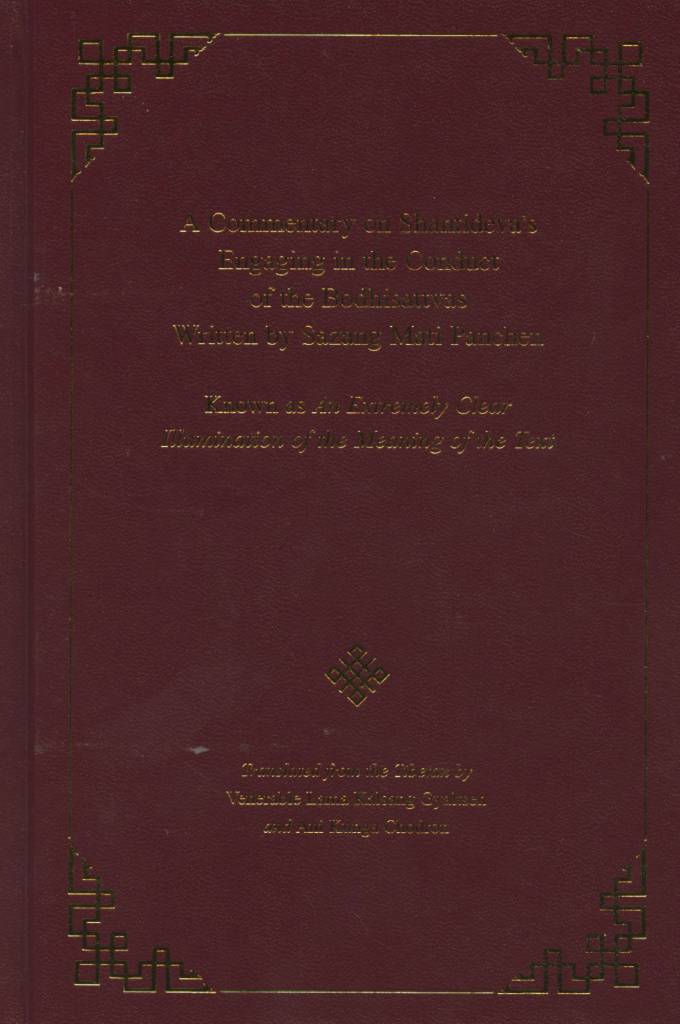
A Commentary on Shantideva's Engaging in the Conduct of the Bodhisattvas (citation)Gyaltsen, Lama Kalsang, and Ani Kunga Chodron, trans. A Commentary on Shantideva's Engaging in the Conduct of the Bodhisattvas Written by Sazang Mati Panchen: Known as An Extremely Clear Illumination of the Meaning of the Text. Walden, NY: Tsechen Kunchab Ling, 2019. Bilingual Edition

རང་དབང་སྤྱོད་ཅིང་ཆགས་མེད་ལ། །

གང་དང་ཡང་ནི་འབྲེལ་མེད་པར། ། ཆོག་ཤེས་བདེ་སྤྱད་གང་ཡིན་པ། །

དབང་པོས་ཀྱང་ནི་དེ་རྙེད་དཀའ། །

rang dbang spyod cing chags med la/_/

gang dang yang ni 'brel med par/_/ chog shes bde spyad gang yin pa/_/

dbang pos kyang ni de rnyed dka'/_/

Enjoying freely and with detachment

With no connection occurring again, Experiencing happiness and contentment

Hard for even Indra to find.

རང་དབང་དུ་སྤྱོད་ཅིང་ཡོ་བྱད་ལ་ཆགས་པ་དང་ཞེན་པ་ཅུང་ཟད་ཀྱང་མེད་ལ༵། དགྲ་གཉེན་དང་རྗེ་འབངས་ལ་སོགས་པའི་འཆིང་བར་བྱེད་པ་གང་དང་ཡང་ནི་འབྲེལ་པ་མེད་པ༵འི་ཆོག་ཤེས་པའི་བདེ་བ་ལ་ལོངས་སྤྱོད་པ་གང་ཡིན་པ༵་ནི་ལྷ་རྣམས་ཀྱི་དབང་བོས་ཀྱང་ནི་དེ་ལྟ་བུ་རྙེད་པར་དཀ༵འ་བ་ཉིད་དོ། །

Everything that needs to be used is free, and attachment to material things is unnecessary. The pleasure of contentment that is not bound by enemies, friends, lords, or subjects is rare even for Indra, king of gods.

དེའང་ཇི་ཙམ་དུ་འབྱོར་པ་ཆེ་བ་ཙམ་གྱིས་ཆོག་མི་ཤེས་པའི་སྒོ་ནས་གདུང་བར་བྱེད་ཅིང༌། ཆོག་ཤེས་པ་ནི་ཡང་དག་པའི་བདེ་བའི་འབྱོར་བ་དང་ལྡན་པ་སྟེ། བཤེས་སྤྲིང་ལས།

Also, the greater the luxury, the greater the suffering of anxiety due to lack of contentment. The happiness of contentment is genuine ultimate wealth. A Letter to a Friend states:53Quoted from Arya Nagarjuna’s A Letter to a Friend, Verse 34.

ནོར་རྣམས་[p.-266]རབ་གསལ་སྣང་བ་
ཀུན་གྱི་ནང་ནས་ཆོག་ཤེས་པ། །

རབ་མཆོག་ལགས་པར་ལྷ་མིའི་སྟོན་པས་གསུངས། ། ཀུན་ཏུ་ཆོག་མཁྱེན་མཛོད་ཅིག་ཆོག་ཤེས་ན། །

ནོར་མི་བདོག་ཀྱང་ཡང་དག་འབྱོར་བ་ལགས། །

The Teacher of Gods and Men described
Contentment as the greatest of riches.
Remain contented always. To know contentment
Is perfect wealth, even without material things.

ཞེས་པ་ལྟར་རོ། །

Gyaltsap Je (1364 - 1432)
The Entrance for the Children of the Conquerors (citation)Stracke, Fedor, trans. The Entrance for the Children of the Conquerors: A Commentary on the Introduction to the Actions of Bodhisattvas. By Gyaltsab Rinpoche. N.p.: Happy Monks Publication, 2016. https://happymonkspublication.org/product/bodhisattvacharyavatara-chapter-1-10-commentary/. Bilingual Edition

གསུམ་པ་ནི།

The Quality of Satisfaction 1.1.2.2.1.3.2.2.5.2.3

རང་དབང་སྤྱོད་ཅིང་ཆགས་མེད་ལ། །

གང་དང་ཡང་ནི་འབྲེལ་མེད་པར། ། ཆོག་ཤེས་བདེ་སྤྱད་གང་ཡིན་པ། །

དབང་པོས་ཀྱང་ནི་དེ་རྙེད་དཀའ། །
rang dbang spyod cing chags med la/_/

gang dang yang ni 'brel med par/_/ chog shes bde spyad gang yin pa/_/

dbang pos kyang ni de rnyed dka'/_/

Acting independently and without attachment,

Unrelated to anybody, Enjoying the happiness of contentment,

This is difficult to find even for the powerful.

གནས་དང་ལོངས་སྤྱོད་སོགས་ཇི་ལྟར་འདོད་པ་བཞིན་དུ་རང་དབང་དུ་སྤྱོད་ཅིང་དེ་ལ་ཆགས་པ་མེད་ལ། སྐྱེ་བོ་གང་དང་ཡང་ནི་འབྲེལ་བ་མེད་པའི་གནས་སུ་ཟས་གོས་སོགས་ངན་ངོན་ཙམ་གྱིས་ཆོག་ཤེས་པའི་བདེ་བ་ལ་སྤྱོད་པ་གང་ཡིན་པ་ལྷ་དང་མིའི་དབང་པོས་ཀྱང་ནི་དེ་རྙེད་དཀའ་བས་མཁས་པས་དབེན་པ་བསྟེན་པ་ལ་འབད་པར་བྱའོ། །

The happiness of independently enjoying the place, possessions and so forth as one wishes without attachment to them, of abiding in a place unrelated to anybody, with the happiness of being content with little inferior food and clothing, is a happiness that is even difficult to find for gods and influential humans. Hence, those skilled should make an effort to rely on solitude.[p.26]The Entrance for the Children of the Conquerors
Stracke, Fedor, trans. The Entrance for the Children of the Conquerors: A Commentary on the Introduction to the Actions of Bodhisattvas. By Gyaltsab Rinpoche. N.p.: Happy Monks Publication, 2016. https://happymonkspublication.org/product/bodhisattvacharyavatara-chapter-1-10-commentary/.

If it is rare for a distracted mind to even attain a worldly mental stabilization, then what need is there to mention complete enlightenment. Therefore, until the attainment of complete enlightenment one should not let one’s mind get distracted.[p.27]The Entrance for the Children of the Conquerors
Stracke, Fedor, trans. The Entrance for the Children of the Conquerors: A Commentary on the Introduction to the Actions of Bodhisattvas. By Gyaltsab Rinpoche. N.p.: Happy Monks Publication, 2016. https://happymonkspublication.org/product/bodhisattvacharyavatara-chapter-1-10-commentary/.
Minyak Kunzang Sönam (1823 - 1905)
The Great Hūṃ (citation)Duckworth, Douglas, trans. The Great Hūṃ: A Commentary on Śāntideva's Way of the Bodhisattva. By Minyak Kunzang Sönam. New York, NY: Wisdom Publications, 2025. Bilingual Edition

བདེ་བའི་ཁྱད་པར་དབང་པོ་ལས་ཀྱང་ལྷག་པ་ནི།

Next it shows that the quality of happiness exceeds that of Indra:

རང་དབང་སྤྱོད་ཅིང་ཆགས་མེད་ལ། །

གང་དང་ཡང་ནི་འབྲེལ་མེད་པར། ། ཆོག་ཤེས་བདེ་སྤྱད་གང་ཡིན་པ། །

དབང་པོས་ཀྱང་ནི་དེ་རྙེད་དཀའ། །
Acting freely and without attachment,

and with no relations to anyone, the joy of living with contentment

is difficult even for Indra to find. (8.88)

དེར་ཡོ་བྱད་ཀྱིས་ཕོངས་པས་ཉོན་མོངས་པར་མི་འགྱུར་རམ་སྙམ་ན། བདག་པོ་མེད་པའི་ཁང་སྟོང་དང་ཤིང་དྲུང་བདེ་བ་དང་ས་ཕུག་དང་བྲག་སྐྱིབས་སོགས་ཀྱི་གནས་ཡིད་དུ་འོང་བ་དག་ཏུ་སྡོད་ཉམས་སྤྲོ་ཞིང་བདེ་བའི་ཕྱོགས་གང་ཡང་རུང་བའི་གཞི་དེ་ཉིད་དུ་གནས་མལ་བཅས་ཏེ་རང་ཇི་སྲིད་སྡོད་པར་འདོད་ཀྱི་བར་དེ་སྲིད་དུ་གནས་ཤིང༌། འདོད་ཡོན་གྱི་ཉེར་སྤྱོད་མང་པོ་ཡོངས་སུ་འཛིན་པ་དང་དེ་དག་ཆུད་འཛའ་བའི་རྐྱེན་རྣམས་ལས་བསྲུང་བའི་སྡུག་བསྔལ་ཐམས་ཅད་སྤངས་ཏེ་སུ་གང་ལ་ཡང་རེ་དོགས་ཀྱི་ལྟོས་པ་མེད་པར་བག་ཡངས་སུ་ཅི་དགར་སྤྱོད་པས་གནས་པར་བྱེད་པ་དང་།

You might think, “Won’t I become disturbed by the lack of provisions there?” Residing in all sorts of beautiful places—like an abandoned house, at the base of a comfortable tree, in a cave, or under an overhang; you can stay as long as you wish, dwelling in these delightful and pleasant locations. You leave behind all of the suffering of holding onto a lot of possessions to gratify sensory desires and all of the suffering of protecting them so that they are not lost. Without the hopes or fears of depending upon anyone, you can remain there carefree, doing as you please.

གནས་དང་ཡོ་བྱད་སོགས་ལ་ཇི་ལྟར་འདོད་པ་བཞིན་དུ་རང་དབང་ཉིད་[p.525]Byang chub sems dpa'i spyod pa la 'jug pa'i 'grel bshad rgyal sras rgya mtsho'i yon tan rin po che mi zad 'jo ba'i bum bzang
Mi nyag kun bzang bsod nams (མི་ཉག་ཀུན་བཟང་བསོད་ནམས་). byang chub sems dpa'i spyod pa la 'jug pa'i 'grel bshad rgyal sras rgya mtsho'i yon tan rin po che mi zad 'jo ba'i bum bzang [བྱང་ཆུབ་སེམས་དཔའི་སྤྱོད་པ་ལ་འཇུག་པའི་འགྲེལ་བཤད་རྒྱལ་སྲས་རྒྱ་མཚོའི་ཡོན་ཏན་རིན་པོ་ཆེ་མི་ཟད་འཇོ་བའི་བུམ་བཟང།]. [Excellent Vase That Spills Forth an Ocean of the Inexhaustible and Precious Qualities of the Victor's Heirs: An Explanation of the "Way of the Bodhisattva."].
དུ་ལོངས་སྤྱོད་ཅིང་དེར་གནས་པའམ་གཞན་དུ་འགྲོ་བའི་ཚེ་ཡང་དེ་དག་ཅི་ལའང་ཆགས་ཤིང་ཞེན་པ་མེད་ལ། གདུལ་རྒྱུའི་དགྲ་སྐྱོད་རྒྱུའི་གཉེན་ཕར་ལྟོས་དཔོན་ཚུར་ལྟོས་གཡོག་སོགས་གང་དང་ཡང་ནི་འབྲེལ་བ་མེད་པར་བྱས་ནས་ཟས་གོས་གནས་མལ་སོགས་ངན་ངོན་ཙམ་གྱིས་འཚོ་ནུས་པའི་ཆོག་ཤེས་ཀྱི་བདེ་དགའི་དཔལ་ལ་སྤྱོད་པ་གང་ཡིན་པ་དེ་ནི་ལྷའི་དབང་པོས་ཀྱང་རྙེད་དཀའ་ལ་དེ་བཞིན་དུ་ཡུལ་མཉན་ཡོད་ཀྱི་རྒྱལ་པོ་གསལ་རྒྱལ་ལྟ་བུའི་མིའི་དབང་པོས་ཀྱང་ནི་རྙེད་ཤིན་ཏུ་དཀའ་སྟེ་དབུལ་པོ་དེས་པས་ཇི་སྐད་བརྗོད་པ་བཞིན་ནོ། །དེ་ལྟར་ལྷ་མིའི་དབང་ཕྱུག་ཆེན་པོ་རྣམས་ཀྱི་དཔལ་འབྱོར་ལས་ལྷག་ཅིང་རྙེད་དཀའ་ཚུལ་སློབ་སྤྲིང་ལས།

The place and provisions can be enjoyed freely by yourself, as you wish. While remaining there or when going to another place, there is no attachment or fixation to any of it. There are no relations with any enemies to tame nor any friends to please—no master or slave relations at all. You live there partaking of the glory of joy that is contentment, being able to live with the bare minimum of food, clothes, and bedding. This is difficult to find even[p.753]The Great Hum
Duckworth, Douglas, trans. The Great Hūṃ: A Commentary on Śāntideva's Way of the Bodhisattva. By Minyak Kunzang Sönam. New York, NY: Wisdom Publications, 2025.
for the king of gods. Likewise it was extremely hard to find even for someone like Prasenajit, the king of Śrāvastī and lord of humans, as it was stated in this way by the poor Surata.1379See Inquiry of Surata, 325a–326a; English trans. in Surata’s Questions, 84000.co reading room, 1.50–70. The way that this is harder and rarer to find than the wealth of the greatly powerful ones among gods and humans is stated in the Letter to a Student:

ཟླ་བའི་དཀྱིལ་འཁོར་རྒྱས་པས་ཉེ་བར་བརྒྱན་བྱས་ཤིང༌། །

རྐེད་ཆིངས་ཆར་ཆེན་སྤྲིན་གྱིས་འཁྲིགས་པས་འཁྱུད་གྱུར་པ། ། རི་རྩེ་ནགས་ཀྱི་མཐོངས་དེར་ཆགས་པ་མེད་པར་ནི། །

རླུང་ལྟར་བ་ཡོ་བའི་རང་བཞིན་ཚེ་གཏུགས་སྐལ་པ་ཆེ། །

The vast orb of the moon ornaments the sky;
a belt of rain clouds encircles a mountain peak.
In a clearing in the wilderness, there is no attachment.
When living life like the wind there, there is great fortune.

ནགས་མཐོངས་རི་དྭགས་རྒྱུ་བའི་ཚོགས་ཀྱིས་བསྟེན་བཅས་པ། །

ཀུན་ནས་ཉམས་དགའ་བཟང་པོ་དེར་ནི་སྐྱིད་པ་གང་། ། དེ་ཅི་དགའ་བའི་ནགས་ཚལ་ལྷ་མོའི་ཉམས་བག་ཏུ། །

ཐེལ་གྱིས་འབེབས་པའི་རྡོ་ལེབ་ཅན་ནའང་ཡོད་འགྱུར་རམ། །

With herds of deer grazing and sporting in a wild meadow,
there is happiness, complete and pure joy.
Is this also had in the pleasure groves
where flat rocks are as soft as the buttocks of goddesses?

ནགས་ཀླུང་ཆུ་གཙང་ངོགས་བདེའི་དབེན་པར་སྐྱིད་པ་གང་། །

དེ་ཅི་ལྷ་ཡི་བུ་མོ་དྲི་ཞིམ་བྱུགས་པ་ཡི། ། ལན་བུའི་རྒྱུན་དུ་ཐོགས་པའི་རྒྱུན་ལྡན་མེ་ཏོག་སོགས། །

མཛེས་པ་ཟིལ་གནོན་ལྷ་ཡི་བུ་ལའང་ཡོད་འགྱུར་རམ། །

There is happiness in solitude on the banks of a pure river in the wilderness;
there is the brilliance and beauty of continuous streams of flowers and so on
adorning the goddess’ braids perfumed with fragrant scents—
do the gods have this joy?1380Candragomin, Letter to a Student, vv. 68–70, 50a–b. The translation of this passage draws upon Hahn’s translation in Invitation to Enlightenment, 97–99.

ཞེས་དང་། སློབ་དཔོན་ས་འཚོ་སྦྱིན་གྱིས་ཀྱང༌།

The master Gopadatta said:

ཤིང་དྲུང་འབབ་ཆུ་བསྟེན་པའི་དཀའ་ཐུབ་དག །

ཡོངས་སུ་འཛིན་པ་དག་ནི་རྣམ་པར་སྤངས་ནས། ། རང་སེམས་ཙམ་དང་རང་ཏུ་འབྲལ་བ་ཡིས། །

བདེ་འབྱུང་གང་དེ་རྒྱལ་པོ་རྣམས་ལའང་མེད། །

Ascetics who remain at the foot of trees and by rivers
relinquish clinging. [493]
Connected to just their own minds,
they experience happiness that even kings do not have.1381Gopadatta, Talk of Solitude (Vivekakathā, D. 4171), 193b.

ཅེས་སོགས་གསུངས། ཆོག་ཤེས་ལྡན་པས་ནི་དབེན་པའི་གནས་སུ་ཡང་འཚོ་བ་ཚོལ་མི་དཀའ་ཞིང་རྙེད་སླ་སྟེ། སྐྱེས་རབས་ལས།

With contentment, it is not difficult to seek out sustenance in a solitary place; it is easy to find. The Birth Stories says:

ཆོག་ཤེས་ངེས་པའི་བདག་ཉིད་ཀྱིས། །

འཚོ་བ་གང་ནའང་བཙལ་མི་དཀའ། ། རྩྭ་དང་ལོ་མ་ཆུ་ཡི་གནས། ། གང་ནའང་མེད་པ་མ་ཡིན་ནོ། །ཞེས་དང༌། ནགས་ཚལ་གནས་ལ་ཆོག་ཤེས་པ། །

ཡོན་ཏན་རྒྱན་གྱི་མཆོག་ཡིན་ནོ། །

Those with certain contentment
do not have difficulty in search of sustenance.
In places with grass, leaves, and water
there is nowhere where it is not found . . .[p.754]The Great Hum
Duckworth, Douglas, trans. The Great Hūṃ: A Commentary on Śāntideva's Way of the Bodhisattva. By Minyak Kunzang Sönam. New York, NY: Wisdom Publications, 2025.

Contentment while remaining in the wilderness
is the supreme ornament of good qualities.1382Āryaśūra, Garland of Birth Stories, no. 7, 21b; English trans. in Kharoche, Once the Buddha Was a Monkey, 41.

ཞེས་དང༌། ཀླུ་སྒྲུབ་ཀྱིས།

And Nāgārjuna said:

ཚོད་མ་དག་དང་རྡུལ་མེད་པའི། །

ཆུ་ཡི་དགོན་པ་གང་ནའང་ཡོད། ། ཟླ་བ་ཐུན་མོང་མར་མེ་ཡིན། །

འབྱོར་ང་དག་གིས་ཅི་ཞིག་བྱ། །

In a remote place where there are
vegetables and clean water,
the moon is a light for all—
what need is there for wealth?1383Nāgārjuna, Staff of Wisdom, v. 116, 107b.

ཞེས་གསུངས། གཞན་ཡང་བྱང་སེམས་དགོན་པའི་གནས་སུ་འགྲོ་བར་ཕྱོགས་པ་ཙམ་ལའང༌། ཕན་ཡོན་ཁྱད་པར་དུ་འཕགས་པ་འབྱུང་སྟེ། ཟླ་བ་སྒྲོན་མེར།

Moreover, just turning to go toward a remote place with the spirit of awakening brings exceptional benefits. The Moon Lamp Sūtra says:

རབ་ཏུ་བྱུང་ནས་ཆོས་སྤྱོད་ཅི་འདྲ་བར། །

ཟས་དང་སྐོམ་དང་དེ་བཞིན་གོས་རྣམས་དང༌། ། མེ་ཏོག་སྤོས་དང་ཕྲེང་བ་རྣམས་ཀྱིས་ནི། །

ཁྱུ་མཆོག་རྒྱལ་བ་བསྙེན་བཀུར་བྱས་མི་འགྱུར། །[p.526]Byang chub sems dpa'i spyod pa la 'jug pa'i 'grel bshad rgyal sras rgya mtsho'i yon tan rin po che mi zad 'jo ba'i bum bzang
Mi nyag kun bzang bsod nams (མི་ཉག་ཀུན་བཟང་བསོད་ནམས་). byang chub sems dpa'i spyod pa la 'jug pa'i 'grel bshad rgyal sras rgya mtsho'i yon tan rin po che mi zad 'jo ba'i bum bzang [བྱང་ཆུབ་སེམས་དཔའི་སྤྱོད་པ་ལ་འཇུག་པའི་འགྲེལ་བཤད་རྒྱལ་སྲས་རྒྱ་མཚོའི་ཡོན་ཏན་རིན་པོ་ཆེ་མི་ཟད་འཇོ་བའི་བུམ་བཟང།]. [Excellent Vase That Spills Forth an Ocean of the Inexhaustible and Precious Qualities of the Victor's Heirs: An Explanation of the "Way of the Bodhisattva."].

After renouncing, they do a Dharma practice
that does not serve the supreme of all, the Victor,
with food, drink, and clothing,
or with flowers, incense, and garlands.

གང་ཞིག་བྱང་ཆུབ་རབ་ཏུ་འདོད་བྱེད་ཅིང་། །

འདུས་བྱས་ངན་པས་ཡིད་འབྱུང་སེམས་ཅན་གྱི། ། དོན་དུ་དགོན་པར་ཕྱོགས་ཏེ་གོམ་བདུན་བོར། །

འདི་ནི་དེ་བས་བསོད་ནམས་ཁྱད་པར་འཕགས། །

Those who, with a strong wish for awakening—
and disenchanted with negative, conditioned phenomena—
take seven steps toward a remote place for the benefit of beings
get exceptional merit from this.1384King of Meditative Stabilizations Sūtra, 5.28, 26b. Cited in Śāntideva, Anthology of Training, 108b; English trans. in Goodman, The Training Anthology of Śāntideva, 190.

ཞེས་སོ། །དབེན་པའི་ཡོན་ཏན་ལན་གཉིས་བཤད་པས་ཟློས་སོ་སྙམ་ན། སྔར་དབེན་པའི་ཡོན་ཏན་བཤད་པ་ནི་ལུས་དབེན་སྒྲུབ་པའི་ཕྱིར་དེར་འགྲོ་བར་རིགས་པ་དང་དེར་བྱང་ཆུབ་ཀྱི་སེམས་སྒོམ་རིགས་པ་བསྟན་ལ། འདིར་དབེན་པའི་གནས་དེར་སེམས་དབེན་པའི་ཡོན་ཏན་འབྱུང་ཚུལ་བསྟན་པ་ཡིན་པས་མི་ཟློས་ཞེས་བླ་མ་སྔ་མ་དག་གསུང་བར་བཤད་དོ། །

You might think, “The text speaks of the qualities of solitude twice, so it is redundant.” Past teachers have said that it is not redundant because the earlier description of the qualities of solitude shows that it makes sense to go there in order to achieve physical isolation, and that it makes sense to cultivate the spirit of awakening there. Here it shows how the qualities of mental isolation arise in a solitary place.
Kunzang Palden (1862 - 1943)
The Nectar of Manjushri's Speech (citation)Blankleder, Helena, and Wulstan Fletcher (Padmakara Translation Group), trans. The Nectar of Manjushri's Speech: A Detailed Commentary on Shantideva's Way of the Bodhisattva. By Kunzang Pelden. Boston: Shambhala Publications, 2007. Bilingual Edition

རང་དབང་སྤྱོད་ཅིང་ཆགས་མེད་ལ། །

གང་དང་ཡང་ནི་འབྲེལ་མེད་པར། ། ཆོག་ཤེས་བདེ་སྤྱད་གང་ཡིན་པ། །

དབང་པོས་ཀྱང་ནི་དེ་རྙེད་དཀའ། །

rang dbang spyod cing chags med la/_/

gang dang yang ni 'brel med par/_/ chog shes bde spyad gang yin pa/_/

dbang pos kyang ni de rnyed dka'/_/

རང་ཉིད་ཇི་ལྟར་འདོད་པ་བཞིན་རང་དབང་དུ་སྤྱོད་ཅིང་གནས་གྲོགས་ལོངས་སྤྱོད་ལ་ཆགས་ཞེན་ཅུང་ཟད་ཀྱང་མེད་ལ། མཐོ་དམན་དགྲ་གཉེན་ལ་སོགས་པ་འཆིང་བྱེད་གང་དང་ཡང་ནི་འབྲེལ་བ་མེད་པར་གནས་ལ་ཆོག་ཤེས་པའི་བདེ་བ་ལ་ལོངས་སྤྱོད་པ་གང་ཡིན་པ་ནི་བརྒྱ་བྱིན་ལྷའི་དབང་པོས་ཀྱང་ནི་དེ་རྙེད་པར་དཀའ་སྟེ།

To have such liberty unmarred by craving,

Loosed from every bond and tie— A life of such contentment and such pleasure,

Even Indra would be pressed to find![p.122]The Way of the Bodhisattva (2006)
Blankleder, Helena, and Wulstan Fletcher (Padmakara Translation Group), trans. The Way of the Bodhisattva: A Translation of the Bodhicharyāvatāra. By Śāntideva. Rev. ed. Shambhala Classics. Boston: Shambhala Publications, 2006.

To enjoy such liberty of action, the freedom to go or rest according to our wish, unspoiled by attachments to home, companions, and possessions, loosed from every bond and tie whether to high or low, friend or foe—a life of such contentment and such bliss, even the god Indra would be pressed to find!

དེའང་ཇི་ཙམ་དུ་འབྱོར་བ་ཆེ་བ་དེ་ཙམ་དུ་ཆོག་མི་ཤེས་པས་འདོད་པས་གདུང་བར་འགྱུར་ཞིང༌། ཇི་ཙམ་དུ་ཆོག་ཤེས་པ་དེ་ཙམ་དུ་དགའ་བདེའི་འབྱོར་པ་དང་ལྡན་པར་འགྱུར་ཏེ། བཤེས་སྤྲིང་ལས།

To the extent that we have wealth, contentment is unknown to us and we are tormented by desire. But to the extent that we have contentment, we possess all the riches of happiness. As it is said in the Suhrillekha:

ནོར་རྣམས་ཀུན་གྱི་[p.563]Byang chub sems dpa'i spyod pa la 'jug pa rtsa ba dang 'grel pa (1990)
Slob dpon zhi ba lha and Mkhan po kun dpal. Byang chub sems dpa'i spyod pa la 'jug pa rtsa ba dang 'grel pa. Khreng tu'u: Si khron mi rigs dpe skrun khang, 1990. Buda by BDRC Logo.jpg
ནང་ནས་ཆོག་ཤེས་པ། །

རབ་མཆོག་ལེགས་པར་ལྷ་མིའི་སྟོན་པས་གསུངས། ། ཀུན་ཏུ་ཆོག་ཤེས་མཛོད་ཅིག་ཆོག་ཤེས་ན། །

ནོར་མི་བདོག་ཀྱང་ཡང་དག་འབྱོར་པ་ལགས། །

Of every kind of wealth, contentment is supreme:
This the Teacher of both gods and humankind has taught.
Therefore be content. If so you are,
You may have nothing but are rich indeed!

ཞེས་པ་བཞིན་ནོ། །དེ་ལྟར་རྒྱུ་ཚོགས་སྐབས་འདིར་དབེན་པའི་ཡོན་ཏན་ལན་གཉིས་སུ་སྨོས་པས་ཟློས་པར་མི་འགྱུར་ཏེ། སྔ་མ་དང་པོ་ཉིད་དབེན་པ་ལ་སྤྲོ་བ་བསྐྱེད་པས་དེར་འགྲོ་ཞིང་སྡོད་པའི་ཆེད་དུ་ཡིན་ལ་ཕྱི་མ་ནི་དབེན་པར་གནས་པའི་ཚེ་ཟླ་དགའ་ཟས་ཚོལ་ལ་སོགས་པས་དེར་སྡོད་མི་ཚུགས་ཤིང་མི་མོས་པའི་ཚེ་སངས་རྒྱས་དང་བྱང་སེམས་རྣམས་ཀྱིས་བསྔགས་པའི་དབེན་པའི་ཡོན་ཏན་རྣམས་དབྱངས་སུ་གྱེར་ཞིང་སེམས་ལ་བསྒོམ་པས་དགའ་ཞིང་སྤྲོ་བས་སྡོད་ཚུགས་པའི་ཆེད་དུ་བཤད་པ་ཡིན་པས་ཟློས་སྐྱོན་མེད་དོ། །

In this section, which deals with the gathering of the conditions conducive to meditative concentration, the excellence of solitude is alluded to on two separate occasions. There is no mistake in this. The first mention is made to inspire us with a delight in solitude and to make us want to go and stay there. Later, however, when, after taking up residence, we feel unable or unwilling to stay—owing to insufficient provisions or because of a longing for companionship—it might be helpful to remind ourselves of the qualities of solitude, so much praised by the Buddhas and Bodhisattvas. The repetition is to encourage us to remain firmly and joyfully in such a place.


[edit]
[edit]