8.87

From Bodhicitta

Bodhicaryāvatāra · Verse 8.87


Sources:    

Sanskrit §No information about the source used.

विहृत्य यत्र क्वचिदिष्टकालं

शून्यालये वृक्षतले गुहासु। परिग्रहरक्षणखेदमुक्तः

चरत्यपेक्षाविरतो यथेष्टम्॥

 
Chanted Verse
Recitation by Professor Kashinath Nyaupane
87

Dwelling anywhere, for as long as one likes, in a deserted spot, under a tree, in a cave, free from the fatigue of acquiring and keeping property, one wanders at will, even-minded and detached.

Standard Tibetan §Padmakara used the 1990 edition printed by si khron mi rigs dpe skrun khang: Byang chub sems dpa'i spyod pa la 'jug pa rtsa ba dang 'grel pa (1990). Also found in Derge Tengyur D3871, dbu ma, vol. 105, la 1b1–40a7.

ཁང་སྟོང་ཤིང་དྲུང་ཕུག་དག་ཏུ། །

གང་དུ་ཇི་སྲིད་འདོད་གནས་ཤིང་། ། ཡོངས་འཛིན་སྲུང་བའི་སྡུག་བསྔལ་སྤངས། །

ལྟོས་པ་མེད་པར་བག་ཡངས་སྤྱོད། །

 
Chanted Verse
Recitation by Lopen Karma Phuntsho
87

In caves, beneath the trees, in houses left abandoned,

May we linger long as we might wish. Relinquishing the pain of guarding our possessions,

Let us live in freedom, unconfined by cares.

Standard Tibetan §Padmakara used the 1990 edition printed by si khron mi rigs dpe skrun khang: Byang chub sems dpa'i spyod pa la 'jug pa rtsa ba dang 'grel pa (1990). Also found in Derge Tengyur D3871, dbu ma, vol. 105, la 1b1–40a7. - Other translations

Ils séjournent aussi longtemps qu’il leur plaît

Dans des cabanes abandonnées, au pied des arbres ou dans des grottes, Libres de la souffrance d’avoir et de protéger,

À l’aise et sans souci.[p.148]La Marche vers l'Éveil (2007)

En cuevas, bajo árboles, en casas abandonadas

que permanezcamos tanto como queramos. Abandonando los sufrimientos de proteger nuestras posesiones,

que vivamos sin depender de nadie y sin preocupaciones.

La Práctica del Bodisatva-front.jpg
Padmakara Spain 2008

Abiding as one wishes

In empty houses, at the foot of trees and caves, Abandoning the suffering of keeping,

Enjoying without care and independently.

Dwell in empty houses, trees, and caves.

As long as desired. Abandoning the struggle to guard belongings,

Enjoying the freedom of not relying on others.

shift + scroll / swipe
Tsadra Critical Edition §This text was created by comparing four versions of the text from Derge, Cone, Narthang, and Peking Tengyurs from BDRC scans, along with Dunhuang manuscripts IOL Tib J 628, 629, and 630. When Tibetan readings were problematic, the Sanskrit texts from GRETIL and LTB (Oslo) were consulted.

ཁང་སྟོང་ཤིང་དྲུང་ཕུག་དག་ཏུ། །

གང་དུ་ཇི་སྲིད་འདོད་གནས་ཤིང་། ། ཡོངས་འཛིན་བསྲུང་བའི་སྡུག་བསྔལ་སྤངས། །

ལྟོས་པ་མེད་པར་བག་ཡངས་སྤྱོད། །

[edit]
Sazang Mati (1294 - 1376)
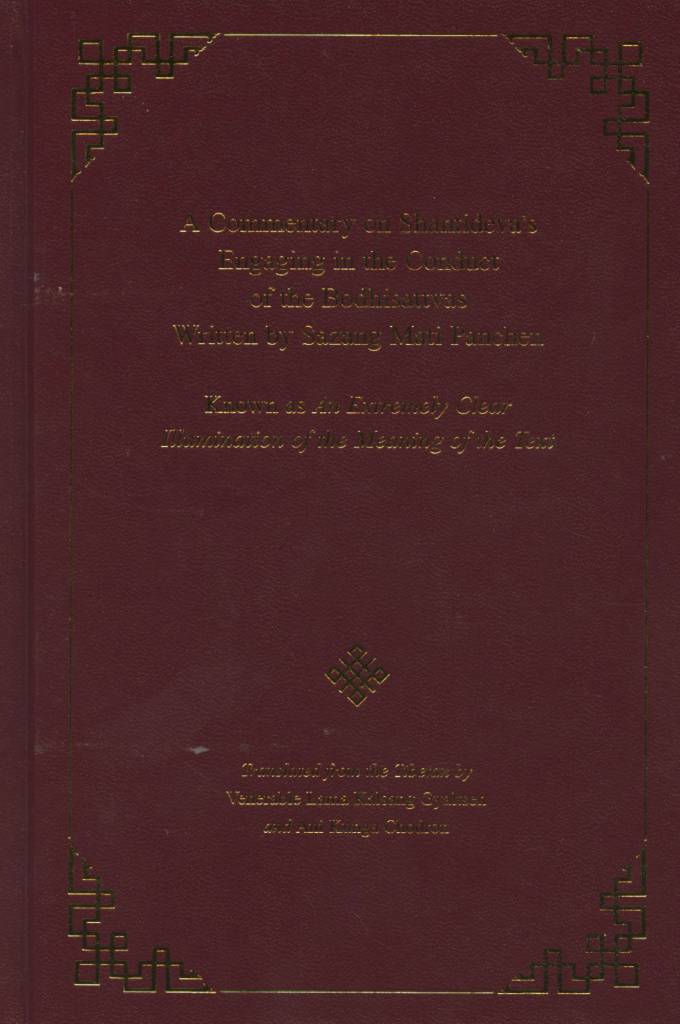
A Commentary on Shantideva's Engaging in the Conduct of the Bodhisattvas (citation)Gyaltsen, Lama Kalsang, and Ani Kunga Chodron, trans. A Commentary on Shantideva's Engaging in the Conduct of the Bodhisattvas Written by Sazang Mati Panchen: Known as An Extremely Clear Illumination of the Meaning of the Text. Walden, NY: Tsechen Kunchab Ling, 2019. Bilingual Edition

(གཉིས་པ་)དབང་པོ་ལས་མཆོག་ཏུ་འགྱུར་ཚུལ་ནི།

2. How one is more exalted than the king of gods 1.2.2.2.2.2.2.2

ཁང་སྟོང་ཤིང་དྲུང་ཕུག་དག་ཏུ། །

གང་དུ་ཇི་སྲིད་འདོད་གནས་ཤིང་། ། ཡོངས་འཛིན་སྲུང་བའི་སྡུག་བསྔལ་སྤངས། །

ལྟོས་པ་མེད་པར་བག་ཡངས་སྤྱོད། །

khang stong shing drung phug dag tu/_/

gang du ji srid 'dod gnas shing /_/ yongs 'dzin srung ba'i sdug bsngal spangs/_/

ltos pa med par bag yangs spyod/_/

Dwell in empty houses, trees, and caves.

As long as desired. Abandoning the struggle to guard belongings,

Enjoying the freedom of not relying on others.

བདག་པོས་མ་བཟུང་བའི་ཁང་སྟོང་དང་ཤིང་དྲུང་ཡིད་དུ་འོང་བ་དང༌། ཕུག་ཟབ་མོ་ལ་སོགས་པ་དག་ཏུ༵་གཞི་གང་རུང་དུ་རང་ཉིད་ཇི་སྲིད་སྡོད་པར་འདོད་ཀྱི་བར་དུ་གནས་ཤི༵ང༌། འདོད་ཡོན་ཡོངས་སུ་འཛིན་པ་དང་དེ་ལ་གནོད་པ་སྲུང་བའི་སྡུག་བསྔལ་ཐམས་ཅད་སྤ༵ངས་ཏེ། སུ་ལ་ཡང་རེ་བ་དང་ལྟོས་པ་མེད་པར་བག་ཡངས་སུ་སྤྱོ༵ད་པས་གཞན་གྱི་དྲི་ངལ་མི་འཇོག་པར་

One may dwell as long as desired in an empty house owned by no one, under a tree in an enticing forest, a deep cave or other place. There, all sufferings of clinging to the objects of desire and material things are abandoned as well as the need to guard them from harm. Feelings of hope, fear, and dependence on others are unnecessary as one dwells freely and flexibly without relying on others.
Gyaltsap Je (1364 - 1432)
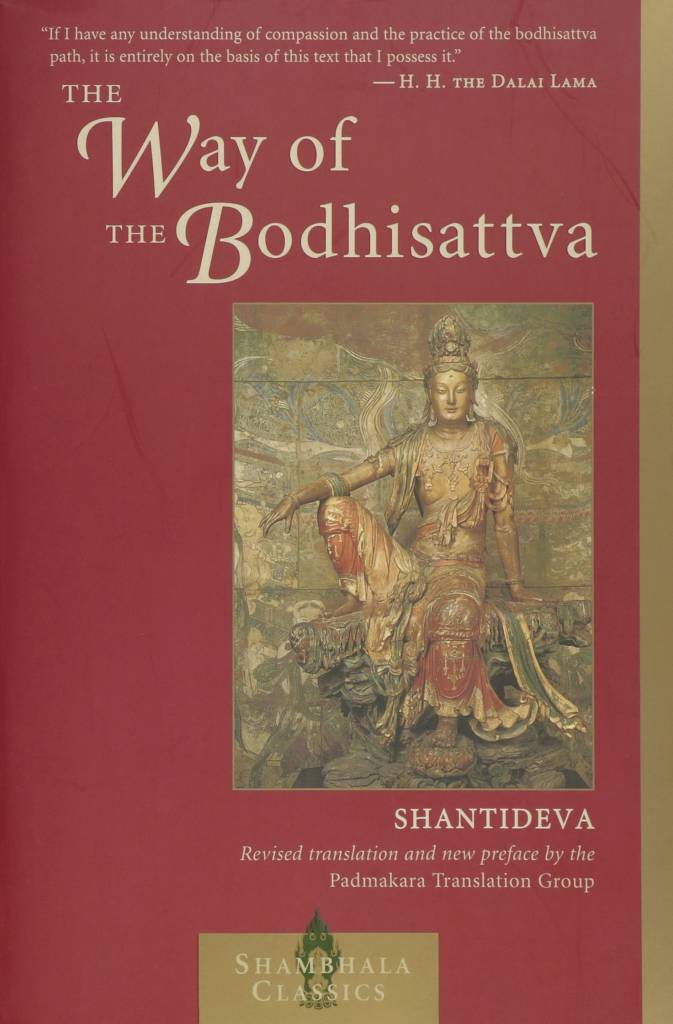
The Entrance for the Children of the Conquerors (citation)Stracke, Fedor, trans. The Entrance for the Children of the Conquerors: A Commentary on the Introduction to the Actions of Bodhisattvas. By Gyaltsab Rinpoche. N.p.: Happy Monks Publication, 2016. https://happymonkspublication.org/product/bodhisattvacharyavatara-chapter-1-10-commentary/. Bilingual Edition

གཉིས་པ་ནི།

The Quality of Independence 1.1.2.2.1.3.2.2.5.2.2

ཁང་སྟོང་ཤིང་དྲུང་ཕུག་དག་ཏུ། །

གང་དུ་ཇི་སྲིད་འདོད་གནས་ཤིང་། ། ཡོངས་འཛིན་སྲུང་བའི་སྡུག་བསྔལ་སྤངས། །

ལྟོས་པ་མེད་པར་བག་ཡངས་སྤྱོད། །
khang stong shing drung phug dag tu/_/

gang du ji srid 'dod gnas shing /_/ yongs 'dzin srung ba'i sdug bsngal spangs/_/

ltos pa med par bag yangs spyod/_/

Abiding as one wishes

In empty houses, at the foot of trees and caves, Abandoning the suffering of keeping,

Enjoying without care and independently.

སྐྱེ་བོ་གཞན་མེད་པའི་ཁང་སྟོང་དང་། ཤིང་དྲུང་དང་། རི་ཕུག་དག་ཏུ་གནས་ནས་གང་དུ་ཇི་སྲིད་སྡོད་འདོད་པ་དེ་སྲིད་དུ་[p.313]Spyod 'jug rtsa 'grel (Mtsho sngon mi rigs dpe skrun khang 2001)
Śāntideva, and Rgyal tshab rje dar ma rin chen. Spyod 'jug rtsa 'grel and Byang chub sems dpa'i spyod pa la 'jug pa'i rnam bshad rgyal sras 'jug ngogs. Xining: Mtsho sngon mi rigs dpe skrun khang, 2001
གནས་ཤིང་ཡོ་བྱད་མང་བོ་ཡོངས་སུ་འཛིན་པ་དང་། དེ་དག་མི་ཉམས་པར་བསྲུང་བའི་སྡུག་བསྔལ་སྤངས་ཏེ། རེ་དོགས་ཀྱི་ལྟོས་པ་མེད་པར་བག་ཡངས་སུ་སྤྱོད་པས་གནས་པའོ། །

Abiding in houses abandoned by others, at the foot of trees and caves for as long as one wishes, abandoning the suffering of keeping and protecting many possessions. They abide carefree, independently from fears and worries.
Minyak Kunzang Sönam (1823 - 1905)
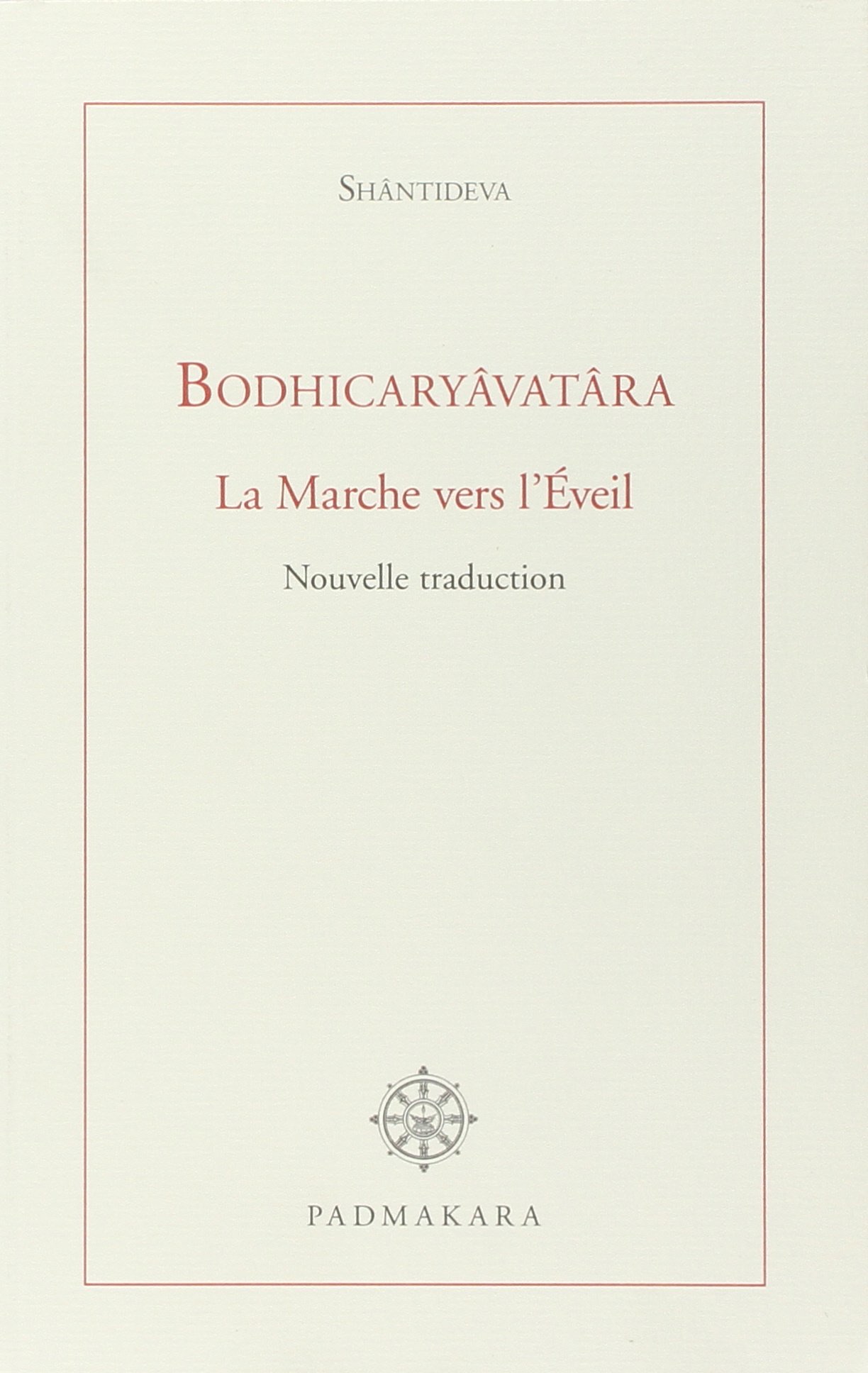
The Great Hūṃ (citation)Duckworth, Douglas, trans. The Great Hūṃ: A Commentary on Śāntideva's Way of the Bodhisattva. By Minyak Kunzang Sönam. New York, NY: Wisdom Publications, 2025. Bilingual Edition

བདེ་བའི་ཁྱད་པར་དབང་པོ་ལས་ཀྱང་ལྷག་པ་ནི།

Next it shows that the quality of happiness exceeds that of Indra:

ཁང་སྟོང་ཤིང་དྲུང་ཕུག་དག་ཏུ། །

གང་དུ་ཇི་སྲིད་འདོད་གནས་ཤིང་། ། ཡོངས་འཛིན་སྲུང་བའི་སྡུག་བསྔལ་སྤངས། །

ལྟོས་པ་མེད་པར་བག་ཡངས་སྤྱོད། །
Staying as long as one wishes in an empty house,

at the foot of a tree, or in a cave, the suffering of protecting and holding is left behind—

without depending on anyone, living is carefree. (8.87)

དེར་ཡོ་བྱད་ཀྱིས་ཕོངས་པས་ཉོན་མོངས་པར་མི་འགྱུར་རམ་སྙམ་ན། བདག་པོ་མེད་པའི་ཁང་སྟོང་དང་ཤིང་དྲུང་བདེ་བ་དང་ས་ཕུག་དང་བྲག་སྐྱིབས་སོགས་ཀྱི་གནས་ཡིད་དུ་འོང་བ་དག་ཏུ་སྡོད་ཉམས་སྤྲོ་ཞིང་བདེ་བའི་ཕྱོགས་གང་ཡང་རུང་བའི་གཞི་དེ་ཉིད་དུ་གནས་མལ་བཅས་ཏེ་རང་ཇི་སྲིད་སྡོད་པར་འདོད་ཀྱི་བར་དེ་སྲིད་དུ་གནས་ཤིང༌། འདོད་ཡོན་གྱི་ཉེར་སྤྱོད་མང་པོ་ཡོངས་སུ་འཛིན་པ་དང་དེ་དག་ཆུད་འཛའ་བའི་རྐྱེན་རྣམས་ལས་བསྲུང་བའི་སྡུག་བསྔལ་ཐམས་ཅད་སྤངས་ཏེ་སུ་གང་ལ་ཡང་རེ་དོགས་ཀྱི་ལྟོས་པ་མེད་པར་བག་ཡངས་སུ་ཅི་དགར་སྤྱོད་པས་གནས་པར་བྱེད་པ་དང་།

You might think, “Won’t I become disturbed by the lack of provisions there?” Residing in all sorts of beautiful places—like an abandoned house, at the base of a comfortable tree, in a cave, or under an overhang; you can stay as long as you wish, dwelling in these delightful and pleasant locations. You leave behind all of the suffering of holding onto a lot of possessions to gratify sensory desires and all of the suffering of protecting them so that they are not lost. Without the hopes or fears of depending upon anyone, you can remain there carefree, doing as you please.

གནས་དང་ཡོ་བྱད་སོགས་ལ་ཇི་ལྟར་འདོད་པ་བཞིན་དུ་རང་དབང་ཉིད་[p.525]Byang chub sems dpa'i spyod pa la 'jug pa'i 'grel bshad rgyal sras rgya mtsho'i yon tan rin po che mi zad 'jo ba'i bum bzang
Mi nyag kun bzang bsod nams (མི་ཉག་ཀུན་བཟང་བསོད་ནམས་). byang chub sems dpa'i spyod pa la 'jug pa'i 'grel bshad rgyal sras rgya mtsho'i yon tan rin po che mi zad 'jo ba'i bum bzang [བྱང་ཆུབ་སེམས་དཔའི་སྤྱོད་པ་ལ་འཇུག་པའི་འགྲེལ་བཤད་རྒྱལ་སྲས་རྒྱ་མཚོའི་ཡོན་ཏན་རིན་པོ་ཆེ་མི་ཟད་འཇོ་བའི་བུམ་བཟང།]. [Excellent Vase That Spills Forth an Ocean of the Inexhaustible and Precious Qualities of the Victor's Heirs: An Explanation of the "Way of the Bodhisattva."].
དུ་ལོངས་སྤྱོད་ཅིང་དེར་གནས་པའམ་གཞན་དུ་འགྲོ་བའི་ཚེ་ཡང་དེ་དག་ཅི་ལའང་ཆགས་ཤིང་ཞེན་པ་མེད་ལ། གདུལ་རྒྱུའི་དགྲ་སྐྱོད་རྒྱུའི་གཉེན་ཕར་ལྟོས་དཔོན་ཚུར་ལྟོས་གཡོག་སོགས་གང་དང་ཡང་ནི་འབྲེལ་བ་མེད་པར་བྱས་ནས་ཟས་གོས་གནས་མལ་སོགས་ངན་ངོན་ཙམ་གྱིས་འཚོ་ནུས་པའི་ཆོག་ཤེས་ཀྱི་བདེ་དགའི་དཔལ་ལ་སྤྱོད་པ་གང་ཡིན་པ་དེ་ནི་ལྷའི་དབང་པོས་ཀྱང་རྙེད་དཀའ་ལ་དེ་བཞིན་དུ་ཡུལ་མཉན་ཡོད་ཀྱི་རྒྱལ་པོ་གསལ་རྒྱལ་ལྟ་བུའི་མིའི་དབང་པོས་ཀྱང་ནི་རྙེད་ཤིན་ཏུ་དཀའ་སྟེ་དབུལ་པོ་དེས་པས་ཇི་སྐད་བརྗོད་པ་བཞིན་ནོ། །དེ་ལྟར་ལྷ་མིའི་དབང་ཕྱུག་ཆེན་པོ་རྣམས་ཀྱི་དཔལ་འབྱོར་ལས་ལྷག་ཅིང་རྙེད་དཀའ་ཚུལ་སློབ་སྤྲིང་ལས།

The place and provisions can be enjoyed freely by yourself, as you wish. While remaining there or when going to another place, there is no attachment or fixation to any of it. There are no relations with any enemies to tame nor any friends to please—no master or slave relations at all. You live there partaking of the glory of joy that is contentment, being able to live with the bare minimum of food, clothes, and bedding. This is difficult to find even[p.753]The Great Hum
Duckworth, Douglas, trans. The Great Hūṃ: A Commentary on Śāntideva's Way of the Bodhisattva. By Minyak Kunzang Sönam. New York, NY: Wisdom Publications, 2025.
for the king of gods. Likewise it was extremely hard to find even for someone like Prasenajit, the king of Śrāvastī and lord of humans, as it was stated in this way by the poor Surata.1379See Inquiry of Surata, 325a–326a; English trans. in Surata’s Questions, 84000.co reading room, 1.50–70. The way that this is harder and rarer to find than the wealth of the greatly powerful ones among gods and humans is stated in the Letter to a Student:

ཟླ་བའི་དཀྱིལ་འཁོར་རྒྱས་པས་ཉེ་བར་བརྒྱན་བྱས་ཤིང༌། །

རྐེད་ཆིངས་ཆར་ཆེན་སྤྲིན་གྱིས་འཁྲིགས་པས་འཁྱུད་གྱུར་པ། ། རི་རྩེ་ནགས་ཀྱི་མཐོངས་དེར་ཆགས་པ་མེད་པར་ནི། །

རླུང་ལྟར་བ་ཡོ་བའི་རང་བཞིན་ཚེ་གཏུགས་སྐལ་པ་ཆེ། །

The vast orb of the moon ornaments the sky;
a belt of rain clouds encircles a mountain peak.
In a clearing in the wilderness, there is no attachment.
When living life like the wind there, there is great fortune.

ནགས་མཐོངས་རི་དྭགས་རྒྱུ་བའི་ཚོགས་ཀྱིས་བསྟེན་བཅས་པ། །

ཀུན་ནས་ཉམས་དགའ་བཟང་པོ་དེར་ནི་སྐྱིད་པ་གང་། ། དེ་ཅི་དགའ་བའི་ནགས་ཚལ་ལྷ་མོའི་ཉམས་བག་ཏུ། །

ཐེལ་གྱིས་འབེབས་པའི་རྡོ་ལེབ་ཅན་ནའང་ཡོད་འགྱུར་རམ། །

With herds of deer grazing and sporting in a wild meadow,
there is happiness, complete and pure joy.
Is this also had in the pleasure groves
where flat rocks are as soft as the buttocks of goddesses?

ནགས་ཀླུང་ཆུ་གཙང་ངོགས་བདེའི་དབེན་པར་སྐྱིད་པ་གང་། །

དེ་ཅི་ལྷ་ཡི་བུ་མོ་དྲི་ཞིམ་བྱུགས་པ་ཡི། ། ལན་བུའི་རྒྱུན་དུ་ཐོགས་པའི་རྒྱུན་ལྡན་མེ་ཏོག་སོགས། །

མཛེས་པ་ཟིལ་གནོན་ལྷ་ཡི་བུ་ལའང་ཡོད་འགྱུར་རམ། །

There is happiness in solitude on the banks of a pure river in the wilderness;
there is the brilliance and beauty of continuous streams of flowers and so on
adorning the goddess’ braids perfumed with fragrant scents—
do the gods have this joy?1380Candragomin, Letter to a Student, vv. 68–70, 50a–b. The translation of this passage draws upon Hahn’s translation in Invitation to Enlightenment, 97–99.

ཞེས་དང་། སློབ་དཔོན་ས་འཚོ་སྦྱིན་གྱིས་ཀྱང༌།

The master Gopadatta said:

ཤིང་དྲུང་འབབ་ཆུ་བསྟེན་པའི་དཀའ་ཐུབ་དག །

ཡོངས་སུ་འཛིན་པ་དག་ནི་རྣམ་པར་སྤངས་ནས། ། རང་སེམས་ཙམ་དང་རང་ཏུ་འབྲལ་བ་ཡིས། །

བདེ་འབྱུང་གང་དེ་རྒྱལ་པོ་རྣམས་ལའང་མེད། །

Ascetics who remain at the foot of trees and by rivers
relinquish clinging. [493]
Connected to just their own minds,
they experience happiness that even kings do not have.1381Gopadatta, Talk of Solitude (Vivekakathā, D. 4171), 193b.

ཅེས་སོགས་གསུངས། ཆོག་ཤེས་ལྡན་པས་ནི་དབེན་པའི་གནས་སུ་ཡང་འཚོ་བ་ཚོལ་མི་དཀའ་ཞིང་རྙེད་སླ་སྟེ། སྐྱེས་རབས་ལས།

With contentment, it is not difficult to seek out sustenance in a solitary place; it is easy to find. The Birth Stories says:

ཆོག་ཤེས་ངེས་པའི་བདག་ཉིད་ཀྱིས། །

འཚོ་བ་གང་ནའང་བཙལ་མི་དཀའ། ། རྩྭ་དང་ལོ་མ་ཆུ་ཡི་གནས། ། གང་ནའང་མེད་པ་མ་ཡིན་ནོ། །ཞེས་དང༌། ནགས་ཚལ་གནས་ལ་ཆོག་ཤེས་པ། །

ཡོན་ཏན་རྒྱན་གྱི་མཆོག་ཡིན་ནོ། །

Those with certain contentment
do not have difficulty in search of sustenance.
In places with grass, leaves, and water
there is nowhere where it is not found . . .[p.754]The Great Hum
Duckworth, Douglas, trans. The Great Hūṃ: A Commentary on Śāntideva's Way of the Bodhisattva. By Minyak Kunzang Sönam. New York, NY: Wisdom Publications, 2025.

Contentment while remaining in the wilderness
is the supreme ornament of good qualities.1382Āryaśūra, Garland of Birth Stories, no. 7, 21b; English trans. in Kharoche, Once the Buddha Was a Monkey, 41.

ཞེས་དང༌། ཀླུ་སྒྲུབ་ཀྱིས།

And Nāgārjuna said:

ཚོད་མ་དག་དང་རྡུལ་མེད་པའི། །

ཆུ་ཡི་དགོན་པ་གང་ནའང་ཡོད། ། ཟླ་བ་ཐུན་མོང་མར་མེ་ཡིན། །

འབྱོར་ང་དག་གིས་ཅི་ཞིག་བྱ། །

In a remote place where there are
vegetables and clean water,
the moon is a light for all—
what need is there for wealth?1383Nāgārjuna, Staff of Wisdom, v. 116, 107b.

ཞེས་གསུངས། གཞན་ཡང་བྱང་སེམས་དགོན་པའི་གནས་སུ་འགྲོ་བར་ཕྱོགས་པ་ཙམ་ལའང༌། ཕན་ཡོན་ཁྱད་པར་དུ་འཕགས་པ་འབྱུང་སྟེ། ཟླ་བ་སྒྲོན་མེར།

Moreover, just turning to go toward a remote place with the spirit of awakening brings exceptional benefits. The Moon Lamp Sūtra says:

རབ་ཏུ་བྱུང་ནས་ཆོས་སྤྱོད་ཅི་འདྲ་བར། །

ཟས་དང་སྐོམ་དང་དེ་བཞིན་གོས་རྣམས་དང༌། ། མེ་ཏོག་སྤོས་དང་ཕྲེང་བ་རྣམས་ཀྱིས་ནི། །

ཁྱུ་མཆོག་རྒྱལ་བ་བསྙེན་བཀུར་བྱས་མི་འགྱུར། །[p.526]Byang chub sems dpa'i spyod pa la 'jug pa'i 'grel bshad rgyal sras rgya mtsho'i yon tan rin po che mi zad 'jo ba'i bum bzang
Mi nyag kun bzang bsod nams (མི་ཉག་ཀུན་བཟང་བསོད་ནམས་). byang chub sems dpa'i spyod pa la 'jug pa'i 'grel bshad rgyal sras rgya mtsho'i yon tan rin po che mi zad 'jo ba'i bum bzang [བྱང་ཆུབ་སེམས་དཔའི་སྤྱོད་པ་ལ་འཇུག་པའི་འགྲེལ་བཤད་རྒྱལ་སྲས་རྒྱ་མཚོའི་ཡོན་ཏན་རིན་པོ་ཆེ་མི་ཟད་འཇོ་བའི་བུམ་བཟང།]. [Excellent Vase That Spills Forth an Ocean of the Inexhaustible and Precious Qualities of the Victor's Heirs: An Explanation of the "Way of the Bodhisattva."].

After renouncing, they do a Dharma practice
that does not serve the supreme of all, the Victor,
with food, drink, and clothing,
or with flowers, incense, and garlands.

གང་ཞིག་བྱང་ཆུབ་རབ་ཏུ་འདོད་བྱེད་ཅིང་། །

འདུས་བྱས་ངན་པས་ཡིད་འབྱུང་སེམས་ཅན་གྱི། ། དོན་དུ་དགོན་པར་ཕྱོགས་ཏེ་གོམ་བདུན་བོར། །

འདི་ནི་དེ་བས་བསོད་ནམས་ཁྱད་པར་འཕགས། །

Those who, with a strong wish for awakening—
and disenchanted with negative, conditioned phenomena—
take seven steps toward a remote place for the benefit of beings
get exceptional merit from this.1384King of Meditative Stabilizations Sūtra, 5.28, 26b. Cited in Śāntideva, Anthology of Training, 108b; English trans. in Goodman, The Training Anthology of Śāntideva, 190.

ཞེས་སོ། །དབེན་པའི་ཡོན་ཏན་ལན་གཉིས་བཤད་པས་ཟློས་སོ་སྙམ་ན། སྔར་དབེན་པའི་ཡོན་ཏན་བཤད་པ་ནི་ལུས་དབེན་སྒྲུབ་པའི་ཕྱིར་དེར་འགྲོ་བར་རིགས་པ་དང་དེར་བྱང་ཆུབ་ཀྱི་སེམས་སྒོམ་རིགས་པ་བསྟན་ལ། འདིར་དབེན་པའི་གནས་དེར་སེམས་དབེན་པའི་ཡོན་ཏན་འབྱུང་ཚུལ་བསྟན་པ་ཡིན་པས་མི་ཟློས་ཞེས་བླ་མ་སྔ་མ་དག་གསུང་བར་བཤད་དོ། །

You might think, “The text speaks of the qualities of solitude twice, so it is redundant.” Past teachers have said that it is not redundant because the earlier description of the qualities of solitude shows that it makes sense to go there in order to achieve physical isolation, and that it makes sense to cultivate the spirit of awakening there. Here it shows how the qualities of mental isolation arise in a solitary place.
Kunzang Palden (1862 - 1943)
The Nectar of Manjushri's Speech (citation)Blankleder, Helena, and Wulstan Fletcher (Padmakara Translation Group), trans. The Nectar of Manjushri's Speech: A Detailed Commentary on Shantideva's Way of the Bodhisattva. By Kunzang Pelden. Boston: Shambhala Publications, 2007. Bilingual Edition

ཁང་སྟོང་ཤིང་དྲུང་ཕུག་དག་ཏུ། །

གང་དུ་ཇི་སྲིད་འདོད་གནས་ཤིང་། ། ཡོངས་འཛིན་སྲུང་བའི་སྡུག་བསྔལ་སྤངས། །

ལྟོས་པ་མེད་པར་བག་ཡངས་སྤྱོད། །

khang stong shing drung phug dag tu/_/

gang du ji srid 'dod gnas shing /_/ yongs 'dzin srung ba'i sdug bsngal spangs/_/

ltos pa med par bag yangs spyod/_/

གཞན་གྱིས་བདག་དུ་མ་བཟུང་བའི་ཁང་སྟོང་དང་ཤིང་དྲུང་ཡིད་དུ་འོང་བ་དང་ཕུག་བ་བཟང་པོ་ཉམས་དགའ་བ་དག་ཏུ་གཞི་གང་དུ་རང་ལོ་ཟླ་ལ་སོགས་པ་ཇི་སྲིད་སྡོད་པར་འདོད་པའི་བར་དུ་གནས་ཤིང་གནས་དང་ལོངས་སྤྱོད་ལ་ཡོངས་སུ་འཛིན་པ་དང་བསྲུང་བའི་སྡུག་བསྔལ་ཐམས་ཅད་སྤངས་ཏེ། མཐོན་པོའི་ངོ་བསྲུང་དང་དམའ་མོ་སྐྱོང་ཐབས་ཕན་འདོགས་ཀྱི་རེ་བ་དང་གནོད་བསྐྱལ་གྱི་དོགས་པ་སོགས་སུ་ལའང་རེ་ཞིང་ལྟོས་པ་མེད་པར་ཉམས་དགའ་བག་ཡངས་སུ་སྤྱོད་ལ་འགྲོ་འདུག་ལ་སོགས་པ་

In caves, beneath the trees, in houses left abandoned,

May we linger long as we might wish. Relinquishing the pain of guarding our possessions,

Let us live in freedom, unconfined by cares.

And therefore, says Shantideva, may we linger as long as we may wish—months and years—in pleasant caves, beneath the beautiful trees, in abandoned dwellings no longer claimed by anyone. May we give up the troubles that come from the preoccupation of houses and possessions[p.281]The Nectar of Manjushri's Speech
Blankleder, Helena, and Wulstan Fletcher (Padmakara Translation Group), trans. The Nectar of Manjushri's Speech: A Detailed Commentary on Shantideva's Way of the Bodhisattva. By Kunzang Pelden. Boston: Shambhala Publications, 2010.
of our own. May we live in freedom, unconfined by cares, with no need to curry favor with those in high position or to protect friends and those lower down the social scale—hoping for advantage and fearing adversity.


[edit]
[edit]