Bodhicaryāvatāra · Verse 8.6


Sources:    

Sanskrit §No information about the source used.

अपश्यन्नरतिं याति समाधौ न च तिष्ठति। न च तृप्यति दृष्ट्वापि पूर्ववद्बाध्यते तृषा॥

 
Chanted Verse
Recitation by Professor Kashinath Nyaupane
6

For as long as one does not see the object of one's love, one will find no rest, and thus will not be able to establish concentration. But even if one does see the object of one’s love, one is never sated, and thirst continues to oppress him as before.

Standard Tibetan §Padmakara used the 1990 edition printed by si khron mi rigs dpe skrun khang: Byang chub sems dpa'i spyod pa la 'jug pa rtsa ba dang 'grel pa (1990). Also found in Derge Tengyur D3871, dbu ma, vol. 105, la 1b1–40a7.

མ་མཐོང་ནི་དགར་མི་འགྱུར། །

ཡིད་ཀྱང་མཉམ་འཇོག་མི་འགྱུར་ལ། ། མཐོང་ཡང་ངོམས་པར་མི་འགྱུར་བས། །

སྔར་བཞིན་སྲེད་པས་གདུང་བར་འགྱུར། །

 
Chanted Verse
Recitation by Lopen Karma Phuntsho
6

Not seeing them, their minds will have no joy,

They therefore will not rest in equanimity. But even if they see them, they are not content—

And as before, the pain of longing stays.

Standard Tibetan §Padmakara used the 1990 edition printed by si khron mi rigs dpe skrun khang: Byang chub sems dpa'i spyod pa la 'jug pa rtsa ba dang 'grel pa (1990). Also found in Derge Tengyur D3871, dbu ma, vol. 105, la 1b1–40a7. - Other translations

S’il ne les voit pas, il ne sera pas heureux

Et son esprit ne pourra pas rester posé. S’il les voit, il ne s’en rassasiera point

Et retombera dans les tourments de la soif.

Si no los ven no estarán contentos,

por lo que no podrán descansar en ecuanimidad. Aunque los vean tampoco estarán satisfechos,

pues como antes, estará presente el dolor del anhelo.

La Práctica del Bodisatva-front.jpg
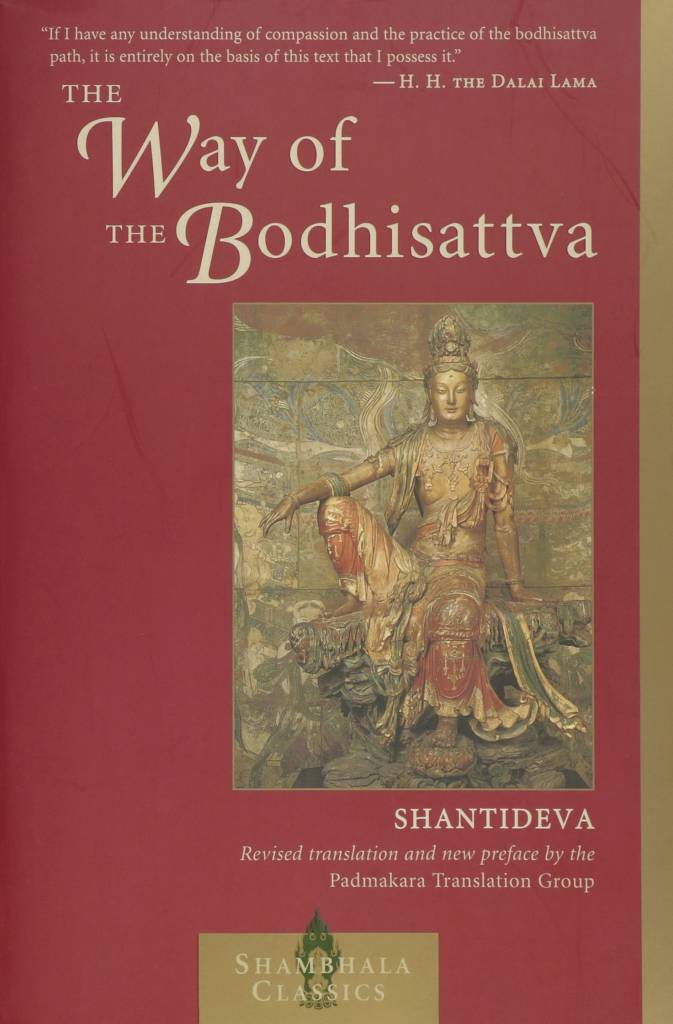
Padmakara Spain 2008

Not seeing it, one will not have joy, And the mind will not enter equipoise.

Although seeing it, one is not satisfied And will be miserable due to craving as before.

When not seen, joy is not experienced.

The mind does not experience equipoise. When seen, satisfaction does not arise,

And the torment ofcraving occurs as before.

shift + scroll / swipe
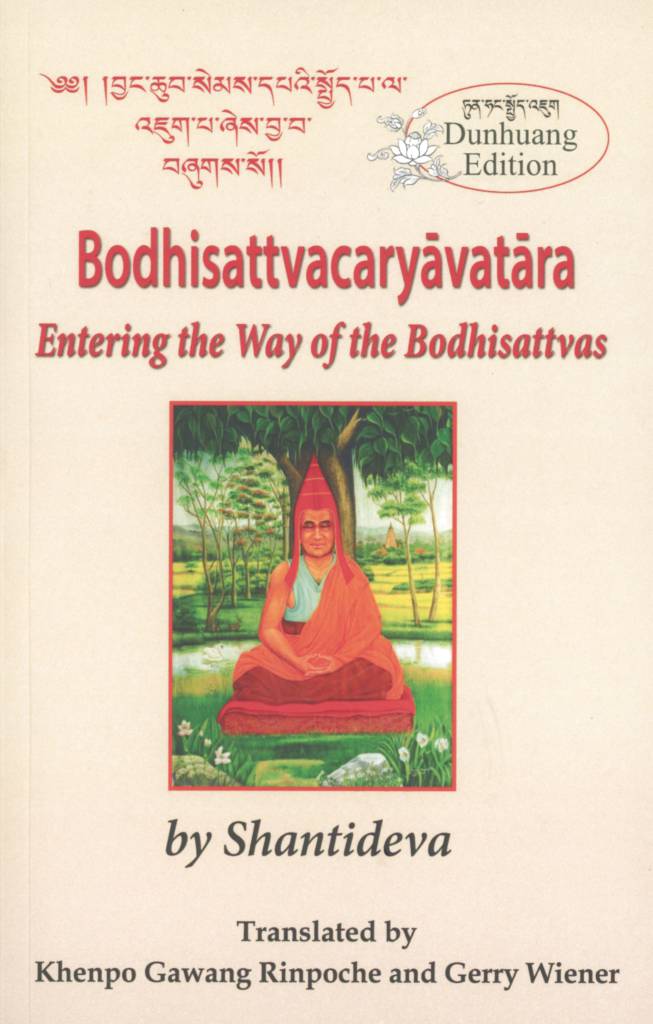
Dūnhuáng §This version is extracted from the book Bodhisattvacaryāvatāra: Entering the Way of the Bodhisattvas (2022, Khenpo Gawang and Wiener), a translation of an edition of the text created from three Dūnhuáng manuscripts. A description and sample pages of these can be found on the Early Tibet Blog. Scans of the actual manuscripts themselves can be found at http://idp.bl.uk

མ་མཐོང་ན་ནི་དགའ་མི་འགྱུར། །

ཡིད་ཀྱང་མཉམ་འཇོག་མི་འགྱུར་ལ། ། མཐོང་ཡང་ངོམས་པར་མི་འགྱུར་བས། །

སྔ་བཞིན་སྲེད་པས་གདུང་བར་འགྱུར། །

alt verse 7.3 tm data
This version differs from it's counterparts.

If I don’t see them, I am unhappy,

And my mind won’t rest in meditative equipoise. Even seeing them, I won’t be content,

And as before, out of craving, I suffer torment.

Tsadra Critical Edition §This text was created by comparing four versions of the text from Derge, Cone, Narthang, and Peking Tengyurs from BDRC scans, along with Dunhuang manuscripts IOL Tib J 628, 629, and 630. When Tibetan readings were problematic, the Sanskrit texts from GRETIL and LTB (Oslo) were consulted.

མ་མཐོང་ན་ནི་དགར་མི་འགྱུར། །

ཡིད་ཀྱང་མཉམ་འཇོག་མི་འགྱུར་ལ། ། མཐོང་ཡང་ངོམས་པར་མི་འགྱུར་བས། །

སྔར་བཞིན་སྲེད་པས་གདུང་བར་འགྱུར། །

[edit]
Sazang Mati (1294 - 1376)
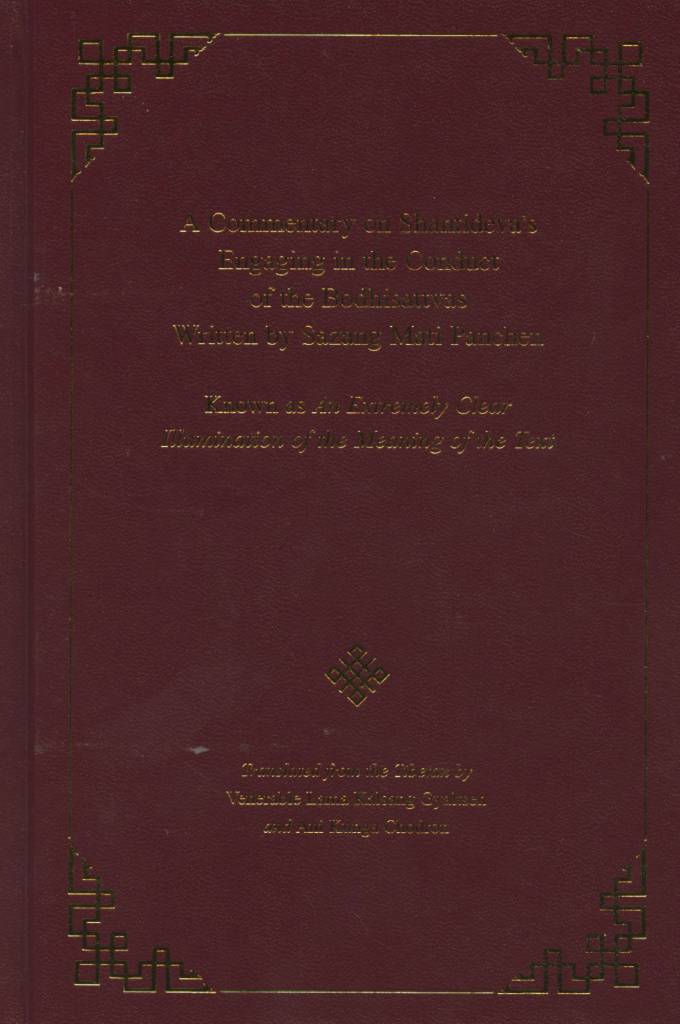
A Commentary on Shantideva's Engaging in the Conduct of the Bodhisattvas (citation)Gyaltsen, Lama Kalsang, and Ani Kunga Chodron, trans. A Commentary on Shantideva's Engaging in the Conduct of the Bodhisattvas Written by Sazang Mati Panchen: Known as An Extremely Clear Illumination of the Meaning of the Text. Walden, NY: Tsechen Kunchab Ling, 2019. Bilingual Edition

མ་མཐོང་ནི་དགར་མི་འགྱུར། །

ཡིད་ཀྱང་མཉམ་འཇོག་མི་འགྱུར་ལ། ། མཐོང་ཡང་ངོམས་པར་མི་འགྱུར་བས། །

སྔར་བཞིན་སྲེད་པས་གདུང་བར་འགྱུར། །

ma mthong ni dgar mi 'gyur/_/

yid kyang mnyam 'jog mi 'gyur la/_/ mthong yang ngoms par mi 'gyur bas/_/

sngar bzhin sred pas gdung bar 'gyur/_/

When not seen, joy is not experienced.

The mind does not experience equipoise. When seen, satisfaction does not arise,

And the torment ofcraving occurs as before.

ཡིད་དུ་འོང་བའི་དངོས་པོ་མ་མཐོང་ན་ནི་སེམས་དགའ་ཞིང་ཡིད་བདེ་བར་ཡང་མི་འགྱུ༵ར་ཏེ། མི་དགའ་བས་སེམས་འཁྲུགས་ན་ཡིད་ཀྱང་ནང་དུ་ཏིང་ངེ་འཛིན་ལ་མཉམ་པར་འཇོག་ཅིང་གནས་པར་མི་འགྱུར་ལ༵་གལ་ཏེ་སྡུག་ཅིང་ཡིད་དུ་འོང་བ་མཐོང་ཡང་དེ་ལ་ཆགས་པ་མ་སྤངས་ན་ངོམས་ཤིང་ཚིམ་པར་མི་འགྱུར་བ༵ས་སྔར་བཞིན་དུ་ཆགས་པ་དང་སྲེད་པས་སེམས་ཡོངས་སུ་གདུང་བར་འགྱུ༵ར་ཏེ། རྒྱ་ཆེ་རོལ་བར།

If the attractive object is not seen, the mind does not feel joy and happiness. If the mind is disturbed by lack of joy, it does not dwell in equipoise in inward samadhi. Even if the attractive and enticing object is seen, if attachment to it is not abandoned, satisfaction and contentment are never found, craving and attachment arise as before, and anxiety is experienced. The Avatamsaka Sutra states:[p.270]A Commentary on Shantideva's Engaging in the Conduct of the Bodhisattvas
Gyaltsen, Lama Kalsang, and Ani Kunga Chodron, trans. A Commentary on Shantideva's Engaging in the Conduct of the Bodhisattvas Written by Sazang Mati Panchen: Known as An Extremely Clear Illumination of the Meaning of the Text. Walden, NY: Tsechen Kunchab Ling, 2019. First edition published by The Yeshe Dorje Foundation in 2006.

འདོད་པའི་ཡོན་ཏན་དག་གིས་དགའ་བ་ནི། ། ལན་ཚྭའི་ཆུ་འཐུང་བཞིན་དུ་ངོམས་མི་འགྱུར། །

Enjoying the pleasures of desire does not bring satisfaction, like drinking salty water.

ཞེས་པ་ལྟར་རོ། །

Gyaltsap Je (1364 - 1432)
The Entrance for the Children of the Conquerors (citation)Stracke, Fedor, trans. The Entrance for the Children of the Conquerors: A Commentary on the Introduction to the Actions of Bodhisattvas. By Gyaltsab Rinpoche. N.p.: Happy Monks Publication, 2016. https://happymonkspublication.org/product/bodhisattvacharyavatara-chapter-1-10-commentary/. Bilingual Edition

གཉིས་པ་ནི།

Being Abused by the Sense Objects 1.1.2.1.2.2.1.1.2

མ་མཐོང་ནི་དགར་མི་འགྱུར། ། ཡིད་ཀྱང་མཉམ་འཇོག་མི་འགྱུར་ལ། །

ma mthong ni dgar mi 'gyur/_/ yid kyang mnyam 'jog mi 'gyur la/_/

Not seeing it, one will not have joy, And the mind will not enter equipoise.

ཡིད་དུ་འོང་བ་མ་མཐོང་བས་ཅིར་འགྱུར་ཞེ་ན་

Someone asks: “As one will not see anything attractive, how will it be?”

དེ་མ་མཐོང་ན་ནི་དགའ་བར་མི་འགྱུར་ཞིང་ཡིད་མི་བདེ་བས་སེམས་གཡེངས་ནས་ཡིད་ཀྱང་ཏིང་ངེ་འཛིན་ལ་མཉམ་པར་འཇོག་པར་མི་འགྱུར་ལ་བདེ་བ་ཐོབ་པར་མི་འགྱུར་རོ། །

Answer: If one does not see anything beautiful, one will not have joy. Since one’s mind will be unhappy, it will be distracted, it will not enter equipoise on concentration and one will not attain happiness.

གསུམ་པ་ནི།

Although Attaining It There Is No Knowledge of Contentment 1.1.2.1.2.2.1.1.3

མཐོང་ཡང་ངོམས་པར་མི་འགྱུར་བས། ། སྔར་བཞིན་སྲེད་པས་གདུང་བར་འགྱུར། །

mthong yang ngoms par mi 'gyur bas/_/ sngar bzhin sred pas gdung bar 'gyur/_/

Although seeing it, one is not satisfied And will be miserable due to craving as before.

མ་མཐོང་ནི་དགར་མི་འགྱུར། །

ཡིད་ཀྱང་མཉམ་འཇོག་མི་འགྱུར་ལ། ། མཐོང་ཡང་ངོམས་པར་མི་འགྱུར་བས། །

སྔར་བཞིན་སྲེད་པས་གདུང་བར་འགྱུར། །
ma mthong ni dgar mi 'gyur/_/

yid kyang mnyam 'jog mi 'gyur la/_/ mthong yang ngoms par mi 'gyur bas/_/

sngar bzhin sred pas gdung bar 'gyur/_/

Even if one sees the desired object, one is not satisfied due to craving. Due to craving one will be as miserable as before, when one did not see the desired object.
Minyak Kunzang Sönam (1823 - 1905)
The Great Hūṃ (citation)Duckworth, Douglas, trans. The Great Hūṃ: A Commentary on Śāntideva's Way of the Bodhisattva. By Minyak Kunzang Sönam. New York, NY: Wisdom Publications, 2025. Bilingual Edition

གཉིས་པ་ནང་སེམས་ཅན་གྱི་འཇིག་རྟེན་ལ་ཆགས་པ་སྤོང་བ་ནི།

Relinquishing attachment internally to beings of the world 8.1.3.1.1

On the problems of attachment to loved ones, next it shows the problems of not encountering desired objects:

མ་མཐོང་ནི་དགར་མི་འགྱུར། །

ཡིད་ཀྱང་མཉམ་འཇོག་མི་འགྱུར་ལ། ། མཐོང་ཡང་ངོམས་པར་མི་འགྱུར་བས། །

སྔར་བཞིན་སྲེད་པས་གདུང་བར་འགྱུར། །
When they do not see them, they become

sad and do not set their mind in equipoise. Even when seeing them, they are not satisfied,

and are tormented as before by craving. (8.6)

དེ་ཡང་གཉེན་བཤེས་ལ་ཆགས་པའི་ཉེས་དམིགས་ལ། འདོད་པའི་ཡུལ་དང་མི་འཕྲད་པ་སོགས་ཀྱི་ཉེས་པ་ནི།

རང་ཉིད་ཀྱང་མྱུར་དུ་འཆི་བར་འགྱུར་བའི་མི་རྟག་པ་སུ་ཞིག་མི་རྟག་ཅིང་མི་བརྟན་པའི་བུ་དང་ཆུང་མ་སོགས་ཀྱི་གཉེན་བཤེས་རྣམས་ལ་ཡང་དག་པར་ཆགས་པར་བྱེད་པ་ཡོད་དེ། དེ་དག་ལ་ཆགས་པའི་ཉེས་པ་དེས་ནི་ཚེ་འདི་ལ་སྡུག་བསྔལ་སྐྱེད་པར་མ་ཟད་འཁོར་བར་འཁོར་བའི་ཚེ་རབས་སྟོང་ཕྲག་དག་ཏུ་ཡང་ལས་ངན་པའི་རྣམ་སྨིན་གྱི་འབྲས་བུ་མི་འདོད་པ་ཁོ་ན་དང་འཕྲད་པར་འགྱུར་བ་ལས་སྡུག་པ་དང་ཡིད་དུ་འོང་པའི་འདོད་པའི་ཡུལ་མཐོང་བར་ནི་ཡོང་ཡེའམ་རྣམ་པ་ཀུན་ནས་མི་འགྱུར་ལ།

Those who are themselves impermanent and close to death are completely attached to their impermanent and unreliable loved ones, like sons and wives. The problems caused by attachment to them is not only the suffering that is brought on in this life but the exclusively unwanted effects encountered as the result of the maturation of negative actions in thousands of generations of wandering in cyclic existence. Thereby they will never see the objects they long for that are attractive and beloved.

ཆགས་པའི་ཡུལ་སྡུག་ཅིང་ཡིད་དུ་འོང་བ་མ་མཐོང་ཞིང་དེ་དང་མ་འཕྲད་ན་ནི་ཡིད་དགའ་བར་མི་འགྱུར་ཞིང་མི་དགའ་ཞིང་ཡིད་མི་བདེ་བས་རྒྱུད་འཁྲུགས་ཤིང་གཡེངས་པར་གྱུར་ན་ཡིད་ཀྱང་ནང་དུ་ཏིང་ངེ་འཛིན་ལ་མཉམ་པར་འཇོག་པར་མི་འགྱུར་ལ། བརྒྱ་ལ་འདོད་པའི་ཡུལ་སྡུག་ཅིང་ཡིད་དུ་འོང་བ་མཐོང་བར་གྱུར་ན་ཡང་དེས་ནམ་ཡང་ངོམས་ཤིང་ཆོག་པར་མི་འགྱུར་བས་སླར་ཡང་སྔར་མ་མཐོང་བའི་སྐབས་སུ་གསར་དུ་ཅི་ནས་ཀྱང་མཐོང་བར་འདོད་པ་དེ་བཞིན་དུ་སྲིད་པས་སེམས་ཡོངས་སུ་གདུང་བར་འགྱུར་བ་སོགས་ཀྱི་[p.477]Byang chub sems dpa'i spyod pa la 'jug pa'i 'grel bshad rgyal sras rgya mtsho'i yon tan rin po che mi zad 'jo ba'i bum bzang
Mi nyag kun bzang bsod nams (མི་ཉག་ཀུན་བཟང་བསོད་ནམས་). byang chub sems dpa'i spyod pa la 'jug pa'i 'grel bshad rgyal sras rgya mtsho'i yon tan rin po che mi zad 'jo ba'i bum bzang [བྱང་ཆུབ་སེམས་དཔའི་སྤྱོད་པ་ལ་འཇུག་པའི་འགྲེལ་བཤད་རྒྱལ་སྲས་རྒྱ་མཚོའི་ཡོན་ཏན་རིན་པོ་ཆེ་མི་ཟད་འཇོ་བའི་བུམ་བཟང།]. [Excellent Vase That Spills Forth an Ocean of the Inexhaustible and Precious Qualities of the Victor's Heirs: An Explanation of the "Way of the Bodhisattva."].
ཉེས་པ་སྐྱེད་པའི་ཕྱིར་རོ། །འདོད་ཡོན་གྱིས་མི་ངོམས་པ་ནི། རྒྱ་ཆེ་རོལ་བ་ལས།

When the attractive and beloved objects of attachment are not seen or encountered, it brings sadness and dejection, by which the mind is disturbed and distracted. When this happens one will not be able to set the mind internally in an equipoise of meditative stabilization. On the rare occasion when an attractive and beloved object that is longed for is seen, there is never satisfaction or contentment with this. Once again there is a time like before when it is longed to be seen anew. This is the way that existence completely torments the mind; it generates these kinds of faults. There is no satisfaction from sense objects, as the Vast Display says:

འདོད་པའི་ཡོན་ཏན་དག་གི་དགའ་བ་ནི། ། ལན་ཚའི་ཆུ་འཐུང་བཞིན་དུ་ངོམས་མི་འགྱུར། །ཞེས་སོ། །

Joy in the sense objects
does not bring satisfaction, like drinking salt water.1263Vast Display Sūtra, 37b.

Kunzang Palden (1862 - 1943)
The Nectar of Manjushri's Speech (citation)Blankleder, Helena, and Wulstan Fletcher (Padmakara Translation Group), trans. The Nectar of Manjushri's Speech: A Detailed Commentary on Shantideva's Way of the Bodhisattva. By Kunzang Pelden. Boston: Shambhala Publications, 2007. Bilingual Edition

མ་མཐོང་ནི་དགར་མི་འགྱུར། །

ཡིད་ཀྱང་མཉམ་འཇོག་མི་འགྱུར་ལ། ། མཐོང་ཡང་ངོམས་པར་མི་འགྱུར་བས། །

སྔར་བཞིན་སྲེད་པས་གདུང་བར་འགྱུར། །

ma mthong ni dgar mi 'gyur/_/

yid kyang mnyam 'jog mi 'gyur la/_/ mthong yang ngoms par mi 'gyur bas/_/

sngar bzhin sred pas gdung bar 'gyur/_/

གནས་སྐབས་སུ་ཡང་ཡིད་དུ་འོང་བའི་གྲོགས་དེ་མ་མཐོང་ན་ནི་དགར་ཏེ་ཡིད་དགའ་ཞིང་བདེ་བར་མི་འགྱུར་ཞིང་དེ་ལ་རྟོག་ཅིང་དཔྱོད་པས་སེམས་འཁྲུགས་པས་ཡིད་ཀྱང་ནང་དུ་ཏིང་ངེ་འཛིན་ལ་མཉམ་པར་འཇོག་ཅིང་གནས་པར་མི་འགྱུར་ལ། གལ་ཏེ་གྲོགས་དེ་མཐོང་ཞིང་འཕྲད་པར་གྱུར་ན་ཡང་ངོམས་ཤིང་ཚིམ་པར་མི་འགྱུར་བས་སྔར་བཞིན་དུ་དེ་ལ་ཆགས་ཤིང་སྲེད་པས་རང་སེམས་ཡོངས་སུ་གདུང་བར་འགྱུར་ཏེ། རྒྱལ་ཆེར་རོལ་པ་ལས།

Not seeing them, their minds will have no joy,

They therefore will not rest in equanimity. But even if they see them, they are not content—

And as before, the pain of longing stays.

Even when they are only temporarily separated from their beloved companions, they have no happiness of mind. Brooding upon their situation, they are disturbed and are incapable of remaining in a balanced, concentrated state. And even if they do meet and see their friends, they still find no satisfaction. For as before, they are made unhappy by their attachment and longing. As it is written in the Lalitavishtara-sutra:

འདོད་པའི་ཡོན་ཏན་དག་གིས་དགའ་བ་ནི། ། ལན་ཚྭའི་ཆུ་འཐུང་བཞིན་དུ་ངོམས་མི་འགྱུར།

Taking pleasure in the things you want,
Like drinking salty water, quenches no desire.


[edit]
[edit]