8.32

From Bodhicitta

Bodhicaryāvatāra · Verse 8.32


Sources:    

Sanskrit §No information about the source used.

एक उत्पद्यते जन्तुर्म्रियते चैक एव हि। नान्यस्य तद्व्यथाभागः किं प्रियैर्विघ्नकारकैः॥

 
Chanted Verse
Recitation by Professor Kashinath Nyaupane
33

Because the human being is born and dies alone, no one shares this pain. What good are loved ones, who are only an obstacle in the path?

Standard Tibetan §Padmakara used the 1990 edition printed by si khron mi rigs dpe skrun khang: Byang chub sems dpa'i spyod pa la 'jug pa rtsa ba dang 'grel pa (1990). Also found in Derge Tengyur D3871, dbu ma, vol. 105, la 1b1–40a7.

སྐྱེ་ན་གཅིག་པུ་སྐྱེ་འགྱུར་ཞིང་། །

འཆི་ནའང་དེ་ཉིད་གཅིག་འཆི་སྟེ། ། སྡུག་བསྔལ་སྐལ་གཞན་མི་ལེན་ན། །

གེགས་བྱེད་མཛའ་བས་ཅི་ཞིག་བྱ། །

 
Chanted Verse
Recitation by Lopen Karma Phuntsho
32

Alone we’re born, alone we come into the world,

And when we die, alone we pass away. No one shares our fate, and none our suffering.

What need have I of “friends” who hinder me?[p.114]The Way of the Bodhisattva (2006)
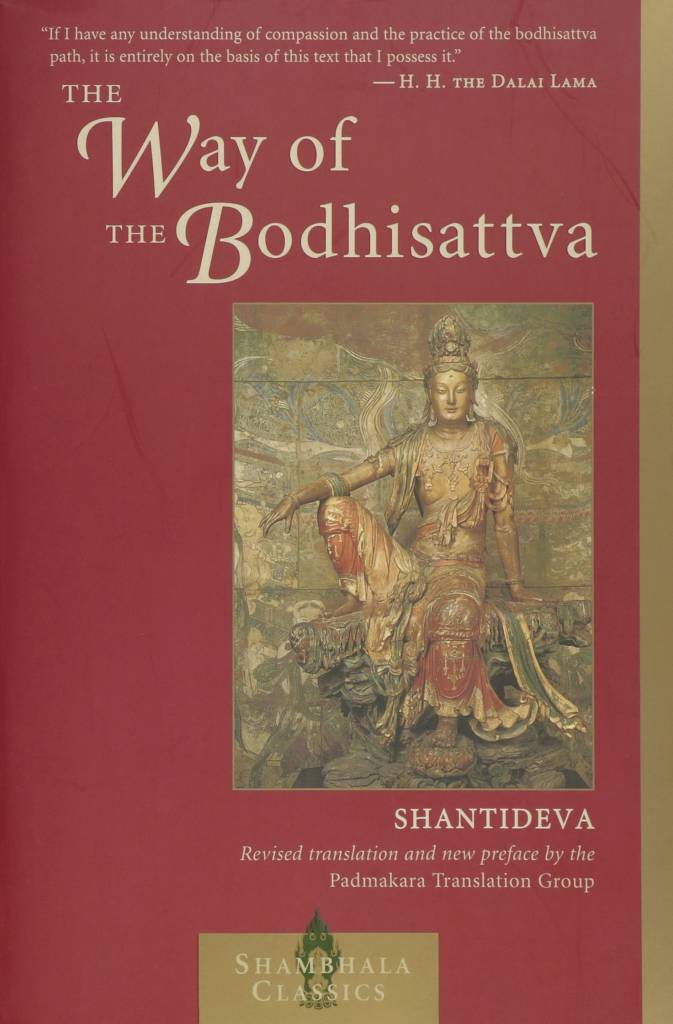
Blankleder, Helena, and Wulstan Fletcher (Padmakara Translation Group), trans. The Way of the Bodhisattva: A Translation of the Bodhicharyāvatāra. By Śāntideva. Rev. ed. Shambhala Classics. Boston: Shambhala Publications, 2006.

Standard Tibetan §Padmakara used the 1990 edition printed by si khron mi rigs dpe skrun khang: Byang chub sems dpa'i spyod pa la 'jug pa rtsa ba dang 'grel pa (1990). Also found in Derge Tengyur D3871, dbu ma, vol. 105, la 1b1–40a7. - Other translations

Nous sommes seuls quand nous naissons

Et seuls quand nous mourons. Si nul ne peut partager nos souffrances,

À quoi bon les amis qui nous entravent ?

Al nacer, solos venimos al mundo,

al morir, solos nos vamos. Nadie comparte nuestro sufrimiento.

¿Para qué necesitamos amigos que nos creen obstáculos?

La Práctica del Bodisatva-front.jpg
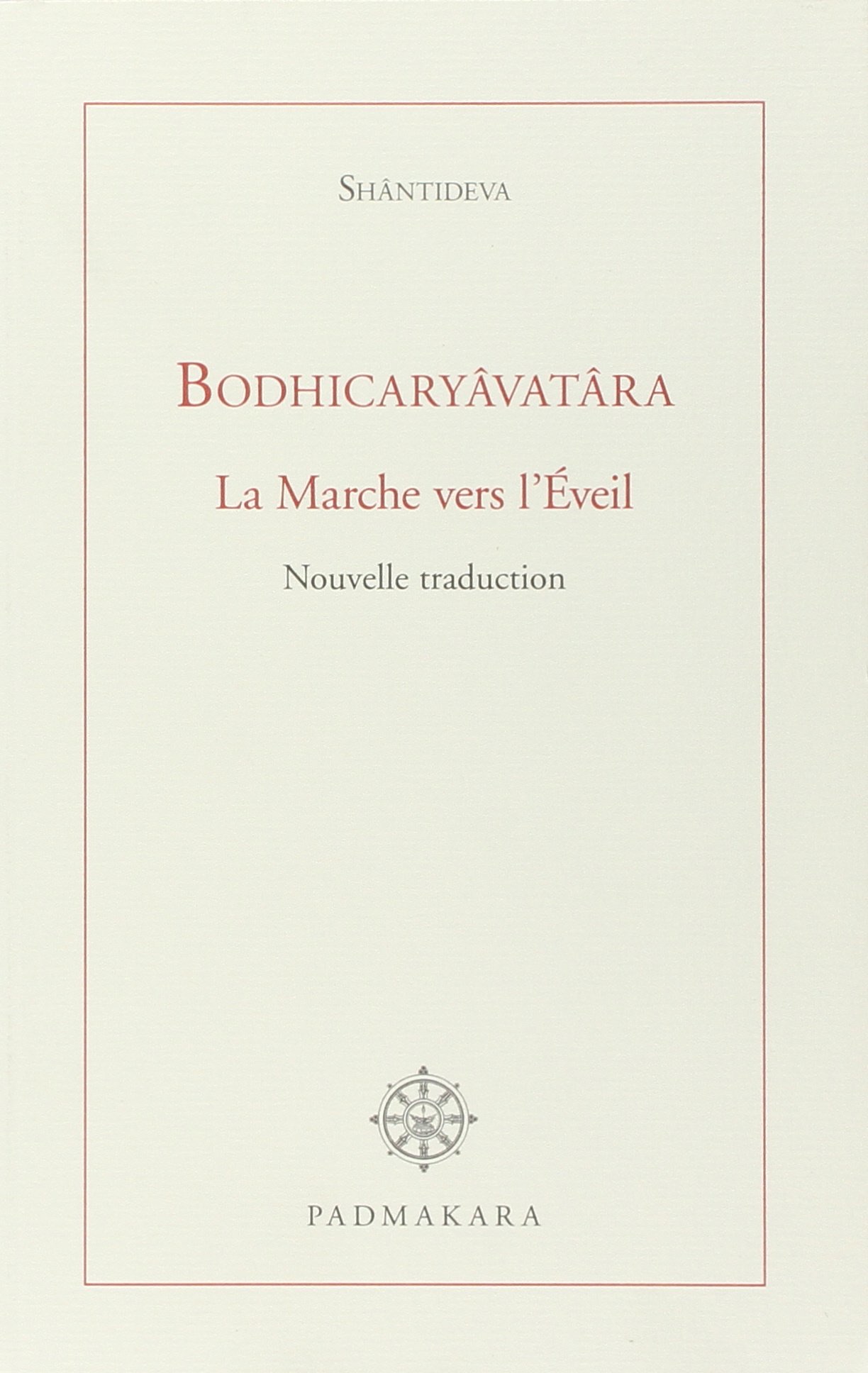
Padmakara Spain 2008

When one is born, one is born alone,

And when one dies, one dies alone. Since others will not take our fortune and luck,

What is there to do with obstructing friends?

At birth, one is born alone;

At death, one dies alone. If this portion of suffering cannot be shared with others,

What use is friendship, which causes only hindrance?

shift + scroll / swipe
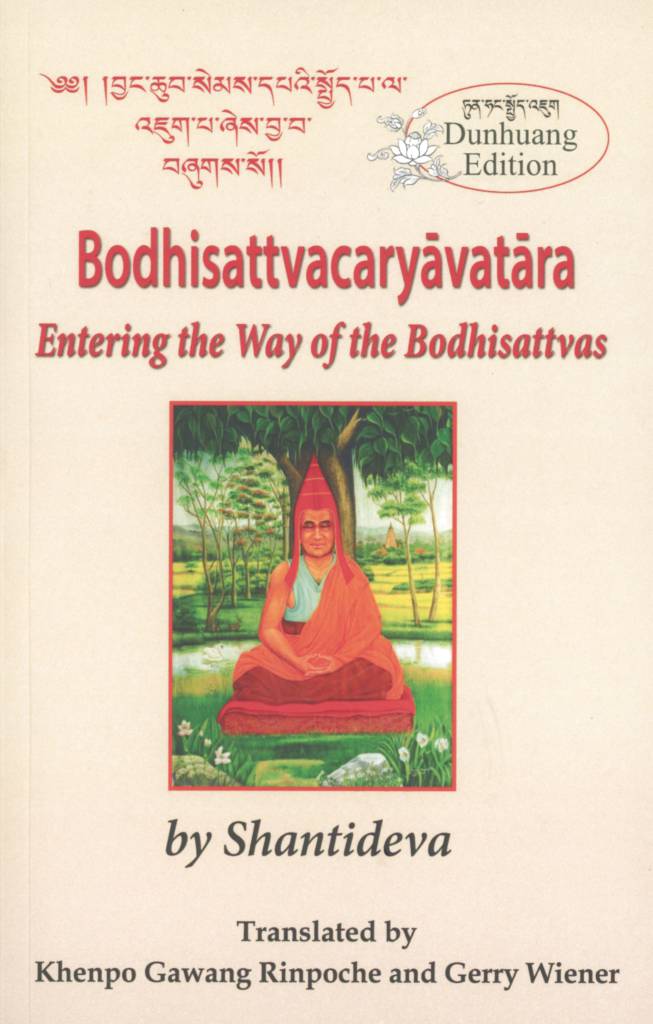
Dūnhuáng §This version is extracted from the book Bodhisattvacaryāvatāra: Entering the Way of the Bodhisattvas (2022, Khenpo Gawang and Wiener), a translation of an edition of the text created from three Dūnhuáng manuscripts. A description and sample pages of these can be found on the Early Tibet Blog. Scans of the actual manuscripts themselves can be found at http://idp.bl.uk

སྐྱེ་བོ་གཅིག་པུ་སྐྱེ་འགྱུར་ཞིང༌། །

འཆི་ནའང་དེ་ཉིད་གཅིག་འཆི་སྟེ། ། སྡུག་བསྔལ་སྐལ་གཞན་མི་ལེན་ན། །

བགེགས་བྱེད་མཛའ་བས་ཅི་ཞིག་བྱ། །

alt verse 7.28 tm data
This version differs from it's counterparts.

In this life we are born alone

And even when we die, we die alone. If no one else takes away part of our suffering,

What is the point of friends who create obstacles?

Tsadra Critical Edition §This text was created by comparing four versions of the text from Derge, Cone, Narthang, and Peking Tengyurs from BDRC scans, along with Dunhuang manuscripts IOL Tib J 628, 629, and 630. When Tibetan readings were problematic, the Sanskrit texts from GRETIL and LTB (Oslo) were consulted.

སྐྱེ་ན་གཅིག་པུ་སྐྱེ་འགྱུར་ཞིང་། །

འཆི་ནའང་དེ་ཉིད་གཅིག་འཆི་སྟེ། ། སྡུག་བསྔལ་སྐལ་གཞན་མི་ལེན་ན། །

གེགས་བྱེད་མཛའ་བས་ཅི་ཞིག་བྱ། །

[edit]
Sazang Mati (1294 - 1376)
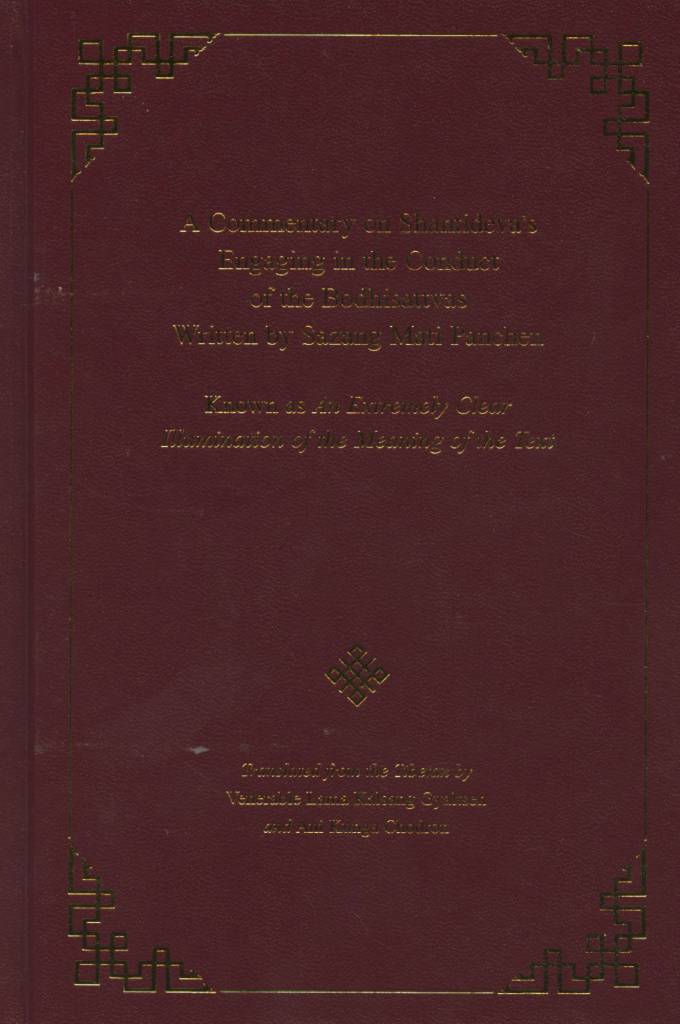
A Commentary on Shantideva's Engaging in the Conduct of the Bodhisattvas (citation)Gyaltsen, Lama Kalsang, and Ani Kunga Chodron, trans. A Commentary on Shantideva's Engaging in the Conduct of the Bodhisattvas Written by Sazang Mati Panchen: Known as An Extremely Clear Illumination of the Meaning of the Text. Walden, NY: Tsechen Kunchab Ling, 2019. Bilingual Edition

སྐྱེ་ན་གཅིག་པུ་སྐྱེ་འགྱུར་ཞིང་། །

འཆི་ནའང་དེ་ཉིད་གཅིག་འཆི་སྟེ། ། སྡུག་བསྔལ་སྐལ་གཞན་མི་ལེན་ན། །

གེགས་བྱེད་མཛའ་བས་ཅི་ཞིག་བྱ། །

skye na gcig pu skye 'gyur zhing /_/

'chi na'ang de nyid gcig 'chi ste/_/ sdug bsngal skal gzhan mi len na/_/

gegs byed mdza' bas ci zhig bya/_/

At birth, one is born alone;

At death, one dies alone. If this portion of suffering cannot be shared with others,

What use is friendship, which causes only hindrance?

དང་པོ་སྐྱེ་བ་ནའང་རང་ཉིད་གཅིག་པུར་སྐྱེ་བར་འགྱུར་ཞི༵ང་མཐར་འཆི་བ་ནའང་དེ་ཉིད་གཅིག་པུར་འཆི་བར་འགྱུར་ཏེ༵། བདག་གི་སྡུག་བསྔལ་མྱོང་བའི་སྐལ་བ་ནི་གཞན་བུ་དང་ཆུང་མ་ལ་སོགས་པས་མི་ལེན་ན༵་དགེ་བའི་གེགས་བྱེད་པའི་མཛའ་བས་ཅི་ཞིག་བྱ༵་ཞེས་གྲོགས་ལ་ཆགས་པའི་ཉེས་དམིགས་རྗེས་སུ་དྲན་པ་དང༌།

In the beginning, at birth, one is born alone. In the end, at death, one will die alone. Children, spouses, and others are unable to share even a portion of one’s sufferings. What is the use of loved ones who only hinder the practice of virtue? Thus practice mindfulness of the consequences of attachment to friends.
Gyaltsap Je (1364 - 1432)
The Entrance for the Children of the Conquerors (citation)Stracke, Fedor, trans. The Entrance for the Children of the Conquerors: A Commentary on the Introduction to the Actions of Bodhisattvas. By Gyaltsab Rinpoche. N.p.: Happy Monks Publication, 2016. https://happymonkspublication.org/product/bodhisattvacharyavatara-chapter-1-10-commentary/. Bilingual Edition

གཉིས་པ་ནི།

The Reason For That 1.1.2.1.2.4.4.2.2

སྐྱེ་ན་གཅིག་པུ་སྐྱེ་འགྱུར་ཞིང་། །

འཆི་ནའང་དེ་ཉིད་གཅིག་འཆི་སྟེ། ། སྡུག་བསྔལ་སྐལ་གཞན་མི་ལེན་ན། །

གེགས་བྱེད་མཛའ་བས་ཅི་ཞིག་བྱ། །
skye na gcig pu skye 'gyur zhing /_/

'chi na'ang de nyid gcig 'chi ste/_/ sdug bsngal skal gzhan mi len na/_/

gegs byed mdza' bas ci zhig bya/_/

When one is born, one is born alone,

And when one dies, one dies alone. Since others will not take our fortune and luck,

What is there to do with obstructing friends?

ཅུང་ཟད་ལྷན་ཅིག་གནས་ཀྱང་དེ་ལ་ཞེན་པ་དགོས་པ་མེད་དེ་སྐྱེ་ནའང་རང་ཉིད་གཅིག་པུ་སྐྱེ་འགྱུར་ཞིང་འཆི་ནའང་དེ་ཉིད་གཅིག་པུ་འཆི་སྟེ། དེ་ལ་བརྟེན་ནས་སྡིག་པ་བསགས་པའི་རྣམ་སྨིན་གྱི་སྡུག་བསྔལ་ལ་སོགས་པའི་སྐལ་བ་གཞན་དག་[p.299]Spyod 'jug rtsa 'grel (Mtsho sngon mi rigs dpe skrun khang 2001)
Śāntideva, and Rgyal tshab rje dar ma rin chen. Spyod 'jug rtsa 'grel and Byang chub sems dpa'i spyod pa la 'jug pa'i rnam bshad rgyal sras 'jug ngogs. Xining: Mtsho sngon mi rigs dpe skrun khang, 2001
གིས་མི་ལེན་ན། དགེ་བའི་གེགས་བྱེད་པའི་མཛའ་བས་ཅི་ཞིག་བྱ་ཕན་པ་ཅུང་ཟད་ཀྱང་མེད་པས་ཆགས་པར་མི་རིགས་སོ། །

Although one stays together for a short time, there is no need to grasp at that, because when one is born, one is born alone and when one dies, one dies alone. Since others will not take the sufferings of one’s ripened results of the karmas that one created in relation on them, what good are those friends that obstruct the creation of virtue? As one is not benefited by them in the slightest, it is unsuitable to be attached to them.
Minyak Kunzang Sönam (1823 - 1905)
The Great Hūṃ (citation)Duckworth, Douglas, trans. The Great Hūṃ: A Commentary on Śāntideva's Way of the Bodhisattva. By Minyak Kunzang Sönam. New York, NY: Wisdom Publications, 2025. Bilingual Edition

གཞན་ཡང་མཛའ་བཤེས་ལ་ཆགས་མི་རིགས་པའི་རྒྱུ་མཚན་ལ། སྡུག་བསྔལ་མྱོང་བའི་གྲོགས་མི་བྱེད་པས་ཆགས་མི་རིགས་པ་ནི།

Furthermore, as for why it does not make sense to be attached to loved ones, next shows that it does not make sense to be attached to them because they do not accompany the experience of suffering:

སྐྱེ་ན་གཅིག་པུ་སྐྱེ་འགྱུར་ཞིང་། །

འཆི་ནའང་དེ་ཉིད་གཅིག་འཆི་སྟེ། ། སྡུག་བསྔལ་སྐལ་གཞན་མི་ལེན་ན། །

གེགས་བྱེད་མཛའ་བས་ཅི་ཞིག་བྱ། །
When born, one is born alone.

In death too, one dies alone. Given that no one else takes a share of suffering,

what is the use of obstructive friends? (8.32)

མཛའ་བཤེས་རྣམས་ནི་བདེ་སྐྱིད་ལ་མཉམ་དུ་སྤྱོད་པ་དང་སྡུག་བསྔལ་ཐུན་མོང་དུ་འཁུར་བའི་གྲོགས་ཡིན་པས་དེ་དག་དང་འབྲལ་མི་ཕོད་པས་དབེན་པར་མི་འགྲོའོ་སྙམ་ན།[p.496]Byang chub sems dpa'i spyod pa la 'jug pa'i 'grel bshad rgyal sras rgya mtsho'i yon tan rin po che mi zad 'jo ba'i bum bzang
Mi nyag kun bzang bsod nams (མི་ཉག་ཀུན་བཟང་བསོད་ནམས་). byang chub sems dpa'i spyod pa la 'jug pa'i 'grel bshad rgyal sras rgya mtsho'i yon tan rin po che mi zad 'jo ba'i bum bzang [བྱང་ཆུབ་སེམས་དཔའི་སྤྱོད་པ་ལ་འཇུག་པའི་འགྲེལ་བཤད་རྒྱལ་སྲས་རྒྱ་མཚོའི་ཡོན་ཏན་རིན་པོ་ཆེ་མི་ཟད་འཇོ་བའི་བུམ་བཟང།]. [Excellent Vase That Spills Forth an Ocean of the Inexhaustible and Precious Qualities of the Victor's Heirs: An Explanation of the "Way of the Bodhisattva."].
ད་ལྟ་རེ་ཞིག་ལྷན་ཅིག་ཏུ་གནས་ཀྱང་དེ་ལ་ཆགས་མི་རིགས་ཏེ། གང་གི་ཕྱིར་ན། དང་པོ་གང་དུ་སྐྱེས་བའི་ཚེ་ན་མཛའ་བཤེས་སོགས་ཀྱི་གྲོགས་སུ་ཡང་མེད་པར་རང་གཅིག་པུ་ཉིད་དུ་སྐྱེ་བར་འགྱུར་ཞིང་མཐར་འཆི་བའི་ཚེ་ནའང་དེ་ཉིད་གཅིག་པུར་འཆི་སྟེ་གྲོགས་སུ་ཡང་མེད་ལ།

You might think, “Loved ones accompany me, sharing good times and happiness and bearing suffering together. Thus I cannot bear to be apart from them; so I will not go to a solitary place.” Even though you stay together with them for a while now, it does not make sense to be attached to them. This is because, when you were first born, you were born alone without the companionship of any friends. Also, when you die in the end, you will die alone without any company at all.

ད་ལྟར་རང་གིས་ན་ཚ་བཀྲེས་སྐོམ་སོགས་ཀྱི་སྡུག་བསྔལ་སྣ་ཚོགས་མྱོང་བའམ་རང་དང་ཉེ་དུ་དེ་དག་སོགས་ཀྱི་ཆེད་དུ་སྡིག་པ་མང་པོ་བསགས་པའི་རྣམ་སྨིན་དུ་གྱུར་པའི་སྡུག་བསྔལ་དང་ཡིད་མི་བདེ་དྲག་པོ་མྱོང་བ་ན་ཡང་དེའི་སྐལ་བ་སྟེ་བགོ་སྐལ་ཆ་ཤས་ཙམ་ཞིག་ནི་གཞན་གཉེན་བཤེས་སོགས་ཀྱིས་མི་ལེན་ཞིང་འཁུར་བའི་གྲོགས་མི་བྱེད་ན་དགེ་ཆོས་སྒྲུབ་པ་ལ་འཇུག་པའི་གེགས་འབའ་ཞིག་བྱེད་པའི་གཉེན་བཤེས་མཛའ་བས་ཅི་ཞིག་བྱ་སྟེ་དགོས་ཅུང་། ཟད་ཀྱང་མེད་པའི་ཕྱིར་ཆགས་མི་རིགས་སོ་སྙམ་དུ་ཆགས་པའི་ཉེས་དམིགས་ཡིད་ལ་བྱེད་པའོ། །རྒྱལ་པོ་ལ་གདམས་པར།

Even when you experience various sufferings now, like becoming sick, hungry, or thirsty; or when you experience intense sadness in mind and suffering that is the maturation of having accumulated a lot of negative actions for the sake of yourself and those close to you, there is not one bit of this fortune that is shared with anybody else. Given that others like friends and family do not accompany you in this, nor can they share in this burden or take it away, then what is the use of loved ones who only obstruct your engagement in virtuous practices? Since they have no purpose at all, it does not make sense to be attached to them. Thinking like this is to attend to the problems of attachment. The Advice for the King says:[p.710]The Great Hum
Duckworth, Douglas, trans. The Great Hūṃ: A Commentary on Śāntideva's Way of the Bodhisattva. By Minyak Kunzang Sönam. New York, NY: Wisdom Publications, 2025.

འཆི་བའི་ཚེ་ན་ཕ་མ་བུ་ཚ་དང༌། །

ཕུ་ནུ་མཛའ་བཤེས་བྲན་ཁོལ་ནོར་ཀུན་ཀྱང་། ། བདག་ཉིད་འཆི་བའི་ཕྱི་ན་འོང་མེད་པས། ། སྡུག་བསྔལ་སྐལ་ལེན་འགའ་ཡང་ཡོད་མ་ཡིན། ། དེ་བས་སྐྱེས་ཀྱང་བདག་ཉིད་གཅིག་པུར་སྐྱེ། །

ཐ་མ་འཆི་ཡང་བདག་ཉིད་གཅིག་པུ་འཆི། །

When you die, your parents, children—and
all your siblings, friends, servants, and wealth—
will not come with you after death;
so they cannot take any share of your suffering.
Thus when you are born, you are born alone;
when you die, you also die alone.1315Advice to a King Sūtra (H. 215), 317b.

ཞེས་དང༌། དཔས་བྱིན་གྱིས་ཞུས་པ་ལས་ཀྱང་།

The Inquiry of Vīradatta also says:

འདྲེས་པའི་ལས་ཀྱིས་ལོངས་སྤྱོད་ཚོལ་བྱེད་ཅིང་། །

བུ་དང་དེ་བཞིན་ཆུང་མ་གསོ་བར་བྱེད། ། ཤིན་ཏུ་སྡུག་བསྔལ་གྱུར་པ་དེ་དུས་ན། །

བུ་དང་ཆུང་མ་སྐྱབས་སུ་འགྱུར་མ་ཡིན། །

With mixed actions you pursue enjoyments and
support a wife and children.
When the time of great suffering comes,
a wife and child can offer no refuge.

ཇི་ལྟར་སྣ་ཚོགས་ལས་ཀྱིས་བླངས་པ་བཞིན། །

བུ་དང་ཆུང་མ་དག་ཀྱང་འདོར་བར་འགྱུར། ། བདག་ཉིད་གཅིག་པུས་སྡུག་བསྔལ་མྱོང་བར་འོང་། །

དེ་དག་དེ་ཚེ་བདག་གི་སྐལ་མི་ལེན། །ཞེས་གསུངས་པ་ལྟར་རོ། །

In the way that various things are brought forth by actions,
children and wives will also have to be left behind.
There will come a time when you experience suffering alone;
at that time, they will not take a share of what is yours.1316Inquiry of the Householder Vīradatta, 1.59–60, 350b–351a.

Kunzang Palden (1862 - 1943)
The Nectar of Manjushri's Speech (citation)Blankleder, Helena, and Wulstan Fletcher (Padmakara Translation Group), trans. The Nectar of Manjushri's Speech: A Detailed Commentary on Shantideva's Way of the Bodhisattva. By Kunzang Pelden. Boston: Shambhala Publications, 2007. Bilingual Edition

གཉེན་ཉེ་བ་དང་གྲོགས་དགའ་མཛའ་ལ་སོགས་པ་གཞན་དག་དང་སོ་སོར་འགྱེས་པར་འགྱུར་བ་ལྟ་ཅི་ཞིག་སྨོས་ཞེས་འདུས་མཐའ་འབྲལ་བར་ཡིད་ལ་བྱེད་པའོ། །

སྐྱེ་ན་གཅིག་པུ་སྐྱེ་འགྱུར་ཞིང་། །

འཆི་ནའང་དེ་ཉིད་གཅིག་འཆི་སྟེ། ། སྡུག་བསྔལ་སྐལ་གཞན་མི་ལེན་ན། །

གེགས་བྱེད་མཛའ་བས་ཅི་ཞིག་བྱ། །

skye na gcig pu skye 'gyur zhing /_/

'chi na'ang de nyid gcig 'chi ste/_/ sdug bsngal skal gzhan mi len na/_/

gegs byed mdza' bas ci zhig bya/_/

དང་པོ་སྐྱེ་བ་ན་ཡང་རང་གཅིག་པུ་ཉིད་དུ་སྐྱེ་བར་འགྱུར་ཞིང་མཐར་འཆི་བ་ནའང་རང་དེ་ཉིད་གཅིག་པུར་འཆི་སྟེ་ཁམས་གསུམ་འཁོར་བའི་སྡུག་བསྔལ་ཐམས་ཅད་ཀྱི་རྩ་བ་སྐྱེ་ཤི་གཉིས་ཡིན་ན་བདག་གི་སྐྱེ་ཤིའི་སྡུག་བསྔལ་མྱོང་བའི་སྐལ་བ་གཞན་གཉེན་དང་མཛའ་བ་རྣམས་ཀྱིས་མི་ལེན་པར་བདག་ཉིད་གཅིག་པུས་མྱོང་བར་འགྱུར་ན་ཚུལ་ཁྲིམས་དང་ཐོས་[p.539]Byang chub sems dpa'i spyod pa la 'jug pa rtsa ba dang 'grel pa (1990)
Slob dpon zhi ba lha and Mkhan po kun dpal. Byang chub sems dpa'i spyod pa la 'jug pa rtsa ba dang 'grel pa. Khreng tu'u: Si khron mi rigs dpe skrun khang, 1990. Buda by BDRC Logo.jpg
པ་སློབ་གཉེར་མཚམས་བསྙེན་སྒྲུབ་ལ་སོགས་པའི་དགེ་བའི་གེགས་བྱེད་པའི་གཉེན་དང་མཛའ་བས་ཅི་ཞིག་བྱ་སྟེ་དགོས་པ་མེད་དོ། །

This being so, there is no need to add that in human relationships friend will depart from friend, relation from relation. We should indeed remember that everything that is now united will finally separate.

Alone we’re born, alone we come into the world,

And when we die, alone we pass away. No one shares our fate, and none our suffering.

What need have I of “friends” who hinder me?[p.114]The Way of the Bodhisattva (2006)
Blankleder, Helena, and Wulstan Fletcher (Padmakara Translation Group), trans. The Way of the Bodhisattva: A Translation of the Bodhicharyāvatāra. By Śāntideva. Rev. ed. Shambhala Classics. Boston: Shambhala Publications, 2006.

We are born alone. Alone we come into the world, and when we die, we will go forth alone. The root of all the sufferings of the three worlds of samsara lies in birth and death. No one is able to share in the sufferings we feel when we are born and when we die—none of our intimate companions are[p.269]The Nectar of Manjushri's Speech
Blankleder, Helena, and Wulstan Fletcher (Padmakara Translation Group), trans. The Nectar of Manjushri's Speech: A Detailed Commentary on Shantideva's Way of the Bodhisattva. By Kunzang Pelden. Boston: Shambhala Publications, 2010.
able to experience it and take it upon them. We are the only ones to feel it. Therefore of what avail are our relatives and friends—who create obstacles to our virtuous practice of ethical discipline, to our learning and study, and to the approach and accomplishment phases of our practice in retreat? Such relationships are by no means indispensable.


[edit]
[edit]