8.187

From Bodhicitta

Bodhicaryāvatāra · Verse 8.187


Sources:    

Sanskrit §No information about the source used.

तस्मादावरणं हन्तुं समाधानं करोम्यहम्। विमार्गाच्चित्तमाकृष्य स्वालम्बननिरन्तरम्॥

 
Chanted Verse
Recitation by Professor Kashinath Nyaupane
186

Therefore, in order to cut through the veils, I will collect my mind, pulling it away from wayward paths, fixing it on the true object.

Standard Tibetan §Padmakara used the 1990 edition printed by si khron mi rigs dpe skrun khang: Byang chub sems dpa'i spyod pa la 'jug pa rtsa ba dang 'grel pa (1990). Also found in Derge Tengyur D3871, dbu ma, vol. 105, la 1b1–40a7.

དེ་བས་སྒྲིབ་པ་བསལ་བའི་ཕྱིར། །

ལོག་པའི་ལམ་ལས་སེམས་བླན་ཏེ། །[p.102]Byang chub sems dpa'i spyod pa la 'jug pa rtsa ba dang 'grel pa (1990)
Slob dpon zhi ba lha and Mkhan po kun dpal. Byang chub sems dpa'i spyod pa la 'jug pa rtsa ba dang 'grel pa. Khreng tu'u: Si khron mi rigs dpe skrun khang, 1990. Buda by BDRC Logo.jpg
ཡང་དག་དམིགས་ལ་རྟག་པར་ཡང་། །

བདག་གིས་མཉམ་པར་བཞག་པར་བྱ། །

 
Chanted Verse
Recitation by Lopen Karma Phuntsho
187

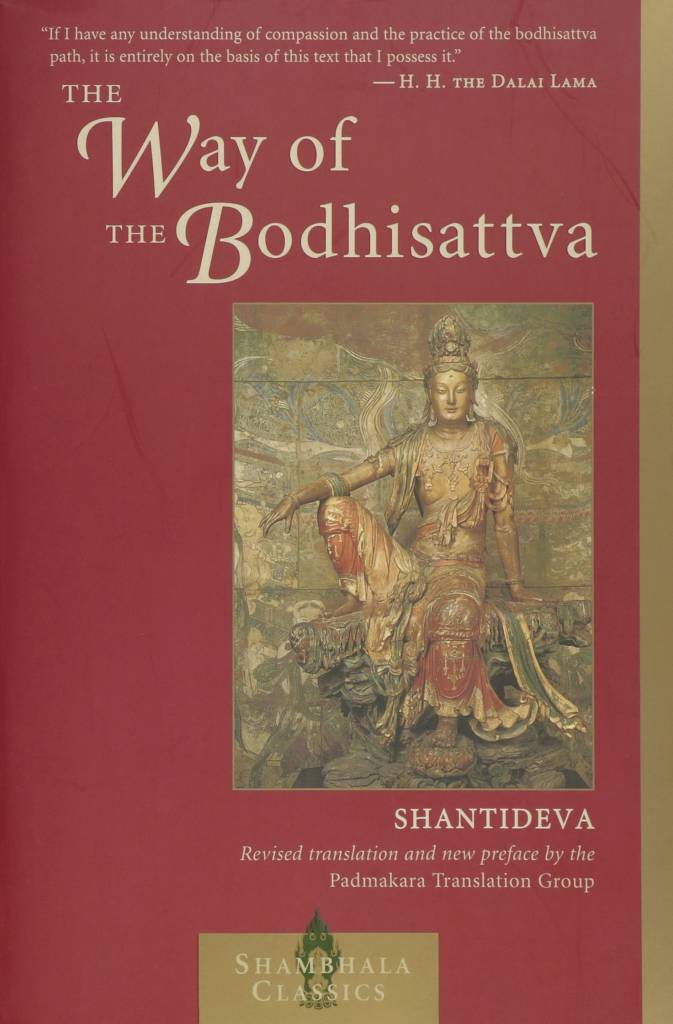
Thus to banish all obscuring veils

I’ll bend my mind from the mistaken path; And constantly upon the perfect object

I shall rest my mind in even meditation.

Standard Tibetan §Padmakara used the 1990 edition printed by si khron mi rigs dpe skrun khang: Byang chub sems dpa'i spyod pa la 'jug pa rtsa ba dang 'grel pa (1990). Also found in Derge Tengyur D3871, dbu ma, vol. 105, la 1b1–40a7. - Other translations

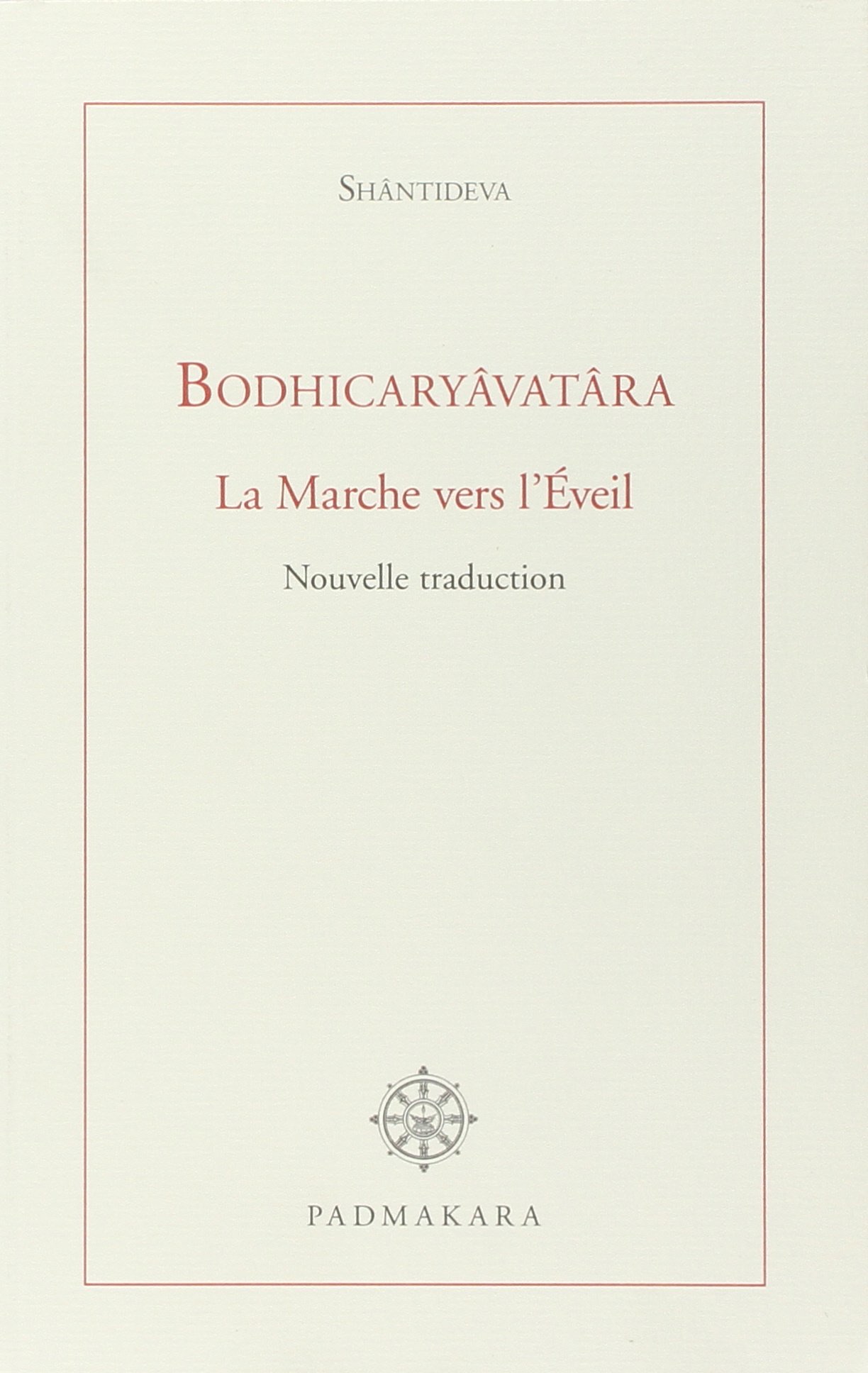
Pour dissiper les voiles,

Je détournerai mon esprit des voies erronées Et l’établirai toujours en égalité

Sur son véritable objet de concentration.[p.165]La Marche vers l'Éveil (2007)

Para eliminar los oscurecimientos

apartaré mi mente de los caminos erróneos y constantemente sobre el objeto perfecto

en ecuanimidad la dejaré descansar.[p.155]La Práctica del Bodisatva
Hervás, María Jesús (Padmakara Translation Group, Spain), trans. La Práctica del Bodisatva: Una Traducción del Bodicharyavatara de Shantideva. Translated from the 2006 English translation of Helena Blankleder and Wulstan Fletcher. Novelda, Alicante, Spain: Ediciones Dharma, 2008.

La Práctica del Bodisatva-front.jpg
Padmakara Spain 2008

Therefore, to eliminate the obscurations

I take the mind away from wrong paths And place it continuously in equipoise

On a correct object.

Therefore, in order to dispel obscurations, and

Seal the mind from wandering on the wrong path, I shall constantly focus it in equipoise,

Upon right observation.

shift + scroll / swipe
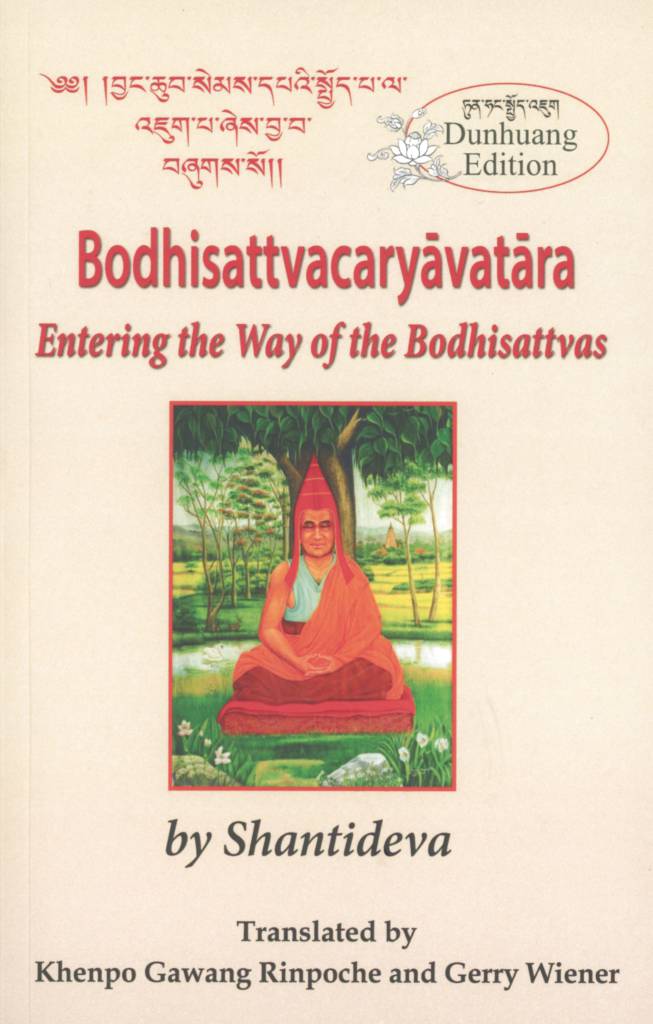
Dūnhuáng §This version is extracted from the book Bodhisattvacaryāvatāra: Entering the Way of the Bodhisattvas (2022, Khenpo Gawang and Wiener), a translation of an edition of the text created from three Dūnhuáng manuscripts. A description and sample pages of these can be found on the Early Tibet Blog. Scans of the actual manuscripts themselves can be found at http://idp.bl.uk

དེ་བས་བསྒྲིབ་པ་བསལ་བྱའི་ཕྱིར། །

ལོག་པའི་ལམ་ལས་སེམས་བླན་ཏེ། ། ཡང་དག་དམིགས་པ་རྟག་པར་ཡང་། །

བདག་གིས་མཉམ་བར་བཞག་པར་བྱ། །

alt verse 7.58 tm data
This version differs from it's counterparts.

Therefore, in order to dispel the obscurations,

I will turn my mind away from wrong paths. I shall always focus on excellence

And engage in meditative equipoise.

Tsadra Critical Edition §This text was created by comparing four versions of the text from Derge, Cone, Narthang, and Peking Tengyurs from BDRC scans, along with Dunhuang manuscripts IOL Tib J 628, 629, and 630. When Tibetan readings were problematic, the Sanskrit texts from GRETIL and LTB (Oslo) were consulted.

དེ་བས་སྒྲིབ་པ་བསལ་བའི་ཕྱིར། །

ལོག་པའི་ལམ་ལས་སེམས་བླན་ཏེ། ། ཡང་དག་དམིགས་ལ་རྟག་པར་ཡང་། །

བདག་གིས་མཉམ་པར་གཞག་པར་བྱ། །

[edit]
Sazang Mati (1294 - 1376)
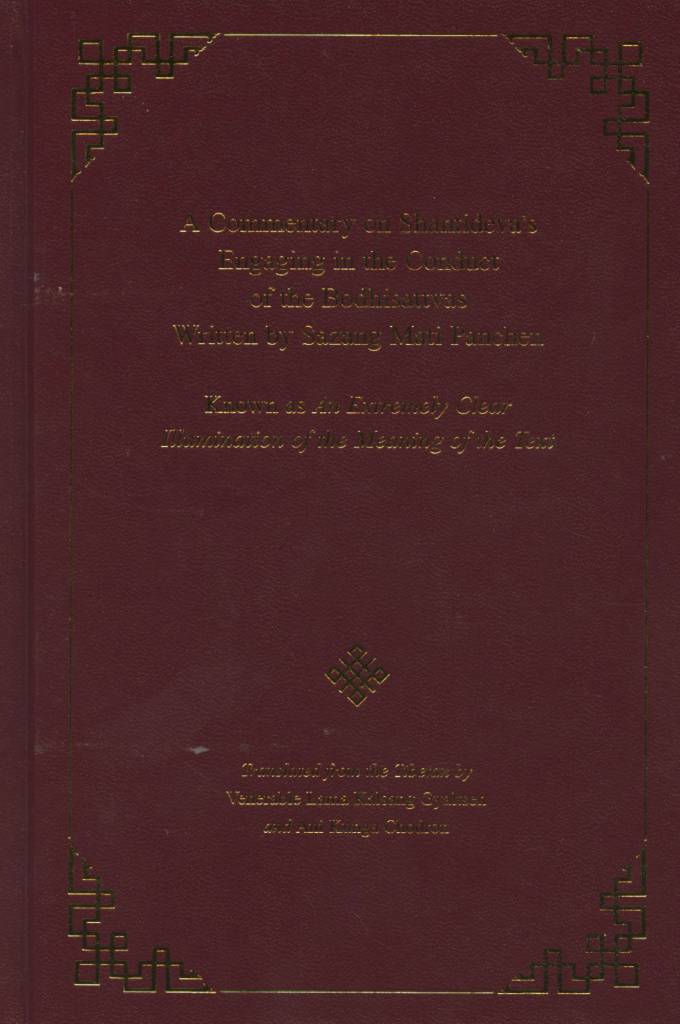
A Commentary on Shantideva's Engaging in the Conduct of the Bodhisattvas (citation)Gyaltsen, Lama Kalsang, and Ani Kunga Chodron, trans. A Commentary on Shantideva's Engaging in the Conduct of the Bodhisattvas Written by Sazang Mati Panchen: Known as An Extremely Clear Illumination of the Meaning of the Text. Walden, NY: Tsechen Kunchab Ling, 2019. Bilingual Edition

(གསུམ་པ་)མཉམ་བཞག་ཟབ་མོ་བསྒོམ་ཚུལ་ནི།

3. How to meditate profound absorption 1.2.3.2.2.3

དེ་བས་སྒྲིབ་པ་བསལ་བའི་ཕྱིར། །

ལོག་པའི་ལམ་ལས་སེམས་བླན་ཏེ། །[p.102]Byang chub sems dpa'i spyod pa la 'jug pa rtsa ba dang 'grel pa (1990)
Slob dpon zhi ba lha and Mkhan po kun dpal. Byang chub sems dpa'i spyod pa la 'jug pa rtsa ba dang 'grel pa. Khreng tu'u: Si khron mi rigs dpe skrun khang, 1990. Buda by BDRC Logo.jpg
ཡང་དག་དམིགས་ལ་རྟག་པར་ཡང་། །

བདག་གིས་མཉམ་པར་བཞག་པར་བྱ། །

de bas sgrib pa bsal ba'i phyir/_/

log pa'i lam las sems blan te/_/[p.102]Byang chub sems dpa'i spyod pa la 'jug pa rtsa ba dang 'grel pa (1990)
Slob dpon zhi ba lha and Mkhan po kun dpal. Byang chub sems dpa'i spyod pa la 'jug pa rtsa ba dang 'grel pa. Khreng tu'u: Si khron mi rigs dpe skrun khang, 1990. Buda by BDRC Logo.jpg
yang dag dmigs la rtag par yang /_/

bdag gis mnyam par bzhag par bya/_/

Therefore, in order to dispel obscurations, and

Seal the mind from wandering on the wrong path, I shall constantly focus it in equipoise,

Upon right observation.

ཐར་པ་ཐོབ་པའི་དོན་དུ་འབད་དགོས་པ་དེ་བས་ན་ཉོན་མོངས་པ་དང་ཤེས་བྱའི་སྒྲིབ་པ་བག་ཆགས་དང་བཅས་པ་བསལ་ཞིང་སྤང་བར་བྱ་བའི་ཕྱི༵ར་དུ་ཕྱིན་ཅི་ལོག་འཁྲུལ་བའི་སྣང་བ་ལ་བདེན་པར་འཛིན་པའི་ལམ་ངན་པ་ལས་རང་གི་སེམས་བསླན་ཞིང་བཀུག་སྟེ༵་ཡང་དག་པའི་མཐའ་འམ་དམིགས་པ་ཆོས་ཀྱི་དབྱིངས་དེ་བཞིན་ཉིད་ལ་དུས་རྟག་པར་ཡ༵ང༌། བྱང་ཆུབ་སེམས་དཔའ་བདག་གི་ཞི་གནས་ལྷག་མཐོང་ཟུང་འཇུག་གི་ངང་ནས་སེམས་རྩེ་གཅིག་ཏུ་མཉམ་པར་གཞག་པ་ལ་འབད་པར་བྱ༵་སྟེ། རྒྱན་ལས་ཀྱང༌།

Effort is required in order to attain liberation, therefore the obscurations of defilement and cognition and their propensities need to be dispelled and discarded. For that purpose, bring the mind back from the inferior path of clinging to illusory perceptions as real, patch it, and constantly focus on the state of extreme perfection, the suchness of the realm of reality. I, the Bodhisattva, must strive to contemplate single pointedly on the integration of calm abiding and insight meditation. The Ornament states:

བྱིས་པ་ཡང་དག་ཉིད་བསྒྲིབས་ནས། །

ཡང་དག་མ་ཡིན་ཀུན་ཏུ་སྣང༌། ། བྱང་ཆུབ་སེམས་དཔའ་དེ་བསལ་ནས། །

ཡང་དག་ཉིད་ནི་ཀུན་ཏུ་སྣང༌། །

Because perfection is obscured for the childlike,
Only imperfection is perceived;
Because Bodhisattvas dispel that,
Only perfection is always perceived.

ཞེས་པ་ལྟར་རོ། །[p.-292]རབ་གསལ་སྣང་བ་

བྱང་ཆུབ་སེམས་དཔའི་སྤྱོད་པ་ལ་འཇུག་པ་ལ༵ས་གཙོ་བོར་བསམ་གཏན་བསྒོམ་པ་བསྟན་པ་ཞེས་བྱ་བ་སྟེ་ལེའུ་བརྒྱད་པའི་རྣམ་པར་བཤད་འོ།། །།

This completes the explanation of the eighth chapter of Engaging in the Conduct of the Bodhisattvas, the principal topic of which is how to dwell in meditative absorption.[p.324]A Commentary on Shantideva's Engaging in the Conduct of the Bodhisattvas
Gyaltsen, Lama Kalsang, and Ani Kunga Chodron, trans. A Commentary on Shantideva's Engaging in the Conduct of the Bodhisattvas Written by Sazang Mati Panchen: Known as An Extremely Clear Illumination of the Meaning of the Text. Walden, NY: Tsechen Kunchab Ling, 2019. First edition published by The Yeshe Dorje Foundation in 2006.
Gyaltsap Je (1364 - 1432)
The Entrance for the Children of the Conquerors (citation)Stracke, Fedor, trans. The Entrance for the Children of the Conquerors: A Commentary on the Introduction to the Actions of Bodhisattvas. By Gyaltsab Rinpoche. N.p.: Happy Monks Publication, 2016. https://happymonkspublication.org/product/bodhisattvacharyavatara-chapter-1-10-commentary/. Bilingual Edition

གསུམ་པ་ནི།

Placing the Mind in Single-Pointed Equipoise on a Virtuous Object 1.1.3.2.2.3.2.4.3

དེ་བས་སྒྲིབ་པ་བསལ་བའི་ཕྱིར། །

ལོག་པའི་ལམ་ལས་སེམས་བླན་ཏེ། །[p.102]Byang chub sems dpa'i spyod pa la 'jug pa rtsa ba dang 'grel pa (1990)
Slob dpon zhi ba lha and Mkhan po kun dpal. Byang chub sems dpa'i spyod pa la 'jug pa rtsa ba dang 'grel pa. Khreng tu'u: Si khron mi rigs dpe skrun khang, 1990. Buda by BDRC Logo.jpg
ཡང་དག་དམིགས་ལ་རྟག་པར་ཡང་། །

བདག་གིས་མཉམ་པར་བཞག་པར་བྱ། །

de bas sgrib pa bsal ba'i phyir/_/

log pa'i lam las sems blan te/_/[p.102]Byang chub sems dpa'i spyod pa la 'jug pa rtsa ba dang 'grel pa (1990)
Slob dpon zhi ba lha and Mkhan po kun dpal. Byang chub sems dpa'i spyod pa la 'jug pa rtsa ba dang 'grel pa. Khreng tu'u: Si khron mi rigs dpe skrun khang, 1990. Buda by BDRC Logo.jpg
yang dag dmigs la rtag par yang /_/

bdag gis mnyam par bzhag par bya/_/

Therefore, to eliminate the obscurations

I take the mind away from wrong paths And place it continuously in equipoise

On a correct object.

དེ་བས་ན་ཉོན་མོངས་པ་དང་ཤེས་བྱའི་སྒྲིབ་པ་མཐའ་དག་བསལ་བའི་ཕྱིར་དུ་ལྷག་མཐོང་བསྐྱེད་དགོས་ལ་དེ་ཡང་སྔོན་དུ་ཞི་གནས་བསྒྲུབ་དགོས་[p.343]Spyod 'jug rtsa 'grel (Mtsho sngon mi rigs dpe skrun khang 2001)
Śāntideva, and Rgyal tshab rje dar ma rin chen. Spyod 'jug rtsa 'grel and Byang chub sems dpa'i spyod pa la 'jug pa'i rnam bshad rgyal sras 'jug ngogs. Xining: Mtsho sngon mi rigs dpe skrun khang, 2001
པས་ཞི་གནས་སྐྱེ་བའི་གེགས་ལོག་པའི་ལམ་འདོད་པའི་རྣམ་རྟོག་སོགས་མཐའ་དག་ལས་སེམས་བསླན་ཏེ། སྤོང་བའི་འདུ་བྱེད་བརྒྱད་ཀྱི་སྒོ་ནས་ཡང་དག་པའི་དམིགས་པ་ལ་རྟག་པར་ཡང་བདག་གིས་སེམས་མཉམ་པར་གཞག་པར་བྱའོ། །

Therefore, in order to eliminate all afflictive obscurations and obscurations to knowledge, one needs to generate superior insight. Before that, one needs in turn to achieve calm abiding, and therefore I turn my mind away from all wrong paths, such as disturbing thoughts of sense objects, which obstruct the generation of calm abiding. By way of the eight abandoning recognitions I shall place the mind continuously in equipoise on a correct object.

མདོར་ན་ཞི་གནས་ཐུན་མོང་བ་སྒྲུབ་ཚུལ་རྒྱས་པར་ཉན་ཐོས་ཀྱི་ས་ལས་གསུངས་པ་དང་། ཐུན་མོང་མ་ཡིན་པའི་སྒྲུབ་ཚུལ་གཞུང་འདི་དང་སློབ་དཔོན་ཀ་མ་ལ་ཤཱི་ལས་སྒོམ་རིམ་ནས་གསུངས་པ་ལྟར་ཤེས་པར་བྱས་ནས། ཞི་གནས་བསྒོམས་པའི་ཕན་ཡོན་དང་། མ་བསྒོམས་པའི་ཉེས་དམིགས་བསམས་ནས་སེམས་གནས་པའི་ཐབས་དགུ་ལ་སོགས་པས་ཏིང་ངེ་འཛིན་བསྒོམ་པ་ལ་འབད་པར་བྱ་ཞིང་། རྒྱས་པར་ཕ་རོལ་ཏུ་ཕྱིན་པའི་ལམ་གྱི་རིམ་པ་ཆེ་ཆུང་ལས་གསུངས་པ་ལྟར་ཤེས་པར་བྱའོ། །

In short: How to attain the common calm abiding is explained extensively in the Hearer Grounds and the way of attaining the uncommon calm abiding is explained in this text and in Master Kamalashila’s Stages of Meditation. Understanding the method from these texts and by contemplating the benefits of meditating on calm abiding and the disadvantages of not meditating on calm abiding, one should strive in meditating on calm abiding by way of the eight stages of calm abiding and so forth.

གཉིས་པ་ལེའུའི་མཚན་ནི།

Summarizing Verse 1.2

གནས་ལུགས་མངོན་དུ་གྱུར་པའི་ལྷག་མཐོང་གིས། །

སྒྲིབ་གཉིས་ས་བོན་རྩོད་ནས་འཇོམས་པ་ཡང་། ། གཡོ་མེད་ཏིང་འཛིན་གནས་ལ་རག་ལས་པས། །

ཐོག་མར་ཞི་གནས་སྒྲུབ་ལ་མཁས་པར་བྱ། །

The destruction of the two obscurations from the root
With superior insight to which reality is obvious,
Depends in turn on immovable concentration.
Hence, one should first become proficient in attaining calm abiding.

Minyak Kunzang Sönam (1823 - 1905)
The Great Hūṃ (citation)Duckworth, Douglas, trans. The Great Hūṃ: A Commentary on Śāntideva's Way of the Bodhisattva. By Minyak Kunzang Sönam. New York, NY: Wisdom Publications, 2025. Bilingual Edition

དགེ་བའི་དམིགས་པ་ལ་མཉམ་པར་བཞག་ཐབས་བསྟན་པས་དོན་བསྡུ་བ་ནི།

Next is a summary showing the method for setting in equipoise on a virtuous observation:

དེ་བས་སྒྲིབ་པ་བསལ་བའི་ཕྱིར། །

ལོག་པའི་ལམ་ལས་སེམས་བླན་ཏེ། ། ཡང་དག་དམིགས་ལ་རྟག་པར་ཡང་། །

བདག་གིས་མཉམ་པར་བཞག་པར་བྱ། །

Therefore, in order to dispel the obscurations,

I shall bring the mind back from mistaken ways; I shall constantly set the mind

on an authentic observation. (8.187)

གཉེན་པོ་ལ་བརྟེན་[p.576]Byang chub sems dpa'i spyod pa la 'jug pa'i 'grel bshad rgyal sras rgya mtsho'i yon tan rin po che mi zad 'jo ba'i bum bzang
Mi nyag kun bzang bsod nams (མི་ཉག་ཀུན་བཟང་བསོད་ནམས་). byang chub sems dpa'i spyod pa la 'jug pa'i 'grel bshad rgyal sras rgya mtsho'i yon tan rin po che mi zad 'jo ba'i bum bzang [བྱང་ཆུབ་སེམས་དཔའི་སྤྱོད་པ་ལ་འཇུག་པའི་འགྲེལ་བཤད་རྒྱལ་སྲས་རྒྱ་མཚོའི་ཡོན་ཏན་རིན་པོ་ཆེ་མི་ཟད་འཇོ་བའི་བུམ་བཟང།]. [Excellent Vase That Spills Forth an Ocean of the Inexhaustible and Precious Qualities of the Victor's Heirs: An Explanation of the "Way of the Bodhisattva."].
ནས་མི་མཐུན་ཕྱོགས་སྤོང་དགོས་པའི་རྒྱུ་མཚན་དེ་ལྟ་བས་ན་སྤང་བྱ་སྒྲིབ་གཉིས་བག་ཆགས་དང་བཅས་༌པ་མཐའ་དག་བསལ་བའི་ཕྱིར་དུ་གཉེན་པོ་ཁྱད་པར་ཅན་བདག་མེད་རྟོགས་པའི་ལྷག་མཐོང་བསྐྱེད་དགོས་ལ་དེའི་སྔོན་དུ་ཡང་ཞི་གནས་མཚན་ཉིད་པ་ཐོབ་དགོས་ཤིང་དེ་ཐོབ་པ་ལའང་དེའི་མི་མཐུན་ཕྱོགས་སུ་གྱུར་པའི་ལོག་པའི་ལམ་སྔར་བཤད་པའི་འདོད་པའི་རྣམ་རྟོག་ལ་སོགས་པའི་སྒྲིབ་པ་ལྔའམ། ལེ་ལོ། གདམས་ངག་བརྗེད་པ། བྱིང་རྒོད། བྱིང་རྒོད་བྱུང་བའི་ཚེ་གཉེན་པོ་འདུ་མི་བྱེད་ལ། བྱིང་རྒོད་ཞི་ནས་སེམས་རྣལ་དུ་གནས་པའི་ཚེ་འདུ་བྱེད་པ་སྟེ་ཉེས་པ་ལྔའི་གཉེན་པོར། འདུན་པ་རྩོལ་བ་དད་པ་ཤིན་ཏུ་སྦྱངས་པ། དྲན་པ། ཤེས་བཞིན། སེམས་པ། འདུ་བྱེད་བཏང་སྙོམས་ཏེ་སྤོང་བའི་འདུ་བྱེད་བརྒྱད་བསྟེན་པ་དང༌།

Therefore, for the reason that discordant factors need to be removed by relying on an antidote, in order to dispel all that is to be removed—the two obscurations along with their predispositions—it is necessary to cultivate an exceptional antidote: special insight that realizes selflessness. Prior to this, it is necessary to have achieved a genuine calm abiding; and in order to achieve this, there are discordant factors that are mistaken ways, as explained above, such as the five hindrances including desirous thoughts. Also, there are five flaws that can occur: laziness, forgetting the practical instructions, laxity and agitation, not applying the antidote when laxity and agitation occur, and over-application when the mind remains naturally after laxity and agitation have subsided. The remedies to these five are to rely on the[p.826]The Great Hum
Duckworth, Douglas, trans. The Great Hūṃ: A Commentary on Śāntideva's Way of the Bodhisattva. By Minyak Kunzang Sönam. New York, NY: Wisdom Publications, 2025.
eight applications for abandonment: aspiration, effort, faith, pliancy, mindfulness, meta-awareness, intention to apply, and equanimity.

གཞན་ཡང་སེམས་གནས་པའི་ཐབས་དགུ་སོགས་ཏིང་ངེ་འཛིན་འགྲུབ་པའི་ཐབས་རྣམས་ལ་བརྟེན་ནས་ལོག་པའི་ལམ་དེ་དག་ལས་སེམས་ཕྱིར་བསླན་པའམ་བླན་པ་སྟེ་ཕྱིར་བཟློག་པར་བྱས་ཏེ་ཚུལ་བཞིན་ཡིད་ལ་བྱེད་པས་ཞགས་པས་དྲང་ཞིང་དྲན་པའི་ཐག་པས་ཀུན་ནས་དམ་པོར་བཏགས་ལ་ཡང་དག་པ་དགེ་བའི་དམིགས་པ་ལ་དུས་རྟག་པར་ཡང་བདག་གིས་སེམས་ནི་གཞན་དུ་མ་ཡེངས་པར་རྩེ་གཅིག་ཏུ་མཉམ་པར་གཞག་པར་བྱའོ། །ཕར་བསྡུས་སུ།

Furthermore, by relying on the methods to achieve meditative stabilization, such as the nine methods for calm abiding, the mind is to be set or brought back, averting these mistaken ways. Through being pulled by the lasso of proper mental engagement and tightly and completely bound by the rope of mindfulness, one should constantly remain on an authentically virtuous observation, and remain one-pointedly without being distracted elsewhere. The Condensed Perfections says:

མཚན་མའི་རྣམ་པ་ཤེས་བྱས་ཤིང༌། །

ཡིད་ནི་མཉམ་པར་བཞག་པའི་ཕྱིར། ། དམིགས་ལས་བསམ་པ་ཉམས་གྱུར་ན། །

དྲན་པས་ཕྱིར་ཡང་བསྡུ་བར་བྱ། །

Through knowing the signs,
in order to place the mind in equipoise,
when thoughts stray from the observation
they should be reined in again with mindfulness.

སྒྲིབ་པ་རྣམས་ལས་རང་གི་ཡིད། །

གླང་བོ་རང་དབང་ཐོབ་གྱུར་ན། ། ལྕགས་ཀྱུས་བཟློག་པར་བྱ་བ་བཞིན། །

ལོག་པའི་ཕྱོགས་ལས་བཟློག་པར་བྱ། །

The hindrances in your mind
should be turned away from the wrong side,
like [541] an elephant on the loose
is subdued with an iron hook.1449Āryaśūra, Condensed Perfections, 5.17–18, 229a–b.

ཞེས་སོ། །དེ་ཡང་ཞི་གནས་ཐུན་མོང་བ་སྒྲུབ་ཚུལ་ཉན་སར་གསུངས་ཤིང་ཐུན་མོང་མ་ཡིན་པའི་སྒྲུབ་ཚུལ་རྒྱུས་པར་སློབ་དཔོན་ཀ་མ་ལ་ཤྲཱི་ལའི་སྒོམ་རིམ་ལྟར་ཡིན་པར་འགྲེལ་ཆེན་དུ་བཤད་ལ། གཞུང་འདི་ཡང་བདག་གཞན་མཉམ་པ་དང་བརྗེ་བའི་དམིགས་རྣམས་ལ་སེམས་བཟུང་ནས་དེ་ཉིད་ཏིང་ངེ་འཛིན་གྱི་ངོ་བོར་སྒྲུབ་པའི་ཞི་གནས་ཐུན་མོང་མ་ཡིན་པའི་སྒོམ་ཐབས་བསྟན་པ་ཡིན་གྱི་རྡེའུ་ཤིང་དང་ལྷ་སྐུ་སོགས་ལ་དམིགས་རྟེན་བྱས་ནས་ཞི་གནས་བསྒྲུབ་ཚུལ་བསྟན་པ་མིན་ནོ། །

Moreover, the Śrāvaka Grounds explains how to accomplish a common calm abiding and the great commentary says that Master Kamalaśīla’s Stages of Meditation explains extensively how to accomplish the unique calm abiding.1450See Prajñākaramati, Commentary on the Way of the Bodhisattva, 184a. In our text here, it shows the method for cultivating the unique calm abiding that accomplishes the essence of meditative stabilization by just holding the mind on the observations of equalizing and exchanging self and other. It does not teach how to achieve calm abiding with an observed object that is something like a stick, a stone, or the body of a deity.

དེ་ཡང་གཞུང་འདིའི་བསམ་གཏན་གྱི་སྐབས་སུ་བདག་གཞན་མཉམ་བརྗེ་སྒོམ་ཚུལ་བསྟན་ཞིང་བསླབ་བཏུས་སུ་ཤེས་རབ་ཀྱི་སྐབས་སུ་མཉམ་བརྗེ་སྒོམ་ཚུལ་བསྟན་ལ། དེའི་རྒྱུ་མཚན་ཡང་ཐོག་མར་སེམས་བསྐྱེད་ནས་དེ་ལ་བློ་སྦྱངས་ཏེ་སྟོང་ཉིད་སྒོམ་པ་ལ་འཇུག་པ་ཡོད་ལ་དེའི་དབང་དུ་བྱས་ནས་སྤྱོད་འཇུག་གཞུངའདིར་བསམ་ལེའི་སྐབས་སུ་བདག་གཞན་མཉམ་བརྗེ་སྒོམ་ཚུལ་རྒྱས་པར་བསྟན། དེ་ནས་ཤེར་ལེའི་སྐབས་སུ་རིགས་པའི་རྣམ་གྲངས་མཐའ་ཡས་པས་སྟོང་ཉིད་གཏན་ལ་ཕབ་ནས་དེ་སྒོམ་ཚུལ་བསྟན་ལ།

Furthermore, our text here shows how to cultivate the equalization and exchange of self and other in the context of meditative concentration, while the Anthology of Training shows how to cultivate the equalization and exchange in the context of wisdom. The reason for this is that, after initially generating the spirit of awakening the mind is trained in that, and this proceeds to meditation on emptiness. Based on this, here the Way of the Bodhisattva teaches extensively the cultivation of equalizing and exchanging self and other in the Meditative Concentration chapter [chapter 8]. Then in the[p.827]The Great Hum
Duckworth, Douglas, trans. The Great Hūṃ: A Commentary on Śāntideva's Way of the Bodhisattva. By Minyak Kunzang Sönam. New York, NY: Wisdom Publications, 2025.
Wisdom chapter, it shows how to cultivate this through ascertaining emptiness through innumerable kinds of reasons.

ཡང་དང་པོ་ནས་སྟོང་ཉིད་རྟོགས་པའི་ལྟ་བ་[p.577]Byang chub sems dpa'i spyod pa la 'jug pa'i 'grel bshad rgyal sras rgya mtsho'i yon tan rin po che mi zad 'jo ba'i bum bzang
Mi nyag kun bzang bsod nams (མི་ཉག་ཀུན་བཟང་བསོད་ནམས་). byang chub sems dpa'i spyod pa la 'jug pa'i 'grel bshad rgyal sras rgya mtsho'i yon tan rin po che mi zad 'jo ba'i bum bzang [བྱང་ཆུབ་སེམས་དཔའི་སྤྱོད་པ་ལ་འཇུག་པའི་འགྲེལ་བཤད་རྒྱལ་སྲས་རྒྱ་མཚོའི་ཡོན་ཏན་རིན་པོ་ཆེ་མི་ཟད་འཇོ་བའི་བུམ་བཟང།]. [Excellent Vase That Spills Forth an Ocean of the Inexhaustible and Precious Qualities of the Victor's Heirs: An Explanation of the "Way of the Bodhisattva."].
གཏན་ལ་ཕབ་སྟེ་དེ་ནས་བདག་གཞན་མཉམ་བརྗེའི་སྒོ་ནས་བྱང་ཆུབ་ཀྱི་སེམས་སྒོམ་པ་ལ་འཇུག་པ་ཡོད་ལ་དེའི་དབང་དུ་བྱས་ནས་བསླབ་བཏུས་སུ་ཤེར་ལེའི་སྐབས་སྟོང་ཉིད་སྒོམ་ཚུལ་རྒྱས་པར་བསྟན་ནས་དེའི་མཇུག་ཏུ་བདག་གཞན་མཉམ་བརྗེ་སྒོམ་ཚུལ་བསྟན་པ་ཡིན་ནམ་སྙམ་སྟེ། མདོར་ན་བྱང་ཆུབ་ཀྱི་སེམས་དང་སྟོངཉིད་རྟོགས་པའི་ཤེས་རབ་གཉིས་རྒྱུད་ལ་སྐྱེད་ཚུལ་གྱི་རིམ་པ་གཉིས་ཡོད་པ་དེའི་དབང་དུ་བྱས་པ་འདྲའོ། །

Alternatively first you can ascertain the view that realizes emptiness. Then you can engage in the cultivation of the spirit of awakening through equalizing and exchanging self and other. It is based on this that I think that in the context of teaching wisdom, the Anthology of Training extensively shows how to cultivate emptiness and then later shows how to cultivate the equalization and exchange of self and other. In short, there are two procedures for generating both the spirit of awakening and the wisdom that realizes emptiness in the continuum; they are the same in emphasizing this.

གཞན་ཡང་ཞི་གནས་སྒོམ་དགོས་པའི་རྒྱུ་མཚན་དེ་མ་བསྒོམས་པའི་ཉེས་དམིགས་བསྒོམ་པའི་ཕན་ཡོན་ཇི་ལྟར་སྒོམ་པའི་ཚུལ་སོགས་རྒྱས་པར་གཞན་ལས་གསུངས་པ་ལྟར་ཤེས་པར་བྱའོ། །འདི་ནི་ཏིང་ངེ་འཛིན་འགྲུབ་པའི་ཐབས་ལ་གདམས་པའང་ཡིན་ལ། སྔར་བསམ་གཏན་ལ་མཉམ་པར་འཇོག་དགོས་པའི་རྒྱུ་མཚན་བརྗོད་དེ་མདོར་བསྟན་མཛད་པ་དེ་ཉིད་རྒྱས་པར་བཤད་ཟིན་པའི་དོན་བསྡུ་བའང་ཡིན་ནོ། །

Moreover, you should know from elsewhere the extensive teachings on why it is necessary to cultivate calm abiding, the problems of not doing so, its benefits, and how to cultivate it. This verse is also advice in the methods for accomplishing meditative stabilization. It is a summary, too, that states briefly what was already explained extensively: why it is necessary to place the mind in the equanimity of meditative concentration.
Kunzang Palden (1862 - 1943)
The Nectar of Manjushri's Speech (citation)Blankleder, Helena, and Wulstan Fletcher (Padmakara Translation Group), trans. The Nectar of Manjushri's Speech: A Detailed Commentary on Shantideva's Way of the Bodhisattva. By Kunzang Pelden. Boston: Shambhala Publications, 2007. Bilingual Edition

དེ་བས་སྒྲིབ་པ་བསལ་བའི་ཕྱིར། །

ལོག་པའི་ལམ་ལས་སེམས་བླན་ཏེ། །[p.102]Byang chub sems dpa'i spyod pa la 'jug pa rtsa ba dang 'grel pa (1990)
Slob dpon zhi ba lha and Mkhan po kun dpal. Byang chub sems dpa'i spyod pa la 'jug pa rtsa ba dang 'grel pa. Khreng tu'u: Si khron mi rigs dpe skrun khang, 1990. Buda by BDRC Logo.jpg
ཡང་དག་དམིགས་ལ་རྟག་པར་ཡང་། །

བདག་གིས་མཉམ་པར་བཞག་པར་བྱ། །

de bas sgrib pa bsal ba'i phyir/_/

log pa'i lam las sems blan te/_/[p.102]Byang chub sems dpa'i spyod pa la 'jug pa rtsa ba dang 'grel pa (1990)
Slob dpon zhi ba lha and Mkhan po kun dpal. Byang chub sems dpa'i spyod pa la 'jug pa rtsa ba dang 'grel pa. Khreng tu'u: Si khron mi rigs dpe skrun khang, 1990. Buda by BDRC Logo.jpg
yang dag dmigs la rtag par yang /_/

bdag gis mnyam par bzhag par bya/_/

ཐར་པ་ཐོབ་པའི་དོན་དུ་འབད་དགོས་པ་དེ་བས་ན་སྒྲིབ་གཉིས་བག་ཆགས་དང་བཅས་པ་སྤོང་བའམ་བསལ་བར་བྱ་བའི་ཕྱིར་དུ་ཕྱིན་ཅི་ལོག་ཏུ་གྱུར་པའི་འཁྲུལ་པའི་སྣང་བ་མི་བདེན་པ་ལ་བདེན་པར་འཛིན་པའི་ལམ་ངན་པ་ལས་རང་གི་སེམས་བླན་ཞིང་བཀུག་སྟེ་ཡང་དག་པའི་དམིགས་པ་ཆོས་ཀྱི་དབྱིངས་ལ་དུས་རྟག་པར་ཡང་བདག་གིས་ཞི་ལྷག་ཟུང་འཇུག་གི་ངང་ནས་རྩེ་གཅིག་ཏུ་མཉམ་པར་བཞག་པ་ལ་བརྩོན་ཞིང་འབད་པར་བྱའོ། །

Thus to banish all obscuring veils

I’ll bend my mind from the mistaken path; And constantly upon the perfect object

I shall rest my mind in even meditation.

The gaining of liberation is something for which we must strive. Therefore Shantideva says that, in order to remove the two obscuring veils, together with the habitual tendencies associated with them, he will turn himself from the mistaken path (of holding apparent phenomena as truly real). He will continuously rest his mind in a state of meditative equipoise, in perfect concentration (the fusion of mental stillness and penetrative insight) upon the dharmadhatu, the authentic and ultimate object of meditation.

ལེའུའི་མཚན་ནི་བྱང་ཆུབ་སེམས་དཔའི་སྤྱོད་པ་ལ་འཇུག་པ་ལས། བསམ་གཏན་བསྟན་པ་ཞེས་བྱ་བ་སྟེ་ལེའུ་བརྒྱད་པའོ།། །།[p.618]Byang chub sems dpa'i spyod pa la 'jug pa rtsa ba dang 'grel pa (1990)
Slob dpon zhi ba lha and Mkhan po kun dpal. Byang chub sems dpa'i spyod pa la 'jug pa rtsa ba dang 'grel pa. Khreng tu'u: Si khron mi rigs dpe skrun khang, 1990. Buda by BDRC Logo.jpg

Here ends the eighth chapter of the Bodhicharyavatara, on meditative concentration.[p.313]The Nectar of Manjushri's Speech
Blankleder, Helena, and Wulstan Fletcher (Padmakara Translation Group), trans. The Nectar of Manjushri's Speech: A Detailed Commentary on Shantideva's Way of the Bodhisattva. By Kunzang Pelden. Boston: Shambhala Publications, 2010.


[edit]
[edit]