8.138

From Bodhicitta

Bodhicaryāvatāra · Verse 8.138


Sources:    

Sanskrit §No information about the source used.

न युक्तं स्वार्थदृष्ट्यादि तदीयैश्चक्षुरादिभिः। न युक्तं स्यन्दितुं स्वार्थमन्यदीयैः करादिभिः॥

 
Chanted Verse
Recitation by Professor Kashinath Nyaupane
138

Now that I am the other person, my eyes belong to another; they cannot see after my own interests; my hands are his; they cannot possibly work for my own interest.

Standard Tibetan §Padmakara used the 1990 edition printed by si khron mi rigs dpe skrun khang: Byang chub sems dpa'i spyod pa la 'jug pa rtsa ba dang 'grel pa (1990). Also found in Derge Tengyur D3871, dbu ma, vol. 105, la 1b1–40a7.

གཞན་དབང་མིག་ལ་སོགས་པ་ཡིས། །

རང་དོན་སྒྲུབ་པར་རིགས་མ་ཡིན། ། དེའི་དོན་མིག་ལ་སོགས་པ་ཡིས། །

དེ་ལ་ལོག་པར་བྱ་མི་རིགས། །

 
Chanted Verse
Recitation by Lopen Karma Phuntsho
138

My sight and other senses, now the property of others—

To use them for myself would be improper. And it is likewise disallowed

To use my faculties against their owners!

Standard Tibetan §Padmakara used the 1990 edition printed by si khron mi rigs dpe skrun khang: Byang chub sems dpa'i spyod pa la 'jug pa rtsa ba dang 'grel pa (1990). Also found in Derge Tengyur D3871, dbu ma, vol. 105, la 1b1–40a7. - Other translations

Il n’est pas juste que mes yeux et le reste,

Qui appartiennent aux autres, s’activent à mon service ; Et il n’est pas logique qu’ils aillent

À l’encontre des intérêts d’autrui.

Mi vista y demás sentidos ahora les pertenecen,

sería impropio usarlos para mi beneficio. También sería inadecuado

usar mis facultades en contra de ellos.

La Práctica del Bodisatva-front.jpg
Padmakara Spain 2008

It is unsuitable to accomplish the welfare of self

With eyes and the like that belong to others. It is unsuitable to mistreat them with the eyes

And the like that are for their purpose.

It is not right to acquire one’s own benefit

With the eyes and the rest that now belong to others. It is not right to misuse the eyes and the rest

Which are for their purpose.

shift + scroll / swipe
Dūnhuáng §This version is extracted from the book Bodhisattvacaryāvatāra: Entering the Way of the Bodhisattvas (2022, Khenpo Gawang and Wiener), a translation of an edition of the text created from three Dūnhuáng manuscripts. A description and sample pages of these can be found on the Early Tibet Blog. Scans of the actual manuscripts themselves can be found at http://idp.bl.uk

གཞན་དབང་མིག་ལ་སོགས་པ་ཡིས། །

རང་དོན་བསྒྲུབ་པ་རིགས་མ་ཡིན། ། དེ་དོན་མིག་ལ་སོགས་པ་ཡིས། །

དེ་ལ་ལོག་པ་བྱ་མི་རིགས། །

alt verse 6.67 tm data
This version differs from it's counterparts.

You, mind, must know this.

“I belong to others.” Now, mind, do not think of anything else,

Except for accomplishing the benefit of all sentient beings.

Tsadra Critical Edition §This text was created by comparing four versions of the text from Derge, Cone, Narthang, and Peking Tengyurs from BDRC scans, along with Dunhuang manuscripts IOL Tib J 628, 629, and 630. When Tibetan readings were problematic, the Sanskrit texts from GRETIL and LTB (Oslo) were consulted.

གཞན་དབང་མིག་ལ་སོགས་པ་ཡིས། །

རང་དོན་སྒྲུབ་པར་རིགས་མ་ཡིན། ། དེ་དོན་མིག་ལ་སོགས་པ་ཡིས། །

དེ་ལ་ལོག་པར་བྱ་མི་རིགས། །

[edit]
Sazang Mati (1294 - 1376)
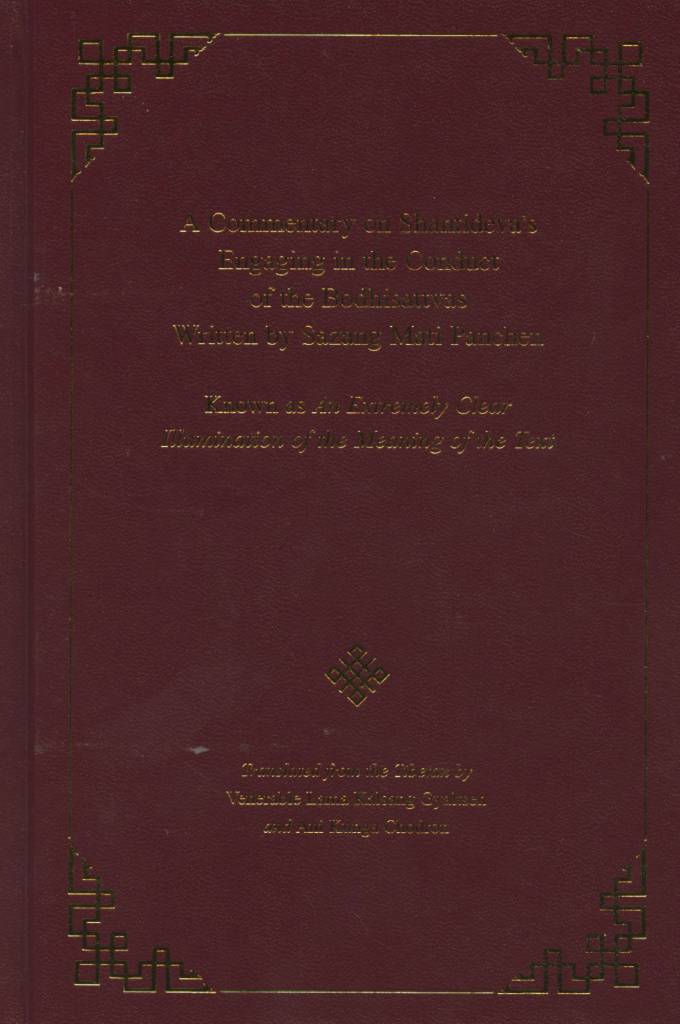
A Commentary on Shantideva's Engaging in the Conduct of the Bodhisattvas (citation)Gyaltsen, Lama Kalsang, and Ani Kunga Chodron, trans. A Commentary on Shantideva's Engaging in the Conduct of the Bodhisattvas Written by Sazang Mati Panchen: Known as An Extremely Clear Illumination of the Meaning of the Text. Walden, NY: Tsechen Kunchab Ling, 2019. Bilingual Edition

(གསུམ་པ་)སྦྱོར་བས་འཇུག་ཚུལ་ནི།

3. How to engage through action 1.2.3.2.1.2.3.3

གཞན་དབང་མིག་ལ་སོགས་པ་ཡིས། །

རང་དོན་སྒྲུབ་པར་རིགས་མ་ཡིན། ། དེའི་དོན་མིག་ལ་སོགས་པ་ཡིས། །

དེ་ལ་ལོག་པར་བྱ་མི་རིགས། །

gzhan dbang mig la sogs pa yis/_/

rang don sgrub par rigs ma yin/_/ de'i don mig la sogs pa yis/_/

de la log par bya mi rigs/_/

It is not right to acquire one’s own benefit

With the eyes and the rest that now belong to others. It is not right to misuse the eyes and the rest

Which are for their purpose.

བདག་གཞན་བརྗེས་ཕྱིན་ཆད་སེམས་ཅན་གཞན་རྣམས་དབང་བའི་མིག་དང་རྣ་བ་ལ་སོགས་པ་ཡི༵ས་ལྟ་བ་དང་ཉན་པ་ལ་སོགས་པའི་སྒོ་ནས་རང་གི་དོན་སྒྲུབ་པ་ནི་རིགས་པ་མ་ཡི༵ན་ཞིང༌། སེམས་ཅན་གཞན་དེའི་དོན་དུ་བཏང་བའི་མིག་དང་ལག་པ་དང་རྐང་པ་ལ་སོགས་པ་ཡི༵ས་སེམས་ཅན་གཞན་དེ་ལ་ནམ་ཡང་ལོག་པར་བྱ་བ་མི་རི༵གས་སོ། །

Having exchanged self and other, from now onward I am owned by others. The sights in my eyes, the sounds in my ears, etc., should be only for the purpose of others, and not for the purpose of myself. Therefore, that which has already been given to others, such as the eyes, hands, legs, and the rest of the body, should never be used to act against other beings.
Gyaltsap Je (1364 - 1432)
The Entrance for the Children of the Conquerors (citation)Stracke, Fedor, trans. The Entrance for the Children of the Conquerors: A Commentary on the Introduction to the Actions of Bodhisattvas. By Gyaltsab Rinpoche. N.p.: Happy Monks Publication, 2016. https://happymonkspublication.org/product/bodhisattvacharyavatara-chapter-1-10-commentary/. Bilingual Edition

གཉིས་པ་ནི།

Stopping Wrong Actions Upon Having Done the Exchange 1.1.3.2.2.1.2.2

གཞན་དབང་མིག་ལ་སོགས་པ་ཡིས། །

རང་དོན་སྒྲུབ་པར་རིགས་མ་ཡིན། ། དེའི་དོན་མིག་ལ་སོགས་པ་ཡིས། །

དེ་ལ་ལོག་པར་བྱ་མི་རིགས། །
gzhan dbang mig la sogs pa yis/_/

rang don sgrub par rigs ma yin/_/ de'i don mig la sogs pa yis/_/

de la log par bya mi rigs/_/

It is unsuitable to accomplish the welfare of self

With eyes and the like that belong to others. It is unsuitable to mistreat them with the eyes

And the like that are for their purpose.

རང་ཉིད་སེམས་ཅན་གྱི་བྲན་དུ་བསྔོས་ན་གང་གི་བྲན་ཡིན་པ་དེ་ལ་རང་གི་མིག་ལ་སོགས་པས་ལོག་པར་སྒྲུབ་པ་མི་རིགས་པས། སེམས་ཅན་གཞན་དབང་བའི་མིག་ལ་སོགས་པ་ཡིས་སེམས་ཅན་ལ་སྡང་མིག་བལྟ་བ་སོགས་དང་། རང་དོན་འབའ་ཞིག་བསྒྲུབ་པར་རིགས་པ་མ་ཡིན་ལ་

If one dedicates oneself as servant for sentient beings then it is unsuitable to use one’s eyes and the like to mistreat them. It is unsuitable to look angrily at sentient beings with the eyes that belong to them or to use these eyes to achieve only one’s own welfare. One needs to achieve their purpose.

དེའི་དོན་བསྒྲུབ་དགོས་ཤིང་དེ་དབང་བའི་མིག་ལ་སོགས་པ་ཡིས་སེམས་ཅན་དེ་ལ་ལོག་པར་བསྒྲུབ་པ་བྱ་མི་རིགས་པས་སེམས་ཅན་ལ་སྒོ་གསུམ་གྱིས་ལོག་པར་བསྒྲུབ་པ་མཐོང་ན་ཡང་ཉེས་དམིགས་བསམས་ནས་ཡང་དང་ཡང་དུ་སྡོམ་སེམས་བྱའོ། །

Since it is unsuitable to mistreat sentient beings with eyes and the like that belong to them, if one recognizes that one mistreats them with the three doors, one needs to restrain oneself again and again upon contemplating the faults.[p.42]The Entrance for the Children of the Conquerors
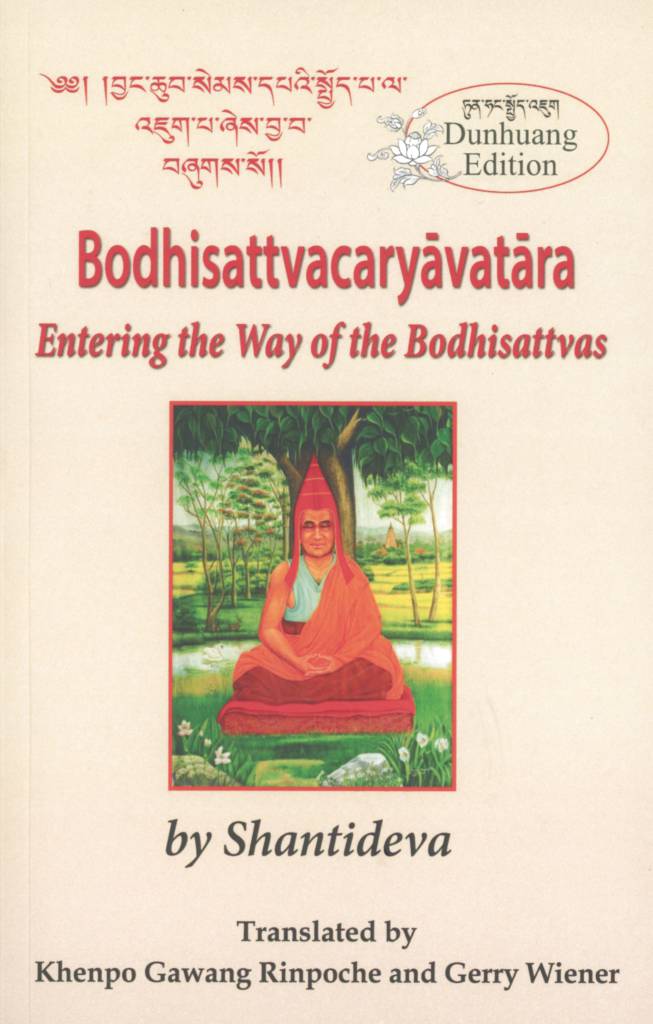
Stracke, Fedor, trans. The Entrance for the Children of the Conquerors: A Commentary on the Introduction to the Actions of Bodhisattvas. By Gyaltsab Rinpoche. N.p.: Happy Monks Publication, 2016. https://happymonkspublication.org/product/bodhisattvacharyavatara-chapter-1-10-commentary/.
Minyak Kunzang Sönam (1823 - 1905)
The Great Hūṃ (citation)Duckworth, Douglas, trans. The Great Hūṃ: A Commentary on Śāntideva's Way of the Bodhisattva. By Minyak Kunzang Sönam. New York, NY: Wisdom Publications, 2025. Bilingual Edition

བརྗེས་ནས་སྦྱོར་བས་འཇུག་ཚུལ་ཇི་ལྟར་བྱ་བ་ནི།

Next it shows how to proceed in endeavor having made the exchange:

གཞན་དབང་མིག་ལ་སོགས་པ་ཡིས། །

རང་དོན་སྒྲུབ་པར་རིགས་མ་ཡིན། ། དེའི་དོན་མིག་ལ་སོགས་པ་ཡིས། །

དེ་ལ་ལོག་པར་བྱ་མི་རིགས། །
It is not right to use these eyes and so on, which belong to others,

to accomplish my own benefit. It is not right for these eyes and so on

to act against the goals of others. (8.138)

བསམ་པའི་སྒོ་ནས་བདག་གཞན་བརྗེས་ནས་བཟུང་རང་གི་མིག་རྣ་སོགས་ཀྱང་གཞན་ལ་བཏང་ཟིན་པས་རང་མི་དབང་གཞན་རྣམས་ལ་དབང་བ་ཡིན་པས་དེ་ལྟའི་མིག་རྣ་ལ་སོགས་པ་ཡིས་སྦྱོར་བ་རང་དོན་དུ་གཟུགས་ལ་བལྟ་བ་དང་སྒྲ་ལ་ཉན་པ་སོགས་བྱ་བ་དང་ལག་པ་སོགས་ཀྱིས་སྲོག་གཅོད་ལྟ་བུ་བྱས་ནས་སྔར་བཞིན་རང་དོན་སྒྲུབ་པར་བྱེད་པ་ནི་རྣམ་པ་ཀུན་ཏུ་རིགས་པ་མ་ཡིན་ཞེས་སྦྱོར་བ་རང་དོན་སྒྲུབ་པ་འགོག་ཚུལ་དང་། བསམ་པའི་སྒོ་ནས་སེམས་ཅན་གཞན་གང་དེའི་དོན་དུ་བཏང་ཟིན་ཅིང་དེ་རྣམས་ལ་དབང་བའི་མིག་དང་རྐང་ལག་ལ་སོགས་པ་ཡིས་སྦྱོར་བ་སེམས་ཅན་དེ་དག་ལ་སྡང་མིག་ལྟ་བ་ཁུ་ཚུར་བརྡེག་པ་སོགས་ཀྱི་སྒོ་ནས་ལོག་པར་བྱ་བ་ནམ་ཡང་མི་རིགས་ཚ་ཞེས་སྦྱོར་བ་ལོག་པར་སྒྲུབ་པ་འགོག་ཚུལ་ལོ། །

After exchanging yourself with others through intention, your eyes and ears and so on have now been given to others. You do not own them; they belong to others. Thus it is not at all right for the eyes and ears and so on to act for your own benefit by doing things like looking at forms and listening to sounds. It is not at all appropriate for the hands to act as before for your own benefit, doing things like taking lives. This is how to stop endeavoring in your own welfare. Also, having given yourself to the welfare of other sentient beings through intention, it is not at all right to act against them with the eyes, arms, and legs that belong to them, glaring at them in anger or hitting them with fists. This is how to stop endeavoring in wrong actions.

རང་དོན་སྒྲུབ་སོགས་རྐང་བ་གཅིག་ལོ། །རྒྱ་དཔེར། རང་དོན་ལྟ་སོགས་རིགས་མ་ཡིན། ཞེས་ཡོད་པས་གོ་སླ་ལ། དེའི་དོན་མིག་[p.553]Byang chub sems dpa'i spyod pa la 'jug pa'i 'grel bshad rgyal sras rgya mtsho'i yon tan rin po che mi zad 'jo ba'i bum bzang
Mi nyag kun bzang bsod nams (མི་ཉག་ཀུན་བཟང་བསོད་ནམས་). byang chub sems dpa'i spyod pa la 'jug pa'i 'grel bshad rgyal sras rgya mtsho'i yon tan rin po che mi zad 'jo ba'i bum bzang [བྱང་ཆུབ་སེམས་དཔའི་སྤྱོད་པ་ལ་འཇུག་པའི་འགྲེལ་བཤད་རྒྱལ་སྲས་རྒྱ་མཚོའི་ཡོན་ཏན་རིན་པོ་ཆེ་མི་ཟད་འཇོ་བའི་བུམ་བཟང།]. [Excellent Vase That Spills Forth an Ocean of the Inexhaustible and Precious Qualities of the Victor's Heirs: An Explanation of the "Way of the Bodhisattva."].
སོགས་རྐང་པ་གཉིས་ལ། རྒྱ་དཔེར་སོགས་སུ། གཞན་དབང་ལག་པ་སོགས་རྣམས་ཀྱིས། རང་གི་དོན་ནི་གཡོ་མི་རིགས། ཞེས་ཡོད་ལ་དོན་ནི། གཞན་ལ་དབང་བའི་ལག་སོགས་ཀྱིས་རང་དོན་དུ་ཡོ་བའི་བྱ་བ་བྱེད་པ་མི་རིགས་ཞེས་པ་ཡིན་པར་བཤད་དོ། །དར་ཊཱིཀ་ཏུ་རང་སེམས་ཅན་གྱི་དོན་དུ་བསྔོས་ན་གང་གི་བྲན་ཡིན་པ་དེ་ལ་རང་གི་མིག་སོགས་ཀྱིས་ལོག་པར་སྒྲུབ་པ་མི་རིགས་པས་ཞེས་དང༌། །སྒོ་གསུམ་གྱིས་ལོག་པར་སྒྲུབ་པ་མཐོང་ན་ཉེས་དམིགས་བསམ་ནས་ཡང་ཡང་སྡོམ་སེམས་བྱ་དགོས་ཞེས་གསུངས་སོ། །

For the line to accomplish my own benefit, the Sanskrit manuscripts read: “It is not right to look, and so on, for one’s own benefit.” This is easy to understand. Also, for the two lines It is not right . . . , the Sanskrit manuscripts[p.793]The Great Hum
Duckworth, Douglas, trans. The Great Hūṃ: A Commentary on Śāntideva's Way of the Bodhisattva. By Minyak Kunzang Sönam. New York, NY: Wisdom Publications, 2025.
read, “It is not right to move the hands and so on, which belong to others, for one’s own benefit.” This is explained to mean that it is not right to act with movements of the hands and so on, which belong to others, for one’s own welfare. Gyaltsab Jé’s commentary says that when you have dedicated yourself to the welfare of others, it is not right to do wrong to those whom you serve with the eyes and so on. He says that when you see yourself doing wrong in body, speech, or mind, then you should contemplate the problems with this and restrain the mind again and again.1416Gyaltsab Jé, Gateway to the Bodhisattvas, 328.

དེ་ལྟར་གཞན་ལ་དབང་བའི་མིག་སོགས་ཀྱིས་རང་དོན་སྒྲུབ་པ་དང་གཞན་ལ་གནོད་པའི་ལོག་སྦྱོར་བྱ་བ་གངཡང་མི་རིགས་ཤིང་སེམས་ཅན་ལ་ཕན་བདེ་སྐྱེད་པའི་དོན་སྒྲུབ་དགོས་པའི་རྒྱུ་མཚན་དེས་ན་དེང་ནས་རང་གཙོ་བོར་མི་བྱ་བ་སེམས་ཅན་གཞན་ཁོ་ནའི་དགོས་པའི་དོན་སྒྲུབ་པ་གཙོ་བོར་བྱས་ནས་བདག་རང་གི་ལུས་ལ་ཉེ་བར་མཁོ་བའི་ཟས་གོས་སོགས་ཡོ་བྱད་ཅི་དང་ཅི་མཐོང་བ་དེ་དང་དེ་དག་ནི་རང་གི་ཡིད་ཀྱིས་རང་ལ་ཕྲོགས་པའམ་རང་གིར་འཛིན་པ་བཅད་ནས་ཀྱང་སེམས་ཅན་གཞན་བདག་ཏུ་བྱས་པ་དེ་དག་ལ་ནི་ཕན་བདེ་བསྒྲུབ་པར་བྱ་བའི་ཆེད་དུ་ལེགས་པར་སྤྱོད་ཅིག་ཅེས་ཏེ་སྦྱོར་ཅིག་ཅེས་པའི་དོན་ཡིན་ལ་དེ་ནི་སྦྱོར་བ་ཕྱིན་ཅི་མ་ལོག་པ་སྒྲུབ་པའོ། །དེ་དག་གིས་ནི་བདག་གཞན་བརྗེ་ཚུལ་དང་བརྗེས་ནས་བསམ་སྦྱོར་གྱིས་འཇུག་ཚུལ་དག་བཤད་མ་ཐག་པ་དེ་ལྟར་བྱ་དགོས་ཞེས་གདམས་པའི་སྒོ་ནས་བསྟན་པ་ཡིན་ལ། བརྗེས་ནས་བསམ་སྦྱོར་གྱིས་ཇི་ལྟར་སྒྲུབ་ཚུལ་ནི་དེ་མ་ཐག་འཆད་པར་འགྱུར་བ་ལྟར་རོ། །

In this way, with eyes that belong to others, no action enacting your own welfare, or wrong-doing [519] that harms another, is appropriate at all. Also, you should accomplish the welfare and happiness of sentient beings. For this reason: “I will not put myself first from now on. I will put the accomplishment of the welfare and needs of only other sentient beings first. Whatever I see that my body has, such as provisions like food and clothes, I will steal them away from myself mentally. Or I will cut the fixation to these as ‘mine’ and take other sentient beings as myself. May I do what is excellent in order to benefit them and bring them happiness!” This means: “May I endeavor to do this.” This is to practice the endeavor unerringly. These lines give advice that you should act in this way, immediately after showing how to exchange self and others, and how to proceed in intention and endeavor. It is like explaining how to practice in intention and endeavor immediately following making the exchange.
Kunzang Palden (1862 - 1943)
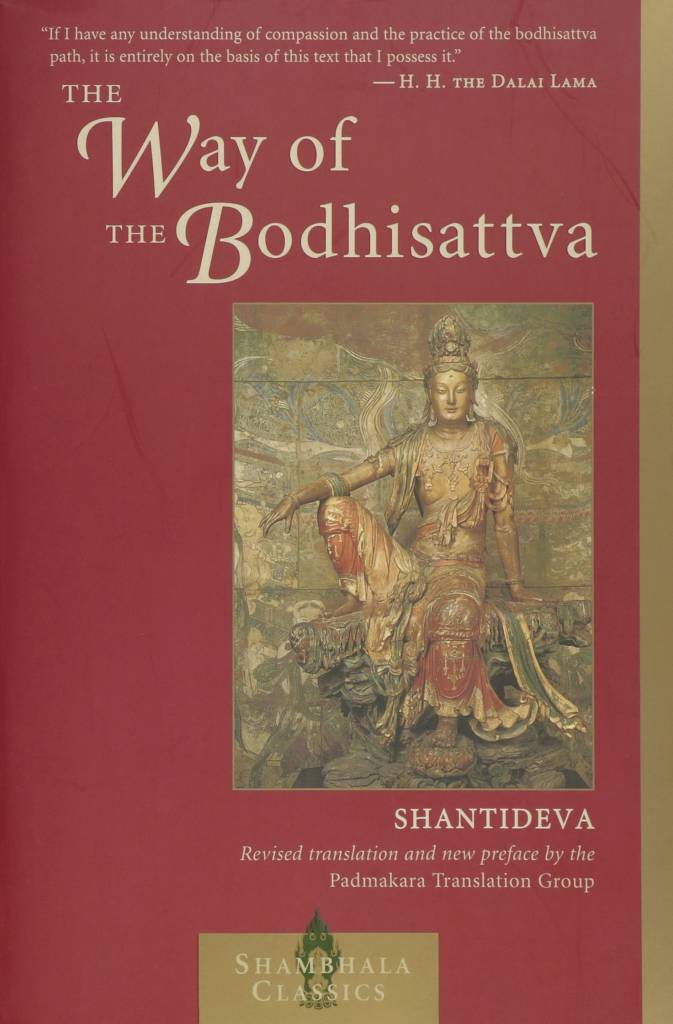
The Nectar of Manjushri's Speech (citation)Blankleder, Helena, and Wulstan Fletcher (Padmakara Translation Group), trans. The Nectar of Manjushri's Speech: A Detailed Commentary on Shantideva's Way of the Bodhisattva. By Kunzang Pelden. Boston: Shambhala Publications, 2007. Bilingual Edition

གཞན་དབང་མིག་ལ་སོགས་པ་ཡིས། །

རང་དོན་སྒྲུབ་པར་རིགས་མ་ཡིན། ། དེའི་དོན་མིག་ལ་སོགས་པ་ཡིས། །

དེ་ལ་ལོག་པར་བྱ་མི་རིགས། །

gzhan dbang mig la sogs pa yis/_/

rang don sgrub par rigs ma yin/_/ de'i don mig la sogs pa yis/_/

de la log par bya mi rigs/_/

གཞན་སེམས་ཅན་ཐམས་ཅད་ལ་བཏང་ཟིན་པས་སེམས་ཅན་གཞན་ལ་དབང་བའི་མིག་དང་རྣ་བ་རྐང་ལག་ལ་སོགས་པ་ཡིས་བལྟ་བ་དང་ཉན་པ་འགྲོ་བ་ལ་སོགས་པའི་སྒོ་ནས་རང་གི་དོན་སྒྲུབ་པར་རིགས་པ་མ་ཡིན་ཞིང༌། སེམས་ཅན་གཞན་དེའི་དོན་དུ་བྱིན་པའི་མིག་དང་ལག་པ་ལ་སོགས་པ་ཡིས་སེམས་ཅན་དེ་ལ་ནམ་ཡང་མིག་སྡང་དང་བརྡུང་བརྡེག་ལ་སོགས་པ་ལོག་པར་བྱ་བ་ཅི་ཡང་མི་རིགས་སོ། །

My sight and other senses, now the property of others—

To use them for myself would be improper. And it is likewise disallowed

To use my faculties against their owners!

Our sight and all our other powers, our ears, our hands, our feet, and so on, with which we see, hear, and move—all are now the property of others. It would now be incorrect to use them for ourselves. And how much more incorrect (through physical aggression or angry looks) would it be to use these faculties against the very ones who are now their owners.


[edit]
[edit]