8.122

From Bodhicitta

Bodhicaryāvatāra · Verse 8.122


Sources:    

Sanskrit §No information about the source used.

यो मान्द्यक्षुत्पिपासादिप्रतीकारचिकीर्षया। पक्षिमत्स्यमृगान् हन्ति परिपन्थं च तिष्ठति॥

 
Chanted Verse
Recitation by Professor Kashinath Nyaupane
122

It is the self who in its attempt to resist weakness, hunger, thirst, and the like brings death to birds, fishes, and land animals, and stands as an enemy against the world.

Standard Tibetan §Padmakara used the 1990 edition printed by si khron mi rigs dpe skrun khang: Byang chub sems dpa'i spyod pa la 'jug pa rtsa ba dang 'grel pa (1990). Also found in Derge Tengyur D3871, dbu ma, vol. 105, la 1b1–40a7.

ལུས་གང་བཀྲེས་དང་སྐོམ་སོགས་ནད། །

གསོ་བའི་ཆོ་ག་བྱེད་འདོད་པས། ། བྱ་དང་ཉ་དང་རི་དྭགས་དག །

གསོད་པར་བྱེད་ཅིང་ལམ་སྒུགས་བྱེད། །

 
Chanted Verse
Recitation by Lopen Karma Phuntsho
122

Wishing to relieve our bodies’ ills,

Our hungry mouths, the dryness of our throats, We steal the lives of fishes, birds, and deer

And lie in wait along the road.

Standard Tibetan §Padmakara used the 1990 edition printed by si khron mi rigs dpe skrun khang: Byang chub sems dpa'i spyod pa la 'jug pa rtsa ba dang 'grel pa (1990). Also found in Derge Tengyur D3871, dbu ma, vol. 105, la 1b1–40a7. - Other translations

En cherchant le moyen de guérir

Son corps des maux de la faim et de la soif, On tue les mammifères, les poissons,

Les oiseaux, et l’on tend des embuscades.

Buscando aliviar el hambre, la sed

y demás padecimientos de nuestro cuerpo, matamos pájaros, peces y ciervos,

y al acecho esperamos en los caminos.

La Práctica del Bodisatva-front.jpg
Padmakara Spain 2008

Desiring to practice the ritual of curing

The afflictions of the body’s hunger, thirst And the like, one kills birds, fish,

Animals and hides in ambush.

By wishing to keep the body alive,

And assuage hunger, thirst, and illness, Birds, fish, and other animals

Are ambushed and killed.

shift + scroll / swipe
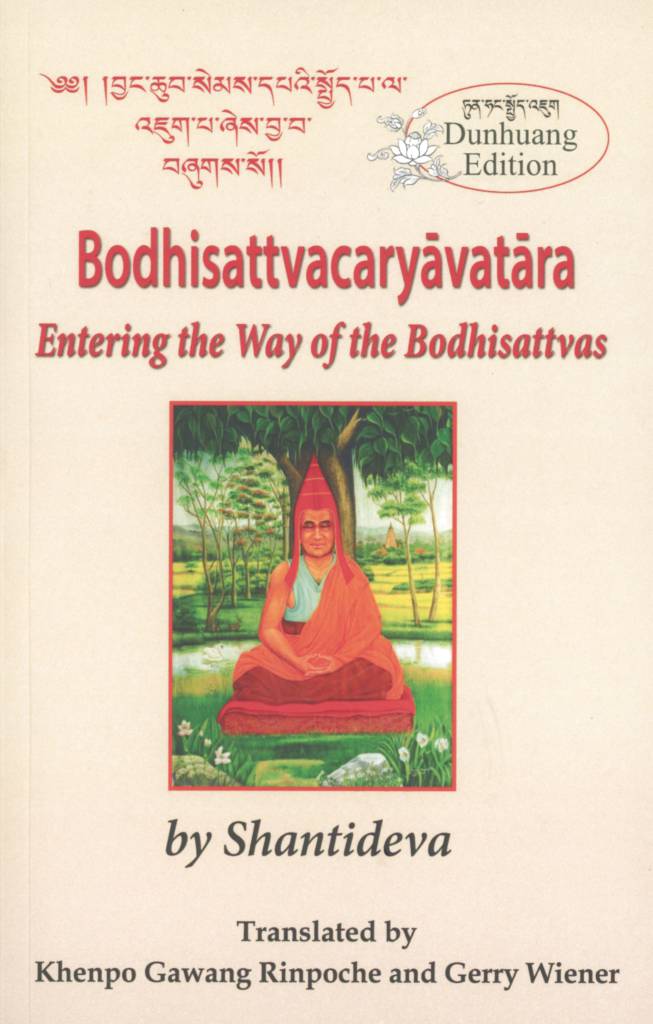
Dūnhuáng §This version is extracted from the book Bodhisattvacaryāvatāra: Entering the Way of the Bodhisattvas (2022, Khenpo Gawang and Wiener), a translation of an edition of the text created from three Dūnhuáng manuscripts. A description and sample pages of these can be found on the Early Tibet Blog. Scans of the actual manuscripts themselves can be found at http://idp.bl.uk

ལུས་གང་བཀྲེས་དང་སྐོམ་སོགས་ནད། །

གསོ་བའི་ཆོ་ག་བྱེད་འདོད་པས། ། བྱ་དང་ཉ་དང་རི་དྭགས་དག །

གསོད་པར་བྱེད་ཅིང་ལམ་སྒུགས་བྱེད། །

alt verse 6.52 tm data
This version differs from it's counterparts.

Because we desire a way to relieve ourselves

Of all types of bodily hunger, thirst, illness, and so forth, We kill birds, fish, and wild animals,

And lie in wait on the road.

Tsadra Critical Edition §This text was created by comparing four versions of the text from Derge, Cone, Narthang, and Peking Tengyurs from BDRC scans, along with Dunhuang manuscripts IOL Tib J 628, 629, and 630. When Tibetan readings were problematic, the Sanskrit texts from GRETIL and LTB (Oslo) were consulted.

ལུས་གང་བཀྲེས་དང་སྐོམ་སོགས་ནད། །

གསོ་བའི་ཆོ་ག་བྱེད་འདོད་པས། ། བྱ་དང་ཉ་དང་རི་དགས་དག །

གསོད་པར་བྱེད་ཅིང་ལམ་སྒུགས་བྱེད། །

[edit]
Sazang Mati (1294 - 1376)
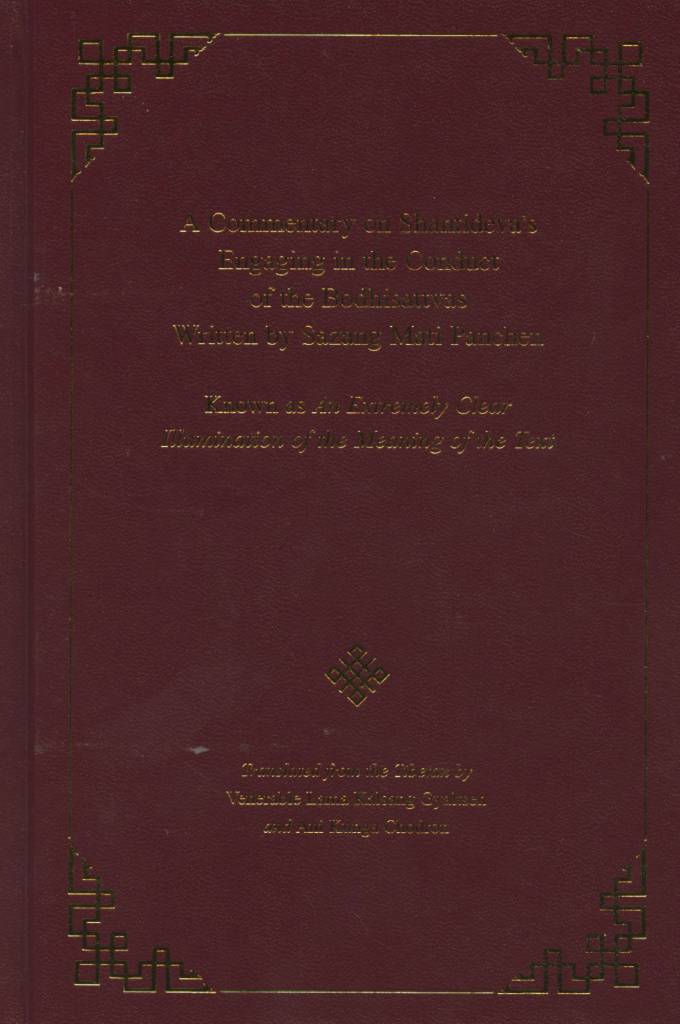
A Commentary on Shantideva's Engaging in the Conduct of the Bodhisattvas (citation)Gyaltsen, Lama Kalsang, and Ani Kunga Chodron, trans. A Commentary on Shantideva's Engaging in the Conduct of the Bodhisattvas Written by Sazang Mati Panchen: Known as An Extremely Clear Illumination of the Meaning of the Text. Walden, NY: Tsechen Kunchab Ling, 2019. Bilingual Edition

(གཉིས་པ་)ཕྱི་མའི་སྡུག་བསྔལ་བསམས་ཏེ་གཏང་ཚུལ་ནི།

2. How to give oneself thinking of suffering in the next life 1.2.3.2.1.2.2.2.2

ལུས་གང་བཀྲེས་དང་སྐོམ་སོགས་ནད། །

གསོ་བའི་ཆོ་ག་བྱེད་འདོད་པས། ། བྱ་དང་ཉ་དང་རི་དྭགས་དག །

གསོད་པར་བྱེད་ཅིང་ལམ་སྒུགས་བྱེད། །

lus gang bkres dang skom sogs nad/_/

gso ba'i cho ga byed 'dod pas/_/ bya dang nya dang ri dwags dag_/

gsod par byed cing lam sgugs byed/_/

By wishing to keep the body alive,

And assuage hunger, thirst, and illness, Birds, fish, and other animals

Are ambushed and killed.

བདག་ཉིད་གཅེས་པར་འཛིན་པ་མ་སྤངས་ན་རང་གི་ལུས་གང་ཞིག་བཀྲེས་པ་དང་སྐོམ་པ་དང་གྲང་བ་དང་ཚ་བ་ལ་སོགས་པའི་ན༵ད་རྣམས་གསོ་བའི་ཐབས་སམ་ཆོ་ག་བྱེད་པར་འདོད་པ༵ས་བཟའ་བ་དང་བཏུང་བ་[p.-276]རབ་གསལ་སྣང་བ་
དང་གོས་དང་སྨན་ལ་སོགས་པའི་ཆེད་དུ་བྱ་དང་ཉ་དང་རི་དྭགས་དང་བ་ལང་སོགས་པ་ད༵ག་ཀྱང་གསོད་པར་བྱེད་ཅིང༌། གཞན་ལ་འཚེ་བའི་དོན་དུ་ལམ་དུ་བསྒུག་ནས་ཆོམ་རྐུན་ལ་སོགས་པའང་བྱེ༵ད་ལ།

If cherishing of oneself is not abandoned due to the wish to maintain one’s body, or to cure its diseases, or to protect it from hunger, thirst, cold, etc., or to find necessities such as food, drink, clothing, medicine, etc., some kill animals such as birds, fish, wild animals, and cattle. Others, like thieves or bandits, wait in ambush in order to steal or harm.
Gyaltsap Je (1364 - 1432)
The Entrance for the Children of the Conquerors (citation)Stracke, Fedor, trans. The Entrance for the Children of the Conquerors: A Commentary on the Introduction to the Actions of Bodhisattvas. By Gyaltsab Rinpoche. N.p.: Happy Monks Publication, 2016. https://happymonkspublication.org/product/bodhisattvacharyavatara-chapter-1-10-commentary/. Bilingual Edition

གཉིས་པ་ནི།

It Is That Which Induces All Harmful Actions 1.1.3.2.2.1.1.2.2

ལུས་གང་བཀྲེས་དང་སྐོམ་སོགས་ནད། །

གསོ་བའི་ཆོ་ག་བྱེད་འདོད་པས། ། བྱ་དང་ཉ་དང་རི་དྭགས་དག །

གསོད་པར་བྱེད་ཅིང་ལམ་སྒུགས་བྱེད། །
lus gang bkres dang skom sogs nad/_/

gso ba'i cho ga byed 'dod pas/_/ bya dang nya dang ri dwags dag_/

gsod par byed cing lam sgugs byed/_/

Desiring to practice the ritual of curing

The afflictions of the body’s hunger, thirst And the like, one kills birds, fish,

Animals and hides in ambush.

བདག་གཅེས་པར་གཟུང་བས་ལུས་གང་བཀྲེས་པ་དང་སྐོམ་པ་སོགས་ནད་གསོ་བའི་ཆོ་ག་བྱེད་འདོད་པས། བྱ་དང་ཉ་དང་རི་དྭགས་དག་གསོད་པར་བྱེད་ཅིང་ལམ་དུ་འགྲོ་བ་ལ་ལམ་སྒུག་བྱེད་ཅིང་གཞན་གྱི་ནོར་འཕྲོག་པ་དང་།

Those who cherish self, and out of the desire to practice the ritual of curing the body’s afflictions of hunger, thirst and the like, will burn in the hells without respite because they kill birds, fish and animals, ambush travelers and steal the wealth of others.

གཅེས་པར་བཟུང་བའི་ལུས་གང་ཞིག་ཁེ་དང་རིམ་གྲོའི་ཕྱིར་དུ་ཕན་བཏགས་པའི་ཕ་དང་མ་ཡང་གསོད་པར་བྱེད་ཅིང་། དཀོན་མཆོག་གསུམ་གྱི་དཀོར་བརྐུས་ནས་སྡིག་པ་དེས་ནི་མནར་མེད་དུ་སྲེག་པར་འགྱུར་ན་

They will also burn in the hells without respite when, in order for the cherished body to receive profit and praise, they steal offerings from the Triple Gem or even kill their father and mother.

མཁས་པ་སུ་ཞིག་ལུས་དེ་ལ་གཅེས་པར་བཟུང་ནས་འདོད་ཅིང་བསྲུང་བ་དང་མཆོད་པར་བྱེད་ཀྱི་རང་གི་ལུས་འདི་ལ་སུ་ཞིག་དགྲ་བཞིན་དུ་བལྟ་བར་མི་བྱེད་བརྙས་པར་མི་བྱེད། གཅེས་པར་འཛིན་པ་རྣམ་པ་ཐམས་ཅད་དུ་དགག་པར་བྱའོ། །

Who that is skilled will not view this body that is desired, protected and made offerings to on the basis of cherishing it, as an enemy, who will not deride it? One needs to stop all forms of self-cherishing.
Minyak Kunzang Sönam (1823 - 1905)
The Great Hūṃ (citation)Duckworth, Douglas, trans. The Great Hūṃ: A Commentary on Śāntideva's Way of the Bodhisattva. By Minyak Kunzang Sönam. New York, NY: Wisdom Publications, 2025. Bilingual Edition

ཕྱི་མའི་སྡུག་བསྔལ་སྐྱེད་པར་རྒྱུ་ཡིན་པས་རང་གཅེས་འཛིན་དོར་བ་ནི།

Next it shows that self-cherishing should be rejected because it is the cause that brings suffering in the future:

ལུས་གང་བཀྲེས་དང་སྐོམ་སོགས་ནད། །

གསོ་བའི་ཆོ་ག་བྱེད་འདོད་པས། ། བྱ་དང་ཉ་དང་རི་དྭགས་དག །

གསོད་པར་བྱེད་ཅིང་ལམ་སྒུགས་བྱེད། །
Seeking ways to relieve this body

from ailments like hunger and thirst, birds, fish, and wild animals are killed,

and people lie waiting along the path. (8.122)

རང་ལ་གཅེས་པར་བཟུང་ནས་ལུས་གང་ཞིག་བཀྲེས་པ་དང་སྐོམ་པ་དང་ཚ་ཞིང་གྲང་བ་སོགས་ཀྱི་ནད་རྣམས་ཞེས་སམ། ཡང་ན་[p.546]Byang chub sems dpa'i spyod pa la 'jug pa'i 'grel bshad rgyal sras rgya mtsho'i yon tan rin po che mi zad 'jo ba'i bum bzang
Mi nyag kun bzang bsod nams (མི་ཉག་ཀུན་བཟང་བསོད་ནམས་). byang chub sems dpa'i spyod pa la 'jug pa'i 'grel bshad rgyal sras rgya mtsho'i yon tan rin po che mi zad 'jo ba'i bum bzang [བྱང་ཆུབ་སེམས་དཔའི་སྤྱོད་པ་ལ་འཇུག་པའི་འགྲེལ་བཤད་རྒྱལ་སྲས་རྒྱ་མཚོའི་ཡོན་ཏན་རིན་པོ་ཆེ་མི་ཟད་འཇོ་བའི་བུམ་བཟང།]. [Excellent Vase That Spills Forth an Ocean of the Inexhaustible and Precious Qualities of the Victor's Heirs: An Explanation of the "Way of the Bodhisattva."].
བཀྲེས་སྐོམ་སོགས་དང་འབྱུང་འཁྲུགས་ཀྱི་ནད་རྣམས་གསོ་བའི་ཆོ་ག་བྱེད་པར་འདོད་པས་ཟས་གོས་དང་ལ་སྨན་དཔྱད་ལ་སོགས་པའི་ཕྱིར་དུ་བྱ་དང་ཉ་དང་རི་དྭགས་དང་གནག་ཕྱུགས་དག་གསོད་པར་བྱེད་ཅིང༌།

Due to cherishing oneself, there is hunger, thirst, and ailments of this body, like being hot or cold. Alternatively there is hunger and thirst, and disease in which the elements are disturbed, such that one wishes for a means of relief. For this reason birds, fish, wild animals, and livestock are killed in order to get food, clothes, and medical treatments.

ལས་འབྲས་ལ་རྨོངས་པའི་གང་ཟག་གང་ཞིག་རང་ཉིད་ཀྱིས་ཁེ་སྟེ་རྙེད་པ་དང་རིམ་གྲོ་སྟེ་བཀུར་སྟི་ཐོབ་པར་བྱ་བའི་ཕྱིར་དུ་འདི་དག་མ་བསད་ན་བདག་ལ་རྙེད་བཀུར་འོང་བའི་གེགས་བྱེད་དོ་སྙམ་ནས་དྲིན་ཆེན་པོས་བསྐྱངས་པའི་ཕན་འདོགས་ཀྱི་ཞིང་ཁྱད་པར་ཅན་རང་གི་ཕ་དང་མ་ཡང་གསོད་པའི་མཚམས་མེད་ཀྱི་ལས་གསོག་པར་བྱེད་ཅིང་ཞེས་སམ། ཡང་ན་ལུས་གང་ཞིག་ཁེ་དང་རིམ་གྲོའི་ཕྱིར་ཞེས་སྦྱར། འགྲོན་པོ་ལམ་དུ་འགྲོ་བ་རྣམས་འཇོམས་སླ་བའི་ལ་ཆུ་འཕྲང་གསུམ་གྱི་ལམ་འགག་བགྲོད་དཀའ་བ་དག་ཏུ་སྒུག་པར་བྱེད་ཅིང་དེ་དག་གི་ནོར་རྫས་རྣམས་འཕྲོག་པར་བྱེད་པ་དང༌།

Also, at intersections that are difficult to pass—mountain passes, streams, and narrow paths—there are those who lie in waiting so that they can steal money and wealth, as it is easy to overtake a passerby there. Some people who are confused about karmic causality—looking for personal gain—[p.783]The Great Hum
Duckworth, Douglas, trans. The Great Hūṃ: A Commentary on Śāntideva's Way of the Bodhisattva. By Minyak Kunzang Sönam. New York, NY: Wisdom Publications, 2025.
think that if they don’t kill in order to gain a profit of wealth and the admiration of esteem, then those people will bring obstacles to their acquiring profit and esteem. They will even commit heinous deeds with immediate retribution, such as killing their parents who raised them with kindness and are the distinctive field of benefits. Alternatively this can be applied to this body that would for the sake of profit and admiration . . .

གཞན་ཡང་ཡོན་ཏན་གྱི་ཞིང་ས་ཁྱད་པར་ཅན་དཀོན་མཆོག་གསུམ་གྱི་དཀོར་ནོར་དག་ཀྱང་བརྐུས་སམ་འཕྲོག་ནས་ལས་ངན་ཚབས་ཆེན་གསོག་པར་བྱེད་ལ་ལས་ངན་པ་དེ་དང་དེས་ནི་ཕྱི་མར་དམྱལ་བ་མནར་མེད་ཀྱི་མེས་སྲེག་པ་སོགས་ངན་སོང་གི་སྡུག་བསྔལ་ཆེན་པོ་སྐྱེད་པ་དང༌།

Further, the distinctive field of qualities is the Three Jewels, and people will even steal or rob the property and wealth that belong to the Three Jewels. Those who commit these grave actions in the future go to hell and experience great suffering in the lower realms, such as the fires of Utter Torment, brought on by negative actions such as these. It is also said that those who steal the property of the Three Jewels will be born in the hell of Complete Heat [Pratāpana].

དེ་བཞིན་དུ་དཀོན་མཆོག་གི་དཀོར་བརྐུས་ན་རབ་ཏུ་ཚ་བའི་དམྱལ་བར་སྐྱེ་བར་ཡང་གསུངས་པས་དེ་ལྟ་བུའི་ཕྱི་མའི་སྡུག་བསྔལ་ཆེན་པོ་འབྱུང་བའི་རྒྱུར་འགྱུར་ན། སྡིག་པའི་ཉེས་དམིགས་ཤེས་པའི་མཁས་པ་སུ་ཞིག་ཉེས་པའི་འབྱུང་གནས་སུ་གྱུར་པའི་ལུས་དེ་ལ་ཆགས་ཤིང་དགའ་བས་འདོད་ཅིང་གཅེས་སྤྲས་ཀྱིས་བསྲུང་ཞིང་སྐྱོང་བ་དང་དཀོན་མཆོག་གི་དཀོར་སོགས་ཟས་གོས་ཀྱི་རྙེད་པས་མཆོད་པར་བྱེད་དེ་དེ་ལྟར་བྱེད་མི་རིགས་ཀྱི། ཉེས་པའི་རྒྱུ་དང་སྤྱི་བའི་གནས་སུ་གྱུར་པའི་རང་གི་ལུས་འདི་ལ་དེའི་རང་བཞིན་སྐྱོན་ཅན་དུ་ཤེས་པའི་རིག་པ་དང་ལྡན་པའི་མཁས་པ་སུ་ཞིག་དགྲ་བཞིན་དུ་ལྟ་བར་མི་བྱེད་དེ་དགྲ་བཞིན་དུ་ལྟ་རིགས་ལ་དེ་བཞིན་དུ་སུ་ཞིག་བརྙས་པར་མི་བྱེད་དེ་ཁྱད་དུ་བསད་དེ་བརྙས་པར་བྱས་ནས་ལྟོས་མེད་དུ་འདོར་རིགས་ཀྱི་གཅེས་པར་འཛིན་པ་ནི་རྣམ་པ་ཐམས་ཅད་དུ་མི་རིགས་སོ་ཞེས་པ་སྟེ། དེ་དག་ནི་རང་གི་ལུས་སྲོག་ལ་ཆགས་ནས་དེ་གཅེས་པར་བཟུང་ནས་འདི་ཕྱི་ཀུན་ཏུ་ཕུང་བར་འགྱུར་ཚུལ་གྱི་སྐྱོན་གཙོ་བོར་བརྗོད་དེ་དེ་སྤངས་ནས་བདག་གཞན་བརྗེ་དགོས་པར་བསྟན་པའོ། །

Given that these actions are causes that bring this kind of great suffering in the future, what wise person who understands the problems of negative actions would be attached to and take delight in this body that is the source of problems, while guarding and protecting it so dearly and making offerings to it of food and clothes, including property that belongs to the Three Jewels? It makes no sense to do so. What wise person who understands that this body is defective by nature—a source of faults and a site of derision—would not see it as an enemy? It makes sense to regard it as an enemy. Likewise what wise person would not regard it with contempt? It makes sense to disregard, despise, and discard it without concern; it makes no sense at all to cherish it. These lines show that cherishing one’s body and life is the main problem that brings complete ruin in this life and in the future; they show that this should be given up and that one should exchange self and other.
Kunzang Palden (1862 - 1943)
The Nectar of Manjushri's Speech (citation)Blankleder, Helena, and Wulstan Fletcher (Padmakara Translation Group), trans. The Nectar of Manjushri's Speech: A Detailed Commentary on Shantideva's Way of the Bodhisattva. By Kunzang Pelden. Boston: Shambhala Publications, 2007. Bilingual Edition

ལུས་གང་བཀྲེས་དང་སྐོམ་སོགས་ནད། །

གསོ་བའི་ཆོ་ག་བྱེད་འདོད་པས། ། བྱ་དང་ཉ་དང་རི་དྭགས་དག །

གསོད་པར་བྱེད་ཅིང་ལམ་སྒུགས་བྱེད། །

lus gang bkres dang skom sogs nad/_/

gso ba'i cho ga byed 'dod pas/_/ bya dang nya dang ri dwags dag_/

gsod par byed cing lam sgugs byed/_/

རང་གི་ལུས་གང་ཞིག་བཀྲེས་པ་དང་སྐོམ་པ་དང་ཚ་གྲང་ལ་སོགས་པའི་ནད་རྣམས་གསོ་བའི་ཐབས་སམ་ཆོ་ག་བྱེད་པར་འདོད་པས་ཟས་གོས་ལ་སོགས་པའི་ཆེད་དུ་བྱ་དང་ཉ་དང་རི་དྭགས་དང་བ་ལང་ལ་སོགས་པ་དག་གསོད་པར་བྱེད་ཅིང་ལམ་དུ་སྒུག་སྟེ་གཞན་གྱི་ནོར་རྐུ་འཕྲོག་བྱེད་པ་དང༌། །

Wishing to relieve our bodies’ ills,

Our hungry mouths, the dryness of our throats, We steal the lives of fishes, birds, and deer

And lie in wait along the road.

For the sake of food and clothing, wishing to relieve our bodies’ discomforts of hunger and thirst, heat and cold, we kill fish, birds and deer and cattle, and we rob and steal from others, lying in wait for them along the road.


[edit]
[edit]