Sources:
ईर्ष्योत्कृष्टात्समाद्द्वन्द्वो हीनान्मानः स्तुतेर्मदः। अवर्णात्प्रतिघश्चेति कदा बालाद्धितं भवेत्॥

མཐོ་ལ་ཕྲག་དོག་མཉམ་དང་འགྲན། །
དམའ་ལ་ང་རྒྱལ་བསྟོད་ན་དྲེགས། ། མི་སྙན་བརྗོད་ན་ཁོང་ཁྲོ་སྐྱེ། །
ནམ་ཞིག་བྱིས་ལས་ཕན་པ་ཐོབ། །Jealous of superiors, they vie with equals,
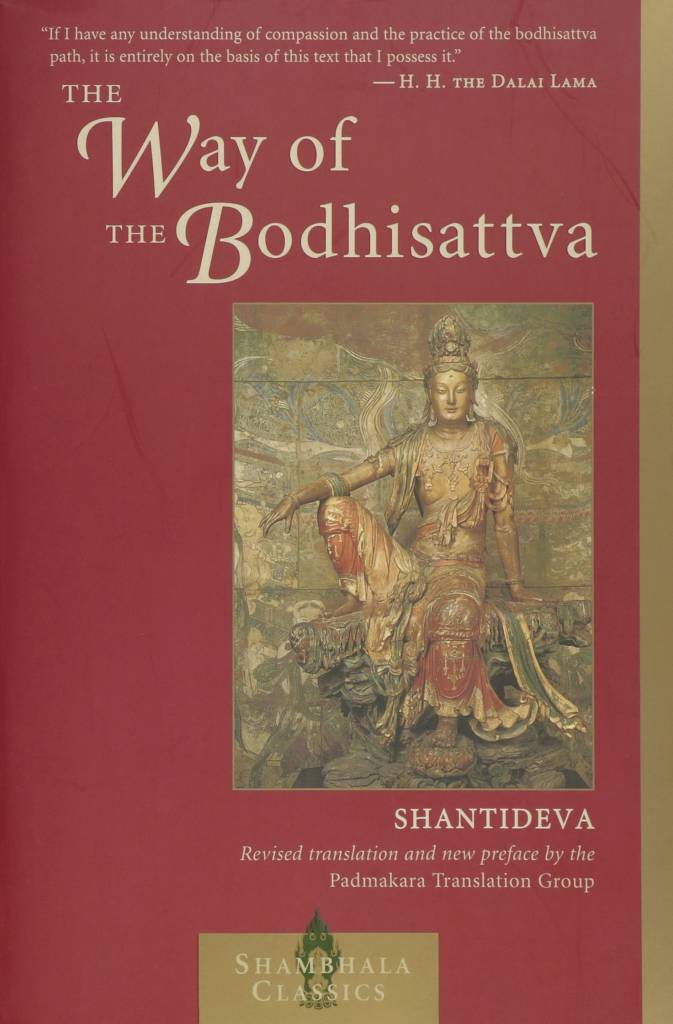
Proud to those below, they strut when praised. Say something untoward, they seethe with rage.
What good was ever had from childish folk?
Jaloux de leurs supérieurs, ils rivalisent avec leurs égaux ;
Orgueilleux avec les humbles, la louange les rend arrogants. Les propos déplaisants les mettent en colère :
Profitera-t-on un jour de la fréquentation des sots ?
Están celosos de los que son superiores,
compiten con sus iguales y son arrogantes con los inferiores, si se les elogia se envanecen y si se les censura se encolerizan,
¿en qué pueden beneficiarme los seres pueriles?[p.131]La Práctica del BodisatvaHervás, María Jesús (Padmakara Translation Group, Spain), trans. La Práctica del Bodisatva: Una Traducción del Bodicharyavatara de Shantideva. Translated from the 2006 English translation of Helena Blankleder and Wulstan Fletcher. Novelda, Alicante, Spain: Ediciones Dharma, 2008.

Jealous of the higher and competing with the equal,
Pride towards those lower; conceited when praised. If one expresses something unpleasant, they become angry.
When does one derive benefit from the childish?
Jealous toward superiors, competitive toward equals,
Arrogant toward inferiors, conceited when praised, Anger arises when unpleasant words are said.
When could benefit be gained from the childish?
མཐོ་ལ་ཕྲག་དོག་མཉམ་དང་འགྲན། །
དམའ་ལ་ང་རྒྱལ་བསྟོད་ན་འདྲེག ། མི་སྙན་བརྗོད་ན་ཁོང་ཁྲོ་སྟེ། །
ནམ་ཞིག་བྱིས་ལ་ཕན་སེམས་ཡོད། །
མཐོ་ལ་ཕྲག་དོག་མཉམ་དང་འགྲན། །
དམའ་ལ་ང་རྒྱལ་བསྟོད་ན་དྲེགས། ། མི་སྙན་བརྗོད་ན་ཁོང་ཁྲོ་སྐྱེ། །
ནམ་ཞིག་བྱིས་ལས་ཕན་པ་ཐོབ། །126ཏུན་ཧོང་ཀ་དང་ཁ་༴ ‘བྱིས་ལ་ཕན་སེམས་ཡོད། །’