8.10

From Bodhicitta

Bodhicaryāvatāra · Verse 8.10


Sources:    

Sanskrit §No information about the source used.

क्षणाद्भवन्ति सुहृदो भवन्ति रिपवः क्षणात्। तोषस्थाने प्रकुप्यन्ति दुराराधाः पृथग्जनाः॥

 
Chanted Verse
Recitation by Professor Kashinath Nyaupane
10

In an instant they become your friends; in an instant they become your enemies. They become angry when they should be pleased. It is difficult to win over common people of the world.

Standard Tibetan §Padmakara used the 1990 edition printed by si khron mi rigs dpe skrun khang: Byang chub sems dpa'i spyod pa la 'jug pa rtsa ba dang 'grel pa (1990). Also found in Derge Tengyur D3871, dbu ma, vol. 105, la 1b1–40a7.

སྐད་ཅིག་གཅིག་གིས་འཛར་འགྱུར་ལ། །

ཡུད་ཙམ་གྱིས་ནི་དགྲར་ཡང་འགྱུར། ། དགའ་བའི་གནས་ལའང་ཁྲོ་བྱེད་པས། །

སོ་སོའི་སྐྱེ་བོ་མགུ་བར་དཀའ། །

 
Chanted Verse
Recitation by Lopen Karma Phuntsho
10

One moment friends,

The next, they’re bitter enemies. Even pleasant things arouse their discontent:

Ordinary people—it is hard to please them!

Standard Tibetan §Padmakara used the 1990 edition printed by si khron mi rigs dpe skrun khang: Byang chub sems dpa'i spyod pa la 'jug pa rtsa ba dang 'grel pa (1990). Also found in Derge Tengyur D3871, dbu ma, vol. 105, la 1b1–40a7. - Other translations

Amis un instant,

L’instant suivant, ennemis, Ils s’irritent contre ce qui devrait leur plaire :

Qu’il est difficile de contenter les êtres ordinaires !

Un instante son nuestros amigos,

al siguiente nuestros enemigos. Incluso las cosas agradables les hacen enfadar.

¡Qué difícil es contentar a la gente corriente!

La Práctica del Bodisatva-front.jpg
Padmakara Spain 2008

In one instant they become friends

But in a mere moment they also turn into enemies. As they become angry at that which is likeable

Ordinary individuals are difficult to please.

Instantly becoming friends,

In a moment becoming enemies, Feeling angry even in joyful places,

It is hard to please ordinary beings.

shift + scroll / swipe
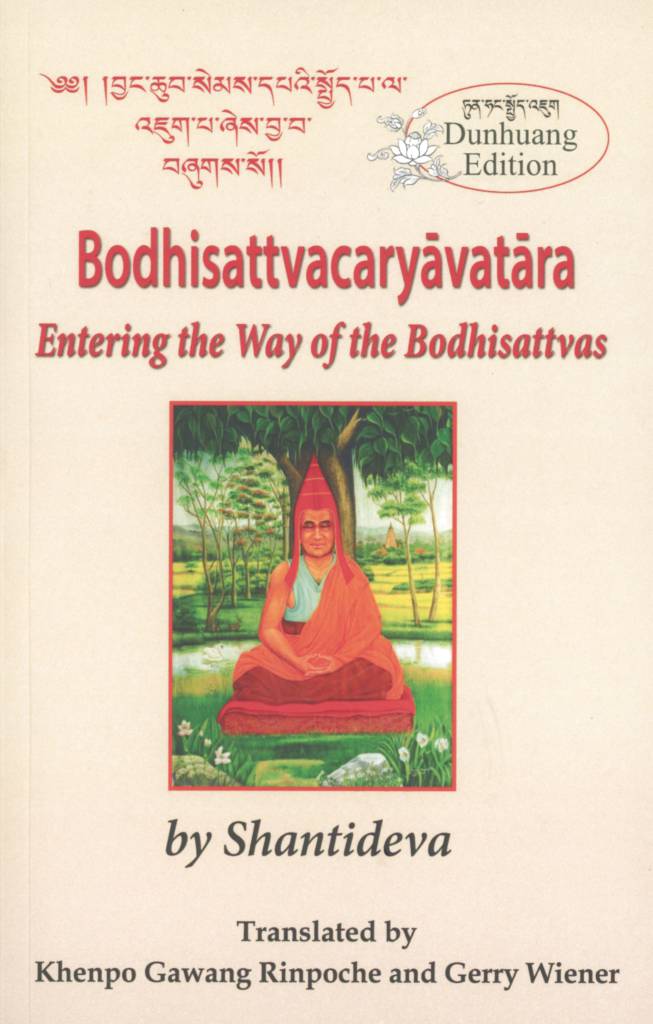
Dūnhuáng §This version is extracted from the book Bodhisattvacaryāvatāra: Entering the Way of the Bodhisattvas (2022, Khenpo Gawang and Wiener), a translation of an edition of the text created from three Dūnhuáng manuscripts. A description and sample pages of these can be found on the Early Tibet Blog. Scans of the actual manuscripts themselves can be found at http://idp.bl.uk

སྐད་ཅིག་གཅིག་གིས་མཛའ་གྱུར་ལ། །

ཡུད་ཙམ་གཅིག་གིས་དགྲར་ཡང་འགྱུར། ། དགའ་བའི་གནས་ལ་ཁྲོ་བྱེད་པས། །

སོ་སོའི་སྐྱེ་བོ་མགུ་བར་དཀའ། །

alt verse 7.7 tm data
This version differs from it's counterparts.

In a single moment I become their friend,

And in the next, their enemy; When looking at my joyful situation, they get resentful.

It is difficult to please ordinary individuals.

Tsadra Critical Edition §This text was created by comparing four versions of the text from Derge, Cone, Narthang, and Peking Tengyurs from BDRC scans, along with Dunhuang manuscripts IOL Tib J 628, 629, and 630. When Tibetan readings were problematic, the Sanskrit texts from GRETIL and LTB (Oslo) were consulted.

སྐད་ཅིག་གཅིག་གིས་མཛའ་འགྱུར་ལ། །

ཡུད་ཙམ་གྱིས་ནི་དགྲར་ཡང་འགྱུར། ། དགའ་བའི་གནས་ལ་ཁྲོ་བྱེད་པས། །

སོ་སོའི་སྐྱེ་བོ་མགུ་བར་དཀའ། །

[edit]
Sazang Mati (1294 - 1376)
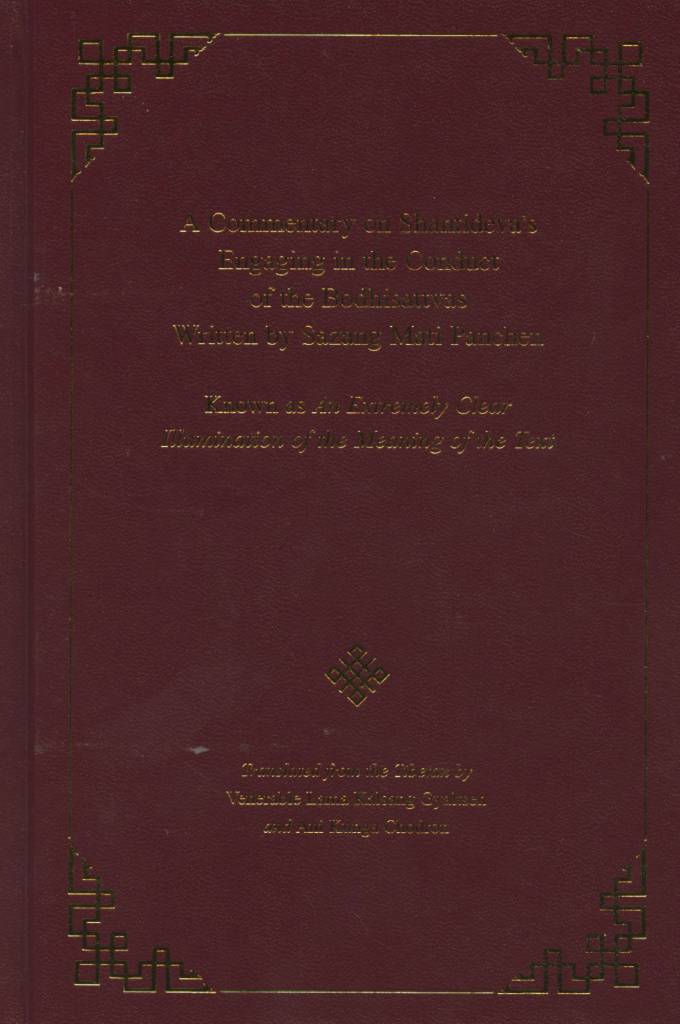
A Commentary on Shantideva's Engaging in the Conduct of the Bodhisattvas (citation)Gyaltsen, Lama Kalsang, and Ani Kunga Chodron, trans. A Commentary on Shantideva's Engaging in the Conduct of the Bodhisattvas Written by Sazang Mati Panchen: Known as An Extremely Clear Illumination of the Meaning of the Text. Walden, NY: Tsechen Kunchab Ling, 2019. Bilingual Edition

(གཉིས་པ་)ཉེས་དམིགས་རྒྱས་བཤད་ནི།

2. Detailed explanation of drawbacks 1.2.2.1.2.1.2.2

སྐད་ཅིག་གཅིག་གིས་འཛར་འགྱུར་ལ། །

ཡུད་ཙམ་གྱིས་ནི་དགྲར་ཡང་འགྱུར། ། དགའ་བའི་གནས་ལའང་ཁྲོ་བྱེད་པས། །

སོ་སོའི་སྐྱེ་བོ་མགུ་བར་དཀའ། །

skad cig gcig gis 'dzar 'gyur la/_/

yud tsam gyis ni dgrar yang 'gyur/_/ dga' ba'i gnas la'ang khro byed pas/_/

so so'i skye bo mgu bar dka'/_/

Instantly becoming friends,

In a moment becoming enemies, Feeling angry even in joyful places,

It is hard to please ordinary beings.

བྱིས་པ་རྣམས་བློ་མི་བརྟན་པས་འཕྲལ་དུ་སྐད་ཅིག་གཅིག་གིས་མཛའ་བར་ཡང་འགྱུར་ལ༵་དེ་མ་ཐག་ཏུ་ཡུད་ཙམ་ཞིག་གིས་ནི་དགྲ་བོར་ཡང་འགྱུ༵ར་ཞིང༌། རང་གཞན་དགའ་བར་འོས་པའི་གནས་ལའང་མི་དགའ་ཞིང་ཁྲོ་བར་བྱེ༵ད་པས་སོ་སོའི་སྐྱེ་བོ་རྣམས་ནི་ཤིན་ཏུ་མགུ་བར་དཀ༵འོ། །

The minds of the childlike are not stable; one moment they become friends, and within a short period of time they become enemies. They do not take joy in what is suitable to be enjoyed, and instead feel angry. Therefore, ordinary beings are very difficult to please.
Gyaltsap Je (1364 - 1432)
The Entrance for the Children of the Conquerors (citation)Stracke, Fedor, trans. The Entrance for the Children of the Conquerors: A Commentary on the Introduction to the Actions of Bodhisattvas. By Gyaltsab Rinpoche. N.p.: Happy Monks Publication, 2016. https://happymonkspublication.org/product/bodhisattvacharyavatara-chapter-1-10-commentary/. Bilingual Edition

གཉིས་པ་ནི།

Childish Friends Are Unreliable and They Are Difficult to Count Upon 1.1.2.1.2.2.1.2.1.1.2

སྐད་ཅིག་གཅིག་གིས་འཛར་འགྱུར་ལ། །

ཡུད་ཙམ་གྱིས་ནི་དགྲར་ཡང་འགྱུར། ། དགའ་བའི་གནས་ལའང་ཁྲོ་བྱེད་པས། །

སོ་སོའི་སྐྱེ་བོ་མགུ་བར་དཀའ། །
skad cig gcig gis 'dzar 'gyur la/_/

yud tsam gyis ni dgrar yang 'gyur/_/ dga' ba'i gnas la'ang khro byed pas/_/

so so'i skye bo mgu bar dka'/_/

In one instant they become friends

But in a mere moment they also turn into enemies. As they become angry at that which is likeable

Ordinary individuals are difficult to please.

ཤེས་རྒྱུད་མི་བརྟན་པས་སྐད་ཅིག་གཅིག་གིས་མཛའ་བར་འགྱུར་ལ་ཚིག་ངན་ཅུང་ཟད་སྨྲས་པའི་ཡུད་ཙམ་གཅིག་གིས་དགྲར་ཡང་འགྱུར་བ་དང་།

As their mental continuum is unstable, they become friends in an instant but in the mere moment it takes to say some bad words they become enemies again.[p.6]The Entrance for the Children of the Conquerors
Stracke, Fedor, trans. The Entrance for the Children of the Conquerors: A Commentary on the Introduction to the Actions of Bodhisattvas. By Gyaltsab Rinpoche. N.p.: Happy Monks Publication, 2016. https://happymonkspublication.org/product/bodhisattvacharyavatara-chapter-1-10-commentary/.

དགའ་བའི་གནས་དགེ་བ་ལ་སྦྱར་ན་ཡང་ཁྲོ་བར་བྱེད་པས་བྱིས་པ་སོ་སོའི་སྐྱེ་བོ་མགུ་བར་དཀའ་ལ་རང་ལ་ཕན་པ་སྨྲས་ན་ཁྲོ་བར་བྱེད་ཅིང་དེར་མ་ཟད་བདག་ཀྱང་ཐབས་སྣ་ཚོགས་ཀྱིས་ཕན་པའི་རྒྱུ་དགེ་བ་ལས་ཟློག་པར་བྱེད་ལ། དེ་དག་གི་ངག་ནི་མ་མཉན་ན་བདག་ལ་ཁྲོ་བས་ངན་འགྲོར་འགྲོ་བར་འགྱུར་རོ། །

As they become angry if one brings them into contact with virtue, which is likeable, ordinary individuals are difficult to please. Not only do they become angry if one says something beneficial, in many ways, they will also turn oneself away from the beneficial cause that is virtue. If one does not listen to their words, they become angry and go to the lower realms.
Minyak Kunzang Sönam (1823 - 1905)
The Great Hūṃ (citation)Duckworth, Douglas, trans. The Great Hūṃ: A Commentary on Śāntideva's Way of the Bodhisattva. By Minyak Kunzang Sönam. New York, NY: Wisdom Publications, 2025. Bilingual Edition

མགུ་བར་དཀའ་བ་སོགས་ཀྱི་ཉེས་པ་ནི།

Next it shows the problem that they are hard to please:

སྐད་ཅིག་གཅིག་གིས་འཛར་འགྱུར་ལ། །

ཡུད་ཙམ་གྱིས་ནི་དགྲར་ཡང་འགྱུར། ། དགའ་བའི་གནས་ལའང་ཁྲོ་བྱེད་པས། །

སོ་སོའི་སྐྱེ་བོ་མགུ་བར་དཀའ། །

In one moment they become your friend

and in the next moment become an enemy. They get angry at a source of joy;

ordinary beings are hard to please. (8.10)

བྱིས་པ་རྣམས་དང་རྒྱུད་མི་བརྟན་པའི་ཕྱིར་འཕྲལ་དང་འཕྲལ་དུ་ཚིག་སྙན་པ་སོགས་ཁོའི་རང་འདོད་ཀྱི་བསམ་སྤྱོད་དང་མཐུན་པའི་བྱ་བྱེད་ཅུང་ཟད་ལ་བརྟེན་ནས་སྐད་ཅིག་གཅིག་གིས་ཞེས་སམ་སྐད་ཅིག་ཙམ་གྱིས་ཀྱང་དགའ་ཞིང་མཛའ་བའི་གྲོགས་སུ་འགྱུར་ལ་ཚིག་མི་སྙན་པ་སོགས་ཁོའི་བློའམ་སྤྱོད་པ་དང་མི་མཐུན་པའི་རྒྱུ་མཚན་ཅུང་ཟད་ལ་བརྟེན་ནས་ཡུད་ཙམ་གཅིག་ཙམ་གྱིས་ནི་ཞེས་སམ་ཡུད་ཙམ་ཞིག་གིས་མི་མཐུན་པའི་དགྲར་ཡང་འགྱུར་བ་ལ་དཀའ་ཚེགས་མེད་ཅིང་། བླང་དོར་ལ་མི་མཁས་པའི་ཕྱིར་དགའ་བར་བྱ་འོས་པའི་གནས་བསོད་ནམས་དགེ་བའི་བྱ་བ་ལ་སྒྱུར་ན་ཡང་མི་དགའ་ཞིང་ཁྲོ་བར་བྱེད་པས་ན་དེ་ལྟ་བུའི་བྱིས་པ་སོ་སོའི་སྐྱེ་བོ་རྣམས་ནི་རྗེས་མཐུན་གྱི་སྤྱོད་པས་མགུ་བར་བྱ་བ་ཤིན་ཏུ་དཀའ་ལ།

Immature beings are not stable-minded. For this reason, based on just[p.686]The Great Hum
Duckworth, Douglas, trans. The Great Hūṃ: A Commentary on Śāntideva's Way of the Bodhisattva. By Minyak Kunzang Sönam. New York, NY: Wisdom Publications, 2025.
doing something that accords with thoughts or behaviors they like for one moment—such as speaking a pleasant word—they will become delighted and instantly become a close friend. Based on doing something minor that conflicts with their mind or behavior—like saying something unpleasant for a moment—they will instantly become a combative enemy. They do so without difficulty. Since they are not wise about what is to be accepted or rejected, they are not joyful when they are brought to do virtuous, meritorious things that should bring joy. Rather, they become spiteful. Thus it is extremely hard to please immature, ordinary beings by acting in accord with them.

ཕན་གནོད་ཀྱི་རྒྱུ་མི་ཤེས་པའི་ཕྱིར་རང་གཞན་ལ་ཕན་པའི་ཐབས་ཆོས་དང་མཐུན་པའི་གཏམ་འདི་བྱ་འོས་སོ་འདི་བྱ་མི་འོས་སོ། །ཞེས་བླང་དོར་བྱ་ཚུལ་ཕྱིན་ཅི་མ་ལོག་པར་སྨྲས་ན་ནི་དང་དུ་ལེན་པའི་སྒོ་ནས་དེ་ལ་དགའ་བས་སློབ་པར་བྱེད་པ་ལྟ་ཅི་ཁྲོ་ཞིང་སྣང་བས་མི་དགའ་བར་ཡང་བྱེད་པས་ན་ཕན་པར་སྨྲས་ཀྱང་དོན་དུ་མི་འགྱུར་ཞིང༌།

Since they do not know what causes benefit and harm, when they are correctly told what they should and shouldn’t do, with words [451] that benefit themselves and others on how to accept and reject in accord with the Dharma, they do not like it and become spiteful and angry. Given that this is the case, it goes without saying that they do not take this advice and joyously train. Thus there is no purpose served even when speaking beneficial words to them.

དེར་མ་ཟད་རང་གིས་བླང་དོར་ཚུལ་བཞིན་དུ་བྱས་ནས་ཆོས་མཐུན་གྱི་སྤྱོད་པ་སྤྱད་པའི་ཚེ་ཁྱོད་ཀྱིས་སུ་དང་ཡང་མི་མཐུན་པའི་ངལ་བ་འབྲས་མེད་འདི་ལྟ་བུ་ཉམས་སུ་བླངས་པས་ཅི་བྱ་ཟེར་ནས་བདག་ཀྱང་ཕན་པའི་རྒྱུ་ཆོས་དགེ་བའི་ཕྱོགས་ལས་ནན་གྱིས་ཟློག་པར་བྱེད་ལ། དེའི་ཚེ་དེ་དག་གི་ངག་སྟེ་ཚིག་ནི་ཇི་སྐད་སྨྲ་བ་བཞིན་དུ་མ་མཉན་ན་ཁོའི་ཕན་པོའི་ཚིག་ལ་བརྙས་སོ་ཟེར་ནས་བདག་ལ་མི་དགའ་ཞིང་ཁྲོ་བ་སྐྱེ་བས་དེའི་རྐྱེན་གྱིས་ཁོ་རང་ངན་འགྲོར་ཡང་འགྲོ་བར་[p.481]Byang chub sems dpa'i spyod pa la 'jug pa'i 'grel bshad rgyal sras rgya mtsho'i yon tan rin po che mi zad 'jo ba'i bum bzang
Mi nyag kun bzang bsod nams (མི་ཉག་ཀུན་བཟང་བསོད་ནམས་). byang chub sems dpa'i spyod pa la 'jug pa'i 'grel bshad rgyal sras rgya mtsho'i yon tan rin po che mi zad 'jo ba'i bum bzang [བྱང་ཆུབ་སེམས་དཔའི་སྤྱོད་པ་ལ་འཇུག་པའི་འགྲེལ་བཤད་རྒྱལ་སྲས་རྒྱ་མཚོའི་ཡོན་ཏན་རིན་པོ་ཆེ་མི་ཟད་འཇོ་བའི་བུམ་བཟང།]. [Excellent Vase That Spills Forth an Ocean of the Inexhaustible and Precious Qualities of the Victor's Heirs: An Explanation of the "Way of the Bodhisattva."].
འགྱུར་བས་ན་བདག་གིས་དེ་ལ་ནམ་ཡང་ཕན་པར་བྱེད་མི་ནུས་སོ་ཞེས་པ་སྟེ་ཕར་ལ་ཕན་པ་སྒྲུབ་མི་ནུས་པའོ། །དེ་ལྟར་ཡང་ཏིང་རྒྱལ་ལས།

Furthermore, when I practice in accord with the Dharma through actions of properly adopting and rejecting, they will persistently turn me away from the side of virtuous practices that bring benefit, saying, “Why are you taking on these fruitless hardships that go against what everybody is doing?” If I don’t listen to their words, then they will say that I am disregarding their helpful advice and become unhappy and angry with me, by which they will go the lower realms; so I can never benefit them. This is saying that they cannot be benefited. In this way the King of Meditative Stabilizations says:

སོ་སོའི་སྐྱེ་བོ་ལ་ནི་མཛའ་བ་མེད། །

ཆོས་དང་ལྡན་པའི་ཚིག་དག་སྨྲས་ན་ཡང་། ། ཡིད་མི་ཆེས་ཤིང་ཞེ་སྡང་ཁྲོ་བ་དག ། མངོན་པར་སྟོན་པ་འདི་ནི་བྱིས་པའི་ཆོས། །

དོན་འདི་རྣམ་པར་རིག་པས་ཡིད་མི་རྟོན། །ཞེས་སོ། །

Ordinary beings do not have friends.
Even if you say words to them imbued with the Dharma,
they don’t trust them and show contempt and anger.
Understand that this is a quality of immature beings and don’t rely on them.1275King of Meditative Stabilizations Sūtra, 45b.

Kunzang Palden (1862 - 1943)
The Nectar of Manjushri's Speech (citation)Blankleder, Helena, and Wulstan Fletcher (Padmakara Translation Group), trans. The Nectar of Manjushri's Speech: A Detailed Commentary on Shantideva's Way of the Bodhisattva. By Kunzang Pelden. Boston: Shambhala Publications, 2007. Bilingual Edition

སྐད་ཅིག་གཅིག་གིས་འཛར་འགྱུར་ལ། །

ཡུད་ཙམ་གྱིས་ནི་དགྲར་ཡང་འགྱུར། ། དགའ་བའི་གནས་ལའང་ཁྲོ་བྱེད་པས། །

སོ་སོའི་སྐྱེ་བོ་མགུ་བར་དཀའ། །

skad cig gcig gis 'dzar 'gyur la/_/

yud tsam gyis ni dgrar yang 'gyur/_/ dga' ba'i gnas la'ang khro byed pas/_/

so so'i skye bo mgu bar dka'/_/

བྱིས་པའི་གྲོགས་རྣམས་ནི་བློ་མི་བརྟན་པས་གསར་ངེས་ཀྱིས་སྐད་ཅིག་གཅིག་གིས་དགའ་ཞིང་མཛའ་བར་འགྱུར་ལ་དེ་ཉིད་ཡུད་ཙམ་གྱིས་ཏེ་ཡུད་ཙམ་ཞིག་གིས་ནི་སྲོག་སོགས་ལ་བདོ་བའི་དགྲར་ཡང་འགྱུར་ཞིང་རང་གིས་དེ་དགའ་བའི་གནས་[p.528]Byang chub sems dpa'i spyod pa la 'jug pa rtsa ba dang 'grel pa (1990)
Slob dpon zhi ba lha and Mkhan po kun dpal. Byang chub sems dpa'i spyod pa la 'jug pa rtsa ba dang 'grel pa. Khreng tu'u: Si khron mi rigs dpe skrun khang, 1990. Buda by BDRC Logo.jpg
དགེ་བ་ལ་སྦྱར་ན་མི་འདོད་པས་ཁྲོ་བར་བྱེད་པས་སམ་ཆོས་དང་འཇིག་རྟེན་གྱི་འབྱོར་པ་རང་ལ་ཡོད་ན་གྲོགས་དེ་དགའ་བའི་གནས་ཡིན་དགོས་ཀྱང་དེས་མི་དགའ་བར་ཕྲག་དོག་གིས་ཁྲོ་བར་བྱེད་པས་སོ་སོའི་སྐྱེ་བོ་རྣམས་ནི་ཇི་ལྟར་བྱས་ཀྱང་ཤིན་ཏུ་མགུ་བར་དཀའ་བའོ། །

One moment friends,

The next, they’re bitter enemies. Even pleasant things arouse their discontent:

Ordinary people—it is hard to please them!

Such associates have no constancy of mind, and are always in search of something new. They are loving friends at one moment and bitter enemies the next. When you try to urge them to virtue, the source of happiness, they get irritated and reject it. If you are rich in Dharma and ordinary possessions (things at which friends ought normally to rejoice), they are resentful and jealous. No matter what you do, it is hard to please ordinary people.


[edit]
[edit]