7.47

From Bodhicitta

Bodhicaryāvatāra · Verse 7.47


Sources:    

Sanskrit §No information about the source used.

पूर्वं निरूप्य सामग्रीम् आरभेन्नारभेत वा। अनारम्भो वरं नाम न त्वारभ्य निवर्तनम्॥

 
Chanted Verse
Recitation by Professor Kashinath Nyaupane
47

First one should consider the circumstances, and then decide whether to go ahead or not. For it is better not to begin at all than to begin and then give up.

Standard Tibetan §Padmakara used the 1990 edition printed by si khron mi rigs dpe skrun khang: Byang chub sems dpa'i spyod pa la 'jug pa rtsa ba dang 'grel pa (1990). Also found in Derge Tengyur D3871, dbu ma, vol. 105, la 1b1–40a7.

དང་པོ་འབྱོར་པ་བརྟགས་ནས་ནི། །

བརྩམ་མམ་ཡང་ན་མི་བརྩམ་བྱ། ། མ་བརྩམ་པ་ཉིད་མཆོག་ཡིན་གྱི། །

བརྩམས་ནས་ལྡོག་པར་མི་བྱའོ། །

 
Chanted Verse
Recitation by Lopen Karma Phuntsho
47

Let me first consider my reserves—

To start or not to start accordingly. It might be better not to start,

But once begun, I should not then withdraw.

Standard Tibetan §Padmakara used the 1990 edition printed by si khron mi rigs dpe skrun khang: Byang chub sems dpa'i spyod pa la 'jug pa rtsa ba dang 'grel pa (1990). Also found in Derge Tengyur D3871, dbu ma, vol. 105, la 1b1–40a7. - Other translations

En premier lieu, j'évaluerai mes richesses

Et déciderai de m’engager ou pas, Car mieux vaut ne rien entreprendre

Que rebrousser chemin par la suite,

Primero he de examinar mis recursos,

para decidir si empiezo o no. Puede que sea mejor no empezar,

ya que si empiezo no he de volverme atrás.

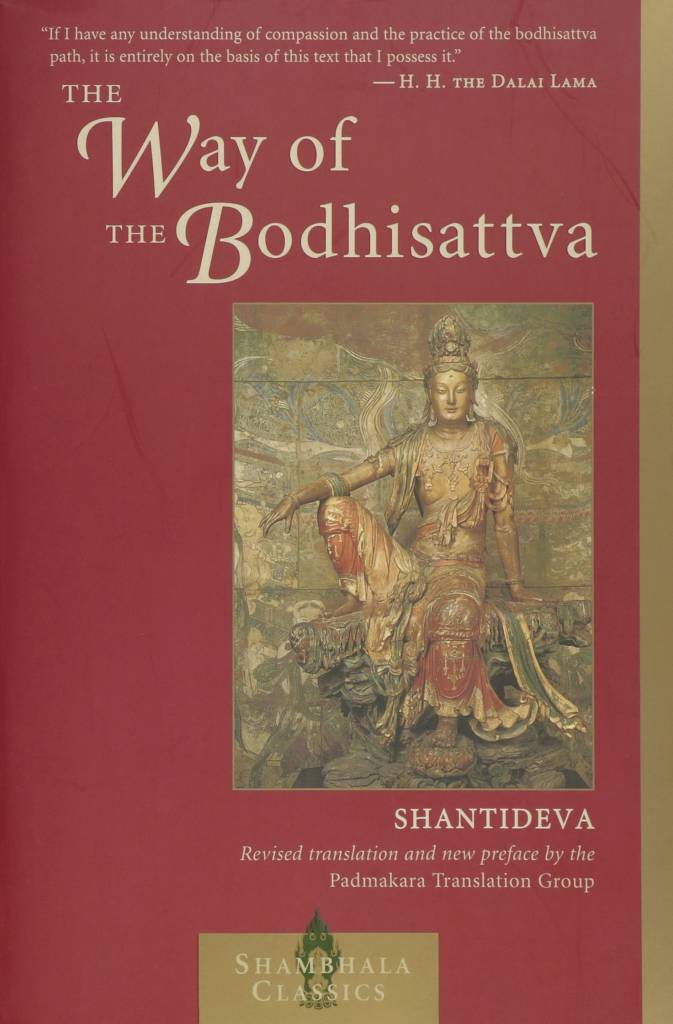
La Práctica del Bodisatva-front.jpg
Padmakara Spain 2008

One should first investigate the action

And then start or not start. To not start is supreme

But having started one should not stop.

First analyze one's ability.

Think whether or not to begin. It is better not to begin at all, as

Having begun, one should not retreat.

shift + scroll / swipe
Tsadra Critical Edition §This text was created by comparing four versions of the text from Derge, Cone, Narthang, and Peking Tengyurs from BDRC scans, along with Dunhuang manuscripts IOL Tib J 628, 629, and 630. When Tibetan readings were problematic, the Sanskrit texts from GRETIL and LTB (Oslo) were consulted.

དང་པོར་འབྱོར་པ་བརྟགས་ནས་ནི། །

བརྩམ་མམ་ཡང་ན་མི་བརྩམ་བྱ། ། མ་བརྩམས་པ་ནི་མཆོག་ཡིན་གྱི། །

བརྩམས་ནས་ལྡོག་པར་མི་བྱའོ། །

[edit]
Sazang Mati (1294 - 1376)
A Commentary on Shantideva's Engaging in the Conduct of the Bodhisattvas (citation)Gyaltsen, Lama Kalsang, and Ani Kunga Chodron, trans. A Commentary on Shantideva's Engaging in the Conduct of the Bodhisattvas Written by Sazang Mati Panchen: Known as An Extremely Clear Illumination of the Meaning of the Text. Walden, NY: Tsechen Kunchab Ling, 2019. Bilingual Edition

དང་པོ་འབྱོར་པ་བརྟགས་ནས་ནི། །

བརྩམ་མམ་ཡང་ན་མི་བརྩམ་བྱ། ། མ་བརྩམ་པ་ཉིད་མཆོག་ཡིན་གྱི། །

བརྩམས་ནས་ལྡོག་པར་མི་བྱའོ། །

dang po 'byor pa brtags nas ni/_/

brtsam mam yang na mi brtsam bya/_/ ma brtsam pa nyid mchog yin gyi/_/

brtsams nas ldog par mi bya'o/_/

First analyze one's ability.

Think whether or not to begin. It is better not to begin at all, as

Having begun, one should not retreat.

ཞེས་པ་ལྟར་བྱ་བ་ལ་འཇུག་པའི་དང་པོ་རང་གི་འབྱོར་བའམ་ནུས་པ་བརྟགས་ནས་ནི༵་སྒྲུབ་པར་ནུས་ན་བརྩམ་པའམ་ཡང་མི་ནུས་ན་མི་བརྩམ་པར་བྱ༵འོ། །སྒྲུབ་པར་མི་ནུས་པའི་ལུགས་ལ་དང་པོར་མ་བརྩམས་པ་ནི་མཆོག་ཏུ་གྱུར་པ་ཡིན་གྱི༵་བརྩམས་ནས་ཞུགས་ཕྱིན་ཆད་དམ་བཅས་པའི་དོན་ལས་ནམ་ཡང་ལྡོག་པར་མི་བྱ༵འོ། །

Before engaging in activities, carefully examine one’s ability and position to see if they can be accomplished. If able, then begin; if unable, do not begin. It is best not to begin things that cannot to be accomplished. Once one has begun and made a commitment, never retreat from that commitment.
Gyaltsap Je (1364 - 1432)
The Entrance for the Children of the Conquerors (citation)Stracke, Fedor, trans. The Entrance for the Children of the Conquerors: A Commentary on the Introduction to the Actions of Bodhisattvas. By Gyaltsab Rinpoche. N.p.: Happy Monks Publication, 2016. https://happymonkspublication.org/product/bodhisattvacharyavatara-chapter-1-10-commentary/. Bilingual Edition

གཉིས་པ་བརྟན་པའི་སྟོབས་ལ་གཉིས།

The Power of Stability 1.1.2.2.1.2.2

དང་པོ་ལ་གཉིས།

Striving Steadfastly 1.1.2.2.1.2.2.1

དང་པོ་ནི།

Starting Upon Having Investigated Well 1.1.2.2.1.2.2.1.1

དང་པོ་འབྱོར་པ་བརྟགས་ནས་ནི། །

བརྩམ་མམ་ཡང་ན་མི་བརྩམ་བྱ། ། མ་བརྩམ་པ་ཉིད་མཆོག་ཡིན་གྱི། །

བརྩམས་ནས་ལྡོག་པར་མི་བྱའོ། །
dang po 'byor pa brtags nas ni/_/

brtsam mam yang na mi brtsam bya/_/ ma brtsam pa nyid mchog yin gyi/_/

brtsams nas ldog par mi bya'o/_/

One should first investigate the action

And then start or not start. To not start is supreme

But having started one should not stop.

ཕལ་བོ་ཆེའི་འཕགས་པ་རྡོ་རྗེ་རྒྱལ་མཚན་གྱི་མདོའི་བསྔོ་བ་དྲུག་པ་ལས།

The sixth dedication of the Arya Vajradhvaja Sutra says:

དཔེར་ན་ལྷའི་བུ་ཉི་མ་འཆར་བ་ནི་དམུས་ལོང་དང་རི་མི་མཉམ་པ་ལ་སོགས་པའི་ཉེས་པས་མི་ལྡོག་པར་འོས་སུ་གྱུར་པའི་ཡུལ་རྣམས་སྣང་བར་བྱེད་པ་ལྟར་བྱང་ཆུབ་སེམས་དཔའ་གཞན་གྱི་དོན་དུ་འཆར་བ་ཡང་སེམས་ཅན་གྱི་ཉེས་པ་སྣ་ཚོགས་ཀྱིས་མི་ལྡོག་ཅིང་། འོས་སུ་གྱུར་པའི་གདུལ་བྱ་རྣམས་སྨིན་པ་དང་གྲོལ་བར་བྱེད་དོ། །

Lha'ibu, just as the rising sun, without being stopped by blindness or
uneven mountains, illuminates the objects that are suitable, bodhisattvas
who arise for the purpose of others, ripen and liberate those suitable to be
subdued, without being stopped by the various faults of sentient beings.

ཞེས་གསུངས་པའི་ཆོ་ག་ཡིས་དགེ་[p.279]Spyod 'jug rtsa 'grel (Mtsho sngon mi rigs dpe skrun khang 2001)
Śāntideva, and Rgyal tshab rje dar ma rin chen. Spyod 'jug rtsa 'grel and Byang chub sems dpa'i spyod pa la 'jug pa'i rnam bshad rgyal sras 'jug ngogs. Xining: Mtsho sngon mi rigs dpe skrun khang, 2001
བའི་ལས་བརྩམས་ནས་མཐར་ཕྱིན་པར་བྱེད་པའི་ང་རྒྱལ་བསྒོམ་པར་བྱའོ། །

Having started a virtuous action through this ritual one should meditate on the pride of bringing it to completion.

བྱ་བ་ལ་འཇུག་པའི་དང་པོར་རང་གི་བློའི་འབྱོར་བ་ནུས་པ་ཡོད་མེད་ལེགས་པར་བརྟགས་ནས་ནི། ནུས་ན་བརྩམ་པར་བྱ་བའམ་ཡང་ན་མི་ནུས་ན་མི་བརྩམ་པར་བྱའོ། །མ་བརྩམས་པ་ཉིད་མཆོག་ཡིན་གྱི་བརྩམས་ནས་མཐར་མ་ཕྱིན་བར་དུ་དེ་ལས་ལྡོག་པར་མི་བྱའོ། །

Before engaging in an action one needs to analyse with one's mind whether or not one has the capacity for this action. If one is able, then one starts the action; if one is not able, then one does not. To not start the action is supreme, but once one has started then one should not stop until it is completed.
Minyak Kunzang Sönam (1823 - 1905)
The Great Hūṃ (citation)Duckworth, Douglas, trans. The Great Hūṃ: A Commentary on Śāntideva's Way of the Bodhisattva. By Minyak Kunzang Sönam. New York, NY: Wisdom Publications, 2025. Bilingual Edition

གཉིས་པ་བརྟན་པའམ་ང་རྒྱལ་གྱི་དཔུང་ལ་གཉིས།

The force of stability or pride 7.1.2.3.2.1.2

དང་པོ་ནི།

General teaching 7.1.2.3.2.1.2.1

དང་པོ་འབྱོར་པ་བརྟགས་ནས་ནི། །

བརྩམ་མམ་ཡང་ན་མི་བརྩམ་བྱ། ། མ་བརྩམ་པ་ཉིད་མཆོག་ཡིན་གྱི། །

བརྩམས་ནས་ལྡོག་པར་མི་བྱའོ། །
First you should investigate your capacity

to see if you should initiate or not. It is better not to begin

than to turn back after beginning. (7.47)

དེ་ལ། ལེགས་པར་བརྟགས་ནས་བྱ་བ་རྩོམ་དགོས་པ་ནི། མདོ་སྡེ་ཕལ་པོ་ཆེའི་རྡོ་རྗེ་རྒྱལ་མཚན་གྱི་བསྔོ་བའི་ལེའུ་དྲུག་པ་ལས་

Here it shows the need to investigate well and proceed to act. The sixth chapter on dedication in the Vajra Banner Avataṃsaka Sūtra says:

ལྷའི་བུ་ཉི་མ་འཆར་པ་ནི་དམུས་ལོང་དང་རི་མི་མཉམ་པ་ལ་སོགས་པའི་ཉེས་པས་མི་ལྡོག་པར་འོས་སུ་གྱུར་པའི་ཡུལ་རྣམས་སྣང་བར་བྱེད་པ་ལྟར་བྱང་ཆུབ་སེམས་དཔའ་གཞན་གྱི་དོན་དུ་འཆར་བ་ཡང་སེམས་ཅན་གྱི་ཉེས་པ་སྣ་ཚོགས་ཀྱིས་མི་ལྡོག་ཅིང་འོས་སུ་གྱུར་པའི་གདུལ་བྱ་རྣམས་སྨིན་པ་དང་གྲོལ་བར་བྱེད་དོ་

Divine child, when the sun shines it illuminates the worthy lands that are not turned away by the problems of blindness, mountains, and unevenness. [424] In the same way, when bodhisattvas shine for the welfare of others, they are said to mature and liberate worthy disciples and are not turned away by the various problems of sentient beings.1226This passage is cited in Gyalsé Tokmé, Ocean of Good Explanation, 77.

ཞེས་གསུངས་པའི་ཆོ་ག་ཡིས་[p.452]Byang chub sems dpa'i spyod pa la 'jug pa'i 'grel bshad rgyal sras rgya mtsho'i yon tan rin po che mi zad 'jo ba'i bum bzang
Mi nyag kun bzang bsod nams (མི་ཉག་ཀུན་བཟང་བསོད་ནམས་). byang chub sems dpa'i spyod pa la 'jug pa'i 'grel bshad rgyal sras rgya mtsho'i yon tan rin po che mi zad 'jo ba'i bum bzang [བྱང་ཆུབ་སེམས་དཔའི་སྤྱོད་པ་ལ་འཇུག་པའི་འགྲེལ་བཤད་རྒྱལ་སྲས་རྒྱ་མཚོའི་ཡོན་ཏན་རིན་པོ་ཆེ་མི་ཟད་འཇོ་བའི་བུམ་བཟང།]. [Excellent Vase That Spills Forth an Ocean of the Inexhaustible and Precious Qualities of the Victor's Heirs: An Explanation of the "Way of the Bodhisattva."].
གཞན་དོན་དུ་དགེ་བའི་ལས་རྣམས་བརྩམས་ནས་གང་བརྩམས་པ་དེ་ཉིད་ཅི་ནས་ཀྱང་བདག་གིས་མཐར་ཕྱིན་པར་བྱས་ནས་བསྒྲུབ་པར་ནུས་སོ་སྙམ་པའི་ང་རྒྱལ་བརྟན་པོ་བསྒོམ་པར་བྱའོ། །ཞེས་པ་སྟེ། མདོ་དེ་ཉིད་ལས།

You should cultivate a firm pride through this ritual, thinking, “Since I have initiated virtuous actions for the welfare of others, I should try as much as[p.645]The Great Hum
Duckworth, Douglas, trans. The Great Hūṃ: A Commentary on Śāntideva's Way of the Bodhisattva. By Minyak Kunzang Sönam. New York, NY: Wisdom Publications, 2025.
I can to accomplish and fulfill whatever I have begun.” The sūtra states this extensively:

དཔེར་ན་ལྷའི་བུ་ཉི་མ་འཆར་བ་ན་དམུས་ལོང་གི་ཉེས་པས་མི་འདུག་གོ །དྲི་ཟའི་གྲོང་ཁྱེར་གྱི་ཉེས་པས་མི་འདུག་གོ །གླིང་བཞི་པའི་འཇིག་རྟེན་གྱི་ཁམས་ཀྱི་སའི་རྡུལ་གྱི་ཉེས་པས་མི་འདུག་གོ །ཞེས་པ་ནས། རི་མི་མཉམ་པའི་ཉེས་པས་མི་འདུག་གོ །དེ་བཞིན་དུ་བྱང་ཆུབ་སེམས་དཔའ་ཆེན་པོ་དྲན་པ་དང་ཤེས་བཞིན་ཅན་སེམས་ཟབ་ཅིང་རྒྱ་ཆེ་བ་རྣམ་པར་མ་ཞུམ་པ་ཡོན་ཏན་གྱི་སྤྱོད་པ་དང་ཡེ་ཤེས་ཀྱི་སྤྱོད་པ་མཐས་གཏུགས་པ་ནི་སེམས་ཅན་འཁུ་བའི་ངང་ཚུལ་ཅན་གྱི་ཉེས་༌པས་མི་ལྡོག་གོ །སེམས་ཅན་དམུ་རྒོད་ཀྱི་ཉེས་བས་མི་ལྡོག་གོ །དེ་བཞིན་དུ་སྦྱར་ཏེ། སེམས་ཅན་དམྱལ་བར་སྐྱེ་བ་དེ་དག་དང་ངན་སོང་གི་ས་ལ་གནས་པའི་སེམས་ཅན་དེ་དག་ཐམས་ཅད་དེ་ནས་ཤི་འཕོས་པར་གྱུར་ཅིང་བདག་གིས་སྡུག་བསྔལ་གྱི་ཕུང་པོ་ཆེན་པོ་འདི་བླང་བར་བྱའོ། །བརྩོན་པར་བྱའོ་སྤྲོ་བར་བྱའོ་མི་ལྡོག་པར་བྱའོ་མི་འབྲོས་པར་བྱའོ་མི་སྐྲག་པར་བྱའོ། །

For example, divine child, when the sun shines there is no problem from blindness; there is no problem with a city of gandharvas; there is no problem with dust on the four continents of the world . . . There is no problem with uneven mountains. Similarly, when great bodhisattvas with mindfulness and meta-awareness reach the extent of the activities of wisdom and good qualities with profound and vast minds that are not discouraged, they are not turned away by the problem of sentient beings who are hostile. They are not turned away by the problem of sentient beings who are barbaric . . . In the same way, there are sentient beings who are born in hell and sentient beings in all of the places of the lower realms. They think, “I will go there from here after death. I will take on this great heap of suffering. I will be diligent and enthusiastic. I will not turn away, flee, or be scared.”1227Flower Garland Sūtra, 174a–175a. Cited in Śāntideva, Anthology of Training, 153a–b; English trans. in Goodman, The Training Anthology of Śāntideva, 265–66.

ཞེས་སོགས་རྒྱས་པར་གསུངས་ཏེ་བསླབ་བཏུས་ཀྱི་དགེ་རྩ་སྤེལ་བའི་སྐབས་སུ་དྲངས་པ་དང་མདོ་ཉིད་ལས་ཤེས་པར་བྱའོ། །

This should be known from this sūtra itself and from its citation in the section on developing the roots of virtue in the Anthology of Training.

དེ་ལྟར་བརྩོན་འགྲུས་རྩོམ་པའི་བྱ་བ་ལ་འཇུག་པའི་ཚེ་ཡང་དང་པོར་མ་བརྟགས་པར་ཅི་རུང་རུང་ལ་མི་འཇུག་པར་གང་བྱ་བར་འདོད་པའི་དོན་དེ་སྒྲུབ་པའི་རྒྱུ་རང་གི་བློའི་འབྱོར་པའམ་ནུས་པ་ཡོད་མེད་ལེགས་པར་བརྟགས་ནས་སྒྲུབ་པའི་ནུས་པ་སྟོབས་ལྡན་ཡོད་ན་བྱ་བ་དེ་ཉིད་བརྩམ་མམ་ཡང་ན་སྟེ་སྒྲུབ་པའི་ནུས་པ་མེད་ན་བྱ་བ་དེ་མི་བརྩམ་པ་སྟེ་འཇུག་པར་མི་བྱའོ། །འདི་ལ་བརྩམས་པའམ་ཞེས་སམ་བརྩམ་མམ་ཡང་ན་ཞེས་པ་ཡང་ཡོད་པར་མངོན་ནོ། །འདི་ནི་ལས་དང་པོ་བས་ལམ་ལ་སློབ་པའི་ཚུལ་ཏེ། དཔལ་དབྱིག་གིས་ཞུས་པར། གལ་ཏེ་བསླབ་པའི་གཞི་ལྔ་ལ་སློབ་པར་མི་ནུས་ནའང་དེས་བཞིའམ་གསུམ་མམ་གཉིས་སམ་དེའི་ནང་ནས་བསླབ་པའི་གཞི་གཅིག་ཙམ་ལ་བསླབ་པར་བྱའོ། །ཞེས་པ་ལྟར་རོ། །སྒྲུབ་པའི་ནུས་པ་མེད་ན་ནི་དང་པོ་ནས་མ་བརྩམས་པ་ཉིད་མཆོག་ཡིན་གྱི་བྱ་བ་གང་བརྩམས་ནས་དེ་ལ་ཞུགས་པ་ན་མཐར་མ་ཕྱིན་པའི་བར་སྐབས་སུ་དམ་བཅས་པའི་དོན་དེ་ལས་ནམ་ཡང་ལྡོག་པར་མི་བྱའོ། །དེ་ཡང་བྱ་བ་དེ་ལ་ཞུགས་ནས་བར་སྐབས་སུ་དོར་བ་ལས་དང་པོ་ནས་མ་བརྩམས་པ་མཆོག་ཡིན་ཏེ་དེ་ལ་དམ་བཅའ་ཉམས་པའི་ཉེས་པ་མི་འབྱུང་བའི་ཕྱིར་རོ། །

In this way, when initiating an act to engage with diligence, you should not just start doing something without investigating it first. At first you should investigate well whether or not you have the mental ability or capacity that will act as a cause for the desired objective to be accomplished. If you have the power and ability to accomplish it, you should begin to act; yet if you lack the ability to accomplish it, you should not begin the endeavor. Here there are alternate readings that say “to initiate or . . .” (brtsam pa’am) or “to initiate, or alternatively . . .” (brtsam mam yang na). This is how a beginner trains in the path. The Inquiry of Śrīvasu says: “If you cannot observe the five foundations of training then you should observe four, or three, or two, or just one among the foundations of training.”1228Inquiry of Śrīvasu (Śrīvasuparipṛcchā, H. 163), 224a. If you are not able to accomplish something, it is better not to begin it in the first place, but whatever you have begun to do, until it is achieved you should never turn back from a goal that you have committed to reach. Also, rather than to give something up midway after beginning it, it is better to have never started to do it from the start because then there will be no problem of losing your commitment.[p.646]The Great Hum
Duckworth, Douglas, trans. The Great Hūṃ: A Commentary on Śāntideva's Way of the Bodhisattva. By Minyak Kunzang Sönam. New York, NY: Wisdom Publications, 2025.
Kunzang Palden (1862 - 1943)
The Nectar of Manjushri's Speech (citation)Blankleder, Helena, and Wulstan Fletcher (Padmakara Translation Group), trans. The Nectar of Manjushri's Speech: A Detailed Commentary on Shantideva's Way of the Bodhisattva. By Kunzang Pelden. Boston: Shambhala Publications, 2007. Bilingual Edition

གཉིས་པ་བརྟན་པའི་དཔུང་ལ་

The Force of Steadfastness 3.2.1.2.

དང་པོ་༼སྤྱིར་བསྟན་པ་༽ནི།

A General Explanation 3.2.1.2.1.

སངས་རྒྱས་རྣམ་པར་སྣང་མཛད་ཀྱི་མདུན་དུ་ཕྱོགས་བཅུ་ནས་བྱོན་པའི་རྡོ་རྗེའི་མིང་ཅན་བཅུའི་ནང་ན་ཕལ་པོ་ཆེའི་རྡོ་རྗེ་རྒྱལ་མཚན་གྱི་བསྔོ་བའི་ལེའུ་དྲུག་པ་ལས།

In the sixth chapter of the Avatamsaka, which describes the dedication of Vajradhvaja (one of the ten beings called Vajra who, coming from the ten directions, all appeared in the presence of the Buddha Vairochana) we find the following text:

དཔེར་ན་ལྷའི་བུ་ཉི་མ་འཆར་བ་ན་དམུས་ལོང་དང་རི་མི་མཉམ་པ་ལ་སོགས་པའི་ཉེས་པས་མི་ལྡོག་པར་འོས་སུ་གྱུར་པའི་ཡུལ་རྣམས་སྣང་བར་བྱེད་པ་ལྟར། བྱང་ཆུབ་སེམས་དཔའ་གཞན་གྱི་དོན་དུ་འཆར་བ་ཡང་སེམས་ཅན་དམུ་རྒོད་དང་འཁུ་བ་ལ་སོགས་པའི་ཉེས་པ་སྣ་ཚོགས་ཀྱིས་མི་ལྡོག་ཅིང་འོས་སུ་གྱུར་པའི་གདུལ་བྱ་རྣམས་སྨིན་པ་དང་གྲོལ་བར་བྱེད་དོ་

Devaputra, when the sun rises, it is not dismayed by the fact that some men are blind nor by the mountain shadows that it is unable to dispel. No, it sheds light on all that can be illuminated. In the same way, when Bodhisattvas appear for the sake of beings, they are not dismayed by the fact that some are wild and hostile. They bring to maturity and liberate all those who are capable of liberation.

ཞེས་གསུངས་པའི་ཆོ་གའམ་ཐབས་གྱི་རྣམ་པ་ཡིས་གཞན་དོན་དུ་དགེ་བ་ལ་བརྩམས་ནས་གང་བརྩམ་པ་དེ་ངེས་པར་སྒྲུབ་པར་ནུས་སོ་སྙམ་པའི་སྙིང་སྟོབས་ཆེན་པོ་བསྐྱེད་པའི་ང་རྒྱལ་བསྒོམ་པར་བྱའོ། །

It is therefore with this kind of courage, as described in the Vajradhvaja-sutra, that we must cultivate an assured confidence and determination,[p.250]The Nectar of Manjushri's Speech
Blankleder, Helena, and Wulstan Fletcher (Padmakara Translation Group), trans. The Nectar of Manjushri's Speech: A Detailed Commentary on Shantideva's Way of the Bodhisattva. By Kunzang Pelden. Boston: Shambhala Publications, 2010.
telling ourselves that we will bring to completion whatever positive action we have begun for the sake of others.

དང་པོ་འབྱོར་པ་བརྟགས་ནས་ནི། །

བརྩམ་མམ་ཡང་ན་མི་བརྩམ་བྱ། ། མ་བརྩམ་པ་ཉིད་མཆོག་ཡིན་གྱི། །

བརྩམས་ནས་ལྡོག་པར་མི་བྱའོ། །

dang po 'byor pa brtags nas ni/_/

brtsam mam yang na mi brtsam bya/_/ ma brtsam pa nyid mchog yin gyi/_/

brtsams nas ldog par mi bya'o/_/

དེ་ལ་ཡང་འཇུག་པའི་དང་པོར་རང་གི་ཆོས་དང་ཟང་ཟིང་གི་འབྱོར་བ་ལ་བརྟགས་ནས་ནི་སྒྲུབ་པར་ནུས་ན་བརྩམ་མམ་སྟེ་བརྩམ་པར་བྱ་བའམ་ཡང་ན་མི་ནུས་ན་རེ་ཞིག་མི་བརྩམ་པར་བཞག་པར་བྱ་སྟེ། གལ་ཏེ་མི་ནུས་ན་རེ་ཞིག་མ་བརྩམ་པ་ཉིད་མཆོག་ཏུ་གྱུར་པ་ཡིན་གྱི་བརྩམས་ནས་[p.507]Byang chub sems dpa'i spyod pa la 'jug pa rtsa ba dang 'grel pa (1990)
Slob dpon zhi ba lha and Mkhan po kun dpal. Byang chub sems dpa'i spyod pa la 'jug pa rtsa ba dang 'grel pa. Khreng tu'u: Si khron mi rigs dpe skrun khang, 1990. Buda by BDRC Logo.jpg
ཞུགས་ཕྱིན་ཆད་དམ་བཅས་པའི་དོན་ལས་ནམ་ཡང་ལྡོག་པར་མི་བྱའོ། །

Let me first consider my reserves—

To start or not to start accordingly. It might be better not to start,

But once begun, I should not then withdraw.

First, as Shantideva says, we must take stock of our resources (in both spiritual and temporal terms) and begin or hold back according to whether we can or cannot complete the given action. For if we are unable, it is better not to begin at all. Once we have begun, however, we must never turn back from what we have promised.


[edit]
[edit]