7.45

From Bodhicitta

Bodhicaryāvatāra · Verse 7.45


Sources:    

Sanskrit §No information about the source used.

यमपुरुषापनीतसकलच्छविरार्तरवो

हुतवहतापविद्रुतकताम्रनिषिक्ततनुः। ज्वलदसिशक्तिघातशतशातितमांसदलः

पतति सुतप्तलोहधरणीष्वशुभैर्बहुशः॥

 
Chanted Verse
Recitation by Professor Kashinath Nyaupane
45

The doer of evil, on the other hand, due to his sins, will fall suddenly on the red-hot iron pavement of hell. He will cry in pain as he is skinned by Yama’s henchmen, as his body is bathed in molten copper from the fires of hell, as his flesh is diced by hundreds of flaming swords and spears.

Standard Tibetan §Padmakara used the 1990 edition printed by si khron mi rigs dpe skrun khang: Byang chub sems dpa'i spyod pa la 'jug pa rtsa ba dang 'grel pa (1990). Also found in Derge Tengyur D3871, dbu ma, vol. 105, la 1b1–40a7.

གཤིན་རྗེའི་སྐྱེས་བུས་པགས་པ་མ་ལུས་བཤུས་པས་ཉམ་ཐག་ཅིང་། །

རབ་ཏུ་ཚ་བའི་མེ་ཡིས་བཞུས་པའི་ཟངས་ཞུན་ལུས་ལ་བླུགས་གྱུར་ལ། ། འབར་བའི་རལ་གྲི་མདུང་ཐུང་གིས་བསྣུན་ཤ་ཡི་དུམ་བུ་བརྒྱར་ལྷགས་ཤིང་། །

ཤིན་ཏུ་འབར་བའི་ལྕགས་ཀྱི་ས་གཞིར་ལྷུང་བ་མི་དགེ་མང་པོས་འགྱུར། །

 
Chanted Verse
Recitation by Lopen Karma Phuntsho
45

Or else as wages of my many sins, my skin completely

flayed, I shall be utterly brought low By creatures of the Lord of Death, who on my body pour a liquid bronze all melted in the dreadful blaze. And pierced by burning swords and knives, my flesh

Dismembered in a hundred parts will fall upon the white hot iron ground.[p.104]The Way of the Bodhisattva (2006)
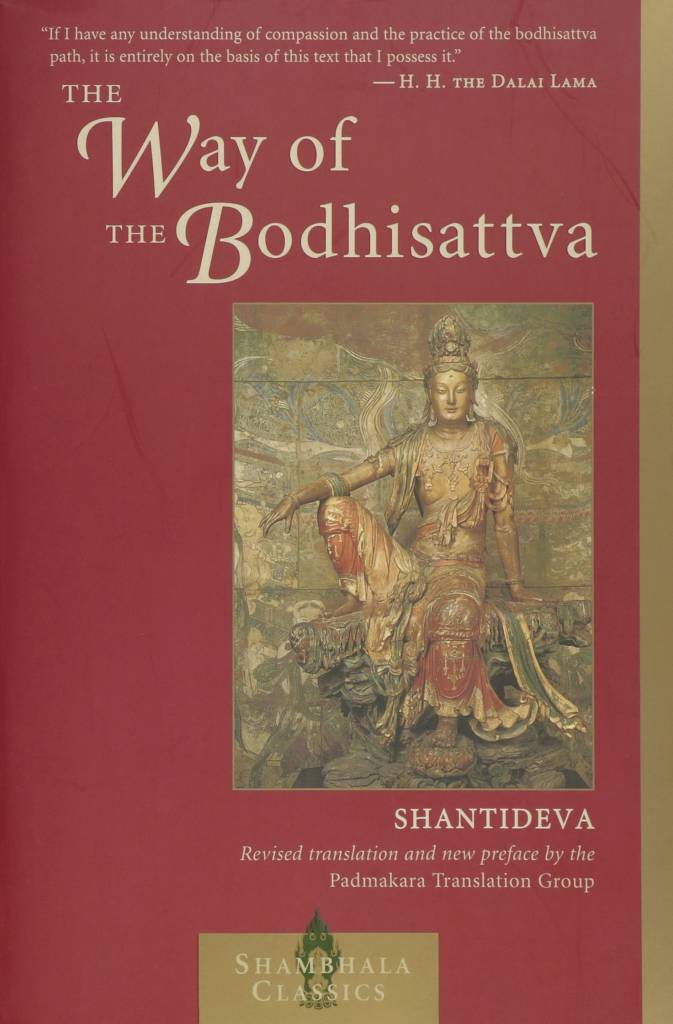
Blankleder, Helena, and Wulstan Fletcher (Padmakara Translation Group), trans. The Way of the Bodhisattva: A Translation of the Bodhicharyāvatāra. By Śāntideva. Rev. ed. Shambhala Classics. Boston: Shambhala Publications, 2006.

Standard Tibetan §Padmakara used the 1990 edition printed by si khron mi rigs dpe skrun khang: Byang chub sems dpa'i spyod pa la 'jug pa rtsa ba dang 'grel pa (1990). Also found in Derge Tengyur D3871, dbu ma, vol. 105, la 1b1–40a7. - Other translations

Les acolytes de Yama me tortureront en m’écorchant des pieds à la tête

Et m’arroseront de cuivre fondu à la chaleur d’un feu dévorant. Ils me frapperont de leurs épées, de leurs lances embrasées, et ma chair volera en centaines de morceaux Sur le sol de métal incandescent :

tels seront les effets de mes nombreux actes négatifs.

O debido a mis numerosos actos negativos, seré torturado por los esbirros de Yama,

que me despellejarán y verterán sobre mi cuerpo cobre fundido por un inmenso fuego abrasador y con espadas y puñales incandescentes trocearán mi carne en cientos de pedazos

que caerán en el suelo metálico terriblemente ardiente.

La Práctica del Bodisatva-front.jpg
Padmakara Spain 2008

Extremely tormented as one is fully skinned by the minions of Yama,

Copper molten by extreme heat is poured onto one's body, Pierced by flaming swords and daggers the flesh is carved up in hundreds of pieces,

Fallen on the blazing iron ground, comes about due to the many nonvirtuous karmas.

Skin completely peeled off by the hosts of the lord of death and enfeebled,

Terribly hot molten fire is poured upon the body. Blazing swords and spears pierce and chop the flesh in a hundred pieces.

Upon the greatly blazing iron ground one falls as a result of many non-virtues.

shift + scroll / swipe
Tsadra Critical Edition §This text was created by comparing four versions of the text from Derge, Cone, Narthang, and Peking Tengyurs from BDRC scans, along with Dunhuang manuscripts IOL Tib J 628, 629, and 630. When Tibetan readings were problematic, the Sanskrit texts from GRETIL and LTB (Oslo) were consulted.

གཤིན་རྗེའི་སྐྱེས་བུས་པགས་པ་མ་ལུས་བཤུས་པས་ཤིན་ཏུ་ཉམ་ཐག་ཅིང་། །

རབ་ཏུ་ཚ་བའི་མེ་ཡིས་བཞུས་པའི་ཟངས་ཞུན་ལུས་ལ་བླུགས་གྱུར་ལ། ། འབར་བའི་རལ་གྲི་མདུང་ཐུང་གིས་བསྣུན་ཤ་ཡི་དུམ་བུ་བརྒྱར་ལྷགས་ཤིང་། །

ཤིན་ཏུ་འབར་བའི་ལྕགས་ཀྱི་ས་གཞིར་ལྷུང་བ་མི་དགེ་མང་པོས་འགྱུར། །

[edit]
Sazang Mati (1294 - 1376)
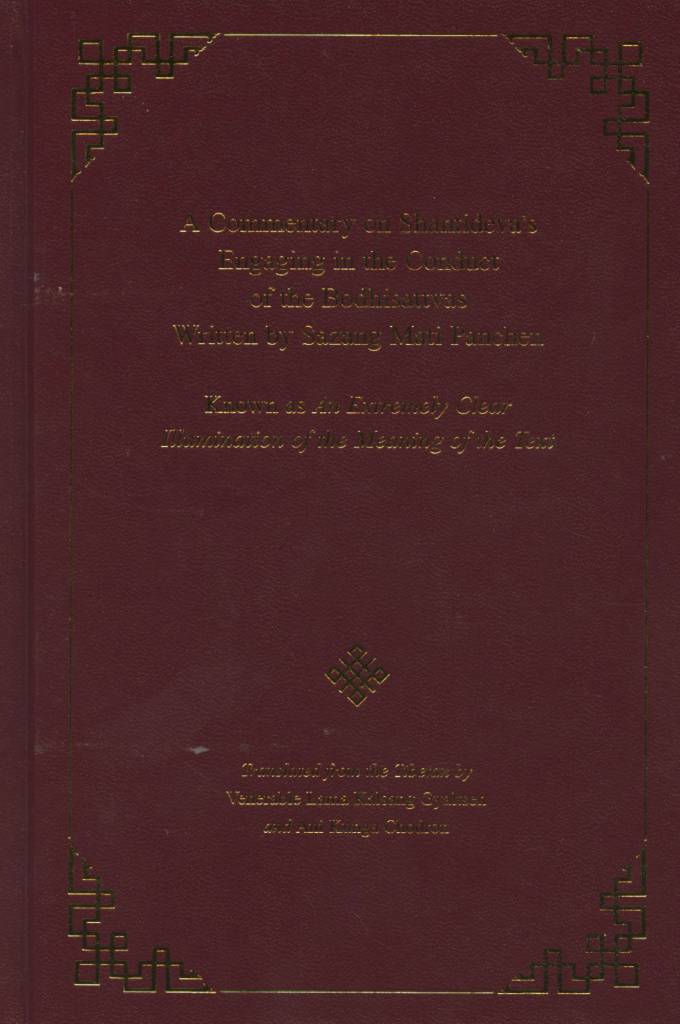
A Commentary on Shantideva's Engaging in the Conduct of the Bodhisattvas (citation)Gyaltsen, Lama Kalsang, and Ani Kunga Chodron, trans. A Commentary on Shantideva's Engaging in the Conduct of the Bodhisattvas Written by Sazang Mati Panchen: Known as An Extremely Clear Illumination of the Meaning of the Text. Walden, NY: Tsechen Kunchab Ling, 2019. Bilingual Edition

(གཉིས་པ་)སྡིག་པས་དམྱལ་བར་སྡུག་བསྔལ་མྱོང་ཚུལ་ནི།

2. How sin produces the experience of suffering in hell 1.2.3.2.1.1.3.2.2

གཤིན་རྗེའི་སྐྱེས་བུས་པགས་པ་མ་ལུས་བཤུས་པས་ཉམ་ཐག་ཅིང་། །

རབ་ཏུ་ཚ་བའི་མེ་ཡིས་བཞུས་པའི་ཟངས་ཞུན་ལུས་ལ་བླུགས་གྱུར་ལ། ། འབར་བའི་རལ་གྲི་མདུང་ཐུང་གིས་བསྣུན་ཤ་ཡི་དུམ་བུ་བརྒྱར་ལྷགས་ཤིང་། །

ཤིན་ཏུ་འབར་བའི་ལྕགས་ཀྱི་ས་གཞིར་ལྷུང་བ་མི་དགེ་མང་པོས་འགྱུར། །

gshin rje'i skyes bus pags pa ma lus bshus pas nyam thag cing /_/

rab tu tsha ba'i me yis bzhus pa'i zangs zhun lus la blugs gyur la/_/ 'bar ba'i ral gri mdung thung gis bsnun sha yi dum bu brgyar lhags shing /_/

shin tu 'bar ba'i lcags kyi sa gzhir lhung ba mi dge mang pos 'gyur/_/

Skin completely peeled off by the hosts of the lord of death and enfeebled,

Terribly hot molten fire is poured upon the body. Blazing swords and spears pierce and chop the flesh in a hundred pieces.

Upon the greatly blazing iron ground one falls as a result of many non-virtues.

ཚ་བའི་དམྱལ་བར་སྐྱེས་པ་ན་འཇིགས་སུ་རུང་བའི་གཤིན་རྗེའི་སྐྱེས་བུས་དམྱལ་བའི་ལུས་གཞོན་ཤ་ཅན་གྱི་པགས་པ་མ་ལུས་པ་མེ་འབར་བའི་མཚོན་ཆ་རྣམས་ཀྱིས་བཤུས་པས་ཤིན་ཏུ་ཉམ་ཐག་པར་བྱས་ཤི༵ང༌།[p.-230]རབ་གསལ་སྣང་བ་
དེར་མ་ཟད་དུས་མཐའི་མེ་ལས་ཀྱང་རབ་ཏུ་ཚ་བའི་མེ་ཡིས་བཞུ་བའི་ཟངས་ཞུན་ཁོལ་མ་ལུས་ལ་བླུགས་ཏེ་བསྲེགས་པར་གྱུར་ལ༵། དེས་ཚིག་པའི་ལྷག་མ་རྣམས་མེ་དྲག་ཏུ་འབར་བའི་རལ་གྲི་དང་མདུང་ཐུང་ལ་སོགས་པ་མཚོན་ཆ་མང་པོ་དག་གིས་བསྣུན་ནས་ཤ་ཡི་དུམ་བུ་བརྒྱ་ཕྲག་དུ་མར་བླགས་ཤི༵ང་གཏུབས་ཏེ། མེ་ཆེན་པོ་ཤིན་ཏུ་འབར་བའི་ལྕགས་བསྲེགས་ཀྱི་ས་གཞི་རབ་ཏུ་ཡངས་བར་ལྟུང་ཞིང་འགྲེམས་པ་ལན་གྲངས་མང་པོར་མྱོང་བ་ནི་མཐའ་གཅིག་ཏུ་རྣམ་པར་ནག་པའི་ལས་མི་དགེ་བ་སྤྱད་པ་ལས་འགྱུ༵ར་བ་ཉིད་དོ། །

If beings take birth in hot hells, their bodies are as sensitive as babies. The terrifying hosts of the lord of death torture them by peeling their skin completely off, with extremely sharp, blazing weapons. In addition to that, molten copper, hotter than the fire at the end of an eon, is poured upon their bodies, which burn. What flesh remains on the burned bodies is chopped into hundreds of pieces by swords, spears, and many other weapons, and falls upon the extremely hot and vast blazing ground, where they are forced to walk again and again. This experience is the result of completely non-virtuous black deeds.
Gyaltsap Je (1364 - 1432)
The Entrance for the Children of the Conquerors (citation)Stracke, Fedor, trans. The Entrance for the Children of the Conquerors: A Commentary on the Introduction to the Actions of Bodhisattvas. By Gyaltsab Rinpoche. N.p.: Happy Monks Publication, 2016. https://happymonkspublication.org/product/bodhisattvacharyavatara-chapter-1-10-commentary/. Bilingual Edition

གསུམ་པ་ནི།

Contemplating Black Karmic Cause and Effect 1.1.2.2.1.2.1.3.2.3

གཤིན་རྗེའི་སྐྱེས་བུས་པགས་པ་མ་ལུས་བཤུས་པས་ཉམ་ཐག་ཅིང་། །

རབ་ཏུ་ཚ་བའི་མེ་ཡིས་བཞུས་པའི་ཟངས་ཞུན་ལུས་ལ་བླུགས་གྱུར་ལ། ། འབར་བའི་རལ་གྲི་མདུང་ཐུང་གིས་བསྣུན་ཤ་ཡི་དུམ་བུ་བརྒྱར་ལྷགས་ཤིང་། །

ཤིན་ཏུ་འབར་བའི་ལྕགས་ཀྱི་ས་གཞིར་ལྷུང་བ་མི་དགེ་མང་པོས་འགྱུར། །
gshin rje'i skyes bus pags pa ma lus bshus pas nyam thag cing /_/

rab tu tsha ba'i me yis bzhus pa'i zangs zhun lus la blugs gyur la/_/ 'bar ba'i ral gri mdung thung gis bsnun sha yi dum bu brgyar lhags shing /_/

shin tu 'bar ba'i lcags kyi sa gzhir lhung ba mi dge mang pos 'gyur/_/

Extremely tormented as one is fully skinned by the minions of Yama,

Copper molten by extreme heat is poured onto one's body, Pierced by flaming swords and daggers the flesh is carved up in hundreds of pieces,

Fallen on the blazing iron ground, comes about due to the many nonvirtuous karmas.

སྲོག་གཅོད་པ་ལ་[p.278]Spyod 'jug rtsa 'grel (Mtsho sngon mi rigs dpe skrun khang 2001)
Śāntideva, and Rgyal tshab rje dar ma rin chen. Spyod 'jug rtsa 'grel and Byang chub sems dpa'i spyod pa la 'jug pa'i rnam bshad rgyal sras 'jug ngogs. Xining: Mtsho sngon mi rigs dpe skrun khang, 2001
སོགས་པའི་ལས་ཀྱིས་དམྱལ་བར་གཤིན་རྗེའི་སྐྱེས་བུས་པགས་པ་མ་ལུས་པ་བཤུས་པས་སྡུག་བསྔལ་གྱིས་ཤིན་ཏུ་ཉམ་ཐག་ཅིང་ལོངས་སྤྱོད་ཀྱི་ཁྱད་པར་རབ་ཏུ་ཚ་བའི་མེ་ཡིས་བཞུས་པའི་ཟངས་ཞུན་གྱི་ཁུ་བ་ལུས་ལ་བླུགས་པར་གྱུར་པས་བཟོད་དཀའ་ལ། དེར་མ་ཟད་མེ་འབར་བའི་རལ་གྲི་དང་མདུང་ཐུང་གིས་བསྣུན་པས་ཤའི་དུམ་བུ་བརྒྱ་ཕྲག་དུ་མར་ལྷགས་ཤིང་ཐོར་བར་གྱུར་པའོ། །

Due to the karma of killing and so forth one will be extremely tormented by suffering as all one's skin is being pulled off by the minions of the lord of death. The characteristic of engagement, which is that copper molten by the extreme heat is poured over one's body, is difficult to bear. Not only this, but one will be pierced by flaming swords and daggers and one's flesh will be carved up into many hundreds of pieces.

གནས་ཀྱི་ཁྱད་པར་ཤིན་ཏུ་འབར་བའི་ལྕགས་ཀྱི་ས་གཞིར་ལྟུང་བས་ཉམ་ཐག་པར་གྱུར་པ་ནི། མཚམས་མེད་དང་ཆོས་སྤོང་ལ་སོགས་པའི་ལས་མི་དགེ་བ་མང་བོས་དེ་དག་མྱོང་བར་འགྱུར་རོ། །

The experience of being tormented by the characteristic of place, which means that one falls onto the blazing iron grounds, comes about through the many nonvirtuous karmas such as the immediate karmas, the karma of abandoning dharma and the like.
Minyak Kunzang Sönam (1823 - 1905)
The Great Hūṃ (citation)Duckworth, Douglas, trans. The Great Hūṃ: A Commentary on Śāntideva's Way of the Bodhisattva. By Minyak Kunzang Sönam. New York, NY: Wisdom Publications, 2025. Bilingual Edition

གཅིག་ཏུ་གནག་པའི་ལས་འབྲས་ནི།

Next it shows the karmic causality of what is singularly negative:

གཤིན་རྗེའི་སྐྱེས་བུས་པགས་པ་མ་ལུས་བཤུས་པས་ཉམ་ཐག་ཅིང་། །

རབ་ཏུ་ཚ་བའི་མེ་ཡིས་བཞུས་པའི་ཟངས་ཞུན་ལུས་ལ་བླུགས་གྱུར་ལ། ། འབར་བའི་རལ་གྲི་མདུང་ཐུང་གིས་བསྣུན་ཤ་ཡི་དུམ་བུ་བརྒྱར་ལྷགས་ཤིང་། །

ཤིན་ཏུ་འབར་བའི་ལྕགས་ཀྱི་ས་གཞིར་ལྷུང་བ་མི་དགེ་མང་པོས་འགྱུར། །
Through a lot of vicious deeds there will be torture by the henchmen of the Lord of Death;

they will remove the skin and pour scorching hot, molten copper over the body. Stabbed with burning swords and pierced with spears,

the flesh will be chopped into hundreds of pieces that fall onto the blazing iron ground. (7.45)

སྲོག་གཅོད་སོགས་སྡིག་པ་མི་དགེ་བའི་ལས་ཆེན་པོ་བསགས་པའི་གང་ཟག་དག་ཚ་དམྱལ་རྣམས་སུ་སླེབ་ན་རང་གི་ལས་ངན་པའི་དབང་གིས་སྣང་བའི་གཤིན་རྗེའི་ཕོ་ཉ་འཇིགས་སུ་རུང་བའི་ཉམས་འགྱུར་དང་ལྡན་པའི་སྐྱེས་བུ་རྣམས་ཀྱིས་དམྱལ་བ་པ་གཞོན་ཤ་དང་ལྡན་པ་དེ་ཡི་ལུས་ཀྱི་པགས་པ་མ་ལུས་བ་མཚོན་ཆ་རྣོན་པོ་མེ་རབ་ཏུ་འབར་བ་རྣམས་ཀྱིས་བཤུས་ཏེ་ཕྲལ་བར་བྱས་པས་སྡུག་བསྔལ་གྱིས་ཤིན་ཏུ་ཉམ་ཐག་པར་གྱུར་ཅིང་། ད་དུང་དེར་མ་ཟད་དུས་མཐའི་མེ་ལས་ཀྱང་རབ་ཏུ་ཚ་བའི་དམྱལ་བའི་མེ་ཡིས་བཞུས་པའི་ཟངས་ཞུན་ཁོལ་མ་དེའི་ལུས་ལ་བླུགས་ཏེ་བསྲེག་པར་གྱུར་པའི་སྡུག་བསྔལ་ཆེས་ཆེར་བཟོད་པར་དཀའ་ལ། སླར་ཡང་དེ་ལྟར་བསྲེགས་པའི་ལུས་ཀྱི་ལྷག་མ་ལ་མེ་རབ་ཏུ་འབར་བའི་རལ་གྲི་དང་མདུང་ཐུང་སོགས་མཚོན་ཆ་དག་གིས་ཡང་ཡང་བསྣུན་པའི་ཚེ་ཤ་ཡི་དུམ་བུ་ཚལ་བར་བྱས་པ་བརྒྱ་ཕྲག་དུ་མ་ཕྱོགས་བརྒྱར་ལྷགས་ཤིང་འཐོར་བར་གྱུར་ཏེ། མེ་ཤིན་ཏུ་འབར་བའི་ལྕགས་བསྲེགས་ཀྱི་ས་གཞིར་ལྷུང་པའམ་འགྱེལ་ཞིང་འགྲེམ་པའི་སྡུག་བསྔལ་ལ་ལན་གྲངས་དུ་མར་ཡང་ཡང་སྤྱོད་པ་ནི་མཚམས་མེད་དང་ཆོས་སྤོང་སོགས་གཅིག་ཏུ་རྣམ་པར་གནག་པའི་ལས་མི་དགེ་གཉིས་དམིགས་ཆེ་ལ་གྲངས་མང་པོ་བྱས་པས་མྱོང་བར་འགྱུར་བའོ། །དེ་ནི་འདུལ་བ་ལུང་ལས།

When people who have accrued a lot of negative and vicious deeds like killing arrive in the hot hells, they are completely tortured with suffering. Through the force of their bad karma, they perceive the horrendous henchmen of the Lord of Death, who use their blazing and sharp weapons to flail and skin their entire bodies consisting of delicate flesh. Moreover molten copper that is boiled with hellfire that is much hotter than the fire at the end of time is poured over their bodies; the enormous, scorching suffering is difficult to bear. Yet again, as the remains of their scorched bodies are pierced by weapons like burning swords and spears, their flesh is chopped into hundreds of little pieces strewn and scattered everywhere, falling or collapsing upon the blazing iron ground. The suffering of mutilation takes place many times. This experience comes from many times having done singularly negative actions, vicious actions with big problems, such as the heinous acts and rejecting the Dharma. On this a Vinaya text says:[p.639]The Great Hum
Duckworth, Douglas, trans. The Great Hūṃ: A Commentary on Śāntideva's Way of the Bodhisattva. By Minyak Kunzang Sönam. New York, NY: Wisdom Publications, 2025.

སྡིག་པ་བྱས་པ་འདིར་ཚིག་ཕྱི་མར་ཚིག །

གཉིས་ཀར་ཚིག་སྟེ་དེ་ནི་རབ་ཏུ་ཚིག ། ལས་རྣམས་སྨིན་མཐོང་དེ་ཚིག་རབ་ཏུ་ཚིག །

འགྲོ་བ་ངན་པར་སོང་བ་ཕྱིར་ཞིང་ཚིག །

When evil is performed, this life is burnt and the future is burnt;
the burn in both is a supreme burn.
There is burning in seeing the maturation of karma—a supreme burning;
going [421] to bad existences is also being burnt in the future.1207Foundations of Vinaya Miscellany, 152b–153a.

ཞེས་དང༌། ཚོམས་ལས།

The Collection of Aphorisms also says:

གང་ཞིག་བྱས་པས་གདུང་འགྱུར་ཞིང༌། །

མཆི་མས་གདོང་གཡོག་ངུ་བཞིན་དུ། ། རྣམ་སྨིན་སོ་སོར་སྟེན་པ་ཡི། །

ལས་དེ་དག་ནི་མ་བྱས་ལགས། །

Actions that are oppressive when done
and lead to particular maturations that
bring your face to be covered in tears
are not to be done.1208Collection of Aphorisms 9.13, 334b. The Collection of Aphorisms reads legs where Kunzang Sönam cites lags, which I translated. The sense of the verse remains the same, but the parallel with the next verse (Collection of Aphorisms 9.14, translated above) is lost.

ཞེས་དང༌། བསླབ་བཏུས་སུ་མི་དགེ་བཅུའི་ལས་ལམ་གྱི་གནོད་པ་བསྟན་པའི་སྐབས་སུ་མདོ་དྲན་པ་ཉེར་གཞག་དྲངས་ནས་ཉེས་དམིགས་མང་དུ་གསུངས་པ་ལྟར་རོ། །དེ་དག་གིས་ནི་གཙོ་བོར་ལས་ངེས་པའི་ཚུལ་བསྟན་ལ། དེ་ནི་དེས་པས་ཞུས་པ་ལས།

Also, the Anthology of Trainingcites the Close Application of Mindfulness in the context of showing the harms of the courses of action that are the ten vicious deeds, expressing many problems.1209See Śāntideva, Anthology of Training, 45a–47b; English trans. in Goodman, The Training Anthology of Śāntideva, 74–78. These lines mainly show how karma is determined. This is stated in the Inquiry of Surata:

ས་བོན་ཚ་བ་རྣམས་ལས་ནི། །

འབྲས་བུ་ཚ་བ་སྐྱེ་བར་འགྱུར། ། ས་བོན་མངར་བ་རྣམས་ལས་ནི། །

འབྲས་བུ་མངར་བ་སྐྱེ་བར་འགྱུར། །

Seeds that are pungent
produce fruits that are pungent;
seeds that are sweet
produce fruits that are sweet.

དཔེར་ཟླ་བྱ་བ་འདི་ཡིས་ནི། །

སྡིག་པའི་རྣམ་སྨིན་ཚ་བ་དང༌། ། དཀར་བོའི་འབྲས་བུ་མངར་བ་དག །

མཁས་པས་མིས་ནི་ཤེས་པར་འགྱུར། །

From this example,
wise people understand that for a person
the maturations of evil deeds are pungent,
while the effects of those that are positive are sweet.1210Inquiry of Surata (Surataparipṛcchā, H. 71), 320b.

ཞེས་གསུངས་པ་ལྟར་ཡིན་ལ། མདོར་ན། སྐྱེ་འཕགས་སུ་ཡིན་ཡང་ཚོར་བ་གདུང་བའི་རྣམ་པ་ཅན་གྱི་སྡུག་བསྔལ་ཐ་ན་ཉན་རང་དགྲ་བཅོམ་གྱི་རྒྱུད་ལ་སྐྱེས་པ་ལྟ་བུའང་མི་དགེ་བའི་ལས་[p.449]Byang chub sems dpa'i spyod pa la 'jug pa'i 'grel bshad rgyal sras rgya mtsho'i yon tan rin po che mi zad 'jo ba'i bum bzang
Mi nyag kun bzang bsod nams (མི་ཉག་ཀུན་བཟང་བསོད་ནམས་). byang chub sems dpa'i spyod pa la 'jug pa'i 'grel bshad rgyal sras rgya mtsho'i yon tan rin po che mi zad 'jo ba'i bum bzang [བྱང་ཆུབ་སེམས་དཔའི་སྤྱོད་པ་ལ་འཇུག་པའི་འགྲེལ་བཤད་རྒྱལ་སྲས་རྒྱ་མཚོའི་ཡོན་ཏན་རིན་པོ་ཆེ་མི་ཟད་འཇོ་བའི་བུམ་བཟང།]. [Excellent Vase That Spills Forth an Ocean of the Inexhaustible and Precious Qualities of the Victor's Heirs: An Explanation of the "Way of the Bodhisattva."].
ལས་འབྱུང་བ་ཡིན་པར་ངེས་ཀྱི། དགེ་ལས་སྡུག་བསྔལ་འབྱུང་མི་སྲིད་ལ། དེ་བཞིན་དུ་ཚོར་བ་སིམ་པའི་རྣམ་པ་ཅན་གྱི་བདེ་བ་ཐ་ན་ཚ་དམྱལ་དུ་སྐྱེས་པ་ན་རླུང་བསིལ་བ་ལངས་པ་ལ་བརྟེན་ནས་སྐྱེས་པ་ལྟ་བུའང་དགེ་བའི་ལས་ལས་བྱུང་བར་ངེས་ཀྱི་མི་དགེ་བ་ལས་བདེ་བ་འབྱུང་བ་ནི་མི་སྲིད་དེ། ཀླུ་སྒྲུབ་ཀྱིས།

In short, whether someone is an ordinary person or a sublime being, it is determined that tormenting feelings of suffering, even what may occur in the continuum of a śrāvaka who is an arhat, arise from negative actions. It is impossible for suffering to arise from what is virtuous. In the same way, it is determined that the satisfied feelings of happiness, even what may occur for a being in hell based on the stir of a cool breeze, arise from virtuous actions. It is impossible for happiness to arise from what is vicious. Nāgārjuna said:[p.640]The Great Hum
Duckworth, Douglas, trans. The Great Hūṃ: A Commentary on Śāntideva's Way of the Bodhisattva. By Minyak Kunzang Sönam. New York, NY: Wisdom Publications, 2025.

མི་དགེ་བ་ལས་སྡུག་བསྔལ་ཀུན། །

དེ་བཞིན་ངན་འགྲོ་ཐམས་ཅད་དོ། ། དགེ་ལས་བདེ་འགྲོ་ཐམས་ཅད་དང༌། །

སྐྱེ་བ་ཀུན་ཏུ་བདེ་བ་དག །

All suffering comes from what is vicious,
and all the lower realms do too.
All higher realms come from what is virtuous,
and all the happiness of beings too.1211Nāgārjuna, Precious Garland, 1.21, 170b.

ཅེས་གསུངས་སོ། །ལས་འཕེལ་ཆེ་བ་ནི། ཚོམས་ལས།

How karma proliferates is stated in the Collection of Aphorisms:

སྡིག་པ་ཆུང་ངུ་བྱས་པས་ཀྱང་། །

འཇིག་རྟེན་ཕ་རོལ་འཇིགས་ཆེན་དང༌། ། ཕུང་ཁྲོལ་ཆེན་པོ་བྱེད་འགྱུར་ཏེ། །

ཁོང་པར་སོང་བའི་དུག་བཞིན་ནོ། །

Even a small negative deed
becomes a great terror in a future world,
bringing enormous devastation—
like poison in the body.

བསོད་ནམས་ཆུང་ངུ་བྱས་པས་ཀྱང༌། །

འཇིག་རྟེན་ཕ་རོལ་བདེ་ཆེན་འདྲེན། ། དོན་ཆེན་དག་ཀྱང་བྱེད་འགྱུར་ཏེ། །

འབྲས་བུ་ཕུན་ཚོགས་སྨིན་པ་བཞིན། །

Even a small meritorious deed
brings great happiness in a future world and
makes enormous things happen—
like the maturation of an abundance of fruit.1212Collection of Aphorisms 28.25–26, 363a.

ཞེས་ལས་ཆུང་ངུ་རེ་ལས་འབྲས་བུ་ཆེན་པོ་འབྱུང་བ་དང༌། མཛངས་བླུན་ལས་ཀྱང་།

This shows how something big comes from something small. The Sūtra of the Wise and Foolish also says:

སྡིག་པ་ཆུང་ངུ་དག་ལ་ཡང་། །

མི་གནོད་སྙམ་དུ་བརྙས་མི་བྱ། ། མེ་སྟག་ཆུང་ངུ་དག་གིས་ཀྱང་། །

རྩ་ཕུང་རི་ཙམ་སྲེག་པར་བྱེད། །

Do not disregard a small negative deed,
thinking that it will not cause harm;
even a small spark
burns a mountainous pile of hay . . .

ཅེས་དང༌།

And,

དགེ་བ་ཆུང་དུ་དག་ལ་ཡང་། །

མི་ཕན་སྙམ་དུ་བརྙས་མི་བྱ། ། ཆུ་ཡི་ཐིགས་པ་བསགས་པ་ཡིས། །

སྣོད་ཆེན་རིམ་གྱིས་གང་བར་འགྱུར། །

Do not disregard a small virtuous deed,
thinking that it will bring no benefit;
with the accumulation of drops of water
a large vessel will gradually fill.1213These passages are cited in Sönam Chödrup, Good Path of the Victor’s Children (Rgyal sras lam bzang), 512.

ཞེས་གསུངས་ཏེ། ལས་འཕེལ་ཆེ་བའི་ཚུལ་འདི་དག་འདུལ་བ་ལུང་སོགས་ལས་འབྲས་སྟོན་པའི་མདོ་སྡེ་རྣམས་ལས་སྔོན་གྱི་བྱུང་བའི་མཐའ་མང་དུ་བརྗོད་པ་དག་གིས་ཤེས་པར་བྱས་ནས་ངེས་པ་བསྐྱེད་པར་བྱའོ། །

From sūtras that teach karmic causality like the Vinaya scriptures, you should gain certainty and know the ways that actions proliferate through what was previously stated at length.

ལས་མ་བྱས་པ་དང་མི་ཕྲད་པ་དང་ལས་བྱས་པ་ཆུད་མི་ཟ་བ་ནི། ཟླ་བ་སྒྲོན་མེར།

The Moon Lamp Sūtra describes how what was not done is not encountered, and how actions that were done do not perish:[p.641]The Great Hum
Duckworth, Douglas, trans. The Great Hūṃ: A Commentary on Śāntideva's Way of the Bodhisattva. By Minyak Kunzang Sönam. New York, NY: Wisdom Publications, 2025.

དེ་ཡང་བྱས་ནས་རེག་པར་མི་འགྱུར་མིན། ། གཞན་གྱིས་བྱས་པ་ཚོར་བར་འགྱུར་བའང་མིན། །

It is not that what was done will not be encountered;
it is not that what others have done will be felt either.1214King of Meditative Stabilizations Sūtra, 152b.

ཞེས་གསུངས་ལ། ཁྱད་པར་འཕགས་བསྟོད་ལས་ཀྱང་།

The Praise of the Exceptional One also says:

བྲམ་ཟེ་རྣམས་ནི་དགེ་སྡིག་དག །

སྦྱིན་པ་ལེན་བཞིན་འཕོ་བར་སྨྲ། ། ཁྱོད་ཀྱིས་བྱས་པ་ཆུད་མི་ཟ། །

མ་བྱས་པ་དང་འཕྲད་མེད་གསུངས། །

Brahmans say that virtuous and evil deeds
are transferred, as if taking something that was given;
yet you [422] say that what was done will not perish and
that what was not done will not be encountered.1215Udbhaṭasiddhasvāmin, Praise of the Exceptional One (Viśeṣastava, D. 1109), 3b.

ཞེས་དང༌། ལས་བརྒྱ་བ་སོགས་སུ། ལས་ནི་ས་ལ་མི་སྨིན་རྡོ་ལ་མི་སྨིན་ཟིན་པའི་ཕུང་པོ་འབའ་ཞིག་ལ་སྨིན་ནོ་ཞེས་དང༌།

Texts like the One Hundred Deeds say that karma does not ripen on the earth nor on stones; rather it ripens only on the appropriated aggregates.1216See, for instance, Hundred Deeds, 15b. And,

ལུས་ཅན་དག་གི་ལས་རྣམས་ནི། ། བསྐལ་བ་བརྒྱར་ཡང་ཆུད་མི་ཟ། །ཞེས་སོགས་གསུངས་པ་ལྟར་རོ། །

The karma of embodied beings
will not perish even for a hundred eons.1217Hundred Deeds, 15b.

Kunzang Palden (1862 - 1943)
The Nectar of Manjushri's Speech (citation)Blankleder, Helena, and Wulstan Fletcher (Padmakara Translation Group), trans. The Nectar of Manjushri's Speech: A Detailed Commentary on Shantideva's Way of the Bodhisattva. By Kunzang Pelden. Boston: Shambhala Publications, 2007. Bilingual Edition

གཤིན་རྗེའི་སྐྱེས་བུས་པགས་པ་མ་ལུས་བཤུས་པས་ཉམ་ཐག་ཅིང་། །

རབ་ཏུ་ཚ་བའི་མེ་ཡིས་བཞུས་པའི་ཟངས་ཞུན་ལུས་ལ་བླུགས་གྱུར་ལ། ། འབར་བའི་རལ་གྲི་མདུང་ཐུང་གིས་བསྣུན་ཤ་ཡི་དུམ་བུ་བརྒྱར་ལྷགས་ཤིང་། །

ཤིན་ཏུ་འབར་བའི་ལྕགས་ཀྱི་ས་གཞིར་ལྷུང་བ་མི་དགེ་མང་པོས་འགྱུར། །

gshin rje'i skyes bus pags pa ma lus bshus pas nyam thag cing /_/

rab tu tsha ba'i me yis bzhus pa'i zangs zhun lus la blugs gyur la/_/ 'bar ba'i ral gri mdung thung gis bsnun sha yi dum bu brgyar lhags shing /_/

shin tu 'bar ba'i lcags kyi sa gzhir lhung ba mi dge mang pos 'gyur/_/

སྡིག་པ་ཆེན་པོ་རྗེས་སུ་འགྱོད་པ་མེད་པ་བྱས་པ་གཅིག་ཏུ་ནག་པོའི་ལས་ཀྱི་འབྲས་བུ་ནི། དམྱལ་བའི་གནས་སུ་འཇིགས་སུ་རུང་བའི་ལས་མཁན་གཤིན་རྗེའི་སྐྱེས་བུས་དམྱལ་བའི་ལུས་གཞོན་ཤ་ཅན་གྱི་པགས་པ་མ་ལུས་པ་མེ་འབར་བའི་མཚོན་ཆ་རྣམས་ཀྱིས་བཤུས་པས་སྡུག་བསྔལ་གྱིས་ཤིན་ཏུ་ཉམ་ཐག་པར་གྱུར་ཅིང༌། དེར་མ་ཟད་དུས་མཐའི་མེ་ལས་ཀྱང་རབ་ཏུ་ཚ་བའི་མེ་ཡིས་བཞུས་པའི་ཟང་ཞུན་ཁོལ་མ་མེ་འབར་བ་ལུས་ལ་ཕྱི་དང་ནང་དུ་བླུགས་ཏེ་བསྲེག་པར་གྱུར་བཞིན་པ་ལ་མེ་རབ་ཏུ་འབར་བའི་རལ་གྲི་དང་མདུང་ཐུང་ལ་སོགས་པ་མཚོན་ཆ་རྣོན་པོ་དག་གིས་བསྣུན་ཏེ་བཅད་པའི་ཤ་ཡི་དུམ་བུ་བརྒྱར་ཏེ་བརྒྱ་ཕྲག་དུ་མར་ལྷགས་ཤིང་སྟེ་གཏུབས་ནས་འཐོར་ཞིང་བྱུང་བ་མེ་ཆེན་པོ་ཤིན་ཏུ་འབར་བའི་ལྕགས་བསྲེགས་ཀྱི་ས་གཞིར་ལྷུང་བའི་སྡུག་བསྔལ་མི་ཟད་པ་རབ་ཏུ་མང་པོ་མྱང་བ་ནི་ལས་མི་དགེ་བ་མང་པོས་བྱུང་བར་འགྱུར་བ་ཉིད་དོ། །

Or else as wages of my many sins, my skin completely

flayed, I shall be utterly brought low By creatures of the Lord of Death, who on my body pour a liquid bronze all melted in the dreadful blaze. And pierced by burning swords and knives, my flesh

Dismembered in a hundred parts will fall upon the white hot iron ground.[p.104]The Way of the Bodhisattva (2006)
Blankleder, Helena, and Wulstan Fletcher (Padmakara Translation Group), trans. The Way of the Bodhisattva: A Translation of the Bodhicharyāvatāra. By Śāntideva. Rev. ed. Shambhala Classics. Boston: Shambhala Publications, 2006.

On the other hand, the result of evil action for which one has no remorse is to be devastated by suffering, the skin of one’s sensitive and tender body flayed off with the blazing knives of the creatures of the Lord of Death, his terrifying workers, who pour over and into one’s body liquid bronze melted in fires as dreadful as the conflagration at the end of time. And pierced by incandescent swords and knives, one’s flesh will be dismembered into a hundred parts that fall upon the white-hot ground of iron. Such experience of endless terrible suffering is due to negative karma.


[edit]
[edit]