7.15

From Bodhicitta

Bodhicaryāvatāra · Verse 7.15


Sources:    

Sanskrit §No information about the source used.

मुक्त्वा धर्मरतिं श्रेष्ठामनन्तरतिसंततिम्। रतिरौद्धत्यहास्यादौ दुःखहेतौ कथं तव॥

 
Chanted Verse
Recitation by Professor Kashinath Nyaupane
15

In the higher pleasure of dharma you will find an infinite series of joys; how can you abandon this for the sake of the pleasure of sensual excitement, laughter, and the rest, which will be the cause of your suffering?

Standard Tibetan §Padmakara used the 1990 edition printed by si khron mi rigs dpe skrun khang: Byang chub sems dpa'i spyod pa la 'jug pa rtsa ba dang 'grel pa (1990). Also found in Derge Tengyur D3871, dbu ma, vol. 105, la 1b1–40a7.

དགའ་བའི་རྒྱུ་ནི་མཐའ་ཡས་པའི། །

དམ་ཆོས་དགའ་[p.68]Byang chub sems dpa'i spyod pa la 'jug pa rtsa ba dang 'grel pa (1990)
Slob dpon zhi ba lha and Mkhan po kun dpal. Byang chub sems dpa'i spyod pa la 'jug pa rtsa ba dang 'grel pa. Khreng tu'u: Si khron mi rigs dpe skrun khang, 1990. Buda by BDRC Logo.jpg
བའི་མཆོག་སྤངས་ནས། ། སྡུག་བསྔལ་རྒྱུ་ཡིས་གཡེང་བ་དང་། །

རྒོད་སོགས་ཁྱོད་ལ་ཅི་ཕྱིར་དགའ། །

 
Chanted Verse
Recitation by Lopen Karma Phuntsho
15

You turn your back upon the Sacred Doctrine,

Supreme joy and boundless source of bliss. Why delight in mere excitement,

In distractions that will cause you misery?

Standard Tibetan §Padmakara used the 1990 edition printed by si khron mi rigs dpe skrun khang: Byang chub sems dpa'i spyod pa la 'jug pa rtsa ba dang 'grel pa (1990). Also found in Derge Tengyur D3871, dbu ma, vol. 105, la 1b1–40a7. - Other translations

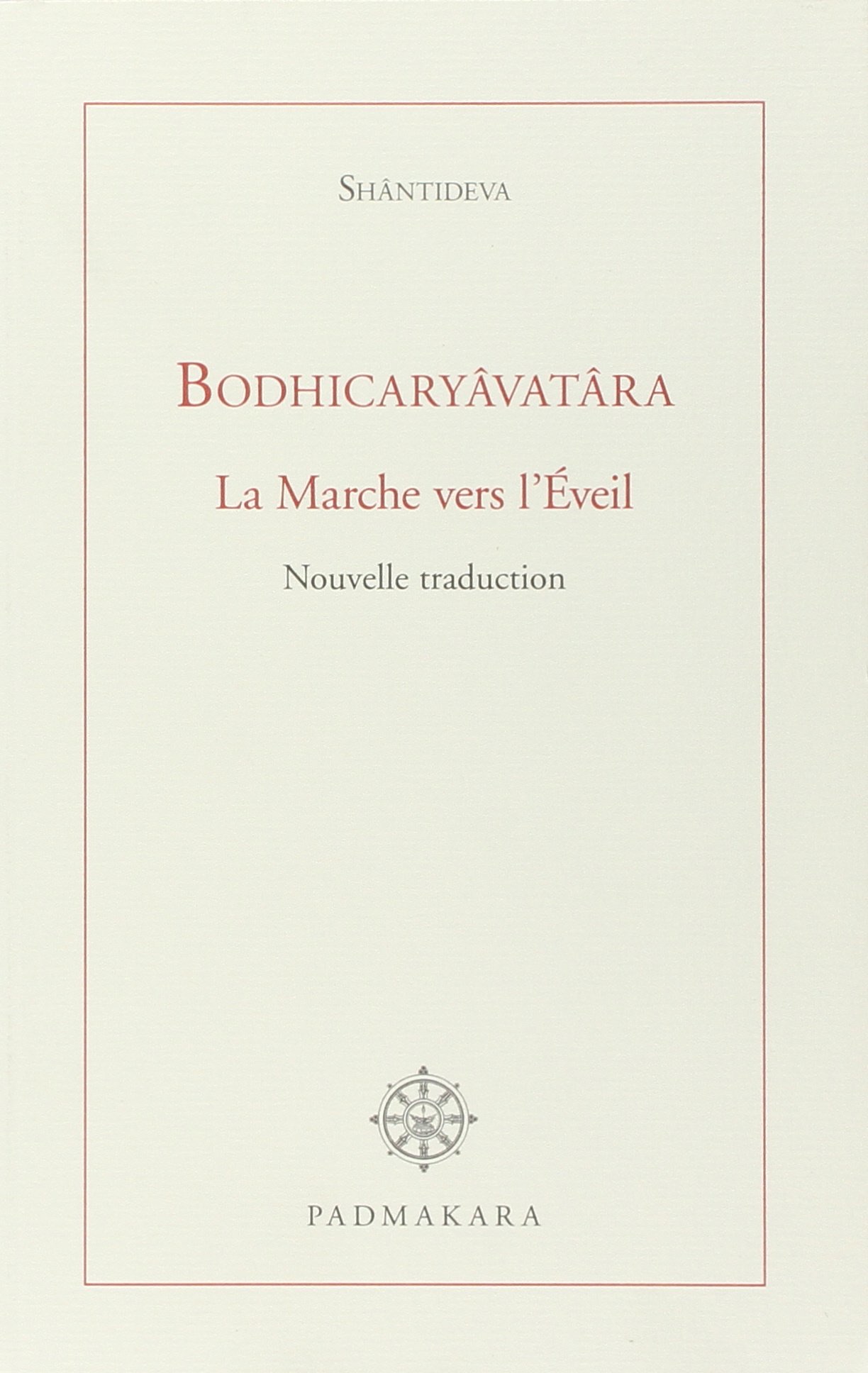
Comment peux-tu renoncer à la joie suprême

Du Dharma, source de joies infinies, Pour le plaisir de te distraire ou de t’agiter

Qui sont autant de causes de souffrance?[p.122]La Marche vers l'Éveil (2007)

¿Cómo puedes abandonar el darma sagrado,

que es la alegría suprema y causa de la felicidad infinita, y disfrutar con distracciones y frivolidades

que engendrarán tu sufrimiento?

La Práctica del Bodisatva-front.jpg
Padmakara Spain 2008

Having abandoned the supreme happiness of the infinite

And holy dharma, which is the cause for happiness, Why do you like the distraction, mental excitement

And so forth, of the causes of suffering?

Abandoning the exalted joyful Dharma

Which is a limitless cause of joy, Why enjoy the causes of suffering

Such as distraction, laughter, and the like?

shift + scroll / swipe
Tsadra Critical Edition §This text was created by comparing four versions of the text from Derge, Cone, Narthang, and Peking Tengyurs from BDRC scans, along with Dunhuang manuscripts IOL Tib J 628, 629, and 630. When Tibetan readings were problematic, the Sanskrit texts from GRETIL and LTB (Oslo) were consulted.

དགའ་བའི་རྒྱུ་ནི་མཐའ་ཡས་པའི། །

དམ་ཆོས་དགའ་བའི་མཆོག་སྤངས་ནས། ། སྡུག་བསྔལ་རྒྱུ་ཡིས་གཡེང་བ་དང་། །

རྒོད་སོགས་ལ་ཁྱོད་ཅི་ཕྱིར་དགའ། །

[edit]
Sazang Mati (1294 - 1376)
A Commentary on Shantideva's Engaging in the Conduct of the Bodhisattvas (citation)Gyaltsen, Lama Kalsang, and Ani Kunga Chodron, trans. A Commentary on Shantideva's Engaging in the Conduct of the Bodhisattvas Written by Sazang Mati Panchen: Known as An Extremely Clear Illumination of the Meaning of the Text. Walden, NY: Tsechen Kunchab Ling, 2019. Bilingual Edition

(གཉིས་པ་)ངན་ཞེན་གྱི་ལེ་ལོ་སྤང་བ་ནི།

2. Discarding the laziness of clinging to mundane activity 1.2.2.2.2.2

དགའ་བའི་རྒྱུ་ནི་མཐའ་ཡས་པའི། །

དམ་ཆོས་དགའ་[p.68]Byang chub sems dpa'i spyod pa la 'jug pa rtsa ba dang 'grel pa (1990)
Slob dpon zhi ba lha and Mkhan po kun dpal. Byang chub sems dpa'i spyod pa la 'jug pa rtsa ba dang 'grel pa. Khreng tu'u: Si khron mi rigs dpe skrun khang, 1990. Buda by BDRC Logo.jpg
བའི་མཆོག་སྤངས་ནས། ། སྡུག་བསྔལ་རྒྱུ་ཡིས་གཡེང་བ་དང་། །

རྒོད་སོགས་ཁྱོད་ལ་ཅི་ཕྱིར་དགའ། །

dga' ba'i rgyu ni mtha' yas pa'i/_/

dam chos dga' [p.68]Byang chub sems dpa'i spyod pa la 'jug pa rtsa ba dang 'grel pa (1990)
Slob dpon zhi ba lha and Mkhan po kun dpal. Byang chub sems dpa'i spyod pa la 'jug pa rtsa ba dang 'grel pa. Khreng tu'u: Si khron mi rigs dpe skrun khang, 1990. Buda by BDRC Logo.jpg
ba'i mchog spangs nas/_/ sdug bsngal rgyu yis g.yeng ba dang /_/

rgod sogs la khyod ci phyir dga'/_/

Abandoning the exalted joyful Dharma

Which is a limitless cause of joy, Why enjoy the causes of suffering

Such as distraction, laughter, and the like?

མཐོ་རིས་དང་ཐར་བའི་དགའ་བ་དང་བདེ་བའི་རྒྱུ་ནི་མཐའ་ཡས་པ༵་དང་ལྡན་པ་དམ་པའི་ཆོས་ཀྱི་བྱ་བ་ལ་དགའ་ཞིང་སྤྲོ་བ་ནི་དགའ་བའི་མཆོག་ཡིན་པ་ལ་དེ་སྤངས་ན༵ས། འཁོར་བ་དང་ངན་སོང་གི་སྡུག་བསྔལ་དྲག་པོ་རྣམས་ཀྱི་རྒྱུར་གྱུར་པ་སྡིག་པ་ཡི་བྱ་བ་ལ་ལུས་སེམས་རྣམ་པར་གཡེང་བ་ད༵ང་རྒོད་ཅིང་ག་ཞར་བཅས་པ་དང༌། གླུ་དང་གར་ལ་སོགས་པ་ལ་སེམས་ཁྱོད་ཅིའི་ཕྱིར་དག༵འ་སྟེ་དགའ་བར་མི་རིག་པས་ཆོས་དང་འགལ་བའི་བྱ་བ་ལ་ཆགས་ཤིང་ཞེན་པ་སྤང་བར་བྱའོ། །

Dharma activities possess infinite good qualities and cause the happiness of higher birth and liberation, and are the most exalted joy and happiness, yet you have abandoned them for sinful activities that cause the severe suffering of lower rebirth and samsara. O Mind, why enjoy such mundane activities as complete distraction of body and mind, laughing, joking, singing, dancing, and the like. It is unsuitable to find joy in these things. Therefore discard clinging and attachment to activities that contradict the Dharma.
Gyaltsap Je (1364 - 1432)
The Entrance for the Children of the Conquerors (citation)Stracke, Fedor, trans. The Entrance for the Children of the Conquerors: A Commentary on the Introduction to the Actions of Bodhisattvas. By Gyaltsab Rinpoche. N.p.: Happy Monks Publication, 2016. https://happymonkspublication.org/product/bodhisattvacharyavatara-chapter-1-10-commentary/. Bilingual Edition

གཉིས་པ་བྱ་བ་ངན་པ་ལ་ཞེན་པའི་ལེ་ལོ་སྤང་བ་ནི།

Abandoning the Laziness That Grasps at Negative Actions 1.1.2.1.2.2

དགའ་བའི་རྒྱུ་ནི་མཐའ་ཡས་པའི། །

དམ་ཆོས་དགའ་[p.68]Byang chub sems dpa'i spyod pa la 'jug pa rtsa ba dang 'grel pa (1990)
Slob dpon zhi ba lha and Mkhan po kun dpal. Byang chub sems dpa'i spyod pa la 'jug pa rtsa ba dang 'grel pa. Khreng tu'u: Si khron mi rigs dpe skrun khang, 1990. Buda by BDRC Logo.jpg
བའི་མཆོག་སྤངས་ནས། ། སྡུག་བསྔལ་རྒྱུ་ཡིས་གཡེང་བ་དང་། །

རྒོད་སོགས་ཁྱོད་ལ་ཅི་ཕྱིར་དགའ། །

dga' ba'i rgyu ni mtha' yas pa'i/_/

dam chos dga' [p.68]Byang chub sems dpa'i spyod pa la 'jug pa rtsa ba dang 'grel pa (1990)
Slob dpon zhi ba lha and Mkhan po kun dpal. Byang chub sems dpa'i spyod pa la 'jug pa rtsa ba dang 'grel pa. Khreng tu'u: Si khron mi rigs dpe skrun khang, 1990. Buda by BDRC Logo.jpg
ba'i mchog spangs nas/_/ sdug bsngal rgyu yis g.yeng ba dang /_/

rgod sogs la khyod ci phyir dga'/_/

Having abandoned the supreme happiness of the infinite

And holy dharma, which is the cause for happiness, Why do you like the distraction, mental excitement

And so forth, of the causes of suffering?

འདི་ཕྱི་ཐམས་ཅད་དགའ་བའི་རྒྱུ་ནི་མཐའ་ཡས་པའི་ཐབས་དམ་པའི་ཆོས་ཉམས་སུ་ལེན་པ་ལ་དགའ་བའི་མཆོག་སྤངས་ནས། འབྲས་བུ་སྡུག་བསྔལ་གྱི་རྒྱུ་སྡིག་པ་དང་འདུ་འཛི་མང་བོའི་གཡེང་བ་དང་རྒོད་པ་སོགས་བྱ་བ་མ་ཡིན་པ་མང་བོ་ལ་ཁྱོད་ཅིའི་ཕྱིར་དགའ། དགའ་བར་མི་རིགས་ཏེ་སྡུག་བསྔལ་གྱི་རྒྱུ་ཡིན་པའི་ཕྱིར་རོ། །

Having abandoned the supreme joy in practicing the infinite methods of the holy dharma, which are the causes for all the happiness of this and future lives, why do you like unsuitable actions resulting in suffering, such as negativities, the distractions of many different thrills, mental excitement and so forth? It is unsuitable to like them because they are the causes of suffering.
Minyak Kunzang Sönam (1823 - 1905)
The Great Hūṃ (citation)Duckworth, Douglas, trans. The Great Hūṃ: A Commentary on Śāntideva's Way of the Bodhisattva. By Minyak Kunzang Sönam. New York, NY: Wisdom Publications, 2025. Bilingual Edition

གཉིས་པ་བྱ་བ་ངན་ཞེན་གྱི་ལེ་ལོའི་གཉེན་པོ་སྒོམ་ཚུལ་ནི།

How to cultivate the antidote to the laziness that clings to bad activities 7.1.2.2.2.2

དགའ་བའི་རྒྱུ་ནི་མཐའ་ཡས་པའི། །

དམ་ཆོས་དགའ་བའི་མཆོག་སྤངས་ནས། ། སྡུག་བསྔལ་རྒྱུ་ཡིས་གཡེང་བ་དང་། །

རྒོད་སོགས་ཁྱོད་ལ་ཅི་ཕྱིར་དགའ། །

How can you reject the supreme joy of the sacred Dharma,

the boundless cause of joy, and delight in things like distraction and excitement,

the causes of suffering? (7.15)

དགའ་བའི་རྒྱུ་ནི་སོགས་ཏེ་གནས་སྐབས་དང་མཐར་ཐུག་ཀུན་ཏུ་དགའ་བ་དང་བདེ་བའི་རྒྱུའམ་རྒྱུན་ནི་ཟད་པ་མེད་པ་མཐའ་ཡས་པ་འབྱུང་།བའི་ཐབས་སམ་རྒྱུ་བླ་ན་མེད་པ་དམ་པའི་ཆོས་ཉམས་སུ་ལེན་པ་ལ་དགའ་ཞིང་སྤྲོ་བ་ཡིན་པ་ལ། དེ་ལྟ་བུའི་དགའ་བའི་མཆོག་དེ་ཉིད་སྤངས་ནས་འཁོར་བའི་སྡུག་བསྔལ་སྣ་ཚོགས་པ་འབྱུང་བའི་རྒྱུ་ཉིད་དུ་གྱུར་པའི་ཁ་ན་མ་ཐོ་བ་དང་བཅས་པ་སྡིག་པའི་ལས་དང་འདུ་འཛི་མང་པོ་ཡིས་སེམས་ཕྱི་རོལ་གྱི་ཡུལ་སྣ་ཚོགས་ལ་གཡེང་བ་དང་ཆགས་པའི་དབང་གིས་གཟུགས་སྒྲ་སོགས་ལ་སེམས་འཕྲོ་ཞིང་རྒོད་པ་དང༌། ངག་གི་རྣམ་འགྱུར་བག་མེད་པའི་དགའ་བ་དང་བཅས་པས་ཧ་ཧ་ཞེས་དགོད་ཅིང་ག་ཞ་བྱེད་པ་དང་གླུ་དབྱངས་ལེན་པ་དང་གཞན་ཡང་དོན་མེད་པའི་ཅལ་ཅོལ་མང་དུ་སྨྲ་བ་དང༌། ལུས་ཀྱིས་གར་དང་མཆོངརྒྱུག་བྱེད་པ་ལ་སོགས་པ་ཆོས་དང་འགལ་ཞིང་དོན་མེད་པའི་བྱ་བ་མང་པོ་རྣམས་བྱེད་པ་ལ་ཁྱོད་ཅི་ཡི་ཕྱིར་དགའ་སྟེ་དགའ་མི་རིགས་ཏེ་དེ་དག་ལ་དགའ་བ་ནི་ཚེ་འདིའི་དོན་ཆེན་པོ་ཉམས་པར་བྱེད་པའི་རྒྱུ་དངཕྱི་མའི་སྐབས་སུ་སྡུག་བསྔལ་དུ་མ་སྐྱེད་པའི་རྒྱུའམ་གཞིར་གྱུར་པ་ཡིན་པའི་ཕྱིར། དེས་ན་དེ་དག་ལ་དགའ་བ་ནི། རིན་ཆེན་ཕྲེང་བར། ཆགས་པ་ལེ་ལོ་ཅན་གྱི་ཡིན། །ཞེས་པ་ལྟར་བྱ་བ་ངན་པ་ལ་ཆགས་ཤིང་ཞེན་པའི་ལེ་ལོ་ཡིན་པའི་ཕྱིར་དེ་དག་འགོག་པའི་ཐབས་ལ་བརྩོན་པར་བྱའོ། །འདི་ལ་དགའ་བའི་རྒྱུན་ནི་མཐའ་ཡས་ཞེས་ཡོང་བ་འཆད་བདེའོ། །

The cause or method for generating a boundless and inexhaustible stream or fount of all happiness and joy, both in the short term and forever, is joy and enthusiasm for practicing the sacred Dharma. Yet this supreme joy is rejected by a mind distracted by various external objects owing to a lot of[p.608]The Great Hum
Duckworth, Douglas, trans. The Great Hūṃ: A Commentary on Śāntideva's Way of the Bodhisattva. By Minyak Kunzang Sönam. New York, NY: Wisdom Publications, 2025.
turmoil, negativity, and reprehensible actions that bring great suffering in cyclic existence. Through the force of attachment, the mind becomes excited and dispersed toward objects like forms and sounds. Speech variously laughs, jokes, and sings with careless pleasure and engages in frivolous chatter. The body also performs many pointless actions and things that conflict with the Dharma, such as dancing and jumping. Why take joy in these things? It does not make sense, for to enjoy these things causes the great purpose of this life to be lost and is a cause or basis for producing a lot of future suffering as well. Thus the Precious Garland says about enjoying these things, “The lazy person’s attachment . . .”1157Nāgārjuna, Precious Garland, 5.16, 122b. Since it is laziness to be attached to and cling to bad activities, you should strive in the methods to prevent them. Here there is an alternate reading that is easy to explain: “the boundless continuum (rgyun rather than rgyu) of joy.”

དེ་ལྟར་ཀློག་པ་ཐོས་བསམ་དང་སྤོང་བ་བསམ་གཏན་སྒོམ་པ་སོགས་དམ་པའི་ཆོས་ཀྱི་དགའ་བདེ་སྤངས་ནས་དོན་མེད་པ་ཉེས་པ་ཆེ་བའི་ཚོང་དང་ཞིང་ལས་སོགས་ཁྱིམ་ན་གནས་པའི་ལས་ངན་པ་ལ་དགའ་བའི་ཉེས་དམིགས་ནི། ལྷག་བསམ་བསྐུལ་བ་ལས།

Thus there are problems with rejecting the joy and happiness of the sacred Dharma—doing things like reading, studying, and contemplation, and cultivating renunciation in meditative concentration—while taking joy in negative actions in the household, doing things with little value and great faults, like business and farming. Inciting a Superior Intention says:

བླ་མས་བསྐུལ་ན་བཀའ་བློ་མི་བདེ་ཞིང། །

རྗེས་སུ་བསྟན་པ་མཐུན་པར་མི་འཛིན་པ། ། དེ་ནི་མྱུར་དུ་ཚུལ་ཁྲིམས་ཉམས་པར་འགྱུར། །

ཉེས་པ་འདི་དག་ལས་ལ་དགའ་བའི་ཡིན། །

Not being joyful in mind with the commands the teacher gives,
not agreeing with what is taught,
and quickly lapsing in discipline—
these are problems with delighting in activities.

ཁྱིམ་ན་གནས་པའི་ལས་རྣམས་རྟག་སེམས་པ། །

དེ་ནི་རྟག་ཏུ་གདུང་བར་[p.427]Byang chub sems dpa'i spyod pa la 'jug pa'i 'grel bshad rgyal sras rgya mtsho'i yon tan rin po che mi zad 'jo ba'i bum bzang
Mi nyag kun bzang bsod nams (མི་ཉག་ཀུན་བཟང་བསོད་ནམས་). byang chub sems dpa'i spyod pa la 'jug pa'i 'grel bshad rgyal sras rgya mtsho'i yon tan rin po che mi zad 'jo ba'i bum bzang [བྱང་ཆུབ་སེམས་དཔའི་སྤྱོད་པ་ལ་འཇུག་པའི་འགྲེལ་བཤད་རྒྱལ་སྲས་རྒྱ་མཚོའི་ཡོན་ཏན་རིན་པོ་ཆེ་མི་ཟད་འཇོ་བའི་བུམ་བཟང།]. [Excellent Vase That Spills Forth an Ocean of the Inexhaustible and Precious Qualities of the Victor's Heirs: An Explanation of the "Way of the Bodhisattva."].
བམའགྱུར་བ་སྟེ། ། བསམ་གཏན་དང་ནི་སྤོང་བ་དེ་མི་བྱེད། །

ཉེས་པ་འདི་དག་ལས་ལ་དགའ་བའི་ཡིན། །

Constantly pondering the activities of householders,
being constantly oppressed by this—
such that there is no engagement in meditative concentration or renunciation—
these are problems with delighting in activities.

དེ་ཡིས་འདོད་ཆགས་ཤས་ནི་ཆེ་བར་སྐྱེད། །

དེ་ནི་རོ་བྲོ་རྣམས་ལ་ཆགས་ཤིང་ཞེན། ། དེ་ནི་ངན་ངོན་ཙམ་གྱིས་དགའ་མི་འགྱུར། །

ཉེས་པ་འདི་དག་ལས་ལ་དགའ་བའི་ཡིན། །

When desire swells due to this
and there is attachment and fixation on this taste,
finding no joy in what is merely basic—
these are problems with delighting in activities.

དེ་ནི་འཁོར་མང་པོ་ལ་དགའ་འགྱུར་ཏེ། །

དེ་ཉམས་ན་ནི་ཤིན་ཏུ་སྡུག་བསྔལ་འགྱུར། ། དེ་ནི་བོང་བུ་བཞིན་དུ་འདྲེ་བར་འགྱུར། །

ཉེས་པ་འདི་དག་ལས་ལ་དགའ་བའི་ཡིན། །

Being delighted with a large circle of friends and
extremely sad when they disperse,[p.609]The Great Hum
Duckworth, Douglas, trans. The Great Hūṃ: A Commentary on Śāntideva's Way of the Bodhisattva. By Minyak Kunzang Sönam. New York, NY: Wisdom Publications, 2025.

becoming mixed up, like a mule,
these are problems [401] with delighting in activities.1158Inciting a Superior Intention, 271b–272a. Cited in Śāntideva, Anthology of Training, 65a–b; English trans. in Goodman, The Training Anthology of Śāntideva, 111–12. Kunzang Sönam follows the Tibetan translation of Śāntideva’s text, while the Sanskrit of Śāntideva’s text accords with the Tibetan translation of the sūtra. For evidence of this, see, for instance, the note in Goodman’s translation of this passage; Goodman, The Training Anthology of Śāntideva, 380nl.

ཞེས་སོགས་དང༌།

Also, the Anthology of Training cites this:

གང་དག་མཆོག་གི་ཆོས་ཡོངས་སུ་སྤངས་ནས་ལས་ངན་པ་རྣམས་རྩོམ་པའི་བྱང་ཆུབ་སེམས་དཔའ་དེ་དག་ནི་ཤེས་རབ་ཤིན་ཏུ་ཆུང་བར་འགྱུར་རོ། །བྱམས་པ་ཁྱོད་ལ་བསྟན་ཏོ་ཁྱོད་ཀྱིས་ཁོང་དུ་ཆུད་པར་བྱའོ། །གང་དག་ལ་བརྩོན་པ་མེད་པ་དང་བསམ་གཏན་མེད་པ་དང་སྤོང་བ་མེད་པ་དང་ཁ་ཏོན་བྱ་བ་དང་ཐོས་པ་ཡོངས་སུ་ཚོལ་བ་མེད་པའི་བྱང་ཆུབ་སེམས་དཔའ་དེ་བཞིན་གཤེགས་པའི་བསྟན་པ་ལ་རབ་ཏུ་བྱུང་བ་མ་ཡིན་ནོ་ཞེས་སོགས་བསླབ་བཏུས་སུ་དྲངས་པ་བཞིན་ནོ། །

Bodhisattvas who give up the supreme Dharma and pursue negative actions become very weak in intelligence. Maitreya, I say this to you and you must understand: bodhisattvas who are not diligent, who lack meditative concentration, who lack renunciation, who do not recite, and who do not pursue learning are not renunciants in the Tathāgata’s teaching.1159Inciting a Superior Intention, 272b–273a. Cited in Śāntideva, Anthology of Training, 65b–66a; English trans. in Goodman, The Training Anthology of Śāntideva, 112.

མདོར་ན་བྱ་བ་ངན་ཞེན་གྱི་ལེ་ལོའི་གཉེན་པོར་དམ་པའི་ཆོས་ནི་ཚེ་འདི་ཕྱིའི་དགའ་བ་མཐའ་ཡས་པའི་རྒྱུ་ཡིན་པ་དང་ཁ་ན་མ་ཐོ་བའི་སྡིག་པའི་ལས་དང་དོན་མེད་པའི་རྣམ་གཡེང་སྐྱེད་བྱེད་ཀྱི་ལས་རྣམས་ནི་ཚེ་འདིར་དོན་ཆེན་པོ་དམ་པའི་ཆོས་ཀྱི་བྱ་བ་ཉམས་པར་བྱེད་པ་དང་ཕྱི་མར་ཡང་ངན་འགྲོའི་སྡུག་བསྔལ་སོགས་མི་འདོད་པ་མཐའ་ཡས་པ་སྐྱེད་བྱེད་ཀྱི་རྒྱུ་ཡིན་ཚུལ་ཡང་ཡང་བསམ་ནས་དེ་སྤོང་བ་ཡིན་ནོ། །

In short, the antidote to the laziness of clinging to bad activities is the sacred Dharma. It is the cause of boundless joy in this life and beyond. Negative, reprehensible actions—and actions that produce pointless distractions—usher in the decline of what is most meaningful in this life: the activity of the sacred Dharma. They also cause countless unwanted sufferings in the lower realms in future lives. Contemplate this over and over and reject them.
Kunzang Palden (1862 - 1943)
The Nectar of Manjushri's Speech (citation)Blankleder, Helena, and Wulstan Fletcher (Padmakara Translation Group), trans. The Nectar of Manjushri's Speech: A Detailed Commentary on Shantideva's Way of the Bodhisattva. By Kunzang Pelden. Boston: Shambhala Publications, 2007. Bilingual Edition

གཉིས་པ་༼བྱ་བ་ངན་ཞེན་གྱི་ལེ་ལོའི་གཉེན་པོ་བསྒོམ་ཚུལ་༽ནི།

Cultivating an Antidote to the Kind of Laziness That Consists in an Inclination to Unwholesome Actions 2.2.2.2.

དགའ་བའི་རྒྱུ་ནི་མཐའ་ཡས་པའི། །

དམ་ཆོས་དགའ་[p.68]Byang chub sems dpa'i spyod pa la 'jug pa rtsa ba dang 'grel pa (1990)
Slob dpon zhi ba lha and Mkhan po kun dpal. Byang chub sems dpa'i spyod pa la 'jug pa rtsa ba dang 'grel pa. Khreng tu'u: Si khron mi rigs dpe skrun khang, 1990. Buda by BDRC Logo.jpg
བའི་མཆོག་སྤངས་ནས། ། སྡུག་བསྔལ་རྒྱུ་ཡིས་གཡེང་བ་དང་། །

རྒོད་སོགས་ཁྱོད་ལ་ཅི་ཕྱིར་དགའ། །

dga' ba'i rgyu ni mtha' yas pa'i/_/

dam chos dga' [p.68]Byang chub sems dpa'i spyod pa la 'jug pa rtsa ba dang 'grel pa (1990)
Slob dpon zhi ba lha and Mkhan po kun dpal. Byang chub sems dpa'i spyod pa la 'jug pa rtsa ba dang 'grel pa. Khreng tu'u: Si khron mi rigs dpe skrun khang, 1990. Buda by BDRC Logo.jpg
ba'i mchog spangs nas/_/ sdug bsngal rgyu yis g.yeng ba dang /_/

rgod sogs la khyod ci phyir dga'/_/

དགའ་བའི་རྒྱུ་ནི་མཐའ་ཡས་པའི་དམ་པའི་ཆོས་ཞེས་སམ་དགའ་བ་མཐའ་ཡས་པའི་རྒྱུ་དམ་པའི་ཆོས་ཞེས་ཀྱང་གསུང༌། མདོར་[p.489]Byang chub sems dpa'i spyod pa la 'jug pa rtsa ba dang 'grel pa (1990)
Slob dpon zhi ba lha and Mkhan po kun dpal. Byang chub sems dpa'i spyod pa la 'jug pa rtsa ba dang 'grel pa. Khreng tu'u: Si khron mi rigs dpe skrun khang, 1990. Buda by BDRC Logo.jpg
ན་དམ་པའི་ཆོས་ནི་ཐོག་མར་ཐོས་པའི་དུས་ན་མ་དད་པ་དད་པར་བྱེད་པ་རྣ་བའི་བདུད་རྩི་ལྟ་བུ་དང༌། བར་དུ་བསམ་པའི་དུས་ན་སེམས་རྣམ་པར་གཡེང་བའི་རྟོག་པ་ཐམས་ཅད་སེལ་བར་བྱེད་པ་དང༌། ཐ་མ་བསྒོམ་པའི་དུས་ན་རྣམ་པར་གྲོལ་བའི་ཡེ་ཤེས་རྒྱུད་ལ་བསྐྱེད་པར་བྱེད་པས་ཐོག་མཐའ་བར་དུ་དགེ་བས་དགའ་བའི་མཆོག་དམ་པ་ཡིན་པས་

You turn your back upon the Sacred Doctrine,

Supreme joy and boundless source of bliss. Why delight in mere excitement,

In distractions that will cause you misery?

It has been said that Shantideva’s words in this verse are to be construed as meaning that the sacred Dharma is the cause of boundless joy. In[p.240]The Nectar of Manjushri's Speech
Blankleder, Helena, and Wulstan Fletcher (Padmakara Translation Group), trans. The Nectar of Manjushri's Speech: A Detailed Commentary on Shantideva's Way of the Bodhisattva. By Kunzang Pelden. Boston: Shambhala Publications, 2010.
brief, when the sacred Dharma is heard in the beginning, it is like a nectar for the ears, bringing inspiration and faith where there had been no faith before. Later, when one reflects on it, it dispels all the wandering thoughts of the distracted mind. Finally, when one meditates upon it, it causes the primordial wisdom of liberation to be born in the mind. Virtuous in the beginning, middle, and end, the Dharma is a supreme joy.

དེ་ལ་ལུང་སྡེ་སྣོད་གསུམ་གྱི་འཆད་ཉན་དང༌། ལམ་བསླབ་པ་གསུམ་ལ་ཉམས་ལེན་བྱེད་པ་སྤངས་ནས་དེ་ལ་བར་དུ་གཅོད་པའི་མི་མཐུན་པའི་ཕྱོགས་ཚེ་འདི་དང་ཕྱི་མའི་སྡུག་བསྔལ་མི་བཟད་པའི་རྒྱུ་དགྲ་འདུལ་དང་གཉེན་སྐྱོང༌། ཚོང་དང་སོ་ནམ་ཁྱིམ་དང་གྲོགས་ཀྱི་མགོ་འཛིན། དཀོར་དང་རྟ་ནོར་སོགས་ཀྱི་གཡོག་ལས་ཟླ་དགའ་ཟས་ཚོལ་ལ་སོགས་པ་ཡིས་ཉིན་མི་དལ་མཚན་མི་གཉིད་པའི་རྣམ་པར་གཡེང་བ་སྣ་ཚོགས་དང༌། རྩེད་འཇོ་དང་རྒྱུག་མཆོངས་ལ་སོགས་པས་ལུས་རྒོད་པ་དང༌། ཆགས་སྡང་སོགས་མི་དགེ་བ་དང་ལུང་མ་བསྟན་སོགས་དོན་མེད་ཀྱི་སྨྲ་བ་མང་པོ་དང་གད་མོ་རྟ་གད་སྒྲོགས་པ་ལ་སོགས་པས་ངག་རྒོད་པ་དང༌། དོན་མེད་པར་འདས་མ་འོངས་ད་ལྟའི་ཡུལ་ལ་རྣམ་པར་རྟོག་པ་སྣ་ཚོགས་པའི་རྗེས་སུ་འབྲང་བས་སེམས་རྒོད་པ་ལ་སོགས་པ་ཆོས་དང་འགལ་བ་ཐམས་ཅད་ལ་ཁྱོད་ཅི་ཡི་ཕྱིར་དགའ་སྟེ་དགའ་བར་མི་རིགས་སོ། །འོ་ན་དགའ་བའི་རྒྱུ་གང་ལ་དགའ་བར་བྱ་ཞེ་ན། །

Therefore, how is it possible for us to turn away from listening to the explanation of the Tripitaka and from practicing the three trainings? How is it possible that we should take delight in what is contrary to the Dharma and is productive of unbearable suffering both in this and future lives? How is it possible for us to take pleasure in getting the better of enemies and in favoring friends; to take pleasure in trade and farming, in family and household, in being enslaved to religious wealth, horses, and possessions, and in providing for one’s family? How can we indulge in all such distractions, which run counter to the study and practice of the Dharma and leave time neither for leisure during the day nor sleep at night? How can we take pleasure in the reckless agitation of body, speech, and mind: in games and sports, in floods of unvirtuous talk motivated by desire and aversion, in pointless chitchat that is neither positive nor negative, in jokes and loud, raucous hilarity, and in all kinds of mental distraction with our thoughts chasing pointlessly after the things of the past, present, and future?


[edit]
[edit]