4.23

From Bodhicitta

Bodhicaryāvatāra · Verse 4.23


Sources:    

Sanskrit §No information about the source used.

नातः परा वञ्चनास्ति न च मोहोऽस्त्यतः परः। यदीदृशं क्षणं प्राप्य नाभ्यस्तं कुशलं मया॥

 
Chanted Verse
Recitation by Professor Kashinath Nyaupane
23

There is, therefore, no greater self-deception, no greater delusion, than this one of not practicing good when one has attained the unique opportunity to do so.

Standard Tibetan §Padmakara used the 1990 edition printed by si khron mi rigs dpe skrun khang: Byang chub sems dpa'i spyod pa la 'jug pa rtsa ba dang 'grel pa (1990). Also found in Derge Tengyur D3871, dbu ma, vol. 105, la 1b1–40a7.

འདི་འདྲའི་དལ་བ་རྙེད་གྱུར་ནས། །

བདག་གིས་དགེ་གོམས་མ་བྱས་ན། ། འདི་ལས་བསླུས་པ་གཞན་མེད་དེ། །

འདི་ལས་མྱོངས་པའང་གཞན་མེད་དོ། །

 
Chanted Verse
Recitation by Lopen Karma Phuntsho
23

Thus, having found this moment of reprieve,

If I now fail to train myself in virtue, What greater folly could there ever be?

How more could I betray myself?

Standard Tibetan §Padmakara used the 1990 edition printed by si khron mi rigs dpe skrun khang: Byang chub sems dpa'i spyod pa la 'jug pa rtsa ba dang 'grel pa (1990). Also found in Derge Tengyur D3871, dbu ma, vol. 105, la 1b1–40a7. - Other translations

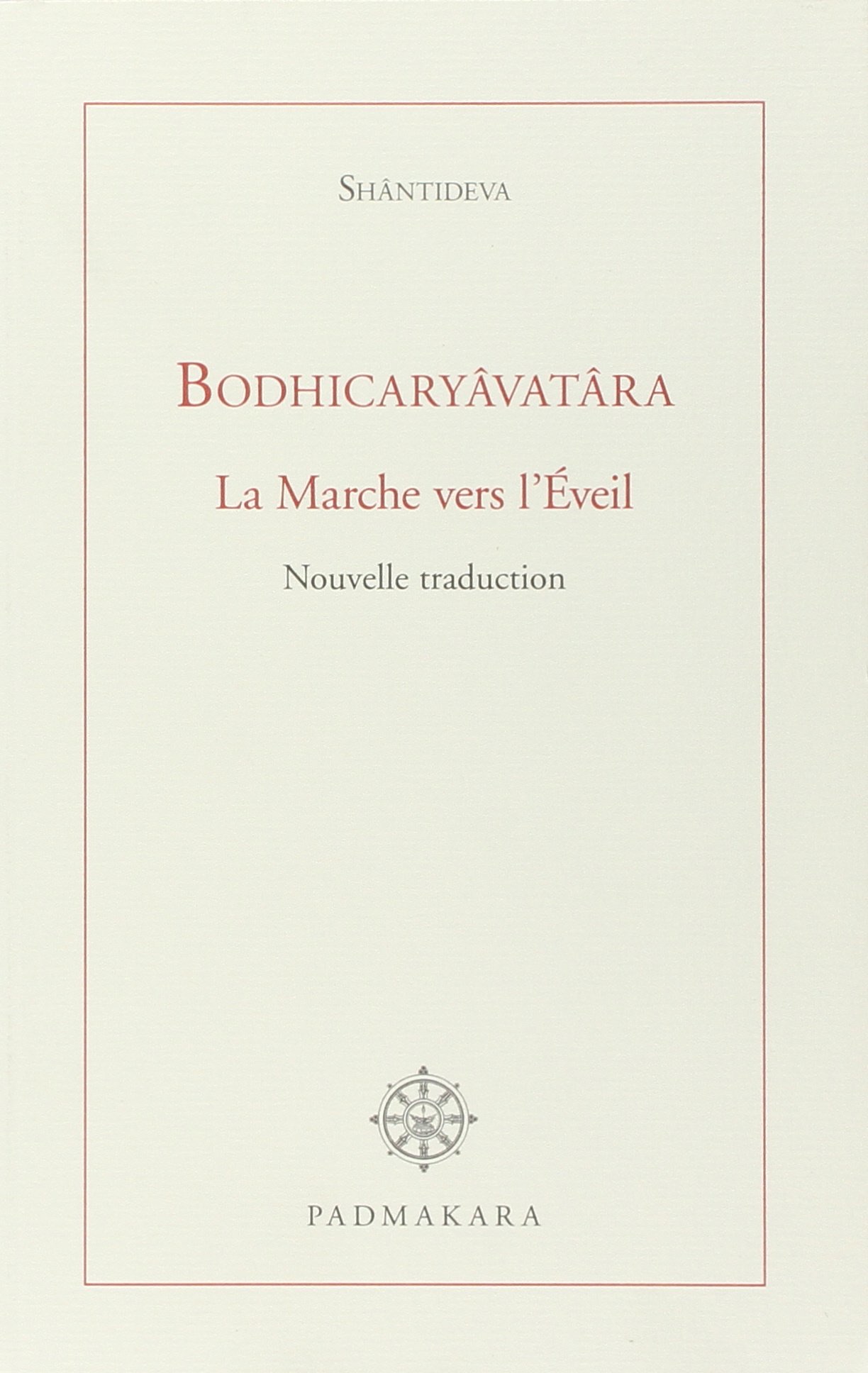
Il n’est pire duperie,

Il n’est abrutissement plus épais Que de ne pas s’exercer au bien

Quand on en a la liberté.

Habiendo encontrado estas libertades,

si no me adiestro en lo que es virtuoso, no puede haber mayor error,

nada puede ser más estúpido.

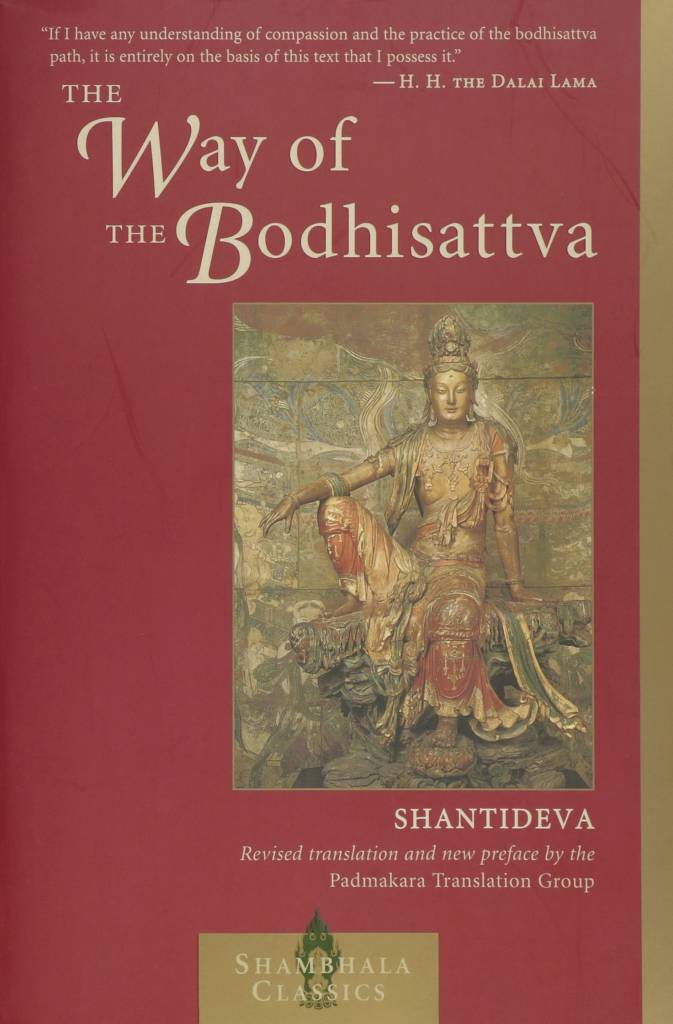
La Práctica del Bodisatva-front.jpg
Padmakara Spain 2008

Having found such leisure as this,

If I do not become familiar with virtue, There is no deceit worse than this;

There is no delusion greater than this.

shift + scroll / swipe
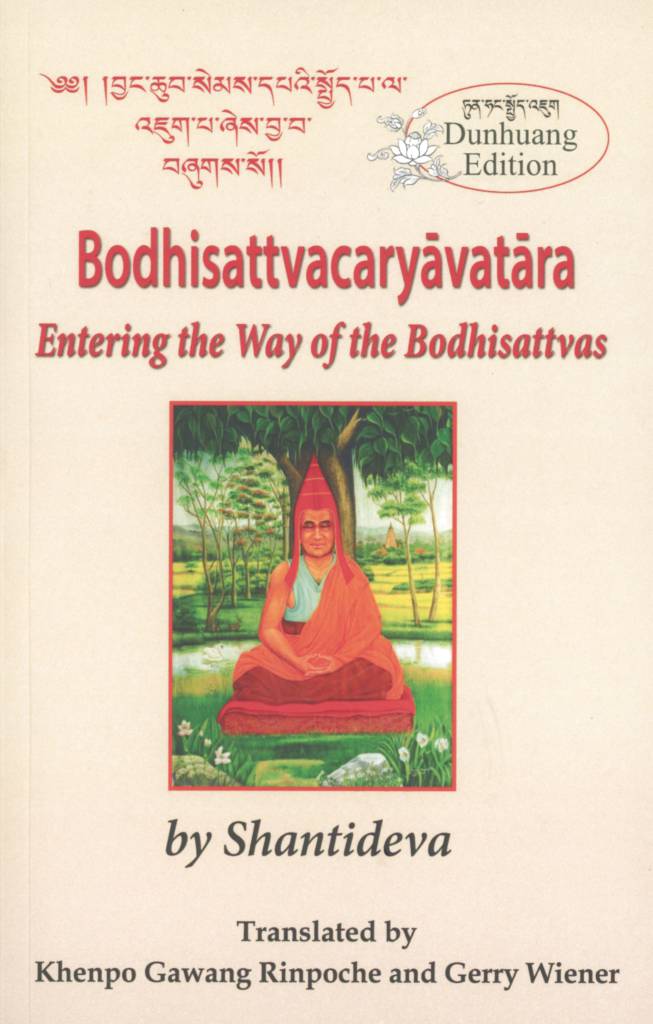
Dūnhuáng §This version is extracted from the book Bodhisattvacaryāvatāra: Entering the Way of the Bodhisattvas (2022, Khenpo Gawang and Wiener), a translation of an edition of the text created from three Dūnhuáng manuscripts. A description and sample pages of these can be found on the Early Tibet Blog. Scans of the actual manuscripts themselves can be found at http://idp.bl.uk

འདི་འདྲའི་དལ་བ་རྙེད་གྱུར་ནས། །

བདག་གིས་དགེ་གོམས་མ་བྱས་པ། ། འདི་ལས་བསླུས་པ་གཞན་མེད་དེ། །

འདི་ལས་རྨོངས་པའང་གཞན་མེད་དོ། །

alt verse 3.23 tm data

Having found these excellent free conditions,

If I do not become accustomed to virtue, Then there is nothing more deceitful

And nothing more stupid.

Tsadra Critical Edition §This text was created by comparing four versions of the text from Derge, Cone, Narthang, and Peking Tengyurs from BDRC scans, along with Dunhuang manuscripts IOL Tib J 628, 629, and 630. When Tibetan readings were problematic, the Sanskrit texts from GRETIL and LTB (Oslo) were consulted.

འདི་འདྲའི་དལ་བ་རྙེད་གྱུར་ནས། །

བདག་གིས་དགེ་གོམས་མ་བྱས་ན། ། འདི་ལས་བསླུས་པ་གཞན་མེད་དེ། །

འདི་ལས་རྨོངས་པའང་གཞན་མེད་དོ། །

[edit]
Sazang Mati (1294 - 1376)
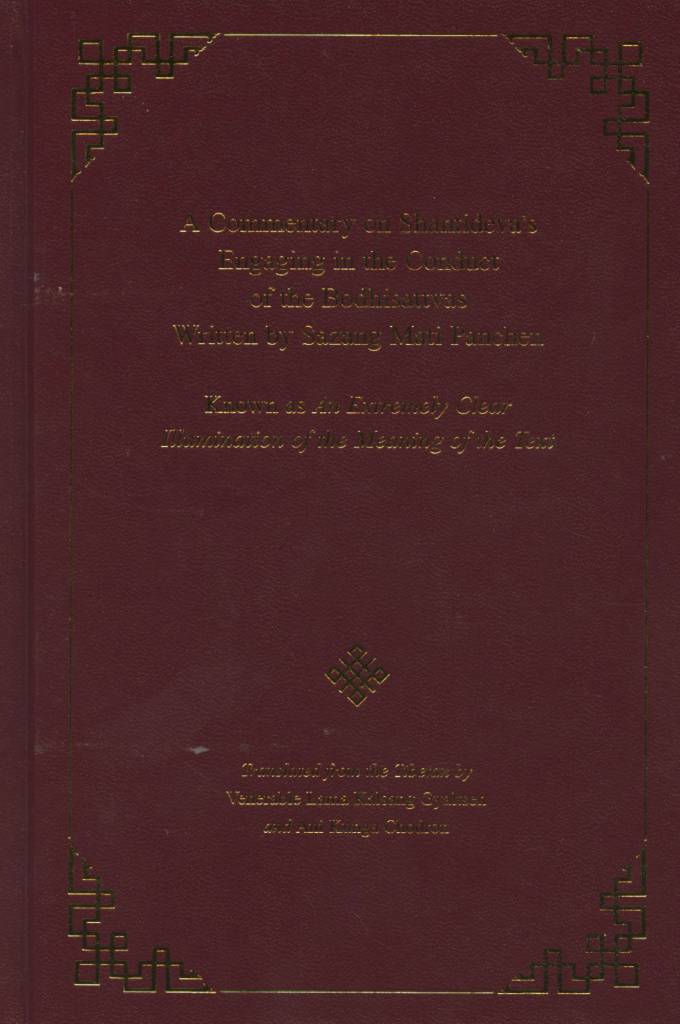
A Commentary on Shantideva's Engaging in the Conduct of the Bodhisattvas (citation)Gyaltsen, Lama Kalsang, and Ani Kunga Chodron, trans. A Commentary on Shantideva's Engaging in the Conduct of the Bodhisattvas Written by Sazang Mati Panchen: Known as An Extremely Clear Illumination of the Meaning of the Text. Walden, NY: Tsechen Kunchab Ling, 2019. Bilingual Edition

(ལྔ་པ་)དལ་བའི་དུས་སུ་འབད་ཚུལ་ནི།

5. How to exert oneself while leisure exists 1.2.1.2.2.1.5

འདི་འདྲའི་དལ་བ་རྙེད་གྱུར་ནས། །

བདག་གིས་དགེ་གོམས་མ་བྱས་ན། ། འདི་ལས་བསླུས་པ་གཞན་མེད་དེ། །

འདི་ལས་མྱོངས་པའང་གཞན་མེད་དོ། །

di 'dra'i dal ba rnyed gyur nas/_/

bdag gis dge goms ma byas na/_/ 'di las bslus pa gzhan med de/_/

'di las myongs pa'ang gzhan med do/_/

Having found such leisure as this,

If I do not become familiar with virtue, There is no deceit worse than this;

There is no delusion greater than this.

རྙེད་པར་དཀའ་ཞིང་དོན་ཆེན་པོ་དང་ལྡན་པ་འདི་འདྲ་བའི་དལ་བ་ཕུན་སུམ་ཚོགས་པ་རྙེད་པར་གྱུར་ན༵ས་བདག་གིས་བསམ་སྦྱོར་རྣམ་[p.-131]རབ་གསལ་སྣང་བ་
པར་དག་པའི་དགེ་བ་ལ་གོམས་པར་མ་བྱས་ན༵་འདི་ལས་རང་གིས་རང་བསླུས་པའང་གཞན་མེད་དེ༵་དོན་ཆེན་པོ་ལས་ཉམས་པར་བྱས་པའི་ཕྱིར་རོ། །བླང་དོར་གྱི་གནས་ལ་ཤིན་ཏུ་འཁྲུལ་བས་ན་འདི་ལས་ཆེས་རྨོངས་པའང་གཞན་མེད་དོ༵་ཞེས་པ་སྟེ། བཤེས་སྤྲིང་དུའང༌།

During the perfect opportunity represented by this leisure, which is so rare to find and has such great benefit, if I do not familiarize myself with the motivation and actions of genuine Dharma, nothing could be more greatly deluded, and the opportunity to accomplish the great goal will be lost. There is no greater confusion than confusion about what should be adopted and what should be discarded. The Letter to a Friend states:

གང་ཞིག་གསེར་སྣོད་རིན་ཆེན་སྤྲས་པ་ཡིས། །

ངན་སྐྱུགས་འཕྱག་བར་བྱེད་པ་དེ་བས་ཀྱང༌། ། གང་ཞིག་མི་རུ་སྐྱེས་ནས་སྡིག་པ་དག །

བྱེད་པ་དེ་དག་ཆེས་རབ་བླུན་པ་ལགས། །

Even more stupid than one who fills
A jewel-encrusted golden vessel with excrement
Is he who, having been born a human,
Performs evil deeds.

ཞེས་གསུངས་པས་དལ་འབྱོར་ཐོབ་པའི་དུས་སུ་དགེ་བ་ལ་བརྩོན་པར་བྱའོ། །

Therefore, having attained this leisure and endowment, be diligent in virtue.
Gyaltsap Je (1364 - 1432)
The Entrance for the Children of the Conquerors (citation)Stracke, Fedor, trans. The Entrance for the Children of the Conquerors: A Commentary on the Introduction to the Actions of Bodhisattvas. By Gyaltsab Rinpoche. N.p.: Happy Monks Publication, 2016. https://happymonkspublication.org/product/bodhisattvacharyavatara-chapter-1-10-commentary/. Bilingual Edition

གསུམ་པ་ལ་བཞི།

Why it is Appropriate to Strive in the Antidote to Negativity 1.1.1.2.2.2.3

དང་པོ་ནི།

If One does not Strive in Virtue upon Having Attained a Happy Migration, Then One Deceives Oneself 1.1.1.2.2.2.3.1

རྙེད་དཀའ་ཞིང་རྙེད་ན་དོན་ཤིན་ཏུ་ཆེ་བ་འདི་འདྲ་བའི་དལ་བ་རྙེད་པར་གྱུར་ནས་བདག་གིས་མངོན་མཐོ་དང་ཐར་བའི་རྒྱུའི་དགེ་བ་ལ་འབད་ཅིང་གོམས་པར་མ་བྱས་ན་འདི་ལས་རང་ཉིད་བསླུས་པའི་ཐབས་གཞན་མེད་དེ་

Having found it difficult to find freedom with great meaning, if I do not strive in and meditate on the cause for higher status and liberation, then there is no better method of self deception.

བླང་དོར་ལ་འདི་ལ་ལས་རྨོངས་པའང་གཞན་མེད་དོ། །

There is also no greater ignorance then the ignorance concerning what has to be practiced and what has to be abandoned.
Minyak Kunzang Sönam (1823 - 1905)
The Great Hūṃ (citation)Duckworth, Douglas, trans. The Great Hūṃ: A Commentary on Śāntideva's Way of the Bodhisattva. By Minyak Kunzang Sönam. New York, NY: Wisdom Publications, 2025. Bilingual Edition

གསུམ་པ་དལ་འབྱོར་ཐོབ་དུས་དགེ་བ་ལ་འབད་དགོས་པར་བསྟན་པ་ནི།

Showing the necessity to strive in virtue when you attain the freedoms and endowments

Next it shows that it is self-deception not to strive to accomplish virtue and avoid negative actions when you have the opportunity:

འདི་འདྲའི་དལ་བ་རྙེད་གྱུར་ནས། །

བདག་གིས་དགེ་གོམས་མ་བྱས་ན། ། འདི་ལས་བསླུས་པ་གཞན་མེད་དེ། །

འདི་ལས་མྱོངས་པའང་གཞན་མེད་དོ། །

After finding this kind of opportunity,

if I do not habituate to virtue there is no greater self-deception;

there is no greater delusion. (4.23)

ཤིན་ཏུ་རྙེད་ཀྱང་དཀའ་ལ་རྙེད་ནའང་དོན་ཤིན་ཏུ་ཆེ་བས་ཡིད་བཞིན་གྱི་ནོར་བུ་ལས་ཀྱང་བརྒྱ་འགྱུར་གྱིས་ལྷག་པ་འདི་འདྲ་བའི་དལ་བ་དང་འབྱོར་བ་ལྡན་པའི་རྟེན་ཕུན་སུམ་ཚོགས་པ་ད་ལྟ་རྙེད་པར་གྱུར་ནས་ཡོད་པའི་དུས་འདིར་བདག་གིས་བསམ་སྦྱོར་གཉིས་ཀའི་སྒོ་ནས་མཐོ་རིས་དང་ཐར་བ་ཐོབ་བྱེད་ཀྱིདགེ་བའི་ཕྱོགས་ལ་གོམས་ཤིང་འདྲིས་པར་མ་བྱས་པར་ལེ་ལོ་དང་རྣམ་གཡེང་གི་དབང་གིས་དོན་ཆུང་ཚེ་འདིའི་བྱ་བ་འབའ་ཞིག་བསྒྲུབས་ནས་མི་ཚེ་སྟོང་ཟད་བྱས་ན་འདི་ལས་རང་གིས་རང་བསླུས་ཚབས་ཆེས་པ་གཞན་མེད་དེ་རང་ཉིད་འདི་ཕྱིའི་དོན་ཆེན་པོ་དགེ་ཆོས་སྒྲུབ་པ་ལས་ཉམས་པར་བྱས་པའི་ཕྱིར་དང་། འདི་ལས་འཇུག་ལྡོག་གི་གནས་ལ་ཤིན་ཏུ་ཆེས་ཆེར་རྨོངས་པའང་གཞན་མེད་དོ་སྟེ་རང་དང་གཞན་གྱི་དོན་དུ་དལ་འབྱོར་ལ་སྙིང་པོ་ལེན་མ་ཤེས་པར་སྡིག་པའི་ལས་འབའ་ཞིག་ལ་བཀོལ་ནས་ལུས་རྟེན་རིན་པོ་ཆེ་འདི་ཉིད་ཆུད་ཟོས་སུ་བཏང་བའི་ཕྱིར་རོ། །

While it is extremely difficult to find, this excellent support with the freedoms and endowments is extremely valuable when found; it is a hundred times more valuable than a wish-fulfilling jewel. When I have attained it now, if I do not habituate and familiarize with the side of virtue in terms of intention and endeavor, which brings the attainment of the higher realms and liberation, but rather just accomplish the trivial goals of this life, driven[p.295]The Great Hum
Duckworth, Douglas, trans. The Great Hūṃ: A Commentary on Śāntideva's Way of the Bodhisattva. By Minyak Kunzang Sönam. New York, NY: Wisdom Publications, 2025.
by laziness and distraction, then I will waste a human life. There is no self-deception more severe than this because this brings down the accomplishment of virtuous qualities that achieve a great purpose in this life and in the future. Also, there is no way to be more delusional about what to accept and reject. This is because, to engage in only negative actions without knowing how to extract the essence of the freedoms and endowments for the welfare of oneself and others is to waste this precious support of a human body.

ཡང་འདི་ལས་རང་བསླུས་པ་ཆེ་བ་གཞན་མེད་དེ་རང་གིས་རང་ལ་དགེ་བའི་ནོར་ཉམས་པར་བྱས་པའི་ཕྱིར་དང་འདི་ལས་རང་དོན་ལས་རྨོངས་པ་ཆེ་བ་ཡང་གཞན་མེད་དེ་དགེ་བའི་ནོར་ལག་ན་ཡོད་པ་འཕྲོག་པ་མ་ཤེས་པས་སོ་ཞེས་འཆད་པ་ནི་འགྲེལ་ཆེན་ལྟར་རོ། །

Alternatively, it is explained in the great commentary like this: there is no self-deception greater than this because one squanders the wealth of one’s own virtue. Further, there is nothing more delusional than this for one’s own welfare because it is stealing the wealth of virtue from one’s hand without oneself knowing.595See Prajñākaramati, Commentary on the Way of the Bodhisattva, 81b. Prajñākaramati’s text actually says that the wealth of virtue is stolen from one’s hand while seeing it, rather than without oneself knowing it. [191]

བཤེས་སྤྲིང་ལས།

The Letter to a Friend says:

གང་ཞིག་གསེར་སྣོད་རིན་ཆེན་སྤྲུས་པ་ཡིས། །

ངན་སྐྱུགས་འཕྱག་པར་བགྱིད་པ་དེ་བས་ཀྱང༌། ། གང་ཞིག་མི་རུ་སྐྱེས་ནས་སྡིག་པ་དག །

བྱེད་པ་དེ་དག་ཆེས་རབ་སྦྱིན་པ་ལགས།

Someone may smear vomit
on a gold pot bedecked with jewels,
but one who is born as a human and commits negative actions
is much more stupid.596Nāgārjuna, Letter to a Friend, v. 60, 43b.

ཞེས་དང༌། དཔའ་བོས་ཀྱང་།

Āryaśūra also said:

གང་ཞིག་དགེ་བས་ཕྱུག་པའི་མི། །

བསྐལ་པ་གྲངས་མེད་ཀྱིས་ཐོབ་ནས། ། འདིར་ནི་རྨོངས་པས་བསོད་ནམས་གཏེར། ། ཅུང་ཟད་ཙམ་ཡང་མི་སོག་པ། ། དེ་དག་འཇིག་རྟེན་ཕ་རོལ་དུ། །

མི་བཟད་མྱ་ངན་ཁང་པར་འཇུག །

People rich with virtues
achieved through countless eons,
out of delusion, do not gather at all in this life
the treasure of merit;
in the next world they enter
a house of horrible pain.

རིན་ཆེན་གླིང་བྱིན་ཚོང་པ་[p.202]Byang chub sems dpa'i spyod pa la 'jug pa'i 'grel bshad rgyal sras rgya mtsho'i yon tan rin po che mi zad 'jo ba'i bum bzang
Mi nyag kun bzang bsod nams (མི་ཉག་ཀུན་བཟང་བསོད་ནམས་). byang chub sems dpa'i spyod pa la 'jug pa'i 'grel bshad rgyal sras rgya mtsho'i yon tan rin po che mi zad 'jo ba'i bum bzang [བྱང་ཆུབ་སེམས་དཔའི་སྤྱོད་པ་ལ་འཇུག་པའི་འགྲེལ་བཤད་རྒྱལ་སྲས་རྒྱ་མཚོའི་ཡོན་ཏན་རིན་པོ་ཆེ་མི་ཟད་འཇོ་བའི་བུམ་བཟང།]. [Excellent Vase That Spills Forth an Ocean of the Inexhaustible and Precious Qualities of the Victor's Heirs: An Explanation of the "Way of the Bodhisattva."].
ནི། །

ལག་པ་སྟོང་པར་རང་ཁྱིམ་བཞིན། ། དགེ་བཅུའི་ལས་ཀྱི་ལམ་མེད་བར། །

ཕྱི་ནས་ཡང་ནི་ཐོབ་མ་ཡིན། །

They are like merchants who reached an island of gems
yet return home empty-handed.
Without the course of actions of the ten virtues
this will not be achieved again in the future.

མི་མ་ཐོབ་པར་བདེ་བ་ནི། །

ཇི་ལྟར་དེ་བདེ་སྡུག་བསྔལ་ཉིད། ། དེ་བས་ཕ་རོལ་བསླུས་ཡོད་མིན། །

དེ་ལས་མཆོག་ཏུ་རྨོངས་པ་མེད། །

How is happiness without achieving a human birth considered happiness?
It is just suffering.[p.296]The Great Hum
Duckworth, Douglas, trans. The Great Hūṃ: A Commentary on Śāntideva's Way of the Bodhisattva. By Minyak Kunzang Sönam. New York, NY: Wisdom Publications, 2025.

There is no other deception greater than this, and
nothing more delusional than this.597Āryaśūra, Treasure Trove of Precious Sayings, 179a.

ཅེས་གསུངས་པ་ལྟར་ལགས་པས་དལ་འབྱོར་ཐོབ་དུས་དགེ་སྡིག་གི་ལས་ལ་བླང་དོར་ཕྱིན་ཅི་མ་ལོག་པར་བྱེད་པ་ལ་བརྩོན་པར་བྱའོ། །

Thus you should strive to adopt virtues and reject negative actions unerringly when you have achieved the freedoms and endowments.
Kunzang Palden (1862 - 1943)
The Nectar of Manjushri's Speech (citation)Blankleder, Helena, and Wulstan Fletcher (Padmakara Translation Group), trans. The Nectar of Manjushri's Speech: A Detailed Commentary on Shantideva's Way of the Bodhisattva. By Kunzang Pelden. Boston: Shambhala Publications, 2007. Bilingual Edition

གསུམ་པ་༼དལ་འབྱོར་ཐོབ་དུས་དགེ་བ་ལ་འབད་དགོས་པར་བསྟན་པ་༽ནི།

Now That the Freedoms and Advantages of This Human form Have Been Obtained, It Is Important to Strive in Virtue 2.2.3.

འདི་འདྲའི་དལ་བ་རྙེད་གྱུར་ནས། །

བདག་གིས་དགེ་གོམས་མ་བྱས་ན། ། འདི་ལས་བསླུས་པ་གཞན་མེད་དེ། །

འདི་ལས་མྱོངས་པའང་གཞན་མེད་དོ། །

di 'dra'i dal ba rnyed gyur nas/_/

bdag gis dge goms ma byas na/_/ 'di las bslus pa gzhan med de/_/

'di las myongs pa'ang gzhan med do/_/

དམ་པའི་ཆོས་བསྒྲུབ་ན་འགྲུབ་རུང་བ་རྙེད་པར་དཀའ་ཞིང་རྙེད་ན་དོན་ཆེན་འདི་འདྲའི་དལ་བ་མི་ལུས་རིན་པོ་ཆེ་འདི་འདྲ་བརྙེད་དེ་ཆོས་དང་བླ་མ་བཟང་པོ་ལ་འཕྲད་པར་གྱུར་ནས་བདག་གིས་རབ་ཚེ་འདིར་གཏན་སྲིད་ཟིན་པ་དང༌། འབྲིང་ཕྱི་མ་མི་ལུས་ཐོབ་ནས་བྱང་ཆུབ་སེམས་དཔའི་རིགས་སད་ཐུབ་པ་དང༌། ཐ་ན་འཆི་ཁར་འགྱོད་པ་མེད་པའི་

Thus, having found this moment of reprieve,

If I now fail to train myself in virtue, What greater folly could there ever be?

How more could I betray myself?

With regard to the practice of the sublime Dharma, it is difficult to find oneself in a situation in which one has an aptitude for its accomplishment. And having found such a thing—the freedoms of this precious human existence and the facts of discovering the Dharma and meeting a perfect teacher—one may, in the best of cases, achieve the ultimate goal in this very lifetime. In the next best case, one will be able to secure the human condition in one’s next life and to awaken therein to the lineage of the Bodhisattvas. In the least of cases, one will have no regrets at the moment of death.

དགེ་བ་ལ་ཅི་ཡང་གོམས་པར་མ་བྱས་པའམ་དགེ་བ་ཅི་ཡང་མི་བསྒྲུབ་པར་འཇིག་རྟེན་ཆོས་བརྒྱད་ཀྱི་དབང་དུ་ཡེངས་མ་ལམ་ལ་མི་ཚེ་སྟོང་ཟད་བྱས་ན་རང་གི་རང་བསླུས་པ་འདི་ལས་བསླུས་ན་བསླུ་ཚབ་ཆེ་བར་གྱུར་པ་གཞན་གཅིག་ཀྱང་མེད་དེ་རང་གིས་རང་རྨོངས་པར་བྱས་པ་འདི་ལས་བླང་དོར་ལ་ཤིན་ཏུ་རྨོངས་ཚབ་ཆེ་བར་གྱུར་པའང་གཞན་འགའ་ཡང་མེད་དོ། །དེས་ན་ཡུལ་བསླུ་བྲིད་མཁས་པས་རྗེས་སུ་མི་འབྲང༌། རིག་པ་ཅོལ་ཆུང་བས་རྨོངས་པའི་གཞན་དབང་དུ་མི་གཏོང་བར་[p.338]Byang chub sems dpa'i spyod pa la 'jug pa rtsa ba dang 'grel pa (1990)
Slob dpon zhi ba lha and Mkhan po kun dpal. Byang chub sems dpa'i spyod pa la 'jug pa rtsa ba dang 'grel pa. Khreng tu'u: Si khron mi rigs dpe skrun khang, 1990. Buda by BDRC Logo.jpg
བག་ཡོད་བསྐྱེད་དེ་དམ་པའི་ཆོས་རྣམ་དག་ཞིག་བསྒྲུབ་དགོས་སོ། །

But if, Shantideva says, he fails to school himself in virtue and accomplishes nothing good, and if, under the influence of the eight worldly concerns, he consumes his entire life in distractions, he is deceiving himself. There is indeed no greater delusion than this. It is also stupid, and there is no greater ineptitude than the failure to distinguish between what is to be done and what is not to be done. We should not follow after the objects of sense since they are crafty in misleading us. And since our awareness is feeble, we should not let it be enslaved by confusion. Instead, we must cultivate carefulness and practice Dharma purely.


[edit]
[edit]