4.10

From Bodhicitta

Bodhicaryāvatāra · Verse 4.10


Sources:    

Sanskrit §No information about the source used.

एकस्यापि हि सत्त्वस्य हितं हत्वा हतो भवेत्। अशेषाकाशपर्यन्तवासिनां किमु देहिनाम्॥

 
Chanted Verse
Recitation by Professor Kashinath Nyaupane
10

For, someone who destroys the good of a single living being is himself destroyed; how much more serious would it be if he harmed all embodied beings inhabiting the confines of space?

Standard Tibetan §Padmakara used the 1990 edition printed by si khron mi rigs dpe skrun khang: Byang chub sems dpa'i spyod pa la 'jug pa rtsa ba dang 'grel pa (1990). Also found in Derge Tengyur D3871, dbu ma, vol. 105, la 1b1–40a7.

སེམས་ཅན་གཅིག་གི་བདེ་བ་ཡང་། །

བཤིག་ན་བདག་ཉིད་ཉམས་འགྱུར་ན། ། ནམ་མཁའ་མ་ལུས་མཐའ་ཀླས་པའི། །

ལུས་ཅན་བདེ་བཤིག་སྨོས་ཅི་དགོས། །

 
Chanted Verse
Recitation by Lopen Karma Phuntsho
10

Destroy a single being’s joy

And you will work the ruin of yourself. No need to speak of bringing low

The joy of beings infinite as space itself!

Standard Tibetan §Padmakara used the 1990 edition printed by si khron mi rigs dpe skrun khang: Byang chub sems dpa'i spyod pa la 'jug pa rtsa ba dang 'grel pa (1990). Also found in Derge Tengyur D3871, dbu ma, vol. 105, la 1b1–40a7. - Other translations

Celui qui détruit le bonheur d’un seul être

Détruit son propre bonheur : À plus forte raison celui qui détruit le bonheur

Des êtres sans nombre qui peuplent tout l’espace.

Si se destruye la felicidad de un solo ser,

uno se dañará a sí mismo. ¿Qué decir, pues, si destruye la felicidad

de todos los seres, infinitos como el espacio?

La Práctica del Bodisatva-front.jpg
Padmakara Spain 2008

If one degenerates just by harming the happiness

Of even one sentient being, What need is there to mention

Harming the happiness of beings infinite like space?

If I would decline due to destroying

The happiness of even a single person. Then what need to mention destroying the happiness

Of all embodied beings as infinite as space?

shift + scroll / swipe
Dūnhuáng §This version is extracted from the book Bodhisattvacaryāvatāra: Entering the Way of the Bodhisattvas (2022, Khenpo Gawang and Wiener), a translation of an edition of the text created from three Dūnhuáng manuscripts. A description and sample pages of these can be found on the Early Tibet Blog. Scans of the actual manuscripts themselves can be found at http://idp.bl.uk

སེམས་ཅན་གཅིག་གི་བདེ་བ་ཡང༌། །

བཤིག་ན་བདག་ཉིད་ཉམས་གྱུར་ན། ། ནམ་མཁའ་མ་ལུས་མཐའ་ཀླས་པའི། །

ལུས་ཅན་བདེ་བཤིག་སྨོས་ཅི་དགོས། །[p.67]Entering the Way of the Bodhisattvas (2022, Khenpo Gawang and Wiener)
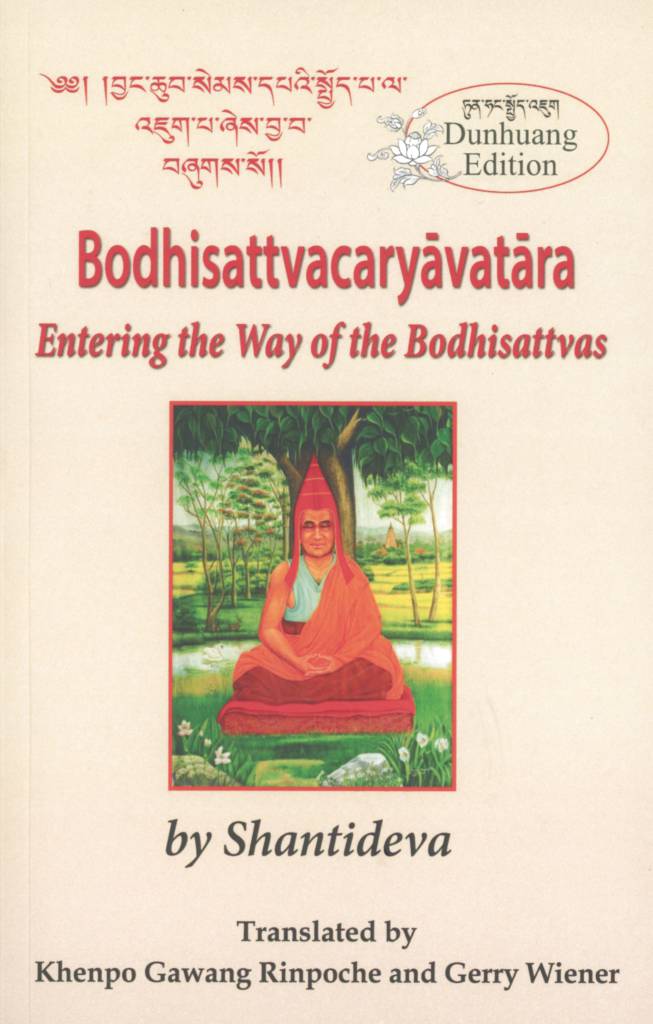
Gawang, Khenpo, and Gerry Wiener, trans. Bodhisattvacaryāvatāra: Entering the Way of the Bodhisattvas by Shantideva - Dunhuang Edition. Memphis, TN: Jeweled Lotus Publishing, 2022.

alt verse 3.10 tm data

If I destroy the happiness of even a single sentient being,

My own happiness will deteriorate. It is needless to say what will happen,

If I destroy the happiness of sentient beings as limitless as space.[p.68]Entering the Way of the Bodhisattvas (2022, Khenpo Gawang and Wiener)
Gawang, Khenpo, and Gerry Wiener, trans. Bodhisattvacaryāvatāra: Entering the Way of the Bodhisattvas by Shantideva - Dunhuang Edition. Memphis, TN: Jeweled Lotus Publishing, 2022.

Tsadra Critical Edition §This text was created by comparing four versions of the text from Derge, Cone, Narthang, and Peking Tengyurs from BDRC scans, along with Dunhuang manuscripts IOL Tib J 628, 629, and 630. When Tibetan readings were problematic, the Sanskrit texts from GRETIL and LTB (Oslo) were consulted.

སེམས་ཅན་གཅིག་གི་བདེ་བ་ཡང་། །

བཤིག་ན་བདག་ཉིད་ཉམས་འགྱུར་ན། ། ནམ་མཁའ་མ་ལུས་མཐའ་ཀླས་པའི། །

ལུས་ཅན་བདེ་བཤིག་སྨོས་ཅི་དགོས། །

[edit]
Sazang Mati (1294 - 1376)
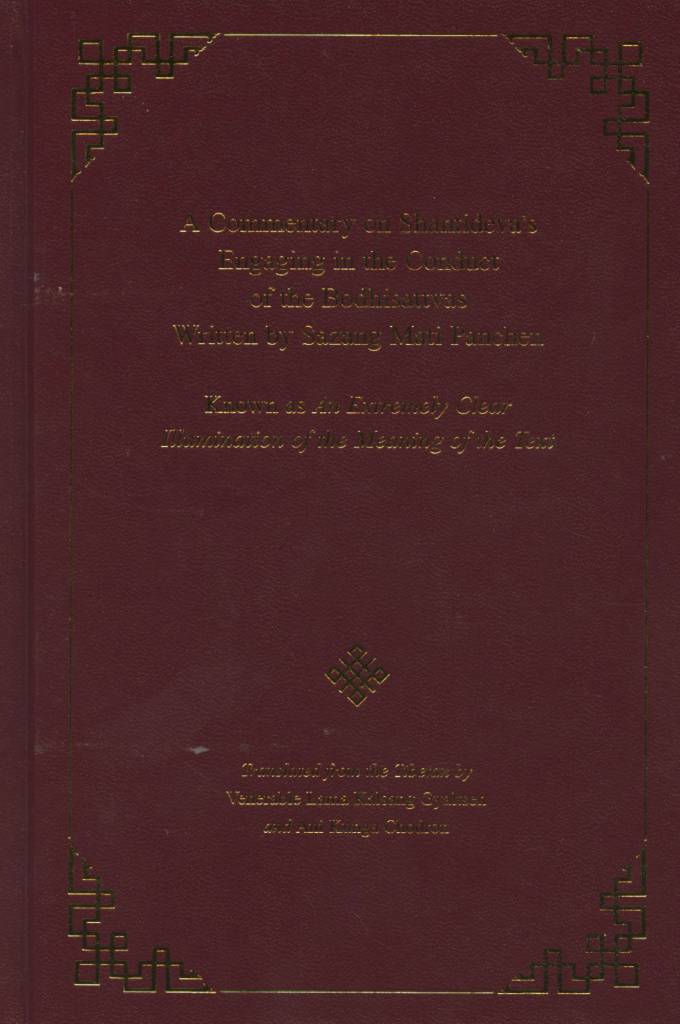
A Commentary on Shantideva's Engaging in the Conduct of the Bodhisattvas (citation)Gyaltsen, Lama Kalsang, and Ani Kunga Chodron, trans. A Commentary on Shantideva's Engaging in the Conduct of the Bodhisattvas Written by Sazang Mati Panchen: Known as An Extremely Clear Illumination of the Meaning of the Text. Walden, NY: Tsechen Kunchab Ling, 2019. Bilingual Edition

སེམས་ཅན་གཅིག་གི་བདེ་བ་ཡང་། །

བཤིག་ན་བདག་ཉིད་ཉམས་འགྱུར་ན། ། ནམ་མཁའ་མ་ལུས་མཐའ་ཀླས་པའི། །

ལུས་ཅན་བདེ་བཤིག་སྨོས་ཅི་དགོས། །

sems can gcig gi bde ba yang /_/

bshig na bdag nyid nyams 'gyur na/_/ nam mkha' ma lus mtha' klas pa'i/_/

lus can bde bshig smos ci dgos/_/

If I would decline due to destroying

The happiness of even a single person. Then what need to mention destroying the happiness

Of all embodied beings as infinite as space?

ཞེས་པ་ལྟར་རོ། །རིགས་པས་ཀྱང་འགྲུབ་སྟེ་སེམས་ཅན་མང་པོ་ལྟ་ཞོག་གཅིག་གི་བདེ་བ་ཕྲ་མོ་ཡ༵ང་བཤིག་ན་འཇིག་པ་པོས་བདག་ཉིད་བདེ་འགྲོ་ལས་ཉམས་པར་འགྱུར་ན༵། བྱང་ཆུབ་སེམས་དཔའི་དགེ་བའི་བར་ཆད་བྱས་པས་ནི་ནམ་མཁའི་ཁམས་མ་ལུས་མཐའ་ཀླས་པ༵འི་ལུས་ཅན་རྣམས་ཀྱི་བདེ་བ་ཆེན་པོའི་རྒྱུ་བཤིག་པའི་ཕྱིར་བདེ་འགྲོ་ལས་ཉམས་ཤིང་ངན་འགྲོ་མཐའ་མེད་པར་ལྟུང་བ་ལྟ་སྨོས་ཀྱང་ཅི་དགོ༵ས་ཞེས་པའོ། །

This can also be ascertained by logical reasoning. The possibility of taking higher rebirth declines for one who destroys a small joy of even a single person, needless to say the happiness of all embodied beings equal to the boundary of space. Therefore, the result of interrupting the virtue of a Bodhisattva will be falling from higher rebirth, and dwelling endlessly in lower rebirth.
Gyaltsap Je (1364 - 1432)
The Entrance for the Children of the Conquerors (citation)Stracke, Fedor, trans. The Entrance for the Children of the Conquerors: A Commentary on the Introduction to the Actions of Bodhisattvas. By Gyaltsab Rinpoche. N.p.: Happy Monks Publication, 2016. https://happymonkspublication.org/product/bodhisattvacharyavatara-chapter-1-10-commentary/. Bilingual Edition

གསུམ་པ་ནི།

The Reason for That 1.1.1.2.1.2.2.3

སེམས་ཅན་གཅིག་གི་བདེ་བ་ཡང་། །

བཤིག་ན་བདག་ཉིད་ཉམས་འགྱུར་ན། ། ནམ་མཁའ་མ་ལུས་མཐའ་ཀླས་པའི། །

ལུས་ཅན་བདེ་བཤིག་སྨོས་ཅི་དགོས། །
sems can gcig gi bde ba yang /_/

bshig na bdag nyid nyams 'gyur na/_/ nam mkha' ma lus mtha' klas pa'i/_/

lus can bde bshig smos ci dgos/_/

If one degenerates just by harming the happiness

Of even one sentient being, What need is there to mention

Harming the happiness of beings infinite like space?

སེམས་ཅན་གཅིག་གི་སྲོག་གནས་པའི་བདེ་བ་ཡང་བཤིག་ན་བདག་ཉིད་མཐོ་རིས་ལས་ཉམས་པར་འགྱུར་ན།

If one destroys the happiness of abiding with life of just one sentient being, one degenerates from one’s high status.

ནམ་མཁའ་མ་ལུས་པའི་མཐའ་ཀླས་པའི་ལུས་ཅན་ཀུན་གྱི་བླ་ན་མེད་པའི་བདེ་བའི་རྒྱུ་བཤིག་ཅིང་བཅོམ་པས་ངན་སོང་དུ་སྐྱེ་བ་སྨོས་ཅི་དགོས་སོ། །

What need is there to mention that one will be reborn in the lower realms if one destroys the cause for the highest happiness of all sentient beings equalling space?
Minyak Kunzang Sönam (1823 - 1905)
The Great Hūṃ (citation)Duckworth, Douglas, trans. The Great Hūṃ: A Commentary on Śāntideva's Way of the Bodhisattva. By Minyak Kunzang Sönam. New York, NY: Wisdom Publications, 2025. Bilingual Edition

དེའི་འཐད་པ་སྟོན་པ་ནི།

Next it shows the rationale:

སེམས་ཅན་གཅིག་གི་བདེ་བ་ཡང་། །

བཤིག་ན་བདག་ཉིད་ཉམས་འགྱུར་ན། ། ནམ་མཁའ་མ་ལུས་མཐའ་ཀླས་པའི། །

ལུས་ཅན་བདེ་བཤིག་སྨོས་ཅི་དགོས། །
Given that one is brought down

by destroying the happiness of a single sentient being, it is needless to mention about what happens

if one destroys the happiness of embodied beings across infinite space. (4.10)

དེ་ངན་འགྲོ་མུ་མཐའ་མེད་པར་འགྱུར་བ་ཅིའི་ཕྱིར་སྙམ་ན། དེའི་རྒྱུ་མཚན་ནི་འདི་ལྟར་སེམས་ཅན་མཐའ་ཡས་པ་ལྟ་ཞོག་སེམས་ཅན་གཅིག་གི་ཕན་པ་དང་བདེ་བ་ཆུང་ངུ་ཙམ་ཡང་བཤིག་པའམ་བཅོམ་ན་གཞིག་པ་པོ་བདག་ཉིད་དམ་དེ་ཉིད་བདེ་འགྲོ་མཐོ་རིས་ལས་ཉམས་པར་འགྱུར་ན། བྱང་སེམས་ཀྱི་དགེ་བ་ལ་བར་ཆད་བྱས་ནས་ནམ་མཁའི་ཁམས་མ་ལུས་པའི་མཐའ་ཀླས་པའམ་མཐས་ཁྱབ་པའི་ལུས་ཅན་སེམས་ཅན་ཐམས་ཅད་ཀྱི་བླ་ན་མེད་པའི་བདེ་བ་ཆེན་པོའི་རྒྱུ་བཤིག་པར་བྱས་ན་བདེ་འགྲོ་ཐོབ་པ་ལས་ཉམས་ནས་ངན་འགྲོ་མུ་མཐའ་མེད་པར་སྐྱེ་བ་ལྟ་སྨོས་ཀྱང་ཅི་དགོས་ཞེས་པའོ། །ཡང་སེམས་ཅན་གཅིག་གི་སྲོག་གནས་པའི་བདེ་བ་བཤིག་ན་ཞེས་ཀྱང་གསུངས་སོ། །གཞན་སེམས་བསྐྱེད་ལས་བཟློག་སྟེ་ཐེག་དམན་དུ་སེམས་བསྐྱེད་དུ་བཅུག་ནའང་རྩ་ལྟུངདུ་འགྱུར་བས་འདི་དང་འདྲ་བར་རྣམ་བཤད་ལས་གསུངས་སོ། །འགའ་ཞིག་ཏུ་ཚིགས་བཅད་སྔ་མ་ལུང་གིས་[p.192]Byang chub sems dpa'i spyod pa la 'jug pa'i 'grel bshad rgyal sras rgya mtsho'i yon tan rin po che mi zad 'jo ba'i bum bzang
Mi nyag kun bzang bsod nams (མི་ཉག་ཀུན་བཟང་བསོད་ནམས་). byang chub sems dpa'i spyod pa la 'jug pa'i 'grel bshad rgyal sras rgya mtsho'i yon tan rin po che mi zad 'jo ba'i bum bzang [བྱང་ཆུབ་སེམས་དཔའི་སྤྱོད་པ་ལ་འཇུག་པའི་འགྲེལ་བཤད་རྒྱལ་སྲས་རྒྱ་མཚོའི་ཡོན་ཏན་རིན་པོ་ཆེ་མི་ཟད་འཇོ་བའི་བུམ་བཟང།]. [Excellent Vase That Spills Forth an Ocean of the Inexhaustible and Precious Qualities of the Victor's Heirs: An Explanation of the "Way of the Bodhisattva."].
སྒྲུབ་པ་དང་འདི་རིགས་པས་སྒྲུབ་པ་ཡིན་པར་བཤད་ལ། འགྲེལ་ཆེན་དུ་གོང་གི་ལུང་འདིར་འདྲེན་པར་མཛད་དོ། །

You might think, “Why would someone have to go to the lower realms without end?” This is because when even a small happiness or benefit to a single sentient being is stifled or destroyed (needless to mention in the case of infinite sentient beings), the one who destroys it falls away from the higher realms. Yet to hinder the virtue of a bodhisattva is to destroy the cause of the great and unexcelled happiness of all sentient beings, of all embodied beings pervading everywhere across the far reaches of space. It is needless to mention that the one who does this falls away from the higher realms and is born in the lower realms with no end. Alternatively, it is said that it is to destroy the happiness that dwells in the life of a single sentient being. Also, the Explanation says that turning someone away from cultivating the spirit of awakening and bringing them to cultivate the Hīnayāna spirit is also a root downfall with similar consequences as this.573See Kṛṣṇapa, Explanation of the Way of the Bodhisattva, 306a. Some people explain the previous stanza as establishing this through scripture and this one as establishing it through reasoning. The great commentary cites the scriptures cited above.

འོ་ན་བྱང་སེམས་ལ་མགོ་དང་ལུས་སློང་བ་སོགས་བྱས་ན་དེའི་དགེ་བ་རྒྱུན་ལྡན་གྱི་བར་ཆད་བྱས་པའི་ཕྱིར་སློང་བ་པོ་དེའི་ངན་འགྲོ་མུ་མཐའ་མེད་པར་འགྱུར་རོ་ཞེ་ན། དེ་ནི་དགེ་བའི་མཐུན་རྐྱེན་ཡིན་ཏེ། བལ་གླང་གླང་པོ་ཆེས་བརྡེག་པ་བོང་བུས་བཟོད་མི་ནུས་པ་ལྟར་བྱང་སེམས་ཆེན་པོ་མ་ཡིན་པས་དེ་ལ་ཉམ་ང་བར་བྱས་ཏེ་སློང་མི་ནུས་པའི་ཕྱིར་དེ་ནི་བྱང་སེམས་ཀྱི་ཐབས་མཁས་སུ་དྲི་མ་མེད་པར་གྲགས་པས་བསྟན་པ་ལས་བཤད་དོ་ཞེས་བུ་སྟོན་གསུང་ངོ༌། །

You might think, “Asking for the head or body of a bodhisattva obstructs the continuity of their virtue, [182] so the one who asks for these will go to the lower realms without end.” This is a condition that is conducive to virtue. In the way that the load carried by a Nepalese elephant cannot be borne by a donkey, someone who is not a great bodhisattva would be overwhelmed by this because they could not take it. This is said to be the bodhisattva’s skillful means, as stated in the Vimalakīrti Sūtra.574See Teaching of Vimalakīrti Sūtra, 323b.[p.281]The Great Hum
Duckworth, Douglas, trans. The Great Hūṃ: A Commentary on Śāntideva's Way of the Bodhisattva. By Minyak Kunzang Sönam. New York, NY: Wisdom Publications, 2025.
Kunzang Palden (1862 - 1943)
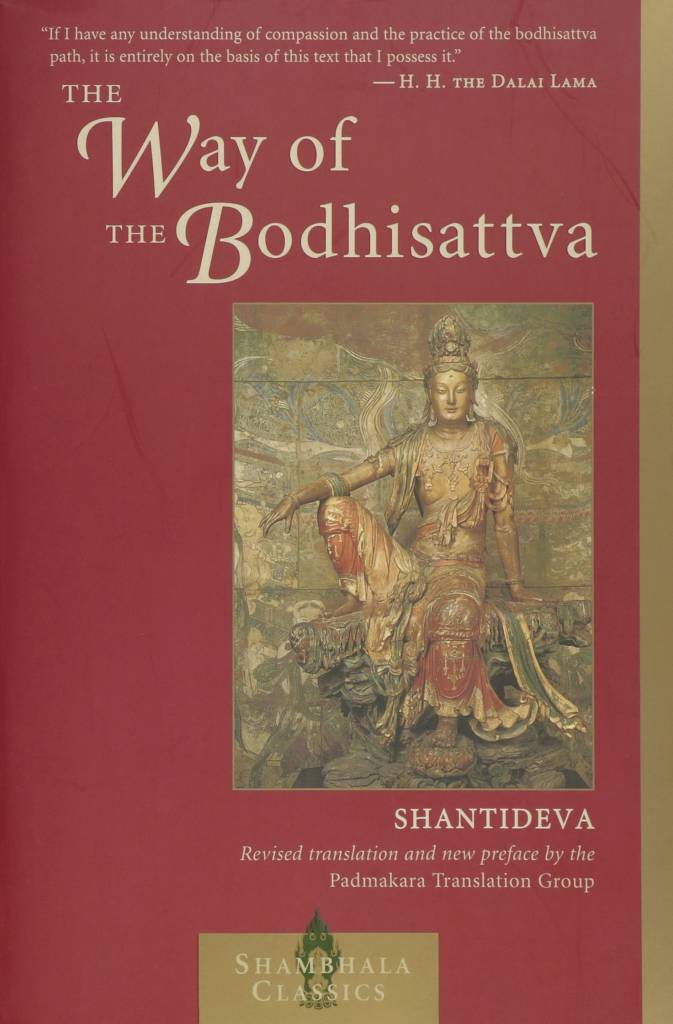
The Nectar of Manjushri's Speech (citation)Blankleder, Helena, and Wulstan Fletcher (Padmakara Translation Group), trans. The Nectar of Manjushri's Speech: A Detailed Commentary on Shantideva's Way of the Bodhisattva. By Kunzang Pelden. Boston: Shambhala Publications, 2007. Bilingual Edition

སེམས་ཅན་གཅིག་གི་བདེ་བ་ཡང་། །

བཤིག་ན་བདག་ཉིད་ཉམས་འགྱུར་ན། ། ནམ་མཁའ་མ་ལུས་མཐའ་ཀླས་པའི། །

ལུས་ཅན་བདེ་བཤིག་སྨོས་ཅི་དགོས། །

sems can gcig gi bde ba yang /_/

bshig na bdag nyid nyams 'gyur na/_/ nam mkha' ma lus mtha' klas pa'i/_/

lus can bde bshig smos ci dgos/_/

དེའི་རྒྱུ་མཚན་ནམ་འཐད་པ་སེམས་ཅན་མང་པོ་ལྟ་ཞོག་སེམས་ཅན་གཅིག་གི་མངོན་མཐོའི་བདེ་བ་ཙམ་ཡང་བཤིག་ན་བདག་ཉིད་མངོན་མཐོའི་བདེ་བ་ལས་ཉམས་ཏེ་ངན་འགྲོར་སྐྱེ་བར་འགྱུར་ཞེས་མདོ་ལས་གསུངས་ན་བྱང་ཆུབ་སེམས་དཔའི་དགེ་བའི་བར་ཆད་བྱས་པས་ནི་ནམ་མཁའ་ཡི་ཁམས་མ་ལུས་མཐའ་ཀླས་པའི་ལུས་ཅན་སེམས་ཅན་རྣམས་ཀྱི་བདེ་བ་ཆེན་པོའི་རྒྱུ་བཤིག་པས་བདེ་འགྲོ་ལས་ཉམས་ཤིང་ངན་འགྲོར་མུ་མཐའ་མེད་པར་སྐྱེ་བར་འགྱུར་བ་ལྟ་སྨོས་ཀྱང་ཅི་དགོས་སོ། །དེའི་རྒྱུ་མཚན་ཡང་དེའི་བྱང་ཆུབ་སེམས་བསྐྱེད་ཀྱི་གེགས་མ་བྱས་ན་སངས་རྒྱས་འགྲུབ་ལ་དེ་འགྲུབ་ན་སྐུའི་འོད་ཟེར་སྣ་ཚོགས་ངན་སོང་གསུམ་སོགས་སུ་བཀྱེས་ནས་དེ་དག་གནས་སྐབས་སུ་བདེ་བ་ལ་འགོད་པ་སོགས་སེམས་ཅན་ཐམས་ཅད་རིམ་གྱིས། བྱང་ཆུབ་ཆེན་པོ་སངས་རྒྱས་ཀྱི་བདེ་བ་ལ་འགོད་པར་མཛད་པས་སོ། །

Destroy a single being’s joy

And you will work the ruin of yourself. No need to speak of bringing low

The joy of beings infinite as space itself!

The reason for saying this is that the sutras declare that if one destroys the happiness of the higher realms for even one living being (let alone many), one will certainly accomplish the ruin of oneself in the lower realms. What need is there to add that if, by creating an obstacle to the virtue of a Bodhisattva, one destroys the cause of the great happiness of all beings who are numberless as the infinitude of space, one will sink from the states of bliss and will be born countless times in the lower realms? For if the generation of bodhichitta is not hindered, buddhahood will be achieved.[p.148]The Nectar of Manjushri's Speech
Blankleder, Helena, and Wulstan Fletcher (Padmakara Translation Group), trans. The Nectar of Manjushri's Speech: A Detailed Commentary on Shantideva's Way of the Bodhisattva. By Kunzang Pelden. Boston: Shambhala Publications, 2010.
And once this is done, rays of light will emanate from the Buddha’s body and, entering the lower realms, will instantly establish all beings in a state of well-being and gradually bring them to great enlightenment, the bliss of buddhahood.


[edit]
[edit]