2.34

From Bodhicitta

Bodhicaryāvatāra · Verse 2.34


Sources:    

Sanskrit §No information about the source used.

प्रियाप्रियनिमित्तेन पापं कृतमनेकधा। सर्वमुत्सृज्य गन्तव्यमिति न ज्ञातमीदृशम्॥

 
Chanted Verse
Recitation by Professor Kashinath Nyaupane
35

What I love and what I hate have been many times cause for my sins. I did not examine this: that one day I will have to depart and leave everything behind.

Standard Tibetan §Padmakara used the 1990 edition printed by si khron mi rigs dpe skrun khang: Byang chub sems dpa'i spyod pa la 'jug pa rtsa ba dang 'grel pa (1990). Also found in Derge Tengyur D3871, dbu ma, vol. 105, la 1b1–40a7.

ཐམས་ཅད་བོར་ཏེ་ཆས་དགོས་པར། །

བདག་གིས་དེ་ལྟར་མ་ཤེས་པས། ། མཛའ་དང་མི་མཛའི་དོན་གྱི་ཕྱིར། །

སྡིག་པ་རྣམ་པ་སྣ་ཚོགས་བྱས། །

 
Chanted Verse
Recitation by Lopen Karma Phuntsho
34

And we must pass away, forsaking all.

But I, devoid of understanding, Have, for sake of friend and foe alike,

Provoked and brought about so many wrongs.

Standard Tibetan §Padmakara used the 1990 edition printed by si khron mi rigs dpe skrun khang: Byang chub sems dpa'i spyod pa la 'jug pa rtsa ba dang 'grel pa (1990). Also found in Derge Tengyur D3871, dbu ma, vol. 105, la 1b1–40a7. - Other translations

Inconscient qu’il faut partir

En abandonnant tout, J’ai commis de multiples méfaits

Tant à cause de mes ennemis que de mes amis.

Tendremos que partir y dejarlo todo.

Pero por no haberlo comprendido, debido tanto a mis amigos como a enemigos

he cometido múltiples actos dañinos.

La Práctica del Bodisatva-front.jpg
Padmakara Spain 2008

Leaving all behind I have to depart.

Not understanding this I create manifold negativities

For the purpose of friends and non-friends.

Not realizing inevitable separation

Leaves everything behind, I performed a variety of sinful actions

For the purpose of those loved and unloved.[p.87]A Commentary on Shantideva's Engaging in the Conduct of the Bodhisattvas
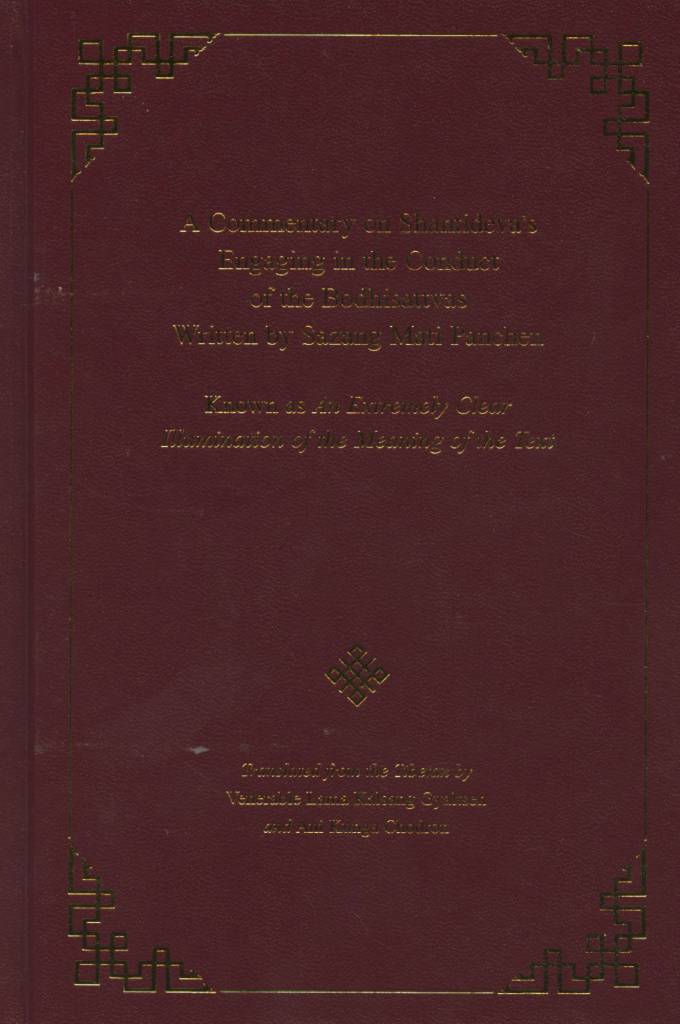
Gyaltsen, Lama Kalsang, and Ani Kunga Chodron, trans. A Commentary on Shantideva's Engaging in the Conduct of the Bodhisattvas Written by Sazang Mati Panchen: Known as An Extremely Clear Illumination of the Meaning of the Text. Walden, NY: Tsechen Kunchab Ling, 2019. First edition published by The Yeshe Dorje Foundation in 2006.

shift + scroll / swipe
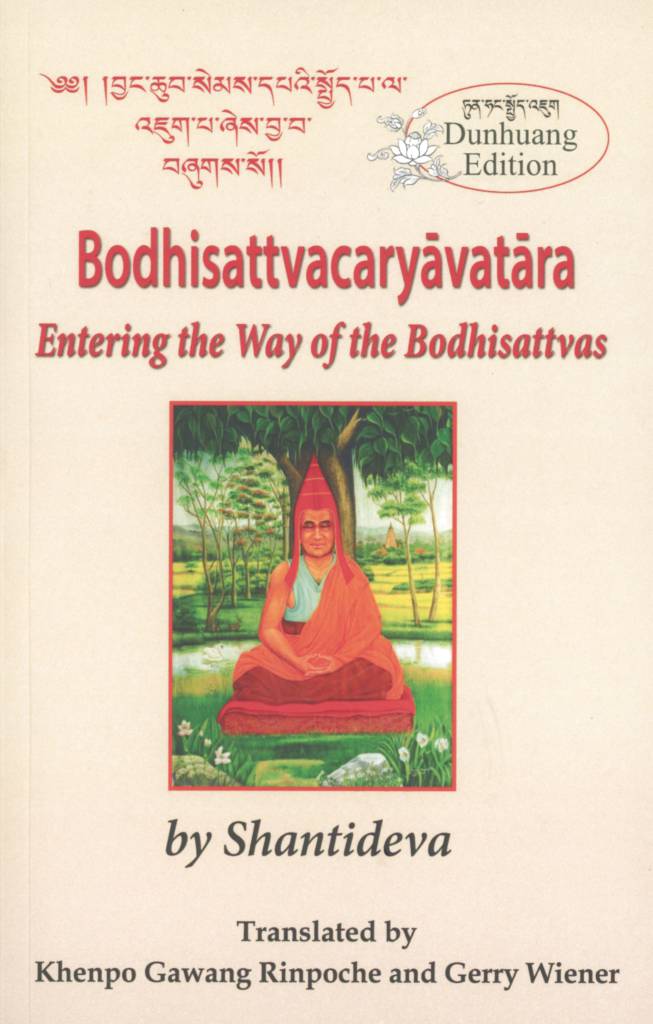
Dūnhuáng §This version is extracted from the book Bodhisattvacaryāvatāra: Entering the Way of the Bodhisattvas (2022, Khenpo Gawang and Wiener), a translation of an edition of the text created from three Dūnhuáng manuscripts. A description and sample pages of these can be found on the Early Tibet Blog. Scans of the actual manuscripts themselves can be found at http://idp.bl.uk

ཐམས་ཆད་བོར་ཏེ་ཆས་དགོས་པར། །

བདག་གིས་དེ་ལྟར་མ་ཤེས་ནས། ། མཛའ་དང་མི་མཛའི་དོན་གྱི་ཕྱིར། །

སྡིག་པ་རྣམ་པ་སྣ་ཚོགས་བྱས། །

alt verse 2.34 tm data

Not knowing

That I have to leave and be separated from all, I perform a variety of unwholesome deeds

For friends and enemies.

Tsadra Critical Edition §This text was created by comparing four versions of the text from Derge, Cone, Narthang, and Peking Tengyurs from BDRC scans, along with Dunhuang manuscripts IOL Tib J 628, 629, and 630. When Tibetan readings were problematic, the Sanskrit texts from GRETIL and LTB (Oslo) were consulted.

ཐམས་ཅད་བོར་ཏེ་ཆས་22ཏུན་ཧོང་ཁ་༴ ༢.༣༤ ‘་་་དགོས་པར། །’ ་་་༣.༡༠ ‘སེམས་ཅན་ཕོངས་ཤིང་་་’ བར་མི་ཚང་།དགོས་པར། །

བདག་གིས་དེ་ལྟར་མ་ཤེས་ནས། ། མཛའ་དང་མི་མཛའི་དོན་གྱི་ཕྱིར། །

སྡིག་པ་རྣམ་པ་སྣ་ཚོགས་བྱས། །

[edit]
Sazang Mati (1294 - 1376)
A Commentary on Shantideva's Engaging in the Conduct of the Bodhisattvas (citation)Gyaltsen, Lama Kalsang, and Ani Kunga Chodron, trans. A Commentary on Shantideva's Engaging in the Conduct of the Bodhisattvas Written by Sazang Mati Panchen: Known as An Extremely Clear Illumination of the Meaning of the Text. Walden, NY: Tsechen Kunchab Ling, 2019. Bilingual Edition

ཐམས་ཅད་བོར་ཏེ་ཆས་དགོས་པར། །

བདག་གིས་དེ་ལྟར་མ་ཤེས་པས། ། མཛའ་དང་མི་མཛའི་དོན་གྱི་ཕྱིར། །

སྡིག་པ་རྣམ་པ་སྣ་ཚོགས་བྱས། །

thams cad bor te chas dgos par/_/

bdag gis de ltar ma shes pas/_/ mdza' dang mi mdza'i don gyi phyir/_/

sdig pa rnam pa sna tshogs byas/_/

Not realizing inevitable separation

Leaves everything behind, I performed a variety of sinful actions

For the purpose of those loved and unloved.[p.87]A Commentary on Shantideva's Engaging in the Conduct of the Bodhisattvas
Gyaltsen, Lama Kalsang, and Ani Kunga Chodron, trans. A Commentary on Shantideva's Engaging in the Conduct of the Bodhisattvas Written by Sazang Mati Panchen: Known as An Extremely Clear Illumination of the Meaning of the Text. Walden, NY: Tsechen Kunchab Ling, 2019. First edition published by The Yeshe Dorje Foundation in 2006.

གློ་བུར་དུ་ནམ་འཆི་ངེས་པ་མེད་པས་ཚེ་འདི་ལ་ཡིད་མི་བརྟ༵ན་པར་བྱ་བ་ཡིན་པ་ལ། ལུས་ལོངས་སྤྱོད་དགྲ་གཉེན་དང་བཅས་པ་ཐམས་ཅད་བོར་ཏེ་འཇིག་རྟེན་ཕ་རོལ་ཏུ་ཆས་ཤིང་འགྲོ་དགོས་པ༵ར་བདག་གིས་ཚུལ་དེ་ལྟར་མ་ཤེས་པ༵ས་མཛའ་བ་བསྐྱང་བ་དང་མི་མཛའ་བ་གཞོམ་པའི་དོན་གྱི་ཕྱི༵ར། འདོད་ཆགས་དང་ཞེ་སྡང་[p.-92]རབ་གསལ་སྣང་བ་
ལ་བརྟེན་པའི་སྡིག་པ་རྣམ་པ་སྣ་ཚོགས་བྱས༵་ཏེ་ཤིན་ཏུ་འགྱོད་ཅེས་པའོ། །

One’s body, wealth, enemies, friends, and everything are left behind when embarking for the next world. Unaware of this, I committed a variety of sins under the power of attachment and hatred in order to care for loved ones and to destroy unloved ones. Thus generate extreme regret.
Gyaltsap Je (1364 - 1432)
The Entrance for the Children of the Conquerors (citation)Stracke, Fedor, trans. The Entrance for the Children of the Conquerors: A Commentary on the Introduction to the Actions of Bodhisattvas. By Gyaltsab Rinpoche. N.p.: Happy Monks Publication, 2016. https://happymonkspublication.org/product/bodhisattvacharyavatara-chapter-1-10-commentary/. Bilingual Edition

གསུམ་པ་ལ་བཞི།

Meditating on Regret by Considering Elaborately the Way one Meaninglessly Generated Negativity 1.1.1.1.4.2.1.3

དང་པོ་ནི།

Regret for Having Created Negativity for the Purpose of Friends, Relatives, Body and Possessions, Not Knowing that They Are Unreliable 1.1.1.1.4.2.1.3.1

ཐམས་ཅད་བོར་ཏེ་ཆས་དགོས་པར། །

བདག་གིས་དེ་ལྟར་མ་ཤེས་པས། ། མཛའ་དང་མི་མཛའི་དོན་གྱི་ཕྱིར། །

སྡིག་པ་རྣམ་པ་སྣ་ཚོགས་བྱས། །
thams cad bor te chas dgos par/_/

bdag gis de ltar ma shes pas/_/ mdza' dang mi mdza'i don gyi phyir/_/

sdig pa rnam pa sna tshogs byas/_/

Leaving all behind I have to depart.

Not understanding this I create manifold negativities

For the purpose of friends and non-friends.

Minyak Kunzang Sönam (1823 - 1905)
The Great Hūṃ (citation)Duckworth, Douglas, trans. The Great Hūṃ: A Commentary on Śāntideva's Way of the Bodhisattva. By Minyak Kunzang Sönam. New York, NY: Wisdom Publications, 2025. Bilingual Edition

ཐམས་ཅད་འབོར་དགོས་པ་མ་ཤེས་པས་དོན་མེད་དུ་སྡིག་བསགས་འགྱོད་པ་ནི།

Next it describes remorse for pointlessly accumulating evil deeds without realizing that everything must be left behind:

ཐམས་ཅད་བོར་ཏེ་ཆས་དགོས་པར། །

བདག་གིས་དེ་ལྟར་མ་ཤེས་པས། ། མཛའ་དང་མི་མཛའི་དོན་གྱི་ཕྱིར། །

སྡིག་པ་རྣམ་པ་སྣ་ཚོགས་བྱས། །
Not realizing that I have to go

and leave it all behind, I committed many negative deeds

on account of friends and foes. (2.34)

གལ་ཏེ་ཡིད་བརྟན་དུ་མེད་པར་ཆ་ཡོད་ན་སྡིག་པ་ཅིའི་ཕྱིར་བྱས་ཤེ་ན། འཆི་བའི་དུས་ལ་བབས་པ་ན་ལྷན་ཅིག་སྐྱེས་པའི་ལུས་དང་སེར་སྣས་བསམས་པའི་ལོངས་སྤྱོད་དང་ཡིད་དུ་མི་འོང་བའི་དགྲ་དང་སྙིང་དུ་སྡུག་པའི་གཉེན་ཐམས་ཅད་ཤུལ་དུ་བོར་ཏེ་རང་ཉིད་གཅིག་པུ་གྲོགས་མེད་དུ་མར་གྱི་དཀྱིལ་ནས་སྤུ་བཏོན་པ་བཞིན་ཕྱི་མའི་ལམ་དུ་ཆ་སྟེ་འགྲོ་དགོས་པར་བདག་གིས་ད་ལྟའི་དུས་སུ་དེ་ལྟར་མ་ཤེས་པས་ཚེ་འདི་ཙམ་ལ་མངོན་པར་ཞེན་ནས་མཛའ་བ་གཉེན་གྱི་ཕྱོགས་ལ་ཕན་བཏགས་ཏེ་གཅེས་སྨྲས་ཀྱིས་སྐྱོང་བ་དང་མི་མཛའ་བ་དགྲའི་ཕྱོགས་ལ་སྦྱོར་བ་རྩུབ་མོས་གནོད་པ་བསྐྱལ་ཏེ་གཞོམ་པ་སོགས་[p.82]Byang chub sems dpa'i spyod pa la 'jug pa'i 'grel bshad rgyal sras rgya mtsho'i yon tan rin po che mi zad 'jo ba'i bum bzang
Mi nyag kun bzang bsod nams (མི་ཉག་ཀུན་བཟང་བསོད་ནམས་). byang chub sems dpa'i spyod pa la 'jug pa'i 'grel bshad rgyal sras rgya mtsho'i yon tan rin po che mi zad 'jo ba'i bum bzang [བྱང་ཆུབ་སེམས་དཔའི་སྤྱོད་པ་ལ་འཇུག་པའི་འགྲེལ་བཤད་རྒྱལ་སྲས་རྒྱ་མཚོའི་ཡོན་ཏན་རིན་པོ་ཆེ་མི་ཟད་འཇོ་བའི་བུམ་བཟང།]. [Excellent Vase That Spills Forth an Ocean of the Inexhaustible and Precious Qualities of the Victor's Heirs: An Explanation of the "Way of the Bodhisattva."].
ཀྱི་དོན་གྱི་ཕྱིར་ཆགས་སྔང་གིས་ཀུན་ནས་བསླངས་ཏེ་སྲོག་གཅོད་སོགས་སྡིག་པ་རྣམ་པ་སྣ་ཚོགས་བྱས་ཞེས་དགྲ་གཉེན་སོགས་ཀྱི་ཕྱིར་སྡིག་བསགས་པ་ལ་བསམས་ཏེ་འགྱོད་པ་སྐྱེད་པ་དང༌།

You might think, “If this life is not reliable and must be left, why did I do negative deeds?” You should generate remorse for the evil deeds you have committed for the sake of enemies and friends: “This body with which I was born, the possessions that I have accumulated out of miserliness, annoying enemies and loving friends, all of them will be left behind when the time of death arrives. I will go alone without a companion—like a hair pulled out of butter; I must go on this path to the future. Yet at this time now I do not realize this and am fixated upon just this life. I cherish my loved ones and help them, while bringing harm to those who I do not like—those who are my enemies who I cruelly try to destroy. Motivated for these purposes by attachment and aversion, I have done many negative deeds like killing.

དེ་ལྟར་ཞེ་སྡང་སྐྱེ་ཡུལ་གྱི་མི་མཛའ་བ་དགྲ་རྣམས་ཀྱང་ཤི་ནས་མེད་པར་འགྱུར་ཞིང་ཆགས་ཞེན་སྐྱེ་ཡུལ་གྱི་མཛའ་བ་གཉེན་བཤེས་རྣམས་ཀྱང་ཤི་ནས་མེད་པར་འགྱུར་ལ། ཆགས་སྡང་གི་སྒོ་ནས་དགྲ་འདུལ་གཉེན་སྐྱོང་བྱེད་པ་པོའི་ཕོ་རྒོད་པོ་བདག་ཉིད་ཀྱང་ཚེའི་དུས་བྱས་ནས་མེད་པར་འགྱུར་བ་སྟེ། དེ་བཞིན་དུ་སྡིག་སྡུག་དུ་མས་བསགས་པའི་ནོར་ལོངས་སྤྱོད་ཐམས་ཅད་དང་སྟོབས་དང་མངའ་ཐང་སོགས་ཐམས་ཅད་མེད་པར་འགྱུར་བས་ན་རྟག་བརྟན་ཅུང་ཟད་ཀྱང་མེད་ལ་ཡིད་བརྟན་ཆ་ཙམ་ཡང་བྱར་མི་རུང་བ་དེ་དག་གི་ཆེད་དུ་ཆགས་སྡང་གིས་བསླངས་པའི་སྡིག་པ་བསགས་པ་ནི་དོན་མེད་པའོ་འཁྲུལ་བའོ་སྙམ་ནས་འགྱོད་བསྐྱེད་པ་དང་།

“In this way, enemies and foes who make me angry will also die and become nothing. Friends whom I love, whom I am attached to and fixated upon, will also die and become nothing. I, the bold one who sustains friends and tames enemies out of attachment and aversion, also will come to nothing when this life passes. Likewise all wealth and possessions amassed through much suffering and evil, along with all power and authority and the like, will become nothing. Since these are not in the slightest bit lasting or reliable, it is not appropriate to trust in them in the slightest bit.” You should generate remorse, thinking about how pointless and deluded you were to accumulate evil deeds motivated by attachment and anger on account of these things.

དཔེར་ན་རྨི་ལམ་གྱི་སྐབས་སུ་བདེ་སྡུག་འབྱོར་རྒུད་སྣ་ཚོགས་ཤིག་ཉམས་སུ་མྱོང་ཡང་གཉིད་སད་ཚེ་དེ་ཐམས་ཅད་དྲན་པའི་ཡུལ་ཙམ་དུ་འགྱུར་གྱི་དངོས་སུ་མཐོང་ཞིང་ཉམས་སུ་མྱོང་བར་མི་འགྱུར་བ་དེ་བཞིན་དུ་རྨི་ལམ་ལྟ་བུའི་ཚེ་འདིར་གཉེན་མཛའ་བཤེས་དང་ལྷན་ཅིག་ཏུ་ཟས་གོས་ནོར་སོགས་ལ་ལོངས་སྤྱད་ནས་བདེ་སྐྱིད་མྱོང་བ་དང་། དགྲ་དང་ལྷན་ཅིག་ཏུ་ཁྲོ་འཁྲུགས་འཐབ་རྩོད་སོགས་བྱས་པས་སྡུག་བསྔལ་མྱོང་བ་ལྟ་བུའི་བདེ་སྡུག་དང་དེའི་རྒྱུར་གྱུར་པའི་ཟག་བཅས་ཀྱི་དངོས་པོ་གང་དང་གང་སྤྱད་པ་དེ་དང་དེ་ཐམས་ཅད་ཕྱིས་འཆི་བར་འགྱུར་བའི་ཚེ་རྨི་ལམ་རྨི་བཞིན་པ་ན་སད་པ་ལྟར་སྔར་དེ་དང་དེ་ལྟ་བུ་མྱོང་ངོ་ཞེས་དྲན་པའི་ཡུལ་ཙམ་དུ་འགྱུར་གྱི་གང་དང་གང་འདས་པ་ཐམས་ཅད་མཐོང་ཞིང་མྱོང་བར་མི་འགྱུར་ཏེ། དེའི་དུས་ན་མྱོང་བྱ་དེ་དག་འགགས་ཟིན་པ་དེའི་ཕྱིར་རོ། །དེ་ལྟར་གང་དང་གང་འདས་ཟིན་པ་དེ་ཐམས་ཅད་སླར་མཐོང་ཞིང་མྱོང་བར་མི་འགྱུར་བར་དྲན་པའི་ཡུལ་དུ་འགྱུར་བ་ཙམ་དུ་ཟད་ལ་ཤི་ཟིན་པའི་འོག་ཏུ་ནི་དྲན་པ་ཙམ་ཡང་མེད་དོ། །དེས་ན་རྨི་ལམ་ལྟ་བུའི་ཚེ་ཐུང་འདི་ཙམ་གྱི་རང་ལ་དོན་མེད་ཅིང་ཉེས་དམིགས་ཆེ་བའི་སྡིག་པ་སྣ་ཚོགས་གསོག་པ་འདི་མི་རིགས་པས་དེ་བས་ན་ད་ལྟ་ཉིད་ནས་ཆོས་འབའ་ཞིག་བྱ་དགོས་སྙམ་པའི་འཕེན་པ་ཡང་ཡང་གཏོང་ངོ༌། །

For example, during a dream, many pleasures and pains, gains and losses are experienced, but when you wake up, all of it is nothing but a memory[p.128]The Great Hum
Duckworth, Douglas, trans. The Great Hūṃ: A Commentary on Śāntideva's Way of the Bodhisattva. By Minyak Kunzang Sönam. New York, NY: Wisdom Publications, 2025.
and not actually seen or experienced. Likewise, this life is like a dream in which we experience happiness and enjoy things like our loved ones, along with food, clothes, and possessions. It is like a dream where we experience the suffering of things like [80] fighting and getting angry with enemies. All of these things in this life, the happy and the sad, and all the contaminated things that bring them about—all and whatever we have done—is like a dream from which, when we die, it is as if waking up. Then this life will all be just a memory of having experienced this and that. Nothing that has passed is seen or experienced because all that was experienced has ceased at that time. Thus each and every thing that has passed is not seen again; it becomes just a memory, and after death, it becomes nothing—not even a memory. Therefore in this short life it does not make sense to amass a lot of negative deeds, which are pointless and bring huge problems. So motivate yourself again and again, thinking, “Now I should only practice the Dharma.”

ཚེ་འཕོས་ནས་སྐྱེ་བ་གཞན་དང་གཞན་བརྒྱུད་པའི་སྐབས་སུ་ཡིད་བརྟན་མི་རུང་བ་ལྟ་ཞོག་རེ་ཤིག་གསོན་པའི་ཚེ་ད་ལྟ་མངོན་སུམ་དུ་གྲུབ་པ་འདི་ཉིད་ལའང་མཛའ་བ་དང་མི་མཛའ་བ་དུ་མ་ཞིག་ཚེའི་དུས་བྱས་ནས་སྔར་འདས་ལ། དེ་དག་དང་ལྷན་ཅིག་ཏུ་བདེ་སྡུག་སོགས་ཅི་དང་ཇི་ལྟ་བུ་ལ་སྤྱོད་པ་ཡང་འདས་པའི་ཕྱིར་ད་ལྟ་མཐོང་བ་དང་མྱོང་བ་མེད་དེ། རྨི་ལམ་གྱི་དཔེས་བསྟན་ཏེ་བཤད་མ་ཐག་པ་ལྟར་ཡིན་པས་སོ། །

After dying, it is needless to mention that the different bodies we successively take are unreliable; it is evident right now in this life how many friends and enemies have expired and passed away. All of the happiness and suffering they had, and whatever they were doing, has also passed, so is not seen or experienced now. It is just like the example of the dream just mentioned.

འོ་ན་དེ་དག་གི་དོན་དུ་སྡིག་པ་བསགས་པའང་མི་མྱོང་ངམ་ཞེ་ན། དགྲ་གཉེན་དེ་དག་གི་དོན་དུ་བྱས་པའི་སྡིག་པ་[p.83]Byang chub sems dpa'i spyod pa la 'jug pa'i 'grel bshad rgyal sras rgya mtsho'i yon tan rin po che mi zad 'jo ba'i bum bzang
Mi nyag kun bzang bsod nams (མི་ཉག་ཀུན་བཟང་བསོད་ནམས་). byang chub sems dpa'i spyod pa la 'jug pa'i 'grel bshad rgyal sras rgya mtsho'i yon tan rin po che mi zad 'jo ba'i bum bzang [བྱང་ཆུབ་སེམས་དཔའི་སྤྱོད་པ་ལ་འཇུག་པའི་འགྲེལ་བཤད་རྒྱལ་སྲས་རྒྱ་མཚོའི་ཡོན་ཏན་རིན་པོ་ཆེ་མི་ཟད་འཇོ་བའི་བུམ་བཟང།]. [Excellent Vase That Spills Forth an Ocean of the Inexhaustible and Precious Qualities of the Victor's Heirs: An Explanation of the "Way of the Bodhisattva."].
རྣམས་འདས་ཟིན་ཀྱང་སྡིག་པའི་ལས་དེ་དག་གི་རྣམ་སྨིན་མི་བཟད་པ་ཡ་ང་བ་གཟོད་མྱོང་བར་འགྱུར་བ་གང་ཡིན་པ་དེ་ནི་མདུན་ན་སྒུག་པའི་ཚུལ་གྱིས་གནས་ཤིང་ལུས་ཀྱི་གྲིབ་མ་བཞིན་མི་འབྲལ་བར་ངེས་པ་སྟེ། རྒྱལ་པོ་ལ་གདམས་པར།

You might think, “Isn’t it so that the negative deeds amassed on account of them are not experienced, either?” The negative deeds that you did for the sake of friends and enemies have passed, but the horrendous and insufferable maturations of those negative actions will be experienced; they lie in wait before you and do not part from you, like the shadow of your body. The Advice to a King Sūtra says:

མཛའ་དང་མི་མཛའི་དོན་དུ་སྔར་བྱས་པའི། ། དགེ་སྡིག་ལས་ནི་རྨི་ལམ་ཡུལ་བཞིན་སྣང༌། །

Virtuous and negative deeds done on behalf of loved ones and enemies
appear like objects in a dream.264Advice to a King Sūtra (Rājadeśasūtra, H. 215), 319b.

ཞེས་དང༌།

And,

ད་ལྟ་རང་གི་གནས་པའི་རིང་འདི་ལའང༌། །

དགའ་བཤེས་གཉེན་འདུན་མཛའ་དང་མི་མཛའ་དང༌། ། ན་ཚོད་མཐུན་དང་རྒན་གཞོན་ཇི་སྙེད་ཅིག །

ཤི་བ་མཐོང་ཞིང་ཐོས་པ་མ་ཡིན་ནམ། །

Even now in the time that you remain here,
have you not seen or heard of the deaths
of many friends, loved ones, and enemies—
those who were sick or well, young and old?265Advice to a King Sūtra (H. 215), 317a.[p.129]The Great Hum
Duckworth, Douglas, trans. The Great Hūṃ: A Commentary on Śāntideva's Way of the Bodhisattva. By Minyak Kunzang Sönam. New York, NY: Wisdom Publications, 2025.

ཞེས་དང་།

And,

དུས་ཀྱིས་ཉེན་ནས་རྒྱལ་པོ་འགྲོ་གྱུར་ན། །

འཁོར་དང་ལོངས་སྤྱོད་གཉེན་བཤེས་རྗེས་མི་འབྲང༌། ། སྐྱེས་བུ་དག་ནི་གང་དང་གར་སྐྱེས་ཀྱང༌། །

ལས་ནི་གྲིབ་མ་བཞིན་དུ་རྗེས་སུ་འབྲང་། །ཞེས་སོ། །

When you, O king, compelled by time, depart,
your retinue, possessions, and loved ones will not follow.
Yet wherever beings are born,
their karma follows like a shadow.

དེས་ན་དེ་དག་གི་དོན་དུ་སྡིག་པ་བྱས་པ་ལ་འགྱོད་པ་ཞེ་ཐག་པ་ནས་ཡང་ཡང་བསྒོམ་པར་བྱའོ། །

Thus cultivate heartfelt remorse again and again for the negative deeds you have done on account of them.

སྡིག་པའི་རྣམ་སྨིན་མི་བཟད་པ་རྗེས་སུ་འབྲང་བར་མཐོང་ན་ཅིའི་ཕྱིར་སྡིག་པ་བྱས་ཞེ་ན། དེ་ལྟར་བདག་ཉིད་ནི་ནམ་འཆི་ངེས་པ་མེད་ལ་འཆི་བའི་ཚེ་ལུས་ལོངས་སྤྱོད་དགྲ་གཉེན་ཐམས་ཅད་བོར་ནས་ཡུད་ཙམ་གྱིས་གློ་བུར་དུ་འགྲོ་བ་གློ་བུར་མགྲོན་པོ་ལྟ་བུའོ་ཞེས་བདག་གིས་རྟོགས་ཤིང་ངེས་པར་མ་གྱུར་པའི་དབང་གིས་དགེ་སྡིག་གི་འཇུག་ལྡོག་ལ་རྨོངས་པའི་གཏི་མུག་དང་གཉེན་གྱི་ཕྱོགས་ལ་ཆགས་པའི་འདོད་ཆགས་དང་དགྲའི་ཕྱོགས་ལ་སྡང་བའི་ཞེ་སྡང་སྟེ་དེ་དག་གིས་ཀུན་བ་ནས་བསླངས་ཏེ་སྲོག་གཅོད་སོགས་སྡིག་པ་མི་དགེ་བའི་ལས་ཀྱི་རྣམ་པ་དུ་མ་བྱས་ལ་དེ་ལྟ་བུའི་སྡིག་པ་དེ་དག་གི་རྣམ་སྨིན་ནི་མི་བཟད་པའོ་སྙམ་དུ་འགྱོད་པ་ཡང་ཡང་སྐྱེད་པར་བྱའོ། །

One might ask, “If you see that terrible maturations follow after negative deeds, then why did you do those negative deeds?” I did not know and was uncertain about the fact that the time of death is uncertain, and that beings are like temporary guests who, upon death, suddenly leave their bodies, along with all their friends, enemies, and possessions. For this reason, I was confused about virtuous actions to adopt and negative deeds to reject, attached to those who were my friends, and hateful toward those who were my enemies. Thus motivated, [81] I performed many kinds of vicious actions like killing. The maturations of these kinds of negative deeds are terrible. Thinking thus, you should cultivate remorse again and again.
Kunzang Palden (1862 - 1943)
The Nectar of Manjushri's Speech (citation)Blankleder, Helena, and Wulstan Fletcher (Padmakara Translation Group), trans. The Nectar of Manjushri's Speech: A Detailed Commentary on Shantideva's Way of the Bodhisattva. By Kunzang Pelden. Boston: Shambhala Publications, 2007. Bilingual Edition

ཐམས་ཅད་བོར་ཏེ་ཆས་དགོས་པར། །

བདག་གིས་དེ་ལྟར་མ་ཤེས་པས། ། མཛའ་དང་མི་མཛའི་དོན་གྱི་ཕྱིར། །

སྡིག་པ་རྣམ་པ་སྣ་ཚོགས་བྱས། །

thams cad bor te chas dgos par/_/

bdag gis de ltar ma shes pas/_/ mdza' dang mi mdza'i don gyi phyir/_/

sdig pa rnam pa sna tshogs byas/_/

གལ་ཏེ་ཤི་བར་གྱུར་ན་ས་ཆ་ཡུལ་རིས་གཉེན་གྲོགས་སྲིད་སྡེ་དགྲ་གཉེན་ཁྱིམ་བཟའ་ཚང་རྒྱུ་ལོངས་སྤྱོད་ཐ་ན་རང་ཉིད་ཀྱི་ཟས་གོས་ལུས་དང་བཅས་པ་ཐམས་ཅད་བོར་ཏེ་ཚེ་ཕ་རོལ་དུ་རང་ཉིད་གཅིག་པུར་ཆ་ཞེས་འགྲོ་དགོས་པར་བདག་གིས་ཚུལ་དེ་ལྟར་མ་ཤེས་པས་མཛའ་བ་གཉེན་ཉེ་བ་གྲོགས་དགའ་མཛའ་སྐྱོང་བའི་དོན་དང་མི་མཛའི་དོན་ཏེ་མི་མཛའ་བ་དགྲ་རྣམས་འདུལ་བའི་དོན་གྱི་ཕྱིར་འདོད་ཆགས་དང་ཞེ་སྡང་ལ་སོགས་པའི་སྒོ་ནས་སྲོག་གཅོད་པ་མ་བྱིན་པ་ལེན་པ་ལ་སོགས་སྡིག་པ་རྣམ་པ་དུ་མ་བྱས་ཀྱང་དོན་མེད།

And we must pass away, forsaking all.

But I, devoid of understanding, Have, for sake of friend and foe alike,

Provoked and brought about so many wrongs.

When death arrives, we must leave everything behind: our home, our country, relatives and companions, our community, enemies and friends, family and possessions, clothes and sustenance, even our own bodies. We go forth into the next life completely alone. Shantideva confesses, however, that, forgetful of this; and in order to protect his family and those who are close to him (acquaintances, friends, and the people he likes), and in order to get the better of his enemies, he has committed many evils through attachment and aversion, killing, stealing, and so on. And it has all been so pointless.


[edit]
[edit]