Bodhicaryāvatāra · Verse 2.1


Sources:    

Sanskrit §No information about the source used.

तच्चित्तरत्नग्रहणाय सम्यक्

पूजां करोम्येष तथागतानाम्। सद्धर्मरत्नस्य च निर्मलस्य

बुद्धात्मजानां च गुणोदधीनाम्॥

 
Chanted Verse
Recitation by Professor Kashinath Nyaupane
1

To acquire the jewel that is this thought, I worship duly the tathagatas, the pure gem of the true dharma, and those oceans of virtue, the legitimate sons of the Awakened One.

Standard Tibetan §Padmakara used the 1990 edition printed by si khron mi rigs dpe skrun khang: Byang chub sems dpa'i spyod pa la 'jug pa rtsa ba dang 'grel pa (1990). Also found in Derge Tengyur D3871, dbu ma, vol. 105, la 1b1–40a7.

༈ རིན་ཆེན་སེམས་དེ་གཟུང་བར་བྱ་བའི་ཕྱིར། །

དེ་བཞིན་གཤེགས་པ་རྣམས་དང་དམ་པའི་ཆོས། ། དཀོན་མཆོག་དྲི་མ་མེད་དང་སངས་རྒྱས་སྲས། །

ཡོན་ཏན་རྒྱ་མཚོ་རྣམས་ལ་ལེགས་པར་མཆོད། །

 
Chanted Verse
Recitation by Lopen Karma Phuntsho
1

To the Buddhas, those thus gone,

And to the sacred Dharma, spotless and supremely rare, And to the Buddha’s offspring, oceans of good qualities,

That I might gain this precious attitude, I make a perfect offering.36The actual confession, from which this chapter takes its name, begins at stanza 27. It is preceded by the traditional formulas of homage and offering. See note 48

Standard Tibetan §Padmakara used the 1990 edition printed by si khron mi rigs dpe skrun khang: Byang chub sems dpa'i spyod pa la 'jug pa rtsa ba dang 'grel pa (1990). Also found in Derge Tengyur D3871, dbu ma, vol. 105, la 1b1–40a7. - Other translations

Pour cultiver ce précieux esprit,

Je fais dûment offrande aux ainsi-allés Et au saint Dharma, joyau immaculé,

De même qu’aux bodhisattvas, ces océans de qualités.

Para que pueda tener esta preciosa actitud,

hago una ofrenda perfecta a los que así han ido31Tib. de bzhin gshegs pa, sánscr. tathagata. V. nota 25., al sagrado darma, inmaculado, raro y supremo,

y a los bodisatvas, océanos de buenas cualidades32La confesión en sí no empieza hasta la estrofa número 27. Va precedida, como es tradicional, por el homenaje y la ofrenda. V. nota 47..

La Práctica del Bodisatva-front.jpg
Padmakara Spain 2008

To take this precious mind,

I make wholesome offerings to an ocean of qualities: The tatagatas and the holy dharma,

The stainless Jewel, and the buddhas’ children.

In order to hold that precious mind.

To the stainless jewels of the Tathagatas, and To their holy Dharma, as well as to the Noble Sons of the Buddhas,

To these Oceans of Good Qualities I offer:[p.72]A Commentary on Shantideva's Engaging in the Conduct of the Bodhisattvas
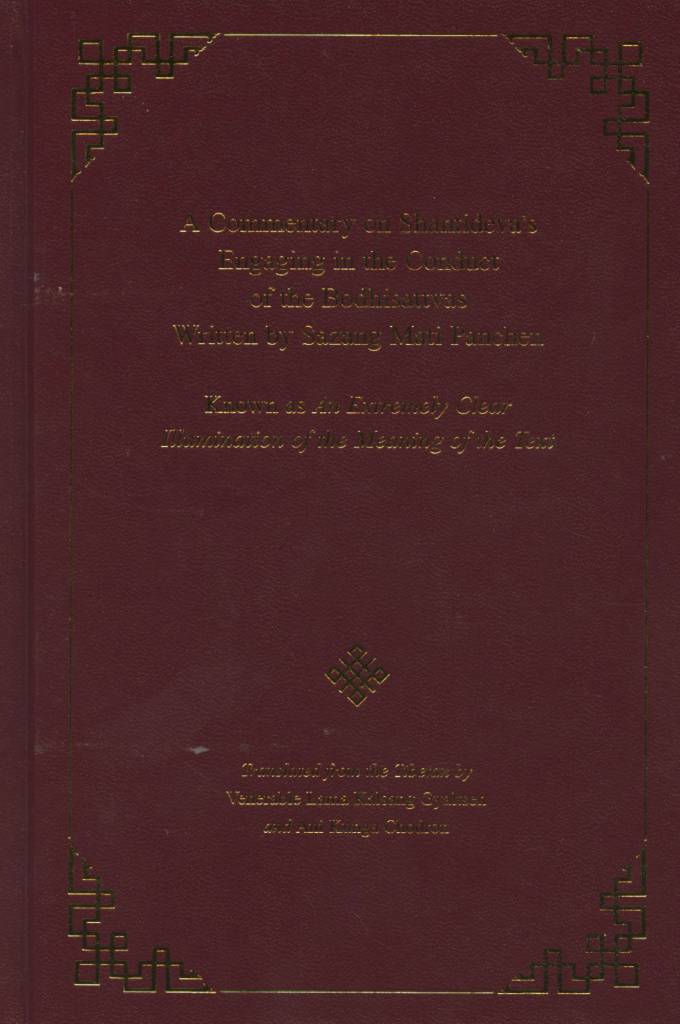
Gyaltsen, Lama Kalsang, and Ani Kunga Chodron, trans. A Commentary on Shantideva's Engaging in the Conduct of the Bodhisattvas Written by Sazang Mati Panchen: Known as An Extremely Clear Illumination of the Meaning of the Text. Walden, NY: Tsechen Kunchab Ling, 2019. First edition published by The Yeshe Dorje Foundation in 2006.

shift + scroll / swipe
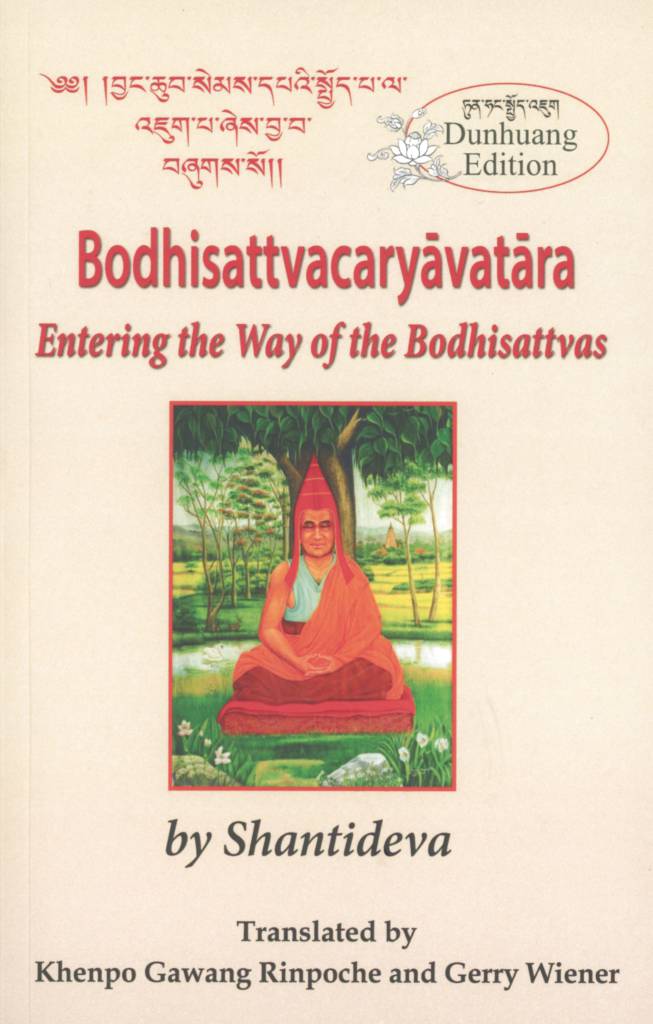
Dūnhuáng §This version is extracted from the book Bodhisattvacaryāvatāra: Entering the Way of the Bodhisattvas (2022, Khenpo Gawang and Wiener), a translation of an edition of the text created from three Dūnhuáng manuscripts. A description and sample pages of these can be found on the Early Tibet Blog. Scans of the actual manuscripts themselves can be found at http://idp.bl.uk

རིན་ཆེན་སེམས་དེ་གཟུང་བར་བྱ་བའི་ཕྱིར། །

དེ་བཞིན་གཤེགས་པ་རྣམས་དང་དམ་པའི་ཆོས། ། དཀོན་མཆོག་དྲི་མ་མེད་དང་སངས་རྒྱས་སྲས། །

ཡོན་ཏན་རྒྱ་མཚོ་རྣམས་ལ་ལེགས་པར་མཆོད། །

alt verse 2.1 tm data

In order to gain hold of this precious mind,

I make excellent offerings to the tathagatas, To the authentic dharma, the precious jewel free of stains, And to the sons and daughters of the Buddha

Who possess an ocean of excellent qualities.

Tsadra Critical Edition §This text was created by comparing four versions of the text from Derge, Cone, Narthang, and Peking Tengyurs from BDRC scans, along with Dunhuang manuscripts IOL Tib J 628, 629, and 630. When Tibetan readings were problematic, the Sanskrit texts from GRETIL and LTB (Oslo) were consulted.

རིན་ཆེན་སེམས་དེ་གཟུང་བར་བྱ་བའི་ཕྱིར། །

དེ་བཞིན་གཤེགས་པ་རྣམས་དང་དམ་པའི་ཆོས། ། དཀོན་མཆོག་དྲི་མ་མེད་དང་སངས་རྒྱས་སྲས། །

ཡོན་ཏན་རྒྱ་མཚོ་རྣམས་ལ་ལེགས་པར་མཆོད། །

[edit]
Sazang Mati (1294 - 1376)
A Commentary on Shantideva's Engaging in the Conduct of the Bodhisattvas (citation)Gyaltsen, Lama Kalsang, and Ani Kunga Chodron, trans. A Commentary on Shantideva's Engaging in the Conduct of the Bodhisattvas Written by Sazang Mati Panchen: Known as An Extremely Clear Illumination of the Meaning of the Text. Walden, NY: Tsechen Kunchab Ling, 2019. Bilingual Edition

CHAPTER TWO Confession of Sin

དེ་ལྟར་ཕན་ཡོན་རིག་ནས། ཕན་ཡོན་ཅན་ཇི་ལྟར་བླང་ཚུལ་ལ་གསུམ་སྟེ།

2. Having seen the benefit, how to take enlightenment thought, which is beneficial 1

སྦྱོར་བ་ཡན་ལག་བདུན་པ་བྱ་བ། དངོས་གཞི་བྱང་ཆུབ་སེམས་བསྐྱེད་གཟུང་བ། མཇུག་ཏུ་ཇི་ལྟར་བྱ་བའི་རིམ་པའོ། །

This chapter explains having seen the benefit of enlightenment thought, how to receive this beneficial one. It has three parts:

1. Performing the sevenfold prayer as a preparation, 2. Holding the Bodhisattva Vow as a main practice,

3. How to perform activities in stages as a conclusion.
1

(སྦྱོར་བ་ཡན་ལག་བདུན་པ་བྱ་བ།)

1. Performing the sevenfold prayer as a preparation 1.1

དེ་ཡང་གོས་ཚོས་སུ་སྒྱུར་བ་ལ་དྲི་མ་འཁྲུ་བ་དང་འདྲ་བར་སེམས་བསྐྱེད་སྐྱེ་བ་ལ་རྒྱུད་ཡོངས་སུ་དག་པའི་ཆེད་དུ་སྦྱོར་བ་ནི།

Just as in order to dye cloth, it must first be washed free of all stains, likewise, in order to give rise to enlightenment thought first the mind continuum must be completely purified. To prepare for that:

མཆོད་བསྟོད་ཕྱག་འཚལ་སྐྱབས་འགྲོ་དང༌། །

སྡིག་བཤགས་རྗེས་སུ་ཡི་རང་དང༌། ། བསྐུལ་ཞིང་གསོལ་བ་གདབ་པ་དང༌། །

ཡོངས་སུ་བསྔོ་བའི་ཡན་ལག་གོ །

Offer, pay homage, prostrate, and take refuge.
Confess, rejoice,
Request, beseech, and
Completely dedicate are the branches.

མཆོད་བསྟོད་ལ།

1. Offering and homage 1.1.1

མཆོད་པ་འབུལ་བ་དང༌། བསྟོད་དབྱངས་བསྒྲགས་པའོ། །

This has two sections:

1. Making offerings,

2. Proclaiming melodious praises.
1.1.1

དང་པོ་ལ།

1. Making offerings 1.1.1.1

མདོར་བསྟན། རྒྱས་བཤད། དོན་བསྡུ་གསུམ་ལས།

This has three parts:

1. Overview, 2. Detailed explanation,

3. Conclusion.
1.1.1.1

དང་པོ་(མདོར་བསྟན། )ནི།

1. Overview 1.1.1.1.1

༈ རིན་ཆེན་སེམས་དེ་གཟུང་བར་བྱ་བའི་ཕྱིར། །

དེ་བཞིན་གཤེགས་པ་རྣམས་དང་དམ་པའི་ཆོས། ། དཀོན་མཆོག་དྲི་མ་མེད་དང་སངས་རྒྱས་སྲས། །

ཡོན་ཏན་རྒྱ་མཚོ་རྣམས་ལ་ལེགས་པར་མཆོད། །

!_rin chen sems de gzung bar bya ba'i phyir/_/

de bzhin gshegs pa rnams dang dam pa'i chos/_/ dkon mchog dri ma med dang sangs rgyas sras/_/

yon tan rgya mtsho rnams la legs par mchod/_/

In order to hold that precious mind.

To the stainless jewels of the Tathagatas, and To their holy Dharma, as well as to the Noble Sons of the Buddhas,

To these Oceans of Good Qualities I offer:[p.72]A Commentary on Shantideva's Engaging in the Conduct of the Bodhisattvas
Gyaltsen, Lama Kalsang, and Ani Kunga Chodron, trans. A Commentary on Shantideva's Engaging in the Conduct of the Bodhisattvas Written by Sazang Mati Panchen: Known as An Extremely Clear Illumination of the Meaning of the Text. Walden, NY: Tsechen Kunchab Ling, 2019. First edition published by The Yeshe Dorje Foundation in 2006.

(གང་གི་ཆེད་དུ་)དེ་ལྟར་ཡོན་ཏན་རིན་ཆེན་དཔག་ཏུ་མེད་པའི་བདག་ཉིད་ཅན་བྱང་ཆུབ་ཀྱི་སེམས་དེ་ཡོངས་སུ་གཟུང་བར་[p.-78]རབ་གསལ་སྣང་བ་
བྱ་བའི་ཕྱིར༵་དུ། (ཡུལ་གང་ལ་)དེ་བཞིན་ཉིད་དག་པ་གཉིས་ལྡན་གྱི་ངང་དུ་གཤེགས་པ་སངས་རྒྱས་བཅོམ་ལྡན་འདས་རྣམས་དང༌། ལུང་དང་རྟོགས་པས་བསྡུས་པའི་དམ་པའི་ཆོས༵་དཀོན་མཆོག་དྲི་མ་མེད་ཅིང་རྣམ་པར་དག་པ་དང་སངས་རྒྱས་ཀྱི་སྲས༵་བྱང་ཆུབ་སེམས་དཔའ་འཕགས་པའི་དགེ་འདུན་ཏེ་དཀོན་མཆོག་རིན་པོ་ཆེ་གསུམ་ཟབ་པ་དང་རྒྱ་ཆེ་བའི་ཡོན་ཏན་རྒྱ་མཚོ་ལྟར་གཏིང་དཔག་དཀའ་བ་དང་ལྡན་པ་རྣམས་ལ། (ཚུལ་)དངོས་དང་ཡིད་ལས་བྱུང་བའི་མཆོད་རྫས་རྣམས་ཀྱིས་འཁོར་གསུམ་ཡོངས་སུ་དག་ཅིང་ཤིན་ཏུ་དང་བས་ལེགས་པར་མཆོད༵་དོ་ཞེས་པའོ། །

The purpose of offering is to fully grasp enlightenment thought, which has boundless precious qualities as explained above. The objects to whom offerings are made are the fully and perfectly enlightened Buddhas who have achieved the stage of doubly pure suchness; the precious stainless noble Dharma that is summarized in scripture and realization; and the precious exalted Sangha, the Bodhisattvas, who are the Noble Sons of the Buddhas. These precious Three Jewels have boundless vast and profound good qualities, like an ocean’s fathomless depth. The method of offering both material and mentally created offering substances is to offer them with a very clear mind completely liberated from the three cycles.
Gyaltsap Je (1364 - 1432)
The Entrance for the Children of the Conquerors (citation)Stracke, Fedor, trans. The Entrance for the Children of the Conquerors: A Commentary on the Introduction to the Actions of Bodhisattvas. By Gyaltsab Rinpoche. N.p.: Happy Monks Publication, 2016. https://happymonkspublication.org/product/bodhisattvacharyavatara-chapter-1-10-commentary/. Bilingual Edition

གཉིས་པ་བྱང་ཆུབ་ཀྱི་སེམས་གཉིས་བསྐྱེད་ནས་སྤྱོད་པ་ལ་སློབ་པའི་ཚུལ་ལ་གཉིས།

The Way of Training in the Practices upon Generation of the Two Bodhicittas2This is the second suboutline of the main outline covering the majority of the text: The Detailed Explanation of the Individual Meanings of How to Make the Freedoms and Endowments Meaningful. 1

དང་པོ་ལ་གཉིས།

Taking the Mind of Enlightenment 1.1

དང་པོ་ལ་གཉིས།

Confessing the Disruptive Conditions, the Negativities, by Way of the Complete Four Powers, after Having Done the Preliminaries of Prostrating, Offering and Going for Refuge 1.1.1

དང་པོ་ལ་བཞི།

Explaining the Text of the Chapter 1.1.1.1

དང་པོ་ལ་གཉིས།

Offering 1.1.1.1.1

དང་པོ་ནི།

The Need to Make Offerings 1.1.1.1.1.1

༈ རིན་ཆེན་སེམས་དེ་གཟུང་བར་བྱ་བའི་ཕྱིར། །

དེ་བཞིན་གཤེགས་པ་རྣམས་དང་དམ་པའི་ཆོས། ། དཀོན་མཆོག་དྲི་མ་མེད་དང་སངས་རྒྱས་སྲས། །

ཡོན་ཏན་རྒྱ་མཚོ་རྣམས་ལ་ལེགས་པར་མཆོད། །
!_rin chen sems de gzung bar bya ba'i phyir/_/

de bzhin gshegs pa rnams dang dam pa'i chos/_/ dkon mchog dri ma med dang sangs rgyas sras/_/

yon tan rgya mtsho rnams la legs par mchod/_/

To take this precious mind,

I make wholesome offerings to an ocean of qualities: The tatagatas and the holy dharma,

The stainless Jewel, and the buddhas’ children.

དངོས་པོ་གྱ་ནོམ་པ་དང་བསམ་པ་དང་སྦྱོར་བ་གུས་པས་ལེགས་པར་མཆོད་པར་བྱའོ། །

One respectfully makes offerings in thought and action in a wholesome way with exalted objects.

གང་གི་ཆེད་དུ་ན་སེམས་ཅན་ཐམས་ཅད་ཀྱི་ལེགས་ཚོགས་ཐམས་ཅད་འབྱུང་བའི་རིན་ཆེན་སེམས་དེ་གཟུང་བར་བྱ་བའི་ཕྱིར་དུའོ། །ཡུལ་གང་ལ་མཆོད་ན་དེ་བཞིན་གཤེགས་པ་རྣམས་དང་འཕགས་པ་དམ་པ་རྣམས་ཡིན་པས་དམ་པའི་ཆོས་དཀོན་མཆོག་རང་བཞིན་གྱིས་དག་པ་ལ་གློ་བུར་གྱི་དྲི་མ་མེད་པའི་ཐེག་པ་ཆེན་པོའི་འགོག་པ་དང་། ལམ་གྱི་བདེན་པ་དང༌། འཕགས་པ་སྤྱན་རས་གཟིགས་དབང་ཕྱུག་དང་། འཇམ་པའི་དབྱངས་ལ་སོགས་པ་སངས་རྒྱས་ཀྱི་སྲས་ཡོན་ཏན་གྱི་རྒྱ་མཚོ་ཆེན་པོ་རྣམས་ལའོ། །

• To what end? For the purpose of taking the precious mind, from which all the masses of goodness of all sentient beings arise.
• To which object? Since one makes offerings to the tatagatas and the holy superior beings, also the holy Dharma Jewel, i.e., the Mahayana truth of cessation that is free from adventitious stains on top of being naturally pure, and the truth of the path, is an object of offering.
• The ocean of qualities that are the children of the buddhas, such as the superior lord Avaloketeshvara, Manjushri and others, are included as well.[p.4]The Entrance for the Children of the Conquerors
Stracke, Fedor, trans. The Entrance for the Children of the Conquerors: A Commentary on the Introduction to the Actions of Bodhisattvas. By Gyaltsab Rinpoche. N.p.: Happy Monks Publication, 2016. https://happymonkspublication.org/product/bodhisattvacharyavatara-chapter-1-10-commentary/.

Minyak Kunzang Sönam (1823 - 1905)
The Great Hūṃ (citation)Duckworth, Douglas, trans. The Great Hūṃ: A Commentary on Śāntideva's Way of the Bodhisattva. By Minyak Kunzang Sönam. New York, NY: Wisdom Publications, 2025. Bilingual Edition

The text of the chapter 2.1

མཆོད་པའི་ཡན་ལག

The branch of offering 2.1.1

Offering actual things 2.1.2.1

དང་པོ་ནི།

Offering what is owned 2.1.2.1.1

རིན་ཆེན་སེམས་དེ་གཟུང་བར་བྱ་བའི་ཕྱིར། །

དེ་བཞིན་གཤེགས་པ་རྣམས་དང་དམ་པའི་ཆོས། ། དཀོན་མཆོག་དྲི་མ་མེད་དང་སངས་རྒྱས་སྲས། །

ཡོན་ཏན་རྒྱ་མཚོ་རྣམས་ལ་ལེགས་པར་མཆོད། །
In order to uphold this jewel-spirit,

I make grand offerings to the tathāgatas and the sacred Dharma—the stainless jewel—

and as well to the Buddha’s children, the oceans of good qualities. (2.1)

ཆེད་དུ་བྱ་བ་སྔར་བཤད་པ་ལྟར་ཕན་ཡོན་ཚད་མེད་པའི་བདག་ཉིད་ཅན་རང་གཞན་ཀུན་གྱི་ལེགས་ཚོགས་ཐམས་ཅད་ཀྱི་འབྱུང་གནས་སུ་གྱུར་པའི་རིན་ཆེན་བྱང་ཆུབ་ཀྱི་སེམས་དེ་གཟུང་བ་སྟེ་རང་རྒྱུད་ལ་བསྐྱེད་པར་བྱ་བའི་ཕྱིར་དུ། ཡུལ་ཁྱད་པར་ཅན་དག་པ་གཉིས་ལྡན་གྱི་ཆོས་དབྱིངས་དེ་བཞིན་ཉིད་ཀྱི་ངང་དུ་གཤེགས་པའི་སངས་རྒྱས་རྣམས་དང། འཕགས་པ་དམ་པ་རྣམས་ཀྱི་ཡིན་པས་དམ་པའི་ཆོས་སམ་དམ་པའང་ཡིན་ལ་ཆོས་ཀྱང་ཡིན་པས་དམ་པའི་ཆོས་དཀོན་མཆོག་དངོས་རང་བཞིན་གྱིས་དག་པ་ལ་ཆགས་སོགས་གློ་བུར་གྱི་དྲི་མའང་མེད་པའི་འགོག་བདེན་དང་ཆགས་སོགས་ཀྱི་དྲི་མ་མེད་པར་བྱེད་པའི་ལམ་བདེན་ཏེ་བདེན་གཉིས་ཀྱི་མཚན་ཉིད་ཅན་གྱི་རྟོགས་པའི་ཆོས་དང༌། དང་ཞེས་པའི་སྒྲས་བསྡུས་པ་སྡེ་སྣོད་གསུམ་དུ་གཏོགས་པའི་ལུང་གི་ཆོས་དང་བཅས་པ་དང༌།

The intended purpose is what was mentioned above—to uphold the precious spirit of awakening, which is of limitless benefit and is the source of everything that is good for everyone—oneself and others. In order to cultivate this in my continuum, I make grand offerings to the distinctive[p.100]The Great Hum
Duckworth, Douglas, trans. The Great Hūṃ: A Commentary on Śāntideva's Way of the Bodhisattva. By Minyak Kunzang Sönam. New York, NY: Wisdom Publications, 2025.
objects—the buddhas, who have gone within the state of thusness, which is the basic field of reality endowed with the twofold purity. I also make offerings to the sacred Dharma—sacred because it belongs to the [61] sacred, sublime ones, or it is the sacred Dharma because it is sacred and because it is the Dharma. The actual jewel of the sacred Dharma is the Dharma of realization that has the characteristics of two truths: the truth of cessation that is naturally pure and free from adventitious defilements like attachment, and the truth of the path that removes defilements like attachment. The word and in the verse includes the Dharma of scriptures, comprising the three baskets.

སངས་རྒྱས་ཀྱི་སྲས་འཇམ་དཔལ་དང་སྤྱན་རས་གཟིགས་སོགས་བྱང་སེམས་འཕགས་པའི་དགེ་འདུན་ཡོན་ཏན་རྒྱ་མཚོ་ལྟ་བུ་ཟབ་ཅིང་རྒྱ་ཆེ་བ་མངའ་བ་རྣམས་དང་ཞེས་སམ། ཡང་ན་ཡོན་ཏན་རྒྱ་མཚོ་ཞེས་པ་དཀོན་མཆོག་གསུམ་ཀ་ལ་སྦྱར་ནས། དེ་ལྟ་བུའི་དཀོན་མཆོག་རིན་པོ་ཆེ་རྣམ་པ་གསུམ་ལ། མཆོད་ཚུལ་བསམ་སྦྱོར་གུས་པའི་སྒོ་ནས་ལེགས་པར་མཆོད་ཅེས་པའོ། །དང་ཞེས་པས་མ་སྨོས་པ་ཉན་རང་སོགས་མཆོད་འོས་གཞན་དག་ཀྱང་སྡུད་པར་གསུངས་སོ། །

I also make offerings to the spiritual community of sublime bodhisattvas, the Buddha’s children such as Mañjuśrī and Avalokiteśvara, whose qualities are vast and profound like the ocean. Alternatively, the oceans of good qualities can be understood to apply to all Three Jewels. Thus the way the grand offering is made to these precious Three Jewels is with respect in intention and endeavor. The word and is said to include others not mentioned who are venerable, such as the śrāvakas and pratyekabuddhas.

ཡང་ན་བསམ་པ་དག་པ་རིན་ཆེན་སེམས་དེ་གཟུང་བར་བྱ་བའི་ཕྱིར་དུ་ཞིང་དག་པ་དེ་བཞིན་གཤེགས་པ་སོགས་ལ་དངོས་པོ་དག་པ་བསམ་པའི་སྒོ་ནས་སེར་སྣ་སོགས་ཀྱི་ཉོན་མོངས་དང་སྦྱོར་བའི་སྒོ་ནས་སྲོག་གཅོད་དང་མ་བྱིན་ལེན་སོགས་ཀྱི་སྡིག་པའི་སྐྱོན་དང་མ་འདྲེས་པའི་མཆོད་རྫས་གྱ་ནོམ་པས་ལེགས་པར་མཆོད་ཅེས་འཆད་པ་གསུང་རྒྱུན་ལྟར་དང་།

Alternatively, there is a tradition of explaining it like this: In order to uphold the pure intention (the precious spirit of awakening), I make grand offerings of pure objects (a bounty of offering substances) to the pure field (the tathāgatas and so on) with an intention (without afflictions like miserliness) and endeavor (that is unmixed with the flaws of negative actions like taking life or taking what is not given).

ཡང་ལེགས་པར་མཆོད་ཅེས་སངས་རྒྱས་ཐོབ་འདོད་ཀྱི་བསམ་པ་དང་སེམས་ཅན་གྱི་ཆེད་དུ་དང་ཡིད་དུ་འོང་བའི་དངོས་པོ་དང་འཁོར་གསུམ་དག་པས་དང་མི་མཐུན་ཕྱོགས་ཀྱི་དྲི་མ་མེད་པས་དང་བྱང་ཆུབ་ཆེན་པོར་བསྔོས་པས་ཏེ་དྲུག་གི་སྒོ་ནས་མཆོད་ཅེས་རྣམ་བཤད་ལས་གསུངས་ཏེ་རྒྱལ་སྲས་པའི་འགྲེལ་བར་ཡང་བཤད་དོ། །གཞན་ཡང་བསམ་པའི་ཁྱད་པར་ལ་དཀོན་མཆོག་གསུམ་ནི་ཡོན་ཏན་གྱི་ཞིང་གོང་ན་མེད་མ་ཡིན་སྙམ་པ། ཕན་འདོགས་གོང་ན་མེད་པའོ་སྙམ་པ། སེམས་ཅན་གྱི་མཆོག་གོ་སྙམ་པ། ཨུ་དུམྦ་རའི་མེ་ཏོག་ལྟར་དཀོན་ནོ་སྙམ་པ། སྟོང་གསུམ་གྱི་འཇིག་རྟེན་[p.63]Byang chub sems dpa'i spyod pa la 'jug pa'i 'grel bshad rgyal sras rgya mtsho'i yon tan rin po che mi zad 'jo ba'i bum bzang
Mi nyag kun bzang bsod nams (མི་ཉག་ཀུན་བཟང་བསོད་ནམས་). byang chub sems dpa'i spyod pa la 'jug pa'i 'grel bshad rgyal sras rgya mtsho'i yon tan rin po che mi zad 'jo ba'i bum bzang [བྱང་ཆུབ་སེམས་དཔའི་སྤྱོད་པ་ལ་འཇུག་པའི་འགྲེལ་བཤད་རྒྱལ་སྲས་རྒྱ་མཚོའི་ཡོན་ཏན་རིན་པོ་ཆེ་མི་ཟད་འཇོ་བའི་བུམ་བཟང།]. [Excellent Vase That Spills Forth an Ocean of the Inexhaustible and Precious Qualities of the Victor's Heirs: An Explanation of the "Way of the Bodhisattva."].
ན་གཅིག་ཁོ་ན་འབྱུང་བས་འབའ་ཞིག་པའོ་སྙམ་པ། འདས་མ་འདས་ཀྱི་ཕུན་སུམ་ཚོགས་པ་ཐམས་ཅད་ཀྱི་གཞི་ཡིན་ནོ་སྙམ་པ་སྟེ་དྲུག་བྱང་ས་ལས་གསུངས་ལ། ལན་དང་རྣམ་སྨིན་ལ་མི་རེ་བ་དང་འཁོར་གསུམ་དག་པའི་བསམ་པ་སོགས་ཀྱང་བསམ་པའི་ཁྱད་པར་དུ་སྦྱར་རོ། །

Also, the Explanation says that what is meant by grand offerings is an offering with six features: it is done with an intention to achieve buddhahood; it is done for sentient beings; its objects are beautiful; it is pure of the threefold snare [of agent, object, action]; it is free of the stains of discordant factors; and it is dedicated to great awakening.223See Kṛṣṇapa, Explanation of the Way of the Bodhisattva, 298a. This is also described in Gyalsé Tokmé’s commentary.224See Gyalsé Tokmé, Ocean of Good Explanation, 16–17. Also, the Bodhisattva Grounds mentions a sixfold attitude toward the Three Jewels: thinking that they are the highest field of qualities, thinking that they are the highest benefit, thinking that they are the best of sentient beings, thinking that they are rare like an udumbara flower, thinking that they are exclusive as the only ones in the billionfold universe, and thinking that they are the basis for every perfection in the past and future.225Asaṅga, Bodhisattva Grounds, 126b; English trans. in Engle, The Bodhisattva’s Path to Unsurpassed Enlightenment, 395. These are also to be connected with an attitude that is free of hopes for any reward or getting anything in return, and free from the threefold snare and so on.[p.101]The Great Hum
Duckworth, Douglas, trans. The Great Hūṃ: A Commentary on Śāntideva's Way of the Bodhisattva. By Minyak Kunzang Sönam. New York, NY: Wisdom Publications, 2025.

འདིར་མཆོད་བྱའི་རྫས་ནི་དངོས་འབྱོར་གྱི་མཆོད་པའི་བྱེ་བྲག་བདག་པོས་བཟུང་བ་ལ་བྱ་ལ། ཡང་འགའ་ཞིག་ཏུ་ཚིགས་བཅད་འདི་མཆོད་པ་སྤྱིར་བསྟན་པའམ་མདོར་བསྟན་དུ་བྱས་ནས་དངོས་འབྱོར་ཡིད་སྤྲུལ་སོགས་མཆོད་བྱའི་རྫས་ཐམས་ཅད་ལ་འཆད་ལ། དགེ་ལྷས་ཡན་ལག་བདུན་ཀའི་མདོར་བསྟན་དུ་འཆད་དེ་དེ་ནི་བདུན་ཀ་མཆོད་པར་བཤད་པས་སྐྱོན་མེད་པར་བུ་སྟོན་གསུང་ངོ༌། །

This verse is categorized here within the substances offered that are distinguished as offerings of actual things that have an owner. Others categorize this verse as a general presentation of offering or a concise presentation that is explained with reference to all of the offering substances, including actual things and those that are imagined. Butön says that Kalyāṇadeva explains it is as a concise summary of all the seven branches, and that there is no problem in describing this with reference to the sevenfold worship.226See Butön, Moonlight Illuminating the Spirit of Awakening, 258. The sevenfold worship is homage, offering, confession, rejoicing, inciting to teach the Dharma, beseeching not to enter nirvāṇa, and dedication.
Kunzang Palden (1862 - 1943)
The Nectar of Manjushri's Speech (citation)Blankleder, Helena, and Wulstan Fletcher (Padmakara Translation Group), trans. The Nectar of Manjushri's Speech: A Detailed Commentary on Shantideva's Way of the Bodhisattva. By Kunzang Pelden. Boston: Shambhala Publications, 2007. Bilingual Edition

གཉིས་པ། སྡིག་པ་བཤགས་པའི་ལེའུ།

Chapter 2 Confession of Negativity

དང་པོ་༼མཆོད་པ་འབུལ་བའི་ཡན་ལག་༽

The Making of Offerings 1

དང་པོ་༼དངོས་སུ་འབྱོར་པའི་མཆོད་པ་༽

Material Offerings 1.1.

དང་པོ་༼བདག་པོས་ཡོངས་སུ་བཟུང་བའི་མཆོད་པ་༽ནི།

The Offering of One’s Possessions 1.1.1.

ཡོན་ཏན་གྱི་ཁྱད་པར་དེ་ལྟ་བུ་དང་ལྡན་པའི་རིན་ཆེན་བྱང་ཆུབ་ཀྱི་སེམས་དེ་རྒྱུ་མེད་རྐྱེན་མེད་དུ་མི་འབྱུང་བས་རྒྱུ་ཚོགས་ཚང་དགོས་ལ། དེ་ཡང་མགོན་པོ་ཀླུ་སྒྲུབ་ཀྱིས་ཚོགས་རྫོགས་པ་དང༌། ཐོགས་མེད་ཀྱིས་སེམས་དྭངས་བ་ཞིག་གི་རྒྱུད་ལ་བྱང་ཆུབ་ཀྱི་སེམས་སྐྱེ་བར་གསུངས་ཤིང༌། ཚོགས་བསགས་པ་ཐམས་ཅད་ཀྱི་མཆོག་མཆོད་པ་ཡིན་ཞིང་མཆོད་པ་རྣམ་དག་ཞིག་བཤམས་པས་སེམས་དྭངས་བར་ཡང་འགྱུར་རོ། །དེའི་ཕྱིར་སྔོན་མཉམ་མེད་ཇོ་བོ་རྗེར་བོད་ཀྱིས་སེམས་བསྐྱེད་ཞུས་པ་ན་མཆོད་པ་བཤོམས་གསུངས། བཤམས་པ་ན་འདི་འདྲས་མི་འོང་གསུངས་ནས་མ་གནང༌། ཡང་བཤམ་པ་ལའང་དེ་ལྟར་གསུངས། ཡང་དེ་བས་ཆེར་བཤམས་པ་ན་འོང་ཙམ་གསུངས་ནས་གཟོད་གནང་བས་ན་མཆོད་པ་གལ་ཆེའོ། །དེས་ན་རང་ལ་གང་ཡོད་ཀྱི་ལོངས་སྤྱོད་ཆ་གསུམ་དུ་བྱས་པའི་ཆ་གཅིག་རང་གི་འཚོ་བའི་ཆ་རྐྱེན་དུ་བཞག་ནས་ཆ་གཉིས་དཀོན་མཆོག་གི་མཆོད་པར་སྦྱོར་དགོས་པར་གསུངས།

Precious bodhichitta, which is endowed with such extraordinary qualities, does not arise in the absence of causes and conditions. All the causes for it must be complete. In this respect, the lord Nagarjuna says that bodhichitta occurs when the accumulation of merit is fulfilled. Asanga, for his part, says that it arises in a pure and limpid mind. Now the best of all ways of accumulating merit is to make offerings; moreover, the laying out of perfect offerings has the effect of rendering one’s mind pure and limpid as well. Once, when the Tibetans asked the peerless lord Atisha for the vow of bodhichitta, he instructed them to prepare offerings. They did so, but Atisha found the offerings insufficient and refused to give the vow. Again the Tibetans prepared offerings and again Atisha refused. Finally, when they had laid out offerings on a far grander scale, Atisha said that they were just sufficient and gave the vow. It is clear that offerings are extremely important. Indeed, it is said that all one’s possessions should be divided into three. One part should be set aside for one’s subsistence and the other two should be used as offerings to the Three Jewels.

མཆོད་པ་དེ་ཡང་དག་པ་རྣམ་པ་གསུམ་གྱི་སྒོ་ནས་མཆོད་དགོས་ཏེ། བསམ་པ་དག་པ་ནི།

༈ རིན་ཆེན་སེམས་དེ་གཟུང་བར་བྱ་བའི་ཕྱིར། །

དེ་བཞིན་གཤེགས་པ་རྣམས་དང་དམ་པའི་ཆོས། ། དཀོན་མཆོག་དྲི་མ་མེད་དང་སངས་རྒྱས་སྲས། །

ཡོན་ཏན་རྒྱ་མཚོ་རྣམས་ལ་ལེགས་པར་མཆོད། །

!_rin chen sems de gzung bar bya ba'i phyir/_/

de bzhin gshegs pa rnams dang dam pa'i chos/_/ dkon mchog dri ma med dang sangs rgyas sras/_/

yon tan rgya mtsho rnams la legs par mchod/_/

རིན་ཆེན་བྱང་ཆུབ་ཀྱི་སེམས་དེ་རང་རྒྱུད་ལ་བཟུང་བའམ་བསྐྱེད་པར་བྱ་བའི་ཕྱིར་རམ་ཆེད་དུ་འབུལ་བའོ། །ཞིང་དག་པ་ནི། ཆོས་ཉིད་དེ་བཞིན་ཉིད་དང་རྗེས་སུ་མཐུན་པར་གཤེགས་པ་སངས་རྒྱས་བཅོམ་ལྡན་འདས་རྣམས་དང༌།

The offerings in question should be made in accordance with the “three purities.” First, one’s motivation should be pure.

To the Buddhas, those thus gone,

And to the sacred Dharma, spotless and supremely rare, And to the Buddha’s offspring, oceans of good qualities,

That I might gain this precious attitude, I make a perfect offering.36The actual confession, from which this chapter takes its name, begins at stanza 27. It is preceded by the traditional formulas of homage and offering. See note 48

In other words, one makes the offerings in order to gain or generate precious bodhichitta[p.66]The Nectar of Manjushri's Speech
Blankleder, Helena, and Wulstan Fletcher (Padmakara Translation Group), trans. The Nectar of Manjushri's Speech: A Detailed Commentary on Shantideva's Way of the Bodhisattva. By Kunzang Pelden. Boston: Shambhala Publications, 2010.
in the mind. Second, the object or field of offering should be pure. The offerings are made to the Bhagavan Buddhas, those who have “thus gone,” that is, those who have proceeded in accordance with ultimate reality. Likewise offerings are made to the stainless, supremely rare Jewel of the sacred Dharma, which is the truth of the path, delivering us from attachment, and also the truth of cessation, the state of freedom. As it is said [in the Uttaratantra-shastra]:

གང་ཞིག་གང་གིས་ཆགས་བྲལ་བ། །

བདེན་གཉིས་[p.207]Byang chub sems dpa'i spyod pa la 'jug pa rtsa ba dang 'grel pa (1990)
Slob dpon zhi ba lha and Mkhan po kun dpal. Byang chub sems dpa'i spyod pa la 'jug pa rtsa ba dang 'grel pa. Khreng tu'u: Si khron mi rigs dpe skrun khang, 1990. Buda by BDRC Logo.jpg
མཚན་ཉིད་ཅན་དེ་ཆོས། ། ཆགས་བྲལ་ཉིད་ནི་འགོག་པ་དང༌། །

ལམ་གྱི་བདེན་པ་དག་གིས་བསྡུས། །

Freedom from attachment and the freeing from the same,
The Dharma has the nature of two truths.
Deliverance from attachment in itself includes
Cessation and the truth of path.

ཞེས་གསུངས་པ་ལྟར། གང་གིས་ཆགས་པ་དང་བྲལ་བར་བྱེད་པ་ལམ་གྱི་བདེན་པ་དང༌། གང་ཆགས་པ་དང་བྲལ་བ་འགོག་པའི་བདེན་པ་སྟེ་དམ་པའི་ཆོས་དཀོན་མཆོག་དྲི་མ་མེད་པ་དང༌། སངས་རྒྱས་ཀྱི་སྲས་བྱང་ཆུབ་སེམས་དཔའ་རྣམས་ས་དང་པོ་ཐོབ་ཚེ་ཡོན་ཏན་བརྒྱ་ཕྲག་བཅུ་གཉིས། གཉིས་པར་སྟོང་ཕྲག་བཅུ་གཉིས་ལ་སོགས་པའི་ཡོན་ཏན་རྒྱ་མཚོ་ལྟ་བུའི་བདག་ཉིད་ཅན་རྣམས་ལ།

Finally, one makes offerings to the Bodhisattvas, the Buddha’s offspring, who possess boundless, ocean-like qualities. On gaining the first ground of realization, for example, Bodhisattvas possess twelve groups of qualities, each group consisting of a hundred qualities. On the second ground, they possess twelve groups of a thousand qualities. And so on.

དངོས་པོ་དག་པ་ནི། ལེགས་པར་ཏེ་རྒྱུ་བཟང་བ་སྤུས་གཙང་བ་བཀོད་ལེགས་པ་སྟེ། དེ་ཡང་རྒྱུ་བཟང་བ་ལོག་འཚོ་དང་སྡིག་པས་མ་སྒྲུབས། ང་རྒྱལ་དང་ངོམ་ཆོས་སུ་མ་སོང༌། སེར་སྣ་དང་འཇུར་འགེགས་ཀྱིས་མ་བཅིང་བ་དང༌། གཙང་སྒྲ་དང་བཅས་པས་སྤུས་གཙང་བ་རང་ལ་ཡོད་ཚོད་ཀྱི་དངོས་པོ་གང་ལེགས་གང་གཅེས་གང་དཀོན་པ་དེས་མཆོད་ན་སེར་སྣའི་གཉེན་པོར་ཡང་འགྲོ། གཞན་དུ་ཐུད་ཀྱི་སྔོ་ས་དང་ལོ་མའི་སེར་ས་སོགས་ཀྱིས་མཆོད་ན་བསོད་ནམས་མཛད་པའི་རྒྱུར་འགྲོ་བས་མི་རུང་ངོ༌། །བཀོད་ལེགས་པ་སྟེ་མཐོ་དམན་མེད་པར་ཁོད་སྙོམས་པ། ཡོ་འཁྱོགས་མེད་པར་དྲང་བ། བདུན་ཚར་སོགས་བྱི་དོར་བྱས་པ། ལེགས་པར་བཀང་བ་ཞིག་དགོས་ཀྱི། ཆུ་སོགས་ཀྱིས་མ་ཁེངས་ན་ལོངས་སྤྱོད་དབུལ་བའི་ཉེས་པ་དང༌། ཕྱིར་བོ་ན་ཚུལ་ཁྲིམས་འཆལ་བའི་ཉེས་པ་འབྱུང་ཞིང༌། ཡོན་ཆབ་ཏུ་མཆོད་ནས་[p.208]Byang chub sems dpa'i spyod pa la 'jug pa rtsa ba dang 'grel pa (1990)
Slob dpon zhi ba lha and Mkhan po kun dpal. Byang chub sems dpa'i spyod pa la 'jug pa rtsa ba dang 'grel pa. Khreng tu'u: Si khron mi rigs dpe skrun khang, 1990. Buda by BDRC Logo.jpg
འཐོར་བས་སྐྲན་ནད་འབྱུང་བ་སོགས་སྐྱོན་དང་བྲལ་བར་བཤམས་སྟེ་མཆོད་དགོས་སོ།

The third purity is that of the offering substances themselves. An excellent offering is one of good provenance and of immaculate quality, well-prepared or well-arranged. Good provenance means that the offerings have not been procured through wrong livelihood or evil actions. The offerings are of immaculate quality because they are clean, because they are offered without pride or ostentation, and because they are not spoiled by niggardliness and reluctance.74jur ’gegs. See KCG, Kretschmar, chap. 2, p. 162. If we offer the best of what we have—of all that we hold most dear and rare—the offering itself acts as an antidote to avarice. If, on the other hand, we make offerings of things like moldy cheese, plants with withered leaves, and so on, our merit will diminish. This therefore is something to be avoided. Finally, the offerings should be well-arranged. The seven offering bowls should be clean and properly filled—set out evenly and in an orderly fashion. If they are insufficiently filled with water or grains, this will lead to poverty. If they overflow, our discipline will go astray. If the offered water is spilled, tumors will result, and so on. The preparation and arrangement of offerings should be free of all such faults.


[edit]
[edit]