10.2

From Bodhicitta

Bodhicaryāvatāra · Verse 10.2


Sources:    

Sanskrit §No information about the source used.

सर्वासु दिक्षु यावन्तः कायचित्तव्यथातुराः। ते प्राप्नुवन्तु मत्पुण्यैः सुखप्रामोद्यसागरान्॥

 
Chanted Verse
Recitation by Professor Kashinath Nyaupane
2

Those who in every corner of the universe suffer torments of mind and body, may they find oceans of joy and happiness, through the power of my merit.

Standard Tibetan §Padmakara used the 1990 edition printed by si khron mi rigs dpe skrun khang: Byang chub sems dpa'i spyod pa la 'jug pa rtsa ba dang 'grel pa (1990). Also found in Derge Tengyur D3871, dbu ma, vol. 105, la 1b1–40a7.

ཕྱོགས་རྣམས་ཀུན་ན་ལུས་དང་སེམས། །

སྡུག་བསྔལ་ནད་པ་ཇི་སྙེད་པ། ། དེ་དག་བདག་གི་བསོད་ནམས་ཀྱིས། །

བདེ་དགའ་རྒྱ་མཚོ་ཐོབ་པར་ཤོག །

 
Chanted Verse
Recitation by Lopen Karma Phuntsho
2

May beings everywhere who suffer

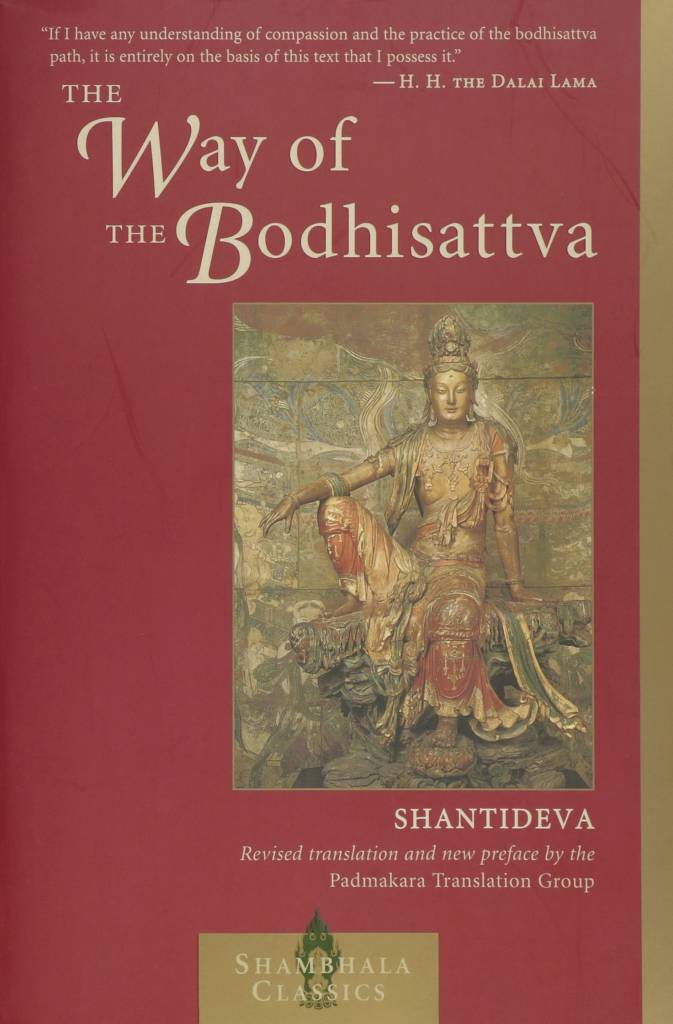
Torment in their minds and bodies Have, by virtue of my merit,

Joy and happiness in boundless measure.

Standard Tibetan §Padmakara used the 1990 edition printed by si khron mi rigs dpe skrun khang: Byang chub sems dpa'i spyod pa la 'jug pa rtsa ba dang 'grel pa (1990). Also found in Derge Tengyur D3871, dbu ma, vol. 105, la 1b1–40a7. - Other translations

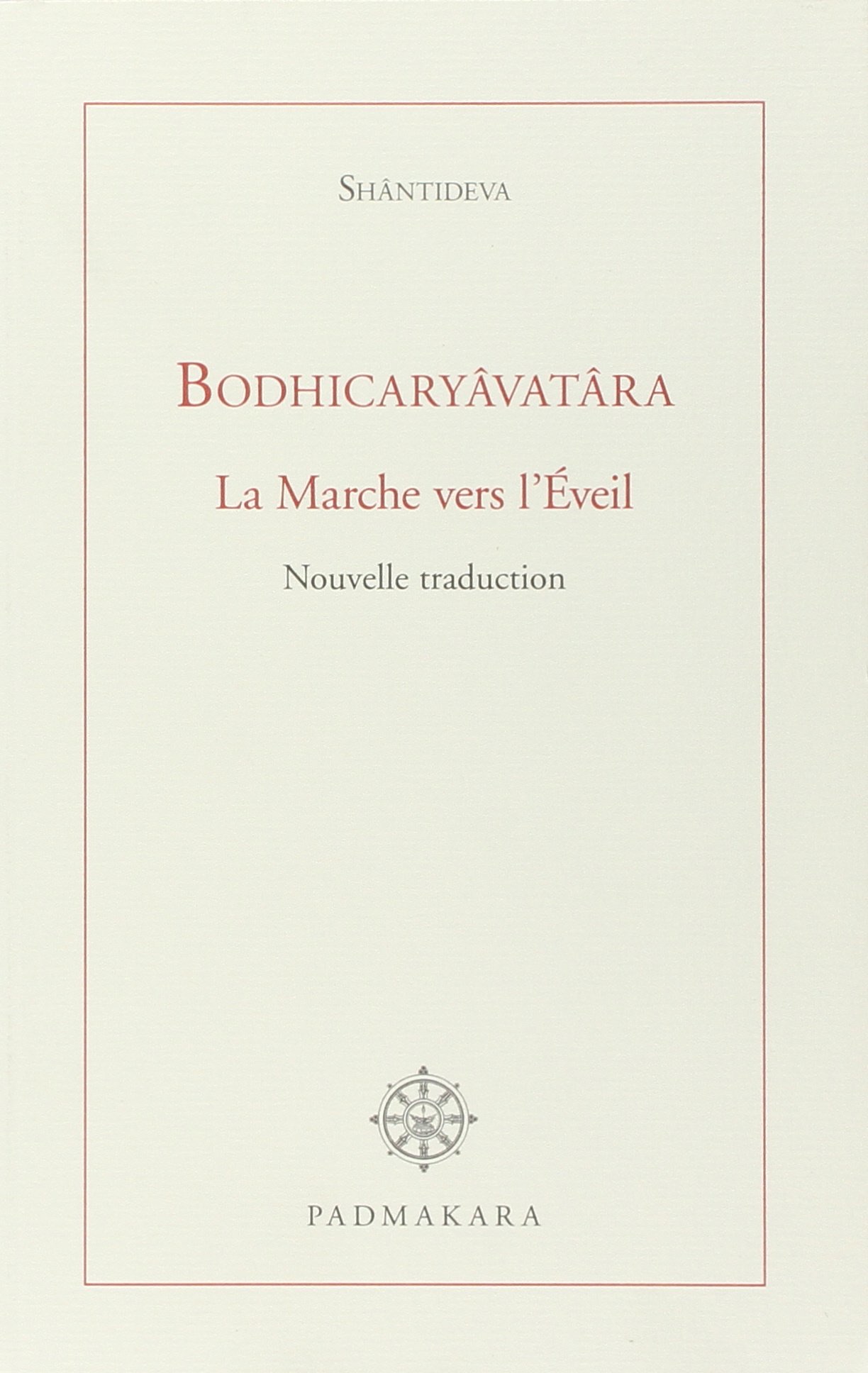
Puissent tous ceux qui, dans toutes les directions,

Souffrent des maux du corps et de l’esprit Obtenir, grâce à mes mérites,

Des océans de bien-être et de bonheur !

Que los seres de cualquier lugar que padecen

sufrimiento en sus cuerpos o en sus mentes, debido a estos méritos virtuosos,

experimenten inmensa alegría y felicidad.

La Práctica del Bodisatva-front.jpg
Padmakara Spain 2008

May those found in all directions

Afflicted by suffering in body and mind Attain an ocean of bliss and happiness

Through my merits.

In every direction, may all those

Whose body and mind are sick and suffering Through my merit, all attain

Oceans of happiness and joy.

shift + scroll / swipe
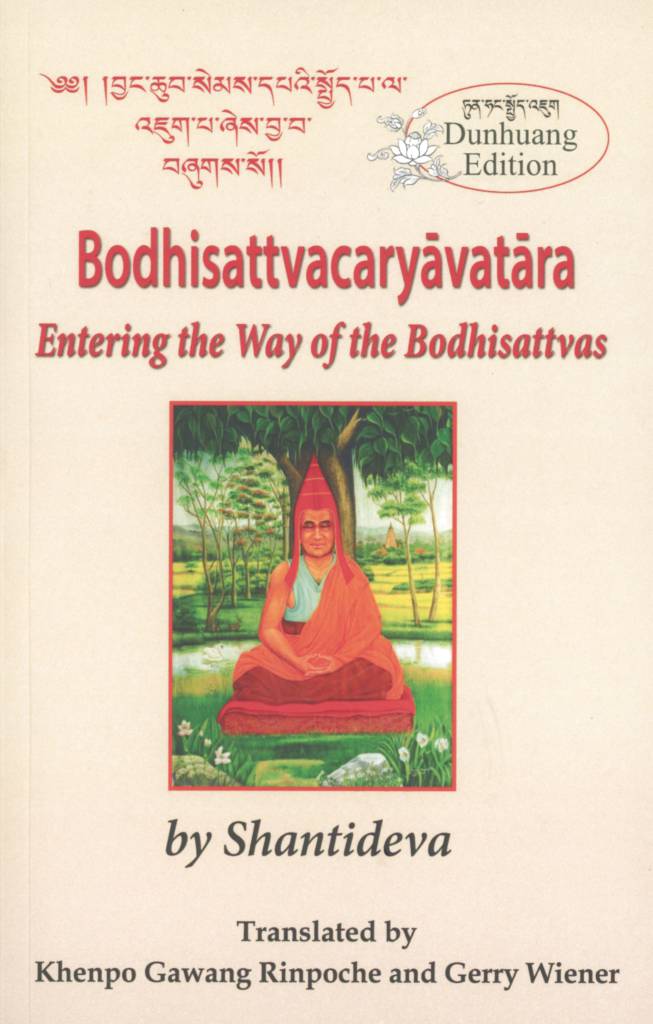
Dūnhuáng §This version is extracted from the book Bodhisattvacaryāvatāra: Entering the Way of the Bodhisattvas (2022, Khenpo Gawang and Wiener), a translation of an edition of the text created from three Dūnhuáng manuscripts. A description and sample pages of these can be found on the Early Tibet Blog. Scans of the actual manuscripts themselves can be found at http://idp.bl.uk

ཕྱོགས་རྣམས་ཀུན་ན་ལུས་དང་སེམས། །

སྡུག་བསྔལ་ནད་པ་ཇི་སྙེད་པ། ། དེ་དག་བདག་གི་བསོད་ནམས་ཀྱིས། །

བདེ་དགའ་རྒྱ་མཚོ་ཐོབ་པར་ཤོག །

alt verse 9.2 tm data

Through my merit,

May the numerous beings in all directions, Who are having sufferings and illnesses of mind and body,

Obtain oceans of experiences of happiness and joy.

Tsadra Critical Edition §This text was created by comparing four versions of the text from Derge, Cone, Narthang, and Peking Tengyurs from BDRC scans, along with Dunhuang manuscripts IOL Tib J 628, 629, and 630. When Tibetan readings were problematic, the Sanskrit texts from GRETIL and LTB (Oslo) were consulted.

ཕྱོགས་རྣམས་ཀུན་ན་ལུས་དང་སེམས། །

སྡུག་བསྔལ་ནད་པ་ཇི་སྙེད་པ། ། དེ་དག་བདག་གི་བསོད་ནམས་ཀྱིས། །

བདེ་དགའ་རྒྱ་མཚོ་ཐོབ་པར་ཤོག །

[edit]
Sazang Mati (1294 - 1376)
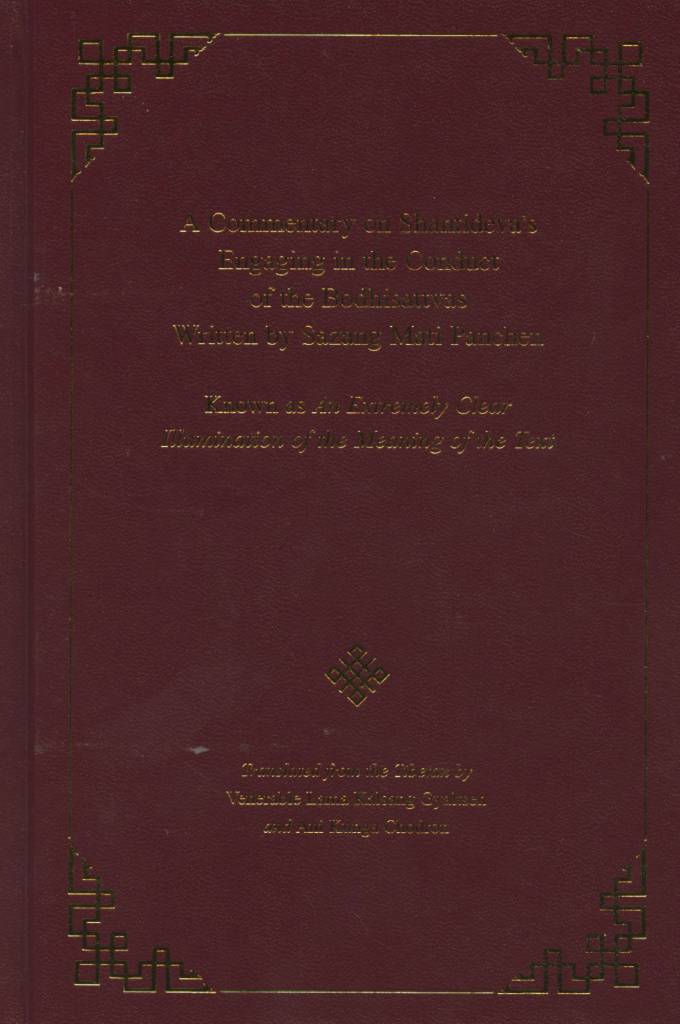
A Commentary on Shantideva's Engaging in the Conduct of the Bodhisattvas (citation)Gyaltsen, Lama Kalsang, and Ani Kunga Chodron, trans. A Commentary on Shantideva's Engaging in the Conduct of the Bodhisattvas Written by Sazang Mati Panchen: Known as An Extremely Clear Illumination of the Meaning of the Text. Walden, NY: Tsechen Kunchab Ling, 2019. Bilingual Edition

རྩོམ་པ་པོ་བདག་གིས་བྱང་ཆུབ་ཆེན་པོ་ཐོབ་པར་བྱེད་པའི་སྤྱོད་པ་བསམ་པ་སེམས་བསྐྱེད་དང༌། སྦྱོར་བ་ཕ་རོལ་ཏུ་ཕྱིན་པ་ལ༵་འཇུག་པའི་ཚུལ་ལ་རྣམ་པར་བསམ་ཤིང་བརྩམས་པ་ལས་བྱུང་བ་ཡི༵་དགེ་བའི་རྩ་བ་རྣམ་པར་དག་པ་གང་ཡིན་པ་དེས་ནམ་མཁའ་དང་མཉམ་པའི་འགྲོ་བ་མ་ལུས་པ་ཀུ༵ན། བྱང་ཆུབ་ཆེན་པོའི་སྤྱོད་པ་བསམ་སྦྱོར་ཕུན་སུམ་ཚོགས་པས་རྣམ་པར་བརྒྱན་ཞིང་གཞུང་ལུགས་རྣམ་པར་དག་པ་འདི་ལྟ་བུ་ལ་ཡང་ཚུལ་བཞིན་དུ་འཇུག་པར་ཤོ༵ག་ཅིག་ཅེས་པའོ། །

Whatever immaculate root of virtue has arisen from conceptualizing and composing this text on the generation of enlightenment thought as a motivation and the method of engaging in the six perfections as an application, I, the author dedicate that all sentient beings without exception, equal to the boundary of space, may correctly engage in immaculate texts such as this one, which is excellently adorned by the magnificent conduct of enlightenment thought as a motivation and application. 1.2.1.1.1.1.1

(གཉིས་པ་)ཕན་བདེ་ཐོབ་པར་བསྔོ་བ་ནི།

2. Dedication that beings may obtain happiness and benefit 1.2.1.1.1.1.2

ཕྱོགས་རྣམས་ཀུན་ན་ལུས་དང་སེམས། །

སྡུག་བསྔལ་ནད་པ་ཇི་སྙེད་པ། ། དེ་དག་བདག་གི་བསོད་ནམས་ཀྱིས། །

བདེ་དགའ་རྒྱ་མཚོ་ཐོབ་པར་ཤོག །

phyogs rnams kun na lus dang sems/_/

sdug bsngal nad pa ji snyed pa/_/ de dag bdag gi bsod nams kyis/_/

bde dga' rgya mtsho thob par shog_/

In every direction, may all those

Whose body and mind are sick and suffering Through my merit, all attain

Oceans of happiness and joy.

ཕྱོགས་བཅུ་མཐའ་ཡས་རྣམས་ཀུན་ན་ལུས་དང་སེ༵མས་སྡུག་བསྔལ་དང་ཡིད་མི་བདེའི་ནད་ཀྱིས་མནར་བ་ཇི་སྙེད་པ༵འི་སེམས་ཅན་དེ་དག་ཐམས་ཅད་བདག་གི་བསོད་ནམས་ཀྱི༵་མཐུ་ལ་བརྟེན་ནས་ལུས་ཚོར་བ་བདེ་བ་དང་སེམས་དགའ་བ་རྒྱ་མཚོ་ལྟར་མཐའ་ཡས་པ་དང་ལྡན་པ་ཐོབ་པར་ཤོ༵ག་ཅིག

May all of the infinite beings in the ten directions who experience the suffering of physical pain or mental unhappiness, through the power of my merit come to experience comfort in their bodies, and possess an ocean of limitless joy.
Gyaltsap Je (1364 - 1432)
The Entrance for the Children of the Conquerors (citation)Stracke, Fedor, trans. The Entrance for the Children of the Conquerors: A Commentary on the Introduction to the Actions of Bodhisattvas. By Gyaltsab Rinpoche. N.p.: Happy Monks Publication, 2016. https://happymonkspublication.org/product/bodhisattvacharyavatara-chapter-1-10-commentary/. Bilingual Edition

གཉིས་པ་ལ་གསུམ།

Elaborate Dedication 1.1.2

དང་པོ་ལ་གཉིས།[p.Ch10-436]Spyod 'jug rtsa 'grel (Mtsho sngon mi rigs dpe skrun khang 2001)
Śāntideva, and Rgyal tshab rje dar ma rin chen. Spyod 'jug rtsa 'grel and Byang chub sems dpa'i spyod pa la 'jug pa'i rnam bshad rgyal sras 'jug ngogs. Xining: Mtsho sngon mi rigs dpe skrun khang, 2001

Dedication for the Purpose of Others 1.1.2.1

དང་པོ་ལ་བཞི།

Dedicating for Purposes of the World 1.1.2.1.1

དང་པོ་ལ་གཉིས།

Pacification of Sufferings such as Sickness 1.1.2.1.1.1

དང་པོ་ནི།

Temporary Happiness 1.1.2.1.1.1.1

ཕྱོགས་རྣམས་ཀུན་ན་ལུས་དང་སེམས། །

སྡུག་བསྔལ་ནད་པ་ཇི་སྙེད་པ། ། དེ་དག་བདག་གི་བསོད་ནམས་ཀྱིས། །

བདེ་དགའ་རྒྱ་མཚོ་ཐོབ་པར་ཤོག །
phyogs rnams kun na lus dang sems/_/

sdug bsngal nad pa ji snyed pa/_/ de dag bdag gi bsod nams kyis/_/

bde dga' rgya mtsho thob par shog_/

May those found in all directions

Afflicted by suffering in body and mind Attain an ocean of bliss and happiness

Through my merits.

ཕྱོགས་རྣམས་ཀུན་ན་ལུས་དང་སེམས་ཚོར་བ་སྡུག་བསྔལ་གྱིས་ཟིན་པའི་ནད་པ་ཇི་སྙེད་པ་དེ་དག་བདག་གི་བདེ་བ་ཇི་སྙེད་ཡོད་པའི་བསོད་ནམས་ཀྱིས་ནད་པས་ཐར་ནས་ལུས་བདེ་བ་དང་ཡིད་དགའ་བས་གང་བ་རྒྱ་མཚོ་ལྟ་བུ་ཐོབ་པར་ཤོག་ཅིག་པའོ། །

May those found in all directions, who are held by the sufferings of physical and mental sickness, be liberated from their sickness and be filled with an ocean of physical bliss and mental joy by whatever merits I have for happiness.
Kunzang Palden (1862 - 1943)
The Nectar of Manjushri's Speech (citation)Blankleder, Helena, and Wulstan Fletcher (Padmakara Translation Group), trans. The Nectar of Manjushri's Speech: A Detailed Commentary on Shantideva's Way of the Bodhisattva. By Kunzang Pelden. Boston: Shambhala Publications, 2007. Bilingual Edition

གཉིས་པ་༼རྒྱས་པར་བཤད་པ་༽ལ་

A Detailed Teaching 2

དང་པོ་༼གཞན་དོན་ཕན་པ་དང་བདེ་བའི་རྒྱུར་བསྔོ་བ་༽ལ་

Dedication of Virtue as the Cause of Happiness and of Benefit for Others 2.1.

དང་པོ་༼དམན་པ་སྡུག་བསྔལ་དང་བྲལ་བར་བསྔོ་བ་༽ལ།[p.748]Byang chub sems dpa'i spyod pa la 'jug pa rtsa ba dang 'grel pa (1990)
Slob dpon zhi ba lha and Mkhan po kun dpal. Byang chub sems dpa'i spyod pa la 'jug pa rtsa ba dang 'grel pa. Khreng tu'u: Si khron mi rigs dpe skrun khang, 1990. Buda by BDRC Logo.jpg

Dedication of Virtue in Order to Free the Weak from Suffering 2.1.1.

དང་པོ་༼ཁམས་གསུམ་སྤྱི་ལ་ཁྱབ་པའི་སྡུག་བསྔལ་དང་བྲལ་བར་བསྔོ་བ་༽ནི།

General Dedication of Virtue in Order to Rid the Three Worlds of the Sorrows with Which They Are Filled 2.1.1.1.

ཕྱོགས་རྣམས་ཀུན་ན་ལུས་དང་སེམས། །

སྡུག་བསྔལ་ནད་པ་ཇི་སྙེད་པ། ། དེ་དག་བདག་གི་བསོད་ནམས་ཀྱིས། །

བདེ་དགའ་རྒྱ་མཚོ་ཐོབ་པར་ཤོག །
phyogs rnams kun na lus dang sems/_/

sdug bsngal nad pa ji snyed pa/_/ de dag bdag gi bsod nams kyis/_/

bde dga' rgya mtsho thob par shog_/

སྡུག་བསྔལ་གསུམ་ལས། སྡུག་བསྔལ་གྱི་སྡུག་བསྔལ་དང་བྲལ་བར་བསྔོ་བ་ཕྱོགས་བཅུ་མཐའ་ཡས་པ་རྣམས་ཀུན་ན་སེམས་ཅན་ལུས་དང་སེམས་རླུང་མཁྲིས་བད་ཀན་ལ་སོགས་པས་སྡུག་བསྔལ་དང་སྙིང་རླུང་ལ་སོགས་ཡིད་མི་བདེ་བའི་ནད་སྣ་ཚོགས་ཀྱིས་མནར་བར་གྱུར་པ་ཇི་སྙེད་ཡོད་པ་དེ་དག་ཐམས་ཅད་བདག་གི་སྤྱོད་འཇུག་ལ་ཐོས་བསམ་བསྒོམ་པ་སོགས་བྱས་པའི་བསོད་ནམས་དགེ་བའི་སྟོབས་ཀྱིས་དུས་ད་ལྟ་འདུག་ས་འདི་རུ་སྐད་ཅིག་ཡུད་ཙམ་ཉིད་ལ་སེམས་ཅན་དེ་དག་ཐམས་ཅད་ཀྱི་རྒྱུ་སྡིག་པ་དང་འབྲས་བུ་སྡུག་བསྔལ་དང་བྲལ་བར་གྱུར་ཅིག་སོགས་གོང་བཞིན་བྲལ་འདོད་ཀྱི་སྙིང་རྗེ་དང་ལུས་བདེ་བ་དང་སེམས་དགའ་བ་ཕུན་སུམ་ཚོགས་པ་རྒྱ་མཚོ་ལྟར་མཐའ་ཡས་པ་ཐོབ་ཅིང་ལྡན་པར་ཤོག་ཅིག་སོགས་གོང་བཞིན་ལྡན་འདོད་ཀྱི་བྱམས་པ་དང༌།

May beings everywhere who suffer

Torment in their minds and bodies Have, by virtue of my merit,

Joy and happiness in boundless measure.

There are three kinds of suffering. The dedication of our virtue in order to free beings from the suffering of suffering [suffering in the ordinary sense of the word] consists in the wish that, by the virtue or merit of our practice of the Bodhisattva way—namely, through study, reflection, and meditation on it—all beings, to the farthest reaches of the ten directions, who are tormented by the consequences of their evil actions, whether physically through the diseases of wind, bile, and phlegm, or mentally, through depression, insanity, and so on, be freed instantly, here and now. It is thus that we should meditate on compassion, wishing that beings be free from sorrow and its causes. As for meditation on loving-kindness (the wish that beings have joy and the causes of joy), this is the desire that all should gain an ocean-like abundance of physical and mental well-being, and happiness in all its perfection.


[edit]
[edit]