Prajñānāmamūlamadhyamakakārikā
| 🤓 Admin Zone 🛠️ hidden to non-admins | |

Description


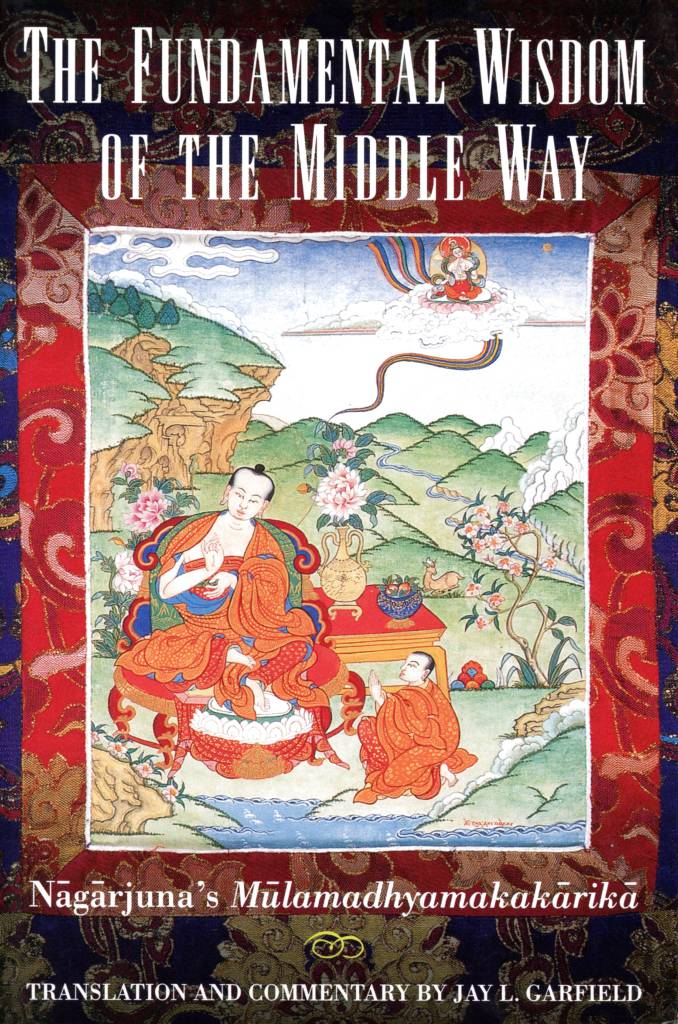
Garfield presents a superb translation of the Tibetan text of Mūlamadhyamikakārikā in its entirety, and a commentary reflecting the Tibetan tradition through which Nāgārjuna's philosophical influence has largely been transmitted. Illuminating the systematic character of Nāgārjuna's reasoning, Garfield shows how Nāgārjuna develops his doctrine that all phenomena are empty of inherent existence, that is, than nothing exists substantially or independently. Despite lacking any essence, he argues, phenomena nonetheless exist conventionally, and that indeed conventional existence and ultimate emptiness are in fact the same thing. This represents the radical understanding of the Buddhist doctrine of the two truths, or two levels of reality. He offers a verse-by-verse commentary that explains Nāgārjuna's positions and arguments in the language of Western metaphysics and epistemology, and connects Nāgārjuna's concerns to those of Western philosophers such as Sextus, Hume, and Wittgenstein.
An accessible translation of the foundational text for all Mahāyāna Buddhism, The Fundamental Wisdom of the Middle Way offers insight to all those interested in the nature of reality. (Source: Oxford University Press)
.jpg)


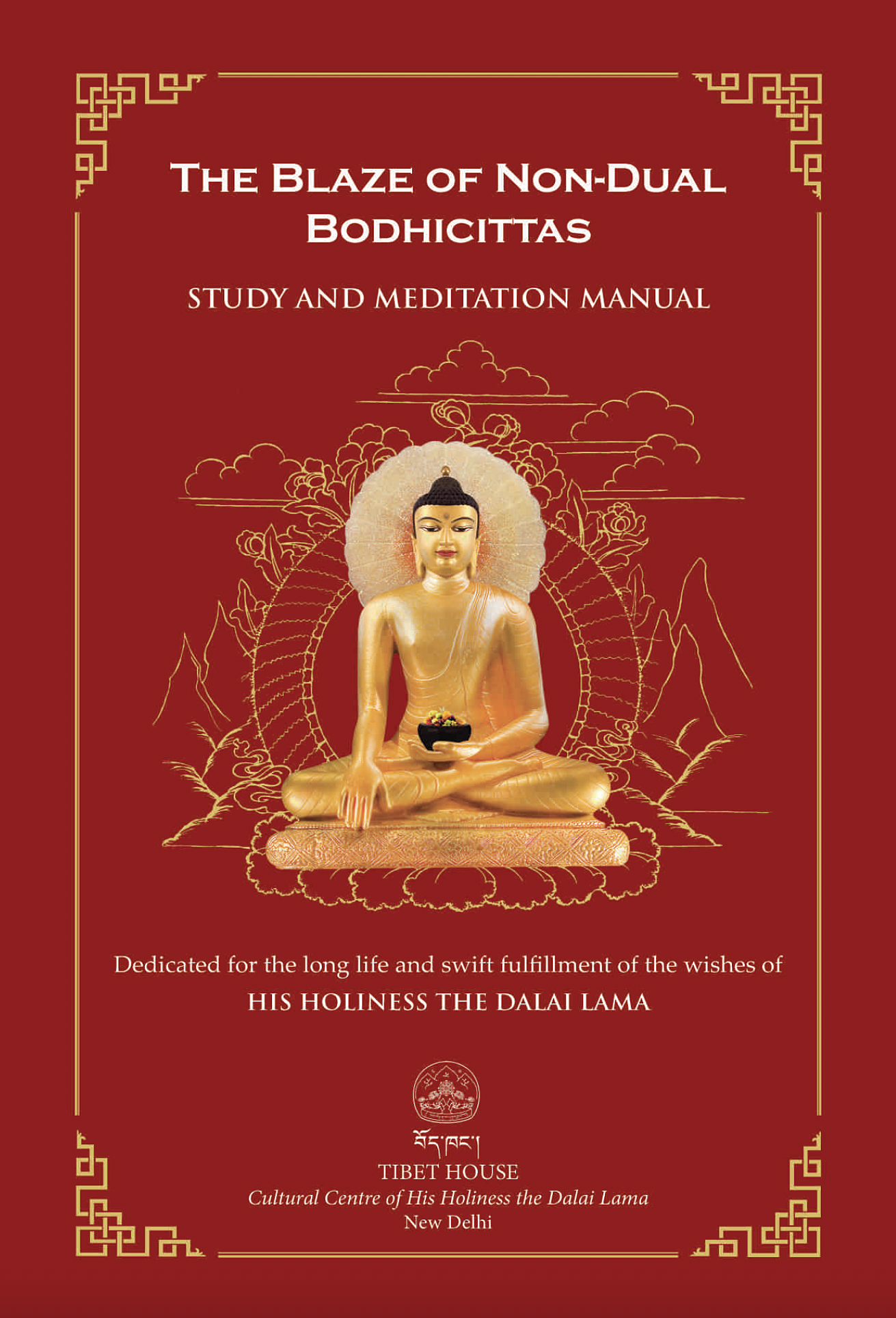
The book is divided into five parts:
I. Daily Recitation and Practice
II. Selected Texts for Study, Reflection and Meditation
III. Additional Prayers, Vows and Commitments
IV. Daily Dedication Prayers
V. Appendix
Part I and Part IV serve as a useful guide for all, who have an inclination towards dharma practice, but do not know how to start and design a daily practice session. It is also useful for those seekers who might be misguided and surmise that dharma practice comprises only of mantra recitation and so forth, thereby missing its essence.
Part II helps strengthen the practitioner’s dharma practice on the basis of selected compositions of great scholars and yogis. The actual breakthrough in the mental transformation happens through changes in the thought process, for which study and reflection are the cornerstones. Any of these profound texts and short extracts may be selected for study, reflection or meditation, on an on-going basis.
Part III reinforces and rejuvenates dharma practice and to that end, may be undertaken on a regular or occasional basis.
Part V introduces the reader to meditation practices, both shamatha (calm abiding) and vipasyana (special insight), including meditation on the breath, as well as methods to cultivate Bodhicitta and the wisdom of emptiness. While there are many texts on the wisdom of emptiness, the meditation included here is designed for all those who are not thoroughly introduced to this subject and still want to familiarise and habituate themselves with the wisdom of emptiness.
Brief notes, Endnotes and Glossary have been added to help the readers unfold the meanings of the texts with ease. (preface, xiv–xv)

The treatise itself is composed in very terse, often cryptic verses, with much of the explicit argument suppressed, generating significant interpretative challenges. But the uniformity of the philosophical methodology and the clarity of the central philosophical vision expressed in the text together provide a considerable fulcrum for exegesis. The central topic of the text is emptiness-the Buddhist technical term for the lack of independent existence, inherent existence, or essence in things. Nāgārjuna relentlessly analyzes phenomena or processes that appear to exist independently and argues that they cannot so exist, and yet, though lacking the inherent existence imputed to them either by naive common sense or by sophisticated, realistic philosophical theory, these phenomena are not nonexistent-they are, he argues, conventionally real.
This dual thesis of the conventional reality of phenomena together with their lack of inherent existence depends upon the complex doctrine of the two truths or two realities-a conventional or nominal truth and an ultimate truth-and upon a subtle and surprising doctrine regarding their relation. It is, in fact, this sophisticated development of the doctrine of the two truths as a vehicle for understanding Buddhist metaphysics and epistemology that is Nāgārjuna's greatest philosophical contribution. (Garfield, introduction, 219)
Read more here.

Garfield presents a superb translation of the Tibetan text of Mūlamadhyamikakārikā in its entirety, and a commentary reflecting the Tibetan tradition through which Nāgārjuna's philosophical influence has largely been transmitted. Illuminating the systematic character of Nāgārjuna's reasoning, Garfield shows how Nāgārjuna develops his doctrine that all phenomena are empty of inherent existence, that is, than nothing exists substantially or independently. Despite lacking any essence, he argues, phenomena nonetheless exist conventionally, and that indeed conventional existence and ultimate emptiness are in fact the same thing. This represents the radical understanding of the Buddhist doctrine of the two truths, or two levels of reality. He offers a verse-by-verse commentary that explains Nāgārjuna's positions and arguments in the language of Western metaphysics and epistemology, and connects Nāgārjuna's concerns to those of Western philosophers such as Sextus, Hume, and Wittgenstein.
An accessible translation of the foundational text for all Mahāyāna Buddhism, The Fundamental Wisdom of the Middle Way offers insight to all those interested in the nature of reality. (Source: Oxford University Press)The treatise itself is composed in very terse, often cryptic verses, with much of the explicit argument suppressed, generating significant interpretative challenges. But the uniformity of the philosophical methodology and the clarity of the central philosophical vision expressed in the text together provide a considerable fulcrum for exegesis. The central topic of the text is emptiness-the Buddhist technical term for the lack of independent existence, inherent existence, or essence in things. Nāgārjuna relentlessly analyzes phenomena or processes that appear to exist independently and argues that they cannot so exist, and yet, though lacking the inherent existence imputed to them either by naive common sense or by sophisticated, realistic philosophical theory, these phenomena are not nonexistent-they are, he argues, conventionally real.
This dual thesis of the conventional reality of phenomena together with their lack of inherent existence depends upon the complex doctrine of the two truths or two realities-a conventional or nominal truth and an ultimate truth-and upon a subtle and surprising doctrine regarding their relation. It is, in fact, this sophisticated development of the doctrine of the two truths as a vehicle for understanding Buddhist metaphysics and epistemology that is Nāgārjuna's greatest philosophical contribution. (Garfield, introduction, 219)
Read more here.
The book is divided into five parts:
I. Daily Recitation and Practice
II. Selected Texts for Study, Reflection and Meditation
III. Additional Prayers, Vows and Commitments
IV. Daily Dedication Prayers
V. Appendix
Part I and Part IV serve as a useful guide for all, who have an inclination towards dharma practice, but do not know how to start and design a daily practice session. It is also useful for those seekers who might be misguided and surmise that dharma practice comprises only of mantra recitation and so forth, thereby missing its essence.
Part II helps strengthen the practitioner’s dharma practice on the basis of selected compositions of great scholars and yogis. The actual breakthrough in the mental transformation happens through changes in the thought process, for which study and reflection are the cornerstones. Any of these profound texts and short extracts may be selected for study, reflection or meditation, on an on-going basis.
Part III reinforces and rejuvenates dharma practice and to that end, may be undertaken on a regular or occasional basis.
Part V introduces the reader to meditation practices, both shamatha (calm abiding) and vipasyana (special insight), including meditation on the breath, as well as methods to cultivate Bodhicitta and the wisdom of emptiness. While there are many texts on the wisdom of emptiness, the meditation included here is designed for all those who are not thoroughly introduced to this subject and still want to familiarise and habituate themselves with the wisdom of emptiness.
Brief notes, Endnotes and Glossary have been added to help the readers unfold the meanings of the texts with ease. (preface, xiv–xv)Garfield presents a superb translation of the Tibetan text of Mūlamadhyamikakārikā in its entirety, and a commentary reflecting the Tibetan tradition through which Nāgārjuna's philosophical influence has largely been transmitted. Illuminating the systematic character of Nāgārjuna's reasoning, Garfield shows how Nāgārjuna develops his doctrine that all phenomena are empty of inherent existence, that is, than nothing exists substantially or independently. Despite lacking any essence, he argues, phenomena nonetheless exist conventionally, and that indeed conventional existence and ultimate emptiness are in fact the same thing. This represents the radical understanding of the Buddhist doctrine of the two truths, or two levels of reality. He offers a verse-by-verse commentary that explains Nāgārjuna's positions and arguments in the language of Western metaphysics and epistemology, and connects Nāgārjuna's concerns to those of Western philosophers such as Sextus, Hume, and Wittgenstein.
An accessible translation of the foundational text for all Mahāyāna Buddhism, The Fundamental Wisdom of the Middle Way offers insight to all those interested in the nature of reality. (Source: Oxford University Press)