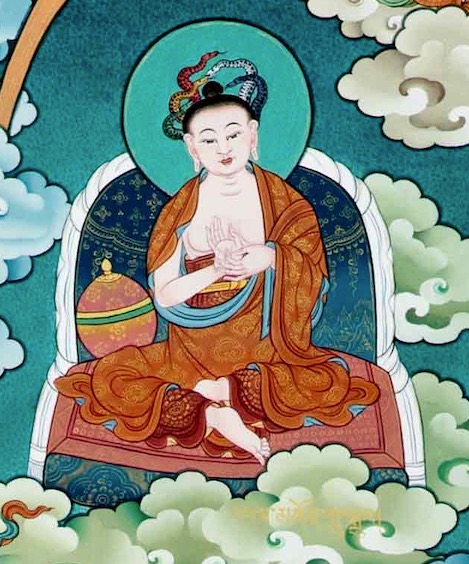
Dependent Arising and the Emptiness of Emptiness
| 🤓 Admin Zone 🛠️ hidden to non-admins | |
Description
The treatise itself is composed in very terse, often cryptic verses, with much of the explicit argument suppressed, generating significant interpretative challenges. But the uniformity of the philosophical methodology and the clarity of the central philosophical vision expressed in the text together provide a considerable fulcrum for exegesis. The central topic of the text is emptiness-the Buddhist technical term for the lack of independent existence, inherent existence, or essence in things. Nāgārjuna relentlessly analyzes phenomena or processes that appear to exist independently and argues that they cannot so exist, and yet, though lacking the inherent existence imputed to them either by naive common sense or by sophisticated, realistic philosophical theory, these phenomena are not nonexistent-they are, he argues, conventionally real.
This dual thesis of the conventional reality of phenomena together with their lack of inherent existence depends upon the complex doctrine of the two truths or two realities-a conventional or nominal truth and an ultimate truth-and upon a subtle and surprising doctrine regarding their relation. It is, in fact, this sophisticated development of the doctrine of the two truths as a vehicle for understanding Buddhist metaphysics and epistemology that is Nāgārjuna's greatest philosophical contribution. (Garfield, introduction, 219)
Read more here.