- Buddha-Nature
- Compassion
- Defining Bodhicitta
- Emptiness
- Equalizing & Exchanging Self and Others
- Equanimity
- History of Bodhicitta Teachings
- How to Develop Bodhicitta
- Interdependent Origination
- Lineage of the Profound View
- Lineage of the Vast Conduct
- Mahāyāna
- Mind Training
- Non-Self
- Seven-Point Instructions of Cause and Effect
- The Bodhisattva Ideal
- The Bodhisattva Path
- The Bodhisattva Vow
- The Bodhisattva's Goal
- The Four Immeasurables
- The Six Perfections
- The Three Higher Trainings
- The Two Accumulations
- The Two Truths
- Tonglen: The Practice of Sending and Receiving
- Types of Bodhicitta
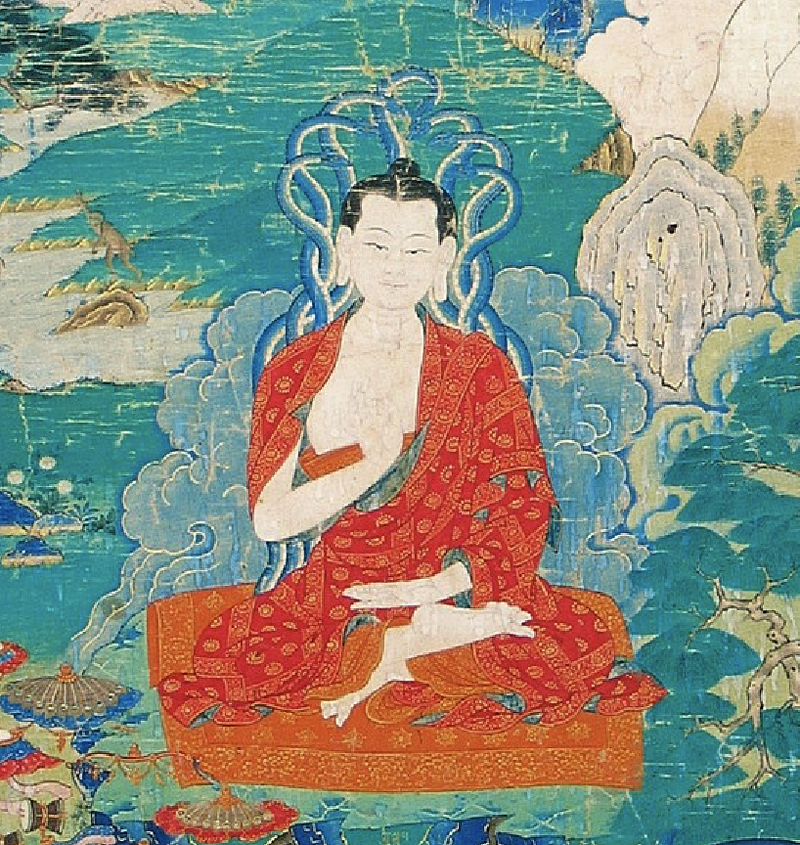
The Profound View lineage, associated with Mañjuśrī and the philosopher Nāgārjuna, emerges from the Prajñāpāramitā sūtras and Madhyamaka philosophy. Its central teaching holds that authentic bodhicitta arises only through profound understanding of emptiness (śūnyatā). The lineage's core practices—"equating self and others" and "exchanging self for others"—involve meditating on beings' fundamental equality and mentally taking on others' suffering while offering one's happiness, directly countering self-cherishing attitudes.
The Lineage of The Profound View
The Mahāyāna system which spread from around 100 BCE saw significant expansion and diversification in the subsequent centuries. Such expansion and variation came about partly through the appearance of numerous sūtras emphasizing different aspects of the bodhisattva path. For instance, while the Perfection of Wisdom highlighted the empty nature of all phenomena, the buddha-nature sūtras underscored the natural purity and intrinsic virtue of sentient beings. Still other sūtras focused on bodhisattva ethics, bodhisattva practices, life stories, and rituals such as stūpa veneration.
In addition to the expansion through a multiplicity of sūtras, the Mahāyāna system also saw diversification through the emergence of different understandings and interpretations of the sūtras. For instance, the Perfection of Wisdom sūtras saw four major traditions of interpretation and hermeneutics propounded by Nāgārjuna, Asaṅga, Daṃṣṭrāsena, and Dignāga. Among the four, Nāgārjuna's interpretation, which focuses on emptiness, the explicit message of the Perfection of Wisdom sūtras, initiated the Madhyamaka (Middle Way) school, while Maitreya/Asaṅga's interpretation focused on the soteriological path, the implicit or hidden message of the Perfection of Wisdom sūtras. The latter was often philosophically aligned with the Cittamātra (Mind Only) school.
Thus, the Mahāyāna system in the Indo-Tibetan tradition became mainly classified into these two groups of what later came to be known as the Profound View Tradition (ཟབ་མོ་ལྟ་བའི་སྲོལ་ zab mo lta ba'i srol) and the Vast Conduct Tradition (རྒྱ་ཆེན་སྤྱོད་པའི་སྲོལ། rgya chen spyod pa'i srol). Kongtrul Lodrö Taye (1813–1899), in his Guidebook for the Path to Great Awakening: The Ritual for Generating Enlightenment Mind according to the System Followed in the Lineage of the Profound View writes:
Following The Stem Array Sūtra and The Sūtra of Ākāśagarbha and others, the tradition passed down from Ārya Māñjuśrī via Lord Nāgārjuna and his disciples and taken up by Śantideva and so forth is known as the Middle Way tradition. Following The Great Bodhisattva Ground and such sūtras, the tradition passed down from Lord Maitreya via Ārya Asaṅga and his brother and taken up by the master Candragomin, Lord Atiśa, and others is known as the Mind Only tradition.[1]
While the tradition names and lineage lists that Kongtrul presents were not clearly defined in India, a philosophical division did exist. Mahāyāna thinkers appear to have been grouped into two camps based on their philosophical positions as early as the time of Bhāvaviveka (c. 500–570). Bhāvaviveka criticizes Asaṅga and Vasubandhu for shamelessly diverging from the Middle Way understanding of Nāgārjuna, who was prophesied by the Buddha and is said to have attained the first sublime stage of the bodhisattva path.[2] There are also ample accounts of philosophical debates between the proponents of the Middle Way school and Mind Only school, confirming that Indian Mahāyānists were clearly divided along philosophical lines.
Beyond the philosophical differences that occupied Bhāvaviveka and others, a general division appears to have emerged in Mahāyāna approaches to understanding and practice. By the time of Ratnākaraśānti (late tenth century), we can see a general classification of the Mahāyāna system into two traditions, with one led by Nāgārjuna and another by Asaṅga. According to Ratnākaraśānti, Ārya Asaṅga presents the gist of the Mahāyāna system through seven topics such as the thought of awakening, while Ārya Nāgārjuna presents it through the six perfections and compassion.[3]
In Tibet, Ratnākaraśānti or his disciple Atiśa is perhaps the first one to expound the two traditions and the two lines of transmission of bodhicitta practice. According to Atiśa:
Notes
- ↑ See Treasury of Precious Instructions, 3:282: སྡོང་པོ་བཀོད་པ་དང༌། ནམ་མཁའི་སྙིང་པོའི་མདོ་ལ་སོགས་པའི་རྗེས་སུ་འབྲངས་པ། འཕགས་པ་འཇམ་དཔལ་ནས་བརྒྱུད་དེ་མགོན་པོ་ཀླུ་སྒྲུབ་ཡབ་སྲས་དང་རྒྱལ་སྲས་ཞི་བ་ལྷ་སོགས་ཀྱི་ཕྱག་བཞེས་དབུ་མ་ལུགས་སུ་གྲགས་པ་དང༌། བྱང་ཆུབ་སེམས་དཔའི་ས་ཆེན་པོའི་མདོ་ལ་སོགས་པའི་རྗེས་སུ་འབྲངས་པ། མགོན་པོ་བྱམས་པ་ནས་བརྒྱུད་དེ་འཕགས་པ་ཐོགས་མེད་སྐུ་མཆེད་དང༌། སློབ་དཔོན་ཆེན་པོ་ཙནྡྲ་གོ་མི་དང་ཇོ་བོ་ཨ་ཏི་ཤ་སོགས་ཀྱི་ཕྱག་བཞེས་སེམས་ཙམ་ལུགས་སུ་གྲགས་པ་གཉིས་ཡོད།
- ↑ Bhāvaviveka, Madhyāmakāhṛīdayavṛīttitarakājvāla (Dbu ma snying po'i 'grel pa rtog ge 'bar ba), in Derge Tengyur, D3856, dbu ma, vol. 98, 199a: ཐེག་པ་ཆེན་པོ་ཉིད་ཀྱི་སློབ་དཔོན་ཐོགས་མེད་དང་། དབྱིག་གཉེན་ལ་སོགས་པ་གཞན་དག་ནི་དེ་བཞིན་གཤེགས་པས་ལུང་བསྟན་ཅིང་། ས་རབ་ཏུ་བརྙེས་པའི་འཕགས་པ་ཀླུ་སྒྲུབ་ཀྱིས་ཡང་དག་པར་རྟོགས་པའི་ཐེག་པ་ཆེན་པོའི་དོན་གྱི་ལུགས་གཞན་དུ་འདྲེན་པར་བྱེད་ཅིང་ངོ་ཚ་དང་ཁྲེལ་མེད་པ་དོན་རྣམ་པར་མི་ཤེས་པ་དེ་བཞིན་དུ་རྣམ་པ་ཤེས་ཤིང་མཁས་པར་ང་རྒྱལ་བྱེད་པ་དག་འདི་སྐད་སྨྲ་སྟེ།
- ↑ Ratnākaraśānti, Sūtrasamuccayabhāṣyaratnālokālaṃkāra-nāma (Mdo kun las btus pa'i bshad pa rin po che snang ba'i rgyan ces bya ba) in Derge Tengyur, D3935, dbu ma, vol. 110, 251b: འཕགས་པ་ཐོགས་མེད་ཀྱིས་ནི་སེམས་བསྐྱེད་པ་ལ་སོགས་པ་རྣམ་པ་བདུན་བཤད་དོ། །འཕགས་པ་ཀླུ་སྒྲུབ་ཀྱིས་ནི་ཕ་རོལ་ཏུ་ཕྱིན་པ་དྲུག་དང་སྙིང་རྗེ་ལ་བཤད་དོ། །
