8.77

From Bodhicitta

Bodhicaryāvatāra · Verse 8.77


Sources:    

Sanskrit §No information about the source used.

रणं जीवितसंदेहं विशन्ति किल जीवितुम्। मानार्थं दासतां यान्ति मूढाः कामविडम्बिताः॥

 
Chanted Verse
Recitation by Professor Kashinath Nyaupane
77

Others make a living by risking their lives on the battlefield. Their own pride drives them to slavery—fools deceived by their passions.

Standard Tibetan §Padmakara used the 1990 edition printed by si khron mi rigs dpe skrun khang: Byang chub sems dpa'i spyod pa la 'jug pa rtsa ba dang 'grel pa (1990). Also found in Derge Tengyur D3871, dbu ma, vol. 105, la 1b1–40a7.

འདོད་པས་བསླུས་པའི་གླེན་པ་དག །

འཚོ་འདོད་འཚོ་བར་བྱའོ་ཞེས། ། སྲོག་སྟོར་དོགས་བཞིན་གཡུལ་དུ་འཇུག །

ཁེ་ཕྱིར་བྲན་དུ་འགྲོ་བར་བྱེད། །

 
Chanted Verse
Recitation by Lopen Karma Phuntsho
77

Fools deceived by craving for a livelihood

Decide that they will make their fortune In the wars, though fearful for their lives.

And seeking gain, it’s slavery they get.

Standard Tibetan §Padmakara used the 1990 edition printed by si khron mi rigs dpe skrun khang: Byang chub sems dpa'i spyod pa la 'jug pa rtsa ba dang 'grel pa (1990). Also found in Derge Tengyur D3871, dbu ma, vol. 105, la 1b1–40a7. - Other translations

Les fous qu’aveugle le désir

Partent à la guerre pour gagner leur vie Tout en craignant de la perdre ;

Ou bien, pour le profit, ils se retrouvent esclaves.

Otros locos confundidos por su deseo,

aun a costa de perder sus vidas, deciden ir a ganarse la vida a las guerras.

Buscando ganancias se esclavizan.

La Práctica del Bodisatva-front.jpg
Padmakara Spain 2008

The foolish who are deceived by desire

Say, “I desire and shall make a livelihood,” They enter wars despite danger to their lives

And go into servitude for profit.

Foolish ones deceived by desire

Say they are searching for a livelihood and wish to live, Yet enter the battlefield with the fear of losing their life.

Others agree to be a servant to gain profit.

shift + scroll / swipe
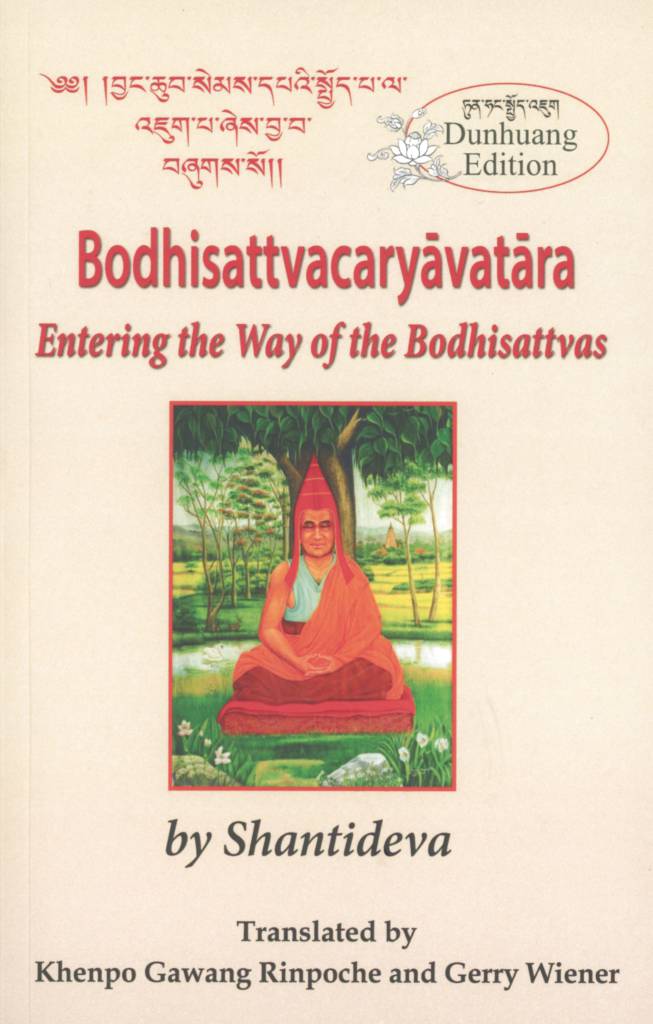
Dūnhuáng §This version is extracted from the book Bodhisattvacaryāvatāra: Entering the Way of the Bodhisattvas (2022, Khenpo Gawang and Wiener), a translation of an edition of the text created from three Dūnhuáng manuscripts. A description and sample pages of these can be found on the Early Tibet Blog. Scans of the actual manuscripts themselves can be found at http://idp.bl.uk

འདོད་པས་བསླུས་པའི་གླེན་པ་དག །

འཚོ་འདོད་འཚོ་བར་བྱའོ་ཞེས། ། སྲོག་སྟོར་དོགས་བཞིན་གཡུལ་དུ་འཇུག །

ཁེ་ཕྱིར་བྲན་དུ་འགྲོ་བར་བྱེད། །

alt verse 7.37 tm data
This version differs from it's counterparts.

Fools deceived by desire

Say, “I want to live,” wishing for life. They enter battle while fearful of losing their lives,

And in order to gain victory, obey the orders of others.

Tsadra Critical Edition §This text was created by comparing four versions of the text from Derge, Cone, Narthang, and Peking Tengyurs from BDRC scans, along with Dunhuang manuscripts IOL Tib J 628, 629, and 630. When Tibetan readings were problematic, the Sanskrit texts from GRETIL and LTB (Oslo) were consulted.

འདོད་པས་བསླུས་པའི་གླེན་པ་དག །

འཚོ་འདོད་འཚོ་བར་བྱའོ་ཞེས། ། སྲོག་སྟོར་དོགས་བཞིན་གཡུལ་དུ་འཇུག །

ཁེ་ཕྱིར་བྲན་དུ་འགྲོ་བར་བྱེད། །

[edit]
Sazang Mati (1294 - 1376)
A Commentary on Shantideva's Engaging in the Conduct of the Bodhisattvas (citation)Gyaltsen, Lama Kalsang, and Ani Kunga Chodron, trans. A Commentary on Shantideva's Engaging in the Conduct of the Bodhisattvas Written by Sazang Mati Panchen: Known as An Extremely Clear Illumination of the Meaning of the Text. Walden, NY: Tsechen Kunchab Ling, 2019. Bilingual Edition

འདོད་པས་བསླུས་པའི་གླེན་པ་དག །

འཚོ་འདོད་འཚོ་བར་བྱའོ་ཞེས། ། སྲོག་སྟོར་དོགས་བཞིན་གཡུལ་དུ་འཇུག །

ཁེ་ཕྱིར་བྲན་དུ་འགྲོ་བར་བྱེད། །

dod pas bslus pa'i glen pa dag_/

'tsho 'dod 'tsho bar bya'o zhes/_/ srog stor dogs bzhin g.yul du 'jug_/

khe phyir bran du 'gro bar byed/_/

Foolish ones deceived by desire

Say they are searching for a livelihood and wish to live, Yet enter the battlefield with the fear of losing their life.

Others agree to be a servant to gain profit.

དམག་མི་ལ་སོགས་པ་འདོད་ཡོན་ལ་ཆགས་པས་བསླུས་པའི་གླེན་པ་གཏི་མུག་ཅན་ད༵ག་ཡོ་བྱད་ཀྱིས་འཚོ་བར་འདོད་པས་འཚོ་བ་བསྒྲུབ་པར་བྱའོ་ཞེ༵ས་བསམས་ནས། རང་གི་སྲོག་གཏོར་དུ་དོགས་བཞིན་དུའང་དགྲ་མང་པོས་གང་བའི་གཡུལ་དུ་འཇུ༵ག་ཅིང་རྒྱལ་པོ་མཉེས་པ་ལ་སོགས་པས། སེམས་ཁེངས་བ་ཐོབ་པའི་ཕྱིར་ཉིན་མཚན་དུ་དལ་བ་མེད་པ་རྒྱལ་པོ་གཏུམ་པོའི་བྲན་དུ་འགྲོ་བའམ་ཡོ་བྱད་ཀྱི་ཁེ་ཅུང་ཟད་རྙེད་པའི་ཕྱིར་དུ་རྗེ་བོ་གཏུམ་པོའི་བྲན་དུ་འགྲོ་བར་བྱེ༵ད་པས་སྡུག་བསྔལ་ལོ། །

Some are ignorantly deceived by attachment to desire objects, and become soldiers to acquire the wealth to live. Although fearful of losing their life, they must enter the battlefield against a host of enemies. Others please the king in order to obtain recognition, and work for him like a slave, both day and night. Others, in order to obtain a little material gain, must work for cruel lords like a slave. Thus they suffer.
Gyaltsap Je (1364 - 1432)
The Entrance for the Children of the Conquerors (citation)Stracke, Fedor, trans. The Entrance for the Children of the Conquerors: A Commentary on the Introduction to the Actions of Bodhisattvas. By Gyaltsab Rinpoche. N.p.: Happy Monks Publication, 2016. https://happymonkspublication.org/product/bodhisattvacharyavatara-chapter-1-10-commentary/. Bilingual Edition

གཉིས་པ་ལ་ལྔ།

One Will Be Inseparable from Many Things One Does Not Desire 1.1.2.2.1.3.2.2

དང་པོ་ནི།

One Is without Freedom and Will Quickly Have To Give Up One’s Life 1.1.2.2.1.3.2.2.1

འདོད་པས་བསླུས་པའི་གླེན་པ་དག །

འཚོ་འདོད་འཚོ་བར་བྱའོ་ཞེས། ། སྲོག་སྟོར་དོགས་བཞིན་གཡུལ་དུ་འཇུག །

ཁེ་ཕྱིར་བྲན་དུ་འགྲོ་བར་བྱེད། །
dod pas bslus pa'i glen pa dag_/

'tsho 'dod 'tsho bar bya'o zhes/_/ srog stor dogs bzhin g.yul du 'jug_/

khe phyir bran du 'gro bar byed/_/

The foolish who are deceived by desire

Say, “I desire and shall make a livelihood,” They enter wars despite danger to their lives

And go into servitude for profit.

སྐྱེས་བུ་ལ་ལ་རང་གི་ལུས་བྲན་དུ་བཙོངས་ཤིང་དབང་མེད་གཞན་གྱིས་བཀོལ་བར་གྱུར་ཏེ། དེར་ཆུང་མ་དག་ཀྱང་བུ་བྱུང་ན་རང་གི་ཁྱིམ་མེད་པས་ཤིང་དྲུང་ངམ་དགོན་པ་གང་བབ་བབ་ཏུ་འབྱུང་ཞིང་བཙའ་བར་བྱེད་དགོས་པ་དང༌།

Some sell their bodies as servants and are ordered around without freedom by others. When on top of this their companion becomes pregnant, as there is no home, she has to give birth at the foot of a tree or some other random isolated place where she happens to be.

འདོད་པས་བསླུས་པའི་གླེན་པ་དག་སྲོག་ཡུན་རིང་དུ་འཚོ་འདོད་པས་རྙེད་པས་འཚོ་བར་བྱའོ་ཞེས་རྙེད་པའི་ཆེད་དུ། སྲོག་སྐོར་དོགས་བཞིན་དུ་གཡུལ་དུ་འཇུག་པར་བྱེད་དོ། །རང་ལ་ཁེ་བཙལ་བའི་ཕྱིར་བྲན་དུ་འགྲོ་བར་བྱེད་པས་སྡུག་བསྔལ་སྣ་ཚོགས་མྱོང་བར་བྱེད་དོ། །

The foolish deceived by desire wish to achieve gain, planning to live a long life through gain. Though they are in fear of their lives, they go to war in order to obtain gain, thinking, “I shall live by gain.” For profit, they go into servitude and experience many different sufferings.
Minyak Kunzang Sönam (1823 - 1905)
The Great Hūṃ (citation)Duckworth, Douglas, trans. The Great Hūṃ: A Commentary on Śāntideva's Way of the Bodhisattva. By Minyak Kunzang Sönam. New York, NY: Wisdom Publications, 2025. Bilingual Edition

འདོད་པའི་དབང་གིས་སྡུག་བསྔལ་སྣ་ཚོགས་ལ་མི་འདོད་བཞིན་དུ་སྤྱོད་དགོས་པ་ནི། གཞན་ཡང་།

Next it shows that people have to undergo a lot of unwanted suffering due to the force of desire:

འདོད་པས་བསླུས་པའི་གླེན་པ་དག །

འཚོ་འདོད་འཚོ་བར་བྱའོ་ཞེས། ། སྲོག་སྟོར་དོགས་བཞིན་གཡུལ་དུ་འཇུག །

ཁེ་ཕྱིར་བྲན་དུ་འགྲོ་བར་བྱེད། །

Deceived by desire, some fools think,

“I will support the life I want with this livelihood,” enlisting in a war while fearing death;

for a profit, they go into servitude. (8.77)

དམག་མི་དང་ཇག་ཆོམ་བྱེད་པ་སོགས་འདོད་པས་བསླུས་པའི་གླེན་པ་གཏི་མུག་ཅན་དག་ཟས་གོས་སོགས་ནོར་ཐོས་པ་ལ་བརྟེན་ནས་རང་དང་རང་གི་གཉེན་གྲོགས་སོགས་ཀྱི་ལུས་སྲོག་རིང་དུ་འཚོ་བར་འདོད་ཟ་ཁབ་ནས་རྙེད་པས་གསོན་པའམ་འཚོ་བར་བྱའོ་ཞེས་བསམ་ནས་དེ་དག་གི་ཆེད་དུ་རང་གི་སྲོག་སྟོར་བར་དོགས་བཞིན་དུ་དམག་དཔུང་ཆེན་པོའམ་དགྲ་མང་པོས་གཏམས་པའི་གཡུལ་དུ་འཇུག་པར་བྱེད་པ་དང༌།

Moreover, foolish, confused people deceived by desire do things like becoming a soldier or thief. Based on hearing about wealth, food, and clothes, they think, “I will support a livelihood through acquiring wealth!” By this they wish to support their bodies and lives, and those of their families and friends, for a long time. Yet for this purpose, they go into battle and face many enemies, or enlist with the soldiers in a great war, fearing for their lives.

འདོད་ལྡན་ཁ་ཅིག་གིས་རྙེད་པ་རང་གཞན་གྱི་བཀུར་སྟི་སོགས་ཀྱི་ཁེ་ཆེན་པོ་ཐོབ་པར་བྱ་བའི་ཕྱིར་དུ་རྒྱལ་པོ་སོགས་དབང་ཆེན་པོ་དག་གི་བྲན་གཡོག་ཏུ་འགྲོ་བར་བྱེད་པའམ། ཡང་ཁེངས་ཕྱིར་ཞེས་ཆེན་པོ་དང་མཐོན་པོར་རློམ་པའི་སེམས་ཁེངས་པའི་ང་རྒྱལ་གྱིས་ཆེ་བ་དབྱུང་ཕྱིར་རྒྱལ་པོ་གཏུམ་པོ་སྟོབས་ལྡན་སོགས་ཀྱི་བྲན་དུ་འགྲོ་ཞེས་ཀྱང་འགྲེལ་པ་འགའ་ཞིག་ཏུ་བྱུང་སྟེ། རྒྱལ་པོ་སོགས་དབང་ཆེ་ཞིང་གཏུམ་པོའིབྲན་དུ་སོང་ན་གཞན་རྣམས་ཆད་པས་གཅོད་པ་སོགས་ཀྱིས་འཇིགས་ཤིང་སྐྲག་ནས་བྲན་འཁོར་སོགས་བ་ལ་ཡང་བསྙེན་བཀུར་སྟོབས་པར་བྱེད་ལ་དེའི་ཚེ་རང་ཡང་ཆེ་བར་རློམ་པའི་ང་རྒྱལ་བྱ་ཆོག་པའི་ཕྱིར་དེ་ལ་སྐད་གསུང་ངོ༌། །དེ་ལྟར་རང་རང་གི་འདོད་པའི་དོན་ཆེད་དུ་གཉེར་བ་དག་ཀྱང་འདོད་པའི་དོན་དེ་[p.518]Byang chub sems dpa'i spyod pa la 'jug pa'i 'grel bshad rgyal sras rgya mtsho'i yon tan rin po che mi zad 'jo ba'i bum bzang
Mi nyag kun bzang bsod nams (མི་ཉག་ཀུན་བཟང་བསོད་ནམས་). byang chub sems dpa'i spyod pa la 'jug pa'i 'grel bshad rgyal sras rgya mtsho'i yon tan rin po che mi zad 'jo ba'i bum bzang [བྱང་ཆུབ་སེམས་དཔའི་སྤྱོད་པ་ལ་འཇུག་པའི་འགྲེལ་བཤད་རྒྱལ་སྲས་རྒྱ་མཚོའི་ཡོན་ཏན་རིན་པོ་ཆེ་མི་ཟད་འཇོ་བའི་བུམ་བཟང།]. [Excellent Vase That Spills Forth an Ocean of the Inexhaustible and Precious Qualities of the Victor's Heirs: An Explanation of the "Way of the Bodhisattva."].
དག་མི་ཐོབ་ཅིང་མི་འདོད་པའི་སྡུག་བསྔལ་དུ་མ་ལ་སྤྱོད་དགོས་པ་དང༌།

Some desirous people venture to become a servant of a powerful person, like a king, in order to gain a big profit—wealth for themselves and esteem from others. Alternatively, some commentaries explain this to mean that this drive is for the sake of vanity (khengs phyir). That is, some people, out of their great pride and ego that thinks of themselves as superior, become servants of fierce and powerful kings in order to elevate themselves. This is said because, when someone goes to work as a servant for a fierce and powerful person like a king, other people will be extremely polite and respectful toward the servants, out of fear of being punished. When servants get this respect they then think that they are justifiably great and become full of pride. Even while pursuing things that they want for themselves in this way, they do not achieve the goals that they want and must encounter a lot of unwanted suffering.

ཡང་འདོད་ལྡན་ལ་ལ་ཞིག་འདོད་པ་ལ་ཆགས་པའི་རྒྱུས་གཞན་གྱི་ཆུང་མ་ཕྲོག་པ་དང་ཕ་རོལ་གྱི་ནོར་རྫས་སོགས་རྐུ་འཕྲོག་བྱས་པས་དེ་དག་གི་བདག་པོ་འམ་རྒྱལ་པོ་སོགས་ཀྱི་ཆད་པ་ཕོག་ནས་རང་གི་ལུས་ཀྱང་མཚོན་ཆས་བཅད་པ་དང་གཞན་ཁ་ཅིག་ནི་རྒྱལ་པོའི་ཆད་པས་གསལ་ཤིང་རྣོན་པོའི་རྩེ་མོ་ལ་བཙུགསོ་པའམ་བཀལ་བ་དང༌། ཁ་ཅིག་ནི་མདུང་ཐུང་དག་གིས་ལུས་ལ་བསྣུན་པ་དང་ཁ་ཅིག་ནི་མེ་ཆེན་པོ་འབར་བའི་ནང་དུ་བཅུག་ནས་དབང་མེད་དུ་བསྲེགས་པ་དག་ཀྱང་སྣང་བའམ་མཐོང་བའི་ཕྱིར་བུད་མེད་སོགས་འདོད་པའི་ཡོན་ཏན་ལ་ཆགས་པའི་ཉེས་པ་ནི་དཔག་ཏུ་མེད་དོ། །

Further, some lustful people, out of attachment to their desires, steal another’s wife or another’s money and possessions. When they meet with punishment from the owner or king, some of them will get their bodies cut[p.743]The Great Hum
Duckworth, Douglas, trans. The Great Hūṃ: A Commentary on Śāntideva's Way of the Bodhisattva. By Minyak Kunzang Sönam. New York, NY: Wisdom Publications, 2025.
by a weapon. Others will meet with the king’s punishment and be pierced or impaled on a sharp stake. Some will be stabbed with spears [486] and others will be thrown into a blaze of fire and helplessly burned. These are things that happen that are evident or that can be seen. So there are immeasurable problems with being attached to objects of desire, like women.

བསླབ་བཏུས་ཀྱི་འདོད་ཡོན་ལ་ཆགས་པའི་གནོད་འགྱུར་སྤོང་བའི་སྐབས་སུ་འདོད་པ་ནི་གནོད་པ་ཐམས་ཅད་ཀྱི་རྩ་བ་སྟེ་དེ་དག་གིས་ཤིན་ཏུ་ཡིད་དབྱུང་བར་བྱའོ་ཞེས་མཚམས་སྦྱར་ནས། དྲན་ཉེ་དང་འཁྲིགས་པ་བདུན་དང་ལྡན་པའི་མདོ་དྲངས་ནས་བུད་མེད་ལ་ཆགས་པའི་ཉེས་དམིགས་བསྟན་པ་དང༌། འདོད་པ་ལ་གདམས་པའི་མདོ་ལས།

The Anthology of Training, in the context of describing how to avoid harmful attachments to sense objects, says at an interlude that “Desires are the root of all harms. You should be repulsed by them.”1361Śāntideva, Anthology of Training, 47b; English trans. in Goodman, The Training Anthology of Śāntideva, 78. It then cites the Close Application of Mindfulness and the Sūtra of the Sevenfold Intercourse to demonstrate the problems with being attached to women.1362See Śāntideva, Anthology of Training, 47b–48b; English trans. in Goodman, The Training Anthology of Śāntideva, 78–80. The Sūtra of Counsel on Desire states:

དགེ་སློང་འདོད་པ་རྣམས་ལས་སེམས་ཟློག་ཤིག ལམ་འདི་ནི་འཇིགས་པ་དང་བཅས་པའོ་རབ་ཏུ་འཇིགས་པ་དང་བཅས་པའོ། །ཚེར་མ་དང་བཅས་པའོ་ཐིབས་པོ་དང་བཅས་པའོ། །ལམ་ངན་པའོ་ལམ་ཁ་བྲག་གོ་སྐྱེས་བུ་དམ་པ་མ་ཡིན་པ་བསྟེན་པའོ། །ཁྱོད་འདི་ལྟར་འདོད་པ་རྣམས་ནི་རོ་མྱང་བ་ཆུང་བ་སྟེ། བཅོམ་ལྡན་འདས་ཀྱིས་ཀྱང་སྡུག་བསྔལ་མང་བ་གནོད་པ་མང་བ་འཁྲུགས་པ་མང་བ་སྟེ་འདི་ལ་ནི་ཉེས་དམིགས་མང་ངོ༌། །དགེ་སློང་དག་འདོད་པ་རྣམས་ནི་ནད་དང་འབྲས་དང་ཟུག་རྔུ་དང་སྡིག་པ་དང་སྲིད་པའི་རྩ་བ་དང་ཤ་དང་བཅས་པའི་མཆིལ་པ་ལྟ་བུ་ཡིན་ཞེས་སོགས་དང༌། དེ་བཞིན་དུ་སྦྱར་ཏེ་དཔེར་ན་རི་དྭགས་གཤོར་བའི་ཁོག་ཚེ་དང་བྱ་གཤོར་བའི་རྒྱ་དང་ཉ་གཤོར་བའི་དོལ་དང་སྤྲེའུ་གཤོར་བའི་རྙིང་དང་ཕྱེ་མ་ལེབ་གཤོར་བའི་མེའི་ཕུང་པོ་ཇི་ལྟ་བར་འདོད་པ་རྣམས་ཀྱང་དེ་བཞིན་ནོ། །ཞེས་སོགས་དང༌།

Monks, turn your minds away from desire. That path is terrifying. It is extremely frightful. It is thorny. It is a jungle. It is a bad way. It is rocky. It is followed by unholy beings. The desires of yours have little taste; the Blessed One also said that they entail a lot of suffering, a lot of troubles, and a lot of hardships. They have a lot of problems. Monks, desires are sicknesses. They are tumors. They are painful. They are evil, the root of existence. They are like fatty meat . . . Likewise, desires are like a trap for catching deer, a net for catching birds, a hook for catching fish, a snare for catching monkeys, or like a heap of flames that catches moths.1363Cited in Śāntideva, Anthology of Training, 48b–49a; English trans. in Goodman, The Training Anthology of Śāntideva, 80. "

དེ་བཞིན་དུ་དྲག་ཤུལ་ཅན་གྱིས་ཞུས་པ་སོགས་དྲངས་ནས་འདོད་ཡོན་ལ་ཆགས་པའི་ཉེས་དམིགས་རྒྱས་པར་བསྟན་ལ། གཞན་ཡང་འདོད་པ་རྣམས་ནི་མི་སྡུག་པ་དང་ཀིམ་པ་ཀའི་འབྲས་བུ་དང་མེ་མདག་གི་ཕུང་བོ་དང་དུག་གི་བུམ་པ་དང་མནམ་ཕྱིས་དང་སྤུ་༌གྲིའི་སོ་དང་དུར་ཁྲོད་ལྟ་བུ་ཡིན་པར་ཉི་སྙིང་ལས་གསུངས་ལ། དེ་བཞིན་དུ་འདོད་པ་རྣམས་ནི་དྲི་ང་བ་དང་ཡི་ཐུན་པ་དང་རྨའི་ཁ་ལྟ་བུ་དང་བལྟ་བར་བྱ་མི་འོས་པ་དང་སྨད་པར་བྱ་བ་དང་བཤང་བས་ཡོངས་སུ་གང་བའི་རོ་ལྟ་བུ་ཡིན་པར་རིན་པོ་ཆེའི་ཕུང་པོའི་མདོ་ལས་རྒྱ་ཆེར་གསུངས་སོ། །

Also, it cites texts like the Inquiry of Ugra to show extensively the problems with attachment to sense objects.1364See Śāntideva, Anthology of Training, 49b; English trans. in Goodman, The Training Anthology of Śāntideva, 81–82. Moreover, the Sun’s Essence Sūtra says that desires are ugly, like a poisonous fruit, a heap of flames, a jar of poison, the smell of shit, a razor’s edge, and a charnel ground.1365Sun’s Essence Sūtra, 236a. Likewise the Heap of Jewels states extensively that desires have a foul stench and are repugnant. They are like an open wound and are unsightly. They are disgraceful and are like a corpse full of shit.1366See Dharma Heap Sūtra, 47a–b.
Kunzang Palden (1862 - 1943)
The Nectar of Manjushri's Speech (citation)Blankleder, Helena, and Wulstan Fletcher (Padmakara Translation Group), trans. The Nectar of Manjushri's Speech: A Detailed Commentary on Shantideva's Way of the Bodhisattva. By Kunzang Pelden. Boston: Shambhala Publications, 2007. Bilingual Edition

འདོད་པས་བསླུས་པའི་གླེན་པ་དག །

འཚོ་འདོད་འཚོ་བར་བྱའོ་ཞེས། ། སྲོག་སྟོར་དོགས་བཞིན་གཡུལ་དུ་འཇུག །

ཁེ་ཕྱིར་བྲན་དུ་འགྲོ་བར་བྱེད། །

dod pas bslus pa'i glen pa dag_/

'tsho 'dod 'tsho bar bya'o zhes/_/ srog stor dogs bzhin g.yul du 'jug_/

khe phyir bran du 'gro bar byed/_/

ཆོམ་རྐུན་དང་དམག་མི་ལ་སོགས་པ་འདོད་ཡོན་ལ་ཆགས་པས་བསླུས་པའི་གླེན་པ་གཏི་མུག་ཅན་དག་ནོར་ལོངས་སྤྱོད་ཀྱིས་འཚོ་བར་འདོད་པས་འཚོ་བར་བསྒྲུབ་པར་བྱའོ་ཞེས་བསམ་ནས་[p.556]Byang chub sems dpa'i spyod pa la 'jug pa rtsa ba dang 'grel pa (1990)
Slob dpon zhi ba lha and Mkhan po kun dpal. Byang chub sems dpa'i spyod pa la 'jug pa rtsa ba dang 'grel pa. Khreng tu'u: Si khron mi rigs dpe skrun khang, 1990. Buda by BDRC Logo.jpg
རང་གི་སྲོག་སྟོར་བར་དོགས་པ་སྐྱེ་བཞིན་དུ་དགྲ་བོའི་གཡུལ་དུ་འཇུག་པར་བྱེད་པ་དང༌། དགྲ་གྱོད་སོགས་ལས་རང་ཁེ་བར་བྱ་བའི་ཕྱིར་དུ་ཤིན་ཏུ་གཏུམ་པའི་རྗེ་དཔོན་མ་རུངས་བ་རྟག་ཏུ་འཇིགས་ཤིང་སྐྲག་པས་སྡུག་བསྔལ་བར་འགྱུར་བ་ལ་ལོངས་སྤྱོད་ཕུལ་ཏེ་མགོ་བཏགས་ནས་བྲན་དུ་འགྲོ་བར་བྱེད་པ་དང༌། །

Fools deceived by craving for a livelihood

Decide that they will make their fortune In the wars, though fearful for their lives.

And seeking gain, it’s slavery they get.

Foolish men, ensnared by their attachments to the objects of the senses, wanting wealth and comforts, make their living as robbers, thieves, soldiers, and so on. They decide to make their fortune in the wars, even though they fear for their lives. In order to be successful and to get the better of their opponents, they pay protection money to wicked and cruel bosses and submit to them. They live in fear and become their slaves.


[edit]
[edit]