8.64

From Bodhicitta

Bodhicaryāvatāra · Verse 8.64


Sources:    

Sanskrit §No information about the source used.

चर्मण्युत्पाटिते यस्माद्भयमुत्पद्यते महत्। कथं ज्ञात्वापि तत्रैव पुनरुत्पद्यते रतिः॥

 
Chanted Verse
Recitation by Professor Kashinath Nyaupane
64

Since the body deprived of its skin and flesh gives you such horror, how could you, having seen it in this state, take pleasure in it now that it is alive?

Standard Tibetan §Padmakara used the 1990 edition printed by si khron mi rigs dpe skrun khang: Byang chub sems dpa'i spyod pa la 'jug pa rtsa ba dang 'grel pa (1990). Also found in Derge Tengyur D3871, dbu ma, vol. 105, la 1b1–40a7.

གང་ལས་པགས་པའི་ཁ་ཕྱེ་ན། །

འཇིགས་པ་ཆེན་པོ་སྐྱེ་འགྱུར་བ། ། ཤེས་ཀྱང་ཇི་ལྟར་དེ་ཉིད་ལ། །

ཕྱིར་ཞིང་དགའ་བ་སྐྱེ་བར་འགྱུར། །

 
Chanted Verse
Recitation by Lopen Karma Phuntsho
64

When their skins are peeled away,

You feel great horror and revulsion. Now that you have understood,

How can you still take joy in such a thing?

Standard Tibetan §Padmakara used the 1990 edition printed by si khron mi rigs dpe skrun khang: Byang chub sems dpa'i spyod pa la 'jug pa rtsa ba dang 'grel pa (1990). Also found in Derge Tengyur D3871, dbu ma, vol. 105, la 1b1–40a7. - Other translations

Une fois leur peau enlevée,

Ils t’inspirent grand-peur, Et tu le sais : alors pourquoi

T’entiches-tu toujours des corps ?

Si le quitases la piel al cuerpo,

sentirías un profundo horror. Habiendo entendido eso,

¿cómo es posible todavía disfrutar con él?

La Práctica del Bodisatva-front.jpg
Padmakara Spain 2008

Although one knows that

If the skin of the body is opened One will generate great fear,

One continues to repeatedly delight in it.

When the skin is peeled away,

Great fear will arise. Even knowing that,

Why does joy in it still arise?

shift + scroll / swipe
Dūnhuáng §This version is extracted from the book Bodhisattvacaryāvatāra: Entering the Way of the Bodhisattvas (2022, Khenpo Gawang and Wiener), a translation of an edition of the text created from three Dūnhuáng manuscripts. A description and sample pages of these can be found on the Early Tibet Blog. Scans of the actual manuscripts themselves can be found at http://idp.bl.uk

གང་ཞིག་པགས་པའི་ཁ་ཕྱེ་ན། །

འཇིགས་པ་ཆེན་པོ་སྐྱེ་འགྱུར་བར། ། ཤེས་ཀྱང་ཇི་ལྟར་དེ་ཉིད་ལ། །

ཕྱིར་ཞིང་དགའ་བ་སྐྱེ་བར་འགྱུར། །

alt verse 7.53 tm data
This version differs from it's counterparts.

When the skin of the body is opened,

We experience great fear. Knowing this, how is it that this very body

Will again give rise to joy?

Tsadra Critical Edition §This text was created by comparing four versions of the text from Derge, Cone, Narthang, and Peking Tengyurs from BDRC scans, along with Dunhuang manuscripts IOL Tib J 628, 629, and 630. When Tibetan readings were problematic, the Sanskrit texts from GRETIL and LTB (Oslo) were consulted.

གང་ལས་པགས་པའི་ཁ་ཕྱེ་ན། །

འཇིགས་པ་ཆེན་པོ་སྐྱེ་འགྱུར་བར། ། ཤེས་ཀྱང་ཇི་ལྟར་དེ་ཉིད་ལ། །

ཕྱིར་ཞིང་དགའ་བ་སྐྱེ་བར་འགྱུར། །

[edit]
Sazang Mati (1294 - 1376)
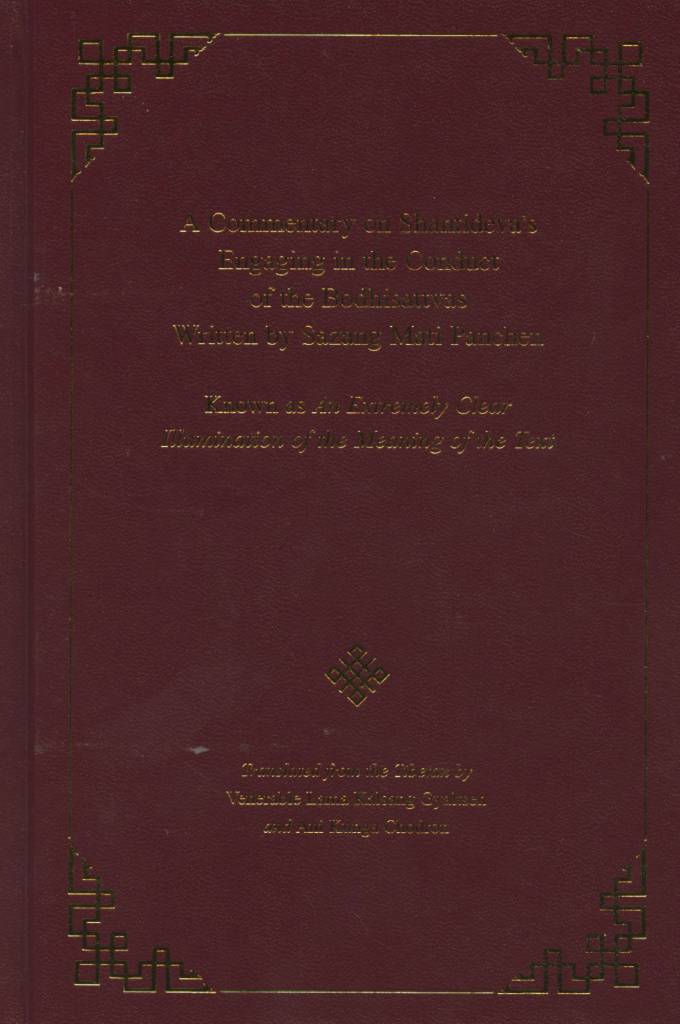
A Commentary on Shantideva's Engaging in the Conduct of the Bodhisattvas (citation)Gyaltsen, Lama Kalsang, and Ani Kunga Chodron, trans. A Commentary on Shantideva's Engaging in the Conduct of the Bodhisattvas Written by Sazang Mati Panchen: Known as An Extremely Clear Illumination of the Meaning of the Text. Walden, NY: Tsechen Kunchab Ling, 2019. Bilingual Edition

གང་ལས་པགས་པའི་ཁ་ཕྱེ་ན། །

འཇིགས་པ་ཆེན་པོ་སྐྱེ་འགྱུར་བ། ། ཤེས་ཀྱང་ཇི་ལྟར་དེ་ཉིད་ལ། །

ཕྱིར་ཞིང་དགའ་བ་སྐྱེ་བར་འགྱུར། །

gang las pags pa'i kha phye na/_/

'jigs pa chen po skye 'gyur ba/_/ shes kyang ji ltar de nyid la/_/

phyir zhing dga' ba skye bar 'gyur/_/

When the skin is peeled away,

Great fear will arise. Even knowing that,

Why does joy in it still arise?

ལུས་གང་ལས་པགས་པའི་ཁ་ཕྱེ་ན༵་ཁྲག་དང་ནང་ཁྲོལ་དང་ཕྱི་ས་ལ་སོགས་པ་མཐོང་ནས་འཇིགས་པ་ཆེན་པོ་སྐྱེ་བར་འགྱུར་བ༵ར་ཤེས་ཀྱང་ཇི་ལྟར་ལུས་དེ་ཉིད་ལ༵་འཇིགས་པར་མི་བྱེད་པར་ཕྱིར་ཞིང་ངོམས་པ་མེད་པའི་དགའ་བ་སྐྱེ་བར་འགྱུ༵ར་བ་ནི་ཤིན་ཏུ་འཁྲུལ་བའོ། །

If the skin of the body is opened, and the blood, internal organs, feces, and the like are seen, one knows how terrifying it would be. Then why not be afraid of that same body? How can insatiable joy still arise? It is extremely deluded.
Gyaltsap Je (1364 - 1432)
The Entrance for the Children of the Conquerors (citation)Stracke, Fedor, trans. The Entrance for the Children of the Conquerors: A Commentary on the Introduction to the Actions of Bodhisattvas. By Gyaltsab Rinpoche. N.p.: Happy Monks Publication, 2016. https://happymonkspublication.org/product/bodhisattvacharyavatara-chapter-1-10-commentary/. Bilingual Edition

གཉིས་པ་ནི།

If One Is Attached to It, then It Is Suitable to Be Also Attached to the Body in the Cemetery 1.1.2.2.1.2.2.2.4.2

གང་ལས་པགས་པའི་ཁ་ཕྱེ་ན། །

འཇིགས་པ་ཆེན་པོ་སྐྱེ་འགྱུར་བ། ། ཤེས་ཀྱང་ཇི་ལྟར་དེ་ཉིད་ལ། །

ཕྱིར་ཞིང་དགའ་བ་སྐྱེ་བར་འགྱུར། །
gang las pags pa'i kha phye na/_/

'jigs pa chen po skye 'gyur ba/_/ shes kyang ji ltar de nyid la/_/

phyir zhing dga' ba skye bar 'gyur/_/

Although one knows that

If the skin of the body is opened One will generate great fear,

One continues to repeatedly delight in it.

གལ་ཏེ་ད་ལྟར་གྱི་ལུས་མི་གཙང་བ་འདི་འདྲ་བ་མངོན་སུམ་དུ་གྱུར་ཀྱང་གཙང་ངམ་སྙམ་དུ། ཐེ་ཚོམ་ཟ་ན་དུར་ཁྲོད་དག་ཏུ་བོར་བའི་ལུས་མི་གཙང་བ་གཞན་ཡང་བལྟ་བར་གྱིས་དང་། ལུས་གང་ལས་པགས་པའི་ཁ་ཕྱེ་ན་འཇིགས་པ་ཆེན་པོ་སྐྱེ་བར་འགྱུར་བར་ཤེས་ཀྱང་ཇི་ལྟར་རང་དང་བུད་མེད་ཀྱི་ལུས་དེ་ཉིད་ལ་[p.307]Spyod 'jug rtsa 'grel (Mtsho sngon mi rigs dpe skrun khang 2001)
Śāntideva, and Rgyal tshab rje dar ma rin chen. Spyod 'jug rtsa 'grel and Byang chub sems dpa'i spyod pa la 'jug pa'i rnam bshad rgyal sras 'jug ngogs. Xining: Mtsho sngon mi rigs dpe skrun khang, 2001
ཕྱིར་ཞིང་ཡང་དང་ཡང་དུ་དགའ་བ་སྐྱེ་བར་འགྱུར་བ་མི་རིགས་པས། དུར་ཁྲོད་ཀྱི་རོ་དང་མཚུངས་པར་བསམས་ནས་ཆགས་པ་སྤང་བར་བྱའོ། །

If one has doubts and thinks this body may be pure even though it is manifestly impure, then one should look at other bodies that have been discarded at the cemetery. Although one knows that once the body’s skin is open it is very frightening, one continues to repeatedly take delight in one’s own and women’s bodies. This is unsuitable. One should abandon attachment by viewing one’s body as equal to the corpse in the cemetery.
Minyak Kunzang Sönam (1823 - 1905)
The Great Hūṃ (citation)Duckworth, Douglas, trans. The Great Hūṃ: A Commentary on Śāntideva's Way of the Bodhisattva. By Minyak Kunzang Sönam. New York, NY: Wisdom Publications, 2025. Bilingual Edition

མི་གཙང་བར་གྲུབ་ཀྱང་ཐེ་ཚོམ་ཟ་ན་དཔེས་བསྟན་པ་ནི།

Next gives an example for those who have doubts about the body being foul even while it is established to be so:

གང་ལས་པགས་པའི་ཁ་ཕྱེ་ན། །

འཇིགས་པ་ཆེན་པོ་སྐྱེ་འགྱུར་བ། ། ཤེས་ཀྱང་ཇི་ལྟར་དེ་ཉིད་ལ། །

ཕྱིར་ཞིང་དགའ་བ་སྐྱེ་བར་འགྱུར། །
While knowing that it produces horror

when you peel back the skin, how is it that you again

are attracted to this? (8.64)

ག་བུར་དང་གུར་ཀུམ་ལ་སོགས་པའི་སྨན་ཤིན་ཏུ་གཙང་ཞིང་ཡིད་དུ་འོང་བ་དང་འབྲས་ས་ལུ་སོགས་བཙོས་པའི་འབྲས་ཆན་བཟང་པོ་དག་[p.511]Byang chub sems dpa'i spyod pa la 'jug pa'i 'grel bshad rgyal sras rgya mtsho'i yon tan rin po che mi zad 'jo ba'i bum bzang
Mi nyag kun bzang bsod nams (མི་ཉག་ཀུན་བཟང་བསོད་ནམས་). byang chub sems dpa'i spyod pa la 'jug pa'i 'grel bshad rgyal sras rgya mtsho'i yon tan rin po che mi zad 'jo ba'i bum bzang [བྱང་ཆུབ་སེམས་དཔའི་སྤྱོད་པ་ལ་འཇུག་པའི་འགྲེལ་བཤད་རྒྱལ་སྲས་རྒྱ་མཚོའི་ཡོན་ཏན་རིན་པོ་ཆེ་མི་ཟད་འཇོ་བའི་བུམ་བཟང།]. [Excellent Vase That Spills Forth an Ocean of the Inexhaustible and Precious Qualities of the Victor's Heirs: An Explanation of the "Way of the Bodhisattva."].
གམ་སྔོ་ལ་སོགས་པའི་ཚོད་མའང་རུང་བཟའ་བཅའ་གཙང་ཞིང་བཟང་བ་ཟ་འདོད་པ་རྣམས་ཀྱང་ལན་ཅིག་ཙམ་ཁར་བཅུག་སྟེ་དེ་ནས་སླར་ཕྱིར་ཕྱུང་སྟེ་བོར་བ་ཡིས་ཟས་དང་སྨན་ཁོ་རང་ལྟ་ཞོག་ས་གཞི་གཙང་མ་ཡང་ངན་སྐྱུགས་ཀྱིས་གོས་པས་མི་གཙང་ཞིང་བཙོག་པར་བྱེད་པར་འགྱུར་བ་ཡིན་ན་དེ་ལྟར་མི་གཙང་བར་བྱེད་པས་ལུས་རང་ཉིད་ཀྱི་ངོ་བོ་མི་གཙང་བར་གྲུབ་པ་ལྟ་ཅི་སྨོས་པས་དེ་ལ་ཆགས་པར་མི་རིགས་སོ་ཞེས་དེའི་བྱེད་ལས་ལས་ཀྱང་ལུས་དེ་ཉིད་མི་གཙང་བར་མངོན་སུམ་དུ་གྲུབ་པར་བསྟན་ལ།

You may put beautiful and extremely clean medicines in your mouth, such as camphor and saffron, or put some delicious and clean food in your mouth that you want to eat, like fine cooked rice or green vegetables, yet when you spit them out again, not just the medicine and food but even the clean ground becomes covered in something disgusting. Given that it becomes filthy in this way, it is needless to mention that the nature of your own body is foul. So it does not make sense to be attached to it. This establishes, in terms of function as well, that the body itself is obviously foul.

གལ་ཏེ་དེ་ལྟར་རྒྱུ་ངོ་བོ་འབྲས་བུ་བྱེད་ལས་སོགས་ཀྱི་སྒོ་ནས་ལུས་མི་གཙང་བའི་རང་བཞིན་དུ་གྱུར་པ་འདི་འདྲ་བ་མངོན་སུམ་དུ་མཐོང་བར་གྱུར་ཀྱང་ད་དུང་མི་གཙང་བ་ཡིན་ནམ་མིན་སྙམ་དུ་ཡིད་མི་ཆེས་ཤིང་ཐེ་ཚོམ་ཟ་ན་དེའི་ཚེ་དུར་ཁྲོད་དག་ཏུ་བོར་བའི་ལུས་རྣམ་པར་སྡོས་པ་རྣམ་པར་བམ་པ་རྣམ་པར་གནག་པ་རྣམ་པར་འབུས་གཞིག་པ་རྣམ་པར་ཟོས་པ་སོགས་རུལ་ཞིང་མི་གཙང་བར་གྱུར་པ་ཤིན་ཏུ་འཇིགས་སུ་རུང་བའི་རོ་གཞན་ལ་ཡང་བལྟ་བར་གྱིས་ལ་ད་ལྟའི་རང་གི་ལུས་དང་ཆགས་ཡུལ་བུད་མེད་སོགས་ཀྱི་ལུས་ཀྱང་འདི་ལྟ་བུའི་རང་བཞིན་ཅན་འདི་ལྟ་བུའི་ཆོས་ཅན་ཆོས་ཉིད་འདི་ལས་མ་འདས་པའོ་ཞེས་སོ་སོར་རྟོག་པའི་ཤེས་རབ་ཀྱིས་བརྟག་པར་བྱའོ། །

Even while it is directly seen that the body has this kind of foul nature, in terms of its cause, essence, effect, and function, if you are still not convinced and have doubts about whether or not it is foul, then go to a charnel ground. Look at other bodies that have been tossed out, frightful corpses that are rotten and foul—blue, bloated, festering, worm-ridden, and infested. You should investigate with discerning insight how your own body, right now, and the body that is the object of your desire (for example, a female body), has this nature, is subject to this, and is not beyond this basic nature.

དེ་ལྟར་བལྟས་ཏེ་བརྟགས་ཀྱང་དགེ་སློང་ཆགས་པ་ཅན་གྱིས་བུད་མེད་ཀྱི་རོ་དུར་ཁྲོད་དུ་བོར་བའི་མཚན་མ་འབུས་གཞིག་པ་མཐོང་བས་ཆགས་པ་སྐྱེས་པ་ལྟར་སླར་ལ་ཆགས་པ་སྐྱེ་བར་མི་འགྱུར་རམ་སྙམ་ན། དེ་ནི་མི་རིགས་ཏེ། དེ་ལྟ་བུའི་ལུས་གཅེར་བུ་མི་སྡུག་པ་གང་ལས་པགས་པའི་ཁ་ཕྱེ་སྟེ་བཤུས་པའི་རོ་དམར་པོ་དང་ཁྲག་དང་ནང་ཁྲོལ་སོགས་མི་གཙང་བ་སྐྱུག་བྲོ་བ་རྣམས་རིམ་པར་མཐོང་བ་ན་བལྟ་མི་འདོད་པར་འཇིགས་པ་ཆེན་པོ་སྐྱེ་བར་འགྱུར་བར་ཤེས་ཀྱང་ཇི་ལྟར་ན་འཇིགས་སུ་རུང་བའི་ལུས་དེ་ཉིད་ལ་མི་འཇིགས་པར་ཕྱིར་ཞིང་སྟེ་སླར་ཡང་དང་ཡང་དུ་ཆགས་ཤིང་དགའ་བ་སྐྱེ་བར་འགྱུར་བ་ནི་ཤིན་ཏུ་མི་རིགས་པའོ། །དེས་ན་རང་དང་ཆགས་ཡུལ་བུད་མེད་སོགས་ཀྱི་ལུས་དེ་ཉིད་དུར་ཁྲོད་ཀྱི་རོ་དང་འདྲ་བར་བལྟས་ནས་ཆགས་པ་དགག་པར་བྱའོ། །དཔས་བྱིན་གྱིས་ཞུས་པར།

You might think, “Even when seeing in this way upon investigation, won’t desire arise again, as in the case of a lustful monk who has desire when seeing the features of a worm-ridden corpse of a woman thrown into a cemetery?”[p.733]The Great Hum
Duckworth, Douglas, trans. The Great Hūṃ: A Commentary on Śāntideva's Way of the Bodhisattva. By Minyak Kunzang Sönam. New York, NY: Wisdom Publications, 2025.
This is unreasonable. When you peel back the skin of this ugly naked body and progressively see what is filthy and disgusting of this skinned red corpse, like the blood and entrails, you will not want to look and will become frightened. While knowing this, how will you not be terrified again by this frightening body? It makes no sense that you will desire and become attached to this body over and over again. Therefore you should put an end to attachment by seeing your own body and bodies that are the objects of your desire, [480] like women’s bodies, as like the corpses in a charnel ground. The Inquiry of Vīradatta states:

བྱང་ཆུབ་སེམས་དཔས་ལུས་འདིའི་ཐོག་མ་དང་ཐ་མའི་རྒྱུ་ལ་སོ་སོར་བརྟག་པར་བྱའོ། །ཕ་མའི་ཁུ་ཆུ་དང་ཁྲག་འདྲེས་པ་ལས་འབྱུང་སྟེ། ལུས་འདི་ལ་ཁུ་ཆུ་དང་ཁྲག་ནི་ལུས་ཀྱི་ཐོག་མའི་རྒྱུ་ཡིན་ནོ། །ཐ་མའི་རྒྱུ་ནི་ཟས་འཇུ་བ་ལ་སོགས་པ་སྟེ་ཁམ་གྱི་བཟའ་བའི་ཟས་ཟོས་མ་ཐག་ཏུ་བད་ཀན་གྱི་གནས་སུ་འགྲོའོ། །བད་ཀན་གྱི་གནས་སུ་ཕྱིན་ནས་བད་ཀན་གྱིས་རྐྱང་རྐྱང་སོགས་བྱས་ཏེ་ཤིན་ཏུ་མི་གཙང་བར་འགྱུར་རོ། །དེའི་འོག་ཏུ་མཁྲིས་པའི་གནས་སུ་འགྲོ་སྟེ་

A bodhisattva should investigate with discernment the initial and final causes of this body. It comes from the mixing of a father’s semen and a mother’s blood. The initial cause of this body is the semen and blood. Its final cause is like this: when food is digested, the food that was taken into the mouth immediately goes through a place of phlegm. After becoming totally covered in phlegm, it becomes completely foul. Then it goes where there is bile . . . 1345Inquiry of the Householder Vīradatta, 1.22, 344b–345a.

ཞེས་སོགས་དང་།

And,

འདི་ལྟར་མི་གཙང་ཕུང་པོའི་ལུས་ལ་ནི། །

གཟུགས་[p.512]Byang chub sems dpa'i spyod pa la 'jug pa'i 'grel bshad rgyal sras rgya mtsho'i yon tan rin po che mi zad 'jo ba'i bum bzang
Mi nyag kun bzang bsod nams (མི་ཉག་ཀུན་བཟང་བསོད་ནམས་). byang chub sems dpa'i spyod pa la 'jug pa'i 'grel bshad rgyal sras rgya mtsho'i yon tan rin po che mi zad 'jo ba'i bum bzang [བྱང་ཆུབ་སེམས་དཔའི་སྤྱོད་པ་ལ་འཇུག་པའི་འགྲེལ་བཤད་རྒྱལ་སྲས་རྒྱ་མཚོའི་ཡོན་ཏན་རིན་པོ་ཆེ་མི་ཟད་འཇོ་བའི་བུམ་བཟང།]. [Excellent Vase That Spills Forth an Ocean of the Inexhaustible and Precious Qualities of the Victor's Heirs: An Explanation of the "Way of the Bodhisattva."].
མངོན་ང་རྒྱལ་ཅན་གང་གུས་བྱེད་པ། ། བྱིས་པའི་བློ་ཅན་དེ་ནི་མངོན་བཞིན་དུ། །

མི་ཤེས་ངན་སྐྱུགས་བུམ་པ་ཐོགས་ཤིང་འགྲོ། །

In this way the body of unclean aggregates
is revered by those with pride in forms.
Those with immature minds, without evidently knowing,
take up this pot of vomit.

དེ་ཡི་སྣ་ནས་རྣག་ནི་རྣམ་པར་འཛག །

ཁ་ནས་དྲི་མི་ཞིམ་པ་རྟག་ཏུ་འབྱུང་། ། མིག་རྡུ་ཆགས་ཤིང་སྐྱེ་བོའི་སྲིན་བུ་ཅན། །

དེ་ལ་སུ་ཞིག་ཆགས་ཤིང་གུས་པར་བྱེད། །

The nose drips with mucus and
the mouth constantly emits a foul odor.
The eyes form grime and the body is filled with worms.
Who would desire this and revere it?1346Inquiry of the Householder Vīradatta, 1.25–26, 345b–346a. Cited in Śāntideva, Anthology of Training, 129b; English trans. in Goodman, The Training Anthology of Śāntideva, 224.

ཅེས་སོགས་དང༌། རིན་པོ་ཆེའི་ཕུང་པོའི་མདོ་ལས། ཤཱ་རིའི་བུ་བུད་མེད་ལ་བསྟེན་པ་དང་བསྙེན་པས་ཆོག་གོ །བུད་མེད་ཀྱི་ལུས་ཕྱི་ས་དང་མཆིལ་མས་ཡོངས་སུ་གང་བ་དེ་ལ་སུ་ཞིག་དག་སྟེ། དེ་དག་ནི་འཇིག་རྟེན་གྱི་ཁྱི་རོ་རུལ་བ་དང་འདྲ་བར་སྨད་པར་བྱ་བ་ཡིན་ནོ་ཞེས་སོགས་གསུངས་

Also, the Heap of Jewels says: “Śāriputra, they approach and consort with women; so be it, but a woman’s body is full of excrement and saliva—who would want it? They are like the rotting corpses of dogs in this world; they are to be reviled.”1347This passage is found in the Dharma Heap Sūtra (Dharmaskandhasūtra, H. 246), 47b.
Kunzang Palden (1862 - 1943)
The Nectar of Manjushri's Speech (citation)Blankleder, Helena, and Wulstan Fletcher (Padmakara Translation Group), trans. The Nectar of Manjushri's Speech: A Detailed Commentary on Shantideva's Way of the Bodhisattva. By Kunzang Pelden. Boston: Shambhala Publications, 2007. Bilingual Edition

གང་ལས་པགས་པའི་ཁ་ཕྱེ་ན། །

འཇིགས་པ་ཆེན་པོ་སྐྱེ་འགྱུར་བ། ། ཤེས་ཀྱང་ཇི་ལྟར་དེ་ཉིད་ལ། །

ཕྱིར་ཞིང་དགའ་བ་སྐྱེ་བར་འགྱུར། །

gang las pags pa'i kha phye na/_/

'jigs pa chen po skye 'gyur ba/_/ shes kyang ji ltar de nyid la/_/

phyir zhing dga' ba skye bar 'gyur/_/

འདི་ལྟར་དུར་ཁྲོད་དུ་བོར་བའི་བུད་མེད་ཀྱི་ལུས་གང་ལས་པགས་པའི་ཁ་ཕྱེ་སྟེ་བཤུས་པ་ན་ཁྲག་དང་ནང་ཁྲོལ་གཤང་པ་ལ་སོགས་པའི་དྲི་ང་ཞིང་སྐྱུག་བྲོ་བར་མཐོང་ནས་འཇིགས་པ་ཆེན་པོ་སྐྱེ་བར་འགྱུར་བར་ཤེས་ཀྱང་ཇི་ལྟར་ལུས་དེ་ཉིད་ལ་འཇིགས་པར་མི་བྱེད་པར་མ་ཟད་ཕྱིར་ཞིང་ངོམས་པ་མེད་པའི་དགའ་བ་ཅི་ཕྱིར་སྐྱེ་བར་འགྱུར་ཏེ་འགྱུར་མི་རིགས་སོ། །

When their skins are peeled away,

You feel great horror and revulsion. Now that you have understood,

How can you still take joy in such a thing?

If we were to peel away the skin from the corpses abandoned there, seeing the revolting, stinking blood, intestines, excremental discharges, and so on, we would feel great horror and repulsion. We are perfectly aware of this. Yet how is it that we are still not apprehensive of this body? How can we still crave and desire it without ever being satisfied?


[edit]
[edit]