8.26

From Bodhicitta

Bodhicaryāvatāra · Verse 8.26


Sources:    

Sanskrit §No information about the source used.

शून्यदेवकुले स्थित्वा वृक्षमूले गुहासु वा। कदानपेक्षो यास्यामि पृष्ठतोऽनवलोकयन्॥

 
Chanted Verse
Recitation by Professor Kashinath Nyaupane
27

When will I go, free of worries, without looking back, to live under a tree, in an abandoned temple, or in a cave?

Standard Tibetan §Padmakara used the 1990 edition printed by si khron mi rigs dpe skrun khang: Byang chub sems dpa'i spyod pa la 'jug pa rtsa ba dang 'grel pa (1990). Also found in Derge Tengyur D3871, dbu ma, vol. 105, la 1b1–40a7.

ཕུག་གམ་ལྷ་ཁང་སྟོང་པའམ། །

ལྗོན་ཤིང་དྲུང་དུ་གནས་བཅས་ཏེ། ། ནམ་ཞིག་རྒྱབ་ཏུ་མི་བལྟ་ཞིང་། །

ཆགས་པ་མེད་པར་འགྱུར་ཞིག་གུ། །

 
Chanted Verse
Recitation by Lopen Karma Phuntsho
26

When shall I depart to make my home

In cave or empty shrine or under spreading tree, With, in my breast, a free, unfettered heart,

Which never turns to cast a backward glance?

Standard Tibetan §Padmakara used the 1990 edition printed by si khron mi rigs dpe skrun khang: Byang chub sems dpa'i spyod pa la 'jug pa rtsa ba dang 'grel pa (1990). Also found in Derge Tengyur D3871, dbu ma, vol. 105, la 1b1–40a7. - Other translations

Quand m’en irai-je sans un regard en arrière,

Le cœur libre de tout attachement, Pour m’établir dans une grotte, un temple vide

Ou au pied d’un arbre ?

¿Cuándo podré habitar en una cueva,

un templo vacío o bajo un gran árbol, libre de cualquier apego

y no volver ya nunca la mirada atrás?

La Práctica del Bodisatva-front.jpg
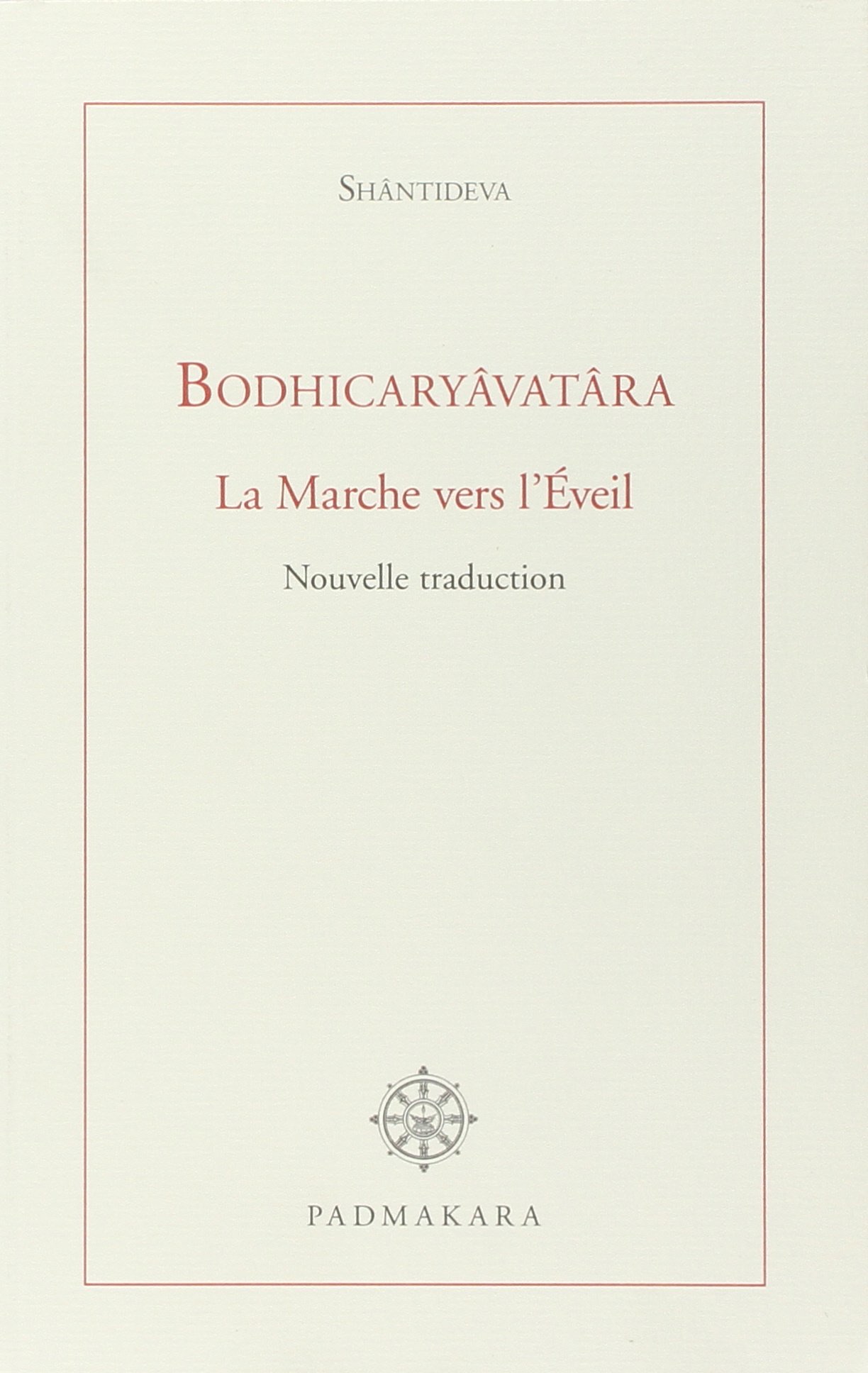
Padmakara Spain 2008

Abiding in a cave, empty temple

Or abiding at the foot of a tree, When will I not look back

And be without attachment?

When shall I have the chance to become detached,

Never looking back, Dwelling among the trees,

Empty shrines, and caves?

shift + scroll / swipe
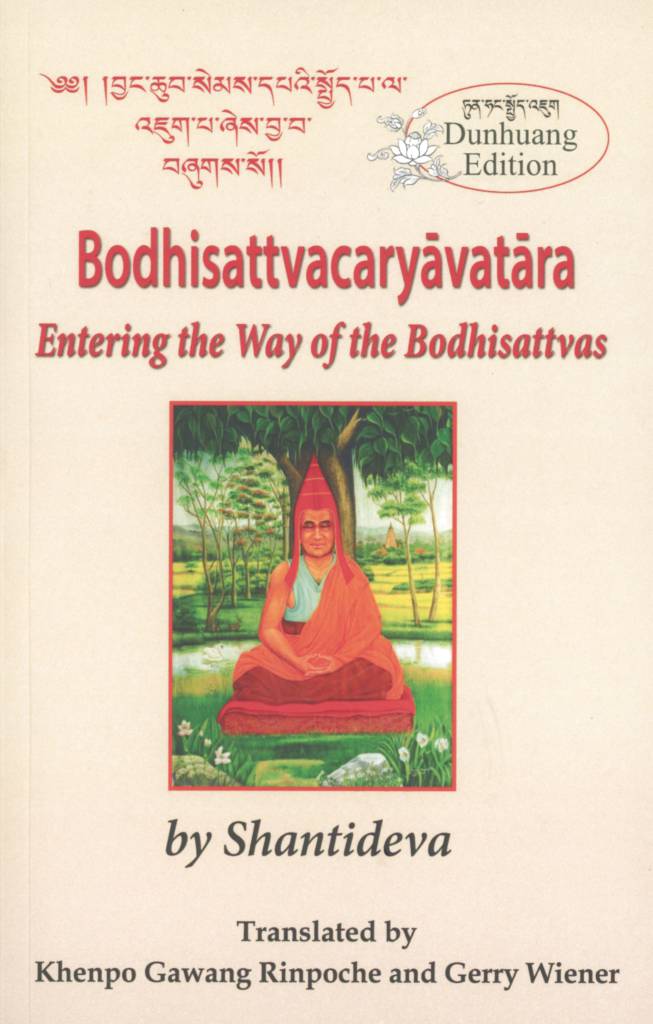
Dūnhuáng §This version is extracted from the book Bodhisattvacaryāvatāra: Entering the Way of the Bodhisattvas (2022, Khenpo Gawang and Wiener), a translation of an edition of the text created from three Dūnhuáng manuscripts. A description and sample pages of these can be found on the Early Tibet Blog. Scans of the actual manuscripts themselves can be found at http://idp.bl.uk

ཕུག་གམ་ལྷ་གང་སྟོང་པ་འམ། །

ལྗོན་ཤིང་དྲུང་དུ་གནས་བཅས་སྟེ། ། ནམ་ཞིག་རྒྱབ་དུ་མི་ལྟ་ཞིང༌། །

ཆགས་པ་མེད་པར་འགྱུར་ཞིག་གུ །

alt verse 7.22 tm data
This version differs from it's counterparts.

May I dwell in caves, emptied places of worship,

And under trees. May there be a time when I do not look back

And am free from attachments.

Tsadra Critical Edition §This text was created by comparing four versions of the text from Derge, Cone, Narthang, and Peking Tengyurs from BDRC scans, along with Dunhuang manuscripts IOL Tib J 628, 629, and 630. When Tibetan readings were problematic, the Sanskrit texts from GRETIL and LTB (Oslo) were consulted.

ཕུག་གམ་ལྷ་ཁང་སྟོང་པའམ། །

ལྗོན་[p.105-1-24a]ཤིང་དྲུང་དུ་གནས་བཅས་ཏེ། ། ནམ་ཞིག་རྒྱབ་ཏུ་མི་ལྟ་ཞིང་། །

ཆགས་པ་མེད་པར་འགྱུར་ཞིག་གུ། །

[edit]
Sazang Mati (1294 - 1376)
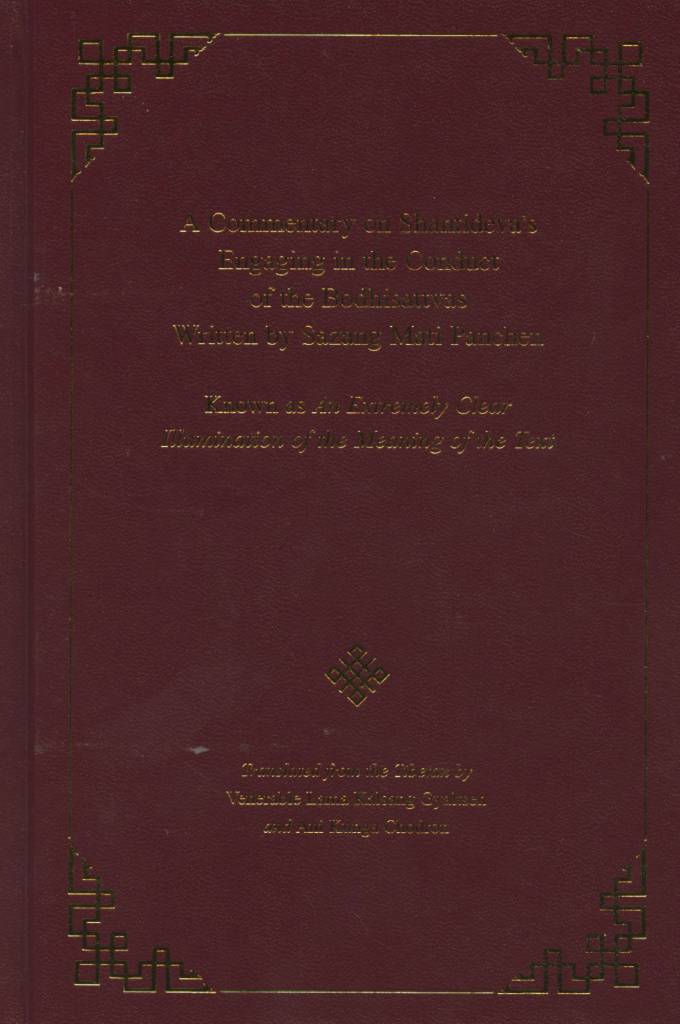
A Commentary on Shantideva's Engaging in the Conduct of the Bodhisattvas (citation)Gyaltsen, Lama Kalsang, and Ani Kunga Chodron, trans. A Commentary on Shantideva's Engaging in the Conduct of the Bodhisattvas Written by Sazang Mati Panchen: Known as An Extremely Clear Illumination of the Meaning of the Text. Walden, NY: Tsechen Kunchab Ling, 2019. Bilingual Edition

(གཉིས་པ་)རང་དབང་ཐོབ་པ་གནས་ཀྱི་ཡོན་ཏན་བསམ་པ་ནི།

2. Think of the good qualities of the places where freedom is attained 1.2.2.1.2.2.1.2

ཕུག་གམ་ལྷ་ཁང་སྟོང་པའམ། །

ལྗོན་ཤིང་དྲུང་དུ་གནས་བཅས་ཏེ། ། ནམ་ཞིག་རྒྱབ་ཏུ་མི་བལྟ་ཞིང་། །

ཆགས་པ་མེད་པར་འགྱུར་ཞིག་གུ། །

phug gam lha khang stong pa'am/_/

ljon shing drung du gnas bcas te/_/ nam zhig rgyab tu mi blta zhing /_/

chags pa med par 'gyur zhig gu/_/

When shall I have the chance to become detached,

Never looking back, Dwelling among the trees,

Empty shrines, and caves?

མི་གཞན་མེད་པའི་ས་ཕུག་གམ་བྲག་ཕུག་གམ་རི་ཕུག་ལ་སོགས་པའམ་ལྷ་ཁང་སྟོང་པ་བདག་གིར་བཟུང་བ་མེད་པའ༵མ་ལྗོན་ཤིང་ཡིད་དུ་འོང་བའི་དྲུང་དུ་ཇི་ལྟར་འདོད་པའི་འདུག་གནས་བཅས་ཏེ༵་དུས་[p.-250]རབ་གསལ་སྣང་བ་
ནམ་ཞིག་ན་འདུ་འཛིའི་བྱ་བ་ལ་རྒྱབ་ཏུ་མི་ལྟ་ཞི༵ང་རྣམ་གཡེང་ལ་ཆགས་པ་མེད་པར་གནས་པར་འགྱུར་ཞིག་གུ༵་སྟེ་དེ་ལྟར་གྱུར་ཅིག་སྙམ་དུ་སྨོན་པའོ། །

Dwell without distraction, away from other busy people, in unowned rocky caves, mud huts, or deserted shrines, never looking back at busy projects. Aspire, “May I abide without attachment to distraction, and may it become like this.”
Gyaltsap Je (1364 - 1432)
The Entrance for the Children of the Conquerors (citation)Stracke, Fedor, trans. The Entrance for the Children of the Conquerors: A Commentary on the Introduction to the Actions of Bodhisattvas. By Gyaltsab Rinpoche. N.p.: Happy Monks Publication, 2016. https://happymonkspublication.org/product/bodhisattvacharyavatara-chapter-1-10-commentary/. Bilingual Edition

གཉིས་པ་ནི།

Distinction of Place 1.1.2.1.2.4.2

ཕུག་གམ་ལྷ་ཁང་སྟོང་པའམ། །

ལྗོན་ཤིང་དྲུང་དུ་གནས་བཅས་ཏེ། ། ནམ་ཞིག་རྒྱབ་ཏུ་མི་བལྟ་ཞིང་། །

ཆགས་པ་མེད་པར་འགྱུར་ཞིག་གུ། །
phug gam lha khang stong pa'am/_/

ljon shing drung du gnas bcas te/_/ nam zhig rgyab tu mi blta zhing /_/

chags pa med par 'gyur zhig gu/_/

Abiding in a cave, empty temple

Or abiding at the foot of a tree, When will I not look back

And be without attachment?

གནས་བྲག་དང་སའི་ཕུག་གམ་ལྷ་ཁང་སྟོང་བའམ་ལྗོན་ཤིང་གི་དྲུང་དུ་ཇི་སྲིད་འདོད་པར་གནས་བཅས་ཏེ་ཁྱིམ་ལ་སོགས་པ་སྔར་སྤངས་པ་དེ་དག་ཕྱིར་ལེན་པར་མི་འདོད་པས་ན་ནམ་ཞིག་རྒྱབ་ཏུ་མི་བལྟ་ཞིང་། དེ་དག་ལ་ཆགས་པ་མེད་པར་ནམ་ཞིག་འགྱུར་ཞིག་གུ་སྙམ་དུ་སྨོན་པར་བྱའོ། །

Abide as you desire in a cave, empty temple or at the foot of a tree. Having abandoned the family home and not wishing to take it back, generate the wish thinking, “When shall I abide in solitude without attachment and not look back?”

ས་ཕྱོགས་གཞན་གྱིས་བདག་གིར་བཟུང་བ་མེད་པ་རང་བཞིན་གྱིས་ནི་ཡངས་པ་རྣམས་སུ་རང་དབང་དུ་སྤྱོད་ཅིང་ལུས་ལོངས་སྤྱོད་གང་ལ་ཡང་ང་ཆགས་ཆགས་པ་མེད་པར་ནམ་ཞིག་བདག་ནི་གནས་པར་འགྱུར་སྙམ་དུ་སྨོན་པར་བྱའོ། །

Generate the wish, thinking, “When can I act independently in naturally wide open places not held by someone else as ‘mine’, and become unattached to body and enjoyments.”
Minyak Kunzang Sönam (1823 - 1905)
The Great Hūṃ (citation)Duckworth, Douglas, trans. The Great Hūṃ: A Commentary on Śāntideva's Way of the Bodhisattva. By Minyak Kunzang Sönam. New York, NY: Wisdom Publications, 2025. Bilingual Edition

གནས་ཀྱི་ཡོན་ཏན་གྱི་ཁྱད་པར་ནི།

Next it shows the distinctive qualities of place:

ཕུག་གམ་ལྷ་ཁང་སྟོང་པའམ། །

ལྗོན་ཤིང་དྲུང་དུ་གནས་བཅས་ཏེ། ། ནམ་ཞིག་རྒྱབ་ཏུ་མི་བལྟ་ཞིང་། །

ཆགས་པ་མེད་པར་འགྱུར་ཞིག་གུ། །
In a cave, an abandoned temple,

or at the foot of a tree— when will I be able to remain without attachments,

without looking back? (8.26)

དེར་ས་ཕུག་གམ་བྲག་ཕུག་ལ་སོགས་པའི་གནས་དང་མི་སོགས་གཞན་གྱིས་བདག་གིར་བཟུང་བ་མེད་པའི་ལྷ་ཁང་སྟོང་པའམ་ཡིད་དུ་འོང་བའི་ལྗོན་ཤིང་སྡོང་བོ་ཡལ་ག་རྒྱས་པའི་དྲུང་དུ་ཡུན་རིང་ཐུང་ཇི་ཙམ་སྡོད་ཀྱི་བར་དུ་ཇི་ལྟར་འདོད་པའི་འདུག་གནས་བཅས་ཏེ་དུས་ནམ་ཞིག་ན་སྔ་ནས་བློས་བཏང་ཟིན་པའི་ཁྱིམ་དང་ཉེ་དུ་དང་འདུ་འཛིའི་བྱ་བ་རྣམས་སླར་བློས་མི་ཐོང་བར་ཕྱིར་ལེན་པར་འདོད་པ་ལྟ་བུའི་སྒོ་ནས་རྒྱབ་ཏུ་མི་ལྟ་ཞིང་དེ་དག་གང་ལའང་ལྟོས་པ་དང་ཆགས་པ་མེད་པར་གནས་པར་འགྱུར་ཞིག་གུ་སྙམ་དུ་ཡིད་ལ་སྨོན་པ་དང་ཞེས་པའམ། ཡང་དེར་གནས་བཅས་ནས་ནམ་ཞིག་འགྲོ་རན་པའི་ཚེ་གནས་མལ་སོགས་ལ་ཆགས་པས་རྒྱབ་ཏུ་མི་ལྟ་ཞིང་ཞེས་བཤད་པའང་ཡོད་དོ། །

There are dwellings where you can stay as long as you want, in places like caves of earth and rock, abandoned and unclaimed temples without people, as well as at the feet of beautiful trees with broad limbs. An aspiration is made in mind with the thought, “When will I stay there without looking back, without reaching again for the activities of worldly preoccupations, family, and homes that I previously renounced? When will I stay in these places without relying upon or being attached to anything?” Alternatively, it is also explained like this: “When will I stay in a place where I do not look back with attachment at the things there, such as the bed and so on, when it is time to leave.” [462]

རི་སུལ་དང་སྤང་གཤོངས་ལ་སོགས་པའི་ས་ཕྱོགས་མི་སོགས་གཞན་འགེགས་པར་བྱེད་པ་སུས་ཀྱང་བདག་གིར་གཟུང་བ་མེད་ཅིང་འབད་རྩོལ་གྱི་སྒོ་ནས་ཆེད་དུ་མ་བྱས་པ་རང་བཞིན་གྱིས་ནི་ཡངས་ཤིང་རྒྱ་ཆེ་བའམ་རང་བཞིན་གྱིས་བག་ཡངས་ལ་ཡིད་དགའ་བར་བྱེད་པའི་གནས་རྣམས་སུ། བྱ་བྱེད་གང་ལའང་གཞན་དབང་གི་འཇུག་པ་དང་བསྟུན་མི་དགོས་ཤིང་སུ་ལའང་རག་མ་ལས་པས། རང་དབང་། ཉིད་དུ་ཅི་བདེར་ལོངས་སྤྱོད་ཆོག་ཅིང་དེར་གནས་པའི་ཚེའམ་གཞན་དུ་འགྲོ་བའི་ཚེ་གནས་ཁང་དང་ཡོ་བྱད་སོགས་གང་ལའང་བདག་གིར་ཡོངས་སུ་གཟུང་བའི་སྒོ་ནས་ཆགས་ཤིང་ཞེན་པ་མེད་པར་དུས་ནམ་ཞིག་བདག་ནི་གཞན་གྱི་མིག་སྔར་བཅོས་མ་ཙམ་མ་ཡིན་པས་གནས་པར་འགྱུར་སྙམ་དུ་སྨོན་པའོ། །དེ་ལྟར་ནམ་མཁའ་མཛོད་ཀྱི་མདོར།

There are places like mountain ridges and grassy meadows without anyone or anything to create obstructions, places that are not owned and do not need to be cared for with effort; places that are naturally vast and open, or places of joy that are naturally carefree. In those places there is nothing that others make you do nor any need to conform with or rely upon anyone. With the freedom to do as you please, whether staying or going to another place, there is no attachment or fixation upon anything owned, like a dwelling or any possessions. This is the aspiration: “When will I stay in such a place where there is no contrivance at all in the presence of others?” Thus the Gaganagañja Sūtra says:[p.704]The Great Hum
Duckworth, Douglas, trans. The Great Hūṃ: A Commentary on Śāntideva's Way of the Bodhisattva. By Minyak Kunzang Sönam. New York, NY: Wisdom Publications, 2025.

ཁྱིམ་དང་བསྟེན་པ་ཀུན་སྤངས་ཏེ། །

དོན་ཉུང་བ་དང་བགྱིད་ཉུང་བ། ། བས་མཐའ་དགོན་པའི་སྤྱོད་ཡུལ་བ། །

རི་དྭགས་བཞིན་དུ་འགྱུར་བར་གྱིས། །

Give up a home and all dependents;
have little to do and few aims.
On the margins of solitary places
be like a wild animal.1303Cited in Śāntideva, Anthology of Training, 31b; English trans. in Goodman, The Training Anthology of Śāntideva, 50.

ཞེས་དང༌། ཏིང་རྒྱལ་ལས་ཀྱང༌།

The King of Meditative Stabilizations Sūtra says:

གང་དག་དགའ་དང་མི་དགའ་ཅུང་ཟད་མེད། །

དེ་དག་མི་ཡི་འཇིག་རྟེན་རྟག་རབ་བདེ། ། གང་དག་ནགས་དང་རི་སུལ་དགའ་བ་ནི། ། དགེ་སྦྱོང་ཉིད་ཀྱིས་རབ་བདེ་མྱོང་བར་འགྱུར། ། གང་ལ་རྟག་ཏུ་བདག་གིར་བྱེད་པ་མེད། ། གང་ལ་ཡོངས་འཛིན་རྣམ་པ་ཀུན་ཏུ་མེད། ། བསེ་རུ་ལྟ་བུར་འཇིག་རྟེན་འདིར་གནས་པ། །

དེ་དག་ནམ་མཁའ་ལ་ནི་རླུང་ལྟར་འགྲོ། །

Those with no likes or dislikes
are always happy in the world of humans.
Those who delight in the wilderness and on mountain ridges
will experience the bliss of practicing virtue.
Those who never own anything and
never cling to anything
remain in the world like a rhinoceros
and move through space like the wind.1304See King of Meditative Stabilizations Sūtra, 111a. Cited in Śāntideva, Anthology of Training, 109a; English trans. in Goodman, The Training Anthology of Śāntideva, 191. Kunzang Sönam appears to cite the version from the Anthology of Training, which varies slightly from the wording in the sūtra.

ཞེས་སོགས་མང་དུ་གསུངས་ལ། སོ་ཐར་ལས་ཀྱང་།

There is a lot that is said. The Pratimokṣa Sūtra says:

མང་དུ་ཐོས་པ་ནགས་ཀྱི་ནང་དག་ཏུ། ། ལང་ཚོ་[p.493]Byang chub sems dpa'i spyod pa la 'jug pa'i 'grel bshad rgyal sras rgya mtsho'i yon tan rin po che mi zad 'jo ba'i bum bzang
Mi nyag kun bzang bsod nams (མི་ཉག་ཀུན་བཟང་བསོད་ནམས་). byang chub sems dpa'i spyod pa la 'jug pa'i 'grel bshad rgyal sras rgya mtsho'i yon tan rin po che mi zad 'jo ba'i bum bzang [བྱང་ཆུབ་སེམས་དཔའི་སྤྱོད་པ་ལ་འཇུག་པའི་འགྲེལ་བཤད་རྒྱལ་སྲས་རྒྱ་མཚོའི་ཡོན་ཏན་རིན་པོ་ཆེ་མི་ཟད་འཇོ་བའི་བུམ་བཟང།]. [Excellent Vase That Spills Forth an Ocean of the Inexhaustible and Precious Qualities of the Victor's Heirs: An Explanation of the "Way of the Bodhisattva."].
ཡོལ་བ་རྣམས་ཀྱིས་གནས་པ་བདེ། །

Learned ones staying in the wilderness
grow old in happiness.1305Prātimokṣa Sūtra, 3b.

ཞེས་སོ། །བརྒྱད་སྟོང་པ་སོགས་སུ་ཕྱིའི་དབེན་པ་བཀག་པ་ནི་ཐེག་དམན་དུ་ལྟུང་བ་དགག་པའི་ཆེད་ཡིན་ལ་འདི་ལས་དང་པོ་བ་ཆགས་སྲེད་འཇོམས་པའི་ཕྱིར་གསུངས་པ་ཡིན་པས་མི་འགལ་ཞེས་དགེ་ལྷ་གསུང་ངོ༌། །

Kalyāṇadeva says that texts like the Perfection of Wisdom in Eight Thousand Verses prohibit external isolation for the purpose of preventing a fall to the Hīnayāna; here it is taught for beginners to eliminate craving and attachment, so there is no conflict.1306See Kalyāṇadeva, Companion to the Way of the Bodhisattva, 55b.
Kunzang Palden (1862 - 1943)
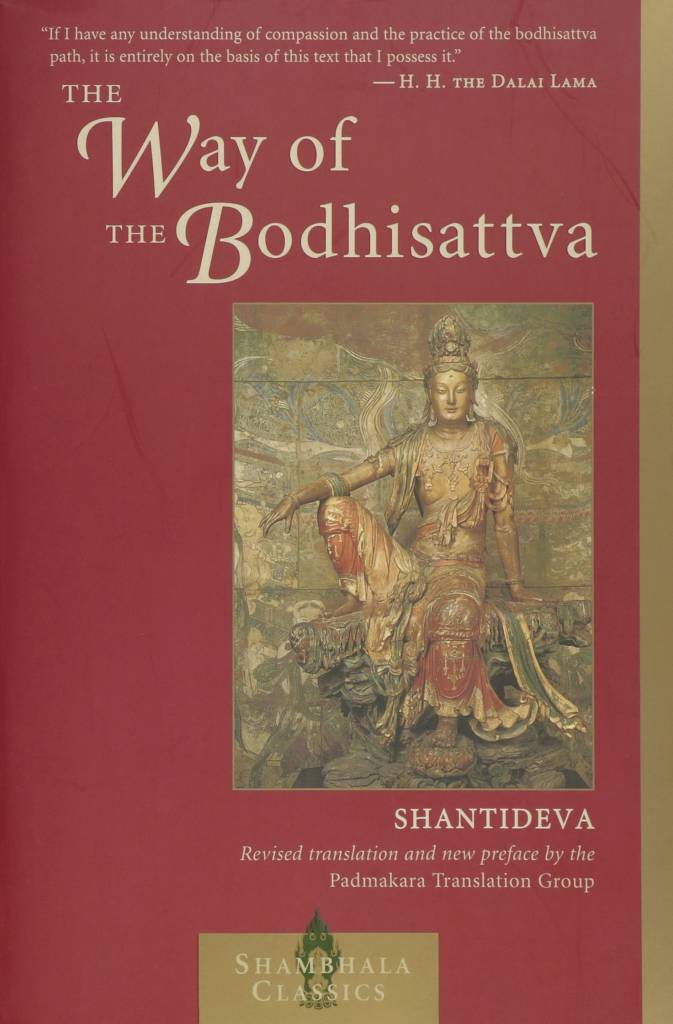
The Nectar of Manjushri's Speech (citation)Blankleder, Helena, and Wulstan Fletcher (Padmakara Translation Group), trans. The Nectar of Manjushri's Speech: A Detailed Commentary on Shantideva's Way of the Bodhisattva. By Kunzang Pelden. Boston: Shambhala Publications, 2007. Bilingual Edition

ཕུག་གམ་ལྷ་ཁང་སྟོང་པའམ། །

ལྗོན་ཤིང་དྲུང་དུ་གནས་བཅས་ཏེ། ། ནམ་ཞིག་རྒྱབ་ཏུ་མི་བལྟ་ཞིང་། །

ཆགས་པ་མེད་པར་འགྱུར་ཞིག་གུ། །

phug gam lha khang stong pa'am/_/

ljon shing drung du gnas bcas te/_/ nam zhig rgyab tu mi blta zhing /_/

chags pa med par 'gyur zhig gu/_/

དེར་མི་གཞན་མེད་པའི་ས་དང་བྲག་གི་ཕུག་གམ་ལྷ་ཁང་སྟོང་པ་བདག་གིར་བཟུང་བ་མེད་ལའམ་ལྗོན་ཤིང་ཡིད་དུ་འོང་བའི་དྲུང་དུ་ཇི་ལྟར་འདོད་པའི་འདུག་གནས་བཅས་ཏེ་དུས་ནམ་ཞིག་རྒྱབ་ཏུ་སྟེ་ཕྱི་ཚིས་ཀྱི་ཆེད་དུ་མི་ལྟ་ཞེས་བསམ་བློ་མང་བ་མི་གཏོང་ཞིང་། རབ་ཉིན་ཞག །འབྲིང་ཟླ་བ། ཐ་མས་ཀྱང་ལོ་གཅིག་ཕན་ཆད་དུ་བློ་སྣ་མི་བསྲིང་བར་གནས་ལུས་ལོངས་སྤྱོད་ཀུན་ལ་ཆགས་པ་མེད་པར་འགྱུར་ཞིག་གུ་སྟེ་དེ་ལྟར་སེམས་ཤིང་སྨོན་པའོ། །

When shall I depart to make my home

In cave or empty shrine or under spreading tree, With, in my breast, a free, unfettered heart,

Which never turns to cast a backward glance?

When might we too be able to settle in deserted places, caves, or empty shrines that are the property of no one or under pleasant trees— places that are the heart’s delight? When will we be definitively free from backward glances and second thoughts about the future? When will we be also free from anticipation and the making of plans for more than a day ahead, or else a month, or at worst, a year, without attachment for our dwelling place, our bodies, or possessions?


[edit]
[edit]