8.141

From Bodhicitta

Bodhicaryāvatāra · Verse 8.141


Sources:    

Sanskrit §No information about the source used.

एष सत्क्रियते नाहं लाभी नाहमयं यथा। स्तूयतेऽहमहं निन्द्यो दुःखितोऽहमयं सुखी॥

 
Chanted Verse
Recitation by Professor Kashinath Nyaupane
141

“They give him great honors, but I do not receive such honor. He is rich and I am not. He is praised, they despise me. I suffer, he is happy.[p.431]How to Be a Bodhisattva: Introduction to the Practice of the Bodhisattva Path (The Bodhicaryāvatāra)
Gómez, Luis O., trans. "How to Be a Bodhisattva: Introduction to the Practice of the Bodhisattva Path (The Bodhicaryāvatāra)." In Norton Anthology of World Religions: Buddhism, edited by Donald S. Lopez Jr., 395–441. New York: Norton, 2017.

Standard Tibetan §Padmakara used the 1990 edition printed by si khron mi rigs dpe skrun khang: Byang chub sems dpa'i spyod pa la 'jug pa rtsa ba dang 'grel pa (1990). Also found in Derge Tengyur D3871, dbu ma, vol. 105, la 1b1–40a7.

འདི་ནི་བཀུར་བྱས་[p.96]Byang chub sems dpa'i spyod pa la 'jug pa rtsa ba dang 'grel pa (1990)
Slob dpon zhi ba lha and Mkhan po kun dpal. Byang chub sems dpa'i spyod pa la 'jug pa rtsa ba dang 'grel pa. Khreng tu'u: Si khron mi rigs dpe skrun khang, 1990. Buda by BDRC Logo.jpg
བདག་ནི་མིན། །

འདི་བཞིན་བདག་གིས་མ་རྙེད་ཅིང་། ། འདི་ནི་བསྟོད་བྱས་བདག་ལ་སྨོད། །

འདི་བདེ་བདག་ནི་སྡུག་བསྔལ་ལ། །

 
Chanted Verse
Recitation by Lopen Karma Phuntsho
141

He’s the center of attention. I am nothing.

And, unlike him, I’m poor without possessions. Everyone looks up to him, despising me,

All goes well for him; for me there’s only bitterness!

Standard Tibetan §Padmakara used the 1990 edition printed by si khron mi rigs dpe skrun khang: Byang chub sems dpa'i spyod pa la 'jug pa rtsa ba dang 'grel pa (1990). Also found in Derge Tengyur D3871, dbu ma, vol. 105, la 1b1–40a7. - Other translations

Lui, on l’honore, et moi non ;

Je ne gagne pas autant que lui ; On chante ses louanges et on me critique :

Il est heureux et moi, je souffre.[p.157]La Marche vers l'Éveil (2007)

A él lo respetan y a mí no.

Yo no tengo tantos bienes como tiene él. A él todos lo alaban mientras que a mí me desprecian.

Yo sufro pero a él todo le va bien.

La Práctica del Bodisatva-front.jpg
Padmakara Spain 2008

He is praised but I am not,

We do not find gain like him, He is praised but I am criticized,

He is happy but I have suffering,

That one is honored; I am not.

I cannot get wealth like that one's. That one is praised; I am blamed.

That one is happy; I suffer.

shift + scroll / swipe
Tsadra Critical Edition §This text was created by comparing four versions of the text from Derge, Cone, Narthang, and Peking Tengyurs from BDRC scans, along with Dunhuang manuscripts IOL Tib J 628, 629, and 630. When Tibetan readings were problematic, the Sanskrit texts from GRETIL and LTB (Oslo) were consulted.

འདི་ནི་བཀུར་བྱས་བདག་ནི་མིན། །

འདི་བཞིན་བདག་གིས་མ་རྙེད་ཅིང་། ། འདི་ནི་བསྟོད་བྱས་བདག་ལ་སྨོད། །

འདི་བདེ་བདག་ནི་སྡུག་བསྔལ་ལ། །

[edit]
Sazang Mati (1294 - 1376)
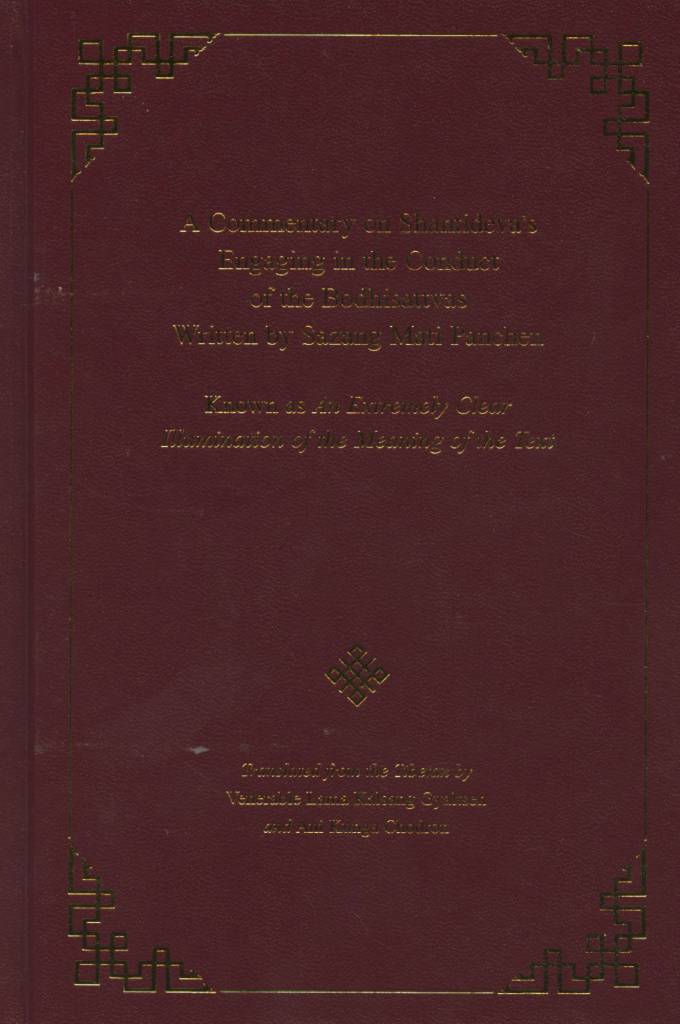
A Commentary on Shantideva's Engaging in the Conduct of the Bodhisattvas (citation)Gyaltsen, Lama Kalsang, and Ani Kunga Chodron, trans. A Commentary on Shantideva's Engaging in the Conduct of the Bodhisattvas Written by Sazang Mati Panchen: Known as An Extremely Clear Illumination of the Meaning of the Text. Walden, NY: Tsechen Kunchab Ling, 2019. Bilingual Edition

(གཉིས་པ་)རྒྱས་བཤད་ལ།

2. Detailed explanation 1.2.3.2.1.2.4.1.2

མཐོ་བ་ལ་ཕྲག་དོག་བསྒོམ་ཚུལ།

མཉམ་པ་ལ་འགྲན་སེམས་བསྒོམ་ཚུལ།

དམའ་བ་ལ་ང་རྒྱལ་བསྒོམ་ཚུལ་ལོ། །

This has three sections:

1. How to meditate jealousy toward superiors, 2. How to meditate competition toward equals,

3. How to meditate pride toward inferiors.[p.311]A Commentary on Shantideva's Engaging in the Conduct of the Bodhisattvas
Gyaltsen, Lama Kalsang, and Ani Kunga Chodron, trans. A Commentary on Shantideva's Engaging in the Conduct of the Bodhisattvas Written by Sazang Mati Panchen: Known as An Extremely Clear Illumination of the Meaning of the Text. Walden, NY: Tsechen Kunchab Ling, 2019. First edition published by The Yeshe Dorje Foundation in 2006.
1.2.3.2.1.2.4.1.2

དང་པོ་ལ་གཉིས་ལས།

1. How to meditate jealousy toward superiors 1.2.3.2.1.2.4.1.2.1

This has two sections:

1. How to meditate on an analysis of the eight worldly Dharmas,

2. How to meditate on an analysis of the good qualities of superiors.
1.2.3.2.1.2.4.1.2.1

(དང་པོ་)འཇིག་[p.-281]རབ་གསལ་སྣང་བ་
རྟེན་ཆོས་བརྒྱད་ལ་བརྟགས་ཏེ་བསྒོམ་ཚུལ་ནི།

1. How to meditate on an analysis of the eight worldly Dharmas 1.2.3.2.1.2.4.1.2.1.1

འདི་ནི་བཀུར་བྱས་[p.96]Byang chub sems dpa'i spyod pa la 'jug pa rtsa ba dang 'grel pa (1990)
Slob dpon zhi ba lha and Mkhan po kun dpal. Byang chub sems dpa'i spyod pa la 'jug pa rtsa ba dang 'grel pa. Khreng tu'u: Si khron mi rigs dpe skrun khang, 1990. Buda by BDRC Logo.jpg
བདག་ནི་མིན། །

འདི་བཞིན་བདག་གིས་མ་རྙེད་ཅིང་། ། འདི་ནི་བསྟོད་བྱས་བདག་ལ་སྨོད། །

འདི་བདེ་བདག་ནི་སྡུག་བསྔལ་ལ། །

di ni bkur byas [p.96]Byang chub sems dpa'i spyod pa la 'jug pa rtsa ba dang 'grel pa (1990)
Slob dpon zhi ba lha and Mkhan po kun dpal. Byang chub sems dpa'i spyod pa la 'jug pa rtsa ba dang 'grel pa. Khreng tu'u: Si khron mi rigs dpe skrun khang, 1990. Buda by BDRC Logo.jpg
bdag ni min/_/

'di bzhin bdag gis ma rnyed cing /_/ 'di ni bstod byas bdag la smod/_/

'di bde bdag ni sdug bsngal la/_/

That one is honored; I am not.

I cannot get wealth like that one's. That one is praised; I am blamed.

That one is happy; I suffer.

Gyaltsap Je (1364 - 1432)
The Entrance for the Children of the Conquerors (citation)Stracke, Fedor, trans. The Entrance for the Children of the Conquerors: A Commentary on the Introduction to the Actions of Bodhisattvas. By Gyaltsab Rinpoche. N.p.: Happy Monks Publication, 2016. https://happymonkspublication.org/product/bodhisattvacharyavatara-chapter-1-10-commentary/. Bilingual Edition

གཉིས་པ་ལ་བཞི།

Explaining 1.1.3.2.2.2.2

དང་པོ་ལ་གཉིས།

The Way of Meditating on Jealousy for the Higher 1.1.3.2.2.2.2.1

དང་པོ་ནི།

The Way of Meditating 1.1.3.2.2.2.2.1.1

འདི་ནི་བཀུར་བྱས་[p.96]Byang chub sems dpa'i spyod pa la 'jug pa rtsa ba dang 'grel pa (1990)
Slob dpon zhi ba lha and Mkhan po kun dpal. Byang chub sems dpa'i spyod pa la 'jug pa rtsa ba dang 'grel pa. Khreng tu'u: Si khron mi rigs dpe skrun khang, 1990. Buda by BDRC Logo.jpg
བདག་ནི་མིན། །

འདི་བཞིན་བདག་གིས་མ་རྙེད་ཅིང་། ། འདི་ནི་བསྟོད་བྱས་བདག་ལ་སྨོད། །

འདི་བདེ་བདག་ནི་སྡུག་བསྔལ་ལ། །

di ni bkur byas [p.96]Byang chub sems dpa'i spyod pa la 'jug pa rtsa ba dang 'grel pa (1990)
Slob dpon zhi ba lha and Mkhan po kun dpal. Byang chub sems dpa'i spyod pa la 'jug pa rtsa ba dang 'grel pa. Khreng tu'u: Si khron mi rigs dpe skrun khang, 1990. Buda by BDRC Logo.jpg
bdag ni min/_/

'di bzhin bdag gis ma rnyed cing /_/ 'di ni bstod byas bdag la smod/_/

'di bde bdag ni sdug bsngal la/_/

He is praised but I am not,

We do not find gain like him, He is praised but I am criticized,

He is happy but I have suffering,

བྱང་ཆུབ་སེམས་དཔའ་ལྷ་སྦྱིན་རང་ཉིད་ཀྱིས་བདག་གཞན་བརྗེ་བ་སྒོམ་པའི་ཚེ་ལྷ་སྦྱིན་འདི་ནི་གཞན་གྱིས་བཀུར་སྟི་བྱས་ལ་སེམས་ཅན་བདག་ཏུ་བཟུང་ནས་བདག་ནི་ཡོན་ཏན་དམན་པས་བཀུར་སྟི་བྱས་པ་མིན་ནོ། །ལྷ་སྦྱིན་འདི་བཞིན་བདག་གིས་བདེ་བའི་ཡོ་བྱད་མ་རྙེད་ཅིང་བྱང་སེམས་ལྷ་སྦྱིན་འདི་ནི་བསྟོད་པར་བྱས་ལ་བདག་ཅག་སེམས་ཅན་རྣམས་ལ་སྨོད་དོ། །འདི་བདེ་ལ་བདག་ཅག་རྣམས་ནི་སྡུག་བསྔལ་ལ་བདག་ནི་ཁུར་ཁྱེར་བ་ལ་སོགས་པའི་ལས་རྣམས་[p.330]Spyod 'jug rtsa 'grel (Mtsho sngon mi rigs dpe skrun khang 2001)
Śāntideva, and Rgyal tshab rje dar ma rin chen. Spyod 'jug rtsa 'grel and Byang chub sems dpa'i spyod pa la 'jug pa'i rnam bshad rgyal sras 'jug ngogs. Xining: Mtsho sngon mi rigs dpe skrun khang, 2001
བྱེད་པ་དང་། ལྷ་སྦྱིན་འདི་ནི་བདེ་བ་ཉིད་དུ་གནས་སོ། །

When the bodhisattva Devadatta meditates on exchanging self and other, Devadatta is praised by others, but having taken sentient beings as self, one is of lower qualities and will not be praised. One does not find necessities for happiness in the same way as Devadatta and although the bodhisattva Devadatta is praised, one, the sentient beings, are criticized. He is happy and we sentient beings have suffering. We have to do the work of carrying, but Devadatta abides happily.

བྱང་སེམས་འདི་ནི་འཇིག་རྟེན་ལ་ཚུལ་ཁྲིམས་དང་ཐོས་པ་སོགས་ཀྱིས་ཆེ་བར་གྲགས་པ་དང་། བདག་དམན་པ་དང་ཡོན་ཏན་མེད་པར་གྲག་གོ །དེ་ཡང་ཁྱོད་ཀྱིས་འབད་པས་ཡོན་ཏན་བསྒྲུབས་པ་ཡིན་ལ་བདག་ཅག་སེམས་ཅན་རྣམས་ཀྱང་ཡོན་ཏན་མེད་པས་ཅི་ཞིག་བྱ། བདག་ཅག་སེམས་ཅན་ཀུན་ཡོན་ཏན་དང་ལྡན་པ་ཉིད་དུ་འབད་པས་བསྒྲུབ་པར་བྱའོ། །

This bodhisattva is greatly renowned in the transitory worlds for his ethics, listening and so forth, but I am known for inferiority and a lack of qualities. Through effort you achieved qualities but what should we, the sentient beings without qualities do? We shall all practice to become endowed with qualities.

འདི་མཐོ་ལ་བདག་ཅག་དམན་པ་ཡང་ལྟོས་ས་ལ་བལྟོས་ནས་བཞག་པ་ཡིན་པས་ཡོན་ཏན་ཆེས་ལྷག་པའི་གང་ཟག་གང་བས་བྱང་སེམས་འདི་དམན་པ་དེ་ཡོད་ཅིང་སེམས་ཅན་དམན་པ་གང་བས་བདག་མཆོག་ཏུ་གྱུར་པ་དེ་ཡང་ཡོད་པས་བདག་ཅག་སེམས་ཅན་རྣམས་ཞུམ་པ་བྱེད་མི་དགོས་ཀྱི་འབད་པས་བྱང་ཆུབ་བསྒྲུབ་པར་བྱའོ། །སྙམ་དུ་གཞན་བདག་ཏུ་བཟུང་ནས་བསྒོམ་པར་བྱའོ། །

That we are low and he is high is posited relative to each other. Those people with superior qualities such as this bodhisattva have someone that is inferior and those that are inferior such as myself have someone that is superior. Therefore there is no need for us sentient beings to be discouraged and we should practice with effort for complete enlightenment. One should meditate on holding others as self, by thinking in this way.

ཚུལ་ཁྲིམས་དང་ལྟ་བ་ཉམས་པ་སོགས་ཀྱི་དབང་གིས་བྱང་སེམས་ལྷ་སྦྱིན་ལས་ཁྱོད་དམན་ནོ་ཞེ་ན།

Argument: You are lower than the bodhisattva Devadatta due to degenerated ethics and view.

ཚུལ་ཁྲིམས་དང་ལྟ་བ་ཉམས་པ་དང་འཚོ་བས་རྒུད་པ་སོགས་ལྟ་བ་དང་སྤྱོད་པ་ཉམས་པ་ནི་གློ་བུར་བའི་ཉོན་མོངས་པའི་སྟོབས་ཀྱིས་ཡིན་གྱི་བདག་ཉིད་ཀྱི་འདོད་པའི་རང་དབང་དུ་གྱུར་པའི་སྐྱོན་མིན་ནོ། །ཡང་ན་རྐང་བ་འདི་ལ། གློ་བུར་ཉོན་མོངས་རྣམས་ཀྱིས་མིན། །ཞེས་འདོན་ནོ། །

Answer: The degenerated ethics and view, faults due to lifestyle and so forth, i.e., degenerated view and action, are due to the power of the adventitious mental afflictions and not faults I created purposely under my own power.
Minyak Kunzang Sönam (1823 - 1905)
The Great Hūṃ (citation)Duckworth, Douglas, trans. The Great Hūṃ: A Commentary on Śāntideva's Way of the Bodhisattva. By Minyak Kunzang Sönam. New York, NY: Wisdom Publications, 2025. Bilingual Edition

གཉིས་པ་རྒྱས་པར་བཤད་པ་ལ་གསུམ།

Extensive explanation 8.1.3.2.2.2.2.2

དང་པོ་ནི།

Exchanging with those who are lower and cultivating jealousy 8.1.3.2.2.2.2.2.1

First, jealousy toward mundane qualities:

འདི་ནི་བཀུར་བྱས་བདག་ནི་མིན། །

འདི་བཞིན་བདག་གིས་མ་རྙེད་ཅིང་། ། འདི་ནི་བསྟོད་བྱས་བདག་ལ་སྨོད། །

འདི་བདེ་བདག་ནི་སྡུག་བསྔལ་ལ། །
This one is respected, while I am not.

Unlike him, I am not wealthy. This one is praised while I am criticized;

this one is happy, while I suffer. (8.141)

དེ་ལ། འཇིག་རྟེན་གྱི་ཆོས་ལ་ཕྲག་དོག་བྱ་བ་ནི།

བརྗེ་བ་སྒོམ་པ་པོ་བྱང་སེམས་རང་ལྷས་བྱིན་ཞེས་བྱ་བ་ཡིན་ན་བྱང་སེམས་ལྷས་བྱིན་འདི་ནི་སྐྱེ་བོ་དུ་མས་མཆོག་ཏུ་བཟུང་ནས་བཀུར་ཞིང་བསྟི་སྟང་བྱས་ལ། སེམས་ཅན་གཞན་ལ་བདག་ཉིད་ཡིན་པའི་བློ་བཞག་ནས་བདག་ཅག་སེམས་ཅན་ནི་ཀུན་གྱིས་དམན་པར་བལྟས་ནས་བཀུར་སྟི་བྱས་པ་མིན་ནོ། །བྱང་སེམས་ལྷས་བྱིན་འདིས་རྙེད་པ་མང་པོ་ཐོབ་པ་བཞིན་དུ་སེམས་ཅན་བདག་ཅག་གིས་བདེ་བའི་ཡོ་བྱད་མ་རྙེད་ཅིལྷས་བྱིན་འདི་ལ་ནི་གཞན་མང་པོས་ཡོན་ཏན་བརྗོད་ནས་བསྟོད་པར་བྱས་ལ་སེམས་ཅན་བདག་ལ་སྐྱོན་བརྗོད་ནང་སྨོད་པར་བྱེད་ཅིང་ལྷས་བྱིན་འདི་བདེ་སྐྱིད་དང་ལྡན་ཞིང་སེམས་ཅན་བདག་ནི་སྡུག་བསྔལ་ཅན་དུ་གྱུར་ལ། སེམས་ཅན་བདག་ཅག་ནི་ཁུར་ཆེན་པོ་འཁུར་དགོས་པ་སོགས་དམན་པའི་ལས་རྣམས་བྱེད་པ་དང་ལྷས་བྱིན་འདི་ནི་བྱ་བའི་ལས་དང་སེམས་ཁྲལ་ཅི་ཡང་མེད་པར་བདེ་ཞིང་དལ་བ་[p.555]Byang chub sems dpa'i spyod pa la 'jug pa'i 'grel bshad rgyal sras rgya mtsho'i yon tan rin po che mi zad 'jo ba'i bum bzang
Mi nyag kun bzang bsod nams (མི་ཉག་ཀུན་བཟང་བསོད་ནམས་). byang chub sems dpa'i spyod pa la 'jug pa'i 'grel bshad rgyal sras rgya mtsho'i yon tan rin po che mi zad 'jo ba'i bum bzang [བྱང་ཆུབ་སེམས་དཔའི་སྤྱོད་པ་ལ་འཇུག་པའི་འགྲེལ་བཤད་རྒྱལ་སྲས་རྒྱ་མཚོའི་ཡོན་ཏན་རིན་པོ་ཆེ་མི་ཟད་འཇོ་བའི་བུམ་བཟང།]. [Excellent Vase That Spills Forth an Ocean of the Inexhaustible and Precious Qualities of the Victor's Heirs: An Explanation of the "Way of the Bodhisattva."].
ཉིད་དུ་གནས་པས་ཆོག་པ་འདི་ལྟ་བུ་ནི་ཆེས་མི་འཐད་དོ་སྙམ་དུ་སེམས་ཅན་བདག་ཏུ་བྱས་པ་དེས་རི་ལདམའ་བར་མཐོངལྷས་བྱིན་རང་གཞན་དུ་བྱས་པ་དེ་མཐོ་བར་མཐོང་ནས་དེ་ལ་ཕྲག་དོག་བྱ་བའོ། །

If this one meditating is the bodhisattva Devadatta, then many people regard Devadatta as supreme, respect him, and venerate him. After taking the attitude of himself as another sentient being, he gets jealous and thinks: “Sentient beings like me are regarded as inferior by everybody, so we do not get respect. Devadatta has acquired a lot of wealth, but unlike him, beings like me do not have these luxuries. Devadatta is praised by a lot of other people, but they just criticize and disparage beings like me. Devadatta is happy, while someone like me suffers. Sentient beings like me must do menial labor, like carrying enormous loads, but Devadatta does not have any of these jobs; he can remain happy and at ease without worry. This is not fair at all.” In this way Devadatta takes himself to be a sentient being who is seen to be lower and then looks to himself, now seen to be higher, as another toward whom he becomes jealous.
Kunzang Palden (1862 - 1943)
The Nectar of Manjushri's Speech (citation)Blankleder, Helena, and Wulstan Fletcher (Padmakara Translation Group), trans. The Nectar of Manjushri's Speech: A Detailed Commentary on Shantideva's Way of the Bodhisattva. By Kunzang Pelden. Boston: Shambhala Publications, 2007. Bilingual Edition

གཉིས་པ་༼རྒྱས་པར་བཤད་པ་༽ལ་

A Detailed Explanation 3.2.2.2.2.2.

དང་པོ་༼དམན་པ་ལ་བརྗེས་ནས་ཕྲག་དོག་བསྒོམ་པ་༽ནི།

The Practice of Envy from the Point of View of Someone Less Well-off 3.2.2.2.2.2.1.

སྐབས་འདི་གསུམ་དུ་འདི་ནི་ཞེས་པ་ཐམས་ཅད་བདག་ཉིད་དམན་སོགས་གཞན་དུ་བཟུང་བ་དང༌། བདག་ཅེས་པ་ཐམས་ཅད་དམན་སོགས་གཞན་བདག་ཏུ་བྱས་པ་ལ་གོ་བར་བྱ་ལ། རིམ་པ་ལྟར་ང་རྒྱལ་དང༌།[p.594]Byang chub sems dpa'i spyod pa la 'jug pa rtsa ba dang 'grel pa (1990)
Slob dpon zhi ba lha and Mkhan po kun dpal. Byang chub sems dpa'i spyod pa la 'jug pa rtsa ba dang 'grel pa. Khreng tu'u: Si khron mi rigs dpe skrun khang, 1990. Buda by BDRC Logo.jpg
འགྲན་སེམས་དང་ཕྲག་དོག་གི་གཉེན་པོ་བྱེད་དགོས་ཏེ་འདི་གསུམ་རང་རྒྱུད་ལ་ཡོན་ཏན་ཅུང་ཟད་ཙམ་རེ་སྐྱེས་པའི་རྗེས་སུ་འབྲང་བས་དགེ་བའི་རྒབ་འདྲེ་ལྟ་བུ་ཡིན་པས་གཉེན་པོ་བསྟེན་པ་གལ་ཆེ་གསུངས།

In each of these three meditations [following Shantideva’s lead], whenever the text says “he” or “this person,” the reference is to your own “I” (now regarded as another person). When the text says “you,” it is referring to this other person (better-off, equal, or worse off in relation to yourself ) with whom you have now identified.181In the root text, throughout this description of the exchange of self and other, Shantideva uses the contrasting pronouns “I” and “he.” According to custom, these same pronouns are retained in the commentary without the meaning being obscured. In the translation, however, we have found it clearer to render the Tibetan word bdag (“I”) as “you,” since the “speaker” is Khenpo Kunpel addressing the reader. Needless to say, his reflections are directed at all readers regardless of sex, so that the third person pronoun (used to refer to one’s “other self ”) could just as well be “she” as “he.” Since the constant repetition of both pronouns would be very tedious, we have, in deference to Shantideva’s own personal situation (that of a man living in a community of monks), kept the masculine pronoun. You must now systematically generate the antidotes to pride, rivalry, and jealousy. The reason for doing this is that as soon as even the slightest virtue appears in the mind stream, these three defilements follow in its wake. They are like demons that sap one’s integrity—which explains the importance given to their antidotes.

འཇིག་རྟེན་ཆོས་བརྒྱད་ལས་བསྐུར་སྟི་དང་རྙེད་པ་དང་བསྟོད་པ་དང་བདེ་བ་བཞིས་ང་རྒྱལ་བས་ཁྱད་གསོད་དང་བརྙས་བཅོས་སོགས་བྱེད་པའི་ཡུལ་སྤྲང་པོ་ཐ་ཆད་ལྟ་བུ་དམན་པ་དང་རང་གོས་བརྗེས་ཏེ་བདག་ཉིད་དམན་པ་དེ་ཡིན་པ་དང༌། དམན་པ་དེ་བདག་རང་ཉིད་ཡིན་པར་མོས་ཤིང་

Now, of the eight worldly concerns, honor, possessions, adulation, and happiness are the things that make you proud. So perform the exchange, placing yourself in the position of someone contemptible, someone despised, a beggar or a tramp. Imagine that you become the poor person and that the poor person becomes you.

བརྗེས་ནས་ཕྲག་དོག་འདི་ལྟར་བསྒོམ་པར་བྱ་སྟེ། །

འདི་ནི་བཀུར་བྱས་[p.96]Byang chub sems dpa'i spyod pa la 'jug pa rtsa ba dang 'grel pa (1990)
Slob dpon zhi ba lha and Mkhan po kun dpal. Byang chub sems dpa'i spyod pa la 'jug pa rtsa ba dang 'grel pa. Khreng tu'u: Si khron mi rigs dpe skrun khang, 1990. Buda by BDRC Logo.jpg
བདག་ནི་མིན། །

འདི་བཞིན་བདག་གིས་མ་རྙེད་ཅིང་། ། འདི་ནི་བསྟོད་བྱས་བདག་ལ་སྨོད། །

འདི་བདེ་བདག་ནི་སྡུག་བསྔལ་ལ། །
di ni bkur byas [p.96]Byang chub sems dpa'i spyod pa la 'jug pa rtsa ba dang 'grel pa (1990)
Slob dpon zhi ba lha and Mkhan po kun dpal. Byang chub sems dpa'i spyod pa la 'jug pa rtsa ba dang 'grel pa. Khreng tu'u: Si khron mi rigs dpe skrun khang, 1990. Buda by BDRC Logo.jpg
bdag ni min/_/

'di bzhin bdag gis ma rnyed cing /_/ 'di ni bstod byas bdag la smod/_/

'di bde bdag ni sdug bsngal la/_/

བདག་གཞན་དུ་བཟུང་བའི་གང་ཟག་འདི་ནི་ཡོན་ཏན་དང་ལྡན་པར་མཐོང་ནས་ཀུན་གྱིས་བཀུར་བར་བྱས་པས་སྐྱིད་དགའ་མྱོང་བ་ཡིན་ལ་བདག་ལ་ནི་མིན་པ་སྟེ་བདག་དམན་པར་མཐོང་ནས་བརྙས་བཅོས་བྱེད་པས་སྐྱིད་དགའ་མེད་པ་དང༌། འདི་ནི་ཟས་གོས་ནོར་ལོངས་སྤྱོད་མང་པོ་རྙེད་པ་བཞིན་དུ་བདག་གིས་ནི་ཟས་གོས་ཙམ་ཡང་མ་རྙེད་སྟེ་བདག་དམན་པར་མཐོང་ནས་བརྙས་བཅོས་བྱེད་པས་སྐྱིད་དགའ་མེད་པ་དང༌། འདི་ནི་ཟས་གོས་ནོར་ལོངས་སྤྱོད་མང་པོ་རྙེད་པ་བཞིན་དུ་བདག་གིས་ནི་ཟས་གོས་ཙམ་ཡང་མ་རྙེད་ཅིང༌། འདི་ལ་ནི་མཁས་སོ་བཙུན་ནོ་ཞེས་སོགས་བསྟོད་པར་བྱས་ལ་བདག་ལ་ནི་བླུན་པོའོ་ཞེས་སོགས་ཀྱིས་སྨོད་པར་བྱེད་དེ། འདི་ནི་འབྱོར་པ་རྒྱས་པ་ལ་སོགས་པའི་བདེ་བ་ཕུན་སུམ་ཚོགས་པ་དང་ལྡན་གྱི། བདག་ནི་དབུལ་བ་ལ་སོགས་པས་སེམས་ཁུར་ལུས་གཅོང་ཚ་གྲང་ལ་སོགས་པའི་སྡུག་བསྔལ་ལ། །

Now allow yourself to feel that person’s envy.

He’s the center of attention. I am nothing.

And, unlike him, I’m poor without possessions. Everyone looks up to him, despising me,

All goes well for him; for me there’s only bitterness!

Looking up at your former self (your ego, now regarded as someone else), someone talented, think how happy “he” must be, praised and respected by all and sundry. You, on the other hand, are nothing, nobody, a complete down-and-out, despised and utterly miserable. The person you are looking at is rich, has plenty to eat, clothes to wear, money to spend—while you have nothing. He is respected for being learned, talented, well-disciplined. You, on the other hand, are dismissed as a fool. He enjoys a wealth of every comfort and happiness; you by contrast are a pauper, your mind weighed down with worries, your body racked with disease, suffering, and the discomforts of heat and cold.


[edit]
[edit]