7.43

From Bodhicitta

Bodhicaryāvatāra · Verse 7.43


Sources:    

Sanskrit §No information about the source used.

पापकारिसुखेच्छा तु यत्र यत्रैव गच्छति। तत्र तत्रैव तत्पापैर्दुःखशस्त्रैर्विहन्यते॥

 
Chanted Verse
Recitation by Professor Kashinath Nyaupane
43

On the other hand, wherever the evildoer’s desire for happiness goes, there his own sins cut his body to pieces with the swords of sorrow.

Standard Tibetan §Padmakara used the 1990 edition printed by si khron mi rigs dpe skrun khang: Byang chub sems dpa'i spyod pa la 'jug pa rtsa ba dang 'grel pa (1990). Also found in Derge Tengyur D3871, dbu ma, vol. 105, la 1b1–40a7.

སྡིག་པ་བྱེད་པ་བདེ་འདོད་ཀྱང་། །

གང་དང་གང་དུ་འགྲོ་འགྱུར་བ། ། དེ་དང་དེར་ནི་སྡིག་པ་དེས། །

སྡུག་བསྔལ་མཚོན་གྱིས་རྣམ་པར་འཇོམས། །

 
Chanted Verse
Recitation by Lopen Karma Phuntsho
43

But if, through seeking happiness, my deeds are wrong,

No matter where I turn my steps, The knives of misery will cut me down,

The wage and retribution of a sinful life.

Standard Tibetan §Padmakara used the 1990 edition printed by si khron mi rigs dpe skrun khang: Byang chub sems dpa'i spyod pa la 'jug pa rtsa ba dang 'grel pa (1990). Also found in Derge Tengyur D3871, dbu ma, vol. 105, la 1b1–40a7. - Other translations

Si je veux le bonheur mais agis mal,

Où que j’aille, mes méfaits Engendreront l’arme

De la souffrance qui me détruira.

Pero si mis actos son nocivos

adondequiera que vaya, aunque busque la felicidad, me traspasarán las armas del sufrimiento,

producto de esos actos nocivos.

La Práctica del Bodisatva-front.jpg
Padmakara Spain 2008

Although those creating negativity wish for happiness

Wherever they migrate to, There they will, through this negativity,

Be destroyed by the weapons of suffering.

Whoever commits sins even if wishing for happiness,

Will be completely destroyed By the weapons of suffering from their sins

In whatever place they go.

shift + scroll / swipe
Tsadra Critical Edition §This text was created by comparing four versions of the text from Derge, Cone, Narthang, and Peking Tengyurs from BDRC scans, along with Dunhuang manuscripts IOL Tib J 628, 629, and 630. When Tibetan readings were problematic, the Sanskrit texts from GRETIL and LTB (Oslo) were consulted.

སྡིག་པ་བྱེད་པ་བདེ་འདོད་ཀྱང་། །

གང་དང་གང་དུ་འགྲོ་འགྱུར་བ། ། དེ་དང་དེར་ནི་སྡིག་པ་དེས། །

སྡུག་བསྔལ་མཚོན་གྱིས་རྣམ་པར་འཇོམས། །

[edit]
Sazang Mati (1294 - 1376)
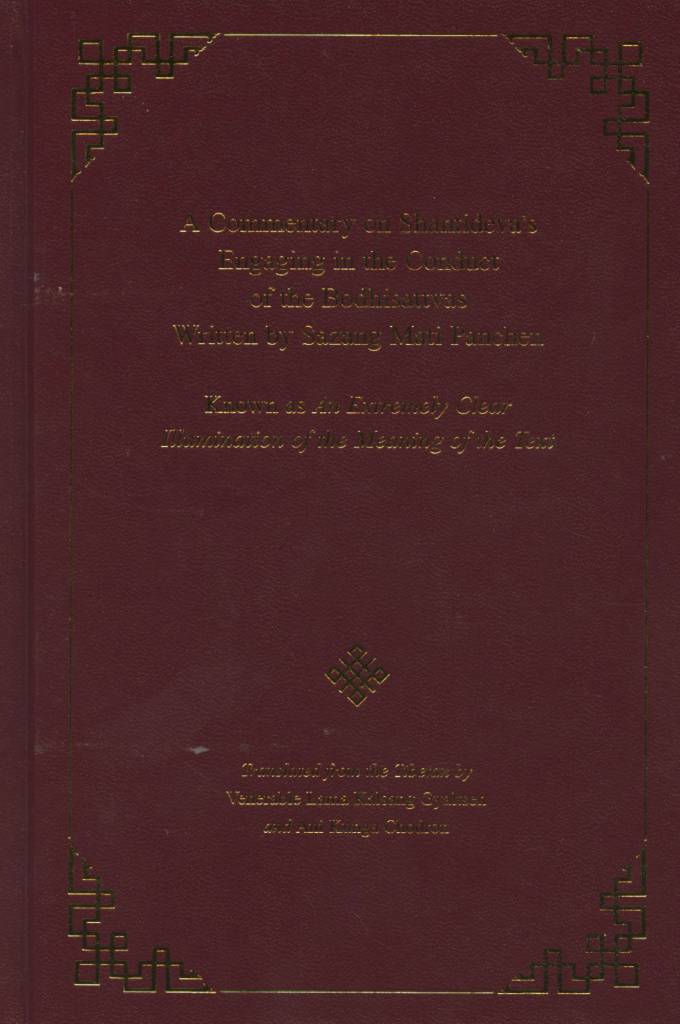
A Commentary on Shantideva's Engaging in the Conduct of the Bodhisattvas (citation)Gyaltsen, Lama Kalsang, and Ani Kunga Chodron, trans. A Commentary on Shantideva's Engaging in the Conduct of the Bodhisattvas Written by Sazang Mati Panchen: Known as An Extremely Clear Illumination of the Meaning of the Text. Walden, NY: Tsechen Kunchab Ling, 2019. Bilingual Edition

སྡིག་པ་བྱེད་པ་བདེ་འདོད་ཀྱང་། །

གང་དང་གང་དུ་འགྲོ་འགྱུར་བ། ། དེ་དང་དེར་ནི་སྡིག་པ་དེས། །

སྡུག་བསྔལ་མཚོན་གྱིས་རྣམ་པར་འཇོམས། །

sdig pa byed pa bde 'dod kyang /_/

gang dang gang du 'gro 'gyur ba/_/ de dang der ni sdig pa des/_/

sdug bsngal mtshon gyis rnam par 'joms/_/

Whoever commits sins even if wishing for happiness,

Will be completely destroyed By the weapons of suffering from their sins

In whatever place they go.

སྡིག་པ་བྱེད་ཀྱང་དགེ་བ་ལ་འདུན་པ་ཡོད་ན་དེ་ཐོབ་བམ་སྙམ་ན། རྒྱུར་རུང་བ་ཞིག་རྐྱེན་འདུན་པས་བསྒྱུར་ན་བདེ་བ་ཐོབ་པ་ཡིན་གྱི། སྡིག་པ་ནི་བདེ་བའི་[p.-229]རབ་གསལ་སྣང་བ་
རྒྱུར་གཏན་ནས་མི་རུང་བས་རྒྱུ་སྡིག་པ་མི་རུང་བ་སྣ་ཚོགས་བྱེད་པའི་གང་ཟག་དེ་འབྲས་བུ་བདེ་བ་འདོད་པའི་འདུན་པ་དྲག་པོ་ཡོད་ཀྱ༵ང་གནས་གང་དང་གང་དུ་འགྲོ་བར་འགྱུར་བ༵འི་གནས་དེ་དང་དེར་ནི་སྔར་སྡིག་པའི་ལས་ངན་པ་བསགས་པ་དེ༵ས་སྡུག་བསྔལ་གྱི་ཚོར་བ་མཚོན་ཆ་རྣོན་པོས་བསྣུན་པ་དང་འདྲ་བ་རྣམས་ཀྱིས་རྣམ་པར་འཇོ༵མས་པར་འགྱུར་རོ་ཞེས་རིག་པར་བྱའོ། །

One may wonder, “Although sin is accumulated, if the inclination is virtuous, can a good result be obtained?” The answer is that if the cause itself is suitable and transformed by the condition of inclination, it is possible for happiness to be obtained. However, sin itself is never the cause of happiness. Therefore, a person who creates various unsuitable sinful actions as a cause, despite a strong inclination to obtain a happy result, will find that no matter where they go, to this or that place, they will be destroyed by feelings of suffering like sharp weapons which are the result of accumulated sinful actions. This should be understood.
Gyaltsap Je (1364 - 1432)
The Entrance for the Children of the Conquerors (citation)Stracke, Fedor, trans. The Entrance for the Children of the Conquerors: A Commentary on the Introduction to the Actions of Bodhisattvas. By Gyaltsab Rinpoche. N.p.: Happy Monks Publication, 2016. https://happymonkspublication.org/product/bodhisattvacharyavatara-chapter-1-10-commentary/. Bilingual Edition

སྡིག་པ་བྱེད་པ་བདེ་འདོད་ཀྱང་། །

གང་དང་གང་དུ་འགྲོ་འགྱུར་བ། ། དེ་དང་དེར་ནི་སྡིག་པ་དེས། །

སྡུག་བསྔལ་མཚོན་གྱིས་རྣམ་པར་འཇོམས། །
sdig pa byed pa bde 'dod kyang /_/

gang dang gang du 'gro 'gyur ba/_/ de dang der ni sdig pa des/_/

sdug bsngal mtshon gyis rnam par 'joms/_/

Although those creating negativity wish for happiness

Wherever they migrate to, There they will, through this negativity,

Be destroyed by the weapons of suffering.

བདེ་སྡུག་འདོད་པ་ཙམ་གྱི་རྗེས་སུ་བྱེད་པ་མ་ཡིན་ཏེ། སྡིག་པ་བྱེད་པའི་གང་ཟག་བདེ་བ་འདོད་ཀྱང་ཆོས་ཉིད་ཀྱིས་གང་དང་གང་དུ་འགྲོ་བར་འགྱུར་བ་དེ་དང་དེར་ནི་སྡིག་པ་དེས་སྡུག་བསྔལ་གྱི་མཚོན་གྱིས་རྣམ་པར་འཇོམས་པར་འགྱུར་བས། སྡིག་པ་སྤོང་བ་ལ་འབད་པར་བྱའོ། །འབྲས་བུའི་ཡོན་ཏན་ནི་འབྲས་བུའི་རང་བཞིན་གྱི་ཚུལ་ལོ། །

This will however not follow just the wish for happiness or suffering. Although the person acting non-virtuously wishes for happiness, by nature, wherever they migrate to, there they will, through that negativity, be destroyed by the weapons of suffering. Therefore one should strive in abandoning negativity. The qualities of the result are the mode of the nature of the result.
Minyak Kunzang Sönam (1823 - 1905)
The Great Hūṃ (citation)Duckworth, Douglas, trans. The Great Hūṃ: A Commentary on Śāntideva's Way of the Bodhisattva. By Minyak Kunzang Sönam. New York, NY: Wisdom Publications, 2025. Bilingual Edition

དགེ་མི་དགེའི་ལས་འབྲས་སྤྱིར་བསྟན་པ་ནི།

Next it shows the karmic causality of virtuous and vicious deeds in general:

སྡིག་པ་བྱེད་པ་བདེ་འདོད་ཀྱང་། །

གང་དང་གང་དུ་འགྲོ་འགྱུར་བ། ། དེ་དང་དེར་ནི་སྡིག་པ་དེས། །

སྡུག་བསྔལ་མཚོན་གྱིས་རྣམ་པར་འཇོམས། །

Also, evil done while wishing for happiness

brings destruction by the weapons of suffering from those evil deeds

wherever one goes. (7.43)[p.635]The Great Hum
Duckworth, Douglas, trans. The Great Hūṃ: A Commentary on Śāntideva's Way of the Bodhisattva. By Minyak Kunzang Sönam. New York, NY: Wisdom Publications, 2025.

འཇིག་རྟེན་འདིར་དབང་ཤེས་འཁོར་དུ་བྱུང་བའི་ལུས་ཀྱི་ཚོར་བ་སྡུག་བསྔལ་དང་ཡིད་ཤེས་འཁོར་དུ་བྱུང་བའི་སེམས་ཀྱི་ཚོར་བ་ཡིད་མི་བདེ་བ་དང༌། གཞན་ཡང་དམྱལ་སོགས་ཀྱི་འཇིགས་པས་མཚོན་གསོད་རྡེག་འཆིང་བ་སོགས་མི་དང་མི་མིན་ལས་བྱུང་བའི་འཇིགས་པ་རྣམ་པ་སྣ་ཚོགས་པ་ཇི་སྙེད་ཡོད་པ་རྣམས་དང་། ཡིད་ལ་འདོད་པའི་དངོས་པོ་ནོར་ལོངས་སྤྱོད་དང་གཉེན་བཤེས་ལ་སོགས་[p.446]Byang chub sems dpa'i spyod pa la 'jug pa'i 'grel bshad rgyal sras rgya mtsho'i yon tan rin po che mi zad 'jo ba'i bum bzang
Mi nyag kun bzang bsod nams (མི་ཉག་ཀུན་བཟང་བསོད་ནམས་). byang chub sems dpa'i spyod pa la 'jug pa'i 'grel bshad rgyal sras rgya mtsho'i yon tan rin po che mi zad 'jo ba'i bum bzang [བྱང་ཆུབ་སེམས་དཔའི་སྤྱོད་པ་ལ་འཇུག་པའི་འགྲེལ་བཤད་རྒྱལ་སྲས་རྒྱ་མཚོའི་ཡོན་ཏན་རིན་པོ་ཆེ་མི་ཟད་འཇོ་བའི་བུམ་བཟང།]. [Excellent Vase That Spills Forth an Ocean of the Inexhaustible and Precious Qualities of the Victor's Heirs: An Explanation of the "Way of the Bodhisattva."].
པ་རྣམས་དང་བྲལ་ཞིང༌མི་འདོད་པའི་རིགས་ཐམས་ཅད་འདུ་བ་ནི་རྒྱུ་སྡིག་པ་མི་དགེ་བའི་ལས་འབའ་ཞིག་སྤྱོད་པ་ལས་འབྱུང་བར་འགྱུར་བ་ཡིན་ནོ། །དེ་ལྟར་མདོ་ལས།

In this world, the feelings of suffering in the body associated with the sense faculties; the feelings of anxiety in the mind associated with the mental consciousness; and further, all of the various kinds of dangers that arise in hell— such as the weapons, murders, beatings, and bindings—along with fears that stem from humans and nonhumans; being separated from things that are mentally desired—such as wealth, enjoyments, friends, and family—while bringing together all kinds of things that are unwanted; all of this arises from doing only negative, vicious actions which are their cause. Thus a sūtra says:

འདི་ནི་བདག་རྗེས་མི་འབྲང་ཞིང་། །

བྱིས་པས་མ་བརྟགས་བྱས་པ་ཡི། ། སྡིག་པའི་ལས་ཀྱིས་འགྲོ་བ་དག ། ཕ་རོལ་དུ་ནི་ཤེས་པར་འགྱུར། ། གལ་ཏེ་བྱིས་པས་མི་གསལ་བར། ། སྡིག་པའི་ལས་ནི་བྱས་པ་དག ། ནམ་ཞིག་ན་ནི་དེ་ཉིད་ཀྱི། ། རྣམ་སྨིན་ཚ་བ་སོ་སོར་བསྟེན། ། རང་གི་ལས་ཀྱིས་དེ་འོག་ཏུ། །

མེ་ཡིས་བསྲེགས་པ་བཞིན་དུ་གདུངས། །ཞེས་སོ། །

“This does not follow me,”
immature beings do not consider
the negative actions that
they will come to know in future lives.
If immature beings, without knowing,
perform negative actions,
at a certain time
these will mature and they will feel the heat of each one.
Their actions will later
cause torment as if being burnt by fire.1200Collection of Aphorisms 9.9–11, 334a. Here the translation follows the Collection of Aphorisms in reading “without knowing” (mi shes par) where Kunzang Sönam reads “without cracking” (mi gas par).

དགེ་བ་ལ་དོན་གཉེར་གྱི་འདུན་པ་དྲག་པོས་ཀུན་ནས་བསླངས་ཏེ་ཡིད་ལ་བསམ་པའམ་ཡིད་ཀྱིས་སྨོན་པའི་སྒོ་ནས་དགེ་བའི་ལས་བྱས་ཤིང་བསགས་པས་ནི་སྐྱེ་བའི་གནས་གང་དང་གང་དུ་འགྲོ་བར་འགྱུར་བ་དེ་དང་དེར་ནི་སྔར་བསགས་པའི་བསོད་ནམས་དགེ་བའི་ལས་དེས་བསྐྱེད་པའི་རྣམ་སྨིན་གྱི་འབྲས་བུ་ཡིད་དུ་འོང་བའི་ཕན་ཡོན་གྱིས་མངོན་པར་མཆོད་པའི་བདེ་བ་ཉམས་སུ་མྱོང་བར་འགྱུར་བ་ཡིན་ནོ། །ཡིད་ལ་བསམ་པའི་ཞེས་པ་ནི་འདོད་པ་ལ་སྨོན་པའི་རྣམ་རྟོག་ཡིན་ལ་དེ་ནི་ཡིད་ཀྱི་ཤིང་རྟ་དང་ཡིད་ཀྱི་རྒྱལ་སྲིད་ཅེས་འཇིག་རྟེན་ན་གྲགས་པ་དེ་ཡིན་པར་གསུངས་ལ་རེ་བའི་ཤིང་རྟ་ཞེས་པའང་དེ་དང་འདྲ་སྙམ་མོ། །མདོ་ལས།

Virtuous actions are performed and accrued with a mental aspiration or mental intention that completely adopts a strong aspiration that pursues virtue. The experience of happiness is honored with the beneficial gift of pleasant, matured results produced by those virtues and previously accrued merit, wherever one goes and in whatever places one is born. With good intent . . . is the thought that aspires to what is desired. [419] It is said to be “the mental driver,” or, as it is renowned in the world, “the regime of mind.” I think that this is also like the “driver of hope.” A sūtra says:

དེ་བཞིན་བསོད་ནམས་བྱས་པའི་མི། །

འཇིག་རྟེན་འདི་ནས་ཕ་རོལ་དུ། ། ཕྱིན་ཚེ་གཉེན་བཞིན་བསོད་ནམས་དག །

འོང་ནས་མངོན་པར་དགའ་བར་བྱེད། །

Similarly, a person who has done what is meritorious,
when moving on from this world to another,
is greeted by merit like a friend
and made happy.

དེ་བས་འཇིག་རྟེན་ཕ་རོལ་གྱི། །

ཆེད་དུ་བསོད་ནམས་བསགས་པར་གྱིས། ། བསོད་ནམས་འཇིག་རྟེན་ཕ་རོལ་དུ། །

ལུས་ཅན་རྣམས་ཀྱི་གནས་སུ་འགྱུར། །ཞེས་སོ། །

Therefore gather merit
for the future world.[p.636]The Great Hum
Duckworth, Douglas, trans. The Great Hūṃ: A Commentary on Śāntideva's Way of the Bodhisattva. By Minyak Kunzang Sönam. New York, NY: Wisdom Publications, 2025.

Merit resides in embodied beings
in the future world.1201Collection of Aphorisms 5.22, 330a.

འོ་ན་དགེ་བ་ལ་འདུན་པའམ་འདོད་པས་སྨོན་པའི་སྒོ་ནས་སྡིག་པ་བྱས་ཀྱང་བདེ་བ་འབྱུང་བའི་རྒྱུར་འགྱུར་རམ་སྙམ་ན། བདེ་སྡུག་གཉིས་ནི་ལས་ཀྱི་རྗེས་སུ་འབྲང་བ་ཡིན་གྱི་འདོད་པ་ཙམ་གྱི་རྗེས་སུ་བྱེད་པ་མ་ཡིན་ཏེ་སྡིག་པ་མི་དགེ་བ་བྱེད་པའི་གང་ཟག་དེས་འབྲས་བུ་བདེ་བ་ཉམས་སུ་མྱོང་བར་འདོད་པའི་འདུན་པ་ཡོད་ཀྱང་ཆོས་ཉིད་ཀྱིས་གནས་རིས་གང་དང་གང་དུ་འགྲོ་བར་འགྱུར་བའི་སྐྱེ་གནས་དེ་དང་དེར་ནི་སྔར་བསགས་པའི་སྡིག་པ་དེས་བསྐྱེད་པའི་སྡུག་བསྔལ་གྱི་ཚོར་བ་རྩུབ་མོའི་མཚོན་གྱིས་རྣམ་པར་འཇོམས་པར་འགྱུར་བས་སོ། །དེ་ལྟར་ཡང་སྔ་མ་ལས།

You might wonder, “If I do an evil deed out of a wish that intends and aspires to virtue, then will that be a cause for happiness to arise?” Happiness and suffering follow actions that are done; they do not follow just a mere wish. A person who does negative, vicious actions may have a wish that aspires to an experience of happiness as a result, but previously accrued evil deeds will naturally bring the harsh feeling of being destroyed by the weapons of suffering, in whatever kind of place one goes and in whatever place one is born. Thus a sūtra says:

སྡིག་ལས་འཕྲལ་དུ་ངེས་པར་ནི། །

མཚོན་བཞིན་གཅོད་པར་མི་བྱེད་ཀྱང་། ། སྡིག་པའི་ལས་ཀྱི་འགྲོ་བ་དག །

ཕ་རོལ་དུ་ནི་མངོན་པར་འགྱུར། །

An evil deed may not immediately
cut like a weapon
but evil deeds will manifest
in a being’s future.

གང་དུ་དེ་དག་རྣམ་སྨིན་ནི། །

ཚ་བ་སོ་སོར་བསྟེན་པ་ཡི། ། སྡིག་པའི་ལས་ཀྱིས་འགྲོ་བ་དག །

ཕ་རོལ་དུ་ནི་ཤེས་པར་འགྱུར། །

When they mature,
the evil deeds will bring
particular kinds of heat
known to beings in the future.1202Collection of Aphorisms 9.17, 334b.

ཞེས་དང༌།

And,

བདག་ཉིད་བདེ་བར་འདོད་པའི་ཕྱིར། །[p.447]Byang chub sems dpa'i spyod pa la 'jug pa'i 'grel bshad rgyal sras rgya mtsho'i yon tan rin po che mi zad 'jo ba'i bum bzang
Mi nyag kun bzang bsod nams (མི་ཉག་ཀུན་བཟང་བསོད་ནམས་). byang chub sems dpa'i spyod pa la 'jug pa'i 'grel bshad rgyal sras rgya mtsho'i yon tan rin po che mi zad 'jo ba'i bum bzang [བྱང་ཆུབ་སེམས་དཔའི་སྤྱོད་པ་ལ་འཇུག་པའི་འགྲེལ་བཤད་རྒྱལ་སྲས་རྒྱ་མཚོའི་ཡོན་ཏན་རིན་པོ་ཆེ་མི་ཟད་འཇོ་བའི་བུམ་བཟང།]. [Excellent Vase That Spills Forth an Ocean of the Inexhaustible and Precious Qualities of the Victor's Heirs: An Explanation of the "Way of the Bodhisattva."].

རྒོད་ཅིང་སྡིག་པའི་ལས་བྱས་པའི། ། སྡིག་ལས་དེ་ཡི་རྣམ་སྨིན་དག །

ངུ་བཞིན་ཉམས་སུ་མྱོང་བར་འགྱུར། །ཞེས་གསུངས་སོ། །

Out of a wish for their happiness,
they did wild and evil actions;
the maturations of the negative deeds they did
will be experienced with tears.1203Collection of Aphorisms 9.15, 334b. Kunzang Sönam cites a slightly different version of this passage.

Kunzang Palden (1862 - 1943)
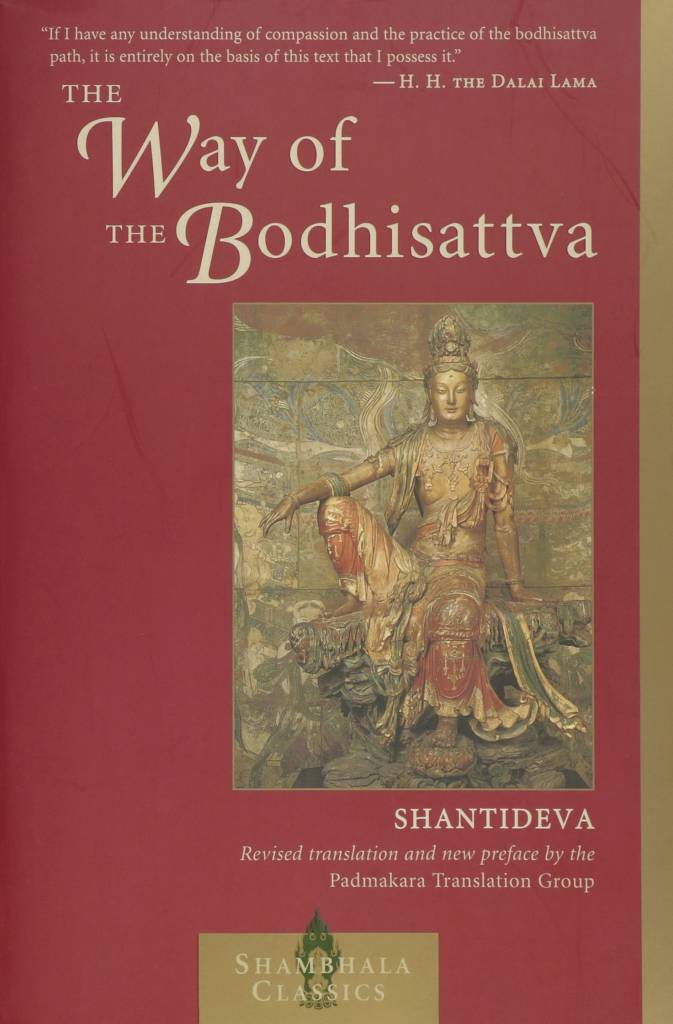
The Nectar of Manjushri's Speech (citation)Blankleder, Helena, and Wulstan Fletcher (Padmakara Translation Group), trans. The Nectar of Manjushri's Speech: A Detailed Commentary on Shantideva's Way of the Bodhisattva. By Kunzang Pelden. Boston: Shambhala Publications, 2007. Bilingual Edition

སྡིག་པ་བྱེད་པ་བདེ་འདོད་ཀྱང་། །

གང་དང་གང་དུ་འགྲོ་འགྱུར་བ། ། དེ་དང་དེར་ནི་སྡིག་པ་དེས། །

སྡུག་བསྔལ་མཚོན་གྱིས་རྣམ་པར་འཇོམས། །

sdig pa byed pa bde 'dod kyang /_/

gang dang gang du 'gro 'gyur ba/_/ de dang der ni sdig pa des/_/

sdug bsngal mtshon gyis rnam par 'joms/_/

དེ་[p.503]Byang chub sems dpa'i spyod pa la 'jug pa rtsa ba dang 'grel pa (1990)
Slob dpon zhi ba lha and Mkhan po kun dpal. Byang chub sems dpa'i spyod pa la 'jug pa rtsa ba dang 'grel pa. Khreng tu'u: Si khron mi rigs dpe skrun khang, 1990. Buda by BDRC Logo.jpg
བཞིན་དུ་སྡིག་པ་མི་དགེ་བ་བྱེད་པ་རྣམས་ཀྱང་བདེ་བར་འདོད་ཀྱང་གནས་གང་དང་གང་དུ་འགྲོ་ཞིང་སྐྱེ་བར་འགྱུར་བ་ཡི་གནས་དེ་དང་དེར་ནི་སྔར་སྡིག་པ་མི་དགེ་བའི་ལས་བསགས་པ་དེས་རྣམ་སྨིན་སྡུག་བསྔལ་གྱི་ཚོར་བ་མཚོན་ཆ་རྣོན་པོས་བསྣུན་པ་དང་འདྲ་བ་རྣམས་ཀྱིས་རྣམ་པར་འཇོམས་སོ། །

But if, through seeking happiness, my deeds are wrong,

No matter where I turn my steps, The knives of misery will cut me down,

The wage and retribution of a sinful life.

On the other hand, if we do evil in our quest for satisfaction, then no matter where we go, wherever we are born, the sharp knives of misery (the ripened effects of former evils) will cut us down and destroy us.

དེ་ལྟར་འདྲེས་མའི་ལས་དེ་ལ་འཕེན་རྫོགས་ཀྱི་ལས་མུ་བཞི་སྟེ། ༼༡༽ འཕེན་བྱེད་དགེ་བས་འཕང་ཞིང་རྫོགས་བྱེད་ཀྱང་དགེ་བས་རྫོགས་པ་བདེ་འགྲོར་སྐྱེས་ཤིང་ཚེ་གང་བདེ་འབྱོར་དང་ལྡན་པ་ལྟ་བུ་དང༌། ༼༢༽ འཕེན་བྱེད་མི་དགེ་བས་འཕང་ཞིང་རྫོགས་བྱེད་ཀྱང་མི་དགེ་བས་རྫོགས་པ་དམྱལ་བར་སྐྱེས་ཤིང་ཚེ་གང་སྡུག་བསྔལ་དང་ལྡན་པ་ལྟ་བུ་དང༌། ༼༣༽ འཕེན་བྱེད་དགེ་བས་ལྷ་ཡུལ་དུ་འཕང་ནས་ལྷར་སྐྱེས་ཀྱང་རྫོགས་བྱེད་མི་དགེ་བས་རྫོགས་པ་འབྱོར་བ་ཅི་ཡང་མེད་པས་སྡུག་བསྔལ་དང་ལྡན་པ་ཡོད་པར་གསུང་པ་ལྟ་བུ་དང༌། ༼༤༽ འཕེན་བྱེད་མི་དགེ་བས་འཕང་ཞིང་རྫོགས་བྱེད་དགེ་བས་རྫོགས་པ་མཛའ་བོའི་བུ་མོའི་དང་དུད་འགྲོ་བདེ་འབྱོར་ཅན་འགའ་ཞིག་ལྟ་བུ་དང༌། གཞན་ཡང་འཕེན་བྱེད་མི་དགེ་བས་ཉི་ཚེ་བའི་དམྱལ་བར་སྐྱེས་ཤིང་རྫོགས་བྱེད་དགེ་སྡིག་གཉིས་ཀས་བྱེད་པ་ཤན་པས་མཚན་སྲོག་མི་གཅོད་པའི་སྡོམ་པ་བླང་བ་དང༌། ལོག་གཡེམ་བྱེད་པས་ཉིན་མི་བྱེད་པའི་སྡོམ་པ་བླང་བ་ཉི་ཚེ་བའི་དམྱལ་བར་བདེ་སྡུག་ཉིན་མཚན་འགྱུར་བས་མྱོང་བ་རྣམས་གྲོ་བཞིན་སྐྱེས་ཀྱིས་གཟིགས་པ་དང༌། དེ་བཞིན་དུ་འཕེན་བྱེད་དགེ་བས་[p.504]Byang chub sems dpa'i spyod pa la 'jug pa rtsa ba dang 'grel pa (1990)
Slob dpon zhi ba lha and Mkhan po kun dpal. Byang chub sems dpa'i spyod pa la 'jug pa rtsa ba dang 'grel pa. Khreng tu'u: Si khron mi rigs dpe skrun khang, 1990. Buda by BDRC Logo.jpg
མིར་སྐྱེས་ཀྱང་རྫོགས་བྱེད་དགེ་སྡིག་གཉིས་ཀས་རྫོགས་པ་ཚེ་སྟོད་སྨད་སོགས་ཀྱི་བདེ་སྡུག་མི་འདྲ་བ་སྣ་ཚོགས་པ་མྱོང་བ་ལྟ་བུ་སྟེ་

With regard to “mixed” actions, there are four possible permutations in which propelling and completing actions relate to each other.165See Treasury, p. 50. (1) When positive propelling action is complemented by positive completing action, the result will be birth in the higher destinies in happy and comfortable conditions. (2) When both propelling and completing actions are negative, they[p.248]The Nectar of Manjushri's Speech
Blankleder, Helena, and Wulstan Fletcher (Padmakara Translation Group), trans. The Nectar of Manjushri's Speech: A Detailed Commentary on Shantideva's Way of the Bodhisattva. By Kunzang Pelden. Boston: Shambhala Publications, 2010.
give rise to birth in the hell realms where suffering is the only form of existence. (3) When virtuous propelling action causes one to be born in the divine realms but is completed by nonvirtuous completing action, one will be deprived of the advantages that normally accompany such a state and one will have to suffer. Finally, (4) when a negative propelling action is accompanied by positive completing action, one’s destiny will be as that narrated in the story of Dzabo’i Pumo or, for example, like that of an animal that has the enjoyment of a happy and fortunate life. A nonvirtuous propelling action may result in the ephemeral hells. But if the completing action is both positive and negative (as in the case of a butcher who takes the vow not to kill during the night or a person who vows to abstain from sexual misconduct during the day), the beings in question will have to experience a corresponding alternation of happiness and suffering by day and by night in the ephemeral hells. Such a situation is described in the story of Shrona.166See The Words of My Perfect Teacher, p. 73. Likewise, if, as a result of positive propelling action, one is born in a human form, and if this is complemented by actions that are both positive and negative, one will have to undergo a variety of experiences of both joy and sorrow, as for instance, in the earlier and later stages of one’s life.

མདོར་ན་བདེ་འགྲོར་སྐྱེས་ཀྱང་རྟེན་དེས་བདེ་སྡུག་ཅི་མྱོང་ཐམས་ཅད་དགེ་སྡིག་གི་འབྲས་བུ་དང༌། ངན་འགྲོར་སྐྱེས་ཀྱང་རྟེན་དེས་བདེ་སྡུག་ཅི་མྱོང་ཐམས་ཅད་དགེ་སྡིག་གི་འབྲས་བུ་ཆུད་མི་ཟ་བས་ཡིན་པར་ཤེས་པར་བྱའོ། །

In short, it should be understood that though one may have been born in a fortunate realm, all the experiences of happiness and suffering in one’s very lifetime are the effects of virtuous and nonvirtuous acts, the same being also true of the happiness and suffering of those born in the lower realms. The effects of one’s actions must all be experienced; they do not fade away and disappear.


[edit]
[edit]