6.86

From Bodhicitta

Bodhicaryāvatāra · Verse 6.86


Sources:    

Sanskrit §No information about the source used.

न केवलं त्वमात्मानं कृतपापं न शोचसि। कृतपुण्यैः सह स्पर्धामपरैः कर्तुमिच्छसि॥

 
Chanted Verse
Recitation by Professor Kashinath Nyaupane
86

Not only do you fail to regret the evil you yourself have done, you want to compete with others who have done good.

Standard Tibetan §Padmakara used the 1990 edition printed by si khron mi rigs dpe skrun khang: Byang chub sems dpa'i spyod pa la 'jug pa rtsa ba dang 'grel pa (1990). Also found in Derge Tengyur D3871, dbu ma, vol. 105, la 1b1–40a7.

ཁྱོད་ནི་རང་གིས་སྡིག་བྱས་ལ། །

མྱ་ངན་མེད་པར་མ་ཟད་ཀྱི། ། བསོད་ནམས་བྱས་པ་གཞན་དག་དང་། །

ལྷན་ཅིག་འགྲན་པར་བྱེད་འདོད་དམ། །

 
Chanted Verse
Recitation by Lopen Karma Phuntsho
86

Not only do you feel no sorrow

For the evils you have done, You even wish to match yourself

With those whose merit has been earned!

Standard Tibetan §Padmakara used the 1990 edition printed by si khron mi rigs dpe skrun khang: Byang chub sems dpa'i spyod pa la 'jug pa rtsa ba dang 'grel pa (1990). Also found in Derge Tengyur D3871, dbu ma, vol. 105, la 1b1–40a7. - Other translations

Non seulement tu n’es pas attristé

Par le mal que tu as commis, Mais tu voudrais, de plus, te mesurer

À ceux qui ont produit des mérites ?

No solo no estás compungido

por todo el mal que has hecho, sino que además quieres competir

con otros que han acumulado mérito.

La Práctica del Bodisatva-front.jpg
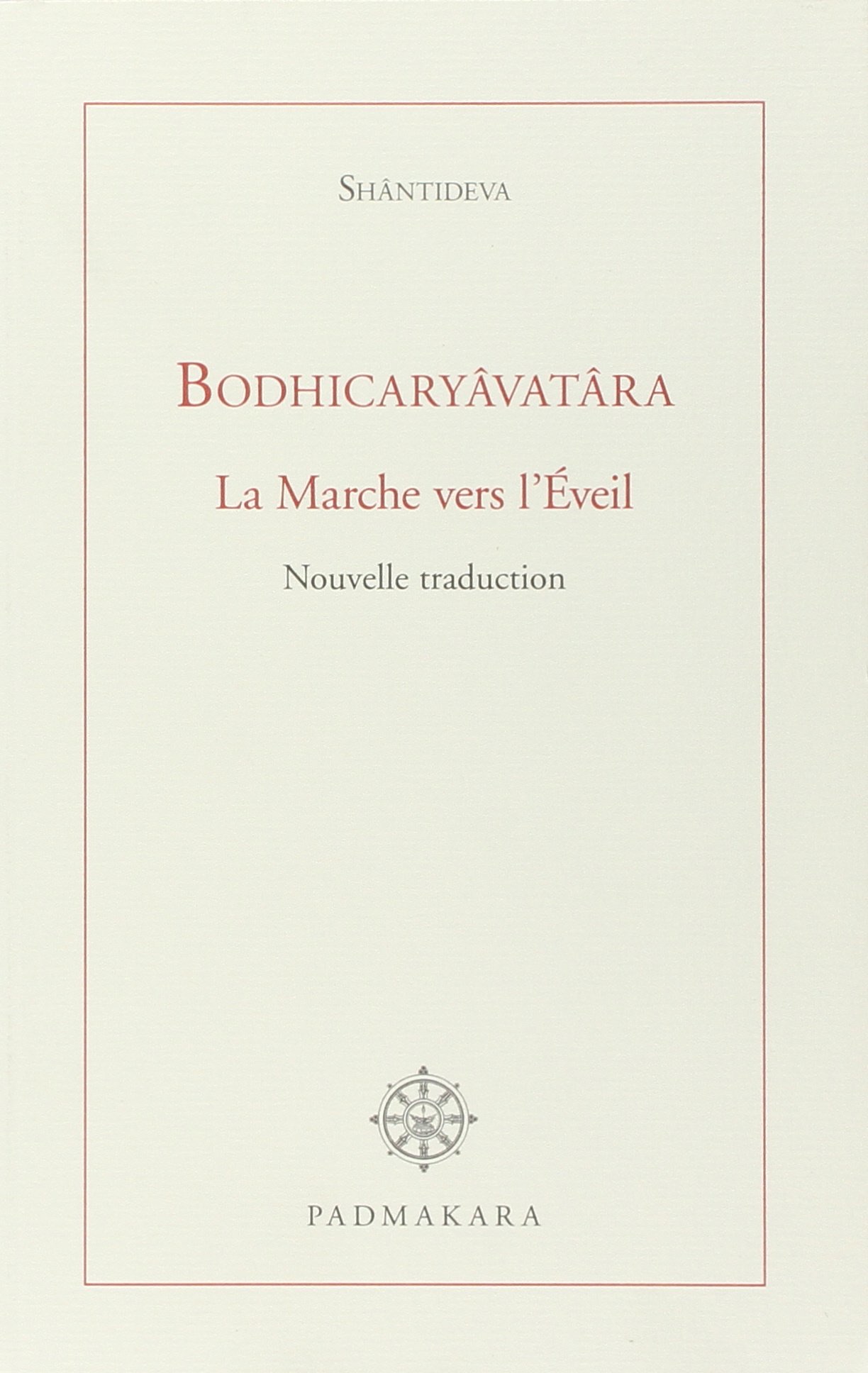
Padmakara Spain 2008

Not only do you not mourn

The negativity you created, You also compete with the merits

Created by others.

Not feeling remorse even

At your own sinful deeds, Do you still jealously compete

With others' meritorious deeds?

shift + scroll / swipe
Tsadra Critical Edition §This text was created by comparing four versions of the text from Derge, Cone, Narthang, and Peking Tengyurs from BDRC scans, along with Dunhuang manuscripts IOL Tib J 628, 629, and 630. When Tibetan readings were problematic, the Sanskrit texts from GRETIL and LTB (Oslo) were consulted.

ཁྱོད་ནི་རང་གིས་སྡིག་བྱས་ལ། །

མྱ་ངན་མེད་པར་མ་ཟད་ཀྱི། ། བསོད་ནམས་བྱས་པ་གཞན་དག་དང་། །

ལྷན་ཅིག་འགྲན་པར་བྱེད་འདོད་དམ། །

[edit]
Sazang Mati (1294 - 1376)
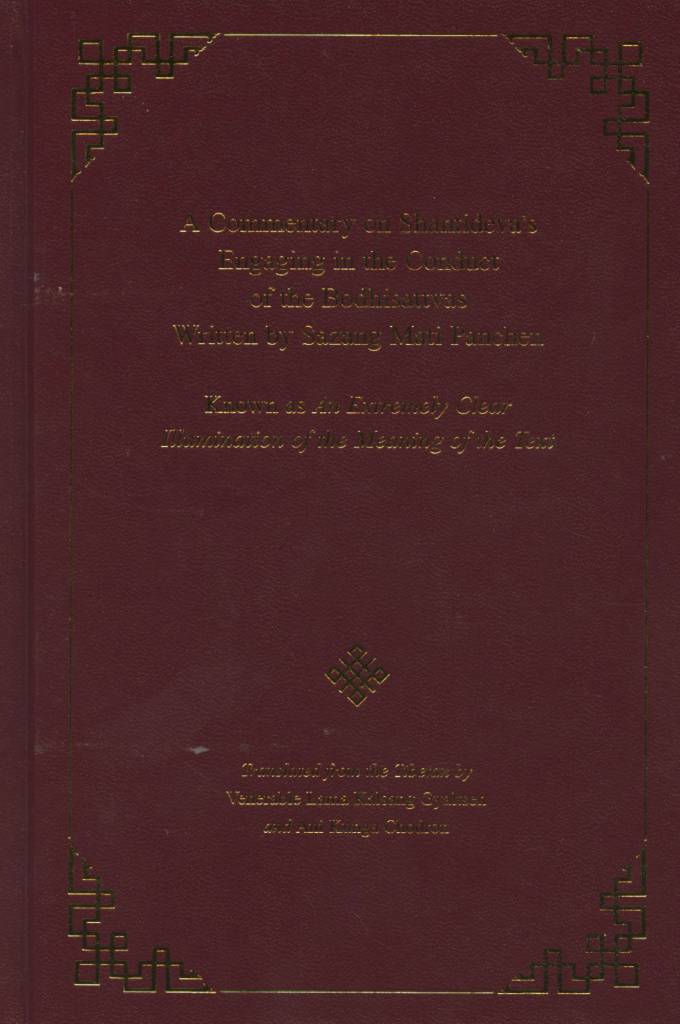
A Commentary on Shantideva's Engaging in the Conduct of the Bodhisattvas (citation)Gyaltsen, Lama Kalsang, and Ani Kunga Chodron, trans. A Commentary on Shantideva's Engaging in the Conduct of the Bodhisattvas Written by Sazang Mati Panchen: Known as An Extremely Clear Illumination of the Meaning of the Text. Walden, NY: Tsechen Kunchab Ling, 2019. Bilingual Edition

(བཞི་པ་)གཞན་ལ་འགྲན་པ་སྤང་ཚུལ་ནི།

4. How to discard competition toward others 1.2.2.2.2.1.3.3.4

ཁྱོད་ནི་རང་གིས་སྡིག་བྱས་ལ། །

མྱ་ངན་མེད་པར་མ་ཟད་ཀྱི། ། བསོད་ནམས་བྱས་པ་གཞན་དག་དང་། །

ལྷན་ཅིག་འགྲན་པར་བྱེད་འདོད་དམ། །

khyod ni rang gis sdig byas la/_/

mya ngan med par ma zad kyi/_/ bsod nams byas pa gzhan dag dang /_/

lhan cig 'gran par byed 'dod dam/_/

Not feeling remorse even

At your own sinful deeds, Do you still jealously compete

With others' meritorious deeds?

ཁྱོད་ནི་རང་གི་རྙེད་པ་མི་འཐོབ་པའི་རྒྱུ་མ་བྱིན་ལེན་ལ་སོགས་སྡིག་པ་བྱས་པ་ལ༵་མྱ་ངན་མེད་པར་མ་ཟད་ཀྱི༵་རྙེད་པ་ཕུན་སུམ་ཚོགས་པ་འགྲུབ་པའི་རྒྱུ་བསོད་ནམས་རྒྱ་ཆེན་པོ་བྱས་པ་གཞན་དག་ད༵ང་ལྷན་ཅིག་འགྲན་པར་བྱེད་འདོད་ད༵མ་སྟེ་འགྲན་པར་མི་རིགས་ལ། ཅི་སྟེ་འགྲན་ན་རྒྱུ་བསོད་ནམས་ཀྱི་ཚོགས་སོག་པ་ལ་འབད་པར་རིགས་སོ།། །།

Why do you not only lack regret at previous sins such as taking what was not given, which is the cause of being unable to obtain material, but still wish to compete with others who are accumulating great merit which is the cause of successful material gain? It is unsuitable to compete. If competition is desired, exert yourself in accumulating a heap of merit, which is the cause.

ད་ནི་བམ་པོ་གཉིས་པ༵་ནས་བརྩམས་ཏེ།

Gyaltsap Je (1364 - 1432)
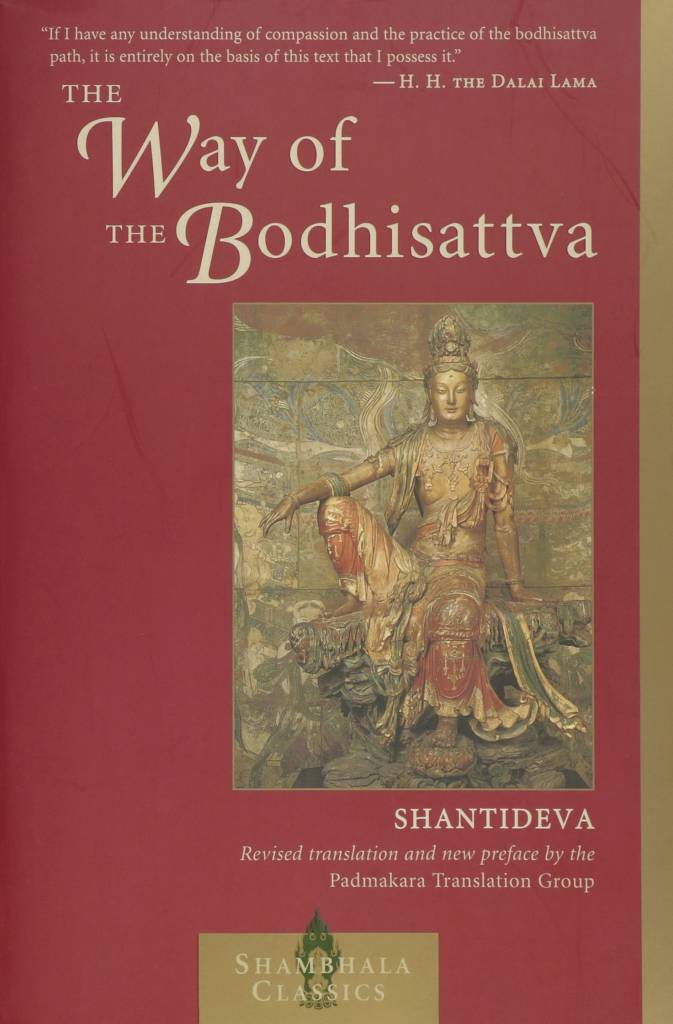
The Entrance for the Children of the Conquerors (citation)Stracke, Fedor, trans. The Entrance for the Children of the Conquerors: A Commentary on the Introduction to the Actions of Bodhisattvas. By Gyaltsab Rinpoche. N.p.: Happy Monks Publication, 2016. https://happymonkspublication.org/product/bodhisattvacharyavatara-chapter-1-10-commentary/. Bilingual Edition

གསུམ་པ་ནི།

It Is Suitable to Mourn One’s Negativities But Unsuitable to Be Jealous of Others’ Virtue 1.1.1.2.1.4.2.2.3.2.3

ཁྱོད་ནི་རང་གིས་སྡིག་བྱས་ལ། །

མྱ་ངན་མེད་པར་མ་ཟད་ཀྱི། ། བསོད་ནམས་བྱས་པ་གཞན་དག་དང་། །

ལྷན་ཅིག་འགྲན་པར་བྱེད་འདོད་དམ། །
khyod ni rang gis sdig byas la/_/

mya ngan med par ma zad kyi/_/ bsod nams byas pa gzhan dag dang /_/

lhan cig 'gran par byed 'dod dam/_/

Not only do you not mourn

The negativity you created, You also compete with the merits

Created by others.

ཁྱོད་ནི་རྙེད་པ་མི་ཐོབ་པའི་རྒྱུ་སྔོན་རང་གིས་སྡིག་པ་བྱས་པ་ལ་མྱ་ངན་མེད་པར་མ་ཟད་ཀྱི། སྔོན་བསོད་ནམས་བྱས་པ་གཞན་[p.247]Spyod 'jug rtsa 'grel (Mtsho sngon mi rigs dpe skrun khang 2001)
Śāntideva, and Rgyal tshab rje dar ma rin chen. Spyod 'jug rtsa 'grel and Byang chub sems dpa'i spyod pa la 'jug pa'i rnam bshad rgyal sras 'jug ngogs. Xining: Mtsho sngon mi rigs dpe skrun khang, 2001
དག་དང་ལྷན་ཅིག་འགྲན་ཅིང་མི་བཟོད་པར་ཕྲག་དོག་བྱེད་འདོད་དམ་བྱེད་པ་མི་རིགས་སོ། །བམ་པོ་གཉིས་པ།

Not only do you not mourn the cause for not receiving any gain, the negativities that you created earlier, you also compete with the merits previously created by others and are jealous because you cannot bear them. Is this not unsuitable?
Minyak Kunzang Sönam (1823 - 1905)
The Great Hūṃ (citation)Duckworth, Douglas, trans. The Great Hūṃ: A Commentary on Śāntideva's Way of the Bodhisattva. By Minyak Kunzang Sönam. New York, NY: Wisdom Publications, 2025. Bilingual Edition

རྙེད་པའི་རྒྱུ་དོར་བས་རང་ལ་ཁྲོ་རིགས་པ་ནི།

Next it shows that since this jealousy throws away the cause of gain, it makes sense to get angry at yourself:

ཁྱོད་ནི་རང་གིས་སྡིག་བྱས་ལ། །

མྱ་ངན་མེད་པར་མ་ཟད་ཀྱི། ། བསོད་ནམས་བྱས་པ་གཞན་དག་དང་། །

ལྷན་ཅིག་འགྲན་པར་བྱེད་འདོད་དམ། །
Not only do you have no sorrow

for your own evil deeds, but you also want to compete with others

who have done what is meritorious? (6.86)

དགྲའི་རྙེད་པ་ལ་མི་དགའ་ཞིང་རང་ལ་ཅི་ནས་ཀྱང་རྙེད་པ་ལྷག་པར་ཐོབ་པར་འདོད་ན་རྙེད་བཀུར་འབྱུང་བའི་ཐབས་སུ་བསོད་ནམས་གསོག་པ་དང་ནི་སྦྱིན་བདག་དད་པ་ཐོབ་པའི་རྒྱུ་སྤྱོད་པ་རྣམ་པར་དག་པའམ་ཚུལ་ཁྲིམས་དང་ཐོས་བསམ་ལ་སོགས་པ་རྙེད་པ་ཐོབ་བྱེད་ཀྱི་རྒྱུར་གྱུར་པའི་རང་གི་ཡོན་ཏན་རྣམས་ཅིའི་ཕྱིར་འདོར་བར་བྱེད་དེ་བྱེད་མི་རིགས་སོ། །

When you are unhappy with an enemy’s gains and strongly desire acquisitions for yourself, why is it then that you throw away the cause for getting them? You do not gather the merit that is the means for bringing about acquisitions and esteem. You discard discipline and pure conduct, which cause a benefactor to obtain faith; or you throw away your own good qualities— things like discipline, study, and contemplation—which [359] are the cause for acquisitions. It does not make sense to throw these away.

དེ་ལྟར་རྙེད་བཀུར་འདོད་ན་དེ་འཐོབ་པར་འགྱུར་བའི་རྒྱུ་ཡོན་ཏན་གྱི་ཆོས་རྣམས་རང་གི་རྒྱུད་ལ་འཛིན་རིགས་པ་ལ་དེ་དག་མི་འཛིན་པར་འདོར་བར་བྱེད་པ་པོ་རང་ཉིད་ལ་རྒྱུ་མཚན་གང་གིས་ཁྲོ་བར་མི་བྱེད་པ་སྨྲོས་ཤིག་སྟེ་རང་ལ་རྙེད་སོགས་མི་འབྱུང་བའི་རྒྱུས་ཁྲོ་བར་རིགས་ཀྱི་གཞན་ལ་རྙེད་སོགས་བྱུང་བའི་རྒྱུས་ཁྲོ་བར་མི་རིགས་སོ་ཞེས་པའོ། །

Thus if you want acquisitions and esteem, it makes sense to uphold in your continuum the good qualities that are the cause of their attainment. Tell me, why don’t you get angry at yourself, the one who does not uphold these but throws them away? It makes sense to get angry at what causes acquisitions not to come to you, but it does not make sense to get angry at what causes acquisitions to come to others.

རང་ལ་རྙེད་བཀུར་མ་བྱུང་ཕྱིན་ཆད་གཞན་ལའང་མེད་ན་དགའ་ཞིང་ལེགས་སོ་ཞེ་ན། ཁྱོད་ནི་རང་གིས་རྙེད་བཀུར་མི་འཐོབ་པའི་རྒྱུ་སྔོན་རྐུ་འཕྲོག་བྱས་པ་དང་གཞན་གྱི་རྙེད་པའི་གེགས་བྱས་པ་དང་གཞན་གྱི་རྙེད་པ་ལ་ཕྲག་དོག་བྱས་པ་སོགས་ལས་ངན་པའི་སྡིག་པ་བྱས་པ་ལ་མྱ་ངན་མེད་པར་མ་ཟད་ཀྱི་སླར་ཡང་ཕྲག་དོག་གི་དབང་གིས་རྙེད་བཀུར་ཕུན་སུམ་ཚོགས་པ་འབྱུང་བའི་རྒྱུར་གྱུར་པའི་བསོད་ནམས་ཆེན་པོ་བྱས་ཤིང་བསགས་པའི་གང་ཟག་གཞན་དག་དང་ལྷན་ཅིག་འགྲན་པར་བྱེད་འདོད་དམ་སྟེ་འགྲན་པར་བྱེད་མི་རིགས་ལ། ཅིས་ཀྱང་འགྲན་ན་བསོད་ནམས་དགེ་བའི་ལས་གསོག་པ་ལ་འགྲན་པར་བྱ་རིགས་སོ། །ཡང་གཞན་ལ་རྙེད་བཀུར་བྱུང་བ་ལ་ཁྲོས་པས་རང་གི་བསོད་ནམས་སོགས་གསུམ་པོ་དོར་ནས་རྙེད་པ་འབྱུང་བའི་རྒྱུ་མི་འཛིན་པ་རང་ལ་ཁྲོ་བར་རིགས་སོ་ཞེས་ཀྱང་བཤད་དེ་བསོད་ནམས་དང་ནི་དད་པ་སོགས་ལ་འཆད་ཚུལ་མི་འདྲ་བ་འགའ་འདུག་གོ །དེ་དག་ནི་དགྲ་ལ་བསྟོད་གྲགས་བདེ་སྐྱིད་རྙེད་བཀུར་ལྟ་བུ་བྱུང་བའམ་དེ་དག་སྒྲུབ་པ་སོགས་ཀྱི་སྒོ་ནས་དེ་ལ་ལེགས་པ་བྱེད་པ་ལ་ཡིད་མི་བདེ་བ་དང་མི་བཟོད་པ་སྤངས་ནས་ཡིད་བདེ་[p.383]Byang chub sems dpa'i spyod pa la 'jug pa'i 'grel bshad rgyal sras rgya mtsho'i yon tan rin po che mi zad 'jo ba'i bum bzang
Mi nyag kun bzang bsod nams (མི་ཉག་ཀུན་བཟང་བསོད་ནམས་). byang chub sems dpa'i spyod pa la 'jug pa'i 'grel bshad rgyal sras rgya mtsho'i yon tan rin po che mi zad 'jo ba'i bum bzang [བྱང་ཆུབ་སེམས་དཔའི་སྤྱོད་པ་ལ་འཇུག་པའི་འགྲེལ་བཤད་རྒྱལ་སྲས་རྒྱ་མཚོའི་ཡོན་ཏན་རིན་པོ་ཆེ་མི་ཟད་འཇོ་བའི་བུམ་བཟང།]. [Excellent Vase That Spills Forth an Ocean of the Inexhaustible and Precious Qualities of the Victor's Heirs: An Explanation of the "Way of the Bodhisattva."].
དང་བཟོད་པ་སྒོམ་དགོས་པར་བསྟན་པའོ། །

You might think, “When I do not come by acquisitions and esteem, it is fine and I am happy as long as others don’t get them, either.” The cause of your not getting acquisitions and esteem is that you have done evil deeds in the past: you have robbed, stolen, obstructed others from gain, and have been jealous toward other’s gains. Not only do you have no sorrow for this, but out of jealousy do you now want to compete with other people who have gathered great merit, which is the cause for coming to an abundance of acquisitions and esteem? It makes no sense to compete. If you must compete, it makes sense to have a competition in the accumulation of actions that are virtuous and meritorious. Alternatively, throw away merit, faith . . . is explained in other ways, such as when getting angry in the case when others come to honors and gain, it makes sense to get angry with yourself, the one who does not uphold the causes of gain, having thrown out the three (merit, faith, and good qualities). These lines show that when good things come to enemies or are accomplished by them—things like praise, fame, happiness, honor, and gain—you should give up dejection and being unable to bear it, and cultivate joy and patience with it.

དེ་ལྟར་རང་དང་རང་གི་མཛའ་བཤེས་ཀྱི་ཕྱོགས་ལ་མི་འདོད་པ་བྱེད་པ་དང་དགྲའི་ཕྱོགས་ལ་ལེགས་པ་བྱེད་པ་སོགས་ལ་མཐའ་གཅིག་ཏུ་མི་འདོད་པའི་རྣམ་པ་པར་བལྟས་ན་དེ་ལ་བརྟེན་ནས་ཡིད་མི་བདེ་སྐྱེ་ལ་དེའི་རྒྱུན་འཕེལ་བ་ལས་ཁོང་ཁྲོ་སྐྱེ་ཞིང༌། དེ་དག་ལ་མི་འདོད་ཅིང་མི་དགའ་བའི་རྣམ་པར་མ་བལྟས་ན་ཡིད་མི་བདེ་མི་སྐྱེ་ལ་དེ་མ་སྐྱེས་ན་ཁོང་ཁྲོ་སྐྱེ་མི་སྲིད་པས་ན། བཤད་མ་ཐག་པའི་རིགས་པ་རྣམས་ལ་བརྟེན་ནས་རང་དང་རང་གི་ཕྱོགས་ལ་མི་འདོད་པ་བྱེད་པ་དང་དགྲའི་ཕུན་སུམ་ཚོགས་པ་སོགས་ལ་མཐའ་གཅིག་ཏུ་མི་འདོད་པའི་རྣམ་པར་བལྟ་བ་བཟློག་ཅིང་ཐབས་སྣ་ཚོགས་པའི་སྒོ་ནས་ཁོང་ཁྲོ་དགག་པར་བྱ་དགོས་སོ། །

Thus when something happens that you or your loved ones do not want, and when something good happens to your enemy’s side and you look at[p.544]The Great Hum
Duckworth, Douglas, trans. The Great Hūṃ: A Commentary on Śāntideva's Way of the Bodhisattva. By Minyak Kunzang Sönam. New York, NY: Wisdom Publications, 2025.
this as one-sidedly unwanted, you become dejected by this and get angry from this development. When you don’t look at these in terms of what is unwanted and disliked, you do not become dejected; and when not dejected, it is impossible to get angry. Therefore based on the aforementioned reasoning, when unwanted things happen to you and your side or when enemies encounter things like success, you should stop seeing it as one-sidedly unwanted; you should thus put an end to anger with various methods.

དེ་འགོག་ཐབས་ཀྱི་གདམས་ངག་གི་གཙོ་བོའང་འདིའི་གོང་འོག་ཏུ་བསྟན་པ་ལྟ་བུའི་རྒྱལ་སྲས་རྣམས་ཀྱི་རིགས་པ་རང་རྒྱུད་ཀྱི་ཉོན་མོངས་པའི་ཕྱོགས་དང་བརྒལ་ལན་བྱས་ཏེ་ཁ་ནང་དུ་ཕྱོགས་ཏེ་རང་རྒྱུད་ཀྱི་དགྲ་མ་རུངས་པ་ཁོང་ཁྲོ་སོགས་ཀྱི་ཉོན་མོངས་རྣམས་འཇོམས་པར་བྱེད་པའི་ཚུལ་འདི་རྣམས་ཡིན་པས་དེ་ལྟ་བུའི་སོ་སོར་རྟོག་པའི་ཤེས་རབ་ཀྱིས་རྣམ་པར་དཔྱད་ནས་རིགས་པའི་སྒོ་སྣ་ཚོགས་ནས་བཀག་ན་ཁོང་ཁྲོའི་ནང་ཚན་གྱི་རིགས་དུ་མ་ལྡོག་ཅིང་གཉེན་པོ་བཟོད་པའང་སྒོ་དུ་མ་ནས་སྐྱེ་བར་གསུངས་པས་ན། སོ་སོར་རྟོག་པའི་ཤེས་རབ་ཀྱིས་ཡང་དག་པའི་ལུང་དོན་ལ་དཔྱད་ནས་དྲི་མ་མེད་པའི་རིགས་པའི་ལམ་ནས་དྲངས་པའི་ངེས་ཤེས་མ་སྐྱེས་ཀྱི་བར་དུ་འབད་པ་གལ་ཆེའོ། །

The main practical instructions that are methods for preventing anger are said to be these reasons for bodhisattvas, explained in this section above and below, that rebut the afflictive side of your mindstream by turning within and destroying the afflictions like anger that are the fierce enemies within your continuum. Thereby, through undermining them in this way with various reasoned analyses by discerning wisdom, it is said that many kinds of anger are averted and the antidotal patience also arises in many ways. Thus, until a confidence arises induced by the path of stainless reason, it is important [360] to strive by analyzing the correct meaning of scriptures with discerning wisdom.

བམ་པོ་གཉིས་པའོ། །འདི་ནས་བརྩམས་ཏེ་འཆད།

(The second translated segment is said to begin here.)
Kunzang Palden (1862 - 1943)
The Nectar of Manjushri's Speech (citation)Blankleder, Helena, and Wulstan Fletcher (Padmakara Translation Group), trans. The Nectar of Manjushri's Speech: A Detailed Commentary on Shantideva's Way of the Bodhisattva. By Kunzang Pelden. Boston: Shambhala Publications, 2007. Bilingual Edition

ཁྱོད་ནི་རང་གིས་སྡིག་བྱས་ལ། །

མྱ་ངན་མེད་པར་མ་ཟད་ཀྱི། ། བསོད་ནམས་བྱས་པ་གཞན་དག་དང་། །

ལྷན་ཅིག་འགྲན་པར་བྱེད་འདོད་དམ། །

khyod ni rang gis sdig byas la/_/

mya ngan med par ma zad kyi/_/ bsod nams byas pa gzhan dag dang /_/

lhan cig 'gran par byed 'dod dam/_/

དེ་ལྟ་ནའང་ངེད་གཉིས་འདྲ་བས་ན་རང་ལ་རྙེད་པ་མེད་ཕྱིན་ཆད་འདི་ལའང་མེད་ན་དགའ་སྙམ་ན་ཁྱོད་ནི་རང་གིས་རྙེད་པ་མི་ཐོབ་པའི་རྒྱུ་བླང་དོར་ལ་རྨོངས་ཤིང་མ་བྱིན་པ་ལེན་པ་སོགས་སྡིག་པ་བྱས་པ་ལ་གནོད་འགྱོད་ཀྱིས་མྱ་ངན་མེད་པར་མ་ཟད་ཀྱི་རྙེད་པ་འཐོབ་པའི་རྒྱུ་བླང་དོར་ལ་མཁས་ཤིང་ཚུལ་ཁྲིམས་བསྲུང་བ་དང་བསོད་ནམས་རྒྱ་ཆེན་པོ་བྱས་པ་གཞན་དག་དང་ལྷན་ཅིག་འགྲན་པར་བྱེད་འདོད་དམ་སྟེ་འགྲན་པར་བྱེད་མི་རིགས་པ་ཁོ་ནའོ། །གལ་ཏེ་མ་འགྲན་པའི་ཐབས་མེད་ན་ཚུལ་ཁྲིམས་[p.455]Byang chub sems dpa'i spyod pa la 'jug pa rtsa ba dang 'grel pa (1990)
Slob dpon zhi ba lha and Mkhan po kun dpal. Byang chub sems dpa'i spyod pa la 'jug pa rtsa ba dang 'grel pa. Khreng tu'u: Si khron mi rigs dpe skrun khang, 1990. Buda by BDRC Logo.jpg
བསྲུངས་ཤིང་བསོད་ནམས་ཀྱི་ཚོགས་བསགས་ཏེ་བླང་དོར་གྱི་གནས་ལ་མཁས་པར་བྱོས་ཤིག །

Not only do you feel no sorrow

For the evils you have done, You even wish to match yourself

With those whose merit has been earned!

We may consider that we and the people that we envy are all the same and equal. Therefore when we don’t have something, they shouldn’t have it either! But the very cause of our poverty is the fact that, ignorant of what should be done and what should not be done, we have[p.219]The Nectar of Manjushri's Speech
Blankleder, Helena, and Wulstan Fletcher (Padmakara Translation Group), trans. The Nectar of Manjushri's Speech: A Detailed Commentary on Shantideva's Way of the Bodhisattva. By Kunzang Pelden. Boston: Shambhala Publications, 2010.
committed evil actions such as stealing. Not only are we without any repentance and remorse, but we even have the effrontery to vie with those who have knowledge of correct conduct, observance of the discipline, and accumulation of great merit, because of which their wealth has appeared. Our attitude is wrong! And if we cannot help competing with others, then let us observe the discipline, accumulate merit, and understand the proper rules of conduct.

དེ་ལྟར་ན་བཟོད་ཡུལ་ངོས་འཛིན་པའི་སྐབས་སུ་བདག་དང་བཤེས་སྔོན་དུ་དང་དགྲ་རྗེས་སུ་བསྟན་ལ། རྒྱས་པར་བཤད་པའི་ཚེ་མི་འདོད་པ་བཅུ་གཉིས་ལ་ཡང་དེ་ལྟར་བསྟན་པ་ལས། བདག་ལ་སྡུག་བསྔལ་བྱེད་པ་ལ་བཟོད་པ་སྒོམ་ཚུལ་རྣམ་པ་གསུམ་གྱིས་རྒྱས་པར་བཤད་དེ། བདག་ལ་བརྙས་སོགས་གསུམ་དང་བཤེས་ལ་དེ་བཞི་དང་དགྲ་ལ་ལེགས་བྱས་བསྡུས་ནས་བསྟན་པར་མཛད་པ་ལ་གོང་གི་འགྲེས་སྦྱར་ཏེ་བཤད་ཅིང་བསྒོམ་དགོས་པ་ཡིན་ལ། འདོད་པའི་གེགས་བཅུ་གཉིས་བསྡུས་ཏེ་བསྟན་པ་ལ་ཐོག་མར་དགྲ་བཞག་སྟེ་གསུང་བ་ནི་བསྟན་བཅོས་ཀུན་ལས་བརྗོད་བྱ་ཉུང་བ་ཐོག་མར་བཤད་པ་བཞིན་ཡིན་ནོ། །བམ་པོ་གཉིས་པ། བམ་པོ་གཉིས་པ། འདི་ལ་མང་ཉུང་གི་ཚད་གཅིག་ཏུ་མ་ངེས་ཤིང་འདིར་བམ་པོ་གཉིས་ཞེས་གསུང་ནའང་ཕྱི་མ་འདི་མང་ངོ༌། །

When the objects of patience were identified above, mention was first made of oneself and of one’s close associates, and this was followed by mention of enemies. Of the twelve undesirable factors that were thus revealed, the way to cultivate patience with regard to the causes of our suffering was explained in detail under three headings.158I.e., the patience of accepting suffering, the patience regarding the ultimate reality of things, and the patience of making light of adversity. The cultivation of patience with regard to those who treat us with contempt and so forth,159I.e., with direct verbal aggression, together with the destruction of one’s good name through malicious rumors. patience with those who mistreat our loved ones, together with patience toward those who do good to our enemies—all this is set forth concisely and should be explained as it was before. And once it is explained, we ought to meditate and familiarize ourselves with it. In the condensed exposition given below of the twelve obstacles that prevent us from getting what we want, the question of enemies is addressed at the beginning. The Bodhicharyavatara does not say a great deal about these obstacles and so they should be expounded in the same way as the first [three] topics.


[edit]
[edit]