5.88

From Bodhicitta

Bodhicaryāvatāra · Verse 5.88


Sources:    

Sanskrit §No information about the source used.

धर्मं निर्गौरवे स्वस्थे न शिरोवेष्टिते वदेत्। सच्छत्रदण्डशस्त्रे च नावगुण्ठितमस्तके॥

 
Chanted Verse
Recitation by Professor Kashinath Nyaupane
88

He should not preach the dharma to a person who does not show the proper respect, to someone who wears a turban though he is in good health, to someone holding a parasol, a cane, or a sword, if he has his head covered.

Standard Tibetan §Padmakara used the 1990 edition printed by si khron mi rigs dpe skrun khang: Byang chub sems dpa'i spyod pa la 'jug pa rtsa ba dang 'grel pa (1990). Also found in Derge Tengyur D3871, dbu ma, vol. 105, la 1b1–40a7.

མ་གུས་པ་ལ་ཆོས་མི་བཤད། །

མི་ན་བཞིན་དུ་མགོ་དཀྲིས་དང་། ། གདུགས་དང་འཁར་བ་མཚོན་ཐོགས་དང་། །

མགོ་བོ་གཡོགས་པ་དག་ལ་མིན། །

 
Chanted Verse
Recitation by Lopen Karma Phuntsho
88

Do not teach the Dharma to the disrespectful:

To those who, though not sick, wrap cloths around their heads, To those who carry weapons, staffs, or parasols,

To those who are with covered heads.[p.74]The Way of the Bodhisattva (2006)
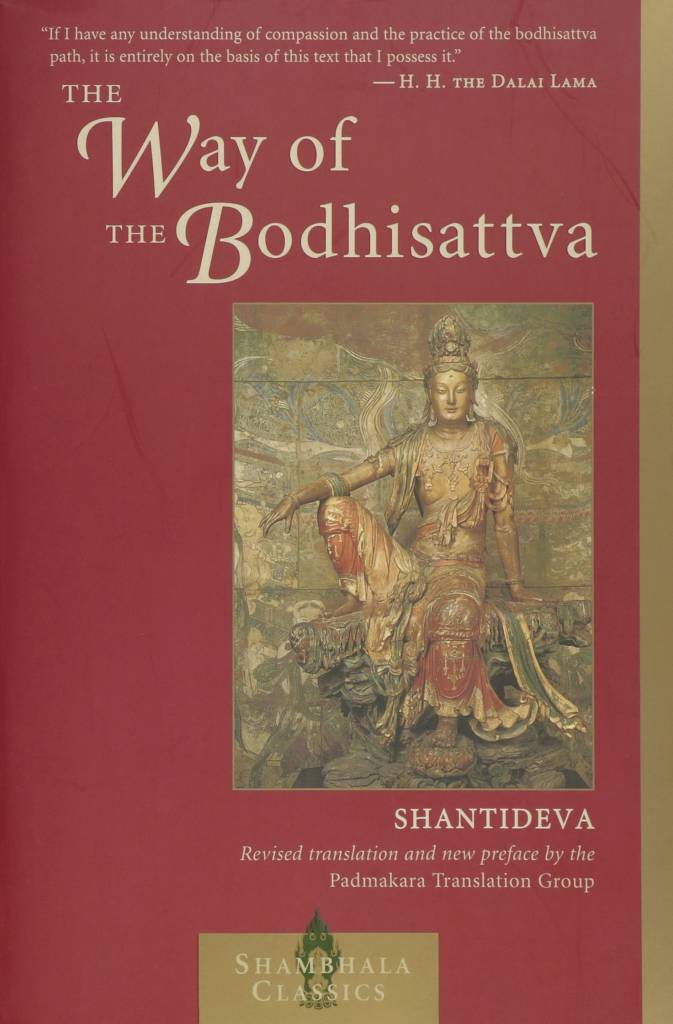
Blankleder, Helena, and Wulstan Fletcher (Padmakara Translation Group), trans. The Way of the Bodhisattva: A Translation of the Bodhicharyāvatāra. By Śāntideva. Rev. ed. Shambhala Classics. Boston: Shambhala Publications, 2006.

Standard Tibetan §Padmakara used the 1990 edition printed by si khron mi rigs dpe skrun khang: Byang chub sems dpa'i spyod pa la 'jug pa rtsa ba dang 'grel pa (1990). Also found in Derge Tengyur D3871, dbu ma, vol. 105, la 1b1–40a7. - Other translations

N’enseignez pas le Dharma aux irrespectueux,

Ni à ceux qui, sans être malades, portent un turban, Tiennent une ombrelle, un bâton ou une arme,

Ou se couvrent le chef,

El darma no debe enseñarse a quienes no tienen respeto,

a los que llevan turbantes aunque no estén enfermos, a quienes llevan palos, armas o sombrillas,

o a aquellos que se cubren la cabeza.

La Práctica del Bodisatva-front.jpg
Padmakara Spain 2008

Do not teach the Dharma to the disrespectful.

Not to those who, while healthy, wear headbands, Umbrellas, sticks, carry weapons,

Or cover their heads.

Do not teach Dharma to those who lack respect,

Whose heads are wrapped even though not sick, Who bear umbrellas, canes, or weapons,

And not to those with covered heads.

shift + scroll / swipe
Tsadra Critical Edition §This text was created by comparing four versions of the text from Derge, Cone, Narthang, and Peking Tengyurs from BDRC scans, along with Dunhuang manuscripts IOL Tib J 628, 629, and 630. When Tibetan readings were problematic, the Sanskrit texts from GRETIL and LTB (Oslo) were consulted.

མ་གུས་པ་ལ་ཆོས་མི་བཤད། །73ཏུན་ཧོང་ཀ་༴ ༥.༨༨ ‘མ་གུས་པ་ལ་ཆོས་མི་བཤད། །’ ་་་ ༥.༩༨ ‘ལྟུང་བའི་ལྷག་མ་དེས་ཞི་བྱ། །’ བར་མེད།

མི་ན་བཞིན་དུ་མགོ་དཀྲིས་དང་། ། གདུགས་དང་འཁར་བ་མཚོན་ཐོགས་དང་། །

མགོ་བོ་གཡོགས་པ་དག་ལ་མིན། །

[edit]
Sazang Mati (1294 - 1376)
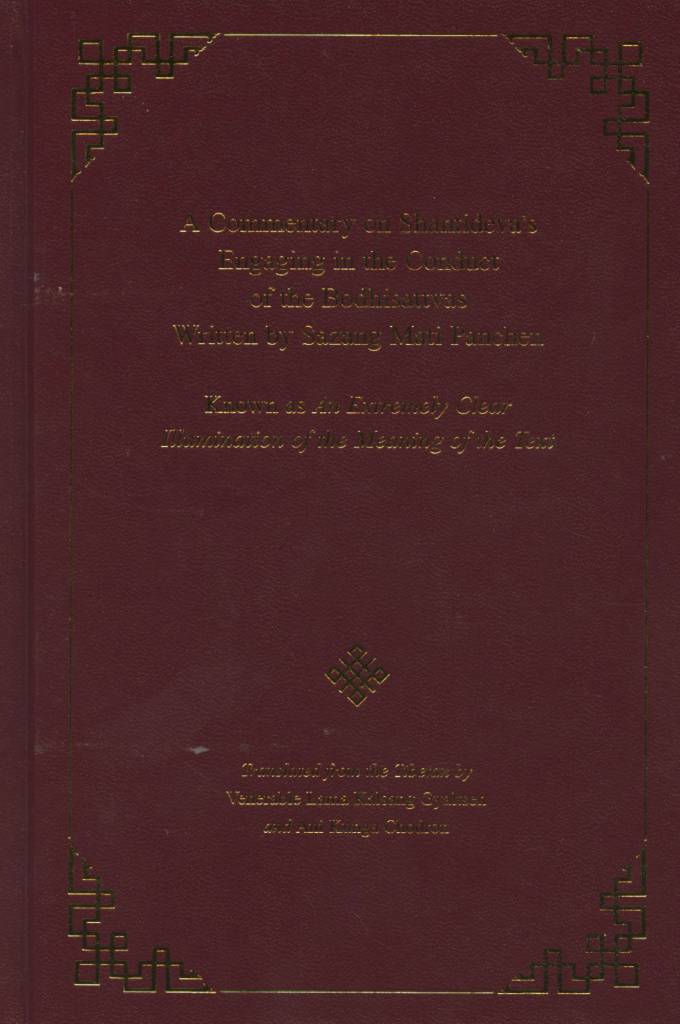
A Commentary on Shantideva's Engaging in the Conduct of the Bodhisattvas (citation)Gyaltsen, Lama Kalsang, and Ani Kunga Chodron, trans. A Commentary on Shantideva's Engaging in the Conduct of the Bodhisattvas Written by Sazang Mati Panchen: Known as An Extremely Clear Illumination of the Meaning of the Text. Walden, NY: Tsechen Kunchab Ling, 2019. Bilingual Edition

(བཅུ་པ་)དམ་ཆོས་འཆད་པའི་སྤྱོད་ལམ་ནི།

10. Physical behavior when teaching the Dharma 1.2.3.2.2.3.1.10

གཙང་ཞིང་ཡིད་དུ་འོང་བའི་ས་ཕྱོགས་སུ། ། ཡངས་པའི་སྟན་ནི་རབ་ཏུ་བཤམས་བཏིང་སྟེ། །

In a clean and attractive place,
Upon a large, well-arranged throne...

ཞེས་པ་ལྟར་གདན་བཟང་པོ་ལ་འདུག་ཅིང༌།

As this states, when teaching, it is required to sit upon a nice seat.

བཟང་པོའི་ཚོན་གྱིས་ལེགས་པར་ཁ་བསྒྱུར་བའི། ། ཆོས་གོས་གཙང་མ་དེ་ནི་རབ་བགོས་ནས། །

Properly wear clean Dharma robes
Well-dyed a suitable color...

ཞེས་པ་ལྟར་གོས་གཙང་མ་གྱོན་ལ།

As this explains, it is required to wear clean robes.

ཆོས་སྦྱིན་ཉོན་མོངས་མེད་སེམས་ཀྱིས། ། མདོ་སོགས་ཡང་དག་ཇི་བཞིན་སྟོན། །

Give Dharma without defilements in the mind,
Teach correctly according to the sutras, etc..

ཞེས་པ་ལྟར་རྙེད་པ་དང་བཀུར་སྟི་ལ་ཆགས་པ་ལ་སོགས་པའི་ཉོན་མོངས་པ་མེད་པས་མདོ་སྡེ་ལ་སོགས་པའི་ཚིག་དང་དོན་ཇི་ལྟ་བ་བཞིན་དུ་བཤད་པར་བྱ་སྟེ།

As this explains, teach the Dharma without having defilements in one’s mind such as attachment to gaining material and service. Teach the words and meaning of the Dharma exactly as they are given in the sutras and other texts.

མ་གུས་པ་ལ་ཆོས་མི་བཤད། །

མི་ན་བཞིན་དུ་མགོ་དཀྲིས་དང་། ། གདུགས་དང་འཁར་བ་མཚོན་ཐོགས་དང་། །

མགོ་བོ་གཡོགས་པ་དག་ལ་མིན། །

ma gus pa la chos mi bshad/_/

mi na bzhin du mgo dkris dang /_/ gdugs dang 'khar ba mtshon thogs dang /_/

mgo bo g.yogs pa dag la min/_/

Do not teach Dharma to those who lack respect,

Whose heads are wrapped even though not sick, Who bear umbrellas, canes, or weapons,

And not to those with covered heads.

དེ་ཡང༌། (སྐྱེས་རབས་སུ་)

Teach those who exhibit devoted and respectful behavior. The Jataka Stories states:

རབ་ཏུ་དམའ་བའི་སྟན་ལ་འདུག །

དུལ་བའི་དཔལ་ནི་རྣམ་པར་བསྐྱེད། ། དགའ་དང་འདུན་པའི་མིག་གིས་བལྟ། །

ཚིག་གི་བདུད་རྩི་འཐུང་བ་བཞིན། །

To those who sit upon a very low cushion,
Well matured and excellently tamed,
Eyes gazing with joy and interest,
Drinking the words like nectar . . .

ཞེས་པ་ལྟར་གུས་པ་དང་ལྡན་པ་རྣམས་ལ་ཡིན་གྱི།

As this explains, teach the Dharma to those who show such devotion.[p.178]A Commentary on Shantideva's Engaging in the Conduct of the Bodhisattvas
Gyaltsen, Lama Kalsang, and Ani Kunga Chodron, trans. A Commentary on Shantideva's Engaging in the Conduct of the Bodhisattvas Written by Sazang Mati Panchen: Known as An Extremely Clear Illumination of the Meaning of the Text. Walden, NY: Tsechen Kunchab Ling, 2019. First edition published by The Yeshe Dorje Foundation in 2006.

དམ་པའི་ཆོས་དང་དེ་སྨྲ་བ་ལ་[p.-165]རབ་གསལ་སྣང་བ་
མ་གུས་པ་རྣམས་ལ་ནི་ཆོས་ཟབ་མོ་མི་བཤ༵ད་དེ། བཤད་ན་ཉན་པ་པོ་དེ་ཆོས་སྤོང་བའི་ལས་ཀྱིས་དམྱལ་བར་ལྟུང་བའི་ཕྱིར་རོ། །བསམ་པ་གུས་ཀྱང་སྦྱོར་བའི་ཁྱད་པར་མི་ན་བཞིན་དུ་མགོ་བོ་ཐོད་ཀྱིས་དཀྲིས་པ་ད༵ང་ཞྭ་གྱོན་པ་དང༌། ལག་ན་གདུགས་བཟུང་བ་དང་འཁར་བ་ཐོགས་པ་དང༌། རལ་གྲི་ལ་སོགས་པའི་མཚོན་ཆ་ཐོགས་པ་ད༵ང་གོས་ལ་སོགས་པས་མགོ་བོ་གཡོགས་པ་དག་ལའང་ཆོས་བཤད་པར་བྱ་བ་མི༵ན་ཏེ། ན་བ་དང་ཚ་བས་གདུང་བ་ལ་སོགས་པ་རྣམས་ལ་ནི་ཉེས་པ་མེད་དོ། །

Do not teach the profound Dharma to those who lack respect for the holy teachings and Dharma teachers. By teaching such people, they will accumulate the karma of abandoning the Dharma which will cause them to fall into hell and the other lower realms. It is also inappropriate to teach those with a properly devoted motivation but inappropriate physical behavior, such as those who wrap the head when not sick, wear a hat, hold an umbrella as a canopy, bear swords or other weapons, or cover the head with cloth. However, for those who are sick or suffer from heat, there is no fault.
Gyaltsap Je (1364 - 1432)
The Entrance for the Children of the Conquerors (citation)Stracke, Fedor, trans. The Entrance for the Children of the Conquerors: A Commentary on the Introduction to the Actions of Bodhisattvas. By Gyaltsab Rinpoche. N.p.: Happy Monks Publication, 2016. https://happymonkspublication.org/product/bodhisattvacharyavatara-chapter-1-10-commentary/. Bilingual Edition

གཉིས་པ་ལ་གསུམ།

Gathering with the Dharma 1.2.1.1.3.3.2.2

དང་པོ་ནི།

The Physical Actions of an Audience that One Should Not Teach 1.2.1.1.3.3.2.2.1

མ་གུས་པ་ལ་ཆོས་མི་བཤད། །

མི་ན་བཞིན་དུ་མགོ་དཀྲིས་དང་། ། གདུགས་དང་འཁར་བ་མཚོན་ཐོགས་དང་། །

མགོ་བོ་གཡོགས་པ་དག་ལ་མིན། །
ma gus pa la chos mi bshad/_/

mi na bzhin du mgo dkris dang /_/ gdugs dang 'khar ba mtshon thogs dang /_/

mgo bo g.yogs pa dag la min/_/

Do not teach the Dharma to the disrespectful.

Not to those who, while healthy, wear headbands, Umbrellas, sticks, carry weapons,

Or cover their heads.

ཆོས་དང་ཆོས་སྨྲ་བ་ལ་མ་གུས་པ་ལ་ཆོས་མི་བཤད་ཅིང་སྤྱོད་ལམ་གྱི་ཁྱད་པར་མི་ན་བཞིན་དུ་མགོ་དཀྲིས་པ་དང་། ལག་ན་གདུགས་དང་། འཁར་བ་དང་། མཚོན་ཆ་ཐོགས་པ་དང་། རས་ལ་སོགས་པས་མགོ་བོ་གཡོགས་པ་དག་ལའང་ཆོས་བཤད་པར་བྱ་བ་མིན་ནོ། །

One should not explain the dharma to those that do not have respect for the dharma and the teacher, or to those whose behavior is unsuitable, such as wearing headbands, carrying umbrellas, sticks, weapons or covering their heads with cloth and so forth.
Minyak Kunzang Sönam (1823 - 1905)
The Great Hūṃ (citation)Duckworth, Douglas, trans. The Great Hūṃ: A Commentary on Śāntideva's Way of the Bodhisattva. By Minyak Kunzang Sönam. New York, NY: Wisdom Publications, 2025. Bilingual Edition

ཆོས་ཀྱི་སྦྱིན་པས་བསྡུ་ཚུལ་ལ། ཉན་པ་པོའི་ཀུན་སྤྱོད་ཀྱི་ཁྱད་པར་ནི།

On how to gather through the gift of the Dharma, next it shows the distinctive behavior of the audience:

མ་གུས་པ་ལ་ཆོས་མི་བཤད། །

མི་ན་བཞིན་དུ་མགོ་དཀྲིས་དང་། ། གདུགས་དང་འཁར་བ་མཚོན་ཐོགས་དང་། །

མགོ་བོ་གཡོགས་པ་དག་ལ་མིན། །
One should not explain the Dharma to those who are

disrespectful, to those who wrap their heads even when not ill, to those who hold parasols, sticks, or weapons,

or to those who cover their heads. (5.88)

དམ་པའི་ཆོས་ཟབ་མོ་རྙེད་པར་དཀའ་ཞིང་ལྷ་དང་བཅས་པའི་འགྲོ་བ་ཐམས་ཅད་ཀྱིས་མཆོད་འོས་དང་བཀུར་འོས་སུ་གྱུར་པ་ཡིན་པས་ན་ཆོས་དང་ཆོས་སྨྲ་བ་ལ་མ་གུས་པ་ལ་ཆོས་མི་བཤད་དེ་བཤད་ན་ལྷ་རྣམས་ཀྱིས་འཕྱ་ཞིང་སྨོད་པར་འགྱུར་ལ་དེའི་ཕྱིར་སྟོན་པས་བཀག་པའི་ཕྱིར་དང་ཉན་པ་པོ་ཆོས་ལ་མ་གུས་པས་ཆོས་སྤོང་གི་ལས་ཀྱིས་དམྱལ་བར་སྐྱེ་བ་སོགས་ཀྱི་ཕྱིར་རོ། །

The sacred Dharma is difficult to find and is worthy of praise and veneration by all beings, including the gods. So, the Dharma is not to be taught to those with no respect for either the Dharma or the Dharma teacher. If it is taught to them, the gods will condemn and rebuke this; therefore our teacher prohibited this. Also, it is because such a listener would be born in places like hell through the action of rejecting the Dharma out of a lack of respect for it.

འདུག་པ་ལ་འགྲེང་སྟེ་ཆོས་མི་བཤད་པར་རོ། ། ཉལ་བ་འདུག་སྟེ་ཆོས་མི་བཤད་པར་རོ། །

One should not teach the Dharma standing to someone who is sitting.
One should not teach the Dharma sitting to someone who is lying down.843Guṇaprabha, Vinaya Sūtra (D. 4117), 49b.

ཞེས་སོགས་གསུངས་པ་རྣམས་ཀྱང་མཚོན་ནས་བསྟན་ལ།

It shows this with some examples.

ཆོས་བཤད་པ་པོ་དགེ་[p.296]Byang chub sems dpa'i spyod pa la 'jug pa'i 'grel bshad rgyal sras rgya mtsho'i yon tan rin po che mi zad 'jo ba'i bum bzang
Mi nyag kun bzang bsod nams (མི་ཉག་ཀུན་བཟང་བསོད་ནམས་). byang chub sems dpa'i spyod pa la 'jug pa'i 'grel bshad rgyal sras rgya mtsho'i yon tan rin po che mi zad 'jo ba'i bum bzang [བྱང་ཆུབ་སེམས་དཔའི་སྤྱོད་པ་ལ་འཇུག་པའི་འགྲེལ་བཤད་རྒྱལ་སྲས་རྒྱ་མཚོའི་ཡོན་ཏན་རིན་པོ་ཆེ་མི་ཟད་འཇོ་བའི་བུམ་བཟང།]. [Excellent Vase That Spills Forth an Ocean of the Inexhaustible and Precious Qualities of the Victor's Heirs: An Explanation of the "Way of the Bodhisattva."].
སློང་ལྟ་བུ་ཡིན་ན་དེ་ལྟ་བུ་ལ་བཤད་ན་ཉེས་བྱས་རེ་འབྱུང་བར་གསུངས་པས་ཉེས་བྱས་ཉེར་དྲུག་གིས་མ་གོས་པར་ཆོས་སྟོན་དགོས་པར་གསུངས་སོ། །ཉན་པ་པོ་ན་བ་དང་ཚ་བས་གདུང་བ་ལ་སོགས་ལ་མགོ་དཀྲིས་པ་དང་གདུགས་ཐོགས་པ་སོགས་ལ་ཉེས་པ་མེད་པར་གསུངས་ལ་དེ་བཞིན་དུ་ཉལ་བ་དང་འདུག་པ་ལ་འདུག་པ་དང་འགྲེང་སྟེ་ཆོས་མི་བཤད་པ་སོགས་ཀྱང་ནད་པ་ལ་ཉེས་པ་མེད་པར་གསུངས་སོ། །

If the Dharma teacher is a fully ordained monk, then it is said that there is a slight misdeed when this happens, and that the Dharma teacher should be unsullied by the thirty-six misdeeds. It is said that there is no misdeed if the listener is sick or oppressed by heat and thereby wraps their head or holds a parasol and so on. Similarly, it is said not to be a misdeed to teach the Dharma sitting to someone who is lying down or to teach standing to someone who is seated when they are sick.

མདོར་ན་ཆོས་ཉན་པ་པོས་གུས་པ་དང་རིམ་གྲོ་བསྐྱེད་ནས་ཉན་དགོས་ཏེ། སའི་སྙིང་པོའི་མདོ་ལས།

In short, the audience should listen after cultivating respect and reverence. The Kṣitigarbha Sūtra says:

གཅིག་ཏུ་དད་ཅིང་གུས་པས་ཆོས་མཉན་གྱི། །

དེ་ལ་འཕྱ་ཞིང་སྐུར་བར་མི་བྱའོ། ། ཆོས་སྨྲ་བ་ལ་མཆོད་པ་བྱ་བ་ནི། །

སངས་རྒྱས་འདྲ་བར་དེ་ལ་འདུ་ཤེས་སྐྱེད། །

Listen to the Dharma with one-pointed faith and respect;
one should not ridicule or disparage.
Make offerings to the one who teaches the Dharma
with an attitude regarding them as like the Buddha.844Kṣitigarbha Sūtra, 342b.

ཅེས་གསུངས་ལ། བྱང་ས་ལས་ཁེངས་པ་དང་ཁྱད་གསོད་ཀྱི་ཉོན་མོངས་གཉིས་དང་བྲལ་བ་དང་ཚུལ་ཁྲིམས་ཉམས་པ་རིགས་དམའ་བ་བྱད་ངན་པ་ཚིག་འབྲུ་ངན་པ་ཚིག་རྩུབ་ཅིང་མི་སྙན་པར་སྨྲ་བས་འདི་ལ་མཉན་པར་མི་བྱ་སྙམ་པ་སྟེ་གནས་ལྔར་ཡིད་ལ་མི་བྱ་བར་མཉན་དགོས་པར་བཤད་ལ། སྤྱོད་ལམ་གྱི་ཁྱད་པར་སོགས་སྐྱེས་རབས་ལས་ཀྱང༌།

The Bodhisattva Grounds says that you should listen without the two afflictions of arrogance and disregard, and without attending to five domains: lapsed discipline, low class, ugly face, bad words and harsh speech, and unpleasant speech.845See Asaṅga, Bodhisattva Grounds, 128a–b; English trans. in Engle, The Bodhisattva’s Path to Unsurpassed Enlightenment, 401. The distinctive qualities of behavior are also mentioned in the Birth Stories:

རབ་ཏུ་དམའ་བའི་སྟན་ལ་འདུག ། དུལ་བའི་དཔལ་ནི་རྣམ་པར་བསྐྱེད། །

Take a low seat and
cultivate the glory of discipline.846Āryaśūra, Garland of Birth Stories, 31.69, 125a; English trans. in Khoroche, Once the Buddha Was a Monkey, 233.

ཅེས་སོགས་གསུངས་ཤིང༌། ཉན་ཚུལ་དངོས་ཀྱང་སྣོད་ཀྱི་སྐྱོན་གསུམ་སྤོང་བ་དང་འདུ་ཤེས་དྲུག་བསྟེན་པ་སོགས་ཀྱི་སྒོ་ནས་ཉན་དགོས་པར་གསུངས་ལ། དེ་ལྟར་གུས་པས་མཉན་ཏེ་ཆོས་ཐོས་པའི་ཕན་ཡོན་ཀྱང༌། ཐོས་པའི་ཚོམས་ལས། ཐོས་པས་ཆོས་རྣམས་ཤེས་པར་འགྱུར། །ཞེས་སོགས་དང་། སྐྱེས་རབས་ལས་ཀྱང་། གང་ཞིག་ཐོས་པས་ཡིད་ནི་དད་གྱུར་ནས། །

As for the actual way to listen, it is said that you should listen having given up [279] the three faults of the vessel and so on, and by relying on the six[p.426]The Great Hum
Duckworth, Douglas, trans. The Great Hūṃ: A Commentary on Śāntideva's Way of the Bodhisattva. By Minyak Kunzang Sönam. New York, NY: Wisdom Publications, 2025.
attitudes and so forth.847See Patrul Rinpoché, Words of My Perfect Teacher, 10–12 and 18–19. There is a lot said about the benefits of listening to the Dharma respectfully. The Hearing chapter of the Collection of Aphorisms says: “Through hearing, things come to be understood.”848Collection of Aphorisms 22.4, 350a. The cited text has a slight variant from the canonical version. Also, the Birth Stories says: “Faith in mind comes from that which is heard.”849Āryaśūra, Garland of Birth Stories, 31.31, 121b; English trans. in Khoroche, Once the Buddha Was a Monkey, 228.

ཞེས་སོགས་མང་དུ་གསུངས་སོ། །འཆད་པ་པོའི་སྤྱོད་ལམ་སོགས་ཀྱི་ཁྱད་པར་ཡང་། དམ་ཆོས་པད་དཀར་ལས།

On the distinctive behaviors of the teacher, the Lotus Sūtra says:

གཙང་ཞིང་ཡིད་དུ་འོང་བའི་ས་ཕྱོགས་སུ། ། ཡངས་པའི་སྟན་ནི་རབ་ཏུ་བཤམས་བཏིང་སྟེ། །

In a clean and beautiful place
arrange a broad seat . . .850Lotus Sūtra, 167a. This passage is cited in Śāntideva, Anthology of Training, 190a–b; English trans. in Goodman, The Training Anthology of Śāntideva, 327–28.

ཞེས་པ་ལྟར་ས་ཕྱོགས་གཙང་མར་སྟན་བཟང་བོ་ལ་འདུག་ཅིང་།

The teacher is to sit on a nice seat in a clean place.

བཟང་པོའི་ཚོན་གྱིས་ལེགས་པར་ཁ་བསྒྱུར་བའི། ། ཆོས་གོས་གཙང་མ་དེ་ནི་རབ་བགོས་ནས། །

Wearing clean dharma robes
that have been dyed an excellent color . . .851Lotus Sūtra, 167a.

ཞེས་སོགས་ལྟར་ཁ་དོག་ལེགས་པར་བསྒྱུར་བའི་ཆོས་གོས་གཙང་མ་ལེགས་པར་བགོས་ལ།

It says that clean dharma robes should be worn that have been dyed a good color.

ཟས་དང་སྐོམ་དང་བཟའ་དང་བཅའ་བ་དང༌། ། གོས་དང་མལ་ཆ་ཆོས་གོས་རྣམས་དང་ནི། །

With things to eat and drink,
clothes, pillows, and dharma robes . . .852Lotus Sūtra, 167b.

ཞེས་སོགས་ལྟར་བསམ་པ་རྙེད་བཀུར་དོན་གཉེར་མེད་པ་དང་།

There is no intention to pursue gain or esteem.

མཁས་དེ་རྟག་ཏུ་ཕྲག་དོག་མེད་པར་ནི། །

A wise one never becomes jealous.853Lotus Sūtra, 167a–b.

ཞེས་སོགས་ལྟར་ཕྲག་དོག་དང་ལེ་ལོ་དང་སྐྱོ་ངལ་གྱི་བསམ་པ་སོགས་མེད་པ་དང་།

There is no thought of jealousy, laziness, or weariness.

བྱམས་པའི་སྟོབས་ནི་འཁོར་ལ་བསྒོམ་པར་བྱ། །ཞེས་དང༌།

གཞན་དུ་མཁས་པ་རྟག་ཏུ་བདག་ཉིད་དང༌། །

སེམས་ཅན་འདི་དག་སངས་རྒྱས་འགྲུབ་པར་ཤོག །

They should meditate on the power of love in the assembly . . .
Otherwise, a wise one always wishes:
“May I and all these sentient beings become buddhas!”854Lotus Sūtra, 167b.

ཅེས་སོགས་ལྟར་བྱམས་པའི་སེམས་དང་རང་གཞན་སངས་རྒྱས་འཐོབ་འདོད་ཀྱི་བསམ་པ་སོགས་མངོན་དུ་བྱས་ནས་[p.297]Byang chub sems dpa'i spyod pa la 'jug pa'i 'grel bshad rgyal sras rgya mtsho'i yon tan rin po che mi zad 'jo ba'i bum bzang
Mi nyag kun bzang bsod nams (མི་ཉག་ཀུན་བཟང་བསོད་ནམས་). byang chub sems dpa'i spyod pa la 'jug pa'i 'grel bshad rgyal sras rgya mtsho'i yon tan rin po che mi zad 'jo ba'i bum bzang [བྱང་ཆུབ་སེམས་དཔའི་སྤྱོད་པ་ལ་འཇུག་པའི་འགྲེལ་བཤད་རྒྱལ་སྲས་རྒྱ་མཚོའི་ཡོན་ཏན་རིན་པོ་ཆེ་མི་ཟད་འཇོ་བའི་བུམ་བཟང།]. [Excellent Vase That Spills Forth an Ocean of the Inexhaustible and Precious Qualities of the Victor's Heirs: An Explanation of the "Way of the Bodhisattva."].
ཆོས་སྟོན་དགོས་བར་གསུངས་ཏེ་རྒྱས་པར་དེ་ཉིད་དང་བསླབ་བཏུས་སུ་དྲངས་པ་ལྟར་དང༌། དེ་བཞིན་དུ་བློ་གྲོས་རྒྱ་མཚོས་ཞུས་པ་ལས་ཀྱང་། ཆོས་སྨྲ་བས་གཙང་སྦྲ་དང་ཀུན་ཏུ་སྤྱོད་པ་གཟོབ་པ་དང་ལེགས་པར་བཀྲུས་པ་དང་ལེགས་པར་གོས་བགོ་བར་བྱའོ་ཞེས་གསུངས་ལ། རང་ལ་སྨན་པ་ཆོས་ལ་སྨན་ཆོས་ཉན་པ་ལ་ནད་པ་དེ་བཞིན་གཤེགས་པ་ལ་སྐྱེས་བུ་དམ་པ་ཆོས་ཀྱི་ཚུལ་ལ་རིང་དུ་གནས་པ་སྟེ་འདུ་ཤེས་ལྔ་འཇོག་པ་དང་དེ་ཉིད་ལས་གསུངས་པའི་བདུད། ཆོད་པའི་སྔགས་ཚིག་ཁ་ཏོན་དུ་བྱས་ཤིང་མངོན་དུ་བྱས་ཏེ་ཆོས་ཀྱི་གཏམ་བྱེད་ན་དེའི་འཁོར་ཡུག་དཔག་ཚད་བརྒྱ་ཚུན་ཆད་དུ་བདུད་དང་བདུད་རིས་ཀྱི་ལྷ་འཐོ་འཚམས་པའི་བསམས་པས་མི་འོང་བའམ་འོངས་ཀྱང་བར་ཆད་མི་ནུས་པར་གསུངས་ལ། སའི་སྙིང་པོའི་མདོ་ལས་ཀྱང་།

Thus it says that the Dharma should be taught with a loving mind, and by actualizing an intention for oneself and others to attain buddhahood. This is stated extensively in this text and is cited in the Anthology of Training. Similarly, the Inquiry of Sāgaramati says: “Teachers of the Dharma should be clean and careful in behavior. They should be washed well and dressed in fine clothes.”855Cited in Śāntideva, Anthology of Training, 190b; English trans. in Goodman, The Training Anthology of Śāntideva, 329. The teacher should have a fivefold attitude: seeing oneself as a physician, the Dharma as medicine, the audience as patients, the Tathāgata[p.427]The Great Hum
Duckworth, Douglas, trans. The Great Hūṃ: A Commentary on Śāntideva's Way of the Bodhisattva. By Minyak Kunzang Sönam. New York, NY: Wisdom Publications, 2025.
as a sacred being, and the Dharma as remaining for a long time. The teacher who gives teachings on the Dharma, expressing the words of a mantra that subjugates demons, is said to stop demons and demonic spirits from coming with harmful intentions around that place for one hundred miles, or if they do come, demons will be unable to make obstacles. The Kṣitigarbha Sūtra says:

ཀུན་ནས་ཉོན་མོངས་པ་ཡི་ནད་བསལ་ཕྱིར། །

དམ་པའི་ཆོས་ཀྱི་སྨན་དག་ཉན་པར་བསྐུལ། ། ཁེ་དང་གྲགས་པ་ཤིན་ཏུ་རིང་སྤངས་ཏེ། །

དམ་པའི་ཆོས་དག་བསྟན་ཅིང་བཤད་པར་བྱ། །

In order to dispel the illness of thorough affliction
incite them to listen to the medicine of the sacred Dharma.
Completely giving up profit and fame,
one should teach and explain the sacred Dharma.856Kṣitigarbha Sūtra, 342b.

ཞེས་གསུངས་པ་ལྟར་དང་། གཞན་ཡང་ཆོས་ལ་དཔེ་མཁྱུད་བྱེད་པ་བདག་བསྟོད་གཞན་སྨོད་སོགས་ཀྱི་བསམ་སྤྱོར་ཐམས་ཅད་སྤངས་ཏེ་འཆད་པ་དང༌། འདུལ་བའི་མདོར་མ་གསོལ་བར་མི་བྱའོ་ཞེས་གསུངས་པ་ལྟར་གསོལ་བ་མ་བཏབ་པར་མི་བཤད་ཅིང་གསོལ་བ་འདེབས་པ་ལའང་སྣོད་བརྟག་པ་དང་སྣོད་རུང་དུ་ཤེས་ན་གསོལ་བ་མ་བཏབ་ཀྱང་བཤད་དུ་རུང་བའི་ཚུལ། ཏིང་རྒྱལ་ལས།

Further, the Dharma should be explained having rejected tight-fistedness with knowledge, as well as any intention or endeavor that involves things that bring praise to oneself or criticism to others. As the Vinaya Sūtra says, “One should not if not requested,”857Guṇaprabha, Vinaya Sūtra, 59b. one should not teach if not requested to do so. Also, even when a request is made, those requesting should be investigated as to whether or not they are suitable recipients. If they are known to be suitable recipients, it is appropriate to teach them even if they have not made a request. This should be known as [280] the King of Meditative Stabilizations Sūtra says:

ཆོས་ཀྱི་སྦྱིན་པའི་ཆེད་ཀྱི་ཕྱིར། །

གལ་ཏེ་ཁྱོད་ལ་གསོལ་འདེབས་ན། ། རབ་རྒྱས་བདག་གིས་མ་བསླབས་ཞེས། །

ཐོག་མར་ཚིག་དེ་བརྗོད་པར་བྱ། །

In order to give the Dharma
if you are requested,
you should first say these words:
“I have not studied extensively.”858Cited in Śāntideva, Anthology of Training, 190b; English trans. in Goodman, The Training Anthology of Śāntideva, 328.

ཞེས་ཐོགས་གསུངས་པ་ལྟར་ཤེས་པར་བྱའོ། །དེ་ལྟར་ཆོས་བཤད་པའི་ཕན་ཡོན་ནི། བསླབ་བཏུས་ཀྱི་བསོད་ནམས་སྤེལ་བའི་སྐབས། ཆོས་ཀྱི་སྦྱིན་པ་ཟང་ཟིང་མེད། །བསོད་ནམས་འཕེལ་བའི་རྒྱུར་འགྱུར་ཏེ། །ཞེས་གསུངས་ནས། ལྷག་བསམ་བསྐུལ་བའི་མདོ་དྲངས་པ་ལས། དྲན་པ་དང་ལྡན་པ་ཡིན། བློ་དང་ལྡན་པ་ཡིན། བློ་གྲོས་དང་ལྡན་པ་ཡིན། མོས་པ་དང་ལྡན་པ་ཡིན། ཤེས་རབ་དང་ལྡན་པ་ཡིན་ཞེས་སོགས་རྙེད་བཀུར་གྲགས་པ་ལ་སོགས་པའི་ཟང་ཟིང་ལ་མི་ལྟ་བར་ཆོས་སྟོན་པའི་ཕན་ཡོན་ཉི་ཤུ་སོགས་དང༌། ཤེར་མདོ་ལས་གསུངས་པའི་ཕན་ཡོན་རྣམས་ཀྱང་དྲངས་ནས་ཆོས་སྦྱིན་པའི་ཕན་ཡོན་དང་ཇི་ལྟར་སྦྱིན་ཚུལ་སོགས་རྒྱས་པར་བསྟན་ལ། དེ་བཞིན་དུ་བྱམས་པ་སེང་གེའི་སྒྲའི་མདོ་སོགས་ལས་ཀྱང་ཕན་ཡོན་མང་དུ་གསུངས་སོ། །

The benefits of explaining the Dharma are expressed in the Anthology of Training in the context of developing merit: “‘Giving the Dharma without material concern’859Śāntideva, Anthology of Training Verses, v. 26b, 2b–3a; English trans. in Goodman, The Training Anthology of Śāntideva, lxxvi. is a cause for developing merit.”860Śāntideva, Anthology of Training, 189a; English trans. in Goodman, The Training Anthology of Śāntideva, 326. Then it cites Inciting a Superior Intention, which describes twenty benefits of teaching the Dharma without material concern, such as for acquisitions, esteem, or fame: “You will be mindful; you will be smart; you will be intelligent; you will be inspired; you will be wise . . .”861Cited in Śāntideva, Anthology of Training, 189a–b; English trans. in Goodman, The Training Anthology of Śāntideva, 326. It also cites the benefits that are stated in the Perfection of Wisdom Sūtra, and shows extensively the benefits of giving the Dharma and how to do so.862Cited in Śāntideva, Anthology of Training, 189b–190a; English trans. in Goodman, The Training Anthology of Śāntideva, 326–27. Similarly, texts like the Lion’s Roar of Maitreya Sūtra also say a lot about these benefits as well.[p.428]The Great Hum
Duckworth, Douglas, trans. The Great Hūṃ: A Commentary on Śāntideva's Way of the Bodhisattva. By Minyak Kunzang Sönam. New York, NY: Wisdom Publications, 2025.
Kunzang Palden (1862 - 1943)
The Nectar of Manjushri's Speech (citation)Blankleder, Helena, and Wulstan Fletcher (Padmakara Translation Group), trans. The Nectar of Manjushri's Speech: A Detailed Commentary on Shantideva's Way of the Bodhisattva. By Kunzang Pelden. Boston: Shambhala Publications, 2007. Bilingual Edition

མ་གུས་པ་ལ་ཆོས་མི་བཤད། །

མི་ན་བཞིན་དུ་མགོ་དཀྲིས་དང་། ། གདུགས་དང་འཁར་བ་མཚོན་ཐོགས་དང་། །

མགོ་བོ་གཡོགས་པ་དག་ལ་མིན། །

ma gus pa la chos mi bshad/_/

mi na bzhin du mgo dkris dang /_/ gdugs dang 'khar ba mtshon thogs dang /_/

mgo bo g.yogs pa dag la min/_/

ཆོས་དང་བླ་མ་ལ་བསམ་པ་དང་སྤྱོད་ལམ་མ་གུས་པ་རྣམས་ལ་ཆོས་མི་བཤད་དེ། བཤད་ན་ཆོས་ཀྱི་ཆེ་བ་ཉམས་པ་དང་ཉན་པ་པོ་ལ་ཕན་མི་ཐོགས་པ་དང་དེར་མ་ཟད་ཆོས་ལ་མ་གུས་པས་ངན་སོང་དུ་ལྟུང་བར་འགྱུར་རོ། །བསམ་པ་གུས་ཀྱང་སྦྱོར་བའི་ཁྱད་པར་མི་ན་བའམ་ནད་པ་མིན་བཞིན་དུ་མགོ་ལ་ཐོད་སོགས་ཀྱིས་དཀྲིས་པ་དང༌། ཞྭ་གྱོན་པ་དང༌། གདུགས་ཐོགས་པ་དང་འཁར་བ་སྟེ་ལག་རྟེན་དང་རལ་གྲི་དང་མདུང་ལ་སོགས་པའི་མཚོན་ཆ་ཐོགས་པ་དང༌། གཟན་ལ་སོགས་པ་གོས་[p.404]Byang chub sems dpa'i spyod pa la 'jug pa rtsa ba dang 'grel pa (1990)
Slob dpon zhi ba lha and Mkhan po kun dpal. Byang chub sems dpa'i spyod pa la 'jug pa rtsa ba dang 'grel pa. Khreng tu'u: Si khron mi rigs dpe skrun khang, 1990. Buda by BDRC Logo.jpg
ཀྱིས་མགོ་བོ་གཡོགས་པ་དང་ཁྲི་སྟན་ཆེ་མཐོ་ལ་འདུག་པ་ལ་སོགས་པ་དག་ལ་ཆོས་བཤད་པ་མིན་ཏེ་བཤད་མི་རུང་ཞིང་ནད་པ་སོགས་ལ་ནི་ཉེས་པ་མེད་དོ། །

Do not teach the Dharma to the disrespectful:

To those who, though not sick, wrap cloths around their heads, To those who carry weapons, staffs, or parasols,

To those who are with covered heads.[p.74]The Way of the Bodhisattva (2006)
Blankleder, Helena, and Wulstan Fletcher (Padmakara Translation Group), trans. The Way of the Bodhisattva: A Translation of the Bodhicharyāvatāra. By Śāntideva. Rev. ed. Shambhala Classics. Boston: Shambhala Publications, 2006.

Teachings should not be given to people who show no respect, with their mental attitude or behavior, toward the teachings or the teacher. If the teachings are bestowed in such circumstances, the greatness of the Dharma will be diminished and the listeners will not be benefited. What is more, the lack of respect shown by such people toward the teachings will cause them to fall into the lower realms. Neither should the teachings be given[p.191]The Nectar of Manjushri's Speech
Blankleder, Helena, and Wulstan Fletcher (Padmakara Translation Group), trans. The Nectar of Manjushri's Speech: A Detailed Commentary on Shantideva's Way of the Bodhisattva. By Kunzang Pelden. Boston: Shambhala Publications, 2010.
to those who, even though they do have a respectful attitude, nevertheless keep their heads covered though they are not sick; keep their hats upon their heads; carry parasols or walking sticks, or swords, spears, and other weapons. One should not explain the teachings to those who cover their heads with their monastic shawls or who are seated on lofty seats. Of course, allowances are to be made in the case of the sick.


[edit]
[edit]