3.15

From Bodhicitta

Bodhicaryāvatāra · Verse 3.15


Sources:    

Sanskrit §No information about the source used.

कारयन्तु च कर्माणि यानि तेषां सुखावहम्। अनर्थः कस्यचिन्मा भून्मामालम्ब्य कदाचन॥

 
Chanted Verse
Recitation by Professor Kashinath Nyaupane
14

Let them have it to do whatever is pleasing to them, but let them never suffer any harm on my account.

Standard Tibetan §Padmakara used the 1990 edition printed by si khron mi rigs dpe skrun khang: Byang chub sems dpa'i spyod pa la 'jug pa rtsa ba dang 'grel pa (1990). Also found in Derge Tengyur D3871, dbu ma, vol. 105, la 1b1–40a7.

དེ་ལ་གནོད་པར་མི་འགྱུར་བའི། །

ལས་གང་ཡིན་པའང་བྱེད་དུ་ཆུག ། བདག་ལ་[p.21]Byang chub sems dpa'i spyod pa la 'jug pa rtsa ba dang 'grel pa (1990)
Slob dpon zhi ba lha and Mkhan po kun dpal. Byang chub sems dpa'i spyod pa la 'jug pa rtsa ba dang 'grel pa. Khreng tu'u: Si khron mi rigs dpe skrun khang, 1990. Buda by BDRC Logo.jpg
དམིགས་ནས་ནམ་དུ་ཡང་། །

འགའ་ཡང་དོན་མེད་མ་གྱུར་ཅིག །

 
Chanted Verse
Recitation by Lopen Karma Phuntsho
15

And so let beings do to me

Whatever does not bring them injury. Whenever they may think of me,

Let this not fail to bring them benefit.

Standard Tibetan §Padmakara used the 1990 edition printed by si khron mi rigs dpe skrun khang: Byang chub sems dpa'i spyod pa la 'jug pa rtsa ba dang 'grel pa (1990). Also found in Derge Tengyur D3871, dbu ma, vol. 105, la 1b1–40a7. - Other translations

Qu’ils m’infligent tout ce qu’ils veulent

Du moment que cela ne leur nuit pas ! Quoi qu’ils fassent à mon égard,

Qu’ils ne soient jamais sans en tirer profit ![p.60]La Marche vers l'Éveil (2007)

Que hagan conmigo cualquier cosa

que no les perjudique. Cuando alguien piense en mí

que no deje nunca de beneficiarlo.

La Práctica del Bodisatva-front.jpg
Padmakara Spain 2008

I shall allow them any action That does not harm them.

May looking to me Never be meaningless.

Let it work at any activity That will not cause harm.

May anything aimed at me never Be meaningless for any of them.

shift + scroll / swipe
Dūnhuáng §This version is extracted from the book Bodhisattvacaryāvatāra: Entering the Way of the Bodhisattvas (2022, Khenpo Gawang and Wiener), a translation of an edition of the text created from three Dūnhuáng manuscripts. A description and sample pages of these can be found on the Early Tibet Blog. Scans of the actual manuscripts themselves can be found at http://idp.bl.uk

དེ་ལ་གནོད་པར་མི་འགྱུར་བའི། །

ལས་གང་ཡིན་བའང་བྱེད་དུ་ཆུག ། བདག་ལ་དམིགས་ནས་ནམ་དུ་ཡང༌། །

འགའ་ཡང་དོན་མེད་མ་གྱུར་ཅིག །

alt verse 2.79 tm data
This version differs from it's counterparts.

They may perform whatever activities they like

That do not create harm. In dependence on me, at all times

May all their hopes be fulfilled.

Tsadra Critical Edition §This text was created by comparing four versions of the text from Derge, Cone, Narthang, and Peking Tengyurs from BDRC scans, along with Dunhuang manuscripts IOL Tib J 628, 629, and 630. When Tibetan readings were problematic, the Sanskrit texts from GRETIL and LTB (Oslo) were consulted.

དེ་ལ་གནོད་པར་མི་འགྱུར་བའི། །

ལས་གང་ཡིན་པའང་བྱེད་དུ་ཆུག ། བདག་ལ་དམིགས་ནས་ནམ་དུ་ཡང་། །

འགའ་ཡང་དོན་མེད་མ་གྱུར་ཅིག །

[edit]
Sazang Mati (1294 - 1376)
A Commentary on Shantideva's Engaging in the Conduct of the Bodhisattvas (citation)Gyaltsen, Lama Kalsang, and Ani Kunga Chodron, trans. A Commentary on Shantideva's Engaging in the Conduct of the Bodhisattvas Written by Sazang Mati Panchen: Known as An Extremely Clear Illumination of the Meaning of the Text. Walden, NY: Tsechen Kunchab Ling, 2019. Bilingual Edition

དེ་ལ་གནོད་པར་མི་འགྱུར་བའི། ། ལས་གང་ཡིན་པའང་བྱེད་དུ་ཆུག །

de la gnod par mi 'gyur ba'i/_/ las gang yin pa'ang byed du chug_/

Let it work at any activity That will not cause harm.

འོན་ཀྱང་ལུས་དེ་ལ་བརྟེན་ནས་འདི་དང་ཕྱི་མར་རང་དང་གཞན་ལ་གནོད་པ་སྡིག་པར་མི་འགྱུར་བ༵འི་ལས་གང་ཡིན་པ་དེ་བྱེད་དུ་ཆུ༵ག་ཅིག་ཅེས་པའོ། །

Especially, may my physical body never perform sinful actions that are the cause of suffering for me and others in this life and the next.

(གསུམ་པ་)སྨོན་ལམ་གདབ་པ་ལ་གཉིས་ལས།

3. Making special vast aspirations 4.3

This has two sections:

1. Aspiration to accomplish all meaningful actions,

2. Aspiration to fulfill every wish.
4.3

(དང་པོ་)དོན་ཀུན་གྲུབ་པའི་སྨོན་ལམ་ནི།

1. Aspiration to accomplish all meaningful actions 4.3.1

བདག་ལ་[p.21]Byang chub sems dpa'i spyod pa la 'jug pa rtsa ba dang 'grel pa (1990)
Slob dpon zhi ba lha and Mkhan po kun dpal. Byang chub sems dpa'i spyod pa la 'jug pa rtsa ba dang 'grel pa. Khreng tu'u: Si khron mi rigs dpe skrun khang, 1990. Buda by BDRC Logo.jpg
དམིགས་ནས་ནམ་དུ་ཡང་། ། འགའ་ཡང་དོན་མེད་མ་གྱུར་ཅིག །

bdag la [p.21]Byang chub sems dpa'i spyod pa la 'jug pa rtsa ba dang 'grel pa (1990)
Slob dpon zhi ba lha and Mkhan po kun dpal. Byang chub sems dpa'i spyod pa la 'jug pa rtsa ba dang 'grel pa. Khreng tu'u: Si khron mi rigs dpe skrun khang, 1990. Buda by BDRC Logo.jpg
dmigs nas nam du yang /_/ 'ga' yang don med ma gyur cig_/

May anything aimed at me never Be meaningless for any of them.

གང་ཟག་བདག་ལ་དམིགས་ནས་དུས་ནམ་དུ་ཡ༵ང་སེམས་ཅན་འགའ་ཡང་དོན་མེད་པ་ཉིད་དུ་མ་གྱུར་ཅི༵ག

May anything directed toward me by any sentient being at any time never be fruitless for them.
Gyaltsap Je (1364 - 1432)
The Entrance for the Children of the Conquerors (citation)Stracke, Fedor, trans. The Entrance for the Children of the Conquerors: A Commentary on the Introduction to the Actions of Bodhisattvas. By Gyaltsab Rinpoche. N.p.: Happy Monks Publication, 2016. https://happymonkspublication.org/product/bodhisattvacharyavatara-chapter-1-10-commentary/. Bilingual Edition

གསུམ་པ་ནི།

Relating It to Suitable Action 1.1.1.5.1.3.3

དེ་ལ་གནོད་པར་མི་འགྱུར་བའི། ། ལས་གང་ཡིན་པའང་བྱེད་དུ་ཆུག །

de la gnod par mi 'gyur ba'i/_/ las gang yin pa'ang byed du chug_/

I shall allow them any action That does not harm them.

ལུས་དེ་ལ་འདི་ཕྱི་ཀུན་ཏུ་རང་གཞན་ཀུན་ལ་ཕན་པར་འགྱུར་ཞིང་གནོད་པར་མི་འགྱུར་བའི་དགེ་བའི་ལས་གང་ཡིན་པའང་བྱེད་དུ་ཆུག་ཅིག་པའོ། །

I shall let them do any action that benefits self and others and does not harm self or others, now and in the future.

གཉིས་པ་ལ་གསུམ།

Dedicating It to Be the Source of Inexhaustible Virtue 1.1.1.5.2

དང་པོ་ནི།

Dedicating It to Be Only the Cause of the Welfare of Others 1.1.1.5.2.1

བདག་ལ་དམིགས་ནས་ནམ་དུ་ཡང་། ། འགའ་ཡང་དོན་མེད་མ་གྱུར་ཅིག །

bdag la dmigs nas nam du yang /_/ 'ga' yang don med ma gyur cig_/

May looking to me Never be meaningless.

བདག་ལ་དམིགས་ནས་དུས་ནམ་དུ་ཡང་སེམས་ཅན་འགའ་ཡང་དོན་མེད་པ་མི་འདོད་པ་འབྱུང་བའི་རྒྱུར་མ་གྱུར་ཅིག

May it never become the cause for sentient beings to be disappointed when they look to me for help.
Minyak Kunzang Sönam (1823 - 1905)
The Great Hūṃ (citation)Duckworth, Douglas, trans. The Great Hūṃ: A Commentary on Śāntideva's Way of the Bodhisattva. By Minyak Kunzang Sönam. New York, NY: Wisdom Publications, 2025. Bilingual Edition

གསུམ་པ་ལུས་བྱེ་བྲག་ཏུ་གཏོང་བ་ནི།

Giving the body specifically 3.1.1.2.3

དེ་ལ་གནོད་པར་མི་འགྱུར་བའི། །

ལས་གང་ཡིན་པའང་བྱེད་དུ་ཆུག ། བདག་ལ་དམིགས་ནས་ནམ་དུ་ཡང་། །

འགའ་ཡང་དོན་མེད་མ་གྱུར་ཅིག །

Let them do whatever they will

that does not bring them harm. May an encounter with me

never be without purpose. (3.15)

བདག་གིས་ལུས་ཅན་སེམས་ཅན་ཐམས་ཅད་ལ་རང་རང་གི་ཅི་དང་ཅི་དགོས་པའི་ཆ་རྐྱེན་དུ་རང་གི་ལུས་འདི་ཅི་བདེར་ལྟོས་མེད་དུ་བྱིན་ཟིན་གྱིས་ད་ནི་ལུས་འདི་ལ་སེམས་ཅན་དེ་དག་གིས་རྟག་ཏུ་མཚོན་སོགས་ཀྱིས་གསོད་པ་དང་མི་བསྔགས་པ་བརྗོད་པས་སྨོད་པའམ་རྡོ་དབྱུག་སོགས་ཀྱིས་བརྡེག་པ་དང་བཤགས་མ་དང་ལྷུག་མ་སོགས་ཀྱིས་བྲབ་པ་དང༌། མི་གཙང་བ་ས་ལུད་དང་བཤང་གཅི་འཐོར་བ་སོགས་རང་རང་གིས་ཅི་དགར་བྱེད་ལ་རག་ཞེས་ཏེ་ཅི་དགའ་བ་ཅི་འདོད་པ་དེ་ལྟར་བྱེད་དུ་ཆུག་ཅིག་དང་ལུས་ལ་ཆགས་པས་གཞན་ལ་ཁྲོ་བ་སོགས་ཀྱི་རྣམ་འགྱུར་ཙམ་ཡང་རྣམ་པ་ཀུན་ཏུ་མི་བྱ་ལ། དེང་ཕྱིན་ཆད་ནས་བདག་གི་ལུས་འདི་ལ་གཞན་གང་དག་གིས་ལུས་ཀྱིས་རྩེད་མོས་རྩེ་བར་བྱེད་དམ་ངག་གིས་མཐོ་འཚམས་པའི་ཅོ་འདྲི་བ་དང་བཞད་གདདམ་ག་ཞའི་རྒྱུ་བྱེད་ཀྱང་རུང་སྟེ་བདག་གི་ལུས་འདི་ཞེས་སམ་བདག་གིས་ནི་ལུས་འདི་སེམས་ཅན་རྣམས་ལ་ཞེ་ཐག་པ་ནས་བསྔོས་ཤིང་བྱིན་ནས་རྣམ་པ་ཐམས་ཅད་དུ་བཏང་ཟིན་པ་ཡིན་གྱིས་ང་ནི་ལུས་འདི་ཡི་ཁ་ཏས་ཏེ་འདི་ལ་གནོད་པ་དང་སྡུག་བསྔལ་སྲུང་བ་དང་ཕན་པ་དང་བདེ་བ་སྒྲུབ་པ་སོགས་ཀྱི་གཉེར་ཁའམ་བདག་གཉེར་བྱས་པས་ཅི་ཞིག་བྱ་སྟེ་ལྟོས་མེད་དུ་བཏང་ནས་གཞན་གྱི་ཡོ་བྱད་ལྟར་བདག་གི་བར་བཟུང་བ་མེད་པས་སོ། །

I have given my body without concern to all embodied beings to do whatever they want with it, for whatever they need. Sentient beings may do whatever they wish with this body: kill it with a weapon, criticize it with defaming words, beat it with sticks and stones, flay it with things like whips and switches, or throw all kinds of dirty things on it—manure, urine, and shit. Let them do whatever they want with it. I will not react at all out of attachment to this body nor show even one bit of anger toward anyone else. From today onward, this body of mine can be used by others to play games; it can be ridiculed with harmful speech, made fun of, or laughed at. I have given this body of mine completely to sentient beings and have fully dedicated it to them. What is the point for me to be concerned with it, or tend to it in order to protect it from harm and suffering, or to bring it benefit and happiness? What do I care? I have given it up completely without concern; like another person’s possessions, I do not hold it as mine.

འོ་ན་བསླབ་བཏུས་སུ་ལུས་བཏང་ནས་སྲུང་དགོས་པར་བཤད་པ་དང་[p.107]Byang chub sems dpa'i spyod pa la 'jug pa'i 'grel bshad rgyal sras rgya mtsho'i yon tan rin po che mi zad 'jo ba'i bum bzang
Mi nyag kun bzang bsod nams (མི་ཉག་ཀུན་བཟང་བསོད་ནམས་). byang chub sems dpa'i spyod pa la 'jug pa'i 'grel bshad rgyal sras rgya mtsho'i yon tan rin po che mi zad 'jo ba'i bum bzang [བྱང་ཆུབ་སེམས་དཔའི་སྤྱོད་པ་ལ་འཇུག་པའི་འགྲེལ་བཤད་རྒྱལ་སྲས་རྒྱ་མཚོའི་ཡོན་ཏན་རིན་པོ་ཆེ་མི་ཟད་འཇོ་བའི་བུམ་བཟང།]. [Excellent Vase That Spills Forth an Ocean of the Inexhaustible and Precious Qualities of the Victor's Heirs: An Explanation of the "Way of the Bodhisattva."].
འགལ་ཞེ་ན་མི་འགལ་ཏེ། དེ་ནི་དོན་མེད་པའི་གནོད་པ་ལས་སྲུང་བའི་དོན་ཡིན་ལ་འདི་ནི་དེ་ལས་བཟློག་པ་ཡིན་པས་སོ། །

You might think, “Doesn’t this contradict the Anthology of Training’s statement that the body given away must be protected?”337Śāntideva, Anthology of Training Verses, v. 5; English trans. in Goodman, The Training Anthology of Śāntideva, lxxiii. No, it doesn’t contradict this. That refers to protection from pointless harm, but here it is just the opposite.

འོན་ཀྱང་བྱིན་ཟིན་པའི་བདག་གི་ལུས་དེ་ལ་རང་གཞོན་ལ་འཕྲལ་དང་ཡུན་དུ་གནོད་པའི་རྒྱུར་མི་འགྱུར་ཞིང་འདི་ཕྱི་ཀུན་ཏུ་ཕན་བདེའི་རྒྱུར་འགྱུར་བའི་དགེ་བའི་ལས་གང་ཡིན་པ་དེའང་བྱེད་དུ་ཆུག་ཅིག་ཅེས་པའོ། །བསླབ་བཏུས་ལས། ལུས་ལོངས་སྤྱོད་སོགས་བདག་གིར་བཟུང་བའི་ཉེས་པ་དང་བཏང་བའི་ཕན་ཡོན་བསམ་པའི་སྒོ་ནས་གཏོང་བ་ལ་སྤྲོ་བ་སྐྱེད་ཚུལ་བསྟན་པའི་སྐབས། ལུས་སྲོག་སོགས་ཡོངས་སུ་བཟུང་བའི་ཉེས་དམིགས་ནི། ཏིང་རྒྱལ་ལས།

Let them use this body of mine that I have given in any way that does not bring harm to themselves or to others in the short term or long term; let them use it as well for any virtuous actions that bring happiness in this life and the future. The Anthology of Training says this in the context of showing how to elicit joy in generosity through thinking of the benefits of giving and the problems of holding on to things like the body and possessions as “mine.” The problems of holding tightly to the body and life are stated in the King of Meditative Stabilizations:[p.167]The Great Hum
Duckworth, Douglas, trans. The Great Hūṃ: A Commentary on Śāntideva's Way of the Bodhisattva. By Minyak Kunzang Sönam. New York, NY: Wisdom Publications, 2025.

རུལ་བར་གྱུར་པའི་ལུས་འདི་དང༌། །

སྲོག་ཀྱང་གཡོ་བ་དབང་མེད་ཅིང་། ། རྨི་ལམ་སྒྱུ་མ་འདྲ་བ་ལ། ། བྱིས་པ་འདི་དག་ཆགས་པས་ན། ། ཤིན་ཏུ་མ་རུངས་ལས་བྱས་ཏེ། ། སྡིག་པའི་དབང་དུ་སོང་བ་དང༌། ། མི་མཁས་འཆི་བདག་བཞོན་པས་སོང་། །

དེ་དག་མི་བཟད་སེམས་དམྱལ་འགྲོ། །

This body is rotten, and
life lacks autonomy to move;
it is like a dream.
Immature beings are attached to it, and
do horrendous things.
They fall under the sway of evil and
unwisely ride to the Lord of Death.
Their dreadful minds go to hell.

ཞེས་དང༌། སྒོ་མཐའ་ཡས་པའི་གཟུངས་ལས་ཀྱང༌།

Also, [103] the Infinite Dhāraṇī says:

སེམས་ཅན་གང་དག་ཁ་ཅིག་རྩོད་འགྱུར་བ། །

དེ་ཡི་གཞི་རྩ་ཡོངས་སུ་འཛིན་པ་སྟེ། ། དེ་ལྟས་གང་ལ་སྲེད་པར་འགྱུར་བ་སྤོངས། །

སྲེད་པ་སྤང་བར་བྱས་ནས་གཟུངས་སུ་འགྱུར་ཞེས་སོ། །

Some beings argue—
understand the root of this;
thereby, give up whatever you crave.
By letting go of craving, you will gain retention.

དྲག་ཤུལ་ཅན་གྱིས་ཞུས་པར།

The Inquiry of Ugra says:

གང་བྱིན་པ་དེ་ནི་བསྲུང་བར་བྱ་བ་མ་ཡིན་པའོ། །

གང་ཁྱིམ་དུ་བཞག་པ་དེ་ནི་བསྲུང་བར་བྱ་བའོ། ། གང་བྱིན་པ་དེ་ནི་སྲིད་པ་ཟད་པར་འགྱུར་བའོ། །

གང་ཁྱིམ་ན་བཞག་པ་དེ་ནི་སྲིད་པ་རྣམ་པར་འཕེལ་བའོ། །

What is given need not be protected;
what stays at home needs to be protected.
What is given exhausts existence;
what stays at home develops existence.338These passages are found in Śāntideva, Anthology of Training, 13b–14a; English trans. in Goodman, The Training Anthology of Śāntideva, 21–22.

ཞེས་སོགས་བཏང་བའི་ཕན་ཡོན་དང་བཟུང་བའི་ཉེས་དམིགས་མང་དུ་གསུངས་ལ།

It states many benefits of generosity and many of the failings of holding on to things.

ཡང་བུ་སྡུག་པ་ལྟ་བུ་གཏོང་མ་ནུས་ན་རང་གི་སེམས་ལ་སྤྲོ་བ་གསུམ་བྱ་ཞིང་དེ་མི་སྡུག་པར་བལྟ་བ་དང༌། བུ་ལས་གཞན་པའི་དངོས་པོ་གཏོང་མ་ནུས་ན་འཆི་ཚེ་མི་འདོད་བཞིན་དུ་ངེས་པར་དངོས་པོ་འདིས་བདག་འདོར་བདག་གིས་ཀྱང་དངོས་པོ་འདི་འདོར་དགོས་ཚུལ་བསམ་ནས་རང་དབང་ཡོད་དུས་བཏང་ནས་སྙིང་པོ་བླང་བར་བྱ་སྙམ་པའི་བསམ་པ་སྐྱེད་དགོས་པ་དང་། དེ་ལྟར་བསམས་ཀྱང་གལ་ཏེ་དངོས་པོ་དེ་གཏོང་མ་ནུས་ན་སློང་མོ་བ་ལ་གོ་བར་བྱ་བ་གསུམ་གྱིས་བརྡའ་སྤྲོད་དགོས་པར་དེ་ཉིད་ལས་གསུངས་ལ། དེ་ལྟར་བྱས་ན་སེར་སྣས་ཆོས་ནོར་མི་སྟེར་བའི་རྩ་ལྟུང་ཁེགས་པར་གསུངས་སོ། །

Also, if one is unable to let go of their beloved son, they should admonish their mind in three ways and view him as repulsive. If one cannot let go of things other than their son, they should contemplate the way that when one dies, one will have to give all things away without wanting to; one will leave all things and all things will depart from one. One should cultivate this mindset, thinking, “I should let them go and extract the essence of life while I have freedom.” If one reflects in this way yet is unable to give something, it then says that one needs to communicate three things for the requester to understand. 339See Śāntideva, Anthology of Training, 14a–15a; English trans. in Goodman, The Training Anthology of Śāntideva, 22–23.

གཞན་ཡང་ལུས་སྲོག་སོགས་བཏང་བའི་ཕན་ཡོན་བསམ་ཚུལ་བསླབ་བཏུས་ཉིད་ལས།

Furthermore, the Anthology of Training shows how to contemplate the[p.168]The Great Hum
Duckworth, Douglas, trans. The Great Hūṃ: A Commentary on Śāntideva's Way of the Bodhisattva. By Minyak Kunzang Sönam. New York, NY: Wisdom Publications, 2025.
benefits of giving things like your body and life, saying that you should reflect as follows:

འདི་ལྟར་བདག་གི་ལུས་དང་སེམས། །

སྐད་ཅིག་རེ་རེས་འགྲོ་བ་ཉིད། ། གལ་ཏེ་མི་རྟག་དྲི་འབབ་པའི། ། ལུས་ཀྱིས་རྟག་ཅིང་དྲི་མེད་པའི། ། བྱང་ཆུབ་ཐོབ་པར་འགྱུར་ན་ནི། །

དེ་ནི་རིན་མེད་རྙེད་མིན་ནམ། །

In this way, the body and mind
are moving in each instant.
If this impermanent and putrid body
achieves the permanent and
stainless awakening,
is this not finding what is priceless?340Śāntideva, Anthology of Training, 193b; English trans. in Goodman, The Training Anthology of Śāntideva, 335.

ཞེས་པ་ལྟར་བསམ་དགོས་པར་གསུངས་ལ། ད་ལྟ་ནས་བསམ་པའི་སྒོ་ནས་ལུས་སྲོག་གཞན་ལ་བཏང་ཡང་མོས་པ་མ་སྨིན་ཞིང་[p.108]Byang chub sems dpa'i spyod pa la 'jug pa'i 'grel bshad rgyal sras rgya mtsho'i yon tan rin po che mi zad 'jo ba'i bum bzang
Mi nyag kun bzang bsod nams (མི་ཉག་ཀུན་བཟང་བསོད་ནམས་). byang chub sems dpa'i spyod pa la 'jug pa'i 'grel bshad rgyal sras rgya mtsho'i yon tan rin po che mi zad 'jo ba'i bum bzang [བྱང་ཆུབ་སེམས་དཔའི་སྤྱོད་པ་ལ་འཇུག་པའི་འགྲེལ་བཤད་རྒྱལ་སྲས་རྒྱ་མཚོའི་ཡོན་ཏན་རིན་པོ་ཆེ་མི་ཟད་འཇོ་བའི་བུམ་བཟང།]. [Excellent Vase That Spills Forth an Ocean of the Inexhaustible and Precious Qualities of the Victor's Heirs: An Explanation of the "Way of the Bodhisattva."].
སྟོབས་ཆུང་བའི་ཕྱིར་ལུས་ཀྱི་ཡན་ལག་སོགས་དངོས་སུ་སྟེར་མི་རུང་མོད། འོན་ཀྱང་ད་ལྟ་ནས་ལུས་སྲོག་གཏོང་བའི་བསམ་པ་ཡང་ཡང་མ་སྦྱངས་ན་གཏོང་སེམས་ལ་གོམས་པ་མི་འབྱུང་ལ། དེའི་ཕྱིར་ཕྱི་ནས་ཀྱང་གཏོང་མི་ནུས་པར་བསླབ་བཏུས་ཉིད་དུ་གསུངས་པས་ད་ལྟ་ནས་ལུས་སོགས་གཏོང་བའི་བསམ་པ་སྦྱོང་བ་ཤིན་ཏུ་གལ་ཆེའོ། །

Although you should cultivate giving away your life and body mentally now, it is not appropriate to actually give the limbs of your body since the aspiration has not matured and your ability is feeble. Nevertheless, without reflecting again and again on giving away your body and life now, then you will not become habituated to a generous attitude. Consequently, in the future as well you will not be able to offer them. This is stated in the Anthology of Training. Therefore it is extremely important to train the mind now in a generous attitude.

དེ་ནས་གཏོང་བ་དངོས་ཀྱི་སྐབས་སུ། བཏང་དཀའ་བ་ལུས་ཀྱང་བཏང་དགོས་ན་དངོས་པོ་ལྟ་ཅི་སྙམ་དུ་བསམ་ཚུལ་དང་། རྣམ་སྨིན་སོགས་ལ་རེ་བ་མེད་པའི་སྒོ་ནས་གཏོང་བ་དང༌། ས་སོགས་འབྱུང་བ་རྣམས་དང་འདྲ་བར་སྒོ་དུ་མ་ནས་རྣམ་པ་སྣ་ཚོགས་པའི་ལོངས་སྤྱོད་དུ་གཏོང་ཚུལ་དང་།བདག་ཉིད་སེམས་ཅན་གྱི་མགོན་དང་དཔུང་གཉེན་སོགས་སུ་གཏོང་བ་དང༌། ལུས་ཀྱི་ཡན་ལག་སོགས་གཏོང་བ་དང་དགེ་རྩ་གཏོང་ཚུལ་སོགས་མདོ་དུ་མའི་ལུང་གིས་བསྒྲུབས་ནས་བསྟན་ཏེ་རྒྱས་པར་དེ་ཉིད་ལས་ཤེས་པར་བྱའོ། །

Then, when the opportunity comes to actually give, you should know extensively what is demonstrated in passages from many sūtras in the Anthology of Training, such as the attitude that, given that the body, so difficult to give, should be given away, it is needless to mention other things; giving without any hope for reward; how to give various enjoyments in several ways through the elements (for example, earth); giving things like protection and escorts for sentient beings; giving things like the limbs of your body; and how to give roots of virtue.
Kunzang Palden (1862 - 1943)
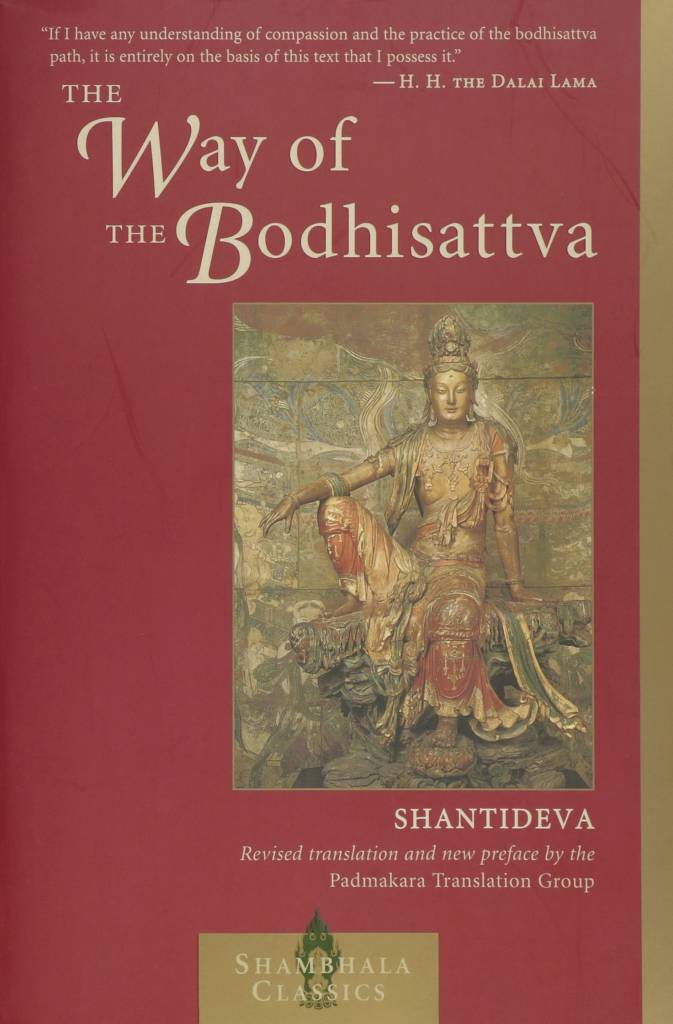
The Nectar of Manjushri's Speech (citation)Blankleder, Helena, and Wulstan Fletcher (Padmakara Translation Group), trans. The Nectar of Manjushri's Speech: A Detailed Commentary on Shantideva's Way of the Bodhisattva. By Kunzang Pelden. Boston: Shambhala Publications, 2007. Bilingual Edition

དེ་ལ་གནོད་པར་མི་འགྱུར་བའི། །

ལས་གང་ཡིན་པའང་བྱེད་དུ་ཆུག ། བདག་ལ་[p.21]Byang chub sems dpa'i spyod pa la 'jug pa rtsa ba dang 'grel pa (1990)
Slob dpon zhi ba lha and Mkhan po kun dpal. Byang chub sems dpa'i spyod pa la 'jug pa rtsa ba dang 'grel pa. Khreng tu'u: Si khron mi rigs dpe skrun khang, 1990. Buda by BDRC Logo.jpg
དམིགས་ནས་ནམ་དུ་ཡང་། །

འགའ་ཡང་དོན་མེད་མ་གྱུར་ཅིག །

de la gnod par mi 'gyur ba'i/_/

las gang yin pa'ang byed du chug_/ bdag la [p.21]Byang chub sems dpa'i spyod pa la 'jug pa rtsa ba dang 'grel pa (1990)
Slob dpon zhi ba lha and Mkhan po kun dpal. Byang chub sems dpa'i spyod pa la 'jug pa rtsa ba dang 'grel pa. Khreng tu'u: Si khron mi rigs dpe skrun khang, 1990. Buda by BDRC Logo.jpg
dmigs nas nam du yang /_/

'ga' yang don med ma gyur cig_/

དེ་དག་ལ་འཕྲལ་དང་ཡུན་དུ་གནོད་པའམ་སྡིག་པར་མི་འགྱུར་བའི་ལས་བཟང་ངན་གང་ཡིན་པའང་དེ་བྱེད་དུ་ཆུག་ཅེས་རིགས་པའི་ལས་ལ་སྦྱར་[p.302]Byang chub sems dpa'i spyod pa la 'jug pa rtsa ba dang 'grel pa (1990)
Slob dpon zhi ba lha and Mkhan po kun dpal. Byang chub sems dpa'i spyod pa la 'jug pa rtsa ba dang 'grel pa. Khreng tu'u: Si khron mi rigs dpe skrun khang, 1990. Buda by BDRC Logo.jpg
བར་བྱའོ། །དེ་ལྟར་ལས་བྱས་པ་ཆུད་མི་ཟ་བའི་རྒྱུར་སྨོན་པ་བདག་ལ་དམིགས་ནས་དུས་ནམ་དུ་ཡང་སེམས་ཅན་འགའ་ཡང་སྟེ་གཅིག་ཀྱང་དོན་མེད་པ་ཉིད་དུ་མ་གྱུར་ཅིག་ཅེས་

And so let beings do to me

Whatever does not bring them injury. Whenever they may think of me,

Let this not fail to bring them benefit.

Saying that he invites beings to do anything to him, good or bad, provided they do no harm or injury to themselves either then or later, Shantideva invites them to do whatever is fitting. He makes the general wish that whatever beings do in his regard should never be in vain, in the sense of being unprofitable to them, and that the thoughts that they have of him will not fail to benefit them.


[edit]
[edit]