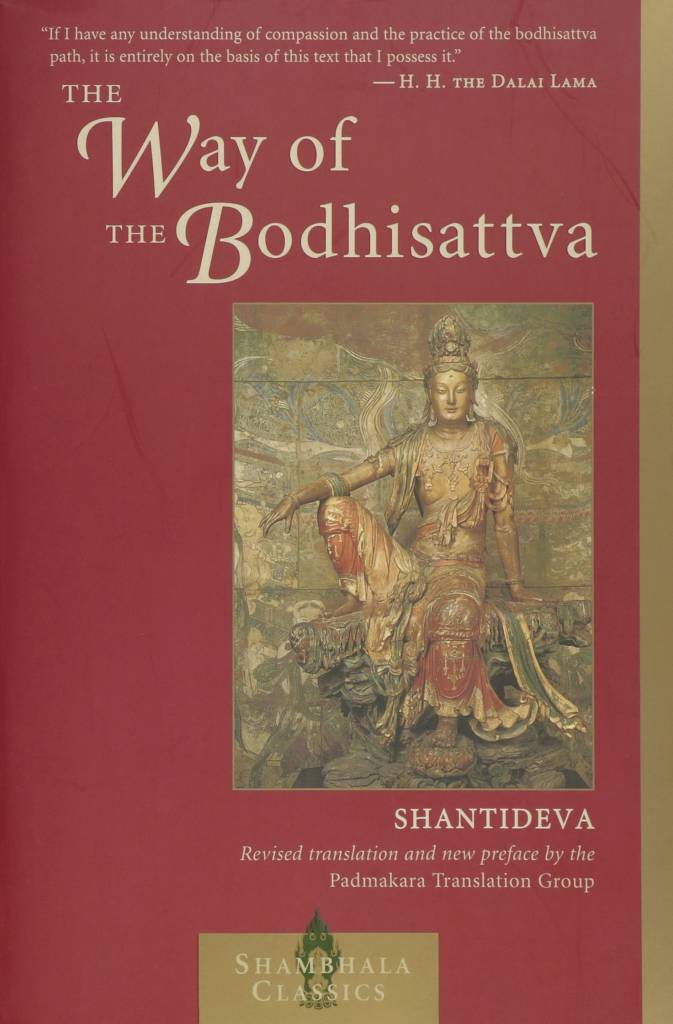
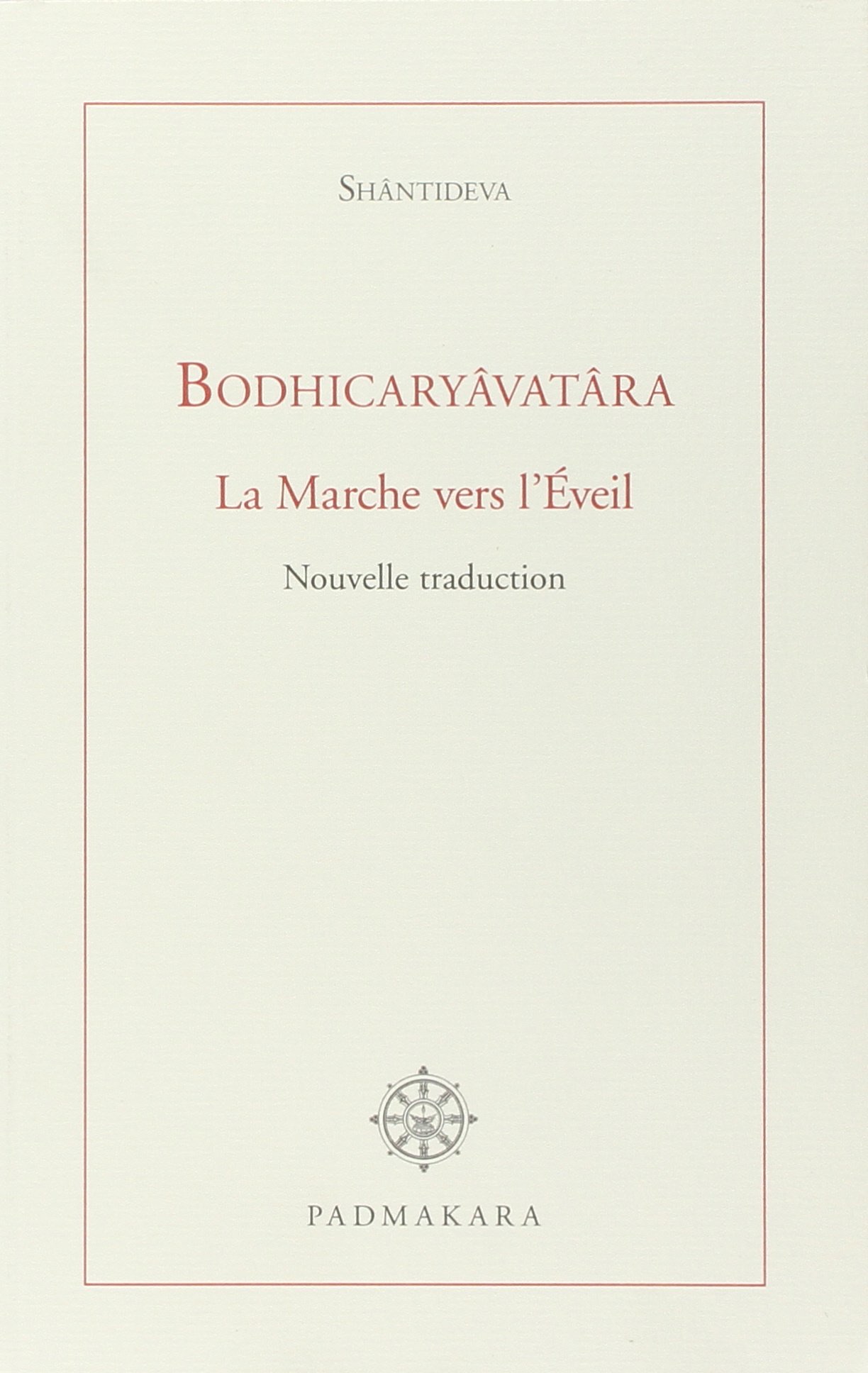
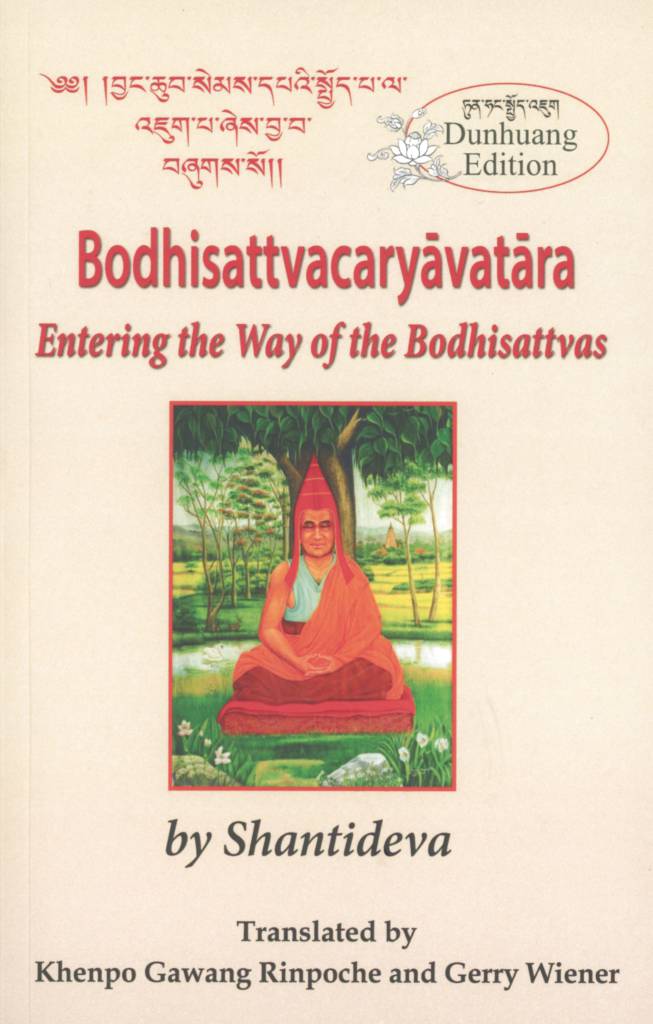
Sources:

ཕན་བཏགས་ལན་ལྡོན་གང་ཡིན་པ། །
དེ་ཡང་རེ་ཞིག་བསྔགས་འོས་ན། ། མ་བཅོལ་ལེགས་པར་བྱེད་པ་ཡི། །
བྱང་ཆུབ་སེམས་དཔའ་སྨོས་ཅི་[p.8]Byang chub sems dpa'i spyod pa la 'jug pa rtsa ba dang 'grel pa (1990)Slob dpon zhi ba lha and Mkhan po kun dpal. Byang chub sems dpa'i spyod pa la 'jug pa rtsa ba dang 'grel pa. Khreng tu'u: Si khron mi rigs dpe skrun khang, 1990.

If someone who returns a favor
Is deserving of some praise, Why need we speak of Bodhisattvas,
Those who do good even unsolicited?
Si l’on commence par l’éloge de ceux
Qui rendent le bien pour le bien, Que dira-t-on des bodhisattvas
Qui font le bien sans qu’on leur ait demandé ?
Si es digno de elogio
quien devuelve un favor, ¿qué diremos de los bodisatvas
que hacen el bien aunque no se les haya pedido?
If any repaying of benefit
Is momentarily praiseworthy, What need is there to mention the bodhisattva
That does good without being asked to?
If one who repays a kind deed
Is for the time being worthy of praise, What need to mention the Bodhisattvas,
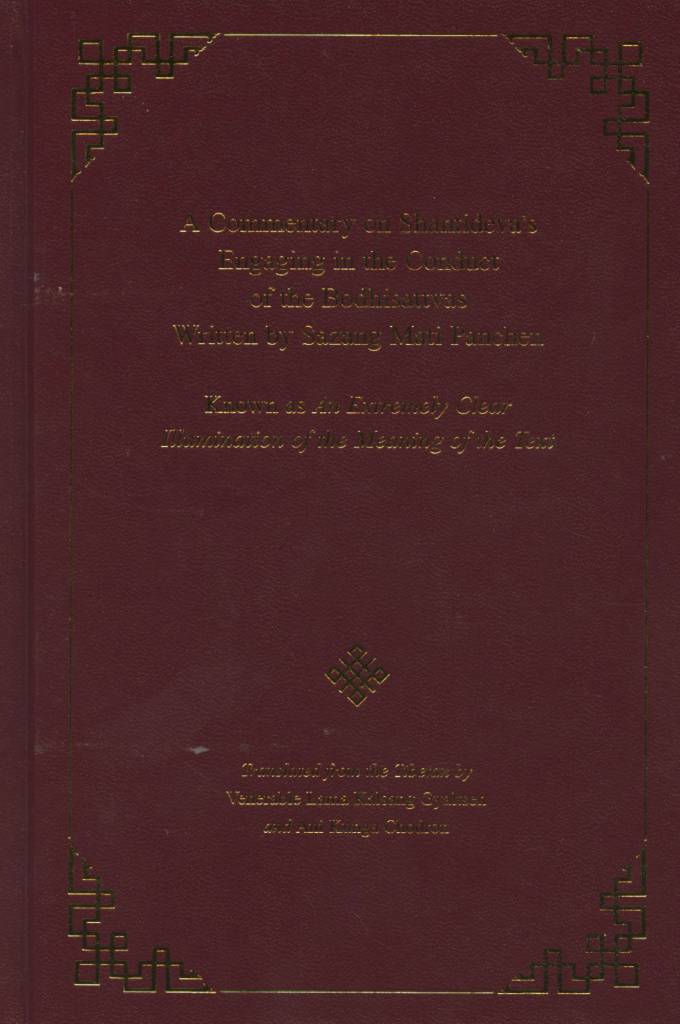
Whose excellent deeds are unrequested?[p.67]A Commentary on Shantideva's Engaging in the Conduct of the BodhisattvasGyaltsen, Lama Kalsang, and Ani Kunga Chodron, trans. A Commentary on Shantideva's Engaging in the Conduct of the Bodhisattvas Written by Sazang Mati Panchen: Known as An Extremely Clear Illumination of the Meaning of the Text. Walden, NY: Tsechen Kunchab Ling, 2019. First edition published by The Yeshe Dorje Foundation in 2006.

ཕན་བཏགས་ལན་གློན་གང་ཡིན་བ། །
དེ་ཡང་རེ་ཤིག་བསྔགས་འོས་ན། ། མ་བཅོལ་ལེགས་པ་བྱེད་པ་ཡི། །
བྱང་ཆུབ་སེམས་དཔའ་སྨོས་ཅི་དགོས། །
ཕན་བཏགས་ལན་ལོན་13སྣར་ཐང་དང་པེ་ཅིང་༴ ‘ལན་ལྡོན་’གང་ཡིན་པ། །
དེ་ཡང་རེ་ཞིག་བསྔགས་འོས་ན། ། མ་བཅོལ་ལེགས་པར་བྱེད་པ་ཡི། །
བྱང་ཆུབ་སེམས་དཔའ་སྨོས་ཅི་དགོས། །