| 🤓 Admin Zone 🛠️ hidden to non-admins | |


Description
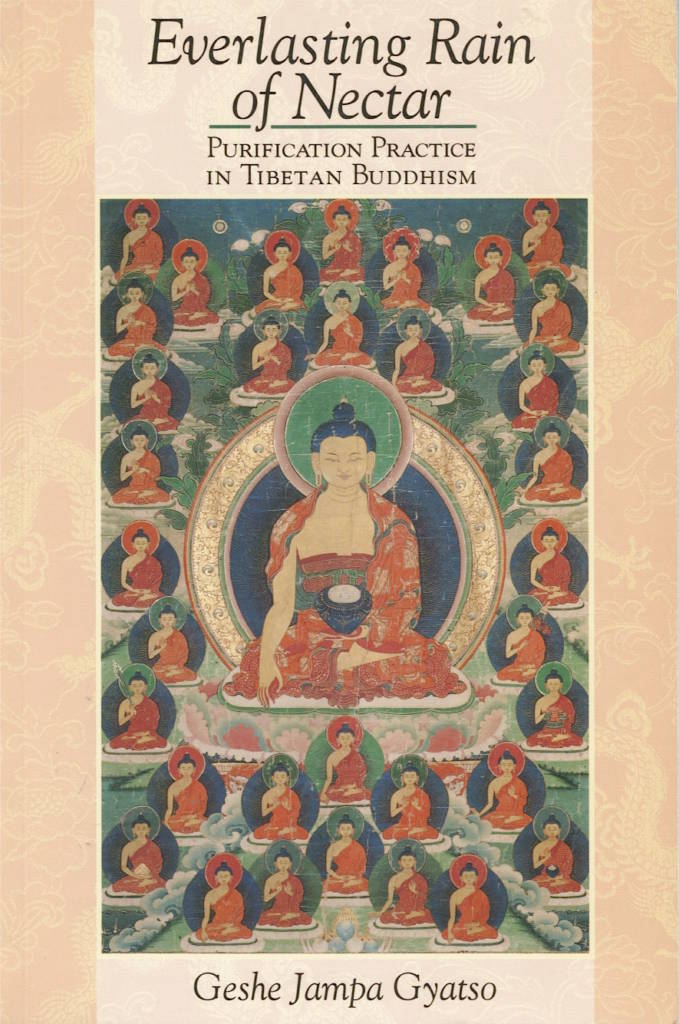
This text should be distinguished from the popular confession liturgy addressed to the thirty-five buddhas, widely recited as the "Three Heaps" or Bodhisattva's Confession of Downfalls. That liturgy circulates under the same Tibetan title, 'Phags pa phung po gsum pa zhes bya ba theg pa chen po'i mdo, but its content is an excerpt from the Upāliparipṛcchā (Toh 68), which itself calls the practice the "Dharma discourse of the Three Heaps." It is the Upāliparipṛcchā passage, not Toh 284, that Śāntideva quotes in the Śikṣāsamuccaya (ch. 8) and prescribes for recitation three times by day and three times by night in the Bodhicaryāvatāra (5.98).


negative influences and increase virtuous propensities.
The Bodhisattva mind is pure and stainless, without fault, and naturally possessing all transcendental knowledge. This is the result. For the beginner, the vow is to this great goal like the seed is to a great tree. It must be nurtured in order to bear fruit. However, if this is done according to the instructions contained in this book, the result will follow with absolute certainty.
The practitioner, whether new or old to this tradition, should view this book as a set of precious instructions. But this is only half the treasure map. The other half is the practitioner's attitude. Just like a worldly treasure it will never be found if the instructions are not followed. Reviewing the vow each day will remind the practitioner of the importance of the Six Paramitas. Contemplating the Paramitas
and practicing them will help develop humility and devotion. The practitioner will gradually come to realize the profound interconnections and wisdom contained in this book. (preface, Lama Lodrö)


negative influences and increase virtuous propensities.
The Bodhisattva mind is pure and stainless, without fault, and naturally possessing all transcendental knowledge. This is the result. For the beginner, the vow is to this great goal like the seed is to a great tree. It must be nurtured in order to bear fruit. However, if this is done according to the instructions contained in this book, the result will follow with absolute certainty.
The practitioner, whether new or old to this tradition, should view this book as a set of precious instructions. But this is only half the treasure map. The other half is the practitioner's attitude. Just like a worldly treasure it will never be found if the instructions are not followed. Reviewing the vow each day will remind the practitioner of the importance of the Six Paramitas. Contemplating the Paramitas
and practicing them will help develop humility and devotion. The practitioner will gradually come to realize the profound interconnections and wisdom contained in this book. (preface, Lama Lodrö)