| 🤓 Admin Zone 🛠️ hidden to non-admins | |

Description


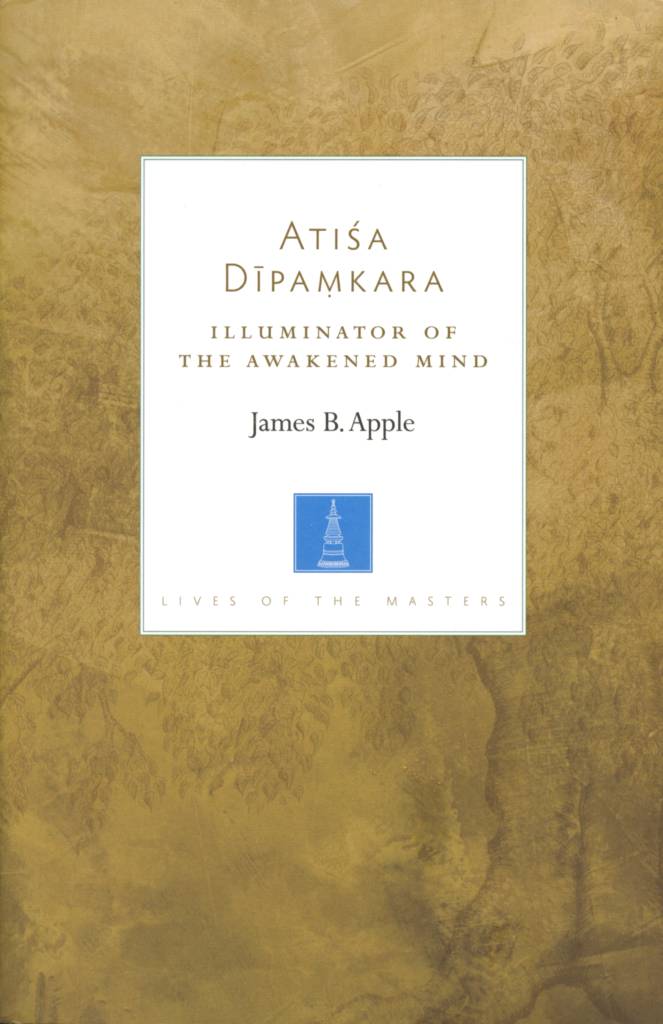
Few figures in the history of Buddhism in Tibet have had as far-reaching and profound an influence as the Indian scholar and adept Atiśa Dīpaṃkara (982–1054). Originally from Bengal, Atiśa was a tantric Buddhist master during Vajrayana Buddhism’s flowering in India and traveled extensively, eventually spending the remaining twelve years of his life revitalizing Buddhism in Tibet. Revered by all the schools of Tibetan Buddhism, Atiśa and his students founded what came to be known as the Kadam school, whose teachings have influenced countless Buddhist masters. These teachings, cherished by all major traditions, are preserved by the Geluk in particular, the school of the Dalai Lamas.
Although Atiśa was an influential practitioner and scholar of Tantra, he is best known for introducing many of the core Mahayana teachings that are widely practiced throughout the Tibetan Buddhist world, including the Stages of the Path to Awakening and Mind Training (lojong), as well as having contributed to highly influential commentaries on Madhyamaka that synthesize various schools of thought. This succinct biography of Atiśa’s life, together with a collection of translations, represents for the first time the full range of Atiśa’s contribution to Buddhism. As the most comprehensive work available on this essential Buddhist figure, this book is an indispensable resource for scholars and Buddhist practitioners alike. (Source: Shambhala Publications)

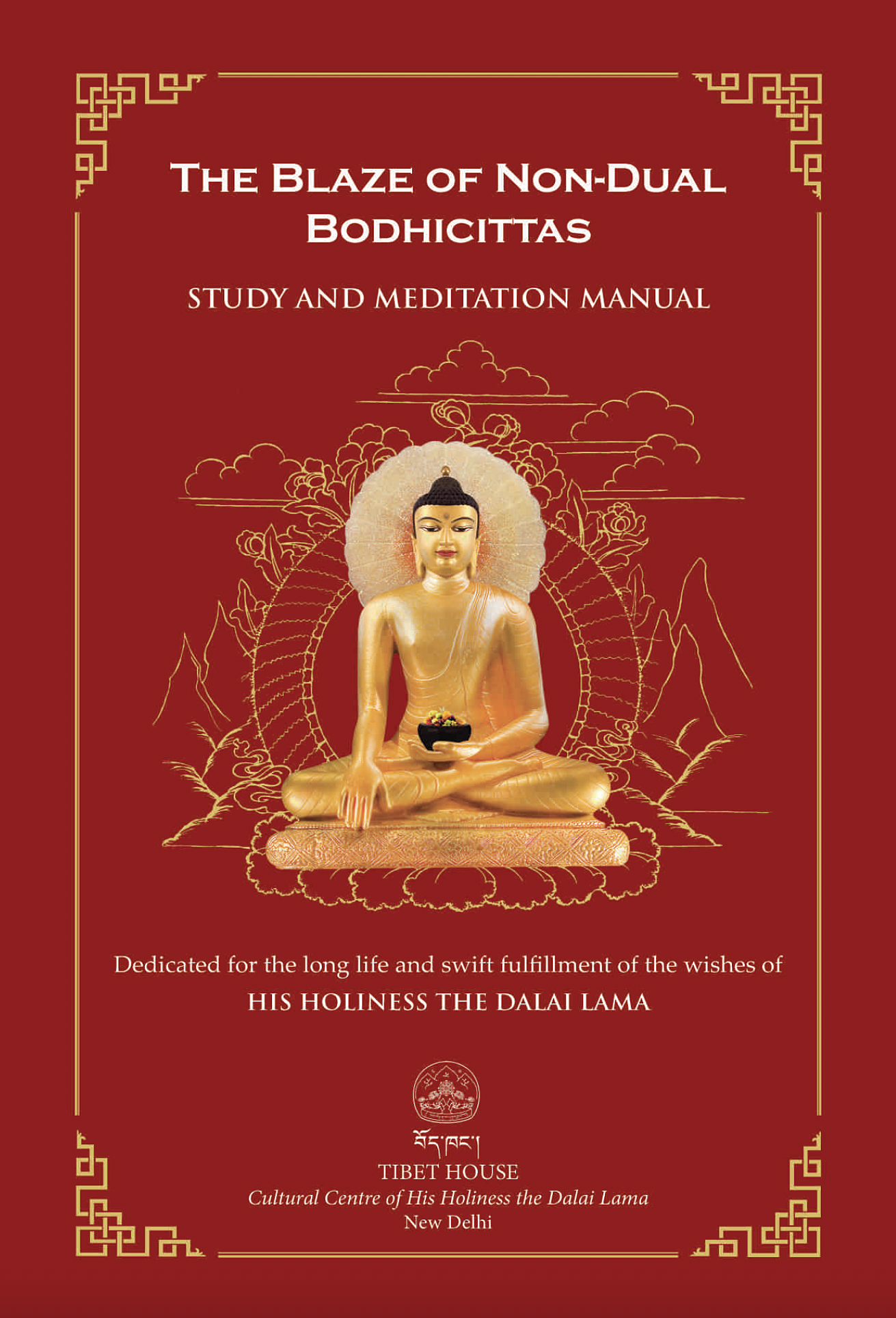
The book is divided into five parts:
I. Daily Recitation and Practice
II. Selected Texts for Study, Reflection and Meditation
III. Additional Prayers, Vows and Commitments
IV. Daily Dedication Prayers
V. Appendix
Part I and Part IV serve as a useful guide for all, who have an inclination towards dharma practice, but do not know how to start and design a daily practice session. It is also useful for those seekers who might be misguided and surmise that dharma practice comprises only of mantra recitation and so forth, thereby missing its essence.
Part II helps strengthen the practitioner’s dharma practice on the basis of selected compositions of great scholars and yogis. The actual breakthrough in the mental transformation happens through changes in the thought process, for which study and reflection are the cornerstones. Any of these profound texts and short extracts may be selected for study, reflection or meditation, on an on-going basis.
Part III reinforces and rejuvenates dharma practice and to that end, may be undertaken on a regular or occasional basis.
Part V introduces the reader to meditation practices, both shamatha (calm abiding) and vipasyana (special insight), including meditation on the breath, as well as methods to cultivate Bodhicitta and the wisdom of emptiness. While there are many texts on the wisdom of emptiness, the meditation included here is designed for all those who are not thoroughly introduced to this subject and still want to familiarise and habituate themselves with the wisdom of emptiness.
Brief notes, Endnotes and Glossary have been added to help the readers unfold the meanings of the texts with ease. (preface, xiv–xv)
Few figures in the history of Buddhism in Tibet have had as far-reaching and profound an influence as the Indian scholar and adept Atiśa Dīpaṃkara (982–1054). Originally from Bengal, Atiśa was a tantric Buddhist master during Vajrayana Buddhism’s flowering in India and traveled extensively, eventually spending the remaining twelve years of his life revitalizing Buddhism in Tibet. Revered by all the schools of Tibetan Buddhism, Atiśa and his students founded what came to be known as the Kadam school, whose teachings have influenced countless Buddhist masters. These teachings, cherished by all major traditions, are preserved by the Geluk in particular, the school of the Dalai Lamas.
Although Atiśa was an influential practitioner and scholar of Tantra, he is best known for introducing many of the core Mahayana teachings that are widely practiced throughout the Tibetan Buddhist world, including the Stages of the Path to Awakening and Mind Training (lojong), as well as having contributed to highly influential commentaries on Madhyamaka that synthesize various schools of thought. This succinct biography of Atiśa’s life, together with a collection of translations, represents for the first time the full range of Atiśa’s contribution to Buddhism. As the most comprehensive work available on this essential Buddhist figure, this book is an indispensable resource for scholars and Buddhist practitioners alike. (Source: Shambhala Publications)