2.52

From Bodhicitta

Bodhicaryāvatāra · Verse 2.52


Sources:    

Sanskrit §No information about the source used.

यं दृष्ट्वैव च संत्रस्ताः पलायन्ते चतुर्दिशम्। यमदूतादयो दुष्टास्तं नमस्यामि वज्रिणम्॥

 
Chanted Verse
Recitation by Professor Kashinath Nyaupane
53

I pay homage to Vajrapani, the one who holds the vajra,3A kind of mythical thunderbolt, a weapon capable of cutting through anything. Vajrapani is the bodhisattva who embodies power. whose mere presence is enough to scatter away in terror Yama’s messengers and other beings of hell.

Standard Tibetan §Padmakara used the 1990 edition printed by si khron mi rigs dpe skrun khang: Byang chub sems dpa'i spyod pa la 'jug pa rtsa ba dang 'grel pa (1990). Also found in Derge Tengyur D3871, dbu ma, vol. 105, la 1b1–40a7.

གང་ཞིག་མཐོང་ནས་གཤིན་རྗེ་ཡི། །

ཕོ་ཉ་ལ་སོགས་སྡང་བ་རྣམས། ། སྐྲག་ནས་ཕྱོགས་བཞིར་འབྱེར་བྱེད་པ། །

རྡོ་རྗེ་ཅན་ལ་སྐྱབས་སུ་མཆི། །

 
Chanted Verse
Recitation by Lopen Karma Phuntsho
52

To Vajrapaṇi I shall fly,

For at the sight of him All vengeful things like Yama’s host

Escape in terror to the four directions.

Standard Tibetan §Padmakara used the 1990 edition printed by si khron mi rigs dpe skrun khang: Byang chub sems dpa'i spyod pa la 'jug pa rtsa ba dang 'grel pa (1990). Also found in Derge Tengyur D3871, dbu ma, vol. 105, la 1b1–40a7. - Other translations

En vous, dont la vue terrorise

Les émissaires de la Mort et les porteurs de haine En les chassant aux quatre horizons,

Ô Vajrapâni, je prends refuge.

En Vajrapani41Vajrapani es otro de los “Ocho Grandes Hijos Cercanos”. tomo refugio,

pues tan sólo con verlo todos los seres hostiles, tales como los mensajeros de la Muerte,

huyen asustados en las cuatro direcciones.[p.66]La Práctica del Bodisatva
Hervás, María Jesús (Padmakara Translation Group, Spain), trans. La Práctica del Bodisatva: Una Traducción del Bodicharyavatara de Shantideva. Translated from the 2006 English translation of Helena Blankleder and Wulstan Fletcher. Novelda, Alicante, Spain: Ediciones Dharma, 2008.

La Práctica del Bodisatva-front.jpg
Padmakara Spain 2008

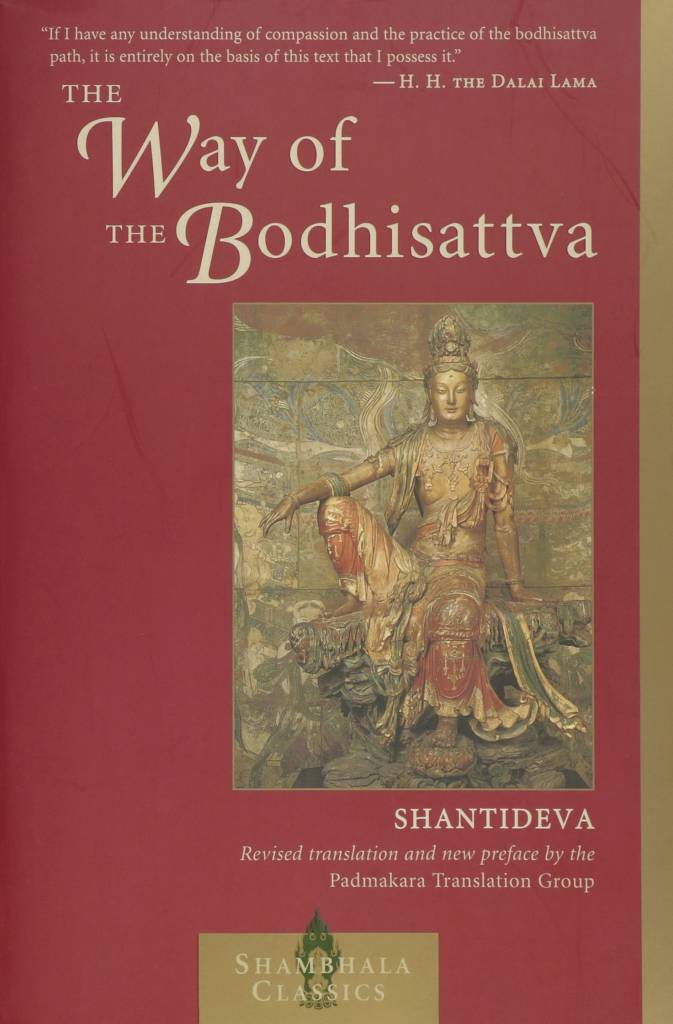
I take refuge into the Vajraholder

Whose mere sight causes the Angry minions of the lord of death

To flee into the four directions.

I take refuge in Vajrapani

At the sight of whom, Hosts of hateful maras

Scatter in fear to the four directions.

shift + scroll / swipe
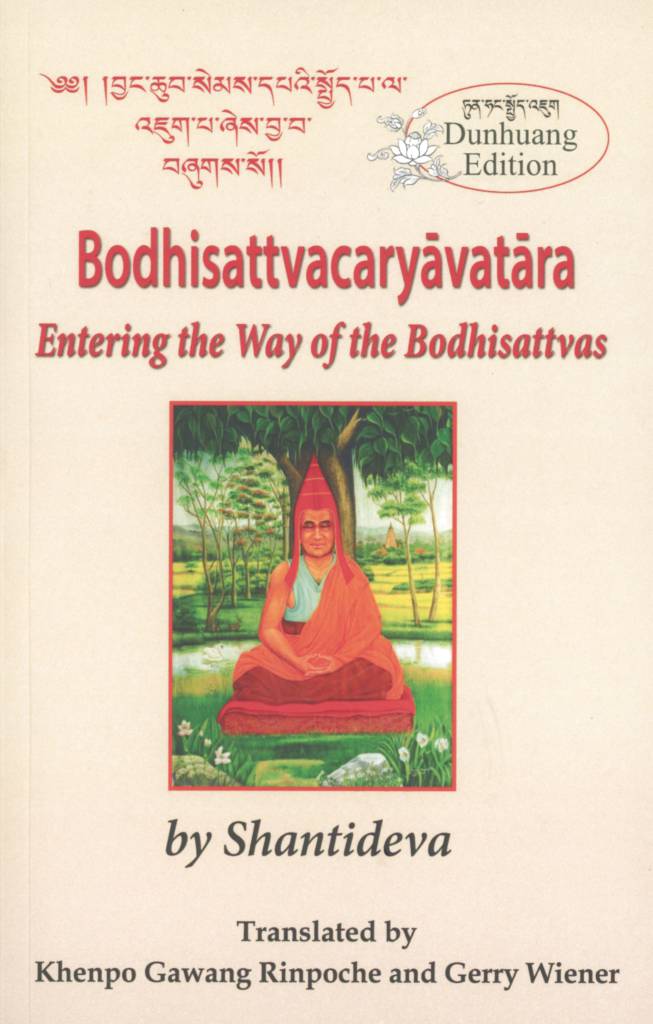
Dūnhuáng §This version is extracted from the book Bodhisattvacaryāvatāra: Entering the Way of the Bodhisattvas (2022, Khenpo Gawang and Wiener), a translation of an edition of the text created from three Dūnhuáng manuscripts. A description and sample pages of these can be found on the Early Tibet Blog. Scans of the actual manuscripts themselves can be found at http://idp.bl.uk

གང་ཞིག་མཐོང་ནས་གཤིན་རྗེ་ཡི། །

ཕོ་ཉ་ལ་སོགས་སྡང་བ་རྣམས། ། སྐྲག་ནས་ཕྱོགས་བཞིར་འབྱེར་བྱེད་པ། །

རྡོ་རྗེ་ཅན་ལ་སྐྱབས་སུ་མཆི། །

alt verse 2.52 tm data

In you, Vajrapani, I take refuge.

On seeing you, the messengers of the Lord of Death, And other perpetrators of hatred,

Flee out of fear to the four directions.

Tsadra Critical Edition §This text was created by comparing four versions of the text from Derge, Cone, Narthang, and Peking Tengyurs from BDRC scans, along with Dunhuang manuscripts IOL Tib J 628, 629, and 630. When Tibetan readings were problematic, the Sanskrit texts from GRETIL and LTB (Oslo) were consulted.

གང་ཞིག་མཐོང་ནས་གཤིན་རྗེ་ཡི། །

ཕོ་ཉ་ལ་སོགས་སྡང་བ་རྣམས། ། སྐྲག་ནས་ཕྱོགས་བཞིར་འབྱེར་བྱེད་25སྡེ་དགེ་དང་ཅོ་ནེ་དང་ཏུན་ཧོང་ཀ་༴ ‘བྱེད་’པ། །

རྡོ་རྗེ་ཅན་ལ་སྐྱབས་སུ་མཆི། །

[edit]
Sazang Mati (1294 - 1376)
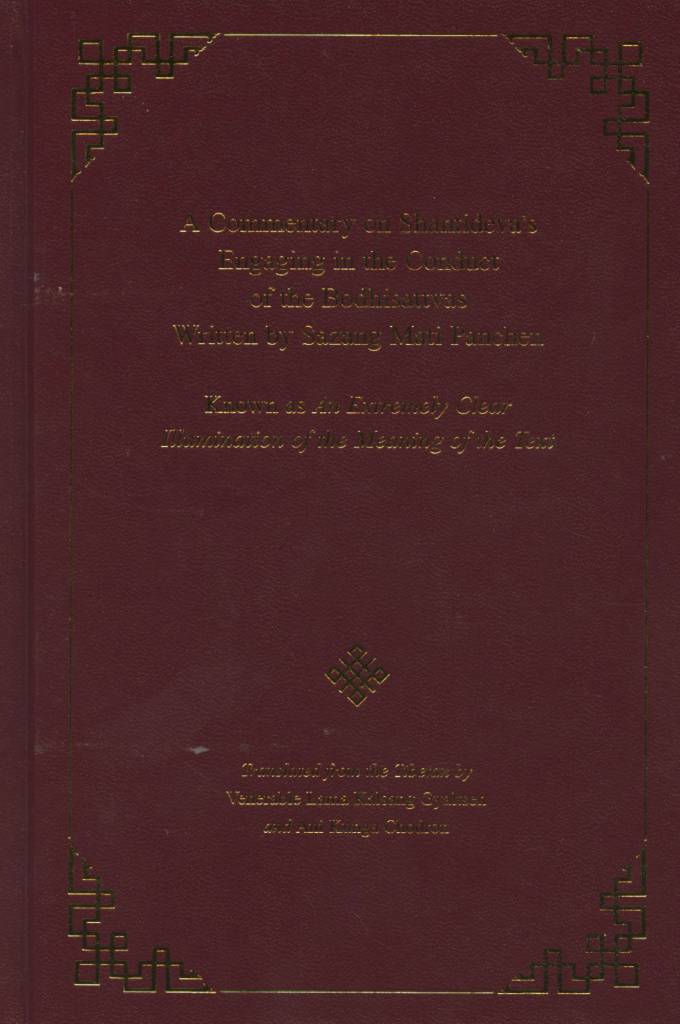
A Commentary on Shantideva's Engaging in the Conduct of the Bodhisattvas (citation)Gyaltsen, Lama Kalsang, and Ani Kunga Chodron, trans. A Commentary on Shantideva's Engaging in the Conduct of the Bodhisattvas Written by Sazang Mati Panchen: Known as An Extremely Clear Illumination of the Meaning of the Text. Walden, NY: Tsechen Kunchab Ling, 2019. Bilingual Edition

གང་ཞིག་མཐོང་ནས་གཤིན་རྗེ་ཡི། །

ཕོ་ཉ་ལ་སོགས་སྡང་བ་རྣམས། ། སྐྲག་ནས་ཕྱོགས་བཞིར་འབྱེར་བྱེད་པ། །

རྡོ་རྗེ་ཅན་ལ་སྐྱབས་སུ་མཆི། །
gang zhig mthong nas gshin rje yi/_/

pho nya la sogs sdang ba rnams/_/ skrag nas phyogs bzhir 'byer byed pa/_/

rdo rje can la skyabs su mchi/_/

I take refuge in Vajrapani

At the sight of whom, Hosts of hateful maras

Scatter in fear to the four directions.

མཐུ་སྟོབས་གང་ཞིག་མཐོང་བ་ཙམ་ཉིད་ན་གཤིན་རྗེའི༵་ཕོ་ཉ་དང་གནོད་སྦྱིན་དང་སྲིན་པོ་ལ་སོགས་པ་སྡང་བའི་སེམས་དང་ལྡན་པ་རྣ༵མས་རབ་ཏུ་སྐྲག་ནས་ཕྱོགས་བཞིར་འབྱེར་ཞིང་འབྲོས་པར་བྱེད་པ༵་དཔལ་ཕྱག་ན་རྡོ་རྗེ་ཅན་ལ་ཤིན་ཏུ་གུས་པས་སྐྱབས་སུ་མཆི༵འོ། །

With great devotion I take refuge in glorious and powerful Vajrapani, the mere sight of whom sends the messengers of the lord of death and the yakshas, rakshas, and other angry beings fleeing in terror to the four directions.
Gyaltsap Je (1364 - 1432)
The Entrance for the Children of the Conquerors (citation)Stracke, Fedor, trans. The Entrance for the Children of the Conquerors: A Commentary on the Introduction to the Actions of Bodhisattvas. By Gyaltsab Rinpoche. N.p.: Happy Monks Publication, 2016. https://happymonkspublication.org/product/bodhisattvacharyavatara-chapter-1-10-commentary/. Bilingual Edition

གང་ཞིག་མཐོང་ནས་གཤིན་རྗེ་ཡི། །

ཕོ་ཉ་ལ་སོགས་སྡང་བ་རྣམས། ། སྐྲག་ནས་ཕྱོགས་བཞིར་འབྱེར་བྱེད་པ། །

རྡོ་རྗེ་ཅན་ལ་སྐྱབས་སུ་མཆི། །
gang zhig mthong nas gshin rje yi/_/

pho nya la sogs sdang ba rnams/_/ skrag nas phyogs bzhir 'byer byed pa/_/

rdo rje can la skyabs su mchi/_/

I take refuge into the Vajraholder

Whose mere sight causes the Angry minions of the lord of death

To flee into the four directions.

ཕྱག་ན་རྡོ་རྗེ་གང་ཞིག་མཐོང་ན་གཤིན་རྗེའི་ཕོ་ཉ་དམྱལ་སྲུང་ལ་སོགས་སེམས་ཅན་ལ་སྡང་བ་རྣམས་སྐྲག་ནས་ཕྱོགས་བཞིར་འབྱེར་བར་བྱེད་པ་རྡོ་རྗེ་ཅན་ལ་ཡང་སྐྱབས་སུ་མཆིའོ། །

I also take refuge into the Vajraholder Vajrapani, whose mere sight causes the angry minions of the lord of death to scatter into the four directions.
Minyak Kunzang Sönam (1823 - 1905)
The Great Hūṃ (citation)Duckworth, Douglas, trans. The Great Hūṃ: A Commentary on Śāntideva's Way of the Bodhisattva. By Minyak Kunzang Sönam. New York, NY: Wisdom Publications, 2025. Bilingual Edition

ཁྱད་པར་སྨོན་ལམ་གྱི་སྟོབས་ཅན་སེམས་དཔའ་རྣམས་ལ་སྐྱབས་སུ་འགྲོ་བ་ནི། གཙོ་བོར་གྱུར་པའི་བྱང་སེམས་རྣམས་ལ་ལུས་ཕུལ་ནས་སྐྱབས་ཞུ་བ་སྟེ

Next it shows going for refuge in the bodhisattvas, specifically with powerful prayers:

གང་ཞིག་མཐོང་ནས་གཤིན་རྗེ་ཡི། །

ཕོ་ཉ་ལ་སོགས་སྡང་བ་རྣམས། ། སྐྲག་ནས་ཕྱོགས་བཞིར་འབྱེར་བྱེད་པ། །

རྡོ་རྗེ་ཅན་ལ་སྐྱབས་སུ་མཆི། །

I go for refuge in Vajrapāṇi,

the one who, upon being seen, causes the hostile henchmen of the Lord of Death

to flee in the four directions. (2.52)[p.138]The Great Hum
Duckworth, Douglas, trans. The Great Hūṃ: A Commentary on Śāntideva's Way of the Bodhisattva. By Minyak Kunzang Sönam. New York, NY: Wisdom Publications, 2025.

བདག་ནི་སྤྱིར་འཁོར་བ་དང་ཁྱད་པར་དམྱལ་སོགས་ངན་སོང་གི་སྡུག་བསྔལ་གྱིས་འཇིགས་པས་རྣམ་པར་སྐྲག་ནས་རྒྱལ་སྲས་སེམས་དཔའ་ཆེན་པོ་ཀུན་ཏུ་བཟང་པོ་ལ་བདག་ཉིད་ཀྱི་ལུས་སོགས་ངེས་པར་འབུལ་ཞིང་དེ་བཞིན་དུ་རྗེ་བཙུན་འཇམ་པའི་དབྱངས་པའང་བདག་ཉིད་ཀྱིས་ཏེ་གཞན་གྱིས་བསྐུལ་བ་ལྟ་བུས་མ་ཡིན་པར་བདག་རང་ཉིད་ཀྱི་སེམས་དང་བས་[p.89]Byang chub sems dpa'i spyod pa la 'jug pa'i 'grel bshad rgyal sras rgya mtsho'i yon tan rin po che mi zad 'jo ba'i bum bzang
Mi nyag kun bzang bsod nams (མི་ཉག་ཀུན་བཟང་བསོད་ནམས་). byang chub sems dpa'i spyod pa la 'jug pa'i 'grel bshad rgyal sras rgya mtsho'i yon tan rin po che mi zad 'jo ba'i bum bzang [བྱང་ཆུབ་སེམས་དཔའི་སྤྱོད་པ་ལ་འཇུག་པའི་འགྲེལ་བཤད་རྒྱལ་སྲས་རྒྱ་མཚོའི་ཡོན་ཏན་རིན་པོ་ཆེ་མི་ཟད་འཇོ་བའི་བུམ་བཟང།]. [Excellent Vase That Spills Forth an Ocean of the Inexhaustible and Precious Qualities of the Victor's Heirs: An Explanation of the "Way of the Bodhisattva."].
གཅེས་པར་བཟུང་བའི་བདག་གི་ལུས་འདི་དབུལབར་བགྱིའོ། །ཐུགས་རྗེ་ཆེན་པོའི་སྒོ་ནས་གཞན་དོན་མཛད་པའི་བསམ་པ་དང་སྤྱོད་པ་ཅུང་ཟད་ཙམ་ཡང་མ་འཁྲུལ་བ་མངའ་བའི་བདག་ཉིད་སྙིང་རྗེ་ཆེན་པོས་འགྲོ་བ་ཉམ་ཐག་པ་རྣམས་ལ་དུས་རྟག་ཏུ་སྤྱན་རས་ཀྱིས་འཚོ་ཞིང་གཟིགས་པར་མཛད་པའི་མགོཁང་པོ་དེ་ལ་ཡང་སྡུག་བསྔལ་གྱིས་འཇིགས་པས་ཉམ་ཐག་ཅིང་བྲེད་ནས་སྔར་ལངས་པས་སྐད་གསང་མཐོན་པོར་བཏེགས་པའི་ང་རོས་མཚན་ནས་བརྗོད་དེ་འོ་དོད་འབོད་ཀྱི་སྡིག་པ་ཆེན་པོ་དང་ལྡན་པ་ཤི་ལ་ཐུག་ང་སོང་གི་འཇིགས་པ་མྱོང་བར་ངེས་པ་བདག་ལ་བསྐྱབ་ཏུ་གསོལ་ཞེས་པའོ། །ལྷུན་གྱིས་གྲུབ་པ་དང་རྒྱུན་མི་འཆད་པའི་ཕྲིན་ལས་ཀྱི་སྒོ་ནས་གཞན་དོན་མཛད་པའི་ཐུགས་རྗེའི་སྤྱོད་པ་མ་འཁྲུལ་བ་ཅན་ཞེས་དར་ཊཱིཀ་ཏུའོ། །

This is a request for refuge through offering the body to the main bodhisattvas: I dread the suffering of cyclic existence in general and the suffering [86] of the lower realms like the hells in particular. Out of fear, I offer my body and so on to the great being and Victor’s child, Samantabhadra. Likewise, I offer my cherished body to venerable Mañjughoṣa. I do so on my own, without being prompted to do so by anyone. The compassionate one who is free from even the slightest confusion—and whose intentions and actions for the welfare of others constantly sustains, looks upon, and protects downtrodden beings with great compassion—I cry out your name, Avalokiteśvara, in a loud and clear voice. Your name uplifts me from anxiety, deprivation, and fears of suffering. Grant me refuge from the fear of the lower realms after death, as I am someone with grave negative deeds. Gyaltsab Jé’s commentary says that Avalokiteśvara is unmistaken in compassionate activity for the welfare of others through his spontaneous and uninterrupted enlightened activity.279See Gyaltsab Jé, Gateway to the Bodhisattvas, 144–45.

དེ་བཞིན་དུ་འཕགས་པ་ནམ་མཁའི་སྙིང་པོ་དང་སེམས་དཔའ་ས་ཡི་སྙིང་པོ་དག་དང་ནི་འཕགས་པ་བྱམས་པ་དང་སེམས་དཔའ་ཆེན་པོ་སྒྲིབ་པ་ཐམས་ཅད་རྣམ་པར་སེལ་བ་ལ་སོགས་པ་ཐུགས་རྗེ་ཆེ་ལ་ཚད་མེད་པ་མངའ་བའི་མགོན་པོ་ས་བཅུའི་དབང་ཕྱུག་ཆེན་པོ་མཚན་ནས་མ་སྨོས་པ་རྣམས་དང་བཅས་པ་ཐམས་ཅད་ལ་ཡང་སྐུབས་འཚོལ་ཞིང་ཉམ་ཐག་པའི་སྐད་གདངས་ཀྱིས་སྙིང་ནས་འོ་དོད་འབོད་ཀྱི་བདག་འཇིགས་པ་ཐམས་ཅད་ལས་བསྐྱབ་ཏུ་གསོལ། གཞན་སྡུག་བསྔལ་བས་སྡུག་བསྔལ་བར་འགྱུར་བས་ན་ཐུགས་རྗེ་ཆེ་མགོན་ཞེས་འགྲེལ་ཆེན་དུའོ། །

Likewise, I ask for refuge from all fears in a cry of agony and desperation, seeking protection from the noble Ākāśagarbha and the bodhisattva Kṣitigarbha, the noble Maitreya, and the great bodhisattva Sarvanivaraṇaviṣkambhin, as well as all the great lords and protectors on the ten bodhisattva grounds with boundless compassion who are not mentioned by name. The great commentary says that great compassion protects against one suffering leading to another.280See Prajñākaramati, Commentary on the Way of the Bodhisattva, 66b.

སེམས་དཔའ་ཆེན་པོ་གང་ཞིག་མཐོང་བ་ཙམ་ནས་གཤིན་རྗེ་ཡི་ཕོ་ཉ་དམྱལ་བའི་སྲུང་མ་རྣམས་དང་གནོ་སྦྱིན་དང་སྲིན་པོ་ལ་སོགས་པ་གཞན་ལ་གནོད་པ་བྱེད་འདོད་ཀྱི་སྒོ་ནས་སྡང་བའི་སེམས་དང་ལྡན་པ་རྣམས་རབ་ཏུ་འཇིགས་ཤིང་སྐྲག་ནས་ཕྱོགས་བཞིར་འབྱེར་ཞིང་འབྲོས་པར་མཛད་པར་བྱེད་པ་ཕྱག་ན་རྡོ་རྗེ་བསྣམས་པ་ཅན་དེ་ལའང་གུས་པས་སྐྱབས་སུ་མཆིའོ། །འདིའི་སྐྱབས་འགྲོ་ནི་སྡིག་བཤགས་ཀྱི་སྟོབས་ཡིན་ལ་སྔར་བསྟན་པ་ནི་སྤྱིར་སྐྱབས་སུ་འགྲོ་བ་ཡིན་པས་མི་ཟློས་སོ། །

I go for refuge respectfully in the one who holds the vajra in hand, Vajrapāṇi, the great being who, by just being seen by any of those hostile beings who wish to harm others—such as the henchmen of the Lord of Death, the guardians of hell, harmful spirits, and demons—brings all of them to flee out of fright and fear and to scatter in all directions. Refuge here is a power in the confession of evil, and what was stated before was refuge in general; so these are not redundant.
Kunzang Palden (1862 - 1943)
The Nectar of Manjushri's Speech (citation)Blankleder, Helena, and Wulstan Fletcher (Padmakara Translation Group), trans. The Nectar of Manjushri's Speech: A Detailed Commentary on Shantideva's Way of the Bodhisattva. By Kunzang Pelden. Boston: Shambhala Publications, 2007. Bilingual Edition

གང་ཞིག་མཐོང་ནས་གཤིན་རྗེ་ཡི། །

ཕོ་ཉ་ལ་སོགས་སྡང་བ་རྣམས། ། སྐྲག་ནས་ཕྱོགས་བཞིར་འབྱེར་བྱེད་པ། །

རྡོ་རྗེ་ཅན་ལ་སྐྱབས་སུ་མཆི། །

gang zhig mthong nas gshin rje yi/_/

pho nya la sogs sdang ba rnams/_/ skrag nas phyogs bzhir 'byer byed pa/_/

rdo rje can la skyabs su mchi/_/

གང་ཞེས་སྤྱི་སྒྲ་བྱེ་བྲག་ལ་སྦྱར་བ་དཔལ་གསང་བའི་བདག་པོ་གང་ཞིག་མཐོང་བ་ཙམ་ཉིད་ནས་གཤིན་རྗེ་ཡི་ཕོ་ཉ་ལས་མཁན་རྣམས་དང་བྱ་དང་ཁྱི་ལ་སོགས་པ་ཕ་བསད་ཀྱི་ལག་དམར་ལྟར་སྡང་བ་ཡི་སེམས་དང་ལྡན་ཞིང་གནོད་པར་བྱེད་པ་རྣམས་རབ་ཏུ་སྐྲག་ནས་ཕྱོགས་བཞིར་འབྱེར་བའམ་འབྲོས་པར་བྱེད་པ་ཕྱག་ན་རྡོ་རྗེ་ཅན་ལ་དད་ཅིང་གུས་པས་སྐྱབས་སུ་མཆིའོ། །དེ་ཡང་ཐུན་མོང་གི་བཤད་པ་ལྟར་ན་[p.276]Byang chub sems dpa'i spyod pa la 'jug pa rtsa ba dang 'grel pa (1990)
Slob dpon zhi ba lha and Mkhan po kun dpal. Byang chub sems dpa'i spyod pa la 'jug pa rtsa ba dang 'grel pa. Khreng tu'u: Si khron mi rigs dpe skrun khang, 1990. Buda by BDRC Logo.jpg
དུས་གསུམ་གྱི་སངས་རྒྱས་ཐམས་ཅད་ཀྱི་དང་པོ་ཐུགས་བསྐྱེད་ནས་མངོན་པར་བྱང་ཆུབ་སྟེ་ཆོས་ཀྱི་འཁོར་ལོ་བསྐོར་ནས་མྱ་ངན་ལས་མ་འདས་ཀྱི་བར་དུ་དཔལ་ཕྱག་ན་རྡོ་རྗེས་རྡོ་རྗེ་འབར་བའི་མཚོན་ཆ་བསྣམས་ནས་རྒྱལ་བ་དེ་དག་གི་སྐུ་གསུང་ཐུགས་ལ་ཉེ་བར་འཚེ་བའི་མ་རུངས་པ་ཐམས་ཅད་ཀྱི་མགོ་འགེམ་པར་མཛད་ཅིང་མེལ་ཚེ་བྱེད་པ་སྟེ་དཔེར་ན་འཇིག་རྟེན་པ་རྣམས་ཀྱིས་ལྷན་སྐྱེས་ཀྱི་ལྷ་ཞེས་པ་ལྟར་མཛད་དེ་རྗེས་སུ་འབྲང་བའོ། །ཡང་གསང་བ་པ་ཞེས་པ་གནོད་སྦྱིན་ཡིན་ལ་དེའི་བདག་པོ་གནོད་སྦྱིན་ལག་ན་རྡོ་རྗེ་ཞེས་བྱ་བའང་ཡིན་ནོ། །ཐུན་མིན་གསང་སྔགས་ལྟར་ན་རྒྱལ་བ་ཐམས་ཅད་ཀྱི་ཐུགས་རྡོ་རྗེའི་རང་གཟུགས་སྐུ་གསུང་ཐུགས་ཀྱི་གསང་བ་བསམ་གྱིས་མི་ཁྱབ་པའི་བདག་པོར་དབང་བསྐུར་ཞིང་དབང་རྟགས་ཀྱི་རྡོ་རྗེ་ཕྱག་ན་བསྣམས་པས་ན་དེ་སྐད་དོ། །

To Vajrapaṇi I shall fly,

For at the sight of him All vengeful things like Yama’s host

Escape in terror to the four directions.

To Vajrapani also, the glorious Lord of Secrets, at the sight of whom the messengers and henchmen of the Lord of Death (as well as the dogs, birds of prey, and all harmful beings, who hate us as though our hands were red with the blood of their own fathers) flee in panic in the four directions—to him, Vajrapani, whose mere appearance drives away all terror, we should go for refuge with faith and devotion. According to the general explanation, it is said that all the Buddhas of the three times—from the moment they first generate bodhichitta until they achieve perfect enlightenment, turn the wheel of the Dharma, and pass into their parinirvana—are watched over and guarded by the glorious Vajrapani, who wields a blazing vajra in his hand and crushes the heads of all who try to attack them, whether in thought, word, or deed. He keeps them company like the guardian deities that stay with worldly people from their birth. Furthermore, he is called Guhyaka, “the Secret One,” a name used to refer to yakshas. For he is indeed the lord of yakshas and is known also as Yaksha-Vajrapani. According to the particular explanation of the Secret Mantra, he is the spontaneous embodiment of the vajra-mind of all the Buddhas and has been empowered as the sovereign of the inconceivable secret of the enlightened body, speech, and mind. This is what “vajra in his hand” or “Vajrapani” signifies.

རང་རེའི་དེ་ལྟ་རྒྱལ་སྲས་རིགས་གསུམ་མགོན་པོ་སོགས་རང་གང་མོས་ཀྱི་ཡི་དམ་གྱི་ལྷ་གཅིག་ཆོག་མ་ཞིག་མེད་ཐབས་གཏན་ནས་མེད་པས་དེའི་དབང་ཞུས་ལྷ་བསྒོམ་སྔགས་བཟླས་ཏེ་དུས་ནམ་དུ་མི་བརྗེད་པར་འཇིགས་སྐྲག་ནམ་བྱུང་དང་མཚན་རྨི་ལམ་གྱི་དུས་སུ་དྲན་ཐུབ་པ་ཞིག་དགོས། །དེ་ལྟར་བྱུང་ན་སང་འཆི་ཚེ་མདུན་དུ་བསུ་མར་བྱོན་འོང་བའི་སྣང་བ་འབྱུང་ངོ་གསུངས།

For us who practice the Mantrayana, it is essential to rely upon a yidam deity—one of the Bodhisattva lords of the three lineages, or any other yidam deity to whom we feel personally drawn. One deity is sufficient and is indispensable. We must request the empowerment of our yidam deity and practice the appropriate visualization and mantra recitation, without ever forgetting it. We must be able to recall it whenever frightening situations arise, even at night and in our dreams. It is said that if we do so, we will have the vision of the yidam deity coming to welcome us at the moment of our deaths.


[edit]
[edit]