2.19

From Bodhicitta

Bodhicaryāvatāra · Verse 2.19


Sources:    

Sanskrit §No information about the source used.

सुवर्णदण्डैः कमनीयरूपैः

संसक्तमुक्तानि समुच्छ्रितानि। प्रधारयाम्येष महामुनीनां

रत्नातपत्राण्यतिशोभनानि॥

 
Chanted Verse
Recitation by Professor Kashinath Nyaupane
19

Over the heads of these great sages I spread out tall and beautiful parasols made of precious stones, strung together with pearls, with graceful golden handles.

Standard Tibetan §Padmakara used the 1990 edition printed by si khron mi rigs dpe skrun khang: Byang chub sems dpa'i spyod pa la 'jug pa rtsa ba dang 'grel pa (1990). Also found in Derge Tengyur D3871, dbu ma, vol. 105, la 1b1–40a7.

རིན་ཆེན་གདུགས་མཛེས་གསེར་གྱི་ཡུ་བ་ཅན། །

ཁོར་ཡུག་རྒྱན་གྱི་རྣམ་པ་ཡིད་འོང་བརྒྱན། ། དབྱིབས་ལེགས་ལྟ་ན་སྡུག་པ་བསྒྲེང་བ་ཡང་། །

རྟག་ཏུ་ཐུབ་དབང་རྣམས་ལ་དབུལ་བར་བགྱི། །

 
Chanted Verse
Recitation by Lopen Karma Phuntsho
19

Fair and precious parasols adorned with golden shafts,

All bordered round with hems of precious jewels, Upright, well-proportioned, pleasing to the eye,

Again, all this I give to all the Buddhas.

Standard Tibetan §Padmakara used the 1990 edition printed by si khron mi rigs dpe skrun khang: Byang chub sems dpa'i spyod pa la 'jug pa rtsa ba dang 'grel pa (1990). Also found in Derge Tengyur D3871, dbu ma, vol. 105, la 1b1–40a7. - Other translations

De splendides parasols à manche d’or

Frangés d’ornements enchanteurs, Dressant leur belle forme, plaisante au regard :

Cela aussi, je l’offre constamment aux seigneurs des sages.

Preciosas sombrillas con mangos de oro,

bellamente decoradas en sus bordes con joyas, desplegadas y con maravillosas formas agradables de contemplar,

también las ofrezco continuamente a todos los budas.

La Práctica del Bodisatva-front.jpg
Padmakara Spain 2008

Precious beautiful parasols with golden handles,

Seamed by dazzling ornaments, Well-shaped and uplifting when seen,

I always offer to the able ones.

Beautiful precious canopies with golden handles,

Circumferences adorned with ornaments of attractive form, Erected in fine shapes which steal the mind.

I forever offer to the Lords of Sages.

shift + scroll / swipe
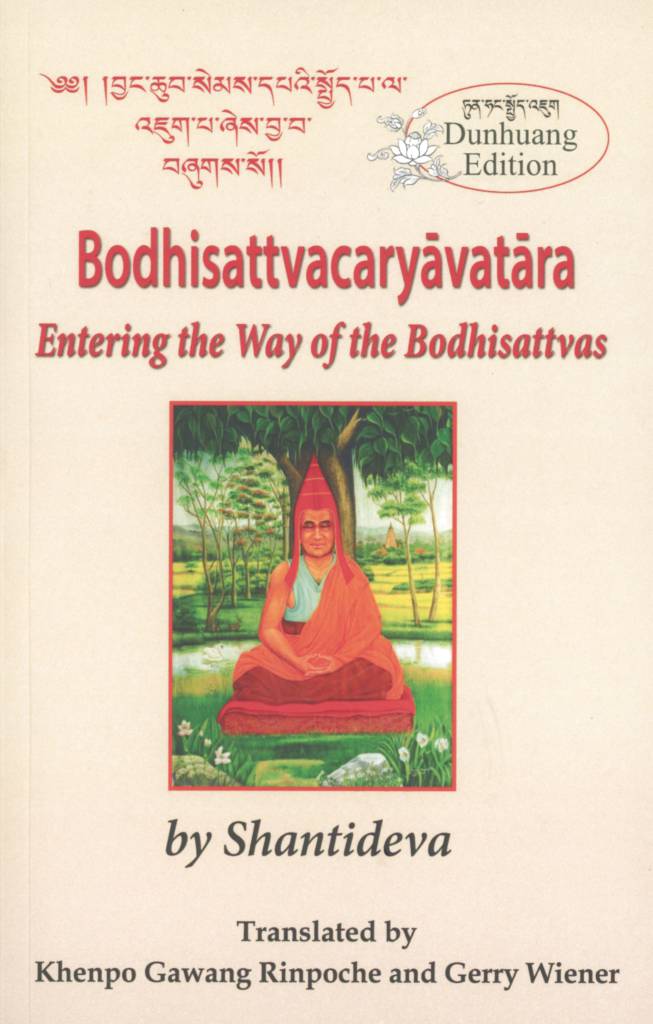
Dūnhuáng §This version is extracted from the book Bodhisattvacaryāvatāra: Entering the Way of the Bodhisattvas (2022, Khenpo Gawang and Wiener), a translation of an edition of the text created from three Dūnhuáng manuscripts. A description and sample pages of these can be found on the Early Tibet Blog. Scans of the actual manuscripts themselves can be found at http://idp.bl.uk

རིན་ཆེན་གདུགས་མཛེས་གསེར་གྱི་ཡུ་བ་ཅན། །

འཁོར་ཡུག་རྒྱན་ཀྱི་རྣམ་པ་ཡིད་འོང་བརྒྱན། ། དབྱིབས་ལེགས་བལྟ་བ་སྡུག་པ་བསྒྲེང་བ་ཡང༌། །

རྟག་དུ་ཐུབ་པ་རྣམས་ལ་དབུལ་བར་བགྱི། །

alt verse 2.19 tm data

At all times, I offer to the Lord of Sages beautiful umbrellas

Made of precious [cloth] having handles of gold, Their periphery adorned with pleasing ornaments. When the umbrellas are raised,

They are of excellent shape and beautiful to behold.

Tsadra Critical Edition §This text was created by comparing four versions of the text from Derge, Cone, Narthang, and Peking Tengyurs from BDRC scans, along with Dunhuang manuscripts IOL Tib J 628, 629, and 630. When Tibetan readings were problematic, the Sanskrit texts from GRETIL and LTB (Oslo) were consulted.

རིན་ཆེན་གདུགས་མཛེས་གསེར་གྱི་ཡུ་བ་ཅན། །

ཁོར་ཡུག་རྒྱན་གྱི་རྣམ་པ་ཡིད་འོང་ལྡན། ། དབྱིབས་ལེགས་བལྟ་ན་སྡུག་པ་བསྒྲེང་བ་ཡང་། །

རྟག་ཏུ་ཐུབ་དབང་རྣམས་ལ་དབུལ་བར་བགྱི། །

[edit]
Sazang Mati (1294 - 1376)
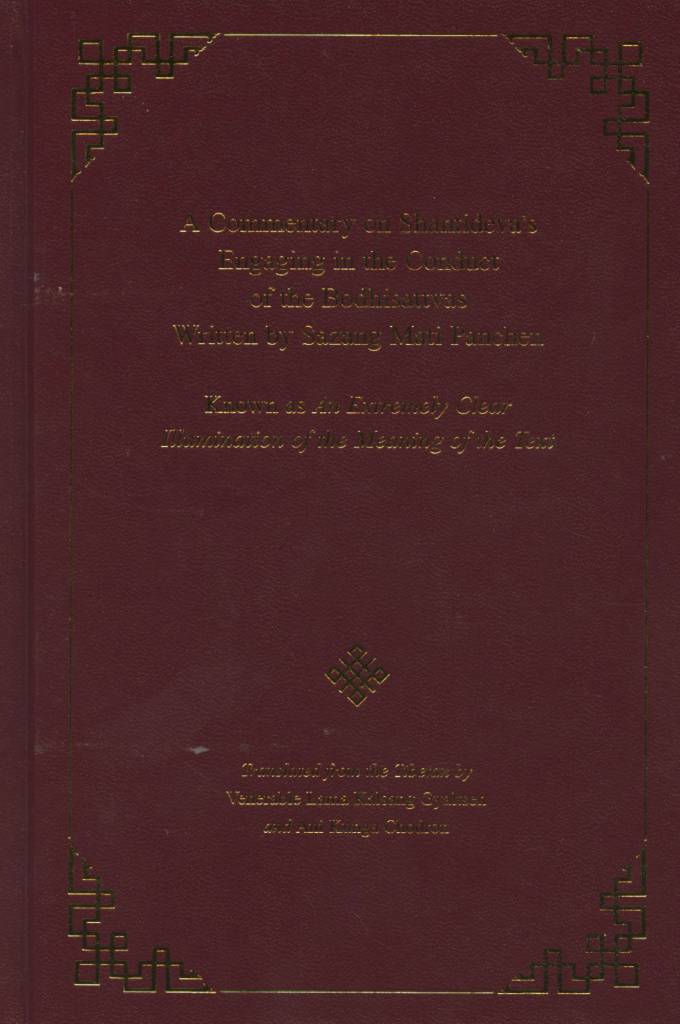
A Commentary on Shantideva's Engaging in the Conduct of the Bodhisattvas (citation)Gyaltsen, Lama Kalsang, and Ani Kunga Chodron, trans. A Commentary on Shantideva's Engaging in the Conduct of the Bodhisattvas Written by Sazang Mati Panchen: Known as An Extremely Clear Illumination of the Meaning of the Text. Walden, NY: Tsechen Kunchab Ling, 2019. Bilingual Edition

(བཅུ་གཅིག་པ་)གདུགས་ཀྱི་མཆོད་པ་ནི།

11. Offering of canopies 1.1.1.1.2.3.11

རིན་ཆེན་གདུགས་མཛེས་གསེར་གྱི་ཡུ་བ་ཅན། །

ཁོར་ཡུག་རྒྱན་གྱི་རྣམ་པ་ཡིད་འོང་བརྒྱན། ། དབྱིབས་ལེགས་ལྟ་ན་སྡུག་པ་བསྒྲེང་བ་ཡང་། །

རྟག་ཏུ་ཐུབ་དབང་རྣམས་ལ་དབུལ་བར་བགྱི། །

rin chen gdugs mdzes gser gyi yu ba can/_/

khor yug rgyan gyi rnam pa yid 'ong brgyan/_/ dbyibs legs lta na sdug pa bsgreng ba yang /_/

rtag tu thub dbang rnams la dbul bar bgyi/_/

Beautiful precious canopies with golden handles,

Circumferences adorned with ornaments of attractive form, Erected in fine shapes which steal the mind.

I forever offer to the Lords of Sages.

རིན་ཆེན་སྣ་ཚོགས་ལས་གྲུབ་ཅིང་ཚ་བ་སྐྱོབ་པའི་གདུགས་རབ་ཏུ་མཛེས་པ་གསེར་གྱི་ཡུ་བ་རིང་བོ་ཅ༵ན་ཁོར་ཡུག་ཐམས་ཅད་དུ་མུ་ཏིག་གི་སེ་མོ་དོ་ལ་སོགས་པའི་རྒྱན་གྱི་རྣམ་པ་མང་པོས་ཡིད་དུ་འོང་བ༵ར་རྣམ་པར་བརྒྱན་པ་དབྱིབས་ཤིན་ཏུ་ལེགས་ཤིང་བལྟ་ན་སྡུག་པ་གྱེན་དུ་བསླང་སྟེ་གྱེན་དུ་བསྒྲེང་བའ༵ང་དུས་རྟག་ཏུ་ཐུབ་པའི་དབང་བོ་སྲས་དང་བཅས་པ་རྣམས་ལ་དབུལ་བར་བགྱི༵འོ། །

Canopies that shade from the heat, made of a variety of jewels and beautified with long golden handles, with the circumference attractively decorated with pearl loops and many other ornaments, beautifully shaped and attractive to the eye are erected and eternally offered to the Lords of Sages and their Noble Sons.
Gyaltsap Je (1364 - 1432)
The Entrance for the Children of the Conquerors (citation)Stracke, Fedor, trans. The Entrance for the Children of the Conquerors: A Commentary on the Introduction to the Actions of Bodhisattvas. By Gyaltsab Rinpoche. N.p.: Happy Monks Publication, 2016. https://happymonkspublication.org/product/bodhisattvacharyavatara-chapter-1-10-commentary/. Bilingual Edition

བཅུ་བ་ནི།

Parasols 1.1.1.1.1.2.3.1.10

རིན་ཆེན་གདུགས་མཛེས་གསེར་གྱི་ཡུ་བ་ཅན། །

ཁོར་ཡུག་རྒྱན་གྱི་རྣམ་པ་ཡིད་འོང་བརྒྱན། ། དབྱིབས་ལེགས་ལྟ་ན་སྡུག་པ་བསྒྲེང་བ་ཡང་། །

རྟག་ཏུ་ཐུབ་དབང་རྣམས་ལ་དབུལ་བར་བགྱི། །
rin chen gdugs mdzes gser gyi yu ba can/_/

khor yug rgyan gyi rnam pa yid 'ong brgyan/_/ dbyibs legs lta na sdug pa bsgreng ba yang /_/

rtag tu thub dbang rnams la dbul bar bgyi/_/

Precious beautiful parasols with golden handles,

Seamed by dazzling ornaments, Well-shaped and uplifting when seen,

I always offer to the able ones.

རིན་ཆེན་སྣ་ཚོགས་ལས་བྱས་པའི་གདུགས་མཛེས་པ་གསེར་གྱི་ཡུ་བ་ཅན་མཐའི་ཁོར་ཡུག་རིན་པོ་ཆེ་དུ་མས་སྤྲས་པའི་རྒྱུན་གྱི་རྣམ་པ་ཡིད་དུ་འོང་བས་བརྒྱན་ཅིང་དབྱིབས་ལེགས་པ་མིག་གིས་ལྟ་ན་སྡུག་པ་ཕུབ་སྟེ་བསྒྲེངས་པ་ཡང་དུས་རྟག་ཏུ་ཐུབ་དབང་རྣམས་ལ་དབུལ་བར་བགྱིའོ། །

I always offer beautiful parasols made from a variety of precious substances, with golden handles, at the edges seamed by many dazzling jewel ornaments, and magnificently shaped so that it is uplifting for the mind just to see it.
Minyak Kunzang Sönam (1823 - 1905)
The Great Hūṃ (citation)Duckworth, Douglas, trans. The Great Hūṃ: A Commentary on Śāntideva's Way of the Bodhisattva. By Minyak Kunzang Sönam. New York, NY: Wisdom Publications, 2025. Bilingual Edition

གདུགས་ཀྱི་མཆོད་པ་ནི།

Next is the offering of parasols:

རིན་ཆེན་གདུགས་མཛེས་གསེར་གྱི་ཡུ་བ་ཅན། །

ཁོར་ཡུག་རྒྱན་གྱི་རྣམ་པ་ཡིད་འོང་བརྒྱན། ། དབྱིབས་ལེགས་ལྟ་ན་སྡུག་པ་བསྒྲེང་བ་ཡང་། །

རྟག་ཏུ་ཐུབ་དབང་རྣམས་ལ་དབུལ་བར་བགྱི། །
I constantly offer to the lords of sages

beautiful, jeweled parasols with golden handles and perimeters adorned with ornaments,

standing upright with lovely shapes. (2.19)

རྒྱུ་རིན་ཆེན་སྣ་ཚོགས་ལས་གྲུབ་ཅིང་ཉི་མའི་འོད་ཀྱི་ཚ་གདུང་སོགས་སྐྱོབ་པར་བྱེད་པའི་གདུགས་མཛེས་ཤིང་སྙིངདུ་སྡུག་པ་གསེར་གྱི་ཡུ་བ་རིང་ཞིང་དྲང་བ་ཅན། མཐའ་སྐོར་གྱི་ཁོ་ར་ཁོར་ཡུག་ཐམས་ཅད་དུ་མུ་ཏིག་གི་ཕྲེང་བ་ལ་སོགས་པའི་རིན་པོ་ཆེའི་རྒྱན་གྱི་རྣམ་པ་ཡིད་དུ་འོང་བ་དུ་མས་སྤྲས་ཤིང་མཛེས་པར་བརྒྱན་པ་དབྱིབས་ལེགས་ཤིང་བལྟ་ན་སྡུག་པ་གྱེན་དུ་བསྒྲེང་བའི་ཚུལ་གྱིས་ཕུབ་པ་ཡང་དུས་རྟག་ཏུ་ཐུབ་དབང་སྲས་དང་བཅས་པ་རྣམས་ལ་ལེགས་པར་དབུལ་བར་བགྱིའོ། །

There are beautiful parasols made of various precious substances that protect from the [70] oppressive heat of the sun’s rays. They are lovely, with golden, straight handles, and are beautifully adorned along the perimeter with many fine ornaments of different varieties, like strings of pearls. They have lovely shapes that are pleasant to behold, standing upright and extended. I constantly offer these to the lords of sages and their heirs.
Kunzang Palden (1862 - 1943)
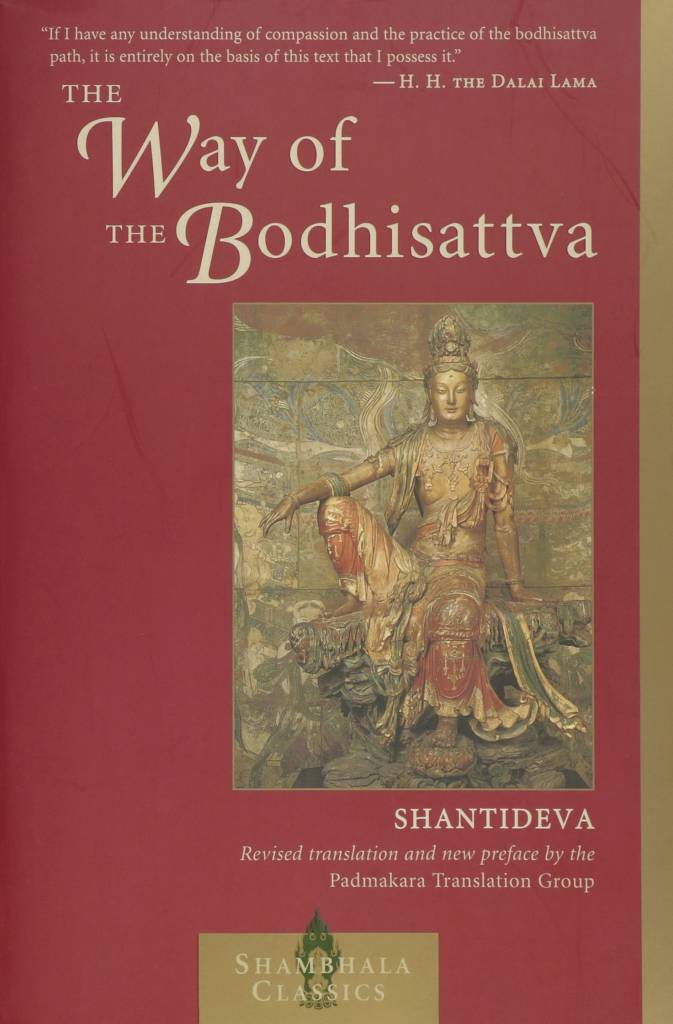
The Nectar of Manjushri's Speech (citation)Blankleder, Helena, and Wulstan Fletcher (Padmakara Translation Group), trans. The Nectar of Manjushri's Speech: A Detailed Commentary on Shantideva's Way of the Bodhisattva. By Kunzang Pelden. Boston: Shambhala Publications, 2007. Bilingual Edition

རིན་ཆེན་གདུགས་མཛེས་གསེར་གྱི་ཡུ་བ་ཅན། །

ཁོར་ཡུག་རྒྱན་གྱི་རྣམ་པ་ཡིད་འོང་བརྒྱན། ། དབྱིབས་ལེགས་ལྟ་ན་སྡུག་པ་བསྒྲེང་བ་ཡང་། །

རྟག་ཏུ་ཐུབ་དབང་རྣམས་ལ་དབུལ་བར་བགྱི། །

rin chen gdugs mdzes gser gyi yu ba can/_/

khor yug rgyan gyi rnam pa yid 'ong brgyan/_/ dbyibs legs lta na sdug pa bsgreng ba yang /_/

rtag tu thub dbang rnams la dbul bar bgyi/_/

ལྷ་རྫས་ཀྱི་དར་དང་རིན་ཆེན་སྣ་ཚོགས་པའི་གདུགས་རབ་ཏུ་མཛེས་པ་གསེར་གྱི་ཡུ་བ་ཅན་ཁོར་ཡུག་སྟེ་ཤམ་བུ་ལ་མུ་ཏིག་ལ་སོགས་པའི་རྒྱན་གྱི་རྣམ་པ་དཔལ་བེའུ་དང་དྲྭ་བ་དང་དྲྭ་ཕྱེད་ལ་སོགས་པ་ཡིད་དུ་འོང་བས་བརྒྱན་པ་དབྱིབས་ཤིན་ཏུ་ལེགས་ཤིང་བལྟ་ན་སྡུག་པ་བསྒྲེང་བ་སྟེ་གྱེན་དུ་བསླང་བ་ཡང་མཆོད་པའི་ལྷ་མོ་དང་རྟ་ཅང་ཤེས་དང་གླང་པོ་ཆེ་སོགས་ཀྱིས་བཟུང་བ་སྔོན་སྟོན་པ་ཐུགས་རྗེ་ཅན་ལ་གཡས་ཕྱོགས་ནས་ཚངས་པས་བཻཌཱུརྱའི་གདུགས་ལྔ་བརྒྱ་དང་གཡོན་ཕྱོགས་ནས་བརྒྱ་བྱིན་གྱིས་འཛམ་བུའི་ཆུ་གསེར་གྱི་གདུགས་ལྔ་བརྒྱ་[p.223]Byang chub sems dpa'i spyod pa la 'jug pa rtsa ba dang 'grel pa (1990)
Slob dpon zhi ba lha and Mkhan po kun dpal. Byang chub sems dpa'i spyod pa la 'jug pa rtsa ba dang 'grel pa. Khreng tu'u: Si khron mi rigs dpe skrun khang, 1990. Buda by BDRC Logo.jpg
ཕུལ་བ་ལྟར་དུས་རྟག་ཏུ་ཐུབ་པའི་དབང་པོ་སྲས་དང་བཅས་པ་རྣམས་ལ་དབུལ་བར་བགྱིའོ། །དེ་ལྟར་ཕུལ་བས་རང་གཞན་སེམས་ཅན་ཐམས་ཅད་འཁོར་བ་དང་ངན་སོང་གི་ཚ་གདུང་ལས་སྐྱོབ་སྟེ། དཀོན་གསུམ་གསུམ་གྱི་གྲིབ་མ་བསིལ་བའི་སྐྱབས་འོག་ཏུ་ཚུད་པར་ཤོག་ཅིག་ཅེས་བསམ་པར་བྱའོ། །དེ་ལྟར་ཡིད་སྤྲུལ་གྱི་མཆོད་པའི་རྣམ་གྲངས་བཅུ་གཉིས་པོ་འདི་རྣམས་ལ། * རང་རེའི་བློས་སྟོང་གསུམ་སོགས་ཁྱབ་པར་མི་ནུས་པས་ན་དེ་ལྟར་ཁྱབ་ཡོད་པར་བསམ་དགོས་སོ། །

Fair and precious parasols adorned with golden shafts,

All bordered round with hems of precious jewels, Upright, well-proportioned, pleasing to the eye,

Again, all this I give to all the Buddhas.

Offerings are made of lovely parasols contrived of celestial silks and precious gems, golden shafts and exquisite jeweled fringes, unending knots, loops, and pendants. These are beautifully formed and[p.75]The Nectar of Manjushri's Speech
Blankleder, Helena, and Wulstan Fletcher (Padmakara Translation Group), trans. The Nectar of Manjushri's Speech: A Detailed Commentary on Shantideva's Way of the Bodhisattva. By Kunzang Pelden. Boston: Shambhala Publications, 2010.
delightful to behold. They are held aloft and carried around by offering goddesses, wise horses, and elephants. All these are constantly offered to all the Buddhas and their Bodhisattva children, just as in the past when Brahma, standing to the right of our compassionate Teacher, offered him five hundred parasols of lapis lazuli, while Indra, on the left, offered him five hundred parasols of the best refined gold. When the offering is complete, we too should make the wish that all beings, ourselves and others, be protected from the heat and vexation of samsara and the lower realms and that we all come beneath the cooling shade of the Three Jewels and the protection they bestow. We should consider that this twelvefold offering visualized by the mind pervades the three-thousandfold universe, even though such thoughts exceed the minds’ imagination.

དེ་ལ་ཞི་བ་ལྷ་ཤིན་ཏུ་སྤྲོས་མེད་ཀྱི་རྣལ་འབྱོར་པ་ཡིན་པས་དངོས་འབྱོར་གྱི་མཆོད་པ་རྒྱ་ཆེན་མ་གསུང་པར་འདི་ལྟར་དཀའ་ཚེགས་མེད་པར་བསོད་ནམས་ཀྱི་ཚོགས་རྒྱ་ཆེན་པོ་ཡང་དག་པར་རྫོགས་པའི་ཐབས་མཆོག་ཏུ་གྱུར་པས་ན་བྱང་ཆུབ་སེམས་དཔའི་ཐབས་ལ་མཁས་པའི་མཆོད་པ་ཡིན་ལ། དེས་ན་མཆོད་པའི་རྣམ་གྲངས་འདི་རྣམས་རྩིས་མེད་མི་བྱེད་པར་ཡང་དང་ཡང་དུ་བསྒོམ་དགོས། དེའང་ལྷ་བསྒོམ་པ་ལྟ་བུ་རྒྱུན་མི་འཆད་པར་བསྒོམ་མི་དགོས་པར་སྐད་ཅིག་ཡུད་ཙམ་ཡུད་ཙམ་བློ་ལ་སྣང་ཙམ་སྣང་ཙམ་ཤར་བ་ཙམ་གྱིས་དཀའ་ཚེགས་དང་ངལ་དུབ་མ་དགོས་པར་བསོད་ནམས་ཀྱི་ཚོགས་རྒྱ་ཆེན་པོ་འདུམ་པར་འགྱུར་བས་ཚོགས་རྫོགས་ཤིང་སྒྲིབ་པ་དག་ནས་བྱང་ཆུབ་ཀྱི་སེམས་རྒྱུད་ལ་སྐྱེ་བ་དང༌། ཐོས་པ་ཤེས་ཤིང་མི་བརྗེད་པར་འགྱུར་བ་ལ་སོགས་པའི་ཡོན་ཏན་ཐམས་ཅད་འབྱུང་བས་དོན་ཆེན་པོ་ཚེགས་ཆུང་ངུས་འགྲུབ་པའི་མཆོད་པའི་རྣམ་གྲངས་འདི་རྣམས་ཡང་ཡང་བསམ་ཞིང་མཆོད་ན་ལོག་འཚོ་དང་[p.224]Byang chub sems dpa'i spyod pa la 'jug pa rtsa ba dang 'grel pa (1990)
Slob dpon zhi ba lha and Mkhan po kun dpal. Byang chub sems dpa'i spyod pa la 'jug pa rtsa ba dang 'grel pa. Khreng tu'u: Si khron mi rigs dpe skrun khang, 1990. Buda by BDRC Logo.jpg
སྡིག་པས་བསྒྲུབ་པའི་མཆོད་པ་ང་རྒྱལ་དང་ངོམ་ཆོས་སུ་འགྲོ་བ་ཅི་ཙམ་ཕུལ་བ་ལས་ཀྱང་མཆོད་པ་རྒྱ་ཆེ་ཞིང་རྣམ་པར་དག་པ་ཡིན་པར་གསུངས།

Shantideva himself was a yogi whose spiritual practice and manner of life were of an extreme simplicity. He did not teach extensively about actual material offerings. Offerings imagined by the mind, on the other hand, are the best way to complete the great accumulation of merit without difficulty. Such is the offering of a Bodhisattva skilled in means. We should therefore refrain from thinking that such offerings are unimportant and instead meditate upon them repeatedly. It is not necessary, however, to concentrate upon them uninterruptedly as we do with a yidam deity. If we hold the offerings to the Buddhas and Bodhisattvas before our minds for brief moments, it is not necessary to labor hard and exhaust ourselves in order to gather a great stock of merit. Thus the accumulations will be complete, defilements will be purified, and bodhichitta will arise in our minds. We will understand the teachings and remember them, and every other excellent quality will arise. It is important therefore to visualize all such offerings repeatedly, for this is of the greatest benefit and is easy to do. It is said that if we make such offerings, they are more vast and pure than any other offering deriving from wrong livelihood and negative actions, or from offerings made with pride and ostentation.


[edit]
[edit]