The Wisdom Chapter: A Brief Overview
| 🤓 Admin Zone 🛠️ hidden to non-admins | |
Description
For those delving into Buddhist philosophy, particularly the Madhyamaka school and Śāntideva's teachings, this overview bridges the gap between abstract philosophy and lived experience. It offers insights into the historical development of Buddhist ideas and their continued relevance, serving as an excellent starting point for further inquiry into the concepts of emptiness and ultimate truth.
Featured on
The celebrated ninth chapter on wisdom is of course daunting in its complexity. It is not easy to follow, and it is understandable perhaps that by the majority of readers it will be passed over in silence. But sooner or later, the question of wisdom and what Shāntideva means by this must be considered—as the culmination of, and also the key to, the entire Bodhisattva path. Shāntideva begins by pointing out that the whole of the Bodhicharyāvatāra so far—all the methods for purifying the mind and generating the virtues of vigilant introspection, patience, courage, and so on—is geared toward wisdom, the direct realization of emptiness, ultimate bodhichitta, without which the true practice of compassion is impossible.
From the philosophical point of view, Shāntideva belonged to the Madhyamaka or Middle Way school of Buddhist tenets. This tradition, founded by Nāgārjuna in the second century and counting among its adherents a series of incomparable masters (Āryadeva, Buddhapālita, Bhāvaviveka, Chandrakīrti, Shāntarakshita, Atīsha, and others) flowered in India uninterruptedly for over a thousand years. Transmitted to Tibet in the eighth century, it has been upheld to this day as the supreme expression of the Buddha's wisdom teachings. There is obviously no question here of giving an adequate survey of Madhyamaka thought, but perhaps the following remarks will help readers gain an idea of its main lines and basic import.[1]
In the centuries that followed the Buddha's death, various attempts were made to organize and formulate his teachings. Different systems appeared, basing themselves on the recorded scriptures, each purporting to express the Buddha's intended meaning. Four, or rather three, great syntheses emerged: that of the Vaibhāshika and Sautrāntika (which for practical purposes may be taken together), that of the Madhyamaka, and that of Vijnānaväda (also referred to as Yogāchāra or Chittamātra, the Mind Only school). That there should be a multiplicity of systems is not in itself surprising. From the time of his enlightenment until his death fifty years later, the Buddha bestowed his teachings for the benefit of many different audiences. The purpose of his doctrine was always the same: to liberate beings from the round of suffering. The expression of this purpose, however, differed according to the capacity of his hearers. It is therefore to be expected that the body of teachings remaining after his departure from the world should be rich and varied, containing elements that sometimes even contradict each other. The Mahāyāna deals with this state of affairs by saying that statements made by the Buddha are of two kinds: definitive (Skt. nītārtha), corresponding to his true meaning, as understood by himself; and expedient (Skt. neyārtha), corresponding to a partial expression of his meaning, geared to the understanding of his hearers, intended to lead them along the path to perfect comprehension and being therefore of provisional validity. Parallel with this division is the doctrine of the two truths: ultimate truth (Skt. paramārtha), corresponding to the actual nature of things; and relative truth (Skt. saṃvṛiti), corresponding to the way they appear. The Buddha skillfully graduated his teaching according to pedagogical necessity. For example, he spoke in terms of a self in the context of karma and ethical responsibility—as against the "nihilist" who disbelieves in survival after death. By contrast, he denied the existence of the ātman, as against the "eternalist" (who takes the self to be a changeless essence). He also said that there is neither self nor no-self.
What conclusion is to be drawn from this? What was Buddha's real position? We may take as our starting point Shāntideva's own words:
Relative and ultimate, These the two truths are declared to be. The ultimate is not within the reach of intellect, For intellect is said to be the relative.107Tibetan habitually uses two expressions to refer to the relative truth: kun rdzob and tha snyad. Although they are often employed interchangeably as synonyms, these terms have slightly different connotations. Kun rdzob kyi bden pa literally means the ‟all-concealing truth.” It refers to phenomena as they are encountered in everyday life, and to the fact that their appearance (as independently existing entities) conceals their true nature (i.e., their emptiness of such independent and intrinsic being). In so far as the things and situations encountered in life are accepted as genuine in the common consensus (as contrasted with magical illusions, mirages, etc.), they are ‟true,” but only relatively so, since the way they appear does not correspond with their actual status. We have therefore systematically translated kun rdzob kyi bden pa as ‟relative truth.” Tha snyad, on the other hand, means ‟name,” ‟conventional expression.” Tha snyad kyi bden pa (which we have translated as ‟conventional truth”) refers to phenomena insofar as they can be conceived by the ordinary mind and spoken of within the limits of conventional discourse.
Page(s) 137
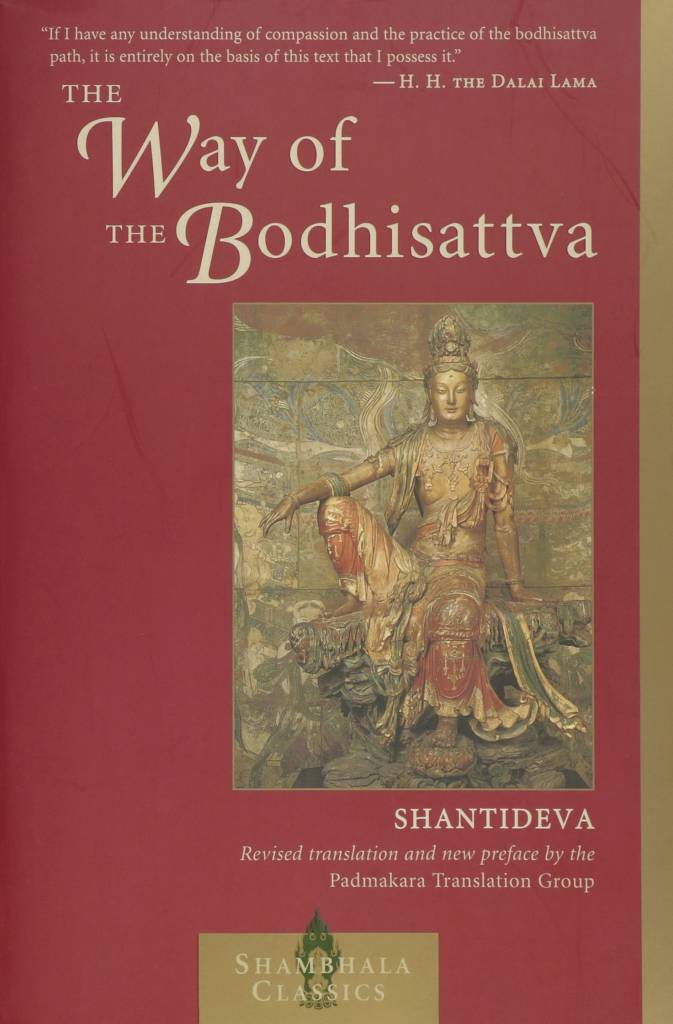
Blankleder, Helena, and Wulstan Fletcher (Padmakara Translation Group), trans. The Way of the Bodhisattva: A Translation of the Bodhicharyāvatāra. By Śāntideva. Rev. ed. Shambhala Classics. Boston: Shambhala Publications, 2006.
ཀུན་རྫོབ་དང་ནི་དོན་དམ་སྟེ། །
འདི་ནི་བདེན་པ་གཉིས་སུ་འདོད། ། དོན་དམ་བློ་ཡི་སྤྱོད་ཡུལ་མིན། །
བློ་ནི་ཀུན་རྫོབ་ཡིན་པར་བརྗོད། །kun rdzob dang ni don dam ste/_/
'di ni bden pa gnyis su 'dod/_/ don dam blo yi spyod yul min/_/
blo ni kun rdzob yin par brjod/_/The meaning of this is that all statements, all theories, anything emerging from the operations of the rational intelligence, have the nature of relative truth. Theories may be of practical utility and may concur with empirical experience, but as expressions of the ultimate truth, the "nature of things," they are inadequate. The ultimate is suprarational and cannot be expressed in conceptual terms. Thus, in the Pāli scriptures, the Buddha is recorded as saying that "the Tathāgata is free from all theories."[2] And again, "The view that everything exists is, Kachchāyana, one extreme; that it does not exist is another. Not accepting the two extremes, the Tathāgata proclaims the truth from the middle position."[3] The second passage is referred to explicitly by Nāgārjuna in his great work, The Stanzas on the Middle Way, with the remark that "the Lord has rejected both views: that of 'is' and that of 'is not.'"[4] In other words, he has rejected all views. This means that any statement claiming to encapsulate the ultimate truth, any formulation that points to "this" or "that" as being ultimately real, is false—false for the simple reason that it is a formulation, emanating from the conceptual intelligence.
At first sight, this seems to be a form of nihilism. Apparently, it is the assertion that in the ordinary run of things we can know nothing of the truth; reality seems to be totally beyond our grasp, and Madhyamaka has not infrequently been misunderstood and criticized in this way.[5] But to say that the "ultimate is not within the reach of intellect" does not mean that it cannot be known; it means simply that it exceeds the powers of ordinary thought and verbal expression. The knowledge of the ultimate transcends thought. It is suprarational. It is nonconceptual and nondual—quite different, we may suppose, from anything that we have ever experienced to date. It is prajñā: immediate, intuitive insight into "suchness," the wisdom of emptiness beyond subject and object.
How is one to attain or even approach this kind of knowledge? Shāntideva gives the answer in a key stanza (the very point in his recitation at Nālandā when, according to the story, he and Mañjushrī began to rise into the air):
When something and its nonexistence Both are absent from before the mind, No other option does the latter have: It comes to perfect rest, from concepts free.
Page(s) 142
Blankleder, Helena, and Wulstan Fletcher (Padmakara Translation Group), trans. The Way of the Bodhisattva: A Translation of the Bodhicharyāvatāra. By Śāntideva. Rev. ed. Shambhala Classics. Boston: Shambhala Publications, 2006.
གང་ཚེ་དངོས་དང་དངོས་མེད་དག །
བློ་ཡི་མདུན་ན་མི་གནས་པ། ། དེ་ཚེ་རྣམ་པ་གཞན་མེད་པས། །
དམིགས་པ་མེད་པ་རབ་ཏུ་ཞི། །gang tshe dngos dang dngos med dag_/
blo yi mdun na mi gnas pa/_/ de tshe rnam pa gzhan med pas/_/
dmigs pa med pa rab tu zhi/_/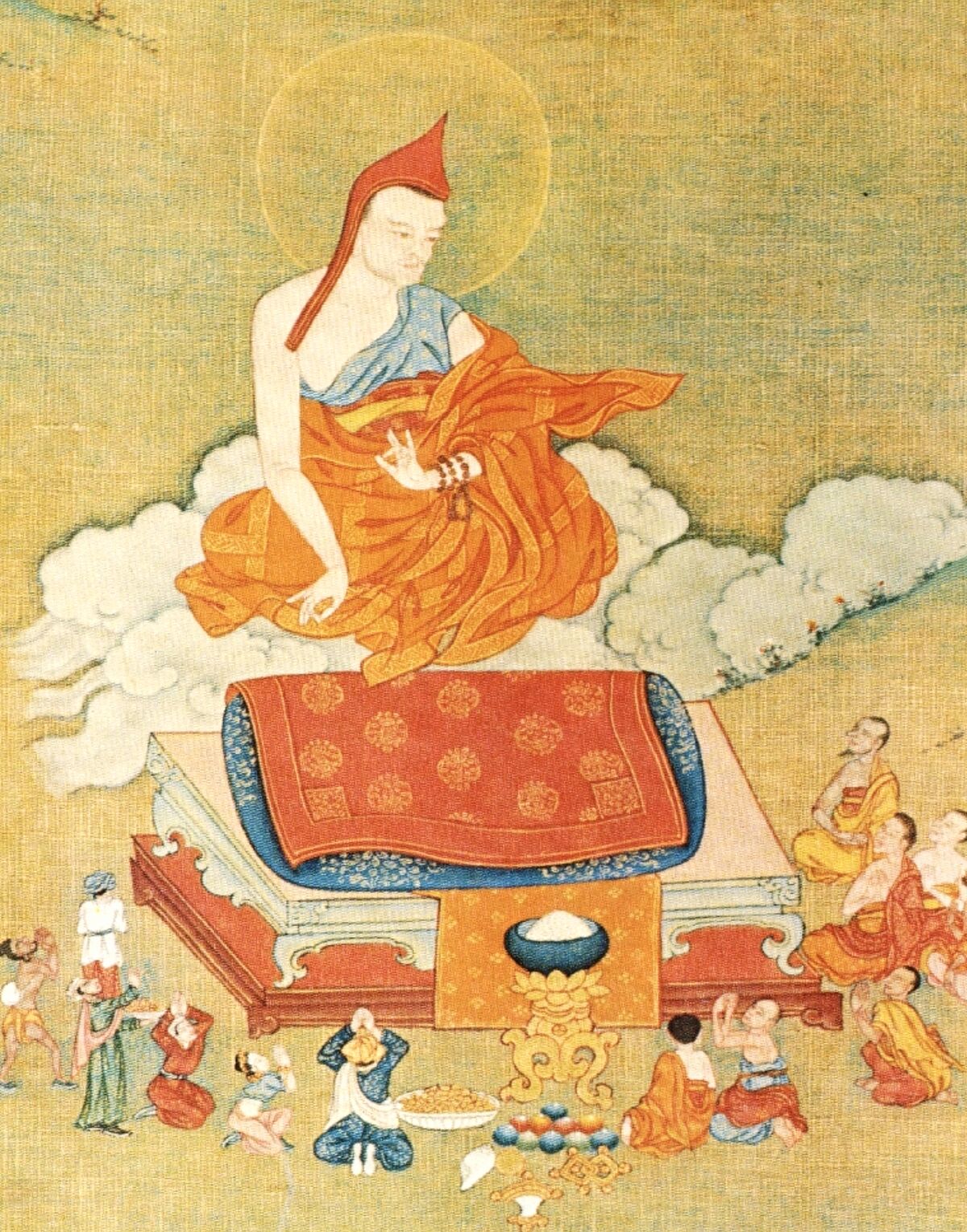
These lines indicate the task in hand: the mind is to be left as it is, free and untrammeled, simply aware, no longer caught up and entangled in thoughts and theories and the grasping reification of self and substance. On the level of philosophical discourse, this involves the demonstration of the inadequacy of theories and systems purporting to express the ultimate truth. The basic position of Madhyamaka is that reason is insufficient. It is the recognition, in fact the discovery, that there is a radical lack in the structure of reason itself—something that prevents it from attaining to true knowledge of the ultimate. In the final analysis, all rational formulations, however ingenious, contain within themselves paradox and inconsistency, the seed, in other words, of their own refutation. The task of Madhyamaka is to expose this inner incoherence. It proceeds in the knowledge that, if pushed in debate to explain themselves, all rationally constructed formulations will end in contradiction. Thus Nāgārjuna does not advance a position of his own. Rather than a body of doctrines, Madhyamaka is primarily a method, a system of philosophical criticism. It is dialectic pure and simple. Its procedure is to take a dogmatic assertion (the doctrine of the self, the theory of causation, or the existence of a divine creator, and so on) and gradually refute it—not by coming into head-on collision by positing a contrary view, but by gradually exposing, through a series of logical steps, the theory's own inner incoherence. The assertion is consequently reduced to absurdity and stands revealed as unequal to its original claim. In the end, theories, all theories—Buddhist theories included—fall to the ground through sheer inanity. No intellectual construction can withstand such analysis; the purpose of Madhyamaka is to reduce to total silence the restless, questing intellect, forever condemned to one-sidedness and a specific viewpoint. A mental stillness supervenes, and conceptual elaboration is annihilated, making possible an insight that lies beyond thought construction. This prepares the ground for the experience of shūnyatā, emptiness itself.[6] The position of Madhyamaka thus resembles the Kantian critique in modern Western philosophy, but as T. R. V. Murti suggests, it goes far beyond Kant in perceiving that criticism may itself yield wisdom and provide the ground for a spiritual path.[7]
In his account, Shāntideva surveys the range of Madhyamaka arguments as these had been played out from Nāgārjuna until his own time. The ninth chapter of the Bodhicharyāvatāra thus presents an encyclopedic overview, which is extremely useful for the understanding of the system itself. It devotes considerable space to the refutation of the realism of the Vaibhāshika and Sautrāntika schools, the belief in the ultimate existence of indivisible particles of matter and instants of consciousness. This was the prime object of Nāgārjuna's polemic. Then there is a dismantling of the theories of the early Hindu Sāṃkhya school, and a critique of the Mīmāṃsā and Nyāya-Vaisheshika schools of Indian philosophy, to which Nāgārjuna's great disciple Āryadeva devoted particular attention. This is complemented by a lengthy account of the (Buddhist) Vijñānavāda (in the sense of a tenet system), which is presented and refuted in the spirit of Chandrakīrti. Coming after Chandrakīrti, and apparently adopting his position with regard to the Mind Only school, Shāntideva is usually considered to belong to the Prāsaṅgika branch of the Madhyamaka school.[8]
Even in the earlier chapters of the Bodhicharyāvatāra, well before turning explicitly to metaphysical questions, it is evident that Shāntideva is constantly preoccupied with the view of emptiness and the implications of this in all aspects of the Bodhisattva path. The questions he asks about the nature of mental defilements, at the end of chapter 4, and the sudden discussion of the self in chapter 6, to take just two examples, show that the philosophical perspective is always very close to the surface. And the most remarkable feature of the ninth chapter, taken within the context of the Bodhicharyāvatāra as a whole, is that it shows that the wisdom of emptiness is not merely relevant to Bodhisattva training, it is actually indispensable. Shāntideva demonstrates that, far from being a matter of rarified metaphysics or academic discussion removed from the concerns of practical existence, Madhyamaka is fundamentally a vision and a way of life. It is the ultimate heart and soul of the Buddha's teaching. In the twenty or so stanzas at the end of the ninth chapter, Shāntideva shows how it is precisely the absence of this wisdom that lies at the root of saṃsāra and the sorrows of the world; and he poignantly concludes his message with verses of great beauty and pathos.
When shall I be able to allay and quench The dreadful heat of suffering’s blazing fires With plenteous rains of my own bliss That pour torrential from my clouds of merit?
Page(s) 161
Blankleder, Helena, and Wulstan Fletcher (Padmakara Translation Group), trans. The Way of the Bodhisattva: A Translation of the Bodhicharyāvatāra. By Śāntideva. Rev. ed. Shambhala Classics. Boston: Shambhala Publications, 2006.
My wealth of merit gathered in, With reverence but without conceptual target, When shall I reveal this truth of emptiness To those who go to ruin through belief in real existence?
Page(s) 161
Blankleder, Helena, and Wulstan Fletcher (Padmakara Translation Group), trans. The Way of the Bodhisattva: A Translation of the Bodhicharyāvatāra. By Śāntideva. Rev. ed. Shambhala Classics. Boston: Shambhala Publications, 2006.
ནམ་ཞིག་དམིགས་པ་མེད་ཚུལ་དུ། །
གུས་པས་བསོད་ནམས་ཚོགས་བསགས་ཏེ། ། དམིགས་པས་ཕུང་བར་འགྱུར་རྣམས་ལ། །
སྟོང་པ་ཉིད་ནི་སྟོན་པར་འགྱུར། །nam zhig dmigs pa med tshul du/_/
gus pas bsod nams tshogs bsags te/_/ dmigs pas phung bar 'gyur rnams la/_/
stong pa nyid ni ston par 'gyur/_/Notes
- ↑ This account of Madhyamaka owes a debt to T. R. V. Murti's book The Central Philosophy of Buddhism. Its description of the Madhyamaka dialectic (chapters 5 to 7) is of particular interest.
- ↑ 4. See Majjhima Nikāya (a section of the Pali scriptures I, sutta 72). See translation of H. C. Warren, p. 123.
- ↑ Saṃyutta Nikāya, XII, 15.
- ↑ See Nāgārjuna, Mūla-madhyamaka-kārikā, 15.7.
- ↑ This in fact is the usual approach of Western orientalists of earlier generations. See, for example, Louis Finot in the introduction to his translation of the Bodhicharyāvatāra, La marche à la lumière.
- ↑ See Murti, chapter 2.
- ↑ See, for example, Murti, pp. 293-301.
- ↑ Coming after Āryadeva (c. 180-200), but before Chandrakīrti (early seventh century), Buddhapālita (first half of the fifth century) asserted the technique of reductio ad absurdum or prāsaṅgika to be the essence of Madhyamaka. This was questioned by his contemporary, Bhāvaviveka, who said that the mere negation of a theory should be supplemented with the assertion of a counter position. Coming after him, Chandrakīrti vindicated Prāsaṅgika-Madhyamaka, the position of Buddhapālita, as the true sense of Madhyamaka, and severely criticized Bhāvaviveka. See Murti, pp. 95-96. All four schools of Tibetan Buddhism uphold Prāsaṅgika-Madhyamaka as the supreme philosophical position.
-front.jpg)