No edit summary |
m (Text replacement - "{{ThemePage" to "{{EditorialContent") |
||
| (2 intermediate revisions by 2 users not shown) | |||
| Line 1: | Line 1: | ||
{{ | {{EditorialContent | ||
|sub-theme=Cultivating Wisdom | |sub-theme=Cultivating Wisdom | ||
| | |main-text= | ||
| | {{Jumbo | ||
|full-width=yes | |||
|image=Patrick-connor-klopf-ZNMcI9DtSWQ-unsplash.jpg | |||
|text=In the ninth chapter of the ''Bodhicaryāvatāra'', Śāntideva gives a thorough primer on the view of the Middle Way philosophy and its style of reasoned argumentation against what it deems to be lower or flawed positions. Known simply as the Wisdom Chapter, Prajñāpariccheda (''shes rab le'u''), this is by far the most famous, yet contentious, chapter of the treatise, and the extensive commentarial literature it spawned became the source of numerous debates in the Tibetan tradition. | |||
}} | |||
{{PullBcaVerses|9.34|142}} | {{PullBcaVerses|9.34|142}} | ||
| Line 43: | Line 47: | ||
|featured-books=The Nectar of Manjushri's Speech;The Way of the Bodhisattva (2006);The Wisdom Chapter;A Commentary on Shantideva's Engaging in the Conduct of the Bodhisattvas;The Profound Reality of Interdependence;Mipham's Dialectics and the Debates on Emptiness;Polemics in Indo-Tibetan Scholasticism - A Late 19th-Century Debate Between 'Ju Mi pham and Dpa' ris Rab gsal;Perfecting Wisdom;Practicing Wisdom;Tant que durera l'espace;Indian Madhyamaka Buddhist Philosophy after Nagarjuna, Vol. 2;Comprendre la vacuité;Transcendent Wisdom (1988);Wisdom: Two Buddhist Commentaries;L'opalescent joyau;Altruism and Reality (1998);Studies in the Philosophy of the Bodhicaryāvatāra (2000);Readings of Śāntideva's Guide to Bodhisattva Practice;The Profound Reality of Interdependence | |featured-books=The Nectar of Manjushri's Speech;The Way of the Bodhisattva (2006);The Wisdom Chapter;A Commentary on Shantideva's Engaging in the Conduct of the Bodhisattvas;The Profound Reality of Interdependence;Mipham's Dialectics and the Debates on Emptiness;Polemics in Indo-Tibetan Scholasticism - A Late 19th-Century Debate Between 'Ju Mi pham and Dpa' ris Rab gsal;Perfecting Wisdom;Practicing Wisdom;Tant que durera l'espace;Indian Madhyamaka Buddhist Philosophy after Nagarjuna, Vol. 2;Comprendre la vacuité;Transcendent Wisdom (1988);Wisdom: Two Buddhist Commentaries;L'opalescent joyau;Altruism and Reality (1998);Studies in the Philosophy of the Bodhicaryāvatāra (2000);Readings of Śāntideva's Guide to Bodhisattva Practice;The Profound Reality of Interdependence | ||
|featured-articles=An Intoxication of Mouse Venom: Reading the Guide, Chapter 9 | |featured-articles=An Intoxication of Mouse Venom: Reading the Guide, Chapter 9;Bodhicaryāvatāra 9:2 as a Focus for Tibetan Interpretations of the Two Truths in the Prāsangika Mādhyamika;Bodhisattva e Prajñāpāramitā nel Bodhicaryāvatāra di Śāntideva;Can We Kill Illusory People? Some Philosophical Reflections on Bodhi(sattva)caryāvatāra 9:11-13ab;Epitome of the Bodhicaryāvatāra with Its Pañjikā, Chap. IX;Introduction to Gzhan gyis brtsad pa'i lan mdor bsdus pa rigs lam rab gsal de nyid snang byed: An Answer to Blo-bzang-rab-gsal's Refutation of the Author's 'Sher le nor bu ke ta ka' and Its Defence, the Brgal lan nyin byed snang ba;Mi pham and the Philosophical Controversies of the Nineteenth Century;The Middle Way of the Bodhisattva | ||
|featured-dissertations=Śāntideva and the Mādhyamika: The Prajñāpāramitā-Pariccheda of the Bodhicaryāvatāra;Le commentaire de Mi-pham au chapitre IX du Bodhicaryāvatāra de Śāntideva: Échos modernes d'une controverse du XVème siècle;The Case of 'Ju Mi pham (1846–1912) and Dpa' ris Rab gsal (1840–1912): A Study in Dgag lan Debate;A Study of the Wisdom Chapter (Prajñāpāramitā Pariccheda) of the Bodhicaryāvatārapañjikā of Prajñākaramati | |featured-dissertations=Śāntideva and the Mādhyamika: The Prajñāpāramitā-Pariccheda of the Bodhicaryāvatāra;Le commentaire de Mi-pham au chapitre IX du Bodhicaryāvatāra de Śāntideva: Échos modernes d'une controverse du XVème siècle;The Case of 'Ju Mi pham (1846–1912) and Dpa' ris Rab gsal (1840–1912): A Study in Dgag lan Debate;A Study of the Wisdom Chapter (Prajñāpāramitā Pariccheda) of the Bodhicaryāvatārapañjikā of Prajñākaramati | ||
|featured-texts=Bodhicaryāvatāra;Byang chub sems dpa'i spyod pa la 'jug pa'i tshig 'grel 'jam dbyangs bla ma'i zhal lung bdud rtsi'i thig pa;Nor bu ke ta ka;Brgal lan nyin byed snang ba;Gzhan gyis brtsad pa'i lan mdor bsdus pa rigs lam rab gsal de nyid snang byed;Zab mo dbu ma'i gnad cung zad brjod pa blo gsal dga' ba'i gtam zhes bya ba mi pham rnam rgyal la klan ka bgyis pa dang po;'Jam dpal dbyangs kyi dgongs rgyan rigs pa'i gzi 'bar gdong lnga'i sgra dbyangs;Shes ldan yid kyi gdung sel rigs lam ga bur chu rgyun; | |featured-texts=Bodhicaryāvatāra;Byang chub sems dpa'i spyod pa la 'jug pa'i tshig 'grel 'jam dbyangs bla ma'i zhal lung bdud rtsi'i thig pa;Nor bu ke ta ka;Brgal lan nyin byed snang ba;Gzhan gyis brtsad pa'i lan mdor bsdus pa rigs lam rab gsal de nyid snang byed;Zab mo dbu ma'i gnad cung zad brjod pa blo gsal dga' ba'i gtam zhes bya ba mi pham rnam rgyal la klan ka bgyis pa dang po;'Jam dpal dbyangs kyi dgongs rgyan rigs pa'i gzi 'bar gdong lnga'i sgra dbyangs;Shes ldan yid kyi gdung sel rigs lam ga bur chu rgyun; | ||
Latest revision as of 05:08, 2 June 2025
- [[<span class="smw-highlighter" data-type="4" data-state="inline" data-title="Warning" title="Some use of "|]]
- "
- In your query was not closed by a matching "
- "
- [[.">Some use of "" in your query was not closed by a matching "".|]]
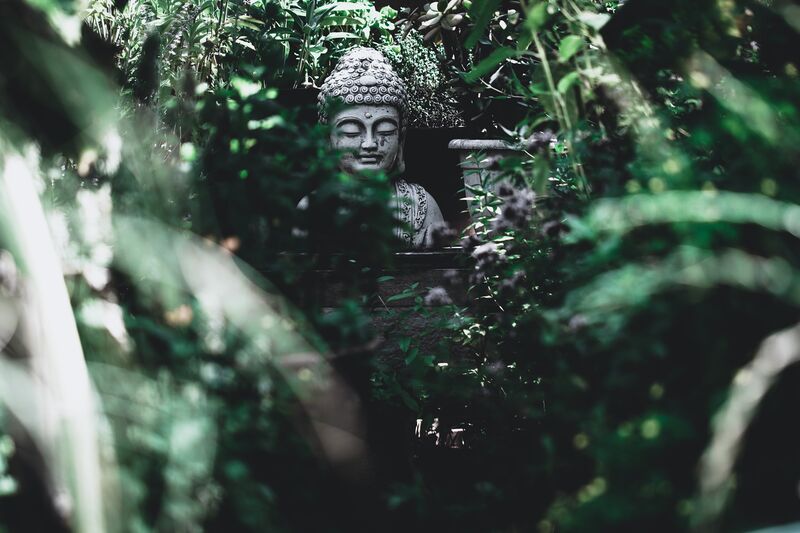
In the ninth chapter of the Bodhicaryāvatāra, Śāntideva gives a thorough primer on the view of the Middle Way philosophy and its style of reasoned argumentation against what it deems to be lower or flawed positions. Known simply as the Wisdom Chapter, Prajñāpariccheda (shes rab le'u), this is by far the most famous, yet contentious, chapter of the treatise, and the extensive commentarial literature it spawned became the source of numerous debates in the Tibetan tradition.
When something and its nonexistence Both are absent from before the mind, No other option does the latter have: It comes to perfect rest, from concepts free.
Page(s) 142
Blankleder, Helena, and Wulstan Fletcher (Padmakara Translation Group), trans. The Way of the Bodhisattva: A Translation of the Bodhicharyāvatāra. By Śāntideva. Rev. ed. Shambhala Classics. Boston: Shambhala Publications, 2006.
གང་ཚེ་དངོས་དང་དངོས་མེད་དག །
བློ་ཡི་མདུན་ན་མི་གནས་པ། ། དེ་ཚེ་རྣམ་པ་གཞན་མེད་པས། །
དམིགས་པ་མེད་པ་རབ་ཏུ་ཞི། །gang tshe dngos dang dngos med dag_/
blo yi mdun na mi gnas pa/_/ de tshe rnam pa gzhan med pas/_/
dmigs pa med pa rab tu zhi/_/While Śāntideva's poem about the bodhisattva path is often praised for the accessibility of his writing style, the inspiring beauty of his prose, as well as the practicality of his instructions, the text itself is not always easy to understand. Among the more challenging aspects of the text, the Wisdom Chapter of the Bodhicaryāvatāra stands out for being nearly impenetrable without reliance on one of the many commentaries to the chapter. However, even in these works interpretations can vary widely. As Douglas Duckworth explains,
Śāntideva spends much of the Wisdom Chapter engaged in a sort of mock debate with the various philosophies of ancient India. In terms of non-Buddhist Indian philosophical systems, the Samkhya is his most frequent target, though he also addresses the views of the Naiyayika, Vaiśeśika, and the Carvaka.
Middle Way school
As for the four main Buddhist tenet systems, these are divided by vehicle (yāna), thus there are the two Śrāvaka Schools, Vaibhaśika (Particularists) and Sautrāntika (Followers of Sūtra) and the two Mahāyāna Schools Cittamatra (Mind Only) and Madhyamaka (Middle Way), the last of which is of course Śāntideva's own tradition and the perspective from which he sets out to refute all the others.
Furthermore, Śāntideva employs a style of reasoning and argumentation that is typical of the Middle Way school. Often characterized as reductio ad absurdum, this type of analysis aims to deconstruct the positions of opposing schools by demonstrating their untenability when followed to their logical conclusions. The following verses are some prime examples.
These parts themselves will break down into particles, And particles divide according to direction. These fragments, too, lack partless parts; they are like space. Thus even particles have no existence.
Page(s) 149
Blankleder, Helena, and Wulstan Fletcher (Padmakara Translation Group), trans. The Way of the Bodhisattva: A Translation of the Bodhicharyāvatāra. By Śāntideva. Rev. ed. Shambhala Classics. Boston: Shambhala Publications, 2006.
ཆ་ཡང་རྡུལ་དུ་ཕྱེ་བས་ཏེ། །
རྡུལ་དེའང་ཕྱོགས་ཆའི་དབྱེ་བ་ཡིས། ། ཕྱོགས་དབྱེའང་ཆ་ཤས་དང་བྲལ་ཕྱིར། །
མཁའ་བཞིན་དེས་ན་རྡུལ་ཡང་མེད། །cha yang rdul du phye bas te/_/
rdul de'ang phyogs cha'i dbye ba yis/_/ phyogs dbye'ang cha shas dang bral phyir/_/
mkha' bzhin des na rdul yang med/_/If between the sense power and a thing There is a space, how will the two terms meet? And if there is no space, they form a unity, And therefore what is it that meets with what?
Page(s) 150
Blankleder, Helena, and Wulstan Fletcher (Padmakara Translation Group), trans. The Way of the Bodhisattva: A Translation of the Bodhicharyāvatāra. By Śāntideva. Rev. ed. Shambhala Classics. Boston: Shambhala Publications, 2006.
གལ་ཏེ་དབང་དོན་བར་བཅས་ན། །
དེ་དག་གང་དུ་འཕྲད་པར་འགྱུར། ། བར་མེད་ན་ཡང་གཅིག་ཉིད་དེ། །
གང་ཞིག་གང་དང་ཕྲད་པར་འགྱུར། །gal te dbang don bar bcas na/_/
de dag gang du 'phrad par 'gyur/_/ bar med na yang gcig nyid de/_/
gang zhig gang dang phrad par 'gyur/_/Since there is no subject for sensation, And sensation, too, lacks all existence, How is craving not arrested When all this is clearly understood?
Page(s) 151
Blankleder, Helena, and Wulstan Fletcher (Padmakara Translation Group), trans. The Way of the Bodhisattva: A Translation of the Bodhicharyāvatāra. By Śāntideva. Rev. ed. Shambhala Classics. Boston: Shambhala Publications, 2006.
གང་ཚེ་ཚོར་པོ་འགའ་* ཚོར་བ་འགའ་ in the source text. མེད་ཅིང་། །
ཚོར་བའང་ཡོད་པ་མ་ཡིན་པ། ། དེ་ཚེ་གནས་སྐབས་འདི་མཐོང་ནས། །
སྲེད་པ་ཅི་ཕྱིར་ལྡོག་མི་འགྱུར། །gang tshe tshor po 'ga' * tshor ba 'ga' [ in the source text. ] med cing /_/
tshor ba'ang yod pa ma yin pa/_/ de tshe gnas skabs 'di mthong nas/_/
sred pa ci phyir ldog mi 'gyur/_/The mind within the senses does not dwell,
It has no place in outer things like form.
And in between, the mind does not abide:
Not out, not in, not elsewhere, can the mind be found.[p.152]The Way of the Bodhisattva (2006)
Blankleder, Helena, and Wulstan Fletcher (Padmakara Translation Group), trans. The Way of the Bodhisattva: A Translation of the Bodhicharyāvatāra. By Śāntideva. Rev. ed. Shambhala Classics. Boston: Shambhala Publications, 2006.
Page(s) 151
Blankleder, Helena, and Wulstan Fletcher (Padmakara Translation Group), trans. The Way of the Bodhisattva: A Translation of the Bodhicharyāvatāra. By Śāntideva. Rev. ed. Shambhala Classics. Boston: Shambhala Publications, 2006.
ཡིད་ནི་དབང་རྣམས་ལ་མི་གནས། །
གཟུགས་སོགས་ལ་མིན་བར་ནའང་མིན། ། ནང་ནའང་སེམས་མིན་ཕྱི་མིན་ཞིང་། །
གཞན་དུ་ཡང་ནི་རྙེད་མ་ཡིན། །yid ni dbang rnams la mi gnas/_/
gzugs sogs la min bar na'ang min/_/ nang na'ang sems min phyi min zhing /_/
gzhan du yang ni rnyed ma yin/_/If phenomena are truly analyzed, No basis for analysis remains. And when the object is removed, the subject too subsides. That indeed is said to be nirvāṇa.
Page(s) 153
Blankleder, Helena, and Wulstan Fletcher (Padmakara Translation Group), trans. The Way of the Bodhisattva: A Translation of the Bodhicharyāvatāra. By Śāntideva. Rev. ed. Shambhala Classics. Boston: Shambhala Publications, 2006.
དཔྱད་བྱ་རྣམ་པར་དཔྱད་བྱས་ན། །
རྣམ་དཔྱོད་ལ་ནི་རྟེན་ཡོད་མིན། ། རྟེན་མེད་ཕྱིར་ན་མི་སྐྱེ་སྟེ། །
དེ་ཡང་མྱ་ངན་འདས་པར་བརྗོད། །dpyad bya rnam par dpyad byas na/_/
rnam dpyod la ni rten yod min/_/ rten med phyir na mi skye ste/_/
de yang mya ngan 'das par brjod/_/As for the controversial nature of the Wisdom Chapter and its role in inter-tradition scholastic debates in Tibet, Markus Viehbeck explains,
