Pañcaviṃśatisāhasrikāprajñāpāramitā

From Bodhicitta
Texts/Pañcaviṃśatisāhasrikāprajñāpāramitā

🤓 Admin Zone 🛠️ hidden to non-admins
पञ्चविंशतिसाहस्रिकाप्रज्ञापारमिता
Pañcaviṃśatisāhasrikāprajñāpāramitā
ཤེས་རབ་ཀྱི་ཕ་རོལ་ཏུ་ཕྱིན་པ་སྟོང་ཕྲག་ཉི་ཤུ་ལྔ་པ།
shes rab kyi pha rol tu phyin pa stong phrag nyi shu lnga pa
The Perfection of Wisdom in Twenty-five Thousand Lines (84000)
Text


Please note that many items in our library are simply pages that represent a detailed library catalog entry and citation of someone else's work, presentation, or performance. Read our General Disclaimer for more information.

Description

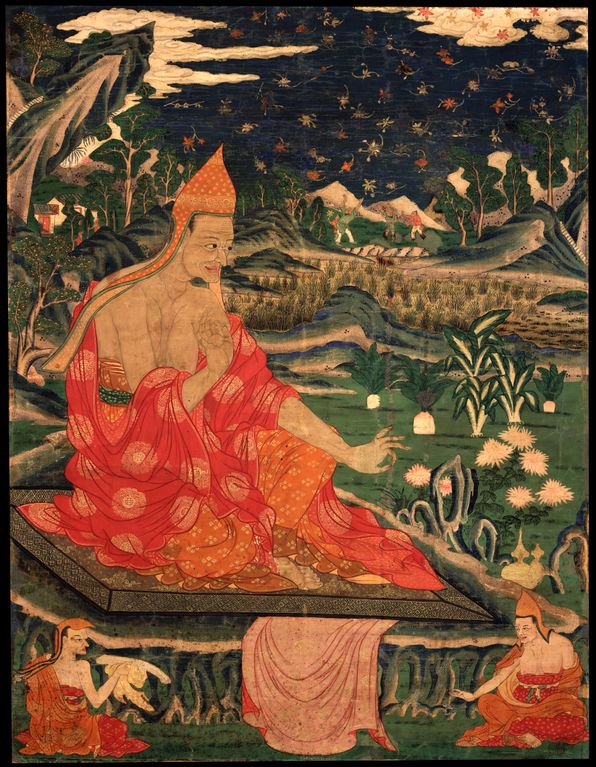
The Perfection of Wisdom in 25,000 Lines is the second longest of the six ‘mother’ Prajñāpāramitā texts (yum drug). It comprises three entire volumes of the Kangyur (vols. 26-28) and is divided into 76 chapters relating dialogues between the Buddha and senior disciples, notably Śāriputra, Subhūti and Ānanda.

With some exceptions, the text parallels the structure of the other Perfection of Wisdom sūtras, especially the Prajñāpāramitā in 10,000 Lines, yet it has traditionally been regarded as more influential, analyzing the bodhisattvas’ transcendent perfections in considerably greater detail, and showing how bodhisattvas should practise them without ever considering either their practice, or any other phenomena whatsoever, as truly existing.

An original Sanskrit version found in Gilgit exists, as well as four distinct Chinese translations. There is also an important recast Sanskrit manuscript, possibly of 5th century origin, which divides the text according to the eight sections of Asaṅga-Maitreya’s famous treatise, the Abhisamayālaṃkāra. The Tibetan text dates from the 9th century. There are several important commentaries on the text in the Tengyur, by Haribhadra, Smṛtijñānakīrti, Vimuktasena and others. (Source: 84000)

Quoted in the aligned translations
Interconnections
All 18Books 2Articles 2Classical Works 12Multimedia 2
6 Classical commentaries
Classical WorksAbout this item
In Sanskrit, "Ornament of Realization"; a major scholastic treatise of the Mahāyāna, attributed to Maitreyanātha (c. 330 ce). Its full title is Abhisamayālaṃkāra-prajñāpāramitā upadeśa-śāstra (T. Shes rab kyi pha rol tu phyin pa'i man ngag gi bstan bcos mngon par rtogs pa'i rgyan) or “Treatise Setting Forth the Perfection of Wisdom called ‘Omament for Realization.’” In the Tibetan tradition, the Abhisamayālaṃkāra is counted among the five treatises of Maitreya (Byams chos sde lnga). The 273 verses of the Abhisamayālaṃkāra provide a schematic outline of the perfection of wisdom, or prajñāpāramitā, approach to enlightenment, specifically as delineated in the Pañcaviṃśati-sāhasrikā Prajñāpāramitā ("Perfection of Wisdom in Twenty-Five Thousand Lines"). This detailed delineation of the path is regarded as the "hidden teaching" of the prajñāpāramitā sūtras. Although hardly known in East Asian Buddhism (until the modern Chinese translation by Fazun), the work was widely studied in Tibet, where it continues to hold a central place in the monastic curricula of all the major sects. (Source: "Abhisamayālaṃkāra." In The Princeton Dictionary of Buddhism, 11. Princeton University Press, 2014. http://www.jstor.org/stable/j.ctt46n41q.27.)
Classical WorksAbout this item
The Pañcaviṃśatisāhasrikāprajñāpāramitā (T. Shes rab kyi pha rol tu phyin pa stong phrag nyi shu lnga pa) is a commentary on the Pañcaviṃśatisāhasrikāprajñāpāramitāsūtra by the Indian scholar Haribhadra.

The full title for the text is:

Sanskrit: Pañcaviṃśatisāhasrikā-prajñāpāramitā
Tibetan: ཤེས་རབ་ཀྱི་ཕ་རོལ་ཏུ་ཕྱིན་པ་སྟོང་ཕྲག་ཉི་ཤུ་ལྔ་པ། Shes rab kyi pha rol tu phyin pa stong phrag nyi shu lnga pa
English: The [Recast] Perfection of Wisdom in Twenty-Five Thousand Lines

It is also known as:

ལེའུ་བརྒྱད་པ། le'u brgyad pa

The "Eight-Chapter" Version [of the Perfection of Wisdom in Twenty-Five Thousand Lines] (Source Accessed Sep 3, 2026)
Classical WorksAbout this item
Smṛtijñānakīrti's commentary Bcom ldan 'das ma yum shes rab kyi pha rol tu phyin pa rgyas par bstan pa 'bum pa dang / 'bring du bstan pa nyi khri lnga stong pa dang / bsdus te bstan pa khri brgyad stong pa rnams dang mngon par rtogs pa'i rgyan gyi skabs brgyad dang sbyar ba'i 'grel pa (D3789)—"A Commentary Correlating the Eight Chapters of the Abhisamayālaṃkāra with the Blessed Mother, the Perfection of Wisdom, as Extensively Taught in One Hundred Thousand [Lines], as Taught in Medium Length in Twenty-Five Thousand [Lines], and as Taught Concisely in Eighteen Thousand [Lines]"—was translated into Tibetan by Rngog Lotsāwa Loden Sherab (1059–1109). As its title indicates, it correlates the eight abhisamayas (clear realizations) of the Abhisamayālaṃkāra across the three main Prajñāpāramitā recensions—the Śatasāhasrikā (100,000 lines), Pañcaviṃśatisāhasrikā (25,000 lines), and Aṣṭādaśasāhasrikā (18,000 lines)—and is classified by BDRC as a commentary on the Abhisamayālaṃkāra root verses (abhisamayālaṃkāranāmaprajñāpāramitopadeśaśāstrakārikā).
Vimuktasena (slob dpon rnam par grol ba'i sde). Āryapañcaviṃśatisāhasrikāprajñāpāramitopadeśaśāstrābhisamayālaṃkārakārikāvārttikā [आर्यपञ्चविंशतिसाहस्रिकाप्रज्ञापारमितोपदेशशास्त्राभिसमयालंकारकारिकावार्त्तिका]. 'phags pa shes rab kyi pha rol tu phyin pa stong phrag nyi shu lnga pa'i man ngag gi bstan bcos mngon par rtogs pa'i rgyan gyi tshig le'ur byas pa'i rnam par 'grel pa [འཕགས་པ་ཤེས་རབ་ཀྱི་ཕ་རོལ་ཏུ་ཕྱིན་པ་སྟོང་ཕྲག་ཉི་ཤུ་ལྔ་པའི་མན་ངག་གི་བསྟན་བཅོས་མངོན་པར་རྟོགས་པའི་རྒྱན་གྱི་ཚིག་ལེའུར་བྱས་པའི་རྣམ་པར་འགྲེལ་པ།]. [A General Commentary on "The Ornament for Clear Realizations," A Treatise of Personal Instructions on the Perfection of Wisdom in Twenty-Five Thousand Lines (84000)]. Tengyur, RKTST 3133 http://www.rkts.org/cat.php?id=3133&typ=2.
Classical WorksAbout this item
This is a commentary (vārttikā, a gloss/sub-commentary on verses) by Vimuktisena on the Abhisamayālaṃkāra, read in relation to the Pañcaviṃśatisāhasrikā Prajñāpāramitā (the Perfection of Wisdom in 25,000 Lines). It is a distinct work from Vimuktisena's better-known Abhisamayālaṃkāravṛtti—the two share overlapping subject matter and root-text focus, but are catalogued separately, with different Sanskrit titles (-vṛtti vs. -kārikāvārttikā) and, notably, different translators. Per its colophon, the Tibetan translation was commissioned by Jetsun Jangchub Ö and carried out by the Nepali paṇḍita Śāntibhadra together with the Tibetan translator 'Bro Seng-dkar Gelong Śākya Ö, an 11th-century figure also known for translating tantric and epistemological works by Vajragarbha, Ratnākaraśānti, and Jñānaśrīmitra. The colophon further records the text's length as 5,400 ślokas. (Source: BDRC and AIBS).
Classical WorksAbout this item
This is Ārya Vimuktisena's foundational commentary (vṛtti) on the Abhisamayālaṃkāra, read in relation to the Pañcaviṃśatisāhasrikā Prajñāpāramitā (the Perfection of Wisdom in 25,000 Lines). It is the earliest known Indian commentary on Maitreya's root verses, and forms the basis for the later, more extensive Āloka commentary by Haribhadra, which builds directly on Vimuktisena's structural reading of the text. The Tibetan translation was produced by the paṇḍita Gomi Chime (T. dpal go mi 'chi med) together with his student, the Tibetan translator Loden Sherab (Rngog Lotsāwa Blo ldan shes rab, 1059–1109)—a distinct translation team from the one credited for Vimuktisena's other Abhisamayālaṃkāra-related commentary, the Kārikāvārttikā (translated instead by Śāntibhadra and 'Bro Seng dkar Śākya 'od).
Classical WorksAbout this item
The Long Explanation of the Noble Perfection of Wisdom in One Hundred Thousand, Twenty-Five Thousand, and Eighteen Thousand Lines is a detailed explanation of the Long Perfection of Wisdom sūtras, presenting a structural framework for them that is relatively easy to understand in comparison to most other commentaries based on Maitreya-Asaṅga's Ornament for the Clear Realizations. After a detailed, word-by-word explanation of the introductory chapter common to all three sūtras, it explains the structure they also all share in terms of the three approaches or "gateways"—brief, intermediate, and detailed—ending with an explanation of the passage known as the "Maitreya chapter" found only in the Eighteen Thousand Line and Twenty-Five Thousand Line sūtras. It goes by many different titles, and its authorship has never been conclusively determined, some Tibetans believing it to be by Vasubandhu, and others that it is by Daṃṣṭrāsena. (Source: 84000)
2 Scholarship
Articles1968About this item
No abstract given. Here is the first relevant paragraph:

From ancient times, the origin of "tathāgata", which has been usually translated as 如 來 (one who comes thus), is not unknown. This has been used as the title of Buddha, chiefly in Buddhism from the start.
      Now, I will consider the meaning of "tathāgata" in the Abhisamayālaṃkārālokā Prajñāpāramitā-vyākhyā of Haribhadra (ed. by Wogihara) (W.). This includes the Aṣṭasāhasrikā-Prajñāpāramitā-sūtra (As.), Maitreya's Abhisamayālaṃkāraśāstra-kārikā (A.) which is a summary of the Pañcaviṃśatisāhasrikā-Prajñāpāramitā-sūtra (P.), and Haribhadra's commentary which is based on the P. and the As. Accordingly at first, I point out sentences of "tathāgata", which I think as the etymological explanations, and then survey the character of it. (Mano, "'Tathāgata' in Haribhadra's Commentary," 22)
Books1977About this item
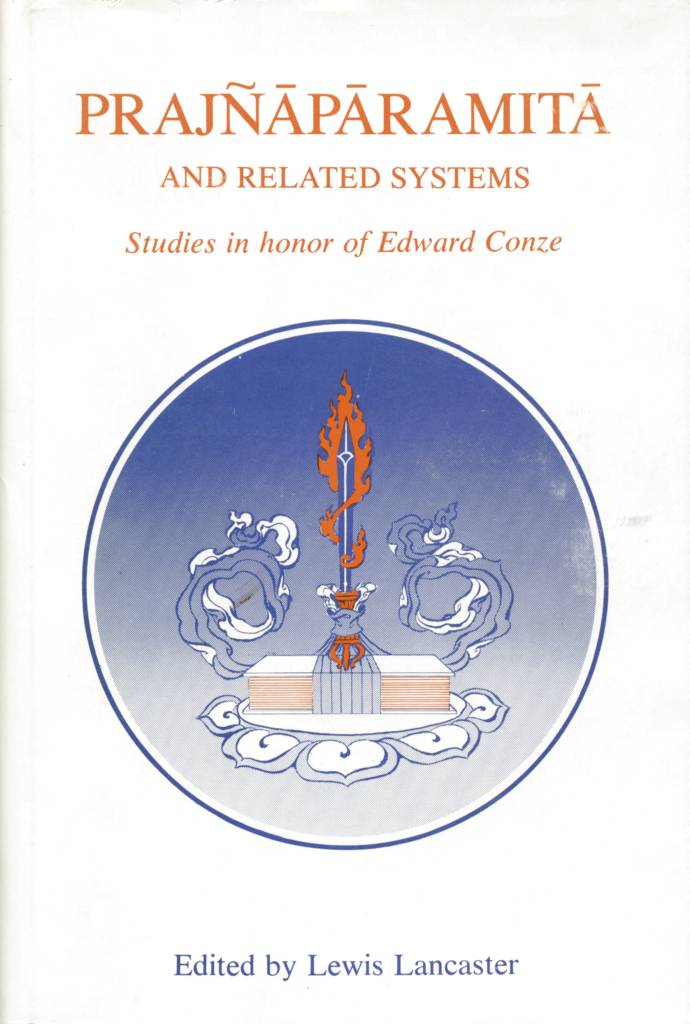
In this volume scholars from around the world honor Dr. Edward Conze, one of the most important figures in Buddhist Studies in this century. His contribution has been mainly centered around the family of texts known as the Prajnaparamita. These articles deal with this literature and the systems of thought related to it.
1 Interviews
MultimediaAbout this item
On the auspicious day of Saga Dawa Düchen, we celebrated the birth, awakening, and parinirvana of the Buddha with an introduction to our latest publication: The Perfection of Wisdom in Twenty-Five Thousand Lines, by 84000 Senior Editor Dr. John Canti.

To read the sūtra: https://read.84000.co/translation/toh....

To hear more about the sūtras, new publications, and upcoming events, please sign up for our newsletter: https://www.84000.co/subscribe

Key Moments:
[8:12] The history of the Prajñāpāramitā manuscript's discovery and its various versions
[11:25] Exploring the earliest translations of the Prajñāpāramitā Sūtra into Chinese
[19:05] The relationship between Prajñāpāramitā Sūtra, Nagarjuna and the Nāga realms
[20:31] Paying tribute to Gyurme Dorje 1950-2020
[23:51] The beauty of web-based publishing
[27:03] How and why The Perfection of Wisdom sūtra has been so important for Mahāyāna Buddhism
[29:51] The Buddha's teachings on who we are
[33:28] The different translations of the Prajñāpāramitā Sūtra being translated into Chinese
[36:55] An interesting story about Asaṅga and the Prajñāpāramitā Sūtra
[44:30] Exploring the concepts of the "profound" and the "vast"
[47:10] Tips on reading and appreciating the text
[51:08] A summary of The Perfection of Wisdom in Twenty-Five Thousand Lines
[56:08] Subhūti's role in the text
[59:00] Śāriputra's inquiry to the Buddha regarding the practice of The Perfection of Wisdom
[1:04:55] All aspects of omniscience
[1:09:20] How to read the text in the 84000 Reading Room
[1:17:26] Q&A


In surveying all the Perfection of Wisdom sūtras in the talk, it would be remiss of us not to mention the tradition by which six of them are identified as the “Six Mothers.” These are:

Hundred Thousand (Toh 8),
Twenty-Five Thousand (Toh 9), and
Eighteen Thousand (Toh 10),
i.e. the three “long sūtras,” together with:
Ten Thousand (Toh 11),
Eight Thousand (Toh 12),
and the Verse Summary (Saṃcayagāthā, Toh 13).

They are called “mothers” because each of them covers all the eight topics listed in Maitreya-Asaṅga’s Ornament of Clear Realization.

The other, shorter sūtras (such as the Heart and Diamond-Cutter) are called the “Eleven Children” because, instead of all eight topics, they concentrate mainly on how phenomena are empty of substantial existence. However, since more short sūtras were added to the canon later, there are in fact seventeen works in this category and not just eleven.

Throughout the talk, John also referred to a number of texts that you can already access in the 84000 Reading Room. These include:

The Perfection of Wisdom in Ten Thousand Lines:
https://read.84000.co/translation/toh...
The Perfection of Wisdom in Eighteen Thousand Lines:
https://read.84000.co/translation/toh...

The Long Explanation of the Noble Perfection of Wisdom in One Hundred Thousand, Twenty-Five Thousand, and Eighteen Thousand Lines:
https://read.84000.co/translation/toh...
1 Shares intertextuality
Classical WorksAbout this item
The Pañcaviṃśatisāhasrikāprajñāpāramitā (T. Shes rab kyi pha rol tu phyin pa stong phrag nyi shu lnga pa) is a commentary on the Pañcaviṃśatisāhasrikāprajñāpāramitāsūtra by the Indian scholar Haribhadra.

The full title for the text is:

Sanskrit: Pañcaviṃśatisāhasrikā-prajñāpāramitā
Tibetan: ཤེས་རབ་ཀྱི་ཕ་རོལ་ཏུ་ཕྱིན་པ་སྟོང་ཕྲག་ཉི་ཤུ་ལྔ་པ། Shes rab kyi pha rol tu phyin pa stong phrag nyi shu lnga pa
English: The [Recast] Perfection of Wisdom in Twenty-Five Thousand Lines

It is also known as:

ལེའུ་བརྒྱད་པ། le'u brgyad pa

The "Eight-Chapter" Version [of the Perfection of Wisdom in Twenty-Five Thousand Lines] (Source Accessed Sep 3, 2026)
8 A topic of
Articles1968About this item
No abstract given. Here is the first relevant paragraph:

From ancient times, the origin of "tathāgata", which has been usually translated as 如 來 (one who comes thus), is not unknown. This has been used as the title of Buddha, chiefly in Buddhism from the start.
      Now, I will consider the meaning of "tathāgata" in the Abhisamayālaṃkārālokā Prajñāpāramitā-vyākhyā of Haribhadra (ed. by Wogihara) (W.). This includes the Aṣṭasāhasrikā-Prajñāpāramitā-sūtra (As.), Maitreya's Abhisamayālaṃkāraśāstra-kārikā (A.) which is a summary of the Pañcaviṃśatisāhasrikā-Prajñāpāramitā-sūtra (P.), and Haribhadra's commentary which is based on the P. and the As. Accordingly at first, I point out sentences of "tathāgata", which I think as the etymological explanations, and then survey the character of it. (Mano, "'Tathāgata' in Haribhadra's Commentary," 22)
Classical WorksAbout this item
The Pañcaviṃśatisāhasrikāprajñāpāramitā (T. Shes rab kyi pha rol tu phyin pa stong phrag nyi shu lnga pa) is a commentary on the Pañcaviṃśatisāhasrikāprajñāpāramitāsūtra by the Indian scholar Haribhadra.

The full title for the text is:

Sanskrit: Pañcaviṃśatisāhasrikā-prajñāpāramitā
Tibetan: ཤེས་རབ་ཀྱི་ཕ་རོལ་ཏུ་ཕྱིན་པ་སྟོང་ཕྲག་ཉི་ཤུ་ལྔ་པ། Shes rab kyi pha rol tu phyin pa stong phrag nyi shu lnga pa
English: The [Recast] Perfection of Wisdom in Twenty-Five Thousand Lines

It is also known as:

ལེའུ་བརྒྱད་པ། le'u brgyad pa

The "Eight-Chapter" Version [of the Perfection of Wisdom in Twenty-Five Thousand Lines] (Source Accessed Sep 3, 2026)
Books1977About this item
In this volume scholars from around the world honor Dr. Edward Conze, one of the most important figures in Buddhist Studies in this century. His contribution has been mainly centered around the family of texts known as the Prajnaparamita. These articles deal with this literature and the systems of thought related to it.
Classical WorksAbout this item
Smṛtijñānakīrti's commentary Bcom ldan 'das ma yum shes rab kyi pha rol tu phyin pa rgyas par bstan pa 'bum pa dang / 'bring du bstan pa nyi khri lnga stong pa dang / bsdus te bstan pa khri brgyad stong pa rnams dang mngon par rtogs pa'i rgyan gyi skabs brgyad dang sbyar ba'i 'grel pa (D3789)—"A Commentary Correlating the Eight Chapters of the Abhisamayālaṃkāra with the Blessed Mother, the Perfection of Wisdom, as Extensively Taught in One Hundred Thousand [Lines], as Taught in Medium Length in Twenty-Five Thousand [Lines], and as Taught Concisely in Eighteen Thousand [Lines]"—was translated into Tibetan by Rngog Lotsāwa Loden Sherab (1059–1109). As its title indicates, it correlates the eight abhisamayas (clear realizations) of the Abhisamayālaṃkāra across the three main Prajñāpāramitā recensions—the Śatasāhasrikā (100,000 lines), Pañcaviṃśatisāhasrikā (25,000 lines), and Aṣṭādaśasāhasrikā (18,000 lines)—and is classified by BDRC as a commentary on the Abhisamayālaṃkāra root verses (abhisamayālaṃkāranāmaprajñāpāramitopadeśaśāstrakārikā).
MultimediaAbout this item
On the auspicious day of Saga Dawa Düchen, we celebrated the birth, awakening, and parinirvana of the Buddha with an introduction to our latest publication: The Perfection of Wisdom in Twenty-Five Thousand Lines, by 84000 Senior Editor Dr. John Canti.

To read the sūtra: https://read.84000.co/translation/toh....

To hear more about the sūtras, new publications, and upcoming events, please sign up for our newsletter: https://www.84000.co/subscribe

Key Moments:
[8:12] The history of the Prajñāpāramitā manuscript's discovery and its various versions
[11:25] Exploring the earliest translations of the Prajñāpāramitā Sūtra into Chinese
[19:05] The relationship between Prajñāpāramitā Sūtra, Nagarjuna and the Nāga realms
[20:31] Paying tribute to Gyurme Dorje 1950-2020
[23:51] The beauty of web-based publishing
[27:03] How and why The Perfection of Wisdom sūtra has been so important for Mahāyāna Buddhism
[29:51] The Buddha's teachings on who we are
[33:28] The different translations of the Prajñāpāramitā Sūtra being translated into Chinese
[36:55] An interesting story about Asaṅga and the Prajñāpāramitā Sūtra
[44:30] Exploring the concepts of the "profound" and the "vast"
[47:10] Tips on reading and appreciating the text
[51:08] A summary of The Perfection of Wisdom in Twenty-Five Thousand Lines
[56:08] Subhūti's role in the text
[59:00] Śāriputra's inquiry to the Buddha regarding the practice of The Perfection of Wisdom
[1:04:55] All aspects of omniscience
[1:09:20] How to read the text in the 84000 Reading Room
[1:17:26] Q&A


In surveying all the Perfection of Wisdom sūtras in the talk, it would be remiss of us not to mention the tradition by which six of them are identified as the “Six Mothers.” These are:

Hundred Thousand (Toh 8),
Twenty-Five Thousand (Toh 9), and
Eighteen Thousand (Toh 10),
i.e. the three “long sūtras,” together with:
Ten Thousand (Toh 11),
Eight Thousand (Toh 12),
and the Verse Summary (Saṃcayagāthā, Toh 13).

They are called “mothers” because each of them covers all the eight topics listed in Maitreya-Asaṅga’s Ornament of Clear Realization.

The other, shorter sūtras (such as the Heart and Diamond-Cutter) are called the “Eleven Children” because, instead of all eight topics, they concentrate mainly on how phenomena are empty of substantial existence. However, since more short sūtras were added to the canon later, there are in fact seventeen works in this category and not just eleven.

Throughout the talk, John also referred to a number of texts that you can already access in the 84000 Reading Room. These include:

The Perfection of Wisdom in Ten Thousand Lines:
https://read.84000.co/translation/toh...

The Perfection of Wisdom in Eighteen Thousand Lines:
https://read.84000.co/translation/toh...

The Long Explanation of the Noble Perfection of Wisdom in One Hundred Thousand, Twenty-Five Thousand, and Eighteen Thousand Lines:
https://read.84000.co/translation/toh...

Vimuktasena (slob dpon rnam par grol ba'i sde). Āryapañcaviṃśatisāhasrikāprajñāpāramitopadeśaśāstrābhisamayālaṃkārakārikāvārttikā [आर्यपञ्चविंशतिसाहस्रिकाप्रज्ञापारमितोपदेशशास्त्राभिसमयालंकारकारिकावार्त्तिका]. 'phags pa shes rab kyi pha rol tu phyin pa stong phrag nyi shu lnga pa'i man ngag gi bstan bcos mngon par rtogs pa'i rgyan gyi tshig le'ur byas pa'i rnam par 'grel pa [འཕགས་པ་ཤེས་རབ་ཀྱི་ཕ་རོལ་ཏུ་ཕྱིན་པ་སྟོང་ཕྲག་ཉི་ཤུ་ལྔ་པའི་མན་ངག་གི་བསྟན་བཅོས་མངོན་པར་རྟོགས་པའི་རྒྱན་གྱི་ཚིག་ལེའུར་བྱས་པའི་རྣམ་པར་འགྲེལ་པ།]. [A General Commentary on "The Ornament for Clear Realizations," A Treatise of Personal Instructions on the Perfection of Wisdom in Twenty-Five Thousand Lines (84000)]. Tengyur, RKTST 3133 http://www.rkts.org/cat.php?id=3133&typ=2.
Classical WorksAbout this item
This is a commentary (vārttikā, a gloss/sub-commentary on verses) by Vimuktisena on the Abhisamayālaṃkāra, read in relation to the Pañcaviṃśatisāhasrikā Prajñāpāramitā (the Perfection of Wisdom in 25,000 Lines). It is a distinct work from Vimuktisena's better-known Abhisamayālaṃkāravṛtti—the two share overlapping subject matter and root-text focus, but are catalogued separately, with different Sanskrit titles (-vṛtti vs. -kārikāvārttikā) and, notably, different translators. Per its colophon, the Tibetan translation was commissioned by Jetsun Jangchub Ö and carried out by the Nepali paṇḍita Śāntibhadra together with the Tibetan translator 'Bro Seng-dkar Gelong Śākya Ö, an 11th-century figure also known for translating tantric and epistemological works by Vajragarbha, Ratnākaraśānti, and Jñānaśrīmitra. The colophon further records the text's length as 5,400 ślokas. (Source: BDRC and AIBS).
Classical WorksAbout this item
This is Ārya Vimuktisena's foundational commentary (vṛtti) on the Abhisamayālaṃkāra, read in relation to the Pañcaviṃśatisāhasrikā Prajñāpāramitā (the Perfection of Wisdom in 25,000 Lines). It is the earliest known Indian commentary on Maitreya's root verses, and forms the basis for the later, more extensive Āloka commentary by Haribhadra, which builds directly on Vimuktisena's structural reading of the text. The Tibetan translation was produced by the paṇḍita Gomi Chime (T. dpal go mi 'chi med) together with his student, the Tibetan translator Loden Sherab (Rngog Lotsāwa Blo ldan shes rab, 1059–1109)—a distinct translation team from the one credited for Vimuktisena's other Abhisamayālaṃkāra-related commentary, the Kārikāvārttikā (translated instead by Śāntibhadra and 'Bro Seng dkar Śākya 'od).
Classical WorksAbout this item
The Long Explanation of the Noble Perfection of Wisdom in One Hundred Thousand, Twenty-Five Thousand, and Eighteen Thousand Lines is a detailed explanation of the Long Perfection of Wisdom sūtras, presenting a structural framework for them that is relatively easy to understand in comparison to most other commentaries based on Maitreya-Asaṅga's Ornament for the Clear Realizations. After a detailed, word-by-word explanation of the introductory chapter common to all three sūtras, it explains the structure they also all share in terms of the three approaches or "gateways"—brief, intermediate, and detailed—ending with an explanation of the passage known as the "Maitreya chapter" found only in the Eighteen Thousand Line and Twenty-Five Thousand Line sūtras. It goes by many different titles, and its authorship has never been conclusively determined, some Tibetans believing it to be by Vasubandhu, and others that it is by Daṃṣṭrāsena. (Source: 84000)