| 🤓 Admin Zone 🛠️ hidden to non-admins | |


Description
The full title for the text is:
Sanskrit: Pañcaviṃśatisāhasrikā-prajñāpāramitā
Tibetan: ཤེས་རབ་ཀྱི་ཕ་རོལ་ཏུ་ཕྱིན་པ་སྟོང་ཕྲག་ཉི་ཤུ་ལྔ་པ། Shes rab kyi pha rol tu phyin pa stong phrag nyi shu lnga pa
English: The [Recast] Perfection of Wisdom in Twenty-Five Thousand Lines
It is also known as:
ལེའུ་བརྒྱད་པ། le'u brgyad pa
The "Eight-Chapter" Version [of the Perfection of Wisdom in Twenty-Five Thousand Lines] (Source Accessed Sep 3, 2026)

With some exceptions, the text parallels the structure of the other Perfection of Wisdom sūtras, especially the Prajñāpāramitā in 10,000 Lines, yet it has traditionally been regarded as more influential, analyzing the bodhisattvas’ transcendent perfections in considerably greater detail, and showing how bodhisattvas should practise them without ever considering either their practice, or any other phenomena whatsoever, as truly existing.
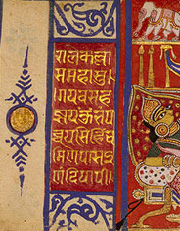
An original Sanskrit version found in Gilgit exists, as well as four distinct Chinese translations. There is also an important recast Sanskrit manuscript, possibly of 5th century origin, which divides the text according to the eight sections of Asaṅga-Maitreya’s famous treatise, the Abhisamayālaṃkāra. The Tibetan text dates from the 9th century. There are several important commentaries on the text in the Tengyur, by Haribhadra, Smṛtijñānakīrti, Vimuktasena and others. (Source: 84000)With some exceptions, the text parallels the structure of the other Perfection of Wisdom sūtras, especially the Prajñāpāramitā in 10,000 Lines, yet it has traditionally been regarded as more influential, analyzing the bodhisattvas’ transcendent perfections in considerably greater detail, and showing how bodhisattvas should practise them without ever considering either their practice, or any other phenomena whatsoever, as truly existing.
An original Sanskrit version found in Gilgit exists, as well as four distinct Chinese translations. There is also an important recast Sanskrit manuscript, possibly of 5th century origin, which divides the text according to the eight sections of Asaṅga-Maitreya’s famous treatise, the Abhisamayālaṃkāra. The Tibetan text dates from the 9th century. There are several important commentaries on the text in the Tengyur, by Haribhadra, Smṛtijñānakīrti, Vimuktasena and others. (Source: 84000)