No edit summary |
No edit summary |
||
| Line 50: | Line 50: | ||
|text=In this his essay, the author establishes the wider literary and socio-historical background of the debate between 'Ju Mi pham and Dpa' ris Rab gsal. | |text=In this his essay, the author establishes the wider literary and socio-historical background of the debate between 'Ju Mi pham and Dpa' ris Rab gsal. | ||
|label=Resource | |label=Resource | ||
|page= | |page=Articles/Literary_and_Socio-historical_Background | ||
}}{{Tile | }}{{Tile | ||
|wrapper-classes=col-md-6 mb-4 | |wrapper-classes=col-md-6 mb-4 | ||
Revision as of 20:32, 9 September 2025
- [[<span class="smw-highlighter" data-type="4" data-state="inline" data-title="Warning" title="Some use of "|]]
- "
- In your query was not closed by a matching "
- "
- [[.">Some use of "" in your query was not closed by a matching "".|]]
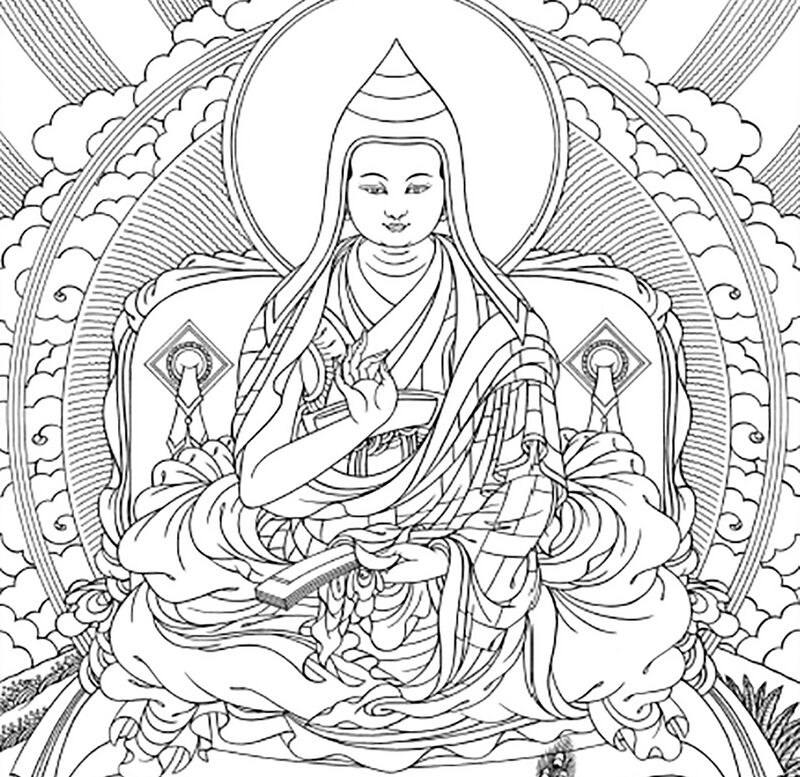
Chapter 9 of Śāntideva's Bodhicaryāvatāra explores the Perfection of Wisdom (prajñāpāramitā) and examines emptiness (śūnyatā) through rigorous philosophical analysis. This chapter sparked centuries of debate within Tibetan Buddhism, particularly between Madhyamaka interpretative schools. Mipham Rinpoche's commentary emphasized the compatibility of Prāsaṅgika and Yogācāra views, drawing criticism from Drakar Tulku, who defended Tsongkhapa's stricter Prāsaṅgika position. Pari Rabsel joined the discourse, questioning aspects of both interpretations and proposing nuanced readings of Śāntideva's intended meaning regarding conventional and ultimate truths in Buddhist soteriology.
Contextualizing the Debates
This article explores and contextualizes the philosophical debates between Mipham Rinpoche, representing the Nyingma tradition, and Geluk scholars like Drakar Tulku and Pari Lobsang Rabsel in nineteenth-century Tibet.
