Spyod 'jug gi khrid

From Bodhicitta
LibraryTextsSpyod 'jug gi khridFull text
< Texts
Texts/Spyod 'jug gi khrid

སྤྱོད་འཇུག་གི་ཁྲིད།
spyod 'jug gi khrid
Guiding Instructions on Entering into the Conduct [of the Bodhisattva]
Text


Please note that many items in our library are simply pages that represent a detailed library catalog entry and citation of someone else's work, presentation, or performance. Read our General Disclaimer for more information.

Description

This short text compares the correlation between the ten chapters of the Bodhicaryāvatāra to a wheel (cakra). It is based on some verses, said to have been given to Śāntideva by Mañjuśrī, where he presents the essence of the ten chapters in the form of practice instructions for higher, intermediate, and lesser individuals, using the hub and spokes of a wheel as examples.

Type of Commentary: This text contains two short pith instructions for practicing the Śikṣāsamuccaya and Bodhicaryāvatāra.
Length: 17
Tradition: Kadam

Citation
Skyo ston smon lam tshul khrims (སྐྱོ་སྟོན་སྨོན་ལམ་ཚུལ་ཁྲིམས་). spyod 'jug gi khrid [སྤྱོད་འཇུག་གི་ཁྲིད།]. [Guiding Instructions on Entering into the Conduct [of the Bodhisattva]].

Recensions

Spyod 'jug gi khrid. (Guiding Instructions on Entering into the Conduct [of the Bodhisattva]). Recension information:
Tibetan Skyo ston smon lam tshul khrims. སྤྱོད་འཇུག་གི་ཁྲིད།, (Spyod 'jug gi khrid).
  • In Bka' gdams gsung 'bum phyogs sgrig thengs gnyis pa, Vol. 50: 160-170. Khreng tu'u: Si khron mi rigs dpe skrun khang, 2007. Buda by BDRC Logo.jpg


Recensions

 
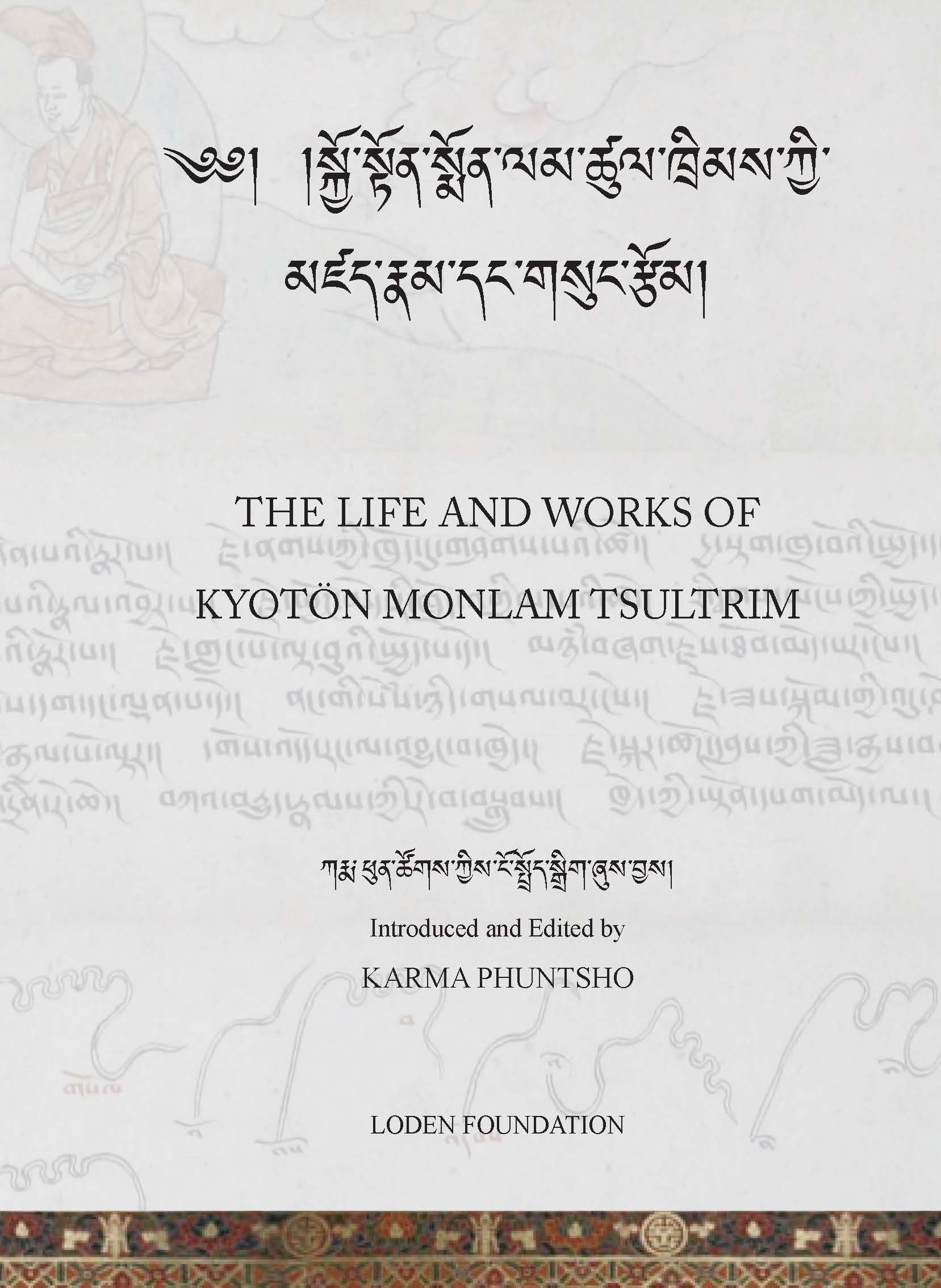
The Life and Works of Kyoton Monlam Tsultrim (Phuntsho 2023)
The Life and Works of Kyotön Monlam Tsultrim publishes the collected works of the early Kadam master Kyoton in clear Uchen (dbu can) type based on the manuscripts in the Bka gdams gsung 'bum, which are very difficult to decipher in the old Ume (dbu med) scripts. The book contains many short works on buddha-nature and several other important subjects. It also includes a detailed introduction from Karma Phuntsho about the life and works of Kyotön. This publication was supported by Tsadra Foundation.

Kyotön Monlam Tsultrim, the abbot who led Narthang monastery at the peak of its history, was an illustrious figure of his time in Central Tibet. A resolute monk, a meditation master, a learned scholar, author, and public figure, he epitomized the high ideals, practices, and approaches of the Kadam school and championed its traditions of scriptural exegesis and meditation instructions. A Kadam luminary, he also left behind religious writings which hold great significance for Tibetan Buddhist scholarship and practice today.

The writings of Kyotön Monlam Tsultrim appear in volume 50 of the second batch and volume 61 of the third batch of the Collected Works of Kadam series published in 2007 and 2009 by Paltsek Bodyig Penying Zhibjugkhang and Sichuan People's Publishing House. (Source: Karma Phuntsho, Preface, page iii.)

སྐྱོ་སྟོན་གྱི་གསུང་རྩོམ་རིགས་ཉེ་ཆར་དཔལ་བརྩེགས་བོད་ཡིག་དཔེ་རྙིང་ཞིབ་འཇུག་ཁང་གི་འགོ་འདྲེན་ཐོག་ བོད་འབྲས་སྤུངས་དགོན་པའི་གནས་བཅུ་ལྷ་ཁང་ནས་ཡིག་རྙིང་མང་དུ་རྙེད་དེ་དཔར་བསྐྲུན་བྱས་པའི་གྲལ་དུ། བཀའ་གདམས་གསུང་འབུམ་ཕྱོགས་བསྒྲིགས་པོད་ ༥༠ ་པ་དང་ ༦༡ ་པའི་ཁྲོད་དུ་ཡོད་ཅིང་། དེ་ཡང་ཤེར་ཕྱིན་མངོན་རྟོགས་རྒྱན་གྱི་འགྲེལ་པ། ཆོས་འཆད་ཉན་བྱ་ཐབས། རྟེན་འབྲེལ་གྱི་རྣམ་བཞག་ མཆིམས་ནམ་མཁའ་གྲགས་ཀྱི་རྣམ་ཐར་སོགས་ཆོས་ཚན་ ༣༠ ཙམ་ཡོད་ལ། ཐེག་ཆེན་རྒྱུད་བླ་མའི་གདམས་པ། ཡེ་ཤེས་ཀྱི་བཞག་ས། འོད་གསོལ་སྙིང་པོའི་དོན་སོགས་བདེ་གཤེགས་སྙིང་པོ་དང་རྒྱུད་བླ་མ་དང་འབྲེལ་བའི་མན་ངག་དང་ཞལ་གདམས་རིགས་དུ་མ་ཡོད་པས། ད་ལམ་ཙཱ་འདྲ་ཚོགས་པའི་བདེ་གཤེགས་སྙིང་པོའི་དྲྭ་མཛོད་ཆོས་སྐོར་གྱི་ལྷན་ཐབས་སུ། སྔར་དབུ་མེད་ཡིག་རྙིང་ལ་ཡོད་པའི་དཔེ་ཆ་རྣམས། ད་ལྟ་ཀློག་སླ་བའི་ཆེད་དུ་དབུ་ཅན་གློག་ཡིག་ལ་ཕབ་ནས་ཞུས་སྒྲིག་བྱས་ཤིང་། དེབ་འདིར་སྐྱོ་སྟོན་པའི་རྣམ་ཐར་དང་གསུང་རྩོམ་གྱི་ངོ་སྤྲོད་དབྱིན་ཡིག་ཏུ་བྲིས་པ་བཅས་ཡོད།

Full translations

 
The Wheel-Like Path: Atiśa Dīpaṃkara Śrījñāna's Commentary on The Way of the Bodhisattva
Atiśa Dīpaṃkara Śrījñāna's (982–1054) The Wheel-Like Path is a hermeneutical commentary interpreting Śāntideva's Bodhicaryāvatāra through a complete graduated awakening path. The text systematically correlates the ten chapters with ten mental attitudes and maps them onto bodhisattva grounds using an extended wheel metaphor. It elaborates nineteen "turns" covering progression from path accumulation to buddhahood, addressing misconceptions about path-result separation, ground demarcation, and affliction antidotes. Historically significant for Atiśa's systematization of Indian Mahāyāna teachings during Tibet's later diffusion period, the text demonstrates his synthesis of scholastic precision with contemplative instruction. Its layered nature, including editorial interpolations, illustrates Tibetan textual transmission practices where commentaries become objects of subsequent annotation by scholar-practitioners preserving foundational teachings.
Article

Commentary of

 
An "Introduction to Bodhisattva Practice," the Bodhisattvacaryāvatāra is a poem about the path of a bodhisattva, in ten chapters, written by the Indian Buddhist Śāntideva (fl. c. 685–763). One of the masterpieces of world literature, it is a core text of Mahāyāna Buddhism and continues to be taught, studied, and commented upon in many languages and by many traditions around the world. The main subject of the text is bodhicitta, the altruistic aspiration for enlightenment, and the path and practices of the bodhisattva, the six perfections (pāramitās). The text forms the basis of many contemporary discussions of Buddhist ethics and philosophy.
Text

Scholarship

 
Kyotön Monlam Tsultrim on the Bodhicaryāvatāra: One Text to Practice Them All
Kyotön Monlam Tsultrim (1219-1299/1300), eighth abbot of Narthang Monastery, preserved and systematized the Kadam tradition's approach to Śāntideva's Bodhicaryāvatāra during Tibet's classical-systematic period. His extant works include three texts directly focused on the Bodhicaryāvatāra: a ritual for generating bodhicitta according to Śāntideva's system, oral instructions combining lineage history with meditation practices, and The Wheel-like Method for Meditating on the Profound Path. Drawing on Atiśa's original "wheel-like" commentary framework, Kyotön's approach uses the metaphor of a scythed chariot wheel to demonstrate how the text's ten chapters function as interconnected spokes that systematically eliminate obstacles to awakening. His distinctive contribution lies in elaborating both "worldly grounds" and "transcendent grounds" to provide concrete markers of progress, organizing practice according to three levels of capacity (superior, middling, and lesser practitioners), and transforming the text's philosophical content into structured meditation instructions. This pedagogical framework made Atiśa's sophisticated commentary more accessible while maintaining its core insight that the Bodhicaryāvatāra serves as a complete vehicle for enlightenment from initial practice through buddhahood.
Article