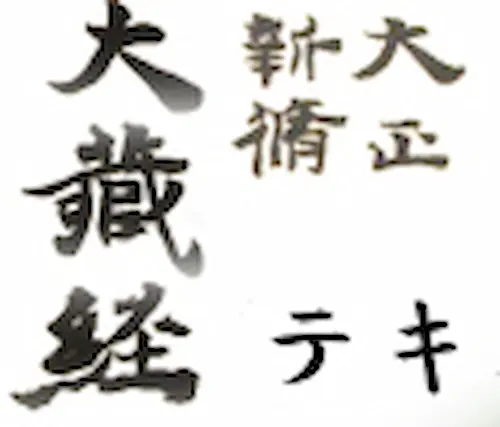
Bodhisattvagocaropāyaviṣayavikurvitanirdeśasūtra
| 🤓 Admin Zone 🛠️ hidden to non-admins | |


Description
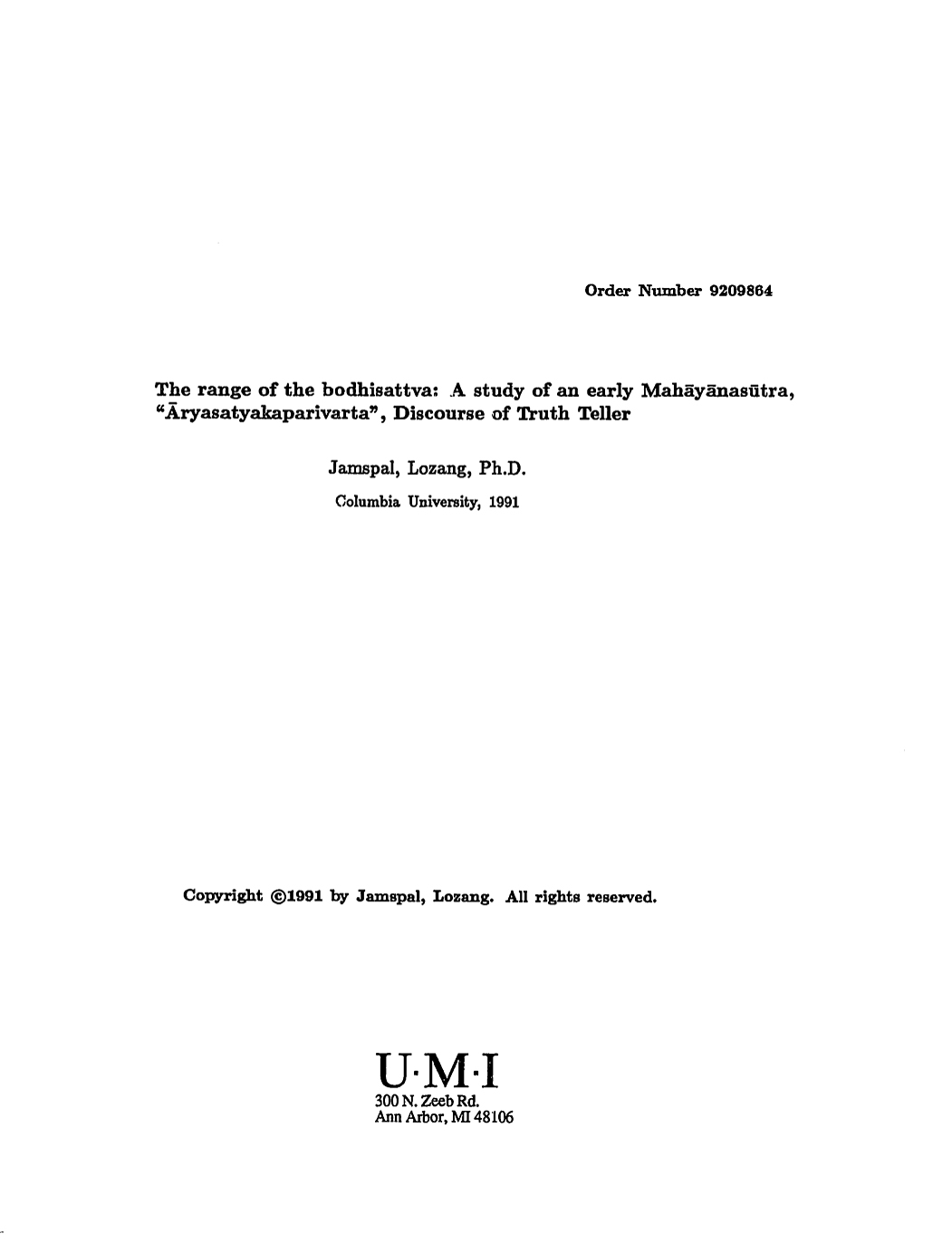
This sūtra discusses all the stages of practice of the path to enlightenment starting with the ten virtuous actions, upward to the universal compassion of bodhisattvas and the Buddha, and explaining the relationship of action and effect from the viewpoints of conventional truth and the inexpressible state of ultimate truth, In short, it demonstrates how to accumulate the store of merit from giving, morality, forbearance, and striving and the store of knowledge from meditation and insight in order to accomplish omniscience for the benefit of sentient beings. (Jamspal, Introduction to "The Range of the Bodhisattva: A Study of an Early Mahāyānasūtra, 'Āryasatyakaparivarta,' Discourse of Truth Teller," PhD diss., Columbia University, 1–2)

The core of the article traces how the BGUVVNS explicitly criticizes arthaśāstra literature (exemplified by Kauṭalya's Arthaśāstra) as a "counterfeit" of the true dharma, composed by corrupt people in the degenerate age, and replaces its Machiavellian pragmatism with a Buddhist-inflected model grounded in conscientiousness (apramāda) and compassion (karuṇā). Zimmermann shows that the sūtra nonetheless preserves core structures of traditional rājadharma—taxation, punishment, and warfare remain necessary royal functions—while modifying them in two key ways: it categorically prohibits capital punishment and mutilation (on the grounds of their irreversibility and the reformative aim of punishment, likened to medical treatment), and it requires the king to cultivate compassion when waging war, including the aspiration to capture enemy soldiers alive rather than kill them.
Zimmermann argues that this reflects a "harmonizing" approach (following Lingat's typology) that integrates rājadharma and mokṣadharma rather than treating them as opposed, in contrast to the more rigorist position later articulated by Candrakīrti, who saw the king's political duties as fundamentally incompatible with Buddhist ethics. He concludes that the sūtra's compromise is driven by practicability: renouncing capital punishment and mutilation while retaining warfare and other coercive measures allowed a Buddhist king to fulfill his traditional political role without direct violation of core Buddhist precepts, even as this concession allowed elements of kṣatriya warrior ethics (such as the injunction against retreat in battle) to enter into Buddhist moral teaching largely unchallenged.
The core of the article traces how the BGUVVNS explicitly criticizes arthaśāstra literature (exemplified by Kauṭalya's Arthaśāstra) as a "counterfeit" of the true dharma, composed by corrupt people in the degenerate age, and replaces its Machiavellian pragmatism with a Buddhist-inflected model grounded in conscientiousness (apramāda) and compassion (karuṇā). Zimmermann shows that the sūtra nonetheless preserves core structures of traditional rājadharma—taxation, punishment, and warfare remain necessary royal functions—while modifying them in two key ways: it categorically prohibits capital punishment and mutilation (on the grounds of their irreversibility and the reformative aim of punishment, likened to medical treatment), and it requires the king to cultivate compassion when waging war, including the aspiration to capture enemy soldiers alive rather than kill them.
Zimmermann argues that this reflects a "harmonizing" approach (following Lingat's typology) that integrates rājadharma and mokṣadharma rather than treating them as opposed, in contrast to the more rigorist position later articulated by Candrakīrti, who saw the king's political duties as fundamentally incompatible with Buddhist ethics. He concludes that the sūtra's compromise is driven by practicability: renouncing capital punishment and mutilation while retaining warfare and other coercive measures allowed a Buddhist king to fulfill his traditional political role without direct violation of core Buddhist precepts, even as this concession allowed elements of kṣatriya warrior ethics (such as the injunction against retreat in battle) to enter into Buddhist moral teaching largely unchallenged.